

Bored Panda
92 Wholesome Facts That You Probably Didn't Know But Should

92 Wholesome Facts That You Probably Didn't Know But Should

51
4
Time really does fly. And when you look back at 2025, we’re sure you’ve collected a mix of moments: some joyful, some challenging, and everything in between. As the year winds down, it feels especially important to pause, breathe, and hold onto the things that make us feel a little lighter. 
So today, we’ve rounded up a collection of positive, wholesome facts from an Instagram page that’s all about spreading warmth. Consider this a gentle reminder that there’s still plenty of good out there. Keep scrolling and head into the new year with a smile.

#21

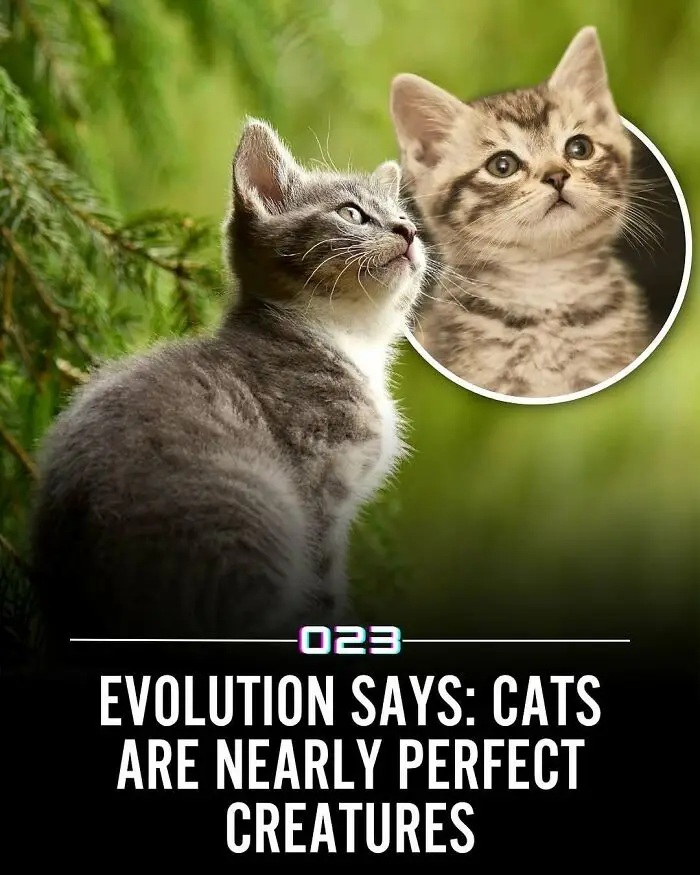
Two curious kittens in nature illustrating positivity recommended with wholesome facts about cats as perfect creatures.
Science just confirmed what cat lovers already knew: cats are evolution’s A+ students. 💯 According to evolutionary biologist Anjali Goswami, cats haven’t just survived — they’ve mastered survival. From domestic tabbies to wild tigers, every cat is a hyper-specialized predator, fine-tuned over millions of years. ✅ Same body plan ✅ Same killer instincts ✅ Minimal variation — because they nailed it early on Other species adapt by diversifying. Cats? They don’t need to. They do one thing incredibly well: hunt. Even their skulls are so uniform that lion vs. tiger bones are nearly indistinguishable. Cats are such efficient apex predators that other animals have tried to evolve like them, and failed to compete.
30points

#22

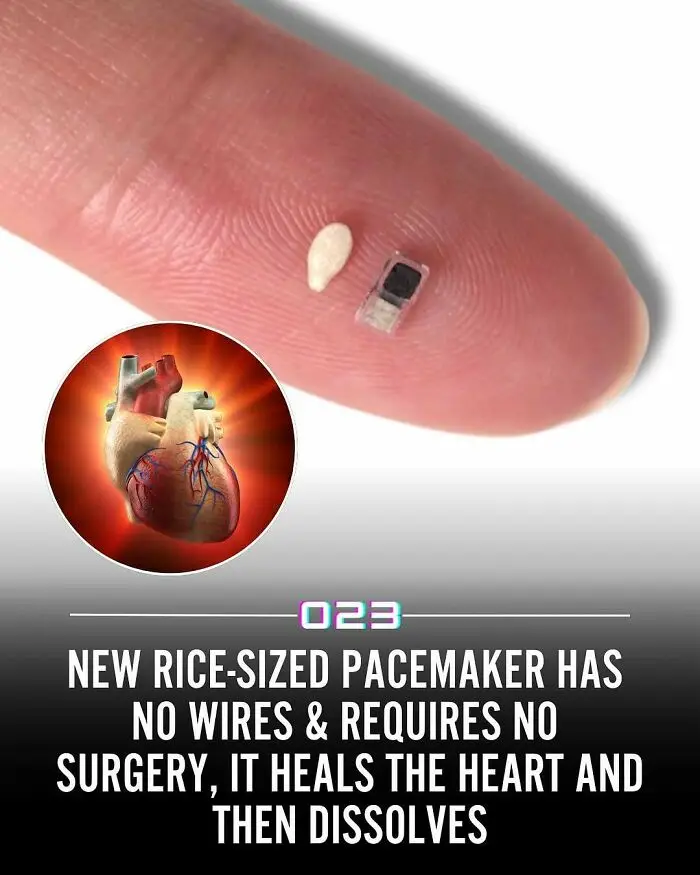
Rice-sized pacemaker that heals the heart without surgery, promotes positivity, and then dissolves naturally.
Researchers at Northwestern University unveiled the world’s smallest pacemaker in early 2025 — a rice-sized, wireless device that can be injected with a syringe, requires no surgery, and dissolves naturally once the heart has healed. 🍚 ❤️ Designed for temporary cardiac pacing, especially in newborns and surgical recovery, the pacemaker uses the body’s own fluids to power itself and is activated externally by a wearable light patch. Once its job is done, it safely disappears — no wires, no removal, no trace. This could be the future of heart healing.
30points

It’s no surprise that even tech companies are recognizing the value of positive content. Google, for example, introduced a feature on Google Assistant called “Tell Me Something Good.” With a simple voice command, users can hear uplifting news stories. It’s a small feature, but it speaks volumes. The demand for good news is clearly there. People want reminders that not everything is falling apart. Sometimes, a gentle nudge toward positivity is exactly what we need.

#23

Mountain island under an artistic Ireland flag in bright daylight, representing positivity and wholesome facts.
Ready to leave the hustle behind? Ireland is offering up to $92,000 (€84,000) to anyone willing to restore and live in vacant homes across 20+ stunning islands along its wild western coast. From the scenic shores of Inis Mór to the culturally rich Gaeltacht isles, this is your chance to reboot your life in one of Europe’s most peaceful corners. 🌊🏠 Whether you’re a dreamer, a doer, or a digital nomad looking for your next adventure, Ireland’s Our Living Islands plan is turning isolation into opportunity.
28points

#24

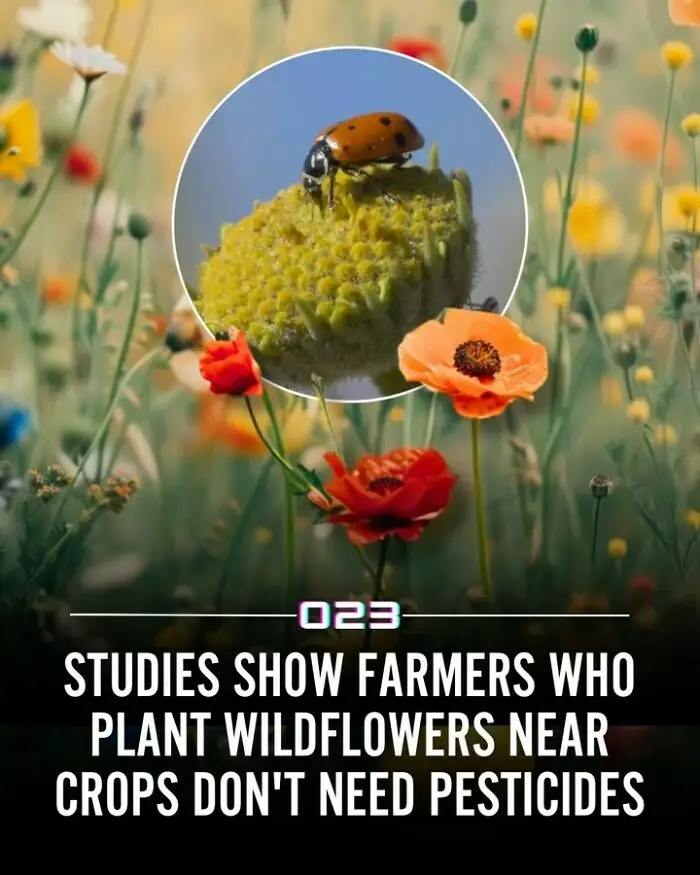
Close-up of a ladybug on a yellow wildflower highlighting positivity recommended with wholesome facts about nature and farming.
New research shows that planting wildflowers near crops can significantly reduce the need for pesticides. The flowers attract beneficial insects like ladybugs, lacewings, and parasitic wasps that feed on common crop pests such as aphids and mites. Studies confirm this ecological method boosts natural pest control while supporting biodiversity.
28points

#25

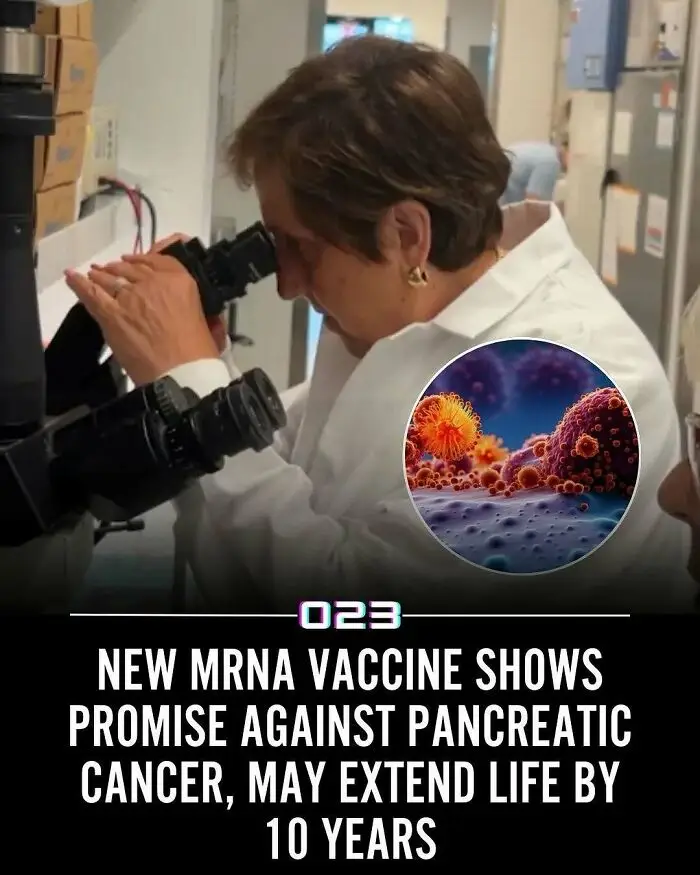
Scientist examining mRNA vaccine research promising pancreatic cancer treatment to extend life by 10 years.
These medical advancements are looking like we might be able to live longer than we expected. . Researchers have developed an mRNA vaccine that may significantly extend the survival of pancreatic cancer patients. In a recent study, the vaccine demonstrated the potential to prolong patients’ lives by up to 10 years. This advancement offers hope in combating a cancer type known for its poor prognosis.
28points

#26

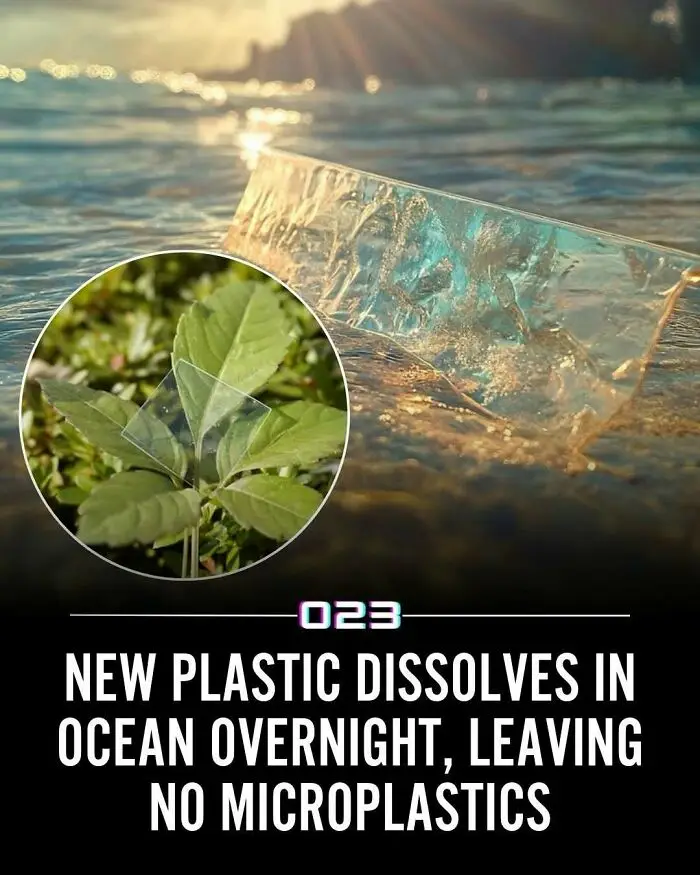
Biodegradable plastic dissolving in ocean water, promoting positivity with eco-friendly innovation facts.
Scientists at Japan’s RIKEN institute have developed a groundbreaking plastic that maintains the strength and flexibility of conventional plastics but dissolves completely in saltwater within approximately 8.5 hours, leaving behind only safe compounds like nitrogen and phosphorus. This innovative material, composed of supramolecular polymers, forms strong bonds during use but breaks down rapidly in marine environments, offering a promising solution to ocean plastic pollution. To prevent premature degradation, the plastic can be coated with hydrophobic layers, which can be easily scratched off when disposal is desired.
28points

At the end of the day, positive stories play an important role in our lives. They don’t replace the need for serious news, but they help balance it out. Just like the posts we’ve shared here, they offer moments of warmth and optimism. A smile, a lighter mood, or a renewed sense of hope can go a long way. If something made you feel good, it’s worth passing along. After all, a little positivity shared can make a big difference.

#27
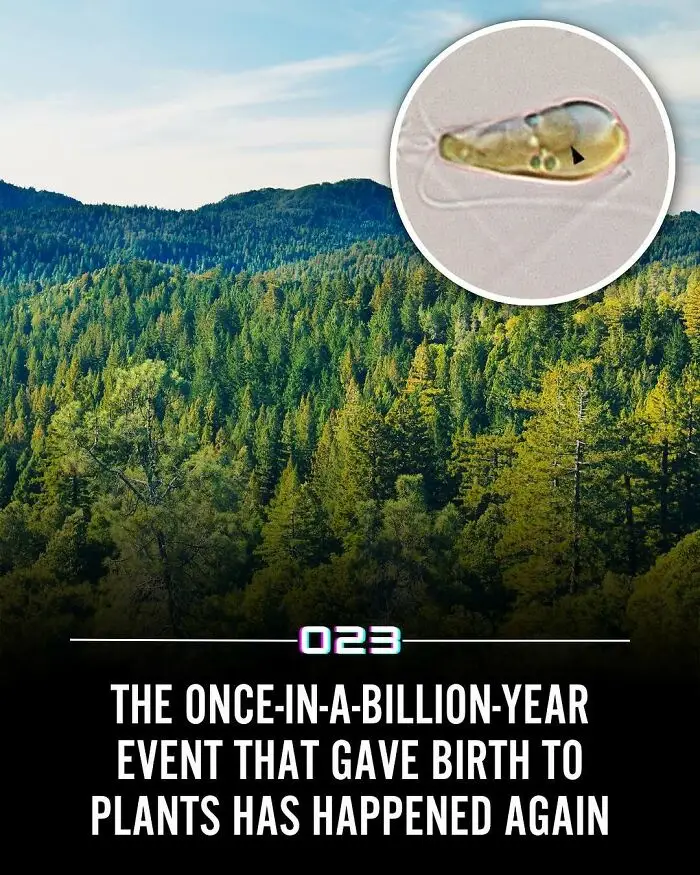
Lush green forest under blue sky with a microscopic view of a single-celled organism related to positivity recommended facts.
In a scientific milestone rivaling the emergence of mitochondria and chloroplasts, researchers have identified a newly evolved organelle—the “nitroplast”—within marine algae. Born from a 100-million-year-old symbiosis between the nitrogen-fixing bacterium UCYN-A and its algal host Braarudosphaera bigelowii, this organelle marks only the third time in Earth’s history such a transformation has occurred. Like its ancient predecessors, the nitroplast has shrunk its genome, imports host proteins, and shares metabolic functions—key signs of organelle integration. This discovery not only redefines our understanding of evolution in real time but also hints at future possibilities: engineering nitrogen-fixing organelles into crop plants for sustainable agriculture. The research, published in Cell and Science, offers a rare glimpse into life’s deep evolutionary machinery—still turning after billions of years.
27points

#28

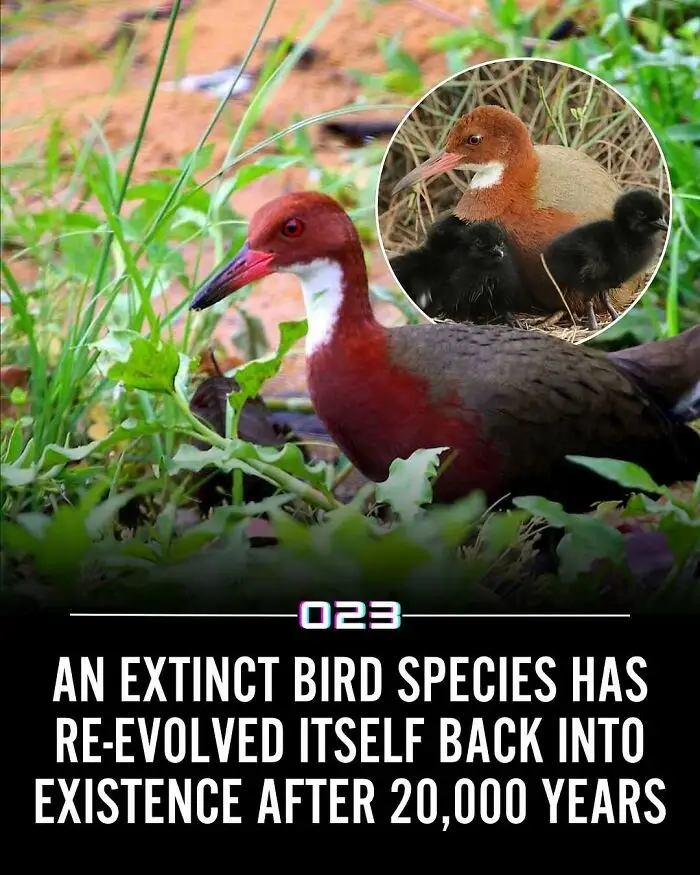
A bird species re-evolving after extinction over 20,000 years, highlighting positivity recommended wholesome facts.
A once-extinct bird species has “re-evolved” and returned to the island it inhabited thousands of years ago, according to researchers. The species was wiped out around 136,000 years ago when the island was submerged by the sea. Remarkably, within 20,000 years of its extinction, the bird reappeared and evolved into the flightless Aldabra rail once again. Scientists say this marks one of the fastest known timelines for a bird to lose its ability to fly and the only documented case of a bird species becoming flightless twice.
27points

#29

Lab-grown wood from stem cells offers a positive solution to end deforestation and promote environmental sustainability.
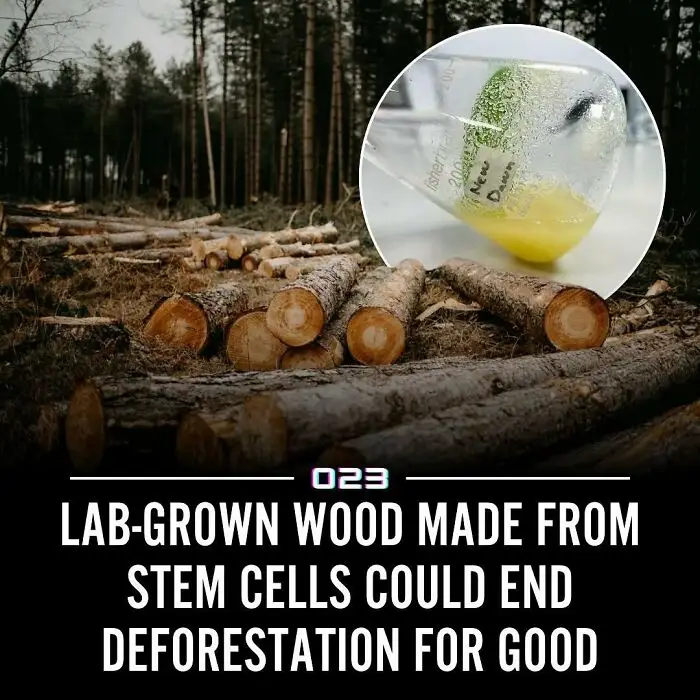
A small sliver of hope can now change the sustainability landscape forever. Lab-grown wood, pioneered by companies like New Dawn Bio, is a groundbreaking innovation that eliminates the need for deforestation by creating wood from plant cell cultures. This process drastically reduces resource use, optimizes material properties to be more customizable, and preserves natural ecosystems.
27points

#30

A gray cat being petted, illustrating how cat purring frequency is linked to bone regeneration and tissue repair.
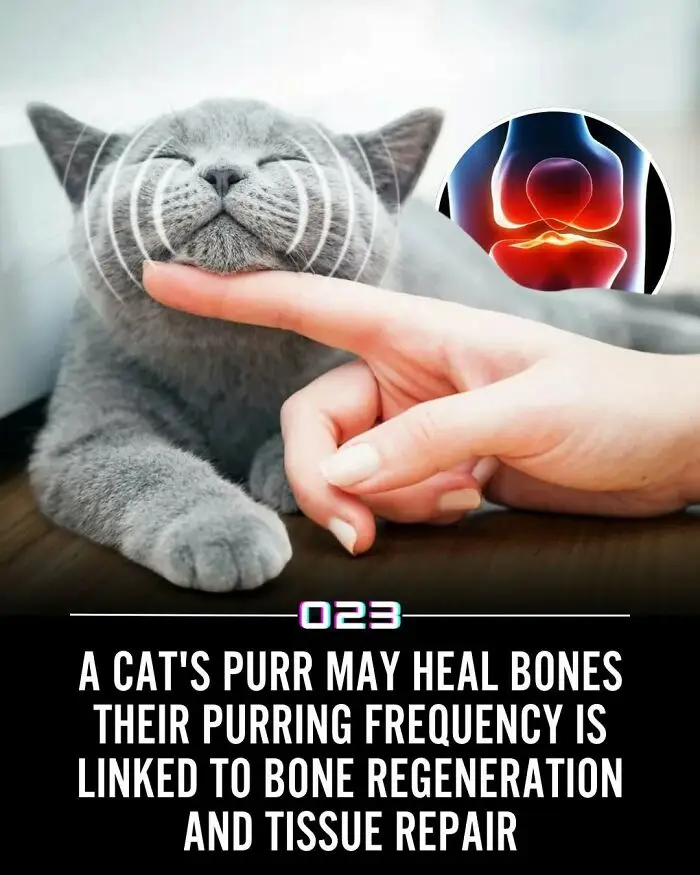
🐱💫 Did you know a cat’s purr isn’t just cute—it may actually heal bones? 🦴✨ Studies show that cats purr at frequencies between 25-150 Hz, a range linked to bone regeneration and tissue repair in medical research. This could explain why cats recover quickly from injuries and rarely suffer from bone diseases! 🤯🐾
26points

#31

Polar bear sleeping peacefully among vibrant purple wildflowers in a bright, wholesome nature scene.
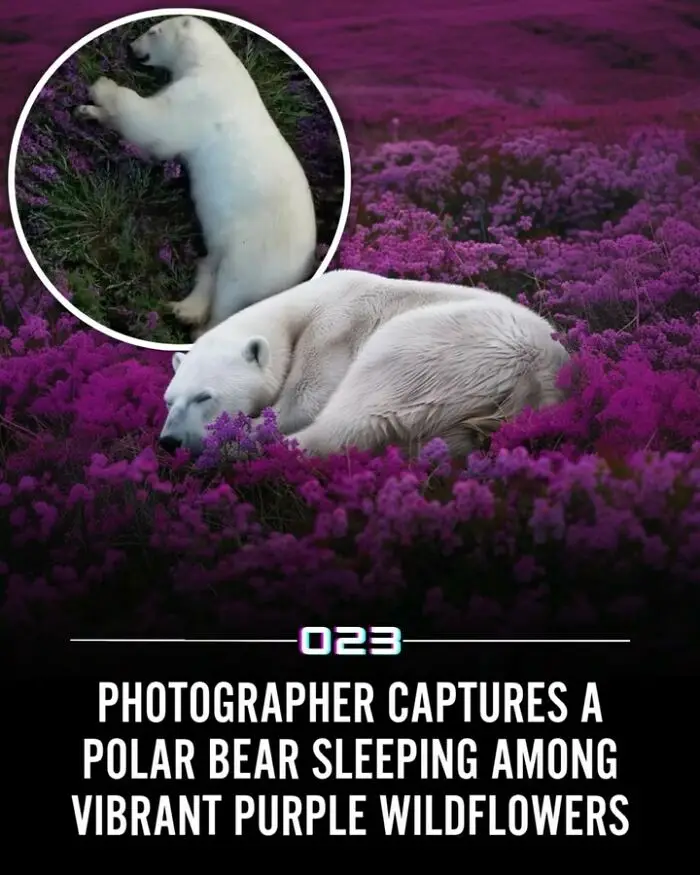
A serene polar bear resting in vibrant fireweed has earned photographer Christopher Paetkau the grand prize at the Nature Photography Contest. Captured at sunrise after a successful hunt, the image blends beauty and conservation — a rare Arctic moment that reminds us what’s at stake.
25points

#32

Close-up of a crow with an intense gaze, highlighting research on crows’ memory related to grudges and positivity recommended.
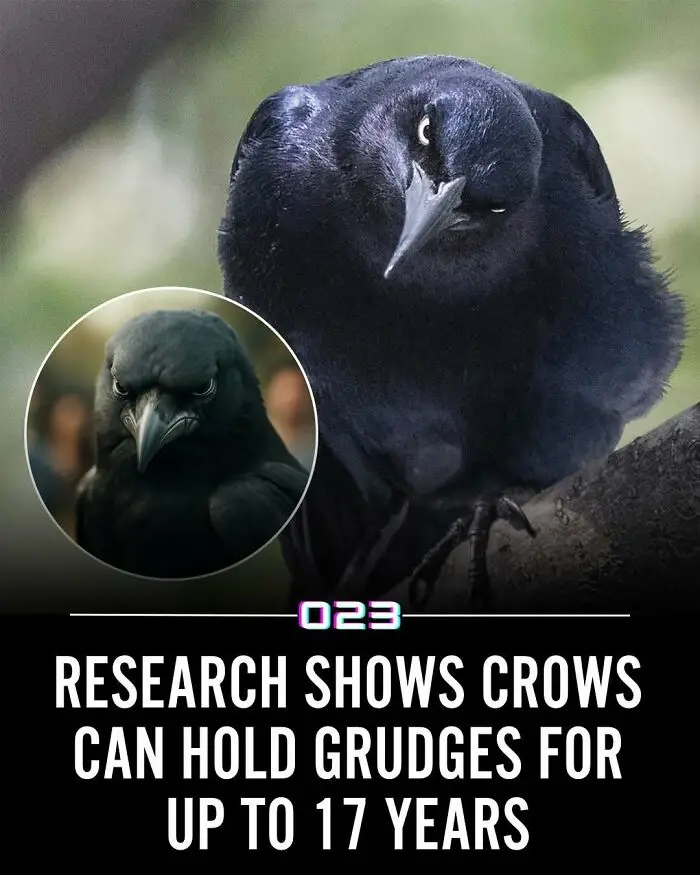
This crow isn’t just watching—it’s remembering. 🐦‍⬛ In a long-term study led by Professor John Marzluff at the University of Washington, researchers found that crows can recognize human faces and hold grudges for up to 17 years. One mask used during the study triggered attacks and scolding nearly two decades later—even by crows that weren’t born when it happened. They don’t forget. They don’t forgive. Never underestimate a crow.
25points

#33

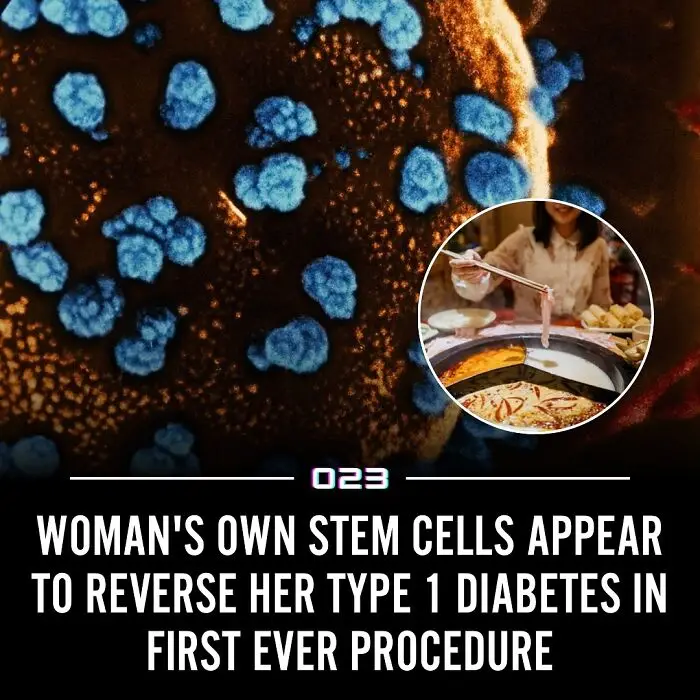
Close-up of stem cells with inset of a woman cooking, illustrating positivity recommended in health breakthroughs.
She says, ""I can eat sugar now. I enjoy eating everything - especially hotpot." In a groundbreaking development, Chinese scientists have successfully reversed Type 1 diabetes in a young woman using her own stem cells. This 25-year-old patient, the first of her kind, was treated with induced pluripotent stem cells that were reprogrammed from her own fat tissue. These stem cells were transformed into insulin-producing cells and implanted into her abdomen. Within just a few months, she began producing insulin naturally and no longer needed external insulin injections. The procedure, which took place in Tianjin, China, offers hope for a future where Type 1 diabetes patients may no longer rely on insulin for survival. The woman’s ability to maintain stable insulin production has continued for over a year, a first in medical history. Researchers are optimistic about expanding this treatment to more patients, though challenges remain in scaling the procedure globally. This breakthrough could mark a major shift in how diabetes is treated, potentially offering a long-term solution to a condition that has previously required lifelong management with insulin.
24points

#34

Close-up of a blind owl with deep reflective eyes, featured in wholesome facts to inspire positivity today.
Zeus, a blind Western screech owl, was found injured and unable to fly in Central California. Diagnosed with capsular cataracts, his eyes sparkle like star-filled skies. Now living at the Wildlife Learning Center in Southern California, Zeus serves as an ambassador for owl conservation and awareness.
24points

#35

People working on microfarms turning lawns into green spaces to combat food deserts and promote positivity recommended facts.
Getting back to our roots!! 🧑‍🌾👩‍🌾 . Organizations like CropSwapLA are transforming residential lawns into microfarms to tackle food deserts in Los Angeles. These urban gardens provide fresh produce, promote sustainability, and improve food security in underserved communities.
24points

#36

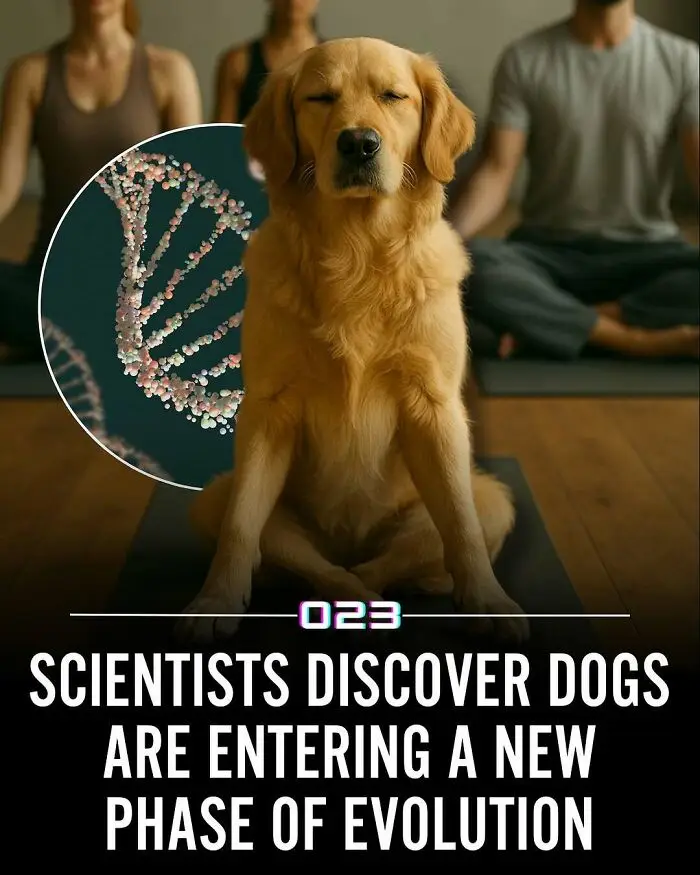
Golden retriever meditating with people and DNA strand, highlighting positivity recommended and wholesome facts about dogs evolution.
A recent study suggests dogs may be entering a new phase of evolution — one shaped not by wilderness, but by modern human life. 🐶🐕 Scientists have observed that dogs are becoming more emotionally attuned, socially adaptable, and even genetically inclined toward traits like friendliness and empathy. Selective breeding for companionship and service roles is accelerating this shift, hinting at a third wave of domestication where emotional intelligence may be the next frontier.
23points

#37

Underground forests thriving inside massive sinkholes in China, showcasing nature's positivity in hidden spaces.
A team of Chinese scientists has discovered a massive sinkhole in Leye County, Guangxi Zhuang Autonomous Region, measuring 630 feet deep, 1,000 feet long, and 490 feet wide. At its bottom lies a well-preserved ancient forest with trees reaching heights of 130 feet, potentially harboring species unknown to science. This discovery highlights the unique karst landscapes of southern China, characterized by dramatic sinkholes and caves formed through the dissolution of bedrock by slightly acidic rainwater.
23points

#38

Man doing squats in front of a fitness machine in Romania promoting positivity and wholesome facts about healthy habits.
In Romania, commuters can pay for their bus ticket by doing 20 squats, part of a national campaign to promote movement and make public transit more fun and engaging. The machines count each squat and print a free ticket once you hit the goal. Elderly and disabled riders travel free, ensuring the system stays inclusive. Cities using the program report higher ridership and a boost in community morale. The bright side: when public health meets public transit, everyone wins — stronger bodies, stronger communities.
23points

#39

World's richest woman opens medical school in the US with completely free tuition promoting positivity and hope.
Walmart heiress and philanthropist Alice Walton has opened the Alice L. Walton School of Medicine in Bentonville, Arkansas, with a mission to revolutionize how future doctors are trained. Unlike traditional programs, the school emphasizes whole health, blending conventional medical education with lifestyle, nutrition, emotional wellness, and patient-centered care. The school aims to address gaps in the U.S. healthcare system by equipping physicians to treat the root causes of illness, not just the symptoms. It’s part of a broader movement to integrate holistic approaches into mainstream medicine.
23points

#40

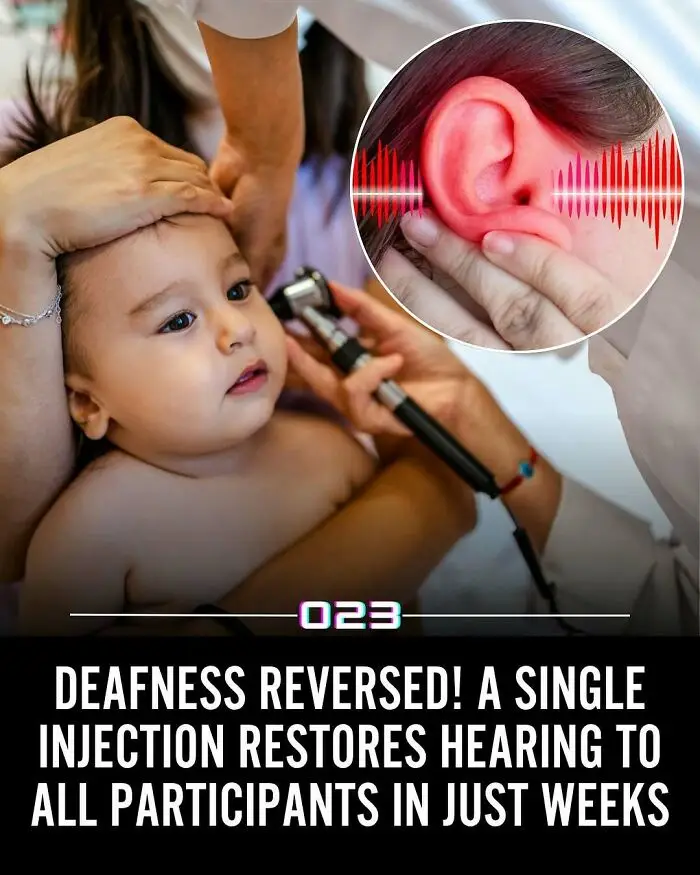
Baby receiving ear examination by doctor with inset showing hearing improvement, highlighting positivity recommended facts.
For the first time in history, scientists used gene therapy to restore hearing in people born completely deaf. 📢 In a groundbreaking clinical trial, a single injection delivered a healthy copy of the OTOF gene into the inner ear. Within weeks, all participants began to hear again — some regained the ability to hold full conversations within months. This one-time treatment could transform life for millions with inherited hearing loss — and it’s just the beginning.
22points
51
4