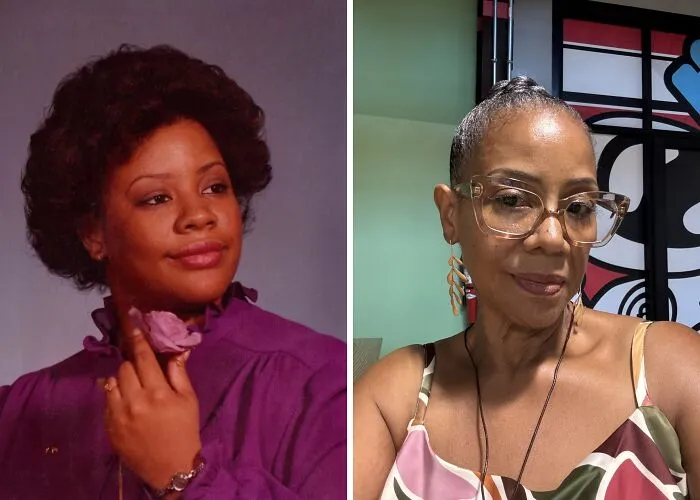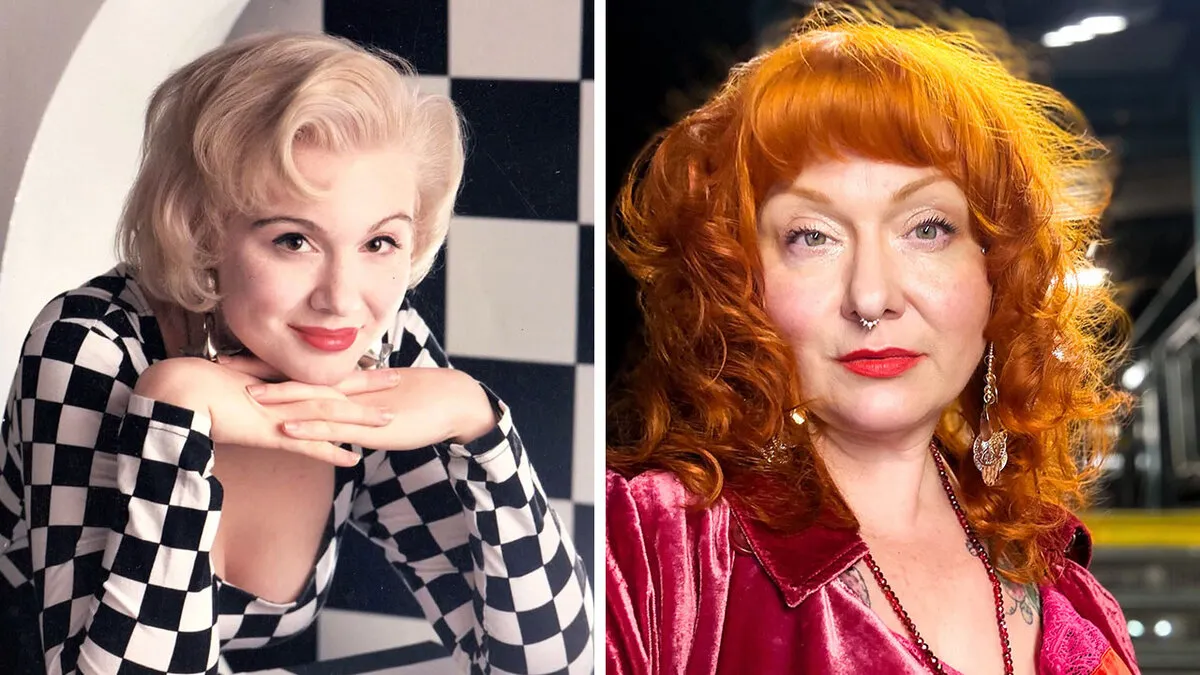


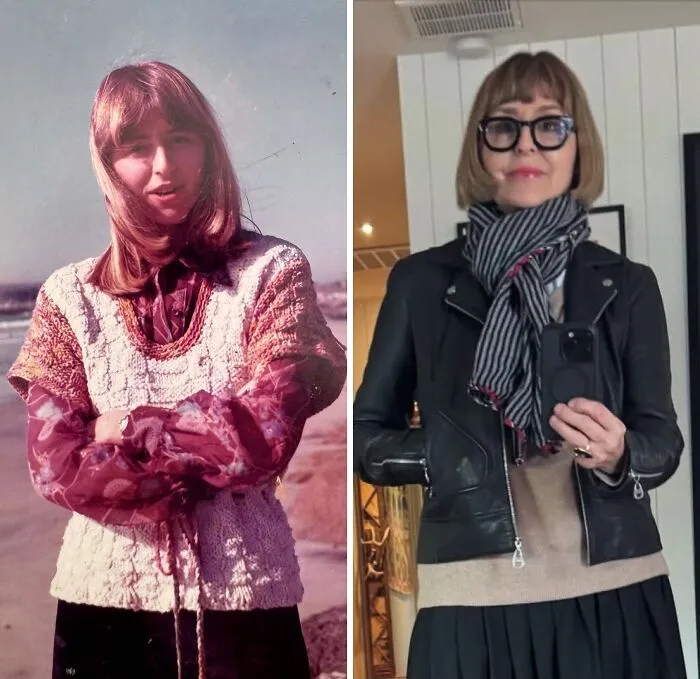

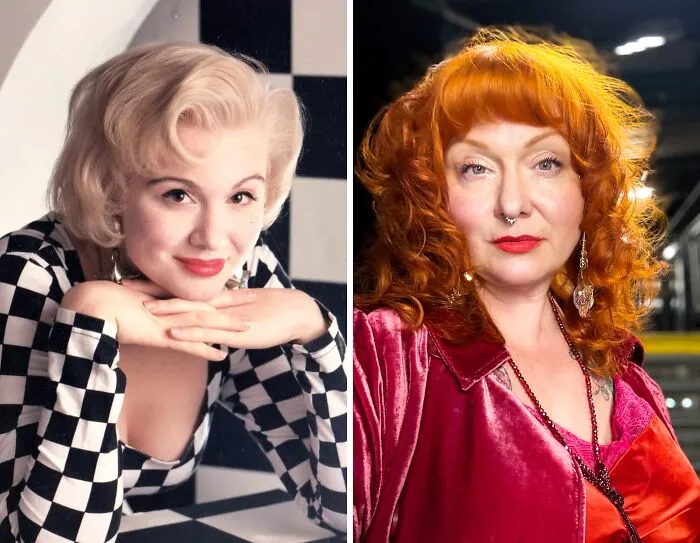
Online feeds are constantly flooded with viral throwback challenges. For example, the recent “2026 is the new 2016” trend, where users compared their current selves to photos from 2016. It served as a visual marker of a full decade of personal change, capturing everything from fashion evolution to major life shifts.
These classic before-and-after photo remakes reveal our collective craving for the past. But our obsession with looking back is far more than just an internet phase — it is a deeply rooted psychological mechanism.
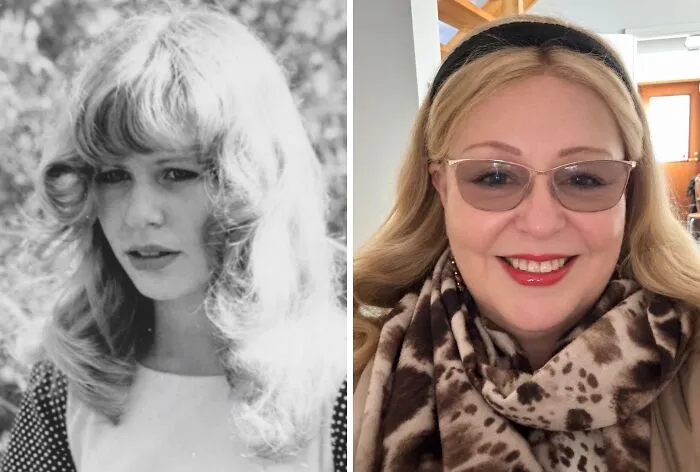
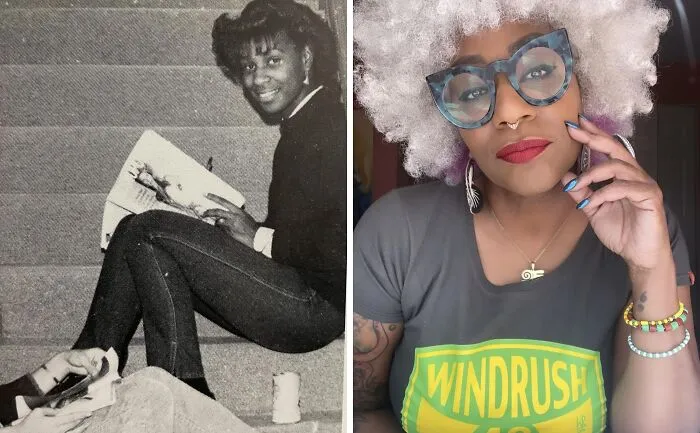

The concept of nostalgia has evolved in fascinating ways. Swiss physician Johannes Hofer first coined the word in 1688, combining the Greek terms nostos (return) and algos (pain) to describe a physical disease. Hofer viewed nostalgia as a debilitating brain illness afflicting homesick soldiers who were so consumed by past memories that they could no longer function in the present.
Modern science, however, paints a dramatically different picture. Recent empirical research has highlighted positive effects of nostalgia, suggesting it is a predominantly positive emotion.



Research led by psychologists Tim Wildschut and Constantine Sedikides at the University of Southampton revealed that nostalgia acts as an internal stabilizer. Their work shows that reflecting on the past strengthens a person’s sense of “self-continuity.” It also creates an emotional bridge between the child who posed in a vintage photo and the adult standing in the present.
By reminding us of where we came from, nostalgia builds identity, elevates mood, and fosters deeper social connections.
As behavioral psychologist Jo Hemmings explains, “Taking the time to look back on our treasured memories can be truly beneficial for our wellbeing as it can help to evoke feelings of positivity and happiness. Because of this, and especially at times like this, we should take more time to appreciate and look back on them.”



Scientists categorize the emotional experience of nostalgia into two distinct types: restorative nostalgia and reflective nostalgia.
Restorative nostalgia occurs when happy memories inspire us to actively relive the past — such as adult siblings recreating a childhood vacation photo or parents visiting their old high school. Reflective nostalgia, on the other hand, comes into play when we look back during difficult moments, such as coping with loss.
Studies show that both forms offer significant mental health benefits, helping us draw comfort from simpler times as we navigate current challenges.

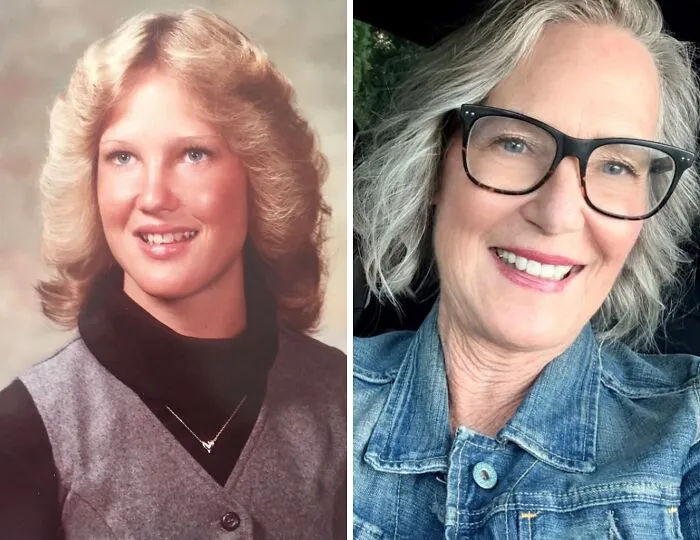

The psychological impact of looking at personal photographs is remarkably potent. Research from photo brand CEWE revealed that looking at personal photos provides even greater relaxation than meditation.
Over a fifth of people surveyed said they look back at their old photos multiple times a week, and 65% of people said this made them feel nostalgic. About 56% of people said they felt happy when doing so, and 31% said it made them feel relaxed.


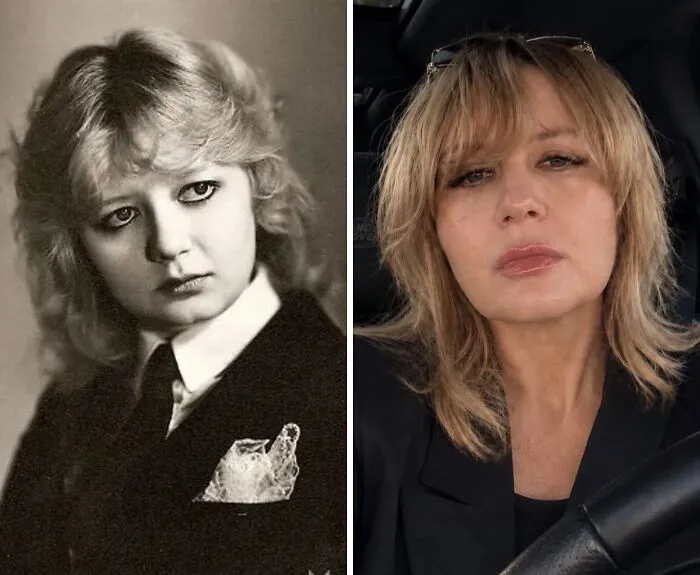
Even the simple act of snapping a picture plays a surprising role in how our brains process memories.
According to research published in Psychological Science, taking photos helps us retain the visual details of our experiences. The study highlights how pressing the camera button directs our mind’s focus, making visual scenes far more vivid in our memory over time.
“Our research is novel because it shows that photo-taking itself improves memory for visual aspects of an experience but can hurt memory for nonvisual aspects, like auditory details,” the authors say.
This explains why recreating a childhood pose or snapping a simple side-by-side comparison feels so powerful years down the road. Every picture you take today becomes a sharp visual anchor for tomorrow.