






The sea covers roughly 70% of our planet, yet we know surprisingly little about its depths. Vast, mysterious, and often unfathomable, it hides countless shipwrecks, scary creatures, and other secrets that we might not be able to uncover for years to come.
However, even the facts that we have learned about the ocean can feel bizarre or unsettling when you stop to think about them. And this is precisely what the Instagram account 'The Weird Unknown' specializes in! Scientific discoveries, chance encounters, it's all there.
More info: Instagram
#41

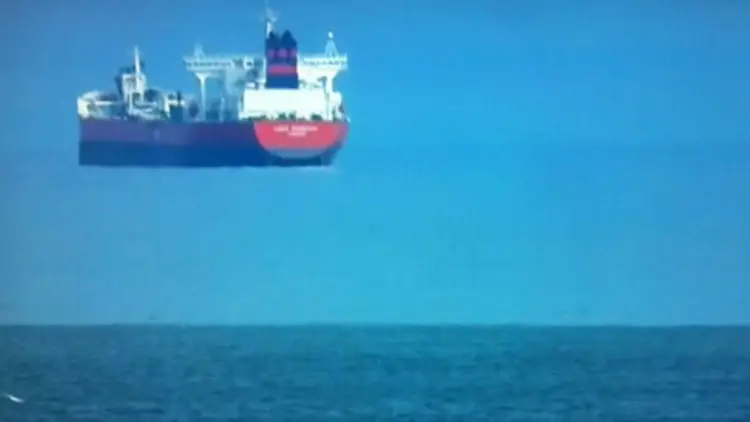
Check out this mind-bending optical illusion where ships seem to float above the ocean or twist into ghostly shapes. It’s called a Fata Morgana—a rare type of mirage caused by layers of air at different temperatures bending light in strange ways. Often spotted over calm seas or in polar regions during a temperature inversion, this natural trick can make distant boats look like they’re hovering, stretched, or even stacked on top of each other.
Report
38points
#42
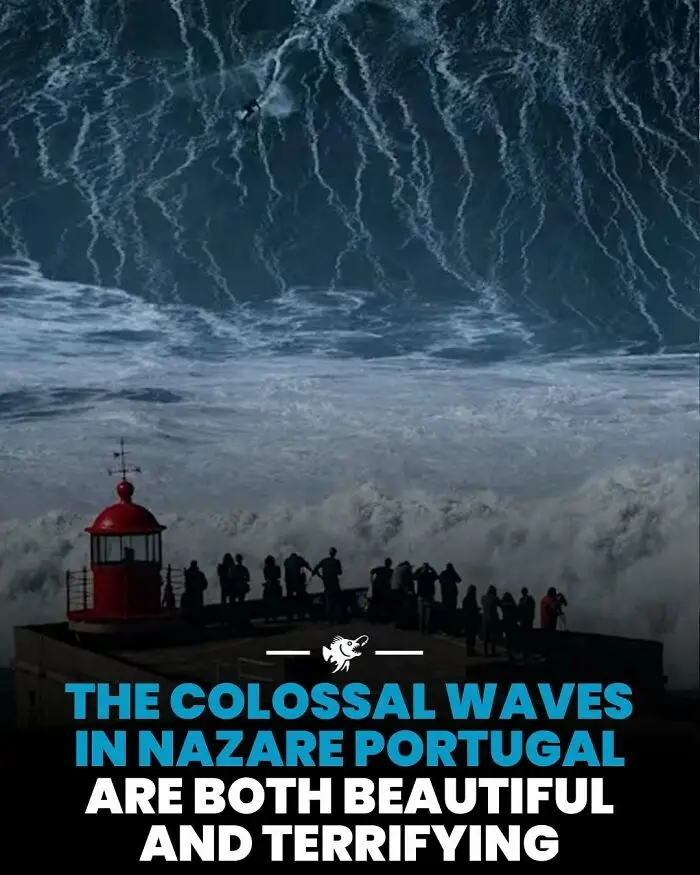
Nazaré, Portugal, has earned global fame as a hotspot for record-breaking waves, drawing elite surfers from around the world. These towering walls of water—some of the biggest ever surfed—are made possible by the Nazaré Canyon, a massive underwater trench just off the coast. This natural formation plunges to depths of around 5,000 meters and stretches roughly 230 kilometers, funneling and amplifying ocean swells as they approach shore. The result? Some of the most powerful and awe-inspiring surf conditions on the planet.
Report
37points
#43
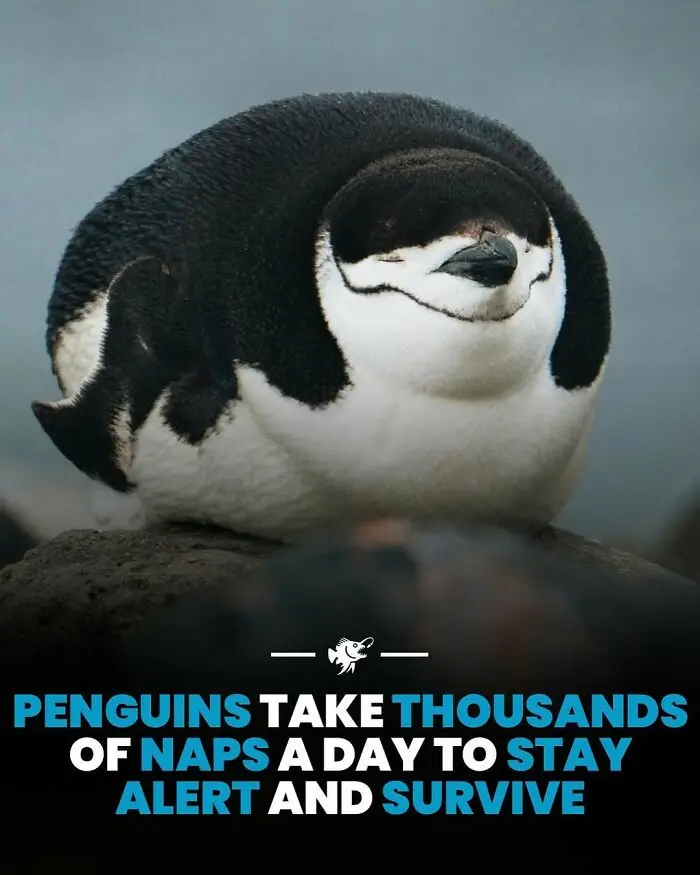
Chinstrap penguins (Pygoscelis antarcticus) have developed a unique sleep pattern, taking over 10,000 brief naps daily, each lasting approximately four seconds. This behavior allows them to accumulate about 11 hours of sleep per day while remaining vigilant against predators and aggressive neighbors in their noisy and crowded breeding colonies.  Researchers studied 14 nesting chinstrap penguins on Antarctica’s King George Island by attaching data loggers with electrodes to monitor brain activity. The findings revealed that these microsleeps often involve unihemispheric sleep, where one brain hemisphere rests while the other remains alert. This adaptation enables the penguins to protect their offspring and maintain awareness of potential threats in their environment. 
Report
33points
#44
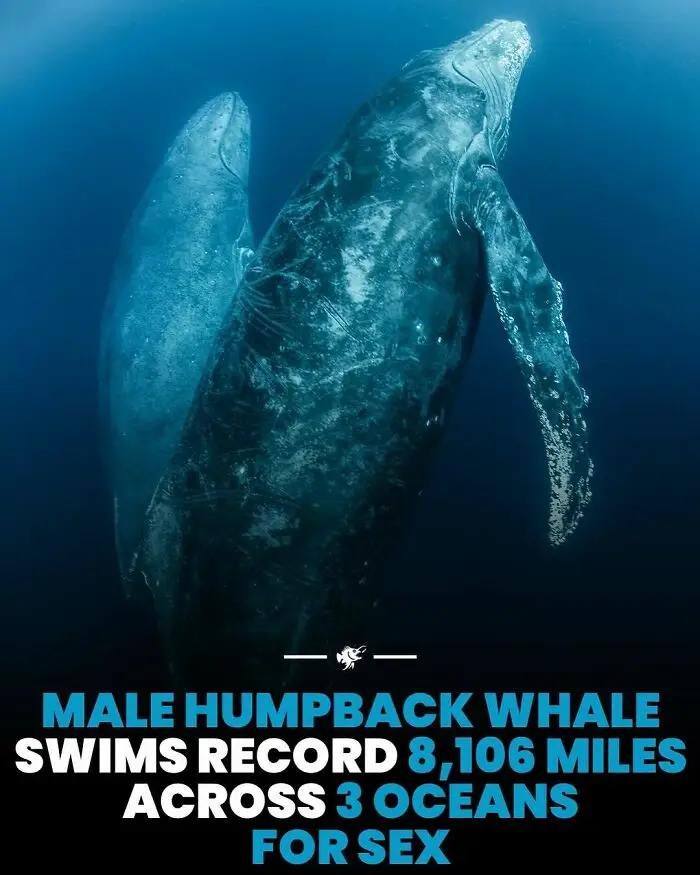
Migration is a test of endurance, but one male humpback whale set a record-breaking journey for love. This whale traveled across three oceans, from the eastern Pacific to the Indian Ocean, eventually reaching the coast of Zanzibar. This remarkable voyage is the longest great-circle distance ever recorded for a humpback whale, linking breeding grounds in the eastern Pacific with those in the southwest Indian Ocean. Scientists believe the whale made the journey to expand its chances of finding a mate, navigating ocean currents and interacting with other humpback groups along the way. Ted Cheeseman, a study co-author, described the discovery as “exciting” and initially difficult to believe.
Report
32points
#45
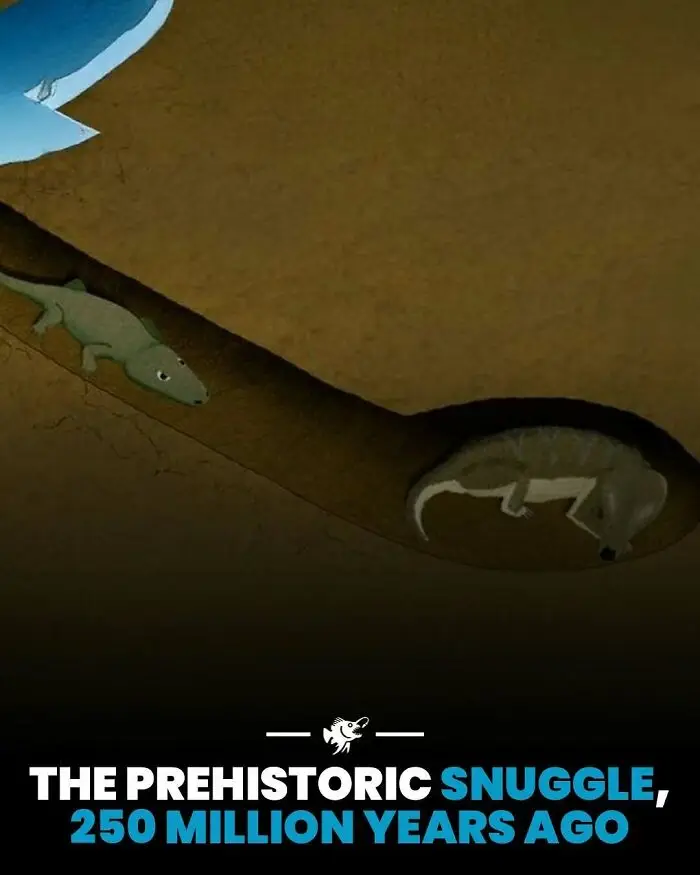
Roughly 250 million years ago, in the wake of Earth’s deadliest mass extinction event, a wounded amphibian called Broomistega sought refuge—finding an unlikely companion in the process. As volcanic eruptions released massive amounts of carbon dioxide, the planet’s temperatures soared, oceans turned acidic, and life on Pangea was devastated. Around 70% of land species vanished, and marine life was nearly erased. Desperate for shelter, the injured Broomistega wriggled into a snug underground burrow already occupied by a snoozing Thrinaxodon—a small, fox-sized reptile that would eventually evolve into mammals. Scientists examining their fossilized remains noticed two small punctures on the Broomistega but confirmed they didn’t match the Thrinaxodon’s bite. The amphibian’s broken ribs were already starting to heal, which hinted it wasn’t attacked by its burrow-mate. Experts also dismissed the idea that Broomistega had been swept in by water—its route into the den was too narrow for that. Instead, this odd duo shared a quiet, if temporary, peace. Their story ended when a surge of mud flooded the burrow, burying both creatures side by side as they rested.
Report
32points
#46
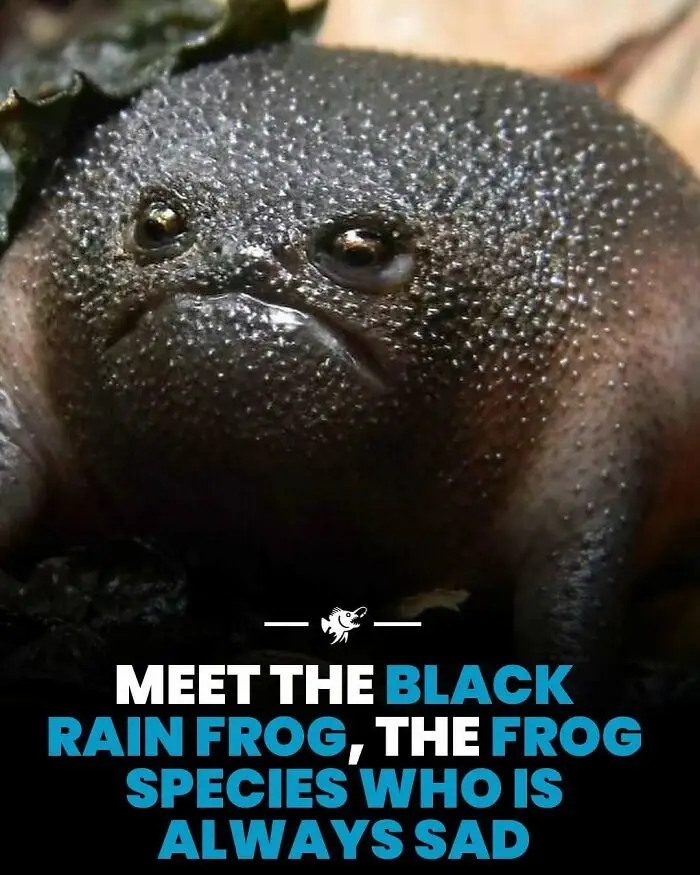
The black rain frog, a small amphibian native to South Africa’s southern coast, is known for its permanently grumpy expression. Found at elevations above 3,300 feet, this burrowing species thrives in dry environments by digging tunnels up to six inches deep, which help it retain moisture and stay protected from predators. Unlike many frogs, the black rain frog does not depend on open water to survive. Instead, it remains underground for much of its life, emerging mainly during rainy conditions. Its distinctive frown and solitary nature have made it a favorite among animal enthusiasts, adding to its unique charm.
Report
32points
#47
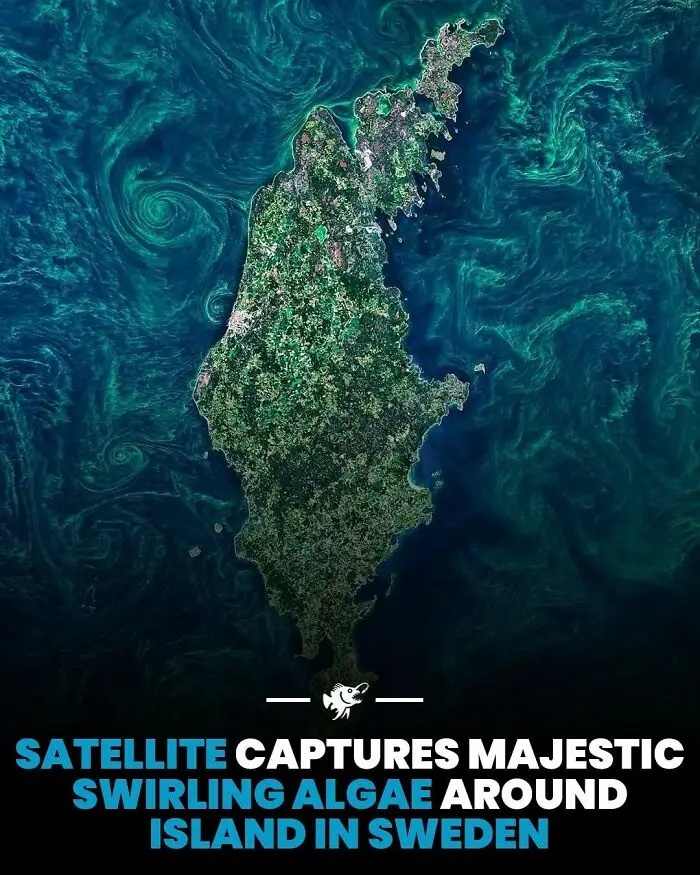
Each summer, the Baltic Sea—especially near Sweden’s largest island, Gotland—transforms with vibrant, swirling green patterns caused by algal blooms. These stunning formations are made up mostly of cyanobacteria, often referred to as blue-green algae. While visually captivating from above, these blooms are also a reminder of changing environmental conditions, as they’re often fueled by rising temperatures and nutrient runoff. Still, their otherworldly appearance offers a unique view of nature’s patterns in motion.
Report
31points
#48
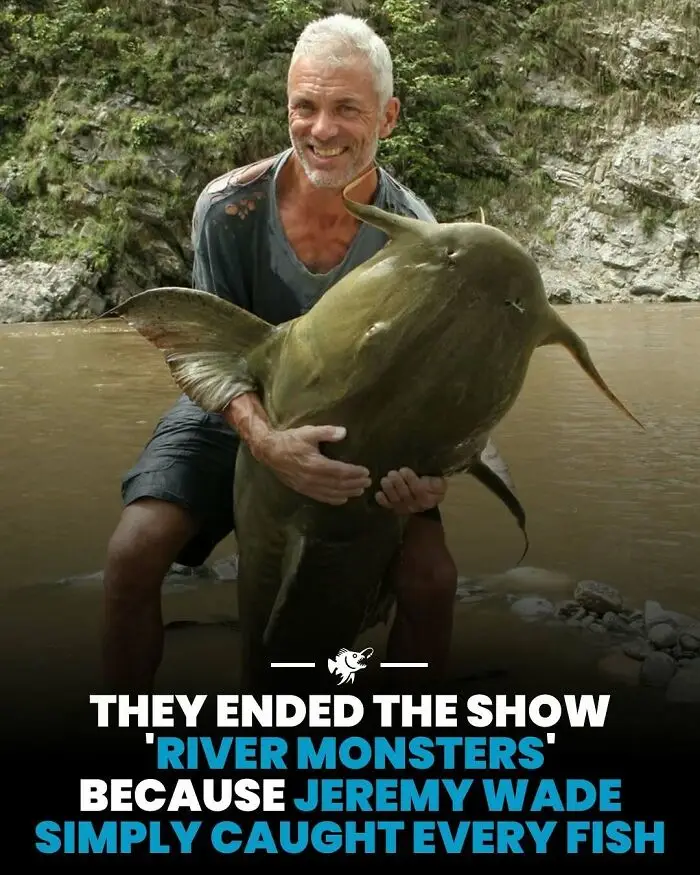
River Monsters, one of Animal Planet’s most popular shows, concluded after nine seasons because host Jeremy Wade had reportedly caught nearly every exceptionally large or dangerous fish. With no more “monsters” to uncover, the show ran out of new challenges to pursue.
Report
30points
#49
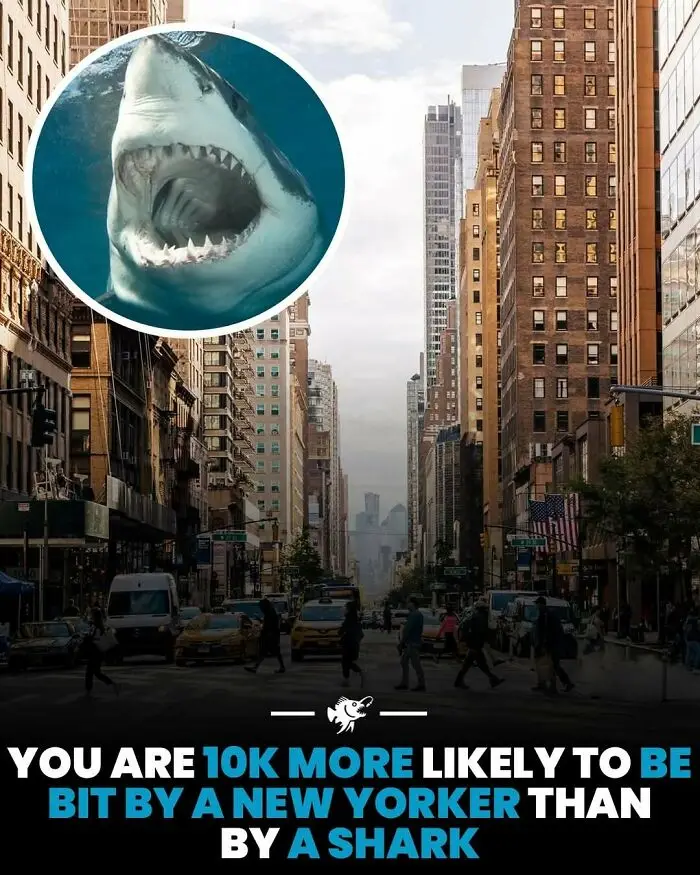
10x*** In 2024, there were 47 confirmed cases of unprovoked shark bites worldwide. For perspective, when the New York City Department of Health tracked human bite incidents in 1977, they recorded a staggering 892 cases in a single year. That means you’re more than 10 times more likely to get bitten by a New Yorker than by a shark. Stay alert out there!
Report
28points
#50
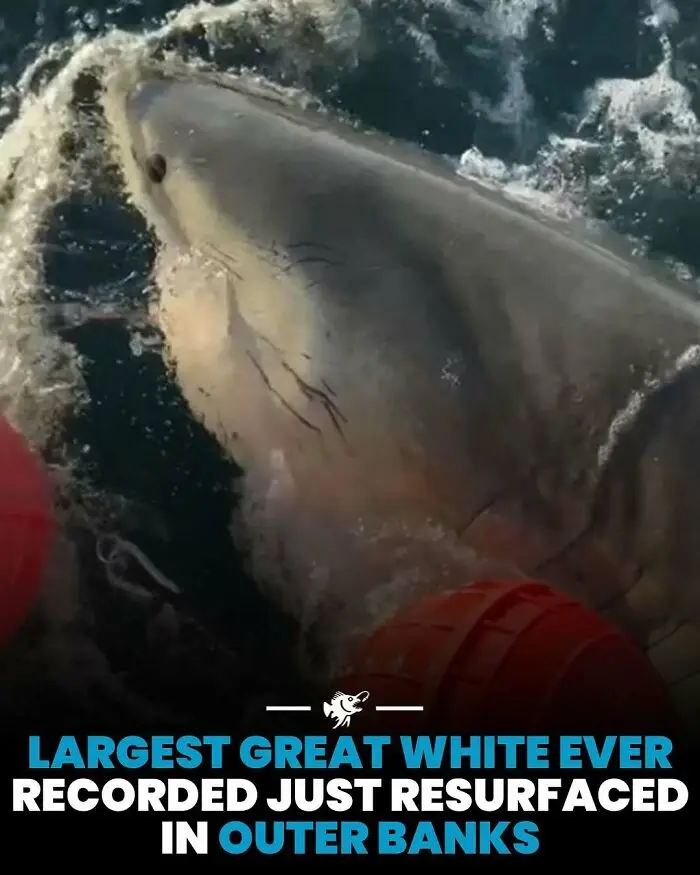
The largest great white shark ever documented in the Atlantic is drawing attention off North Carolina’s coast. Named Contender, this 14-foot, 1,653-pound apex predator was originally tagged in January near Florida before vanishing from trackers for several weeks. He has since reappeared, offering scientists a rare opportunity to monitor his movements. At roughly 30 years old, Contender is contributing critical data to marine research. Scientists hope tracking his migration patterns will help protect vital shark habitats and shed light on the species’ behavior and range. For the curious, his journey can be followed in real-time via OCEARCH’s shark tracker.
Report
26points