






The sea covers roughly 70% of our planet, yet we know surprisingly little about its depths. Vast, mysterious, and often unfathomable, it hides countless shipwrecks, scary creatures, and other secrets that we might not be able to uncover for years to come.
However, even the facts that we have learned about the ocean can feel bizarre or unsettling when you stop to think about them. And this is precisely what the Instagram account 'The Weird Unknown' specializes in! Scientific discoveries, chance encounters, it's all there.
More info: Instagram
#21
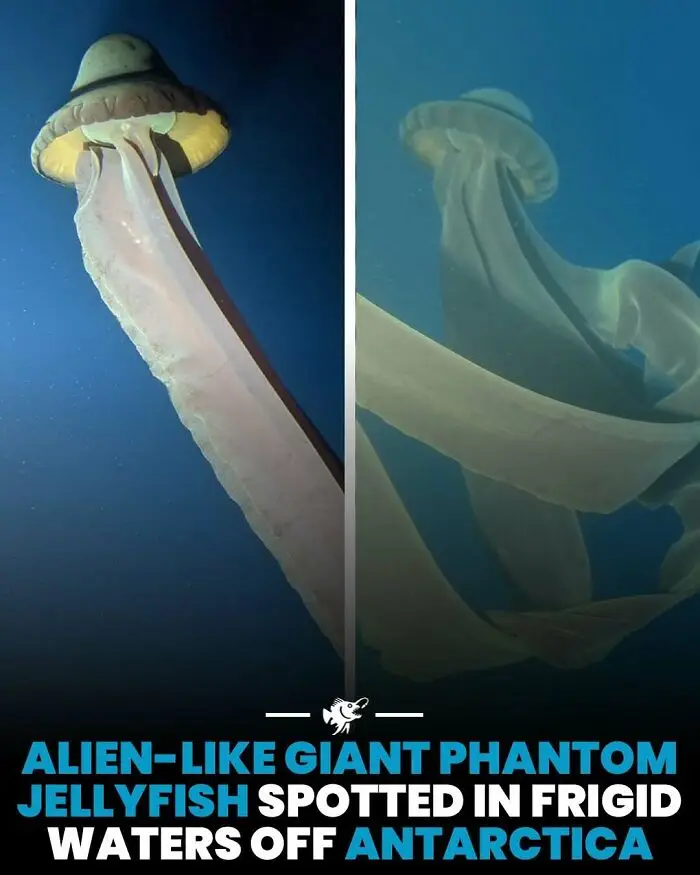
In early 2022, passengers aboard a Viking cruise ship near the Antarctic Peninsula experienced a rare encounter with the elusive giant phantom jellyfish (Stygiomedusa gigantea). These deep-sea creatures, characterized by their umbrella-like bells and long, ribbon-like arms, were observed at depths ranging from 260 to 920 feet. Typically residing in much deeper waters, their presence in relatively shallow Antarctic regions remains a subject of scientific curiosity. The sightings, facilitated by submersible dives from the cruise ship, provided valuable insights into the behavior and habitat of this seldom-seen species. Researchers hypothesize that factors such as upwelling currents or the jellyfish’s own movements might bring them closer to the surface in these regions. These observations underscore the importance of continued exploration and study to deepen our understanding of deep-sea life.
Report
50points
#22
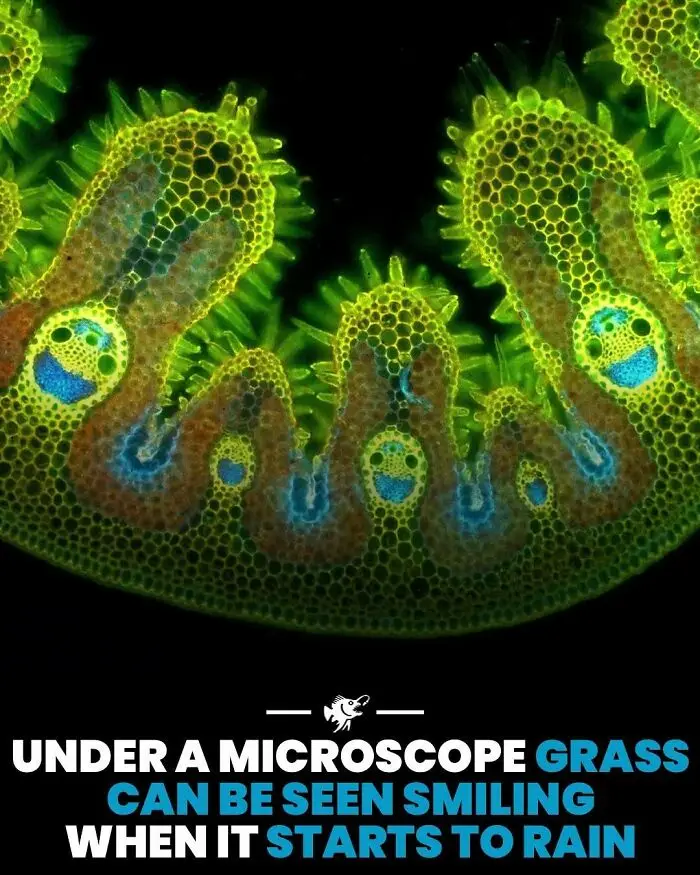
What you’re seeing are the vascular bundles, the structures responsible for transporting water and nutrients throughout the plant. These bundles function like tiny pipelines, arranged vertically to form the stalk of the grass, ensuring the plant gets the resources it needs to thrive.
Report
50points
#23
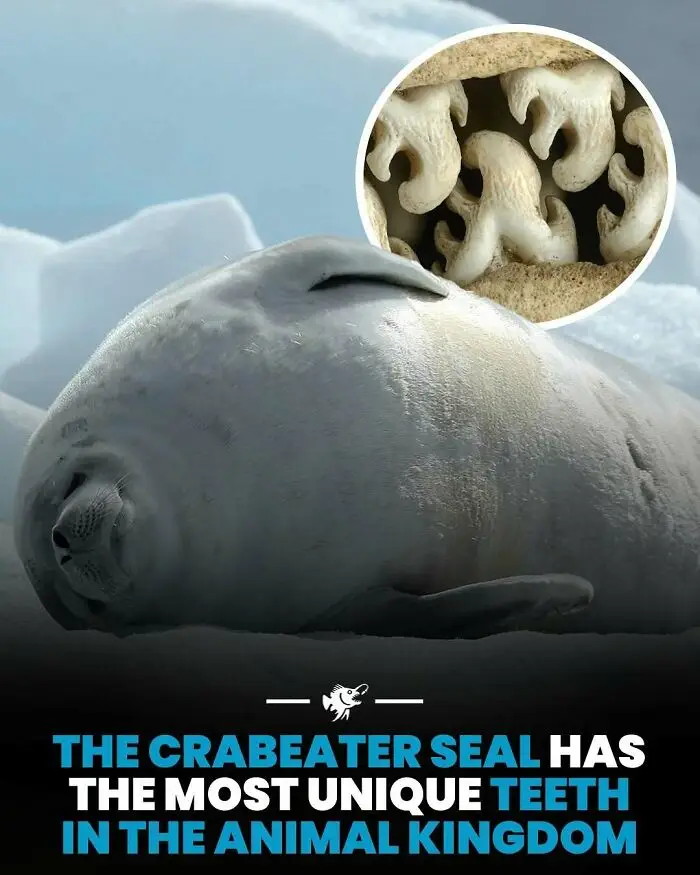
Crabeater seals, despite their misleading name, feed almost exclusively on Antarctic krill—not crabs. What sets them apart is their incredibly specialized teeth, which have evolved to suit this specific diet. Their multi-lobed teeth interlock to create a natural filter, allowing them to strain krill from seawater much like baleen whales do. This built-in filtration system makes crabeater seals some of the most efficient krill hunters in the Southern Ocean.
Report
49points
#24
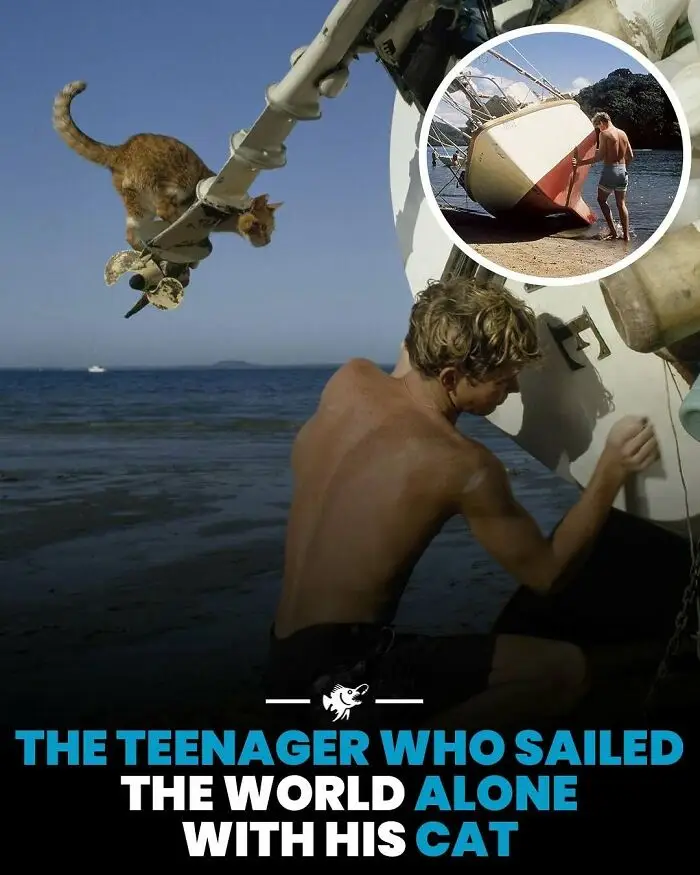
At just 16 years old, Robin Lee Graham left California on a solo mission to sail around the world—a journey that would stretch over five years and test his endurance through storms, isolation, and countless unpredictable challenges. Along the way, he brought his cat for companionship and eventually met his future wife during a stop in South Africa. Graham completed his voyage in 1970 and documented the entire experience in his memoir Dove, which became a bestseller. After the adventure of a lifetime, he traded life at sea for a quieter one in Montana, where he settled down and started a new chapter.
Report
48points
#25
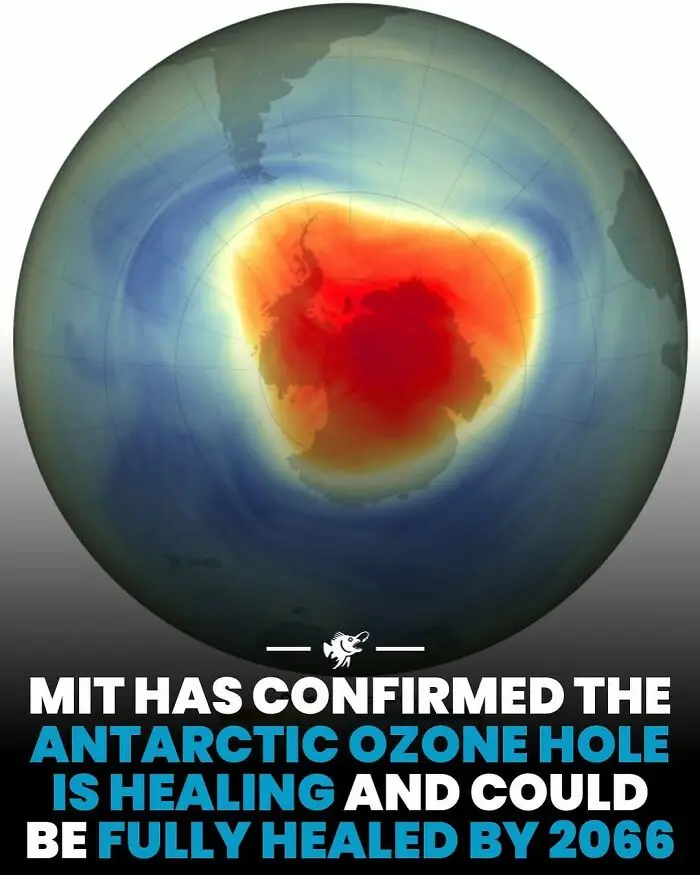
The ozone hole over Antarctica is on track to recover to 1980 levels by around 2066, thanks to decades of international action targeting harmful chemicals. The key driver of this progress is the 1987 Montreal Protocol, a landmark treaty that led to a global phaseout of ozone-depleting substances like CFCs. Since then, levels of these substances have dropped, and scientists have seen clear signs of healing in the ozone layer. According to NASA and NOAA, if current policies hold, the Antarctic ozone hole will continue to shrink—leading to full recovery by 2066.
Report
48points
#26
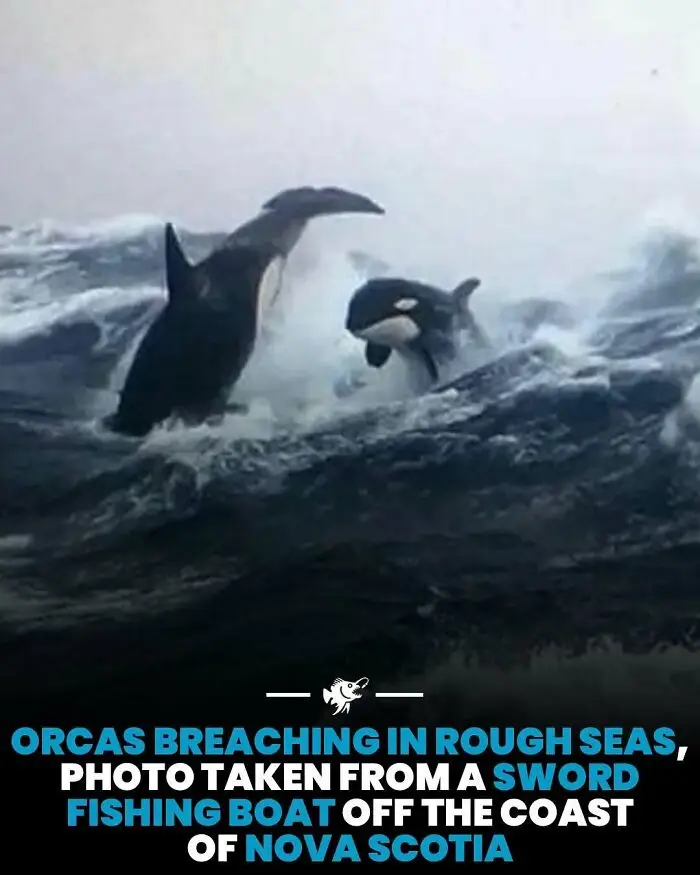
Orcas breaching in rough seas, photo taken from a sword fishing boat off the coast of Nova Scotia
Report
47points
#27
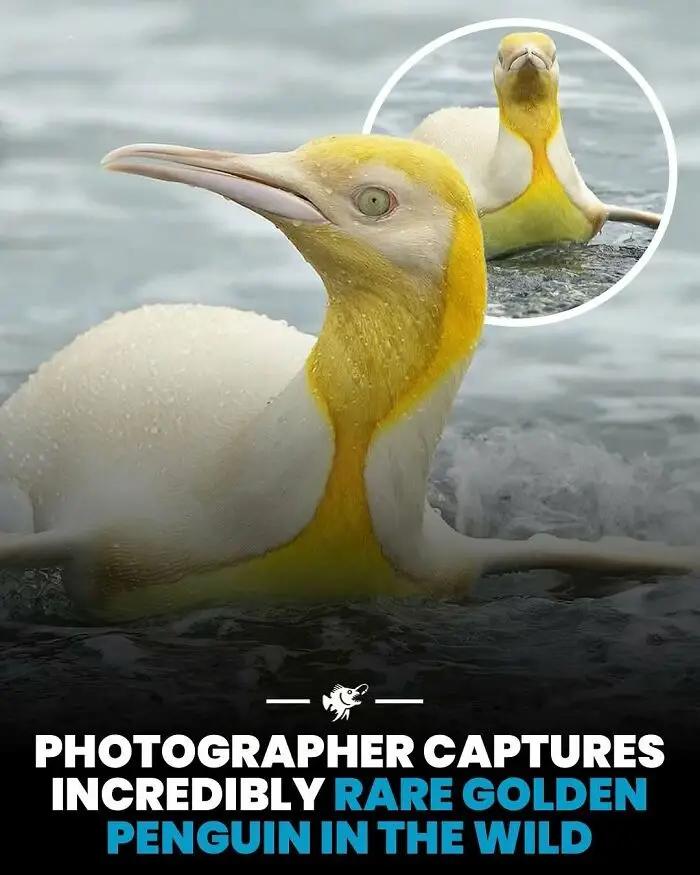
In 2019, wildlife photographer Yves Adams captured a once-in-a-lifetime image of a golden penguin while on an expedition to South Georgia. The bird stood out strikingly among a colony of thousands, thanks to its unusual bright yellow feathers. The penguin’s distinctive coloration is likely caused by leucism, a rare genetic condition that results in reduced melanin, affecting only parts of the plumage. Unlike albinism, leucism doesn’t affect the eyes, allowing the bird to thrive in the wild. This rare find quickly drew global attention for its beauty and scientific curiosity.
Report
45points
#28
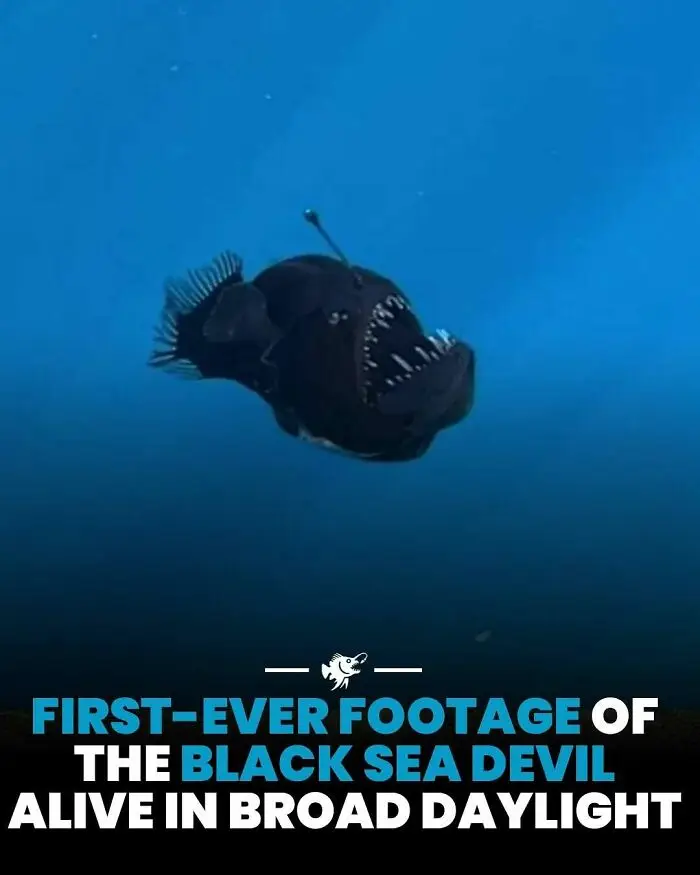
Rare Footage: The Black Sea Devil (Melanocetus johnsonii) caught on Camera in Broad Daylight This elusive deep-sea anglerfish, usually confined to the ocean’s abyss, has been recorded near the surface—a nearly unprecedented event. Renowned for its bioluminescent lure, the Black Sea Devil uses light to attract prey in complete darkness. Scientists suggest that shifting ocean currents or environmental changes may have brought it into shallower waters, offering a rare glimpse into the mysteries of the deep sea.
Report
44points
#29
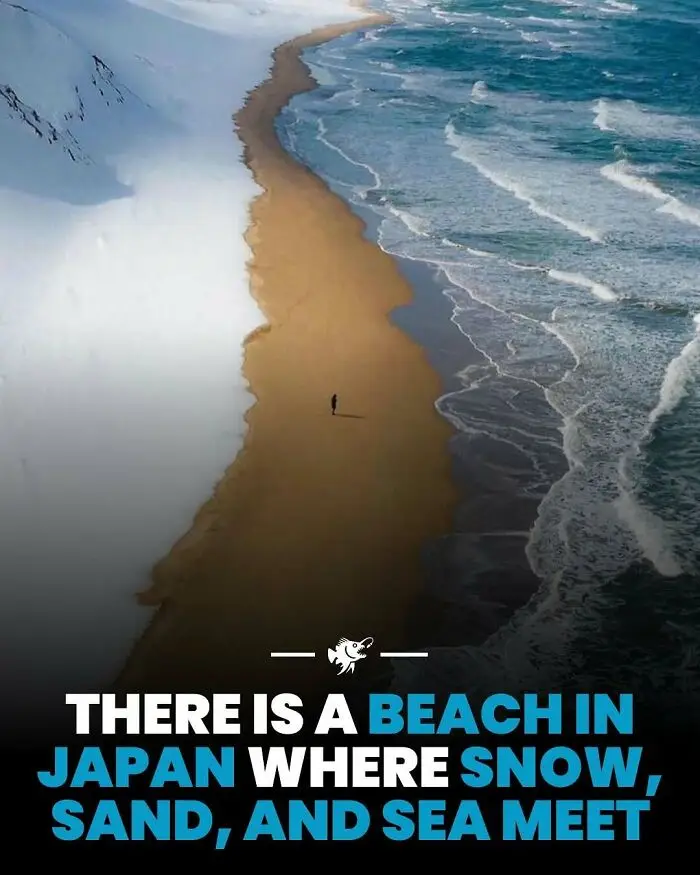
A stunning natural phenomenon can be witnessed at Japan’s San’in Kaigan Geopark, where snow meets sand to create a breathtaking coastal landscape. This rare blend of snow-covered shores offers a surreal and unforgettable view.
Located on Hokkaido Island, the geopark was designated a Japanese Geopark in 2008 and a UNESCO Global Geopark in 2010. Stretching from Kyogamisaki Cape in Kyoto to Hakuto Kaigan Coast in Tottori, it showcases Japan’s diverse and captivating natural beauty.
Report
42points
#30
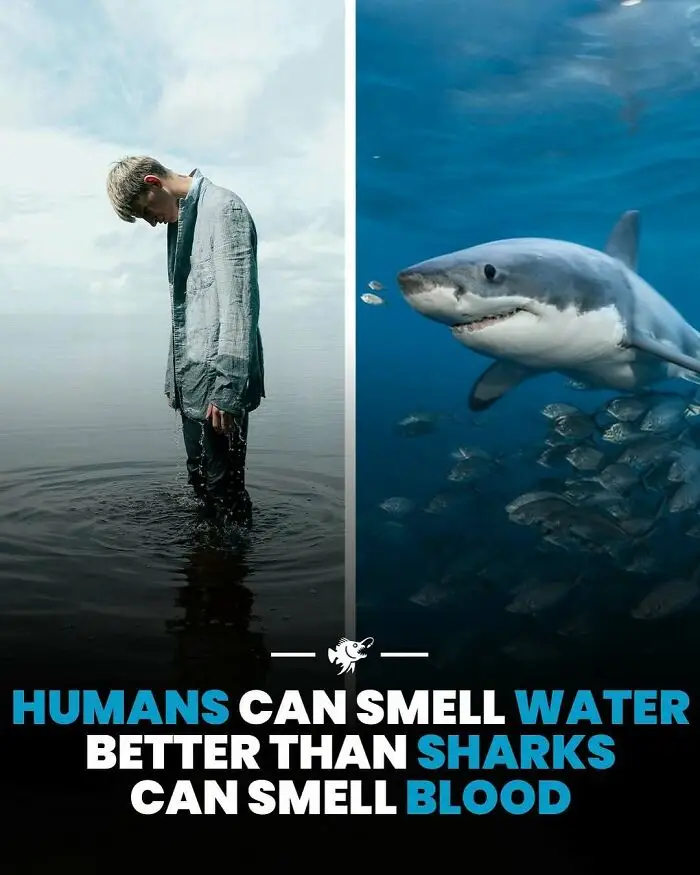
A study from Norwich Research Park reveals that humans can detect geosmin, the earthy scent released before rain, with greater sensitivity than sharks can detect blood. This surprising finding highlights the human nose’s acute ability to pick up geosmin at concentrations as low as 100 parts per trillion. While sharks are renowned for sensing blood in water at one part per million, humans far exceed this ability when it comes to geosmin. This compound, produced by soil-dwelling bacteria, is what gives rainfall its distinct, recognizable aroma.
Report
42points
#31
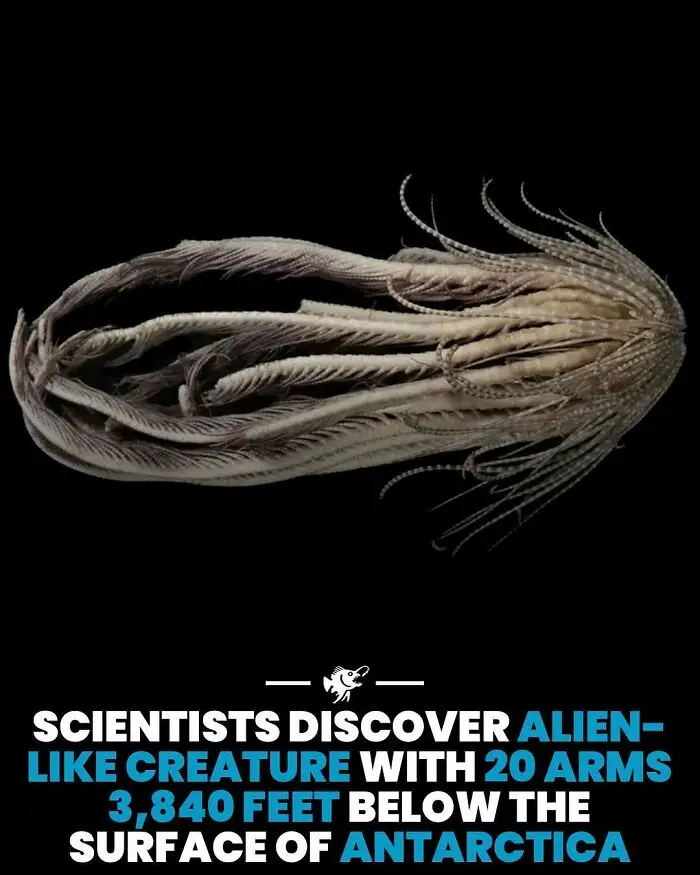
Scientists have identified a bizarre new species lurking in the depths off Antarctica: the Antarctic strawberry feather star (Promachocrinus fragarius). This deep-sea crinoid features up to 20 arms—some long and feathery, others short and stiff—sprouting from a central body that oddly resembles a strawberry. Found nearly 4,000 feet below the surface, its unique look and vivid hues of red and purple have drawn comparisons to alien lifeforms, though it’s firmly rooted in Earth’s marine lineage alongside starfish and sea urchins. The discovery adds to a growing list of strange creatures adapted to survive in extreme ocean environments. Its unusual form isn’t just for show—it helps the feather star drift and feed in the frigid, dark waters. As scientists continue to explore these remote regions, findings like this reinforce how much of our planet’s biodiversity remains hidden, waiting to be revealed.
Report
42points
#32
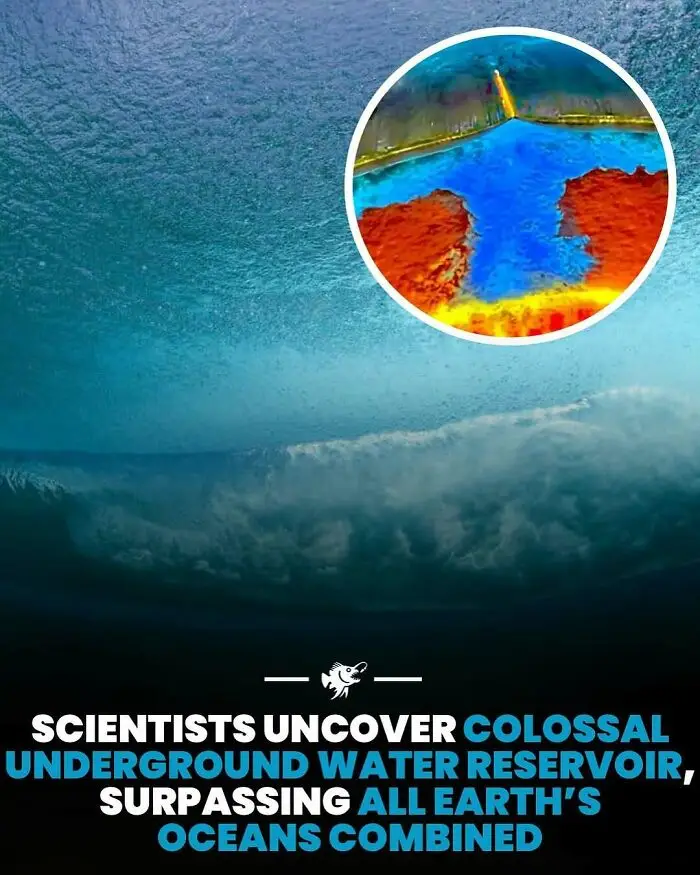
In a groundbreaking discovery, scientists have identified a vast underground water reservoir located approximately 400 miles beneath Earth’s surface. This subterranean ocean is estimated to contain three times more water than all of Earth’s surface oceans combined. The water is not in liquid form but is trapped within a h**h-pressure mineral called ringwoodite, which acts like a sponge, absorbing water under extreme conditions.  The presence of such a significant amount of water deep within the Earth’s mantle challenges existing theories about the planet’s water cycle and geological processes. This discovery suggests that Earth’s interior may play a more active role in the global water cycle than previously understood, potentially influencing phenomena such as volcanism, plate tectonics, and the long-term stability of surface oceans. 
Report
41points
#33
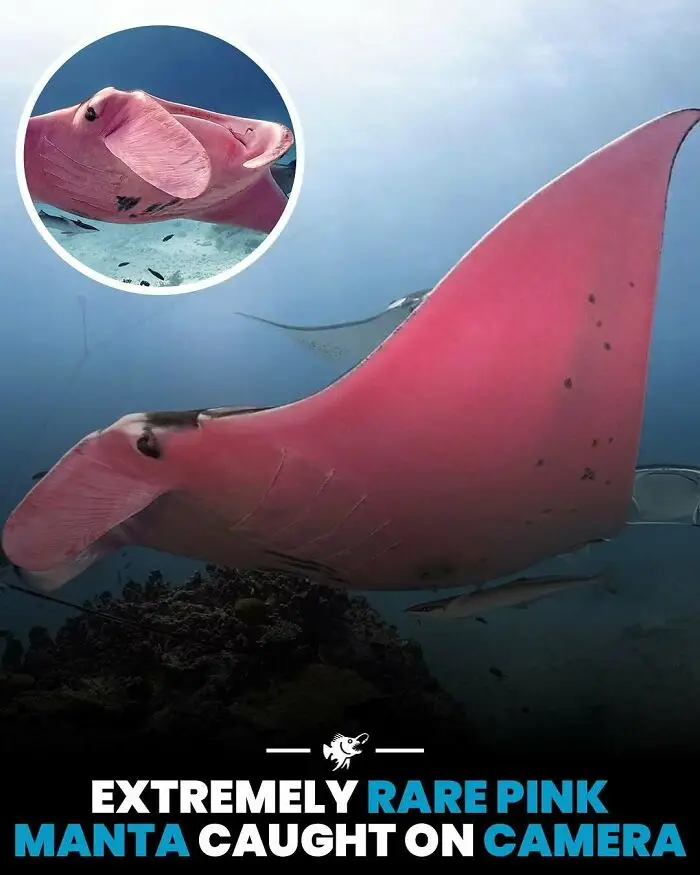
Meet the Pink Panther of the ocean—the world’s only known pink manta ray. First spotted near Lady Elliot Island off the coast of Australia, this extraordinary creature has captivated scientists and ocean lovers alike with its rare and vivid coloring. The manta’s unique pink hue is caused by a genetic mutation known as erythrism, which reduces black pigment and gives it a rosy appearance unlike anything else in the sea. Most manta rays come in shades of black, white, or a combination of both, making this individual a true standout in the marine world. Its rare appearance is not only a visual marvel but also a reminder of how much wonder still exists beneath the waves.
Report
41points
#34
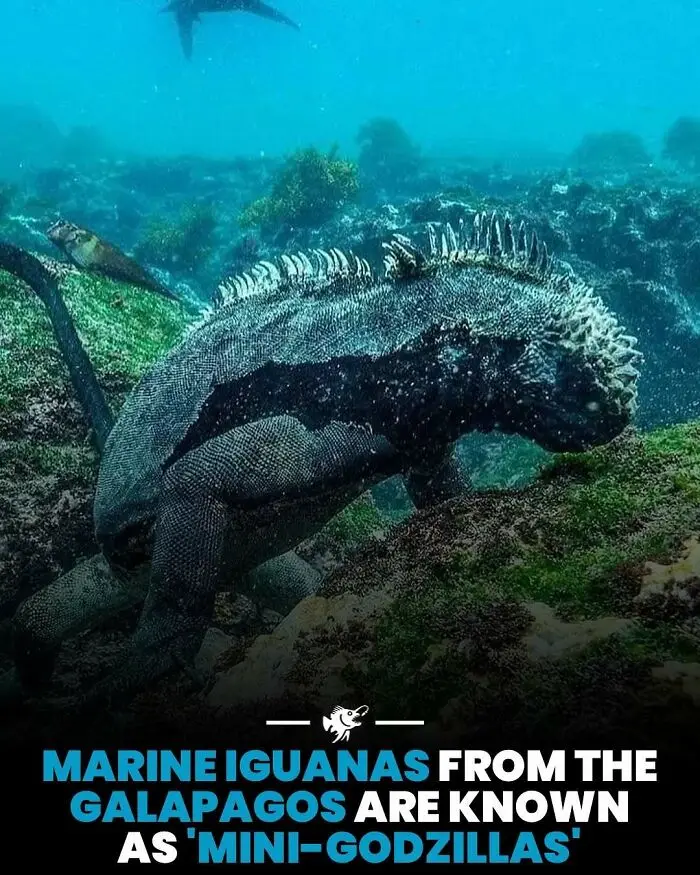
Galápagos marine iguanas—nicknamed “mini-Godzillas”—are the world’s only ocean-diving lizards, and they’re found nowhere else but Ecuador’s famed islands. With powerful claws, flattened tails, and an appetite for underwater algae, these reptiles can dive 30 meters and hold their breath for up to half an hour. Their prehistoric look—complete with spiny backs and salt-sneezing noses—once unnerved Darwin and now captivates wildlife lovers. Despite their dramatic appearance and large colonies, they’re officially listed as Vulnerable.
Report
41points
#36
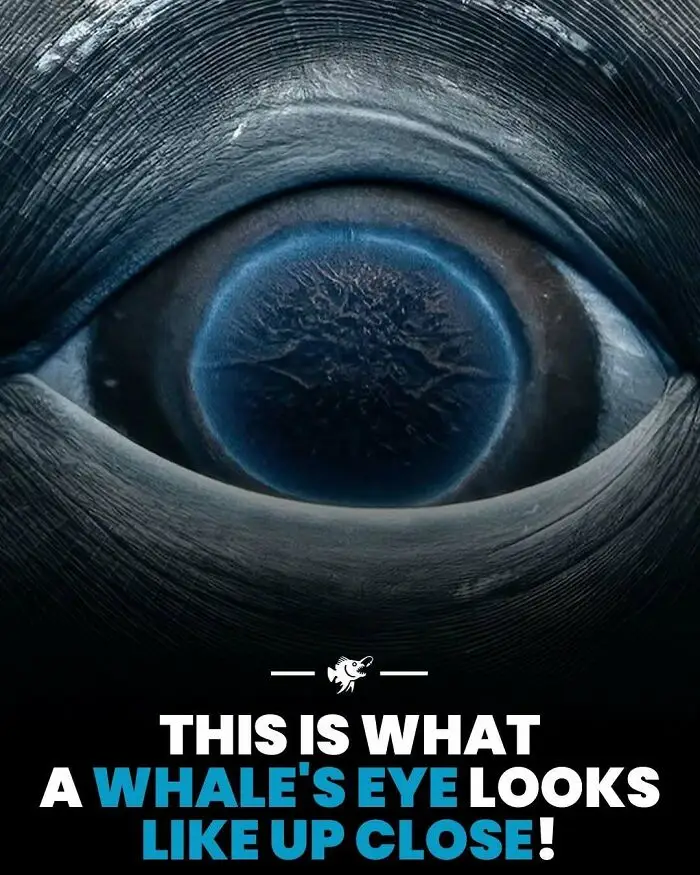
Depending on the species, whales can weigh between 30 and 200 tons, with blue whales reaching lengths of up to 100 feet—the largest animals to have ever lived. They also have impressive lifespans, with some, like the bowhead whale, living over 200 years. Beyond their size and longevity, whales play a vital role in ocean ecosystems by redistributing nutrients from deep waters to the surface, supporting marine life. This rare eye-to-eye moment serves as a reminder of their significance in our shared world.
Report
39points
#37
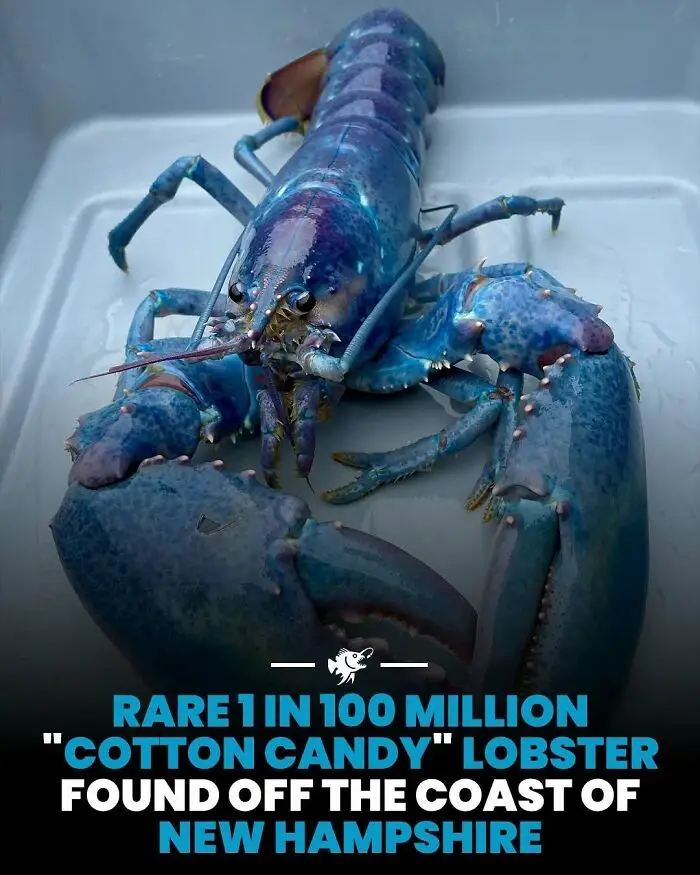
In late July, 25-year-old Joseph Kramer, owner of Atlantic Lobster Company, discovered a rare “cotton candy” lobster in the final trap of his day off the coast of New Castle, New Hampshire. The lobster’s stunning lavender, purple, and pink hues make it an extraordinary find, with odds of catching such a specimen estimated at 1 in 100 million. Kramer brought the lobster to the Seacoast Science Center in Rye, where aquarist Sam Rutka confirmed it was a healthy male. Rutka, with over a decade of experience, has only worked with 15 cotton candy lobsters. “It’s definitely the only one I’ll ever catch, and maybe even the only one I’ll see again,” Kramer told Seacoastonline, expressing joy that the rare creature is now on display for others to admire.
Report
38points
#38
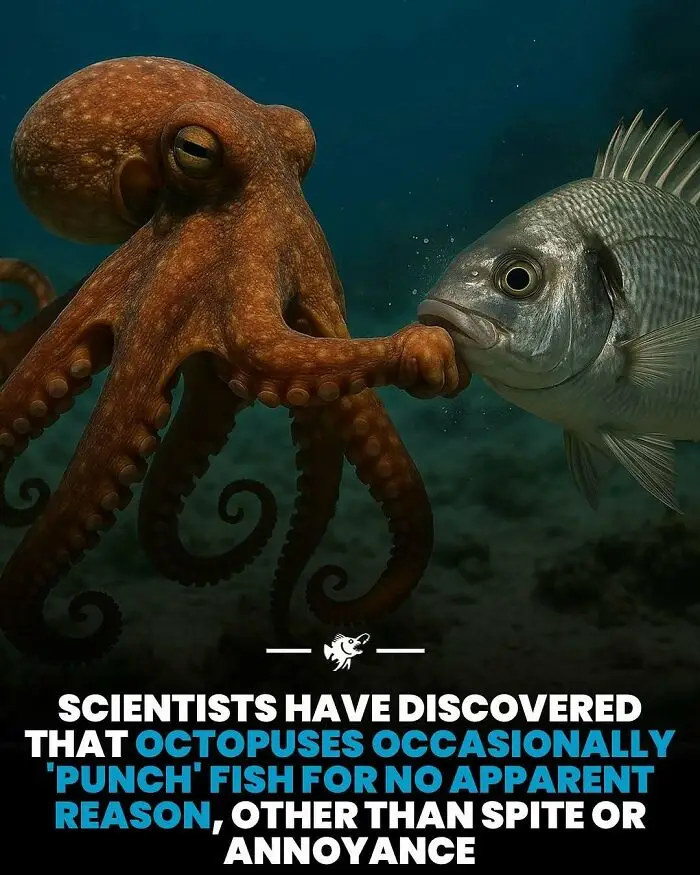
Scientists have witnessed octopuses teaming up with fish to hunt—only for the octopus to occasionally s****r-punch its partner mid-mission. These underwater alliances are usually efficient: octopuses flush prey from reef crevices, while fish catch whatever darts out. But every so often, without warning, the octopus lashes out with a punch. While some jabs are strategic—maybe to redirect an overeager fish or stake claim to food—others seem totally unprovoked. In a 2020 study published in Ecology, marine biologists noted punches delivered when no food was present and no interference occurred. The behavior, dubbed “active displacement,” might be a way for octopuses to assert dominance or even express something surprisingly close to frustration or spite.
Report
38points
#39
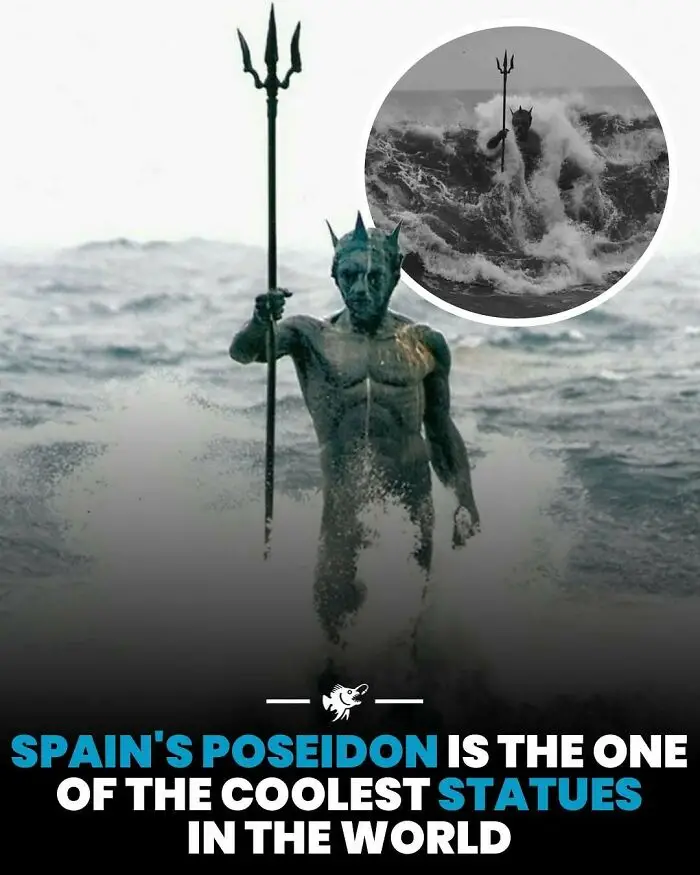
The Neptuno de Melenara is a striking bronze sculpture of the sea god Neptune, also known as Poseidon, found along the shores of Melenara Beach in Gran Canaria, Spain. Designed by artist Luis Arencibia, the statue towers at about four meters and features Neptune gripping his iconic trident—representing the island’s strong ties to the ocean. Positioned atop a rugged sea rock, the figure seems to rise straight from the water, serving as a powerful symbol of Gran Canaria’s enduring relationship with the sea and the people who have long lived in harmony with it.
Report
38points
#40
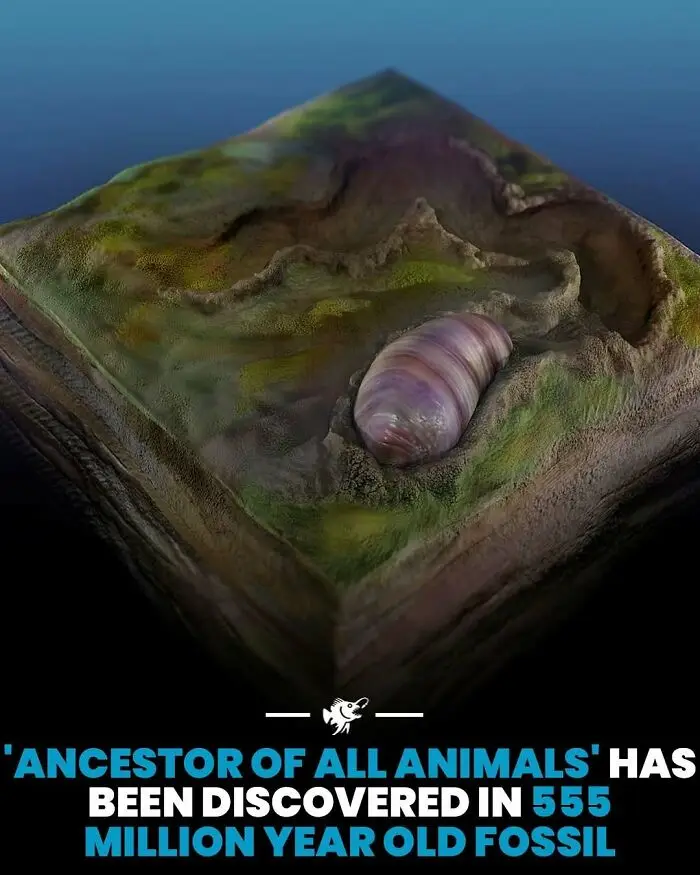
A team of geologists from UC Riverside has identified what could be the earliest known ancestor to most animals alive today—including us. Named Ikaria wariootia, this tiny, wormlike creature marks the beginning of the bilaterian lineage: animals with a front and back, two symmetrical sides, and a through-gut with openings at both ends. The discovery, published in Proceedings of the National Academy of Sciences, sheds light on a crucial step in evolutionary history. Before Ikaria, the Ediacaran Biota dominated—an ancient group of multicellular life forms like sponges and mat-like algae that came in a variety of shapes but lacked features seen in most modern animals. Even well-known fossils like Dickinsonia didn’t have key traits like a mouth or digestive system. That’s what makes Ikaria such a breakthrough—it’s the first confirmed link to the anatomical blueprint shared by most animals today.
Report
38points