





#1
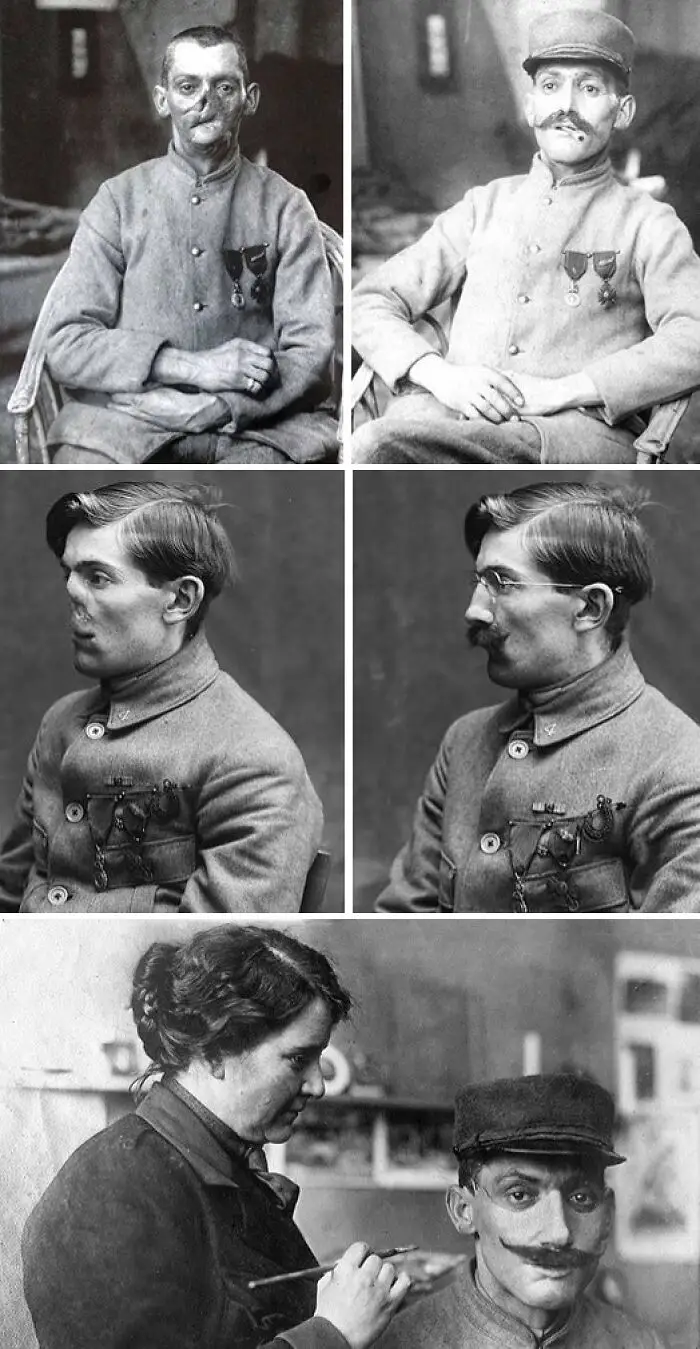
From the moment that the first machine g*n rang out over the Western Front, one thing was clear: mankind’s military technology at the start of the First World War wildly outpaced its medical capabilities. Bullets whizzed through the air at terrible speeds. Shells and mortar bombs exploded with a force that flung men around the battlefield like rag dolls. Ammunition containing magnesium fuses ignited when lodged in flesh. And a new threat in the form of hot chunks of shrapnel—coated in the filth and bacteria of the battlefield—wrought terrible injuries on its victims. Noses were blown off, jaws were shattered, tongues were torn out, and eyeballs were dislodged. In some cases, entire faces were obliterated. In the words of one battlefield nurse, “The science of healing stood baffled before the science of destruction.”
Not all soldiers had access to surgery, nor did every injured man wish to undergo months (sometimes years) of painful operations. In some cases, artists sculpted masks for the disfigured. This amazing facial prosthesis was created by the American sculptor Anna Coleman Watts Ladd. Over the course of the war, she created masks of the soldiers’ faces from clay or plasticine in order to create a prosthetic piece made of extremely thin galvanized copper. The metal was painted with hard enamel to resemble the recipient's skin tone. Ladd then used real hair to create the eyelashes, eyebrows and moustaches. Had it not been for her efforts, many of these men would have been condemned to a lifetime of isolation.
#2
#3

Here, in front of transfixed spectators, the bodies of executed criminals were dissected as an additional punishment for their crimes. Ticketed spectators watched anatomists slice into the distended bellies of decomposing corpses, parts gushing forth not only human blood but also fetid pus. The lilting but incongruous notes of a flute sometimes accompanied the macabre demonstration. Public dissections were theatrical performances, a form of entertainment as popular as cockfighting or bearbaiting in earlier centuries.
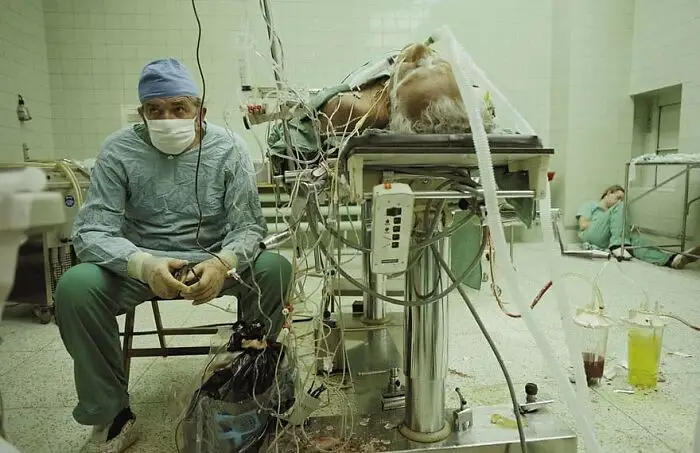
For centuries, surgeons cut off limbs and removed tumors in dirty rooms while patients were wide awake, given nothing stronger than a shot of whiskey or a drop of opium. Remedies were just as terrifying. Healers handed out daily doses of poison — like arsenic or lead — for everyday sicknesses, and even blew tobacco smoke into drowning victims to revive them.
The most shocking part is that many breakthroughs only happened because doctors ran cruel, unapproved tests on vulnerable people who had no say in the matter.
#4
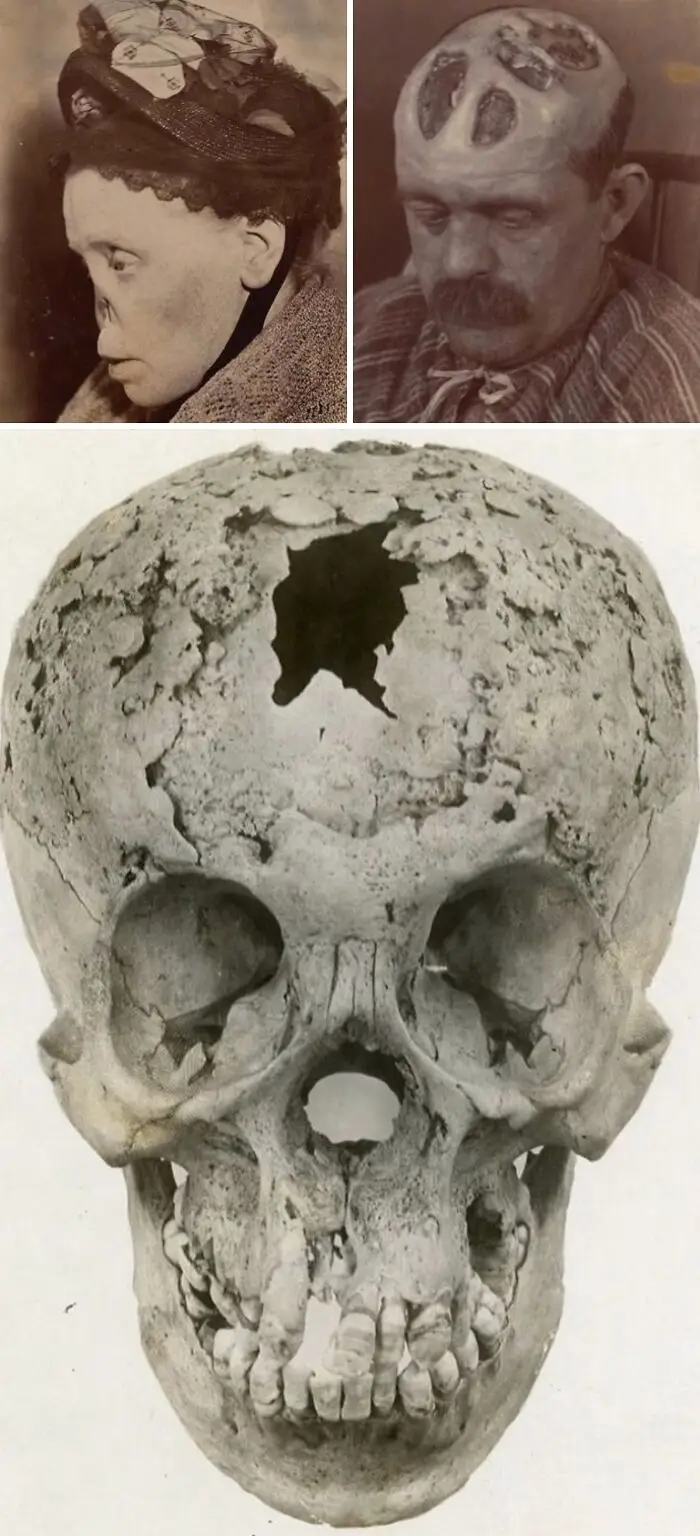
Before the discovery of penicillin in 1928, syphilis was incurable. Its symptoms were as terrifying as they were unrelenting. Those who suffered from it long enough could expect to develop unsightly skin ulcers, paralysis, gradual blindness, dementia and “saddle nose,” a grotesque deformity which occurs when the bridge of the nose caves into the face - which you see in the photo of the woman. So prevalent was syphilis in the 19th century, that “no nose” clubs popped up around London in which people gathered together to celebrate the fact that their noses had fallen off due the ravages of the disease.
Treatments from earlier periods often involved the use of mercury, giving rise to the saying: "One night with Venus, a lifetime with Mercury." Mercury could be administered in the form of calomel (mercury chloride), an ointment, a steam bath, or pill. Unfortunately, the side effects could be as painful and terrifying as the disease itself. Many patients who underwent mercury treatments suffered from extensive tooth loss, ulcerations and neurological damage. In many cases, people d**d from poisoning.
#5
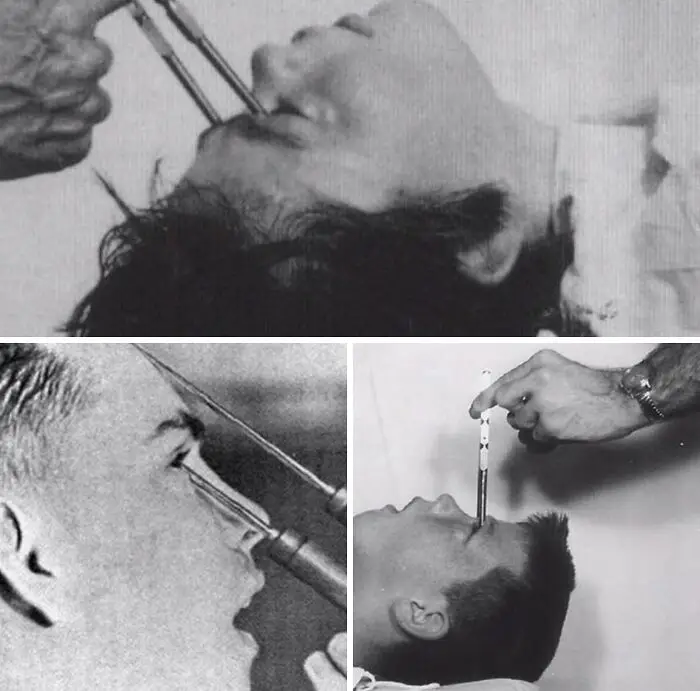
Shortly after that, Freeman took to the roads with his ice-pick and hammer, touring hospitals and mental institutions around the country. He performed ice-pick lobotomies for all kinds of conditions, including headaches. Eventually, he began performing the operation in his van—which later became known as “the lobotomobile.”
At one point, he undertook 25 lobotomies in a single day. Many of his patients never recovered, including Rosemary Kennedy, sister to JFK. Rosemary was described by members of her family as a rebellious child who was prone to violent mood swings while she was growing up. In November 1941, Rosemary’s father took her to see Freeman, who performed the lobotomy right then and there, without her mother’s knowledge. Shortly afterwards, it became clear that something had gone terribly wrong. Rosemary could no longer speak, and her mental capacity was equivalent to that of a toddler. Her father institutionalized her, telling people that his daughter was mentally r******d rather than admitting that her condition was due to a failed brain operation. It was only after his d***h decades later that the truth behind her condition was revealed.
#6
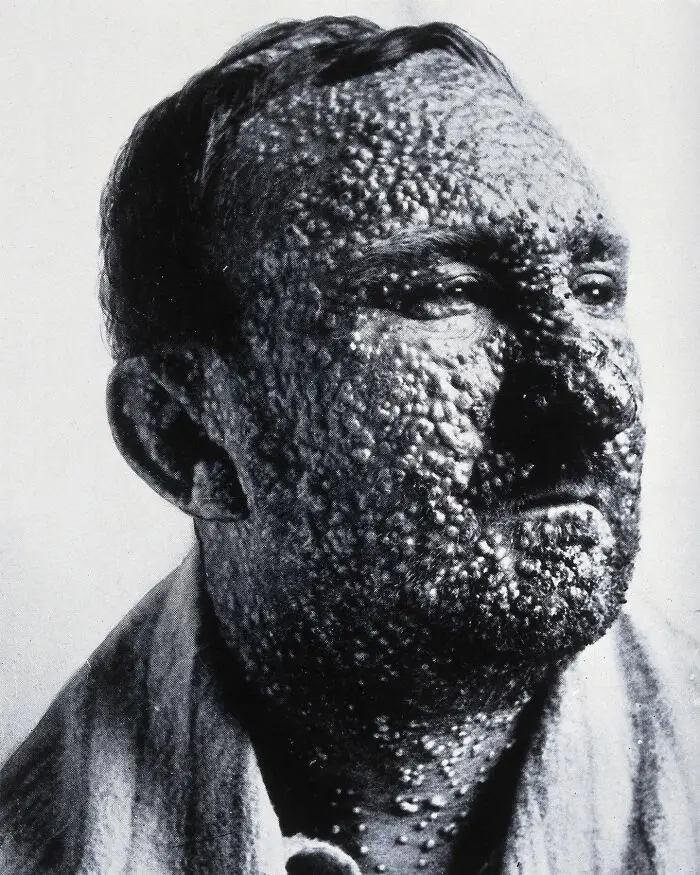
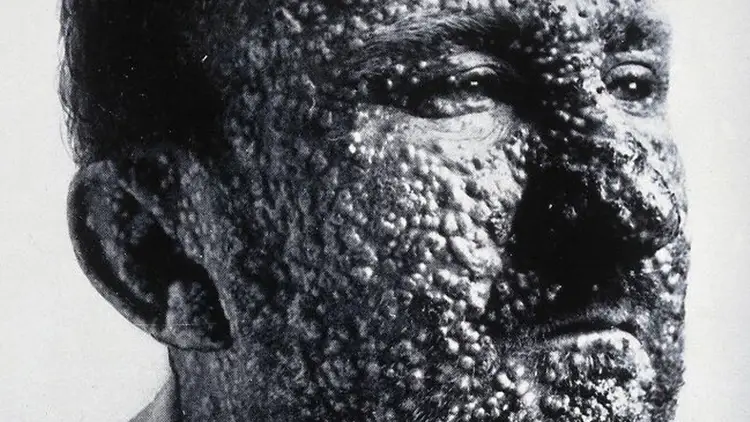
Smallpox is one of the deadliest & most contagious diseases known to man. The virus k****d over half a billion people in the twentieth century alone—three times the number of d****s from all of the century’s wars combined. On 8 May 1980, the WHO announced the eradication of smallpox. This was an unprecedented event in history, signaling the first and only annihilation of a human disease.
The victory—which saved tens of millions of lives—fulfilled the lifelong dream the English physician, Edward Jenner. Jenner noticed that dairymaids who contracted cowpox never developed smallpox. Working from this, he developed a vaccine from cowpox. Indeed, the word “vaccination,” coined by Jenner in 1796, is derived from the Latin root vaccinus, meaning "of or from the cow.”
The prominent Scottish physician Sir Walter Farquhar advised Jenner that if he kept the nature of the vaccine a secret, it could yield as much as £100,000. But Jenner nurtured no such ambitions. In 1798, he had a hut built in his garden & christened it the TEMPLE OF VACCINIA. It not only became a beacon of hope for the poor who sought protection against smallpox, but it was also the site of the first public health service in Britain.
This list raises an obvious question: how could smart people ever trust methods that seem so barbaric today? The answer comes down to perspective.
Humans have always fought to cure sickness, but doctors in the past worked with the limited tools and logic they had. At the same time, research is an integral part of science and medicine. It is how we learn more about the world and about our bodies. And it is what got us through the COVID-19 pandemic.
“Humans are a very curious species. It’s part of our nature to be attracted to things that are somewhat strange. Sometimes that gets us into trouble, but it also speaks to our desire to get answers to important questions. I hope we maintain that curiosity,” says Lydia Kang, MD, an associate professor of internal medicine at the University of Nebraska Medical Center in Omaha. “There’s no better way to keep advancing than to continue exploring, correcting course, and learning.
#7
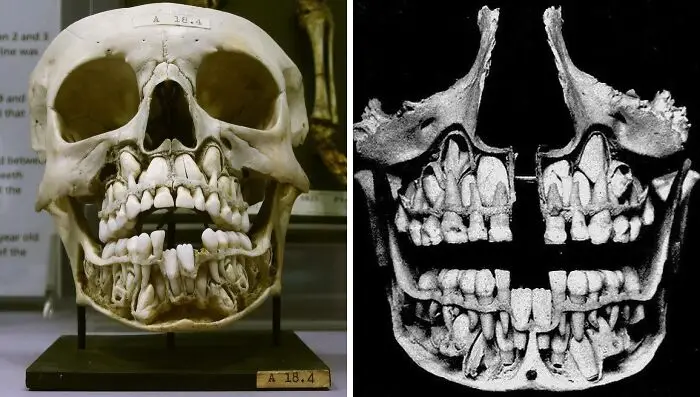
It certainly puts into perspective why teething is so painful! This skull is now housed at the Hunterian Collection in London.
#8
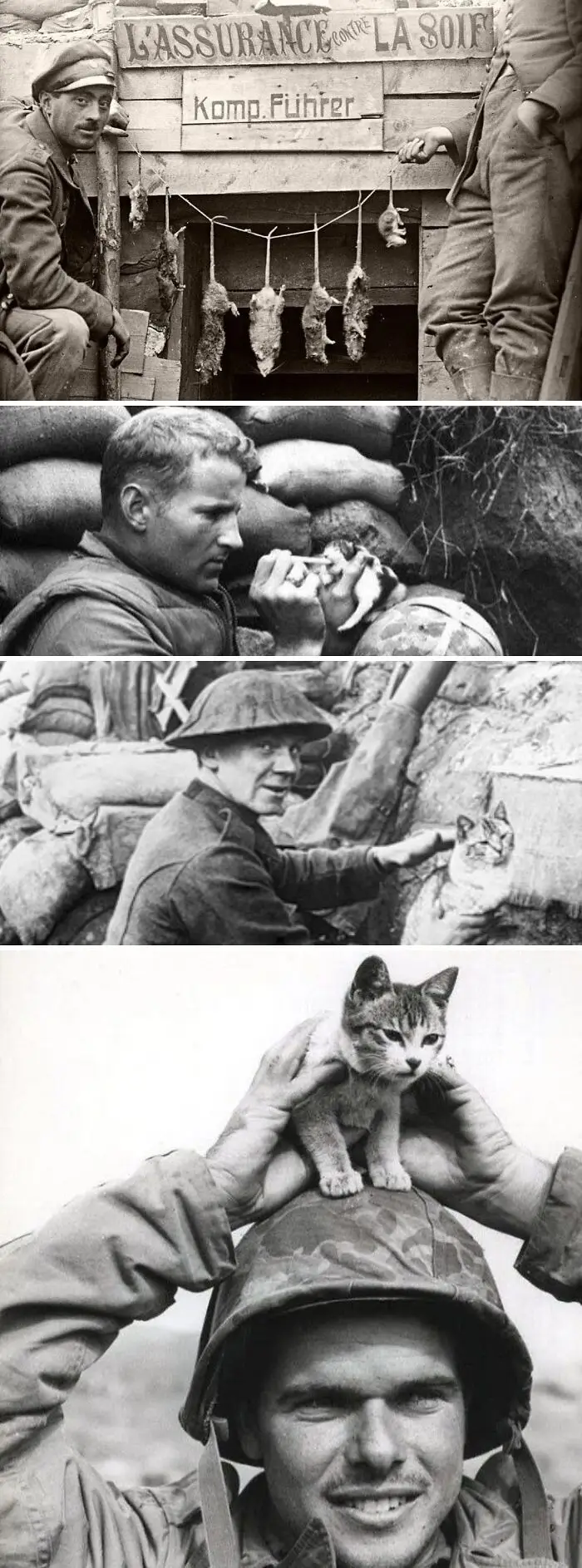
Cats have long been denied credit for their role in the military, but they were once considered "essential equipment" for an army. During the First World War, the trenches were overrun with large rats with diseases that made people ill and ate important rations. The Allied armies tried everything: poison, dogs (especially terriers), and, of course, cats, who were employed to clear out the vermin from the trenches. The United States Army even included money in its budget for some feline soldiers.
#9
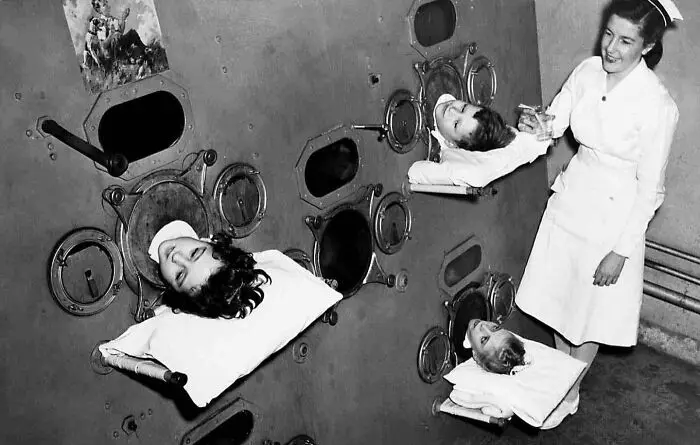
The iron lung is a mechanical respirator which enables a person to breathe on his or her own when muscle control is lost, or the work of breathing exceeds the person's ability. Typically, children with polio would spend two weeks inside while recovering. Some people never regained the ability to breathe on their own, however. In 2013, the Post-Polio Health International (PHI) organizations estimated that there were six to eight iron lung users in the United States.
On March 26, 1953, Dr. Jonas Salk announced on a national radio show that he had successfully tested a vaccine against polio. In the two years before the vaccine was widely available, the average number of polio cases in the U.S. was more than 45,000. By 1962, that number had dropped to 910. Salk campaigned for mandatory vaccination, claiming that public health should be considered a "moral commitment." Salk was not interested in profiting from his vaccine, and therefore never patented it. Salk spent his last years searching for a vaccine against AIDS. He d**d on June 23, 1995 at the age of 80.
Some old harsh trials led to life-saving medicine, but others caused pointless agony.
For instance, did you know how doctors learned about cavities? They proved this through a disturbing study at Sweden’s Vipeholm Asylum, where doctors fed massive amounts of sticky sweets to around 1,000 nonverbal patients, including children. The residents suffered rotting teeth and terrible pain for years, yet the study dragged on.
Similarly, public body dissections crossed lines too — a genuine quest to map the human body was turned into cheap entertainment and a way to punish criminals.
#10
#11
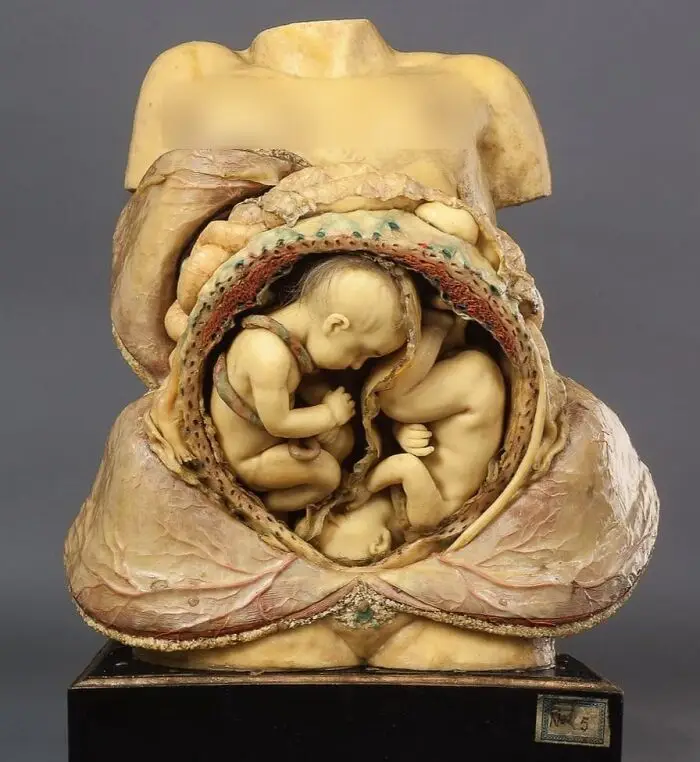
This remarkably detailed wax anatomical model (c.1787) is now housed at the Javier Puerta Museum. Wax models like this were used for teaching anatomy to medical students at a time when few bodies were available for dissection.
#12
Public anger over these medical oddities gradually forced the world to change. Up until 1974, rules around testing on humans were dangerously loose, allowing widespread mistreatment. That year, the US Congress finally stepped in to require informed consent for government-funded studies.
The early medical scandals also led to strict global rules like the Declaration of Helsinki and independent review boards.
Today, scientists who break these rules face heavy legal and career penalties.
#13
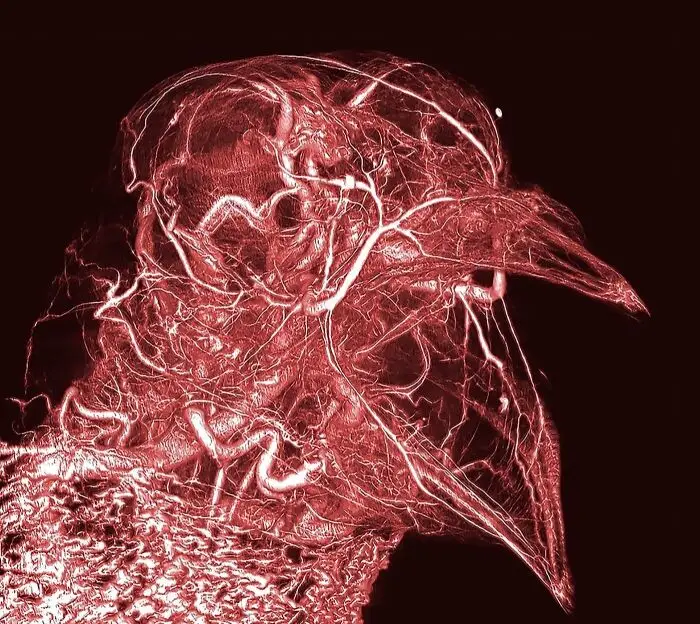
By understanding what is normal, doctors and scientists are better positioned to identify and ultimately treat the abnormal. This image was done using a CT scanner and a non-toxic contrasting agent called BriteVu. In an interview with The Guardian, Echols said: “That particular pigeon was scanned at 100 microns, so you are seeing a fraction of the vessels that are there,” he says. “If we were to scan it in greater detail you’d see even finer vessels.” This picture won the 2017 Wellcome Image Award.
#14
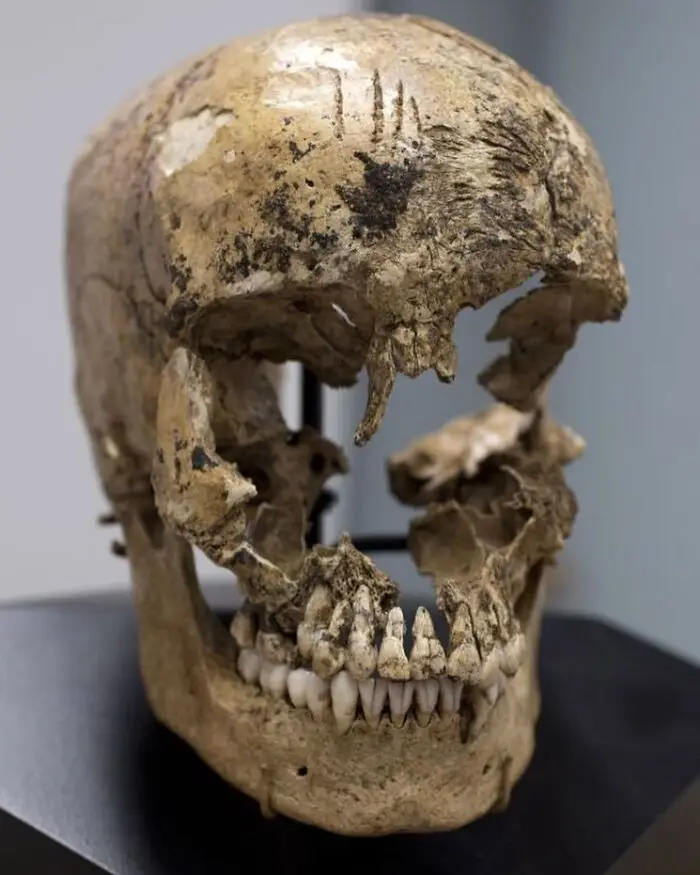
Although there were historical records that referenced cannibalism within the colony, there was never any physical evidence to substantiate these claims... until now. I hope I didn't put you off your dinner!
#15
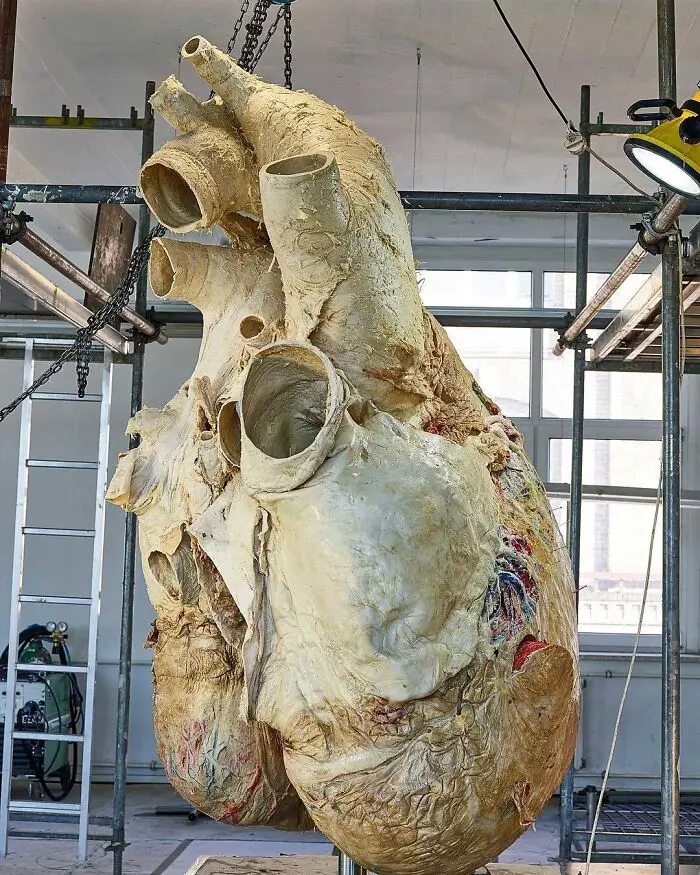
The museum’s technicians extracted the entire heart from the mammal intact; it took four people to push it out of the chest cavity. The heart was so large that it had to be doused in over 1,000 gallons of formaldehyde before the plastination process could begin. It’s not related to medical history, but I think you’ll find this as interesting as me.
Having strict laws on paper does not mean unethical science is a thing of the past. Instead of obvious, state-backed cruelty, modern oddities hide behind legal loopholes and new tech.
In 2018, for example, Chinese scientist He Jiankui shocked the globe by altering the DNA of twin babies before birth, skipping safety reviews and exposing healthy embryos to unknown dangers without a real medical need.
#16
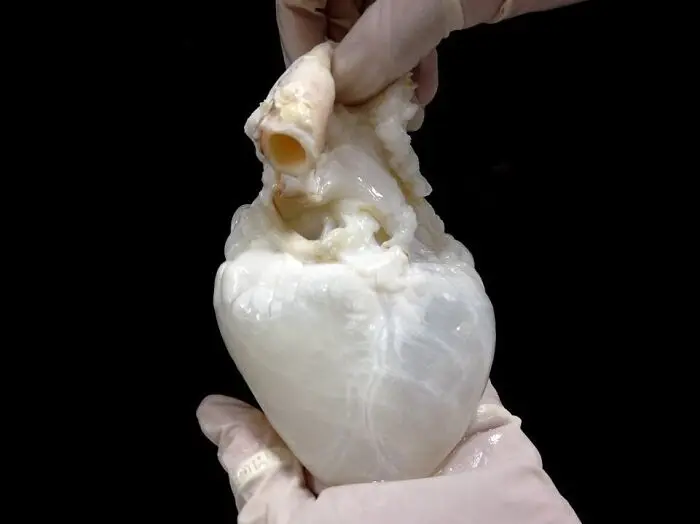
They plan to inject the "ghost heart" with hundreds of millions of blood or bone-marrow stem cells from a person who needs a heart transplant, place it in a bioreactor (a box with artificial lungs and tubes that pump oxygen and blood into it), and wait as the ghost heart begins to mature into a new, beating human heart.
These scientists have successfully implanted tissue-engineered hearts into rats and pigs so far. They hope ultimately to create personalized human hearts and help relieve the shortage of donor organs in the near future. If this works, it would eliminate organ rejection since the patient’s own cells would be used to grow the heart.
#17

A woman in Mexico who performed a c-section on herself. Inés Ramírez Pérez was alone with her small children when she went into labor in March 2000. After 12 hours of excruciating pain, she began to fear that the baby would be still-born, as her last one had been. Terrified, she decided to take matters into her own hands. Pérez drank three glasses of hard liquor, took a 6-inch knife from the kitchen, and sliced open her abdomen.
She later told the Telegraph: "I put the knife in here, then pulled it up. Once wasn't enough. I did it again. I was crying and screaming, in terrible pain." The cut was deep, measuring nearly 7 inches long, which allowed Pérez to reach into her womb and pull out her baby.
She later reported that she cut the umbilical cord before passing out. After she came to, she covered the gaping wound with some clothes and sent one of her children to go get help. A village health assistant eventually came to her aid, sewed up the incision, and took Pérez to the nearest hospital--eight hours away.
The poor woman underwent a second surgery to correct some of the damage she had inflicted when she performed her own c-section, but eventually recovered without complications. In these photos, you can see Pérez herself, along with the knife she used to cut into her abdomen.
#18
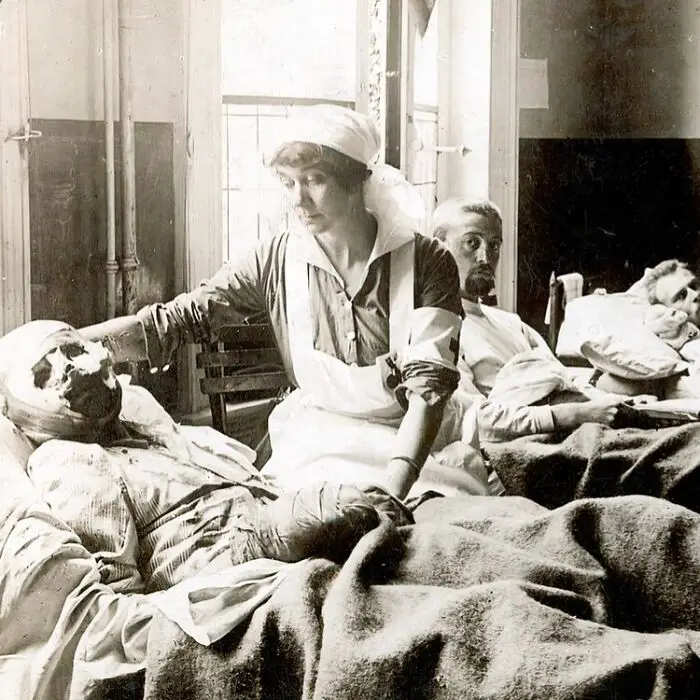
Girls who had never seen a man in his underclothes were suddenly expected to work with the mutilated bodies of soldiers evacuated straight out of the trenches. Enid Bagnold remembered legs piled high in baskets outside the operating theater’s door. Women found themselves in the most shocking situations. Claire Elise Tisdall watched as a soldier was carried past her. In the dim light, she thought the lower half of his face was covered with a black cloth. Only later did she realize it had been completely blown off.
The sight of a soldier with facial could send shock waves through the ranks of the most battle-hardened nurses. Henriette Rémi recalled disfigured men “who have almost nothing human left, bodies featuring mutilated debris in lieu of faces.” Mary Borden—a nurse who later suffered a complete mental breakdown—described a time when she lifted the bandage from a wounded soldier’s head and half his brain slipped out. Surrounded by such carnage, the severity of the distant conflict raging on the Front was brought home.
Corporate greed has also put patients at risk. During the Theranos scandal, a Silicon Valley startup claimed it could run hundreds of blood tests from a single finger-prick. By rolling out unverified machines in local pharmacies, the company handed thousands of people false results — telling healthy patients they had cancer or HIV, and telling sick patients they were fine.
Big pharmaceutical companies have also been accused of moving their clinical trials to poorer nations with weaker oversight.
It is a sobering reminder that even with all our progress, the push for medical breakthroughs still requires a watchful eye.
#19
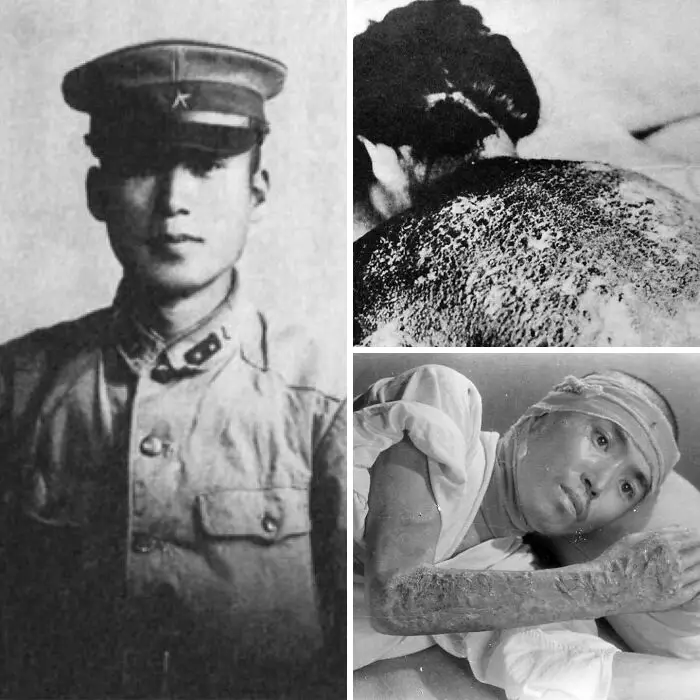
Dr. Shuntaro Hida was a Japanese physician who treated survivors. He had been stationed at a hospital in the city, but was treating a sick child in a nearby village when the b**b dropped. Hida was near enough to feel the impact of the atomic explosion. As he tried to make his way back to Hiroshima, he witnessed the horrific effects of the b**b. He would later say that the "cruellest aspect of a nuclear attack is not the savage destruction of human bodies or visible burns, but its life destroying after-effects."
Hido cared for survivors well into his 90s. He also sought compensation from the United States government and advocated the abolition of nuclear weapons. He d**d at the age of 100 in 2017.
#20
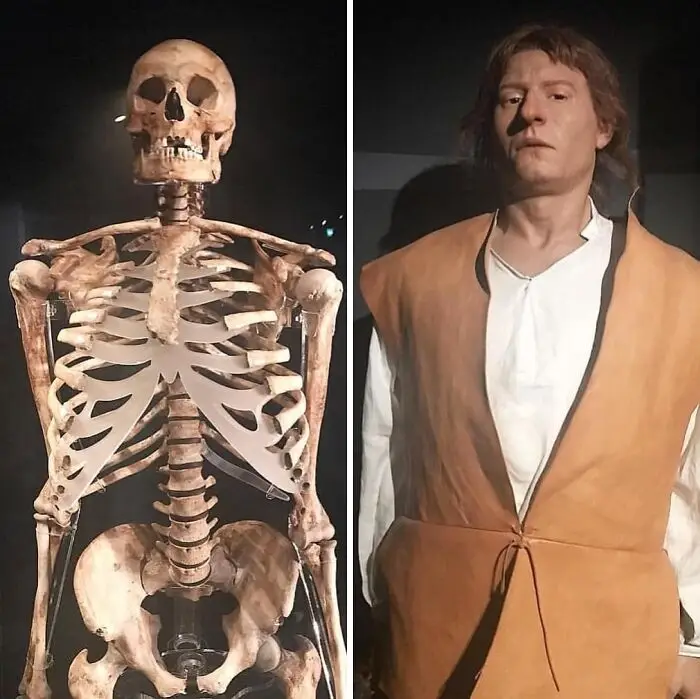
Researchers were able to identify the bodies of elite archers amongst the remains due to evidence of repetitive stress injuries of the shoulder and lower spine, which resulted from shooting longbows regularly. A total of 250 longbows were carried on board, and 172 of these have so far been found, as well as almost 4,000 arrows, bracers (arm guards) and other archery-related equipment. Experts at Swansea University have now reconstructed the face of one of the archers, who stood 6’ tall--well above average for the Tudor period.
.
According to the BBC, laser scans of the man’s skull were used to create an exact replica with a 3D printer. This was sent to Oscar Nilsson, a forensic expert, who then built up an image of the archer’s appearance, muscle by muscle. The reconstructed face is on display in the Mary Rose Museum in Portsmouth.