



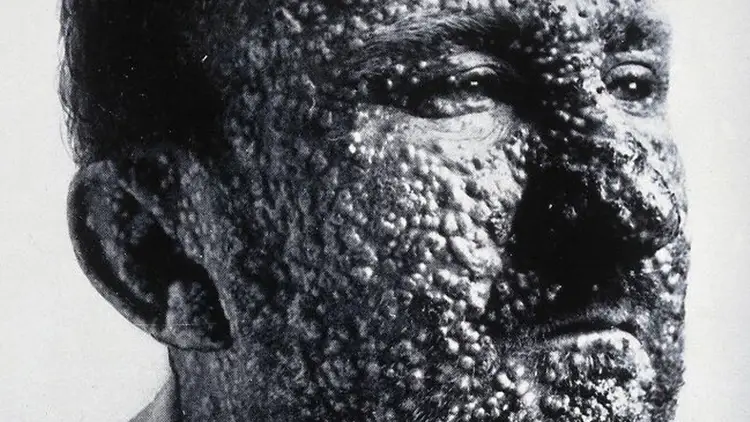


Once upon a time, watching doctors cut open human bodies in public was a popular form of entertainment. In that same era, if someone got sick with polio, they were placed in an iron lung — a mechanical respirator that enclosed the entire body.
We’ve come a long way since then. Treatments once hailed as cutting-edge now read like horror plots. Medical historian @drlindseyfitzharris has plenty of information on these bizarre oddities, and we’ve rounded up the weirdest ones from her collection.
Side effects of scrolling through this list may include a sudden gratitude for modern medicine.
#21
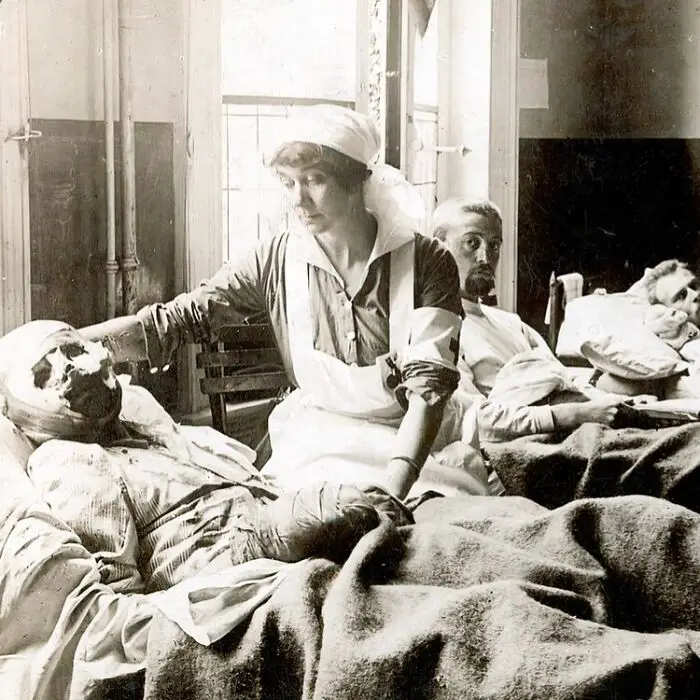
Never before had the world faced such sl**ghter. Young women turned out in their thousands to volunteer as nurses. Most had never set foot inside a hospital, let alone cared for the sick and wounded. They were called upon to perform tasks requiring domestic skills few of them possessed. “I can see a girl now sitting on the stairs with a duster, wondering what on earth to do with it,” one woman recalled. Their romantic notions of nursing were soon shattered by the grim reality of bed-pans, urinals, vomit, and blood.
Girls who had never seen a man in his underclothes were suddenly expected to work with the mutilated bodies of soldiers evacuated straight out of the trenches. Enid Bagnold remembered legs piled high in baskets outside the operating theater’s door. Women found themselves in the most shocking situations. Claire Elise Tisdall watched as a soldier was carried past her. In the dim light, she thought the lower half of his face was covered with a black cloth. Only later did she realize it had been completely blown off.
The sight of a soldier with facial could send shock waves through the ranks of the most battle-hardened nurses. Henriette Rémi recalled disfigured men “who have almost nothing human left, bodies featuring mutilated debris in lieu of faces.” Mary Borden—a nurse who later suffered a complete mental breakdown—described a time when she lifted the bandage from a wounded soldier’s head and half his brain slipped out. Surrounded by such carnage, the severity of the distant conflict raging on the Front was brought home.
Report
10points
Even today, doctors likely use treatments that future generations will find shocking. That’s because medical knowledge is always growing, and proper studies can be too expensive or take too long to run. Knowing how easily bad ideas once passed as gospel teaches us to ask better questions today.
So the next time you go in for a routine checkup, don’t take your care for granted… stay curious and speak up.
#22
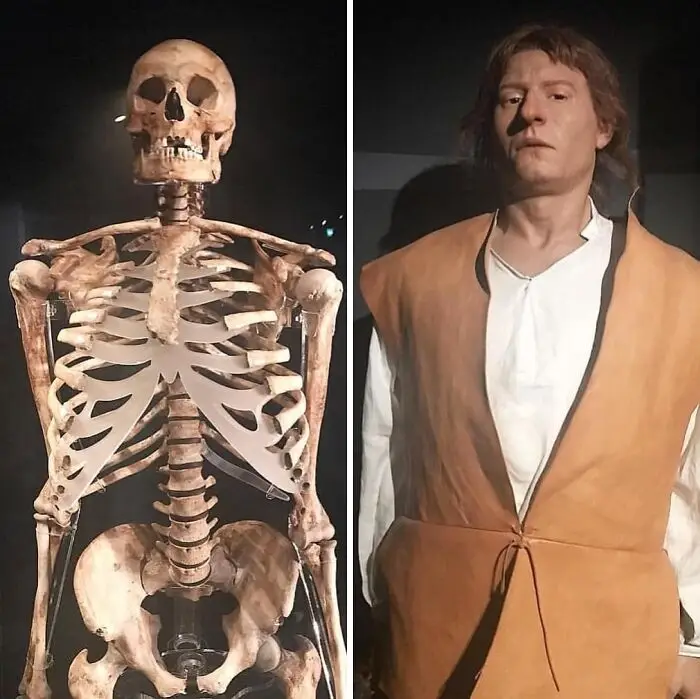
A team of scientists have reconstructed the face of a Tudor archer, almost 500 years after he drowned aboard Henry VIII’s flagship, the Mary Rose. The shipwreck was raised in 1982 in one of the most complex and expensive projects in the history of maritime archaeology. The bones of 179 people were found during excavations.
Researchers were able to identify the bodies of elite archers amongst the remains due to evidence of repetitive stress injuries of the shoulder and lower spine, which resulted from shooting longbows regularly. A total of 250 longbows were carried on board, and 172 of these have so far been found, as well as almost 4,000 arrows, bracers (arm guards) and other archery-related equipment. Experts at Swansea University have now reconstructed the face of one of the archers, who stood 6’ tall--well above average for the Tudor period.
.
According to the BBC, laser scans of the man’s skull were used to create an exact replica with a 3D printer. This was sent to Oscar Nilsson, a forensic expert, who then built up an image of the archer’s appearance, muscle by muscle. The reconstructed face is on display in the Mary Rose Museum in Portsmouth.
Report
10points
#23
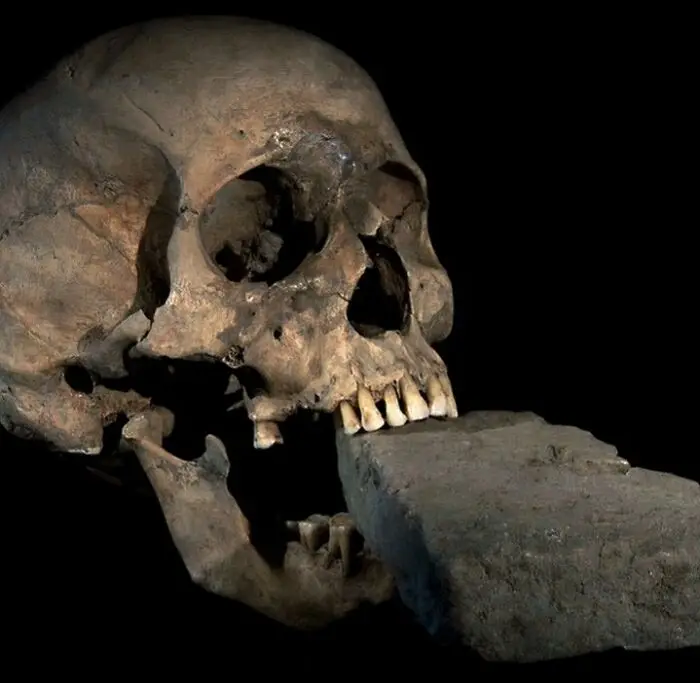
Italian researchers have unearthed the remains of a female "vampire" in Venice, buried with a brick jammed between her jaws to prevent her feeding on victims of a plague which swept the city in the 16th century. Matteo Borrini, an anthropologist from the University of Florence, said the discovery on the small island of Lazzaretto Nuovo in the Venice lagoon supported the medieval belief that vampires were behind the spread of plagues like the Black D***h.
The skeleton was in a Venetian plague pit on Lazzaretto Nuovo, which lies two miles northeast of Venice and was used as a sanatorium for plague sufferers. The succession of plagues which ravaged Europe between 1300 and 1700 fostered the belief in vampires, mainly because the decomposition of corpses was not well understood. For instance, as the human stomach decays, it releases a dark "purge fluid” which can flow freely from a corpse's nose and mouth. Since tombs and mass burials were often reopened to add new bodies, Italian gravediggers saw these scenes and confused the “purge fluid” with traces of vampire victims' blood.
Report
10points
#24
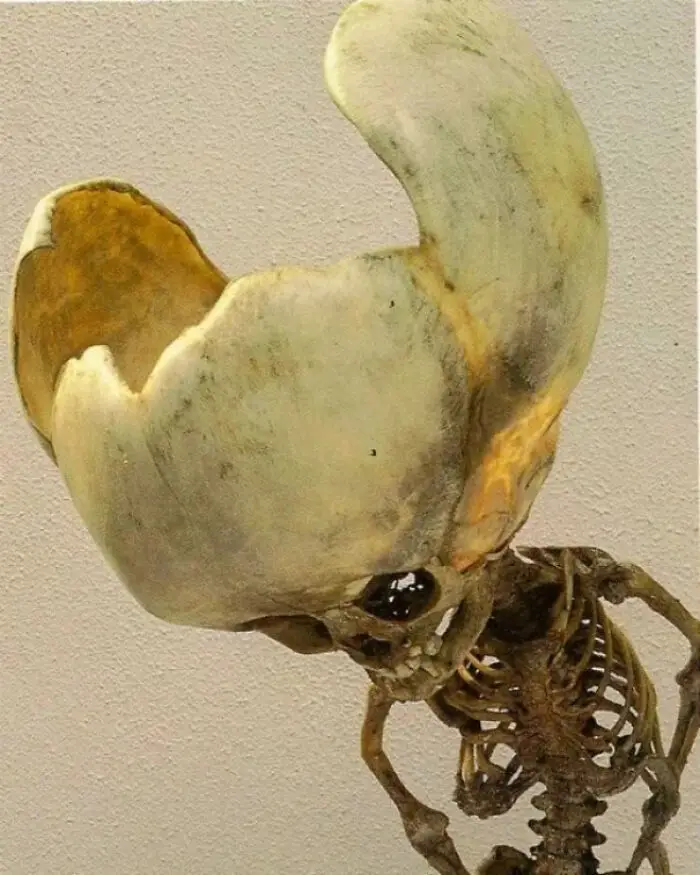
This skull from the 19th century is of a child who d**d from hydrocephalus.
Hydrocephalus (from Greek hydro-, meaning "water", and kephalos, meaning "head") is a medical condition in which there is an abnormal accumulation of cerebrospinal fluid in the brain. This causes increased intracranial pressure inside the skull and may cause progressive enlargement of the head if it occurs in childhood, potentially causing convulsion, tunnel vision, and mental disability. It was once informally called “water on the brain,” and was almost always fatal in earlier periods. While the condition is still incurable, it can now be managed by placing a drainage tube (shunt) between the brain ventricles and abdominal cavity.
With this particular specimen, the skull has opened up like a flower due to the high volume of fluid in the brain. It is currently at the University Museum, Utrecht, the Netherlands.
Report
10points
#25
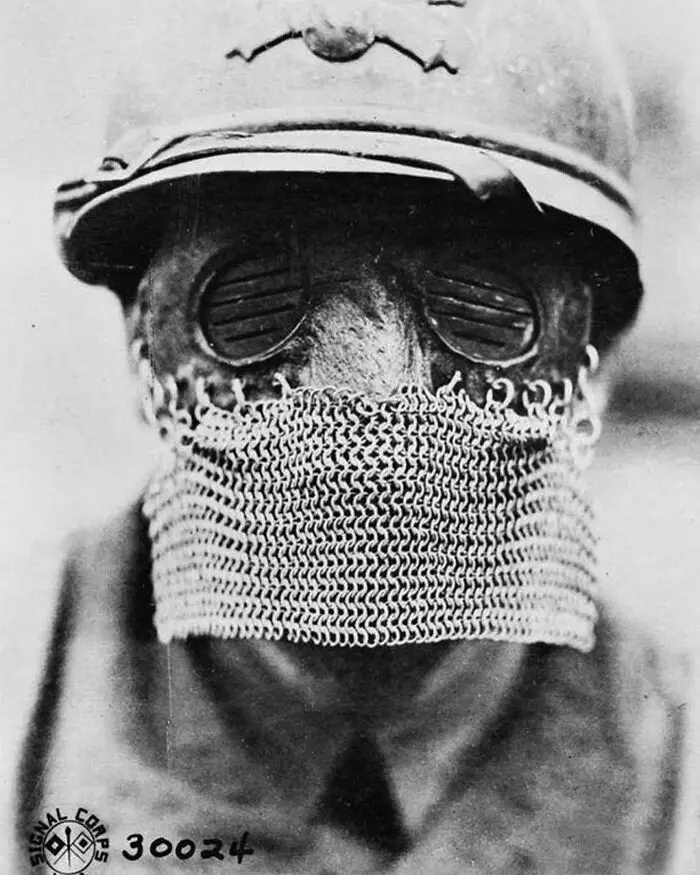
This is a mask worn by tank crews. Shaped to fit around the eyes & nose, the (chain) mail protected against "bullet splash" caused by explosions as the tank came under fire. Tanks—which first appeared in September 1916—also left their crews susceptible to burns due to unprotected gas tanks which could ignite when hit. Lieutenant Stanley Cohen remembered trying to pry open an escape hatch that had been jammed when his tank had been hit by a shell. He eventually escaped, but was severely disfigured as a result of the strike.
Mankind’s military technology at the start of the war wildly outpaced its medical capabilities. Bullets whizzed through the air at incredible speeds. Shells and mortar bombs exploded with a force that flung men around the battlefield like rag dolls. And a deadly new threat in the form of hot chunks of shrapnel—coated in the filth and bacteria of the battlefield—wrought terrible injuries on its victims. Noses were blown off, jaws were shattered, tongues were torn out, and eyeballs went missing. In some cases, entire faces were obliterated: “We stood there a moment, horrified: the man had almost no face left,” remembered one officer.
Report
10points
#26
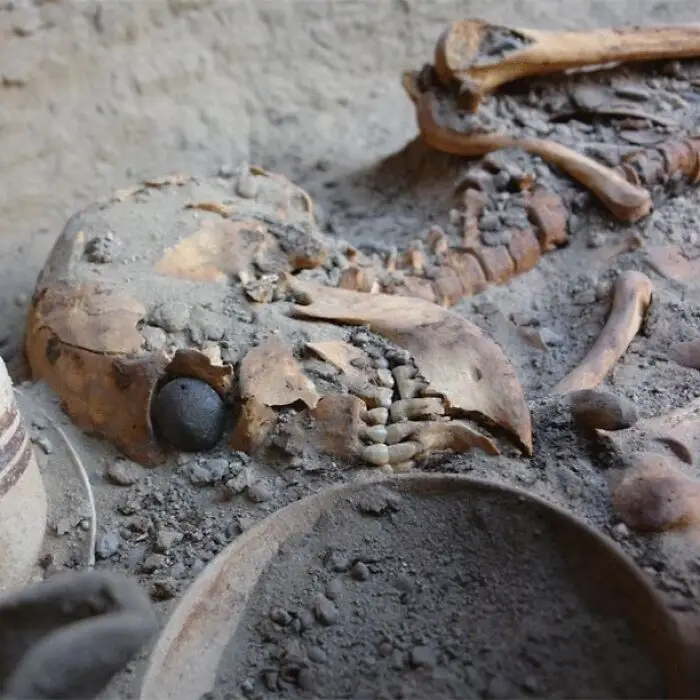
This prosthetic eye made from a mixture of natural tar and animal fat is nearly 5,000 years old. It was discovered by Dr. Seyed Mansour Seyed Sejjadi and his team near the city of Zabol in Iran in 2007. It's the earliest example of an ocular prosthesis in the medical history. The prosthetic eye, which was once painted gold, was worn by a woman who stood 6’ tall. Some researchers have speculated that she may have been an ancient priestess.
Report
10points
#27
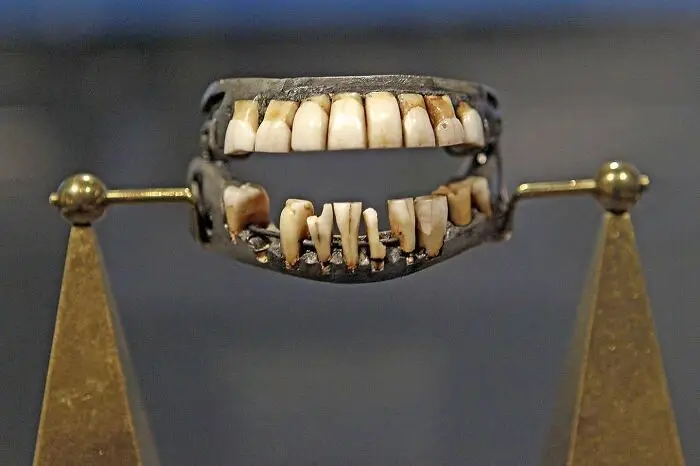
Contrary to popular belief, GEORGE WASHINGTON’S DENTURES were not wooden. At his inauguration in 1789, he only had one tooth left. John Greenwood—a dentist from New York—fashioned a set of dentures from ivory, and a mixture of cow & human teeth. Unsurprisingly, tooth loss was a common problem in the 18th century. Toothbrushes made of coarse horse hair often did more harm than good.
The wealthy might choose to have a “live” tooth implanted. The recipient had the rotten tooth removed before a selection of donors (usually poor working class people who were paid), who would then have their own healthy teeth extracted until the right size was found. Afterwards, it was affixed using a silver wire. Having a “live” tooth implanted was a costly endeavor. Compounding the problem was the fact that surgeons were unknowingly transmitting diseases like SYPHILIS into patrons’ mouths from infected donors. Because of this, a market for dentures soon arose.
Early versions were made of ivory or animal bone, and incorporated the teeth of executed criminals or exhumed bodies. Although cumbersome and painful to wear, dentures were in a high demand. To keep up with it, practitioners needed access to healthy teeth in large quantities. WATERLOO TEETH, as they became known, referred to any teeth stolen from the mouths of d**d soldiers in the 19th century, and was a term employed during the Crimean & American Civil Wars.
George Washington was acutely aware of his dental problems. Over the years, he kept several of his pulled teeth inside a locked desk drawer at Mount Vernon to use later for a set of dentures. According to Mount Vernon, some of the teeth used to make the dentures may have also come from Washington’s slaves - though the document is unclear. Sadly, this was not uncommon, and we must keep it in mind when contextualizing objects like this.
Report
9points
#28
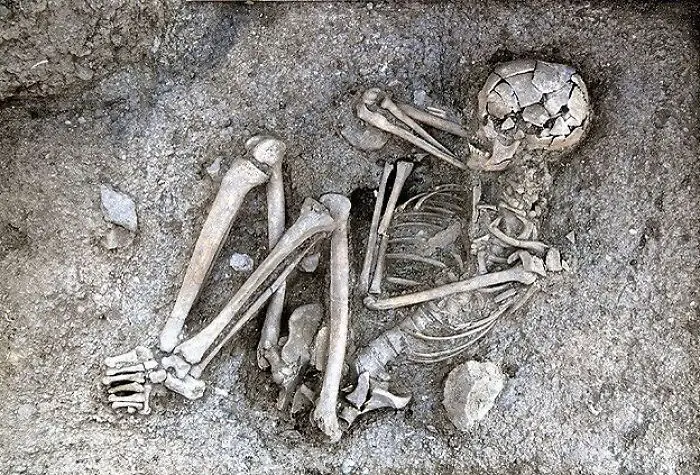
British archaeologists have found what they say is the world's oldest complete example of a human being with metastatic cancer and hope it will offer new clues about the now common and often fatal disease. Researchers from Durham University and the British Museum discovered the evidence of tumors that had developed and spread throughout the body in this 3,000-year-old s
keleton found in a tomb in modern Sudan in 2013. Analyzing the skeleton using radiography and a scanning electron microscope, they managed to get clear imaging of lesions on the bones which showed the cancer had spread to cause tumours on the collar bones, shoulder blades, upper arms, vertebrae, ribs, pelvis and thigh bones. Despite being one of the world's leading causes of d***h today, cancer is virtually absent in archaeological records compared to other diseases, so this discovery is very important.
Report
9points
#29
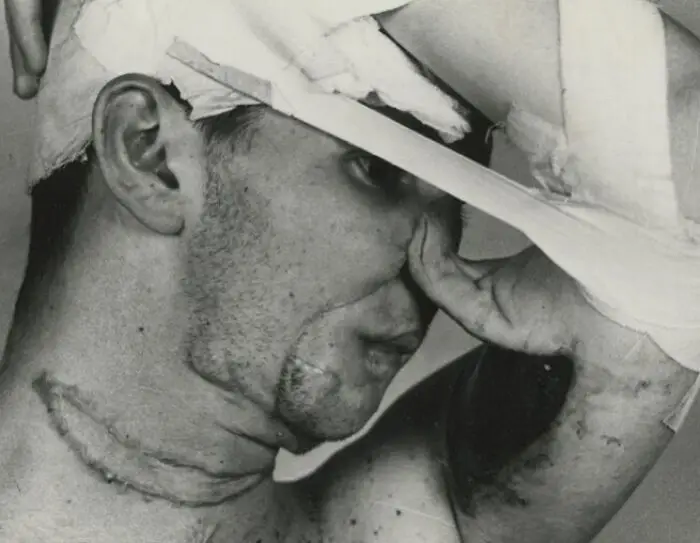
Rhinoplasty dates back thousands of years. Around 600 B.C., the Indian surgeon Sushruta devised a method for reconstructing the nose which involved cutting a section of skin from the either the forehead or the cheek and attaching it to the bridge of the nose to maintain a steady blood supply. After the skin attached itself to the new site, the flap was then twisted into place and sewn over the damaged area. This photo, which demonstrates a similar technique, is from 1943.
Sushruta’s technique—later dubbed the “Indian method”—made its way into Europe shortly before the Renaissance. In 1432, a surgeon named Gusto Branca obtained a license to open a shop in Catania, Sicily, where he used skin flaps from the cheek and forehead to reconstruct noses. A few years later, his son Antonio improved upon this method by choosing an esthetically less important donor site, the arm. The patient could be bound like the man in this photo for as many as forty days while the graft established a body supply.
This method was popularized in the 16th century by an Italian surgeon named Gaspare Tagliacozzi. Tagliacozzi’s work was motivated in part by an increase in nasal injuries inflicted by rapiers, the duelist’s new weapon of choice. But many people sought a surgical solution due to the growing association of nasal disfigurement with syphilis, a disease that had made its first appearance in Europe around this time.
Report
9points
#30
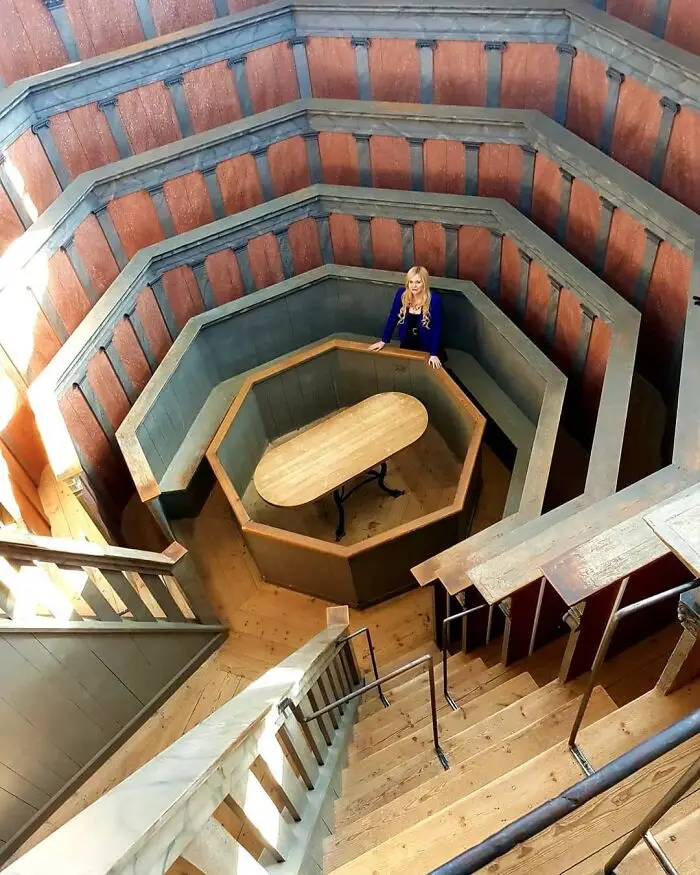
Anatomical amphitheater at the University of Uppsala in Sweden. This magnificent amphitheater was built in 1630, and was used for dissecting both animals and humans in earlier centuries. It was not used as an operating theater.
Here, in front of transfixed spectators, the bodies of executed criminals were dissected as an additional punishment for their crimes. Ticketed spectators watched anatomists slice into the distended bellies of decomposing corpses, parts gushing forth not only human blood but also fetid pus. The lilting but incongruous notes of a flute sometimes accompanied the macabre demonstration. Public dissections were theatrical performances, a form of entertainment as popular as cockfighting or bearbaiting in earlier centuries.
Report
7points
#31
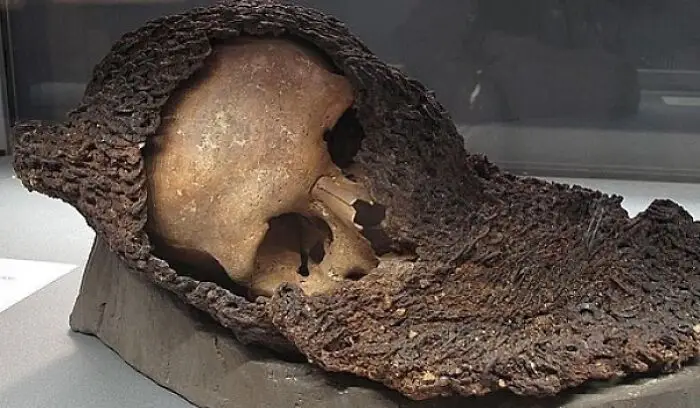
Medieval skull fused with (chain)mail. This soldier d**d at the Battle of Visby in 1361 on the island of Gotland, Sweden. The d**d were buried in several mass graves until they were discovered in the early 20th century. Between 1905 and 1928, more than 1100 human remains were unearthed.
Researchers believe that the men were buried quickly after battle, and therefore interred with their equipment and armor, which makes this a rich archeological site. There are several examples of (chain)mail shirts, coifs, gauntlets, and a variety of weapons. You can find it all on display in the Gotland Museum.
Report
6points
#32
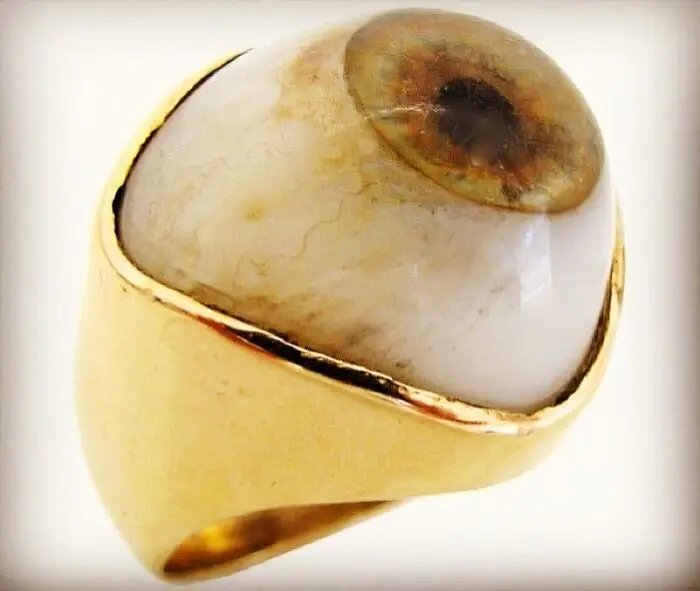
This Victorian mourning ring from the late 19th century was made from the deceased person’s glass eye. Would you wear something like this?
The first in-socket artificial eyes made in the 15th century were gold with colored enamel. In the latter part of the 16th century, the Venetian glass artisans discovered a formula that could be tolerated inside the eye socket. These early glass eyes were crude, uncomfortable to wear, and very fragile.
Even so, the Venetian method was considered the finest in the world. In the mid-19th century, glass artisans in Thuringia, a region in eastern Germany, developed a superior glass formula for the making of artificial eyes. Glass eye making was introduced in the United States in the mid-1800s by immigrant German ocularists. In the 1940s, glass was replaced by plastics, which were more comfortable for the wearer and lasted longer.
Report
6points
#33
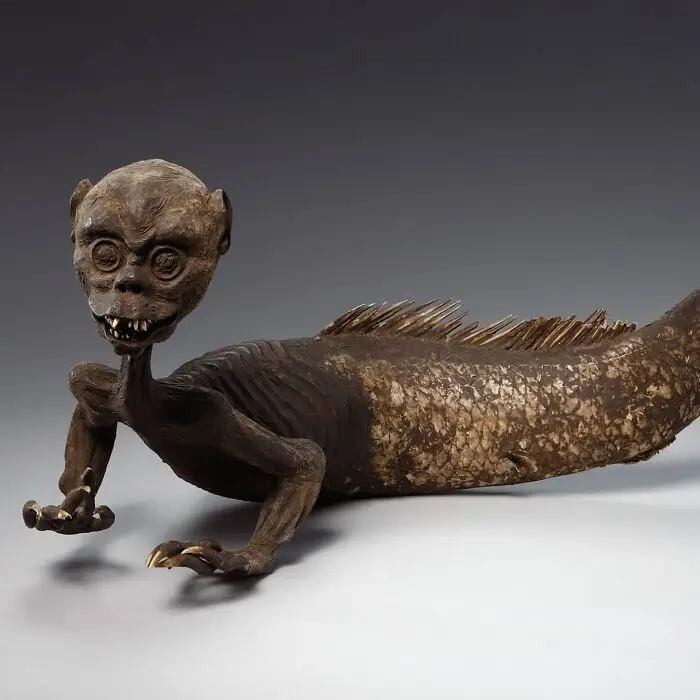
A Victorian merman. Objects like this were sometimes made from the torsos of monkeys and the tails of fish. They were displayed by showmen like P. T Barnum to audiences who believed they were real. This particular one is on display at the Horniman Museum in the UK. It was recently x-rayed and curators discovered it had a wooden and wire frame inside with fish skin stretched over its tail. It has rows of teeth that were carved from bone and the hair is human.
Report
5points