






Most of us learned about nature and animals in school. But as we step outside the four walls of those classrooms, we realize that the world around us is much more intricate and fascinating than what we’ve read in science textbooks.
For today, we have a bunch of random yet interesting facts for you to digest. There’s a good chance you’re learning about many of these for the first time, which is always fun.
Whether it’s about a pigeon’s magnetic sense of direction or how trees can communicate with each other, these pieces of trivia can be excellent conversation starters for your next dinner party.
#41 Manatees Control Their Buoyancy By Farting
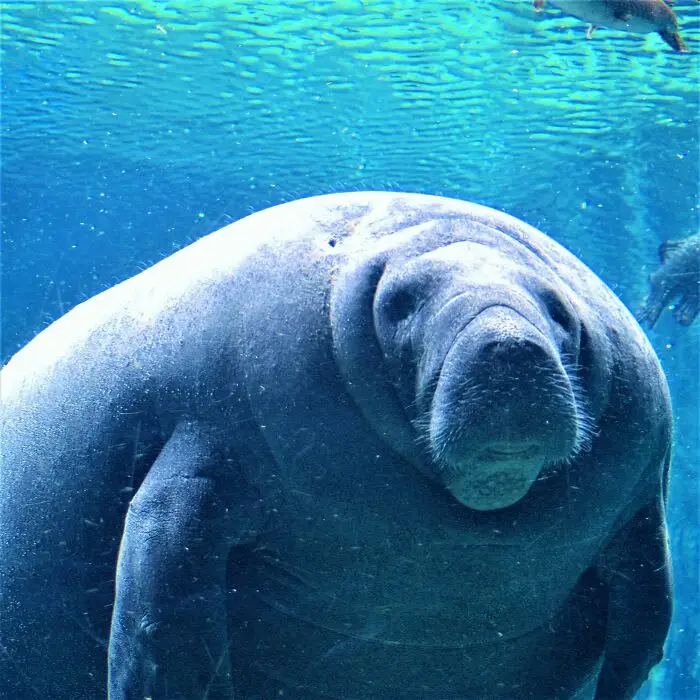
Scientists say there is some evidence that manatees can regulate their underwater buoyancy by farting – releasing gas to sink deeper into the water, or storing it to rise closer to the surface.
This evidence includes just how muscular the manatee’s abdominal muscles and diaphragm (the muscle that helps control breathing) are. When this is combined with the enormous size of the manatee’s large intestine, and the ease with which manatees can adjust their depth in the water with minimal movement, then these factors indicate that farting could play a large role in their buoyancy control.
Report
40points
#42 Pigeons Can Detect Earth’s Magnetic Field
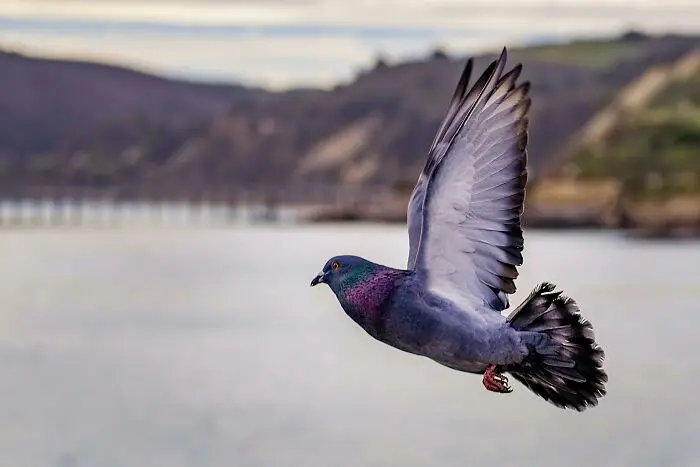
Pigeons have an amazing sense of direction. They can detect Earth’s magnetic field, which they use to navigate during their long flights. This magnetic sense helps them find their way home across great distances, a skill that has been admired and utilized by humans for centuries.
Report
38points
#43 There Are More Trees On Earth Than Stars In The Milky Way

There are so many trees covering our planet that scientists had to figure out a new method to quantify them, and they’ve actually calculated that there are more trees on Earth than stars in the Milky Way.
Scientists have determined that the number of stars in the Milky Way ranges from 100 billion to upwards of 400 billion, but there is an estimated amount of 3 trillion trees on Earth. That’s a lot of trees! Even with all those trees currently on Earth, it is still very important that we continue protecting our forests and planting more trees!
Report
37points
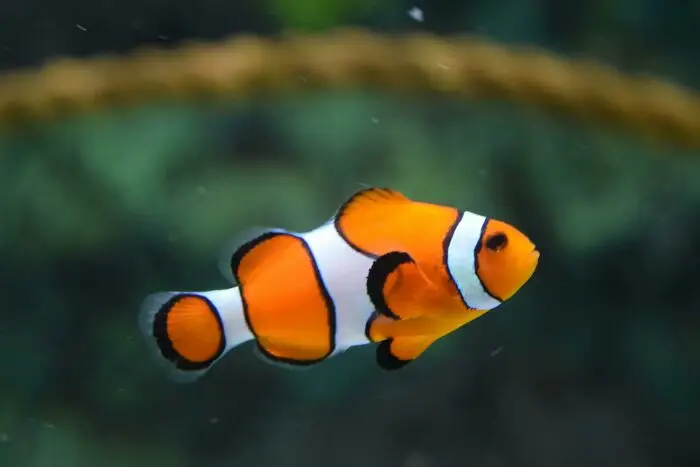
#44 If A Male Clown Fish Loses His Parter, He Will Develop Female Reproductive Parts And Mate With His Male Offspring
Report
37points
#45 Arctic Foxes Change Their Fur Colour Depending On The Season
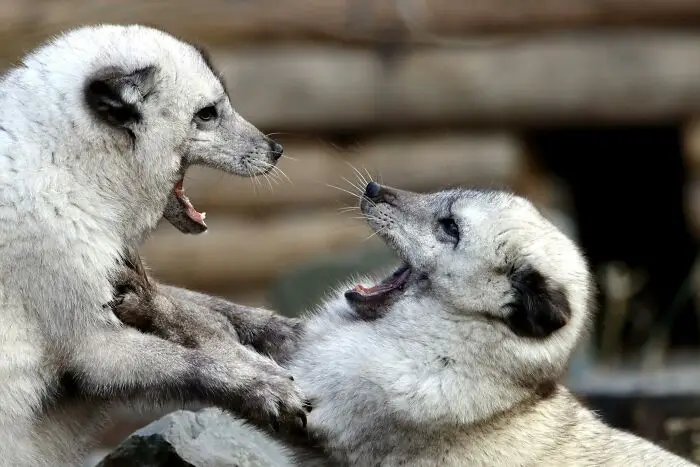
Different seasons can mean different climatic conditions and opportunities for the Arctic fox. So its fur colour can change between seasons for thermal insulation as well as to help blend with its immediate surroundings. In the winter, their fur morphs into the iconic, thick white coating. But as summer arrives, snow melts, and Arctic foxes start to shed their long white coat to a shorter, thinner fur, which can come in a variety of colours, from dark and light grey, charcoal brown to bluish brown coating.
Report
36points
#46 Puffins Dress To Impress In Breeding Season
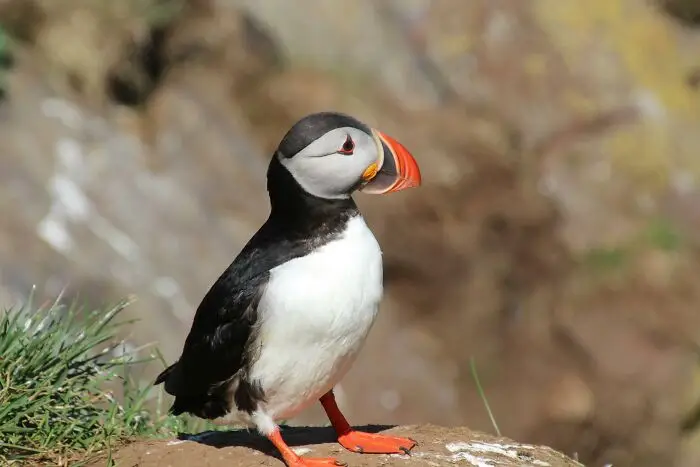
Puffins are black on top with white bellies and cheeks. In the breeding season, they have brightly-coloured bills, orange legs and very distinctive red and black eye markings.
Report
36points
#47 Bananas Are Berries, But Strawberries Aren't
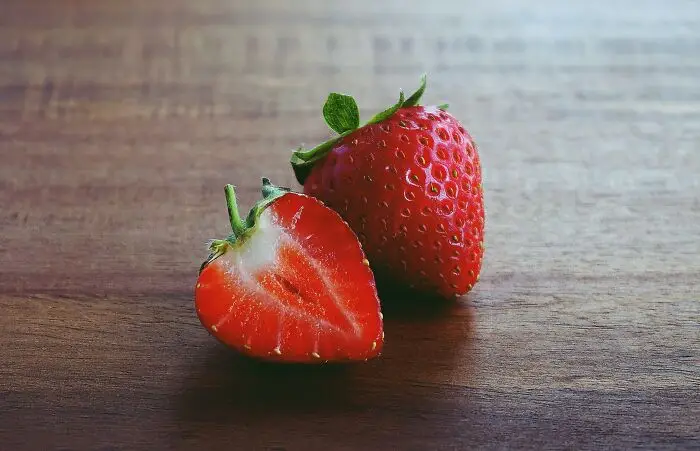
In botanical terms, a berry is a fruit produced from the ovary of a single flower with seeds embedded in the flesh. By this definition, bananas qualify, whereas strawberries do not.
Report
33points
#48 Birds Are Descended From Dinosaurs
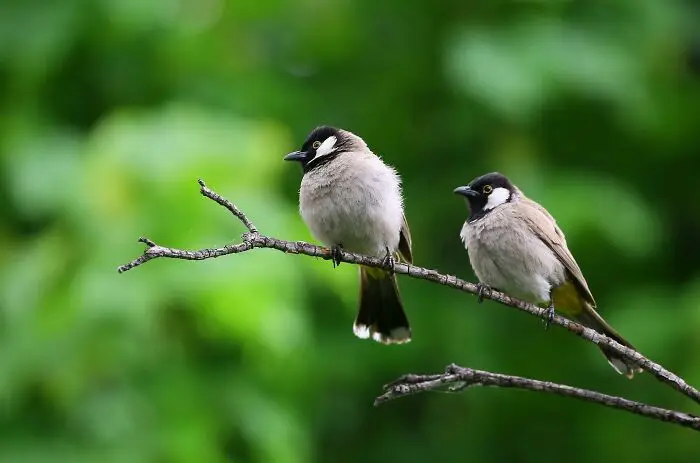
When we think of dinosaurs, we often think of large, reptile-like creatures. The Tyrannosaurus Rex is often thought of as a scaled-up, ferocious lizard, but that might not be the case for all other dinosaurs.
Since the 1960s, many scientists have found recurring evidence that birds are direct descendants of these prehistoric reptiles. In fact, according to the Smithsonian Magazine, all living birds are indeed dinosaurs, but not all dinosaurs were considered birds. Some dinosaurs even had feathers just like birds!
32points
#49 There Is A Coffee Made From Beans That Have Been Extracted From The Droppings Of The Asian Palm Civet
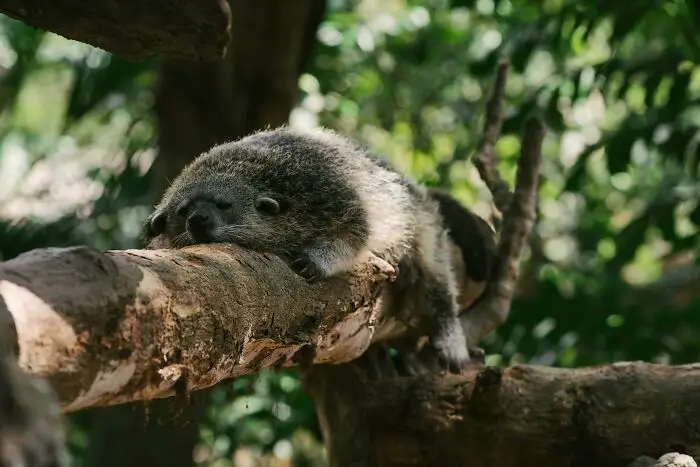
Looking something like a cross between a cat and a mongoose, a civet loves the flesh of coffee berries, but cannot properly digest the beans, which emerge whole when it defecates. These beans are then collected and sold as Kopi luwak, hailed variously as “the Holy Grail of coffees” and “the most exotic beverage on the planet.
30points
#50 Orcas Are Pregnant For 17 Months
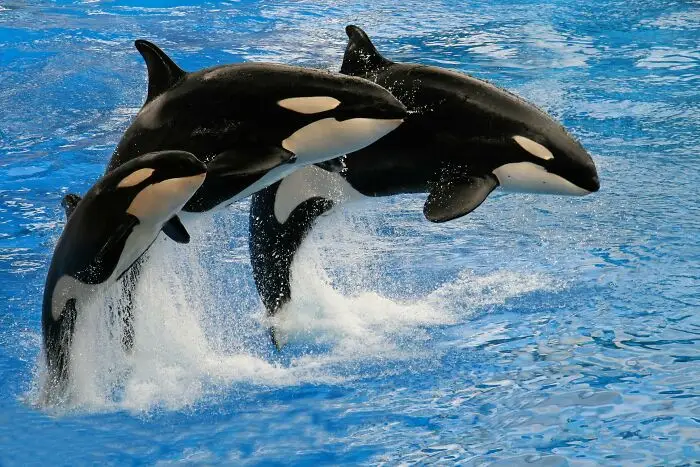
Female orcas start breeding at around 6-10 years old, males at 10-13 years. Breeding occurs all year round although it is most common in summer. The gestation period of an orca is about 17 months which is the longest of all cetaceans. Females may give birth every 3-5 years, although sometimes it may be as long as a decade between successful births.
Report
27points
