






Most of us learned about nature and animals in school. But as we step outside the four walls of those classrooms, we realize that the world around us is much more intricate and fascinating than what we’ve read in science textbooks.
For today, we have a bunch of random yet interesting facts for you to digest. There’s a good chance you’re learning about many of these for the first time, which is always fun.
Whether it’s about a pigeon’s magnetic sense of direction or how trees can communicate with each other, these pieces of trivia can be excellent conversation starters for your next dinner party.
#21 Snow Leopard's Paws Act As Natural Snowshoes
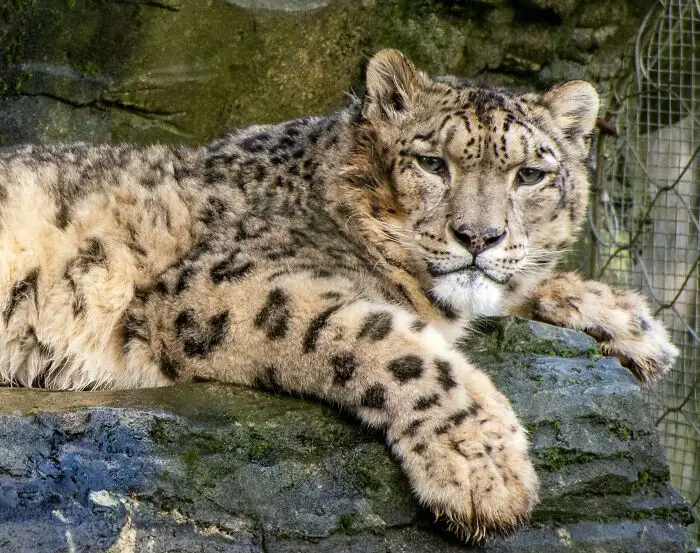
The wide, fur-covered paws of a snow leopard serve as natural snowshoes, helping to distribute its weight over soft snow and protect it from the cold.
Report
57points
#22 The Amphibian That Can Regrow Any Of Its Limbs
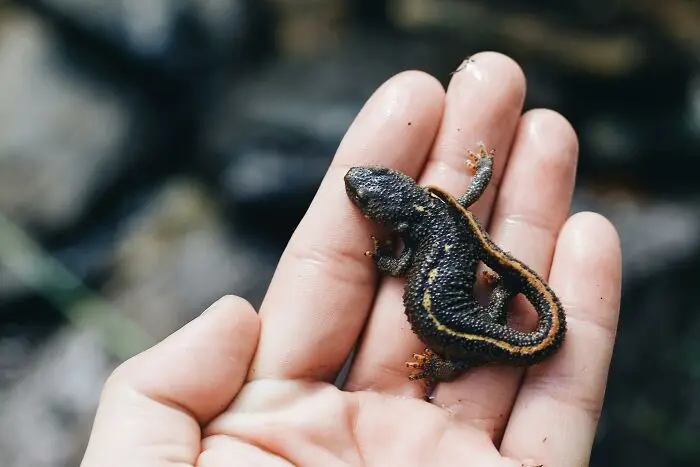
Salamanders have the ability to regrow limbs that they lose within weeks. According to medium.com, when a salamander loses a limb, the wound gets sealed with a blood clot like a human's does. This is where the human experience begins to differ from the salamander's. A clump of stem cells called a blastema forms beneath the surface of the wound. Impressively, these stem cells multiplies and recreates the missing limb. These cells convert into bone cells, skin cells, and muscle cells in order to create a perfect duplicate.
Based on the levels of certain cells, vitamins, or acids available, the salamander can determine how much of the limb needs to be regrown.
Report
56points
#23 Bees Dance To Communicate
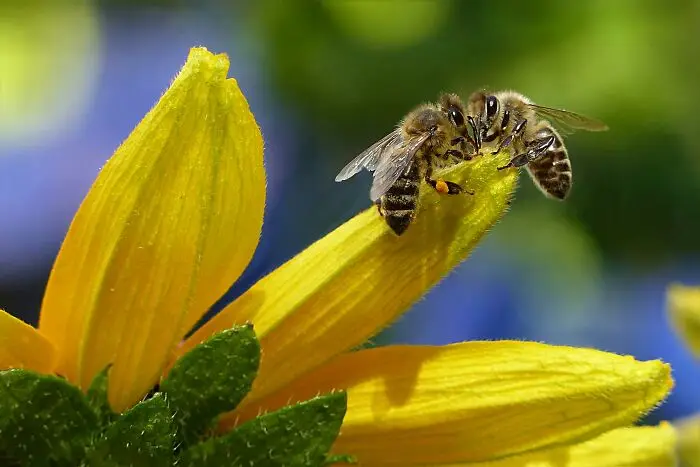
It’s hard to think bees could get more interesting, but turns out, they can! Just like many other species, bees communicate with one another. They live in a hive together and must all work together, so communication is certainly key. However, what sets bees apart from other species is that they actually communicate by dancing!
Bees have two different dance moves that allow them to show other bees where flowers are located. One bee will dance while the others watch to learn which direction they can find the flower patch in.
Report
55points
#24 Platypi Can Sweat Milk
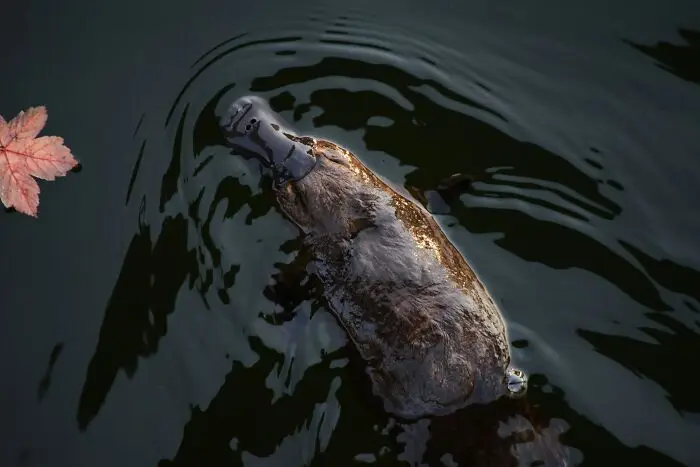
To be fair, very few things about platypi aren’t weird. These Australian mammals are part of a mostly-extinct group of mammals known as monotremes that have some un-mammalish habits. For example, laying eggs! However, like other good mammal mothers, platypi do care for their young.
Instead of feeding their babies through a well-developed teat or nipple like other mammals, platypi secrete milk more diffusely. In other words, they “sweat” out the milk from mammary glands. The result? Milk sort of oozes from a region of their skin, which the young platypi (sometimes called puggles) can lap up.
55points
#25 Many Fish Change Sex As They Age
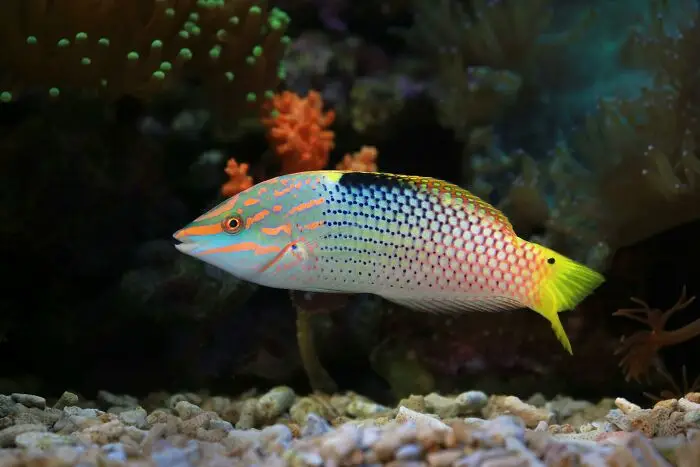
About two percent of fish species can change their sex during their lifetimes. Some tropical fishes like many in the wrasse family (Labridae) actually change sex based on their age and size. This permanent change happens when they reach a certain age or size, usually because they can compete with other males for mating opportunities.
Think about it: A female fish living in a coral reef can spend years mating with nearby males to lay eggs and produce young. One day, she decides it’s time, and in a matter of weeks or months changes completely over to a male. Now, she is competing with her ex-boyfriends for opportunities to mate with local females. How’s that for a weird nature fact? Fish like these, including the wrasses and parrotfish (family Scaridae or subfamily Scarinae), which change from female to male, are known as protogynous.
Report
55points
#26 Cat’s Were First Domesticated 4000 Years Ago In Ancient Egypt
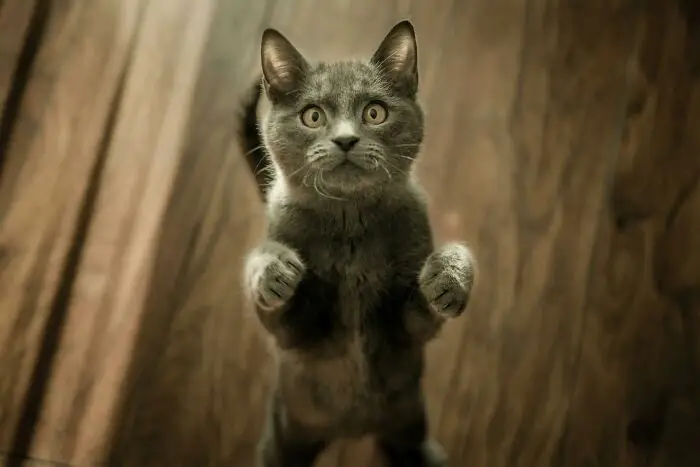
Cats were initially valued for their ability to k**l rodents and venomous snakes, but tomb paintings show that many of these felines were also household pets and a part of family life.
54points
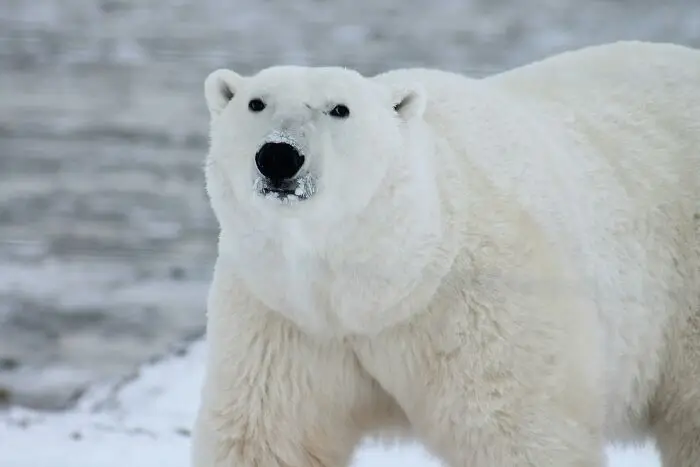
#27 Polar Bears Are So Efficient At Storing Vitamin A, Consuming Polar Bear Liver Can Cause Death....one Polar Bear Liver Contains Enough Vitamin A To K**l 52 Adult Humans
Report
53points
#28 Barn Owls Divorce Each Other
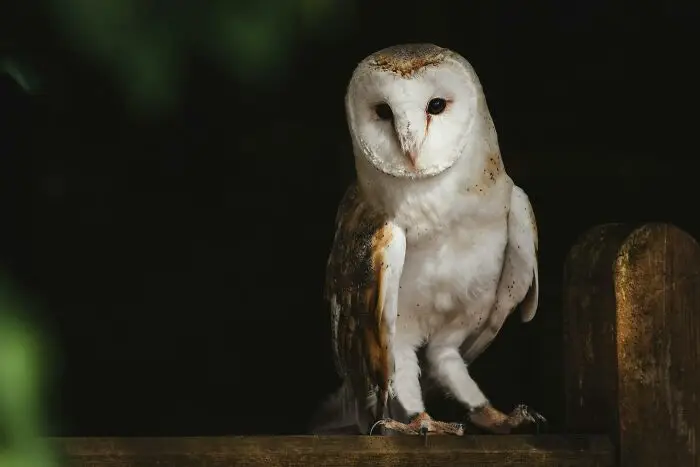
Ecologists have found that while barn owls are normally monogamous – mating with only one partner for life – about 25% of mating pairs “divorce”, and move on to new partners.
It appears the reason for divorce in barn owls is less irreconcilable differences and more so if breeding isn’t going to plan. If a breeding pair of owls isn’t managing to lay many eggs, or the majority of their chicks aren’t surviving then that seems to be the cue for barn owls to move on. When that happens, the male owl gets to keep the nest, and the female has to find a new home.
Report
51points
#29 There Are Mosses That Only Grow On Moose Poop
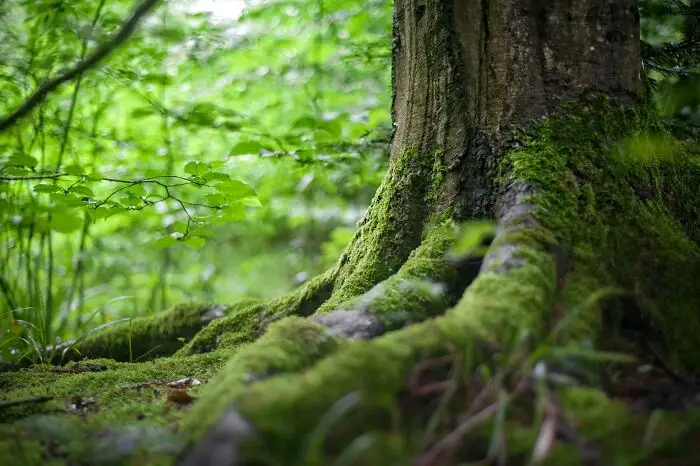
Mosses are fascinating and ancient plants with unusual lifestyles compared to the leafy plants with which folks are familiar. Being very small, tolerant of shade, and spreading via spores, they can end up in interesting places. In fact, mosses’ peculiarities often mean that they need to specialize in living in very particular places to compete for space. Here’s one for your weird nature facts: the red parasol moss Splachnum rubrum grows only on moose poop.
This pretty little moss, less attractively known as dung moss, makes its life on animal poo, particularly that belonging to American moose (Alces alces). But how do the mosses reach their poopy homes in the first place? Studies show that their fruiting bodies give off a smell that attracts flies, and these flies disperse moss spores to other dung sites.
Report
50points
#30 Male Seahorses Give Birth
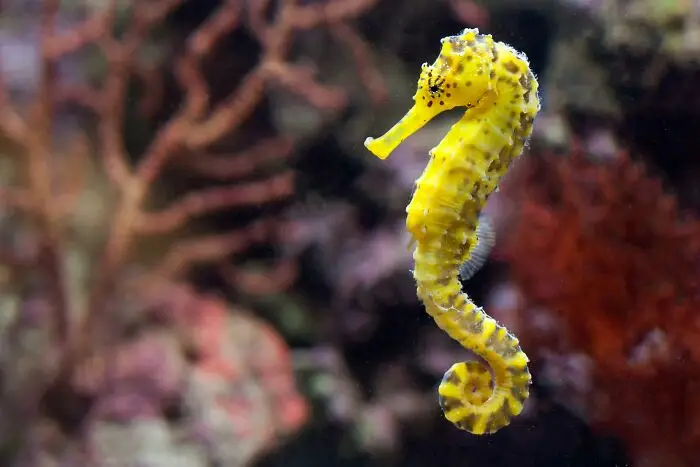
Seahorses display a kind of reversed pregnancy – after fertilisation, eggs are transferred into the male’s brood pouch to develop. The eggs receive oxygen and protection, and gestation lasts from 14 to 28 days, after which the male gives birth to live young known as fry.
Report
50points
#31 Frogs Freeze In Winter And Thaw In Spring
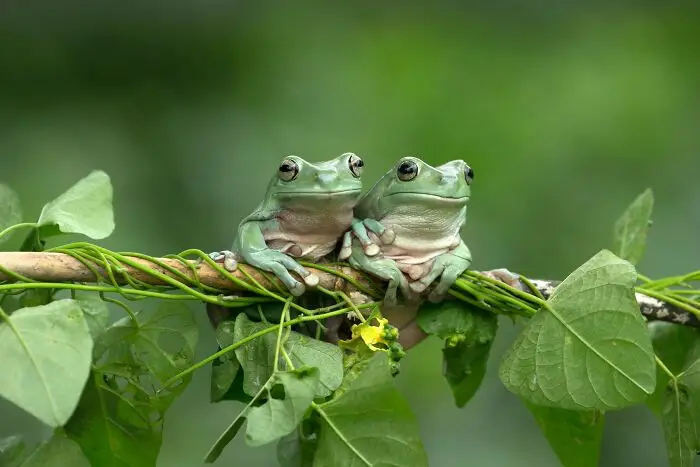
Some frogs have an incredible ability to survive freezing cold winters. They can actually let their bodies freeze and then thaw out when it warms up. This adaptation lets them live through temperatures that would be too cold for many other animals.
Report
50points
#32 Trees Can Communicate With Each Other
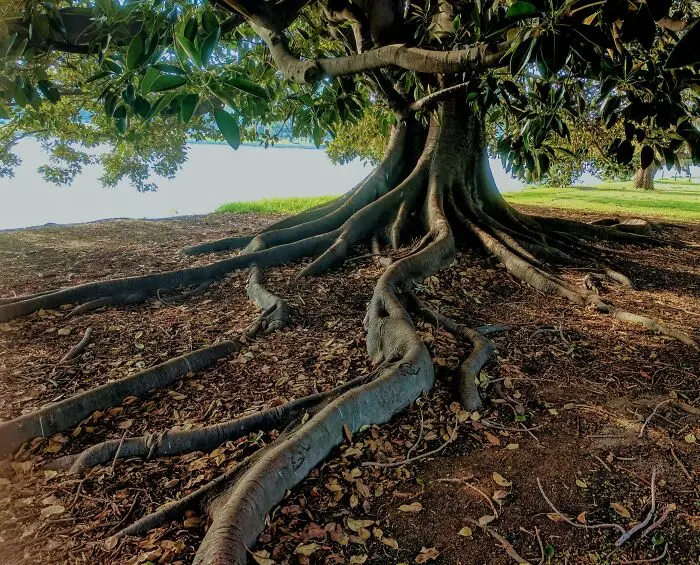
Now, we know what you’re thinking: how can trees talk to one another? Well, while trees certainly can communicate with each other, it actually can’t be seen with the naked eye, making it impossible to detect on an everyday stroll through nature.
Trees “talk” to one another through an intricate network of fungi in the soil dubbed the “Wood Wide Web”. It connects trees at their roots, allowing them to communicate by sending signals about upcoming threats like droughts or disease — and that’s just the tip of the iceberg. This allows trees to alter their behavior upon receiving the signal.
48points
#33 Sloths Only Poop Once A Week
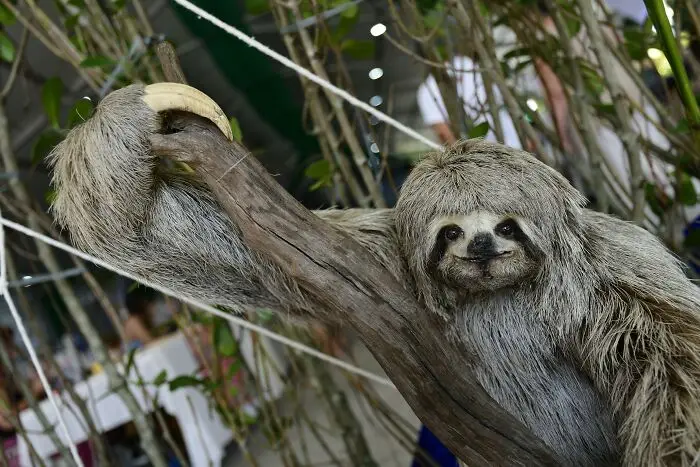
Sloths only go to the ground in two circumstances: to defecate and urinate once every five to seven days or when they cannot move along the canopy due to lack of connection between adjacent trees.
48points
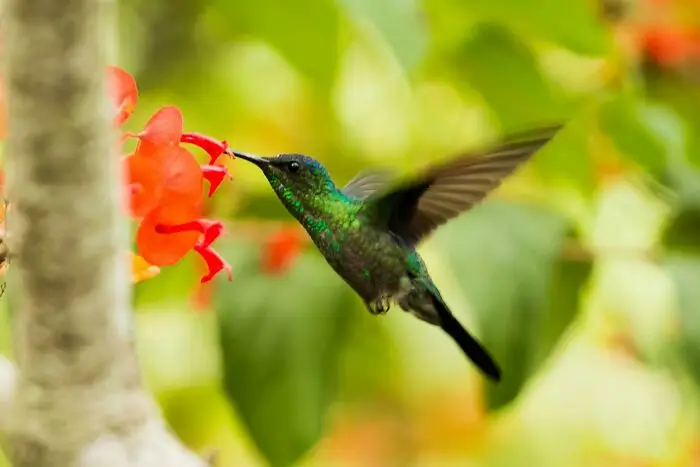
#34 Hummingbirds Can Fly Upside-Down And Backwards. Their Metabolism Moves So Fast That They Are Always Hours Away From Starvation
48points
#35 The Smell Of Freshly Cut Grass Is A Distress Signal
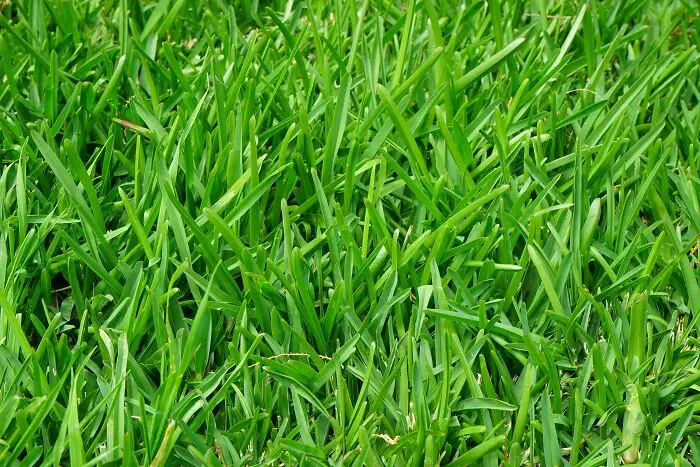
Whilst the smell of freshly cut grass may be synonymous with summer, the reason why cut grass smells isn’t such a sunny story. According to botanists, what we are actually smelling is a warning signal being released by plants under attack. In one of the more disturbing nature facts, the smell is described as ‘cries of horror’ from the cut grass which are received by other plants and animals.
Why does grass do this? Well, the smell emitted by freshly mown grass is known as green leaf volatiles (GLVs). All plants produce GLVs. One particular study on corn crops found that when predators chewed on the corn, the GLVs made other corn plants produce substances which made them less tasty. This suggests that plants use GLVs as a warning system – letting other plants know about potential threats.
Report
46points
#36 Honey Never Spoils
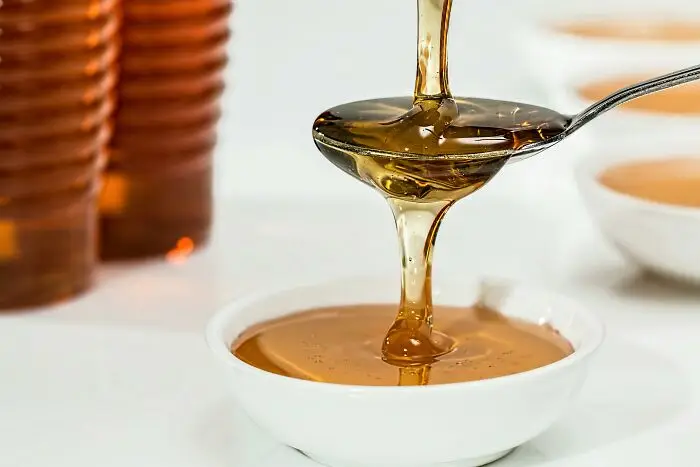
Archaeologists have found pots of honey in ancient Egyptian tombs that are over 3,000 years old and still perfectly edible.
Report
45points
#37 Approximately 99 Percent Of A Panda’s Diet—bamboo Leaves And Shoots—is Void Of Much Nutritional Value
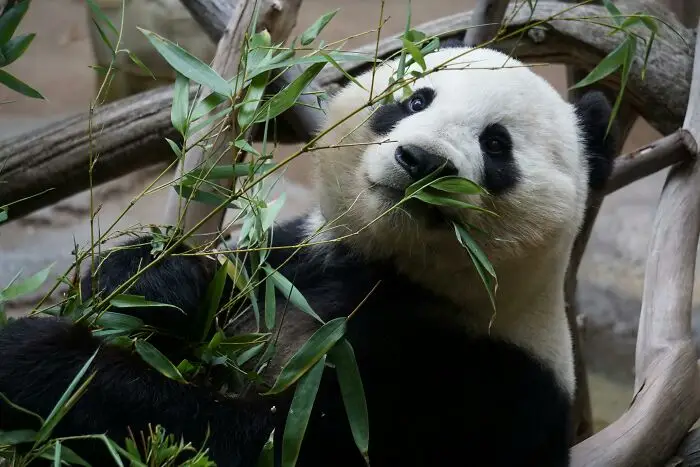
Its carnivore-adapted digestive system cannot digest cellulose well, thus it lives a low-energy, sedentary lifestyle but persists in eating some 60 species of bamboo. Pandas must eat upwards of 30 pounds of bamboo daily just to stay full.
Report
44points
#38 Octopuses Have Three Hearts
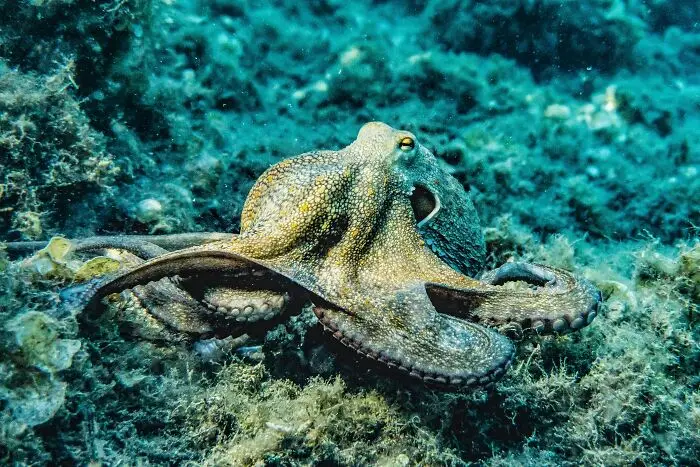
Two pump blood to the gills, while the third pumps it to the rest of the body.
Report
43points
#39 Hedgehogs Are Lactose Intolerant!
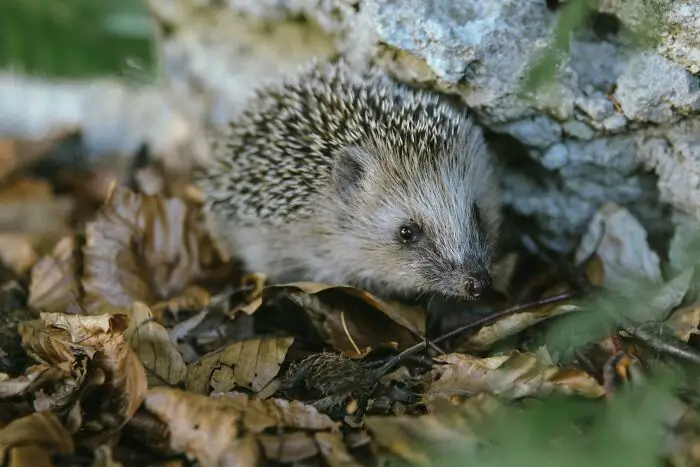
It was once believed that hedgehogs stole milk straight from cows’ udders, which may have been why people so commonly leave milk out for them. But they are actually lactose intolerant – so if you want to feed your local neighbourhood hedgehog, wet cat food or hedgehog food you can purchase in most garden centres is best!
Report
42points
#40 Dolphins Have Names For Each Other
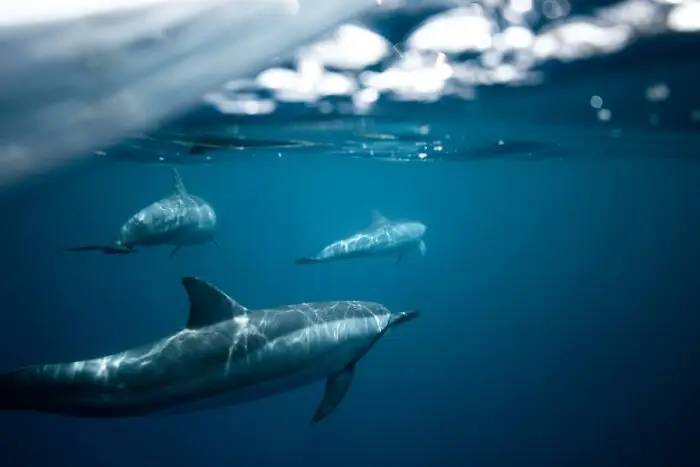
Just when you thought your favorite underwater mammal couldn’t get any cuter, we have some news for you.
It’s a well-known fact that dolphins are highly social creatures. They typically travel in what we call pods, which can include anywhere from 2 to 30 dolphins. It’s also another well-known fact that dolphins are extremely intelligent. If you’ve ever had the pleasure of meeting a dolphin, you know this first-hand.
Turns out, dolphins actually have names for one another. Scientists have found that these marine mammals use a distinctive whistle to identify each other. When a dolphin hears their own “name” called to them, they respond.
40points
