




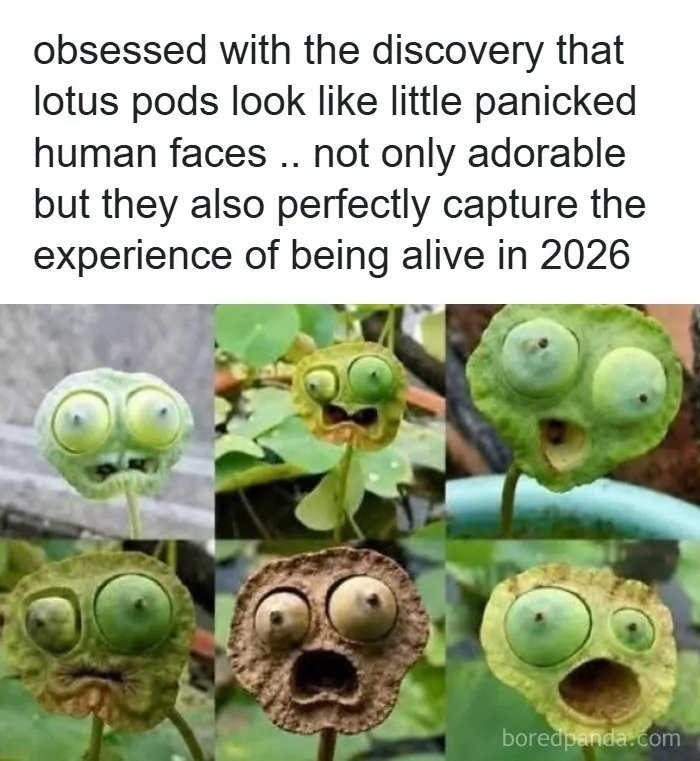
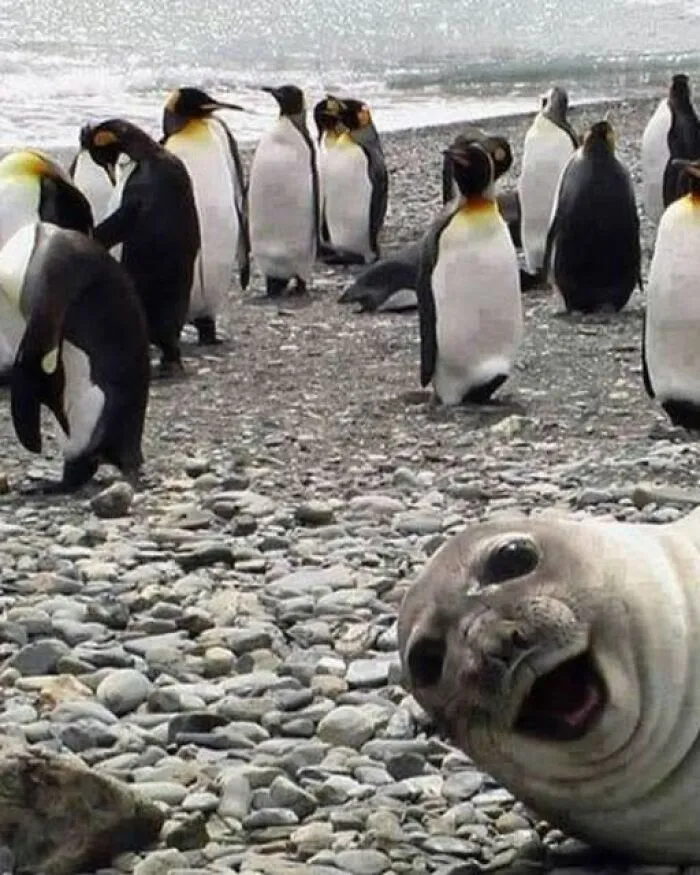
Funny, candid and weird photographs can often bring us more joy than perfectly-styled images. And there's apparently a scientific reason for that.
The experts at DigiFoto Pro say that while the funniest photos might seem like a lucky shot, there's a lot more at play. Much of it has to do with contrast and incongruity.
"The 'physics' of a visual joke almost always revolves around placing subjects in an environment where they figuratively rub against or clash hard with each other," explains the site. "Think of a stately symbol suddenly landing in a highly banal context. It is that unexpected juxtaposition that makes our brain pause for a moment and then rewards us with a laugh."
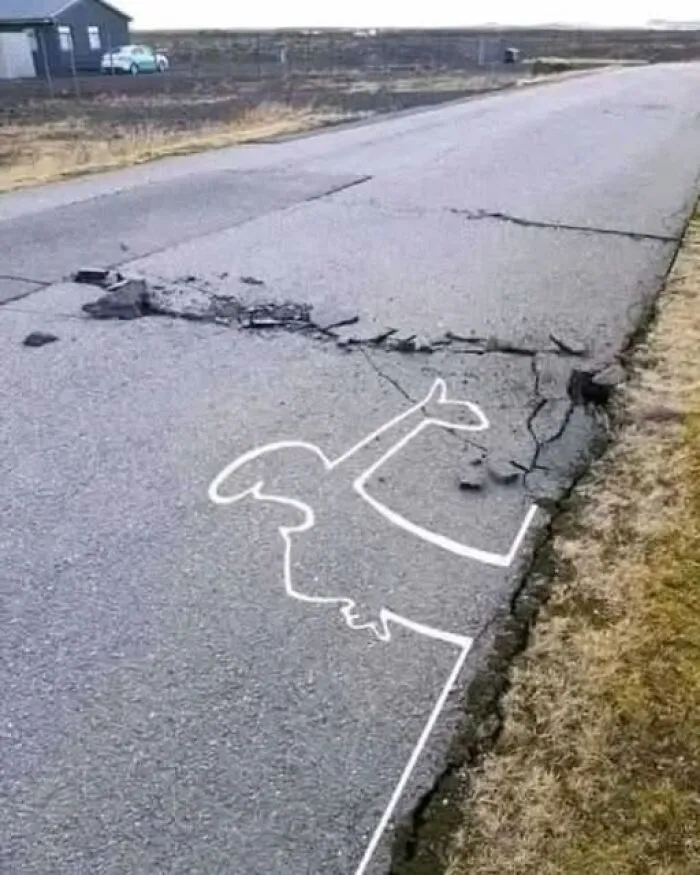
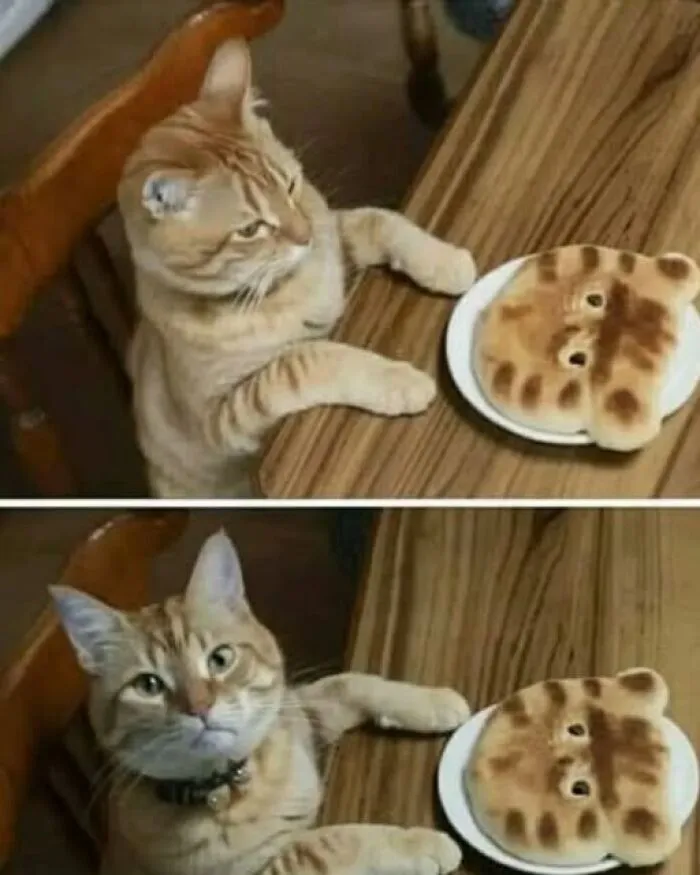

DigiFoto's team says that just like a good joke relies on flawless timing and a strong punchline, the same applies to a photo.
"The millisecond in which you press the shutter determines the difference between a masterful story in image or a meaningless, blurry miss. To anticipate humor, you must learn to look with an open mind," they explain, adding that you should always keep an eye out for unexpected, strange, or funny things happening around you.
"You need to sense the buildup to the comedic climax before it happens, because the 'shutter lag' of a spontaneous laugh waits for no one," they say.


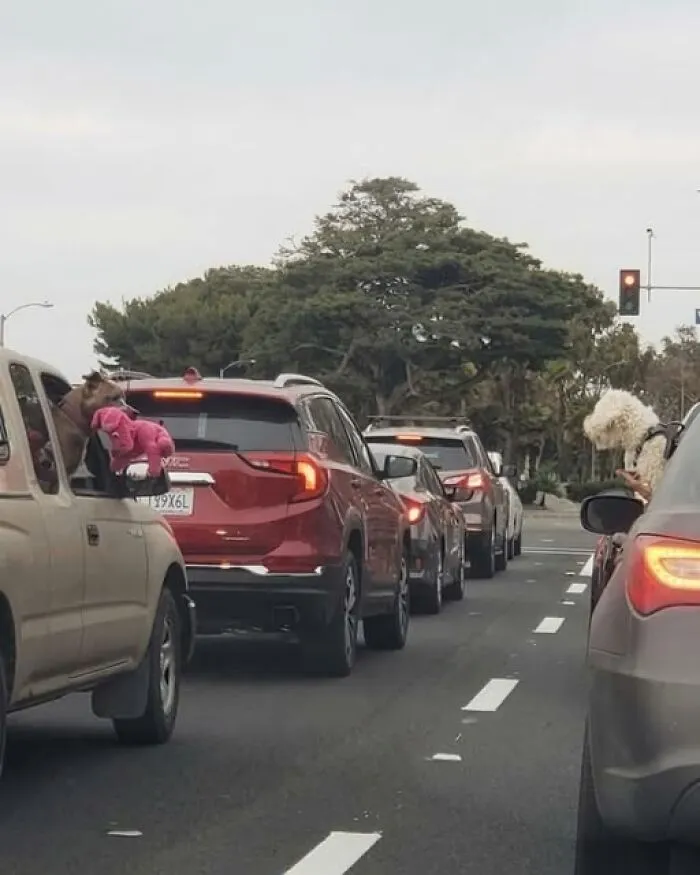
Be ready to capture epic fails, blunders, discomfort and mishaps. The reason these moments make great photos has to do with the psychology of failure, say the experts. And such photos allow us to see our own imperfections reflected in them.
"In a digital age dominated by unattainable, polished ideals, a photo of a genuine blunder acts as a release," they explain. "In those moments, the façade breaks. We collectively crave this anti-Instagram aesthetic because it reminds us of the chaos of real life."
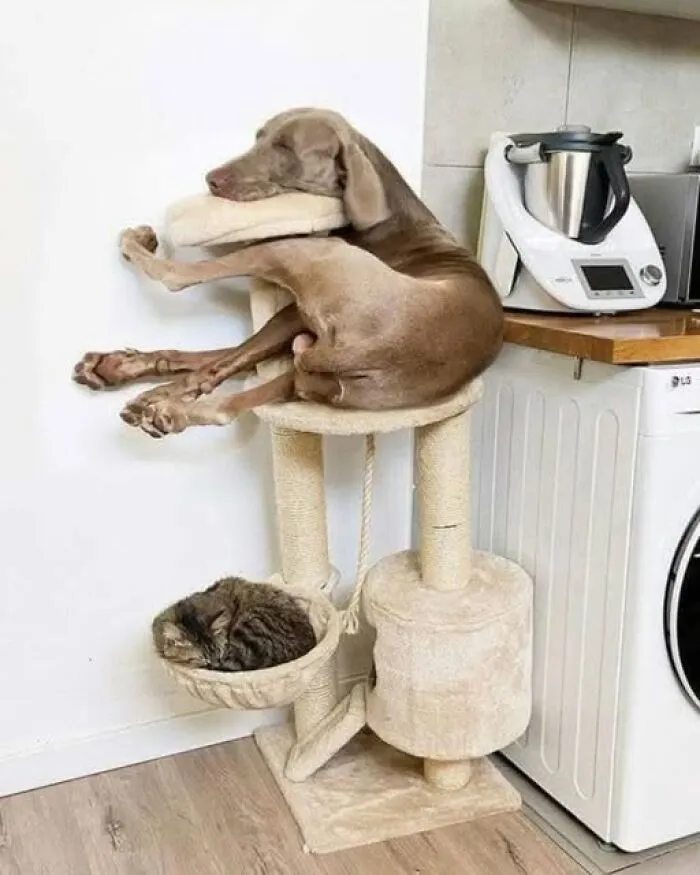
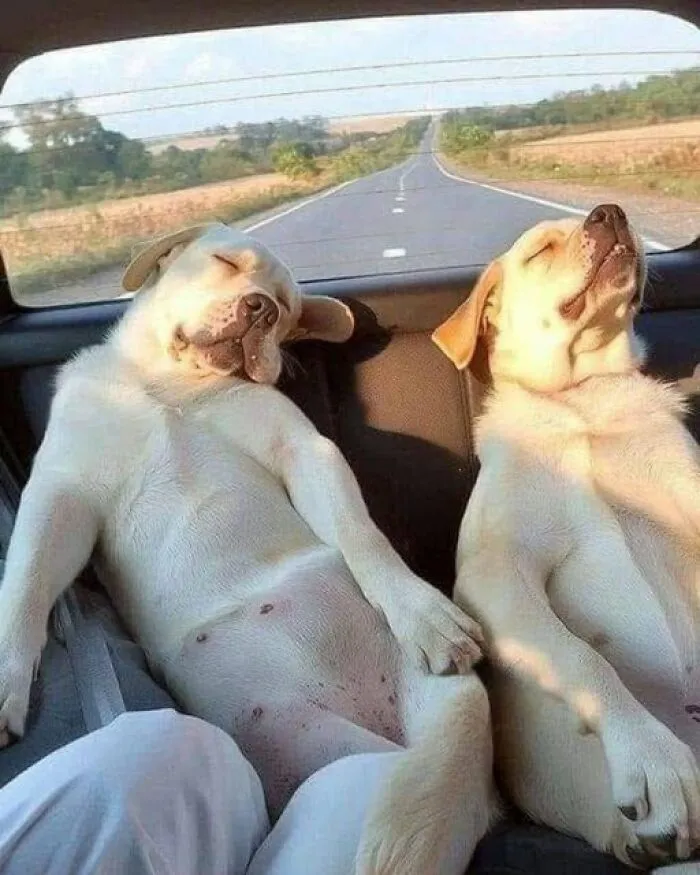
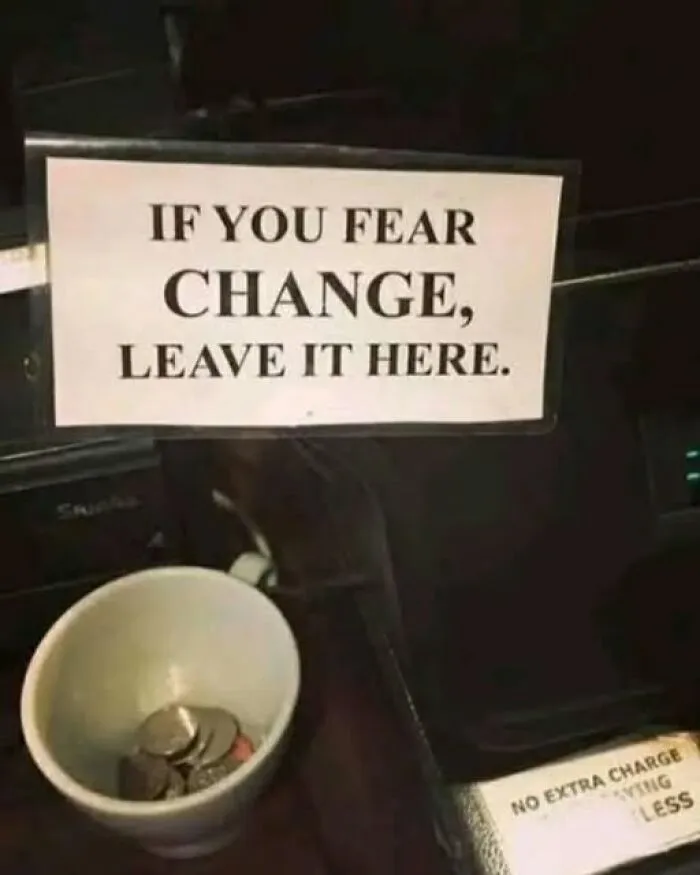
Dr. Simon Moore, a Chartered Psychologist with Innovationbubble.eu, says that funny or weird photos of animals can boost our spirits and make us feel good.
"We are visual creatures and our brain is biased towards visual information," he explains. "This emphasis on visual cues is evolutionary – our vision tells us very quickly if the environment is safe (evoking happy/positive emotional responses) or risky (evoking more anger or fear based emotional responses)."
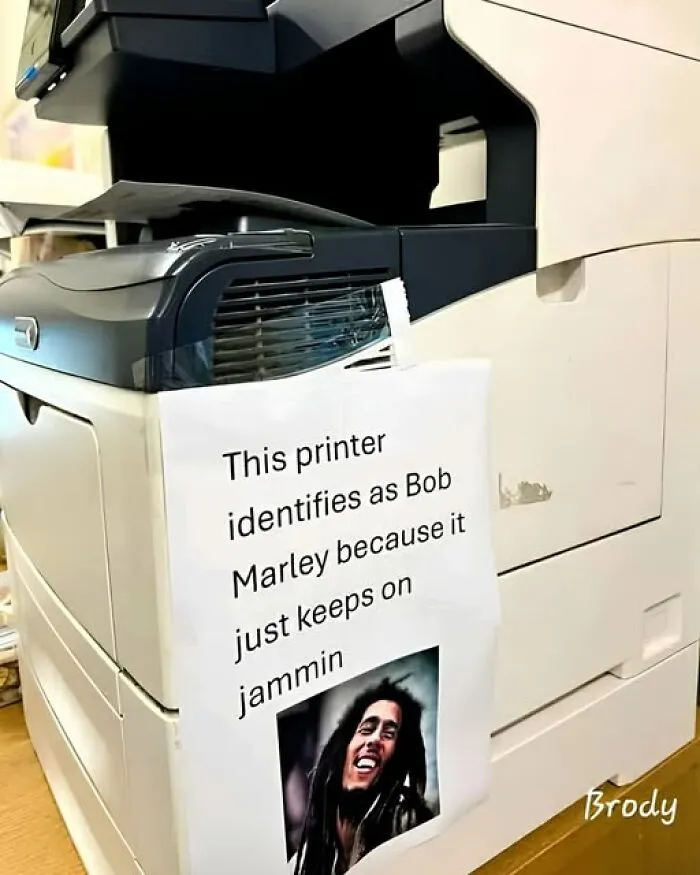
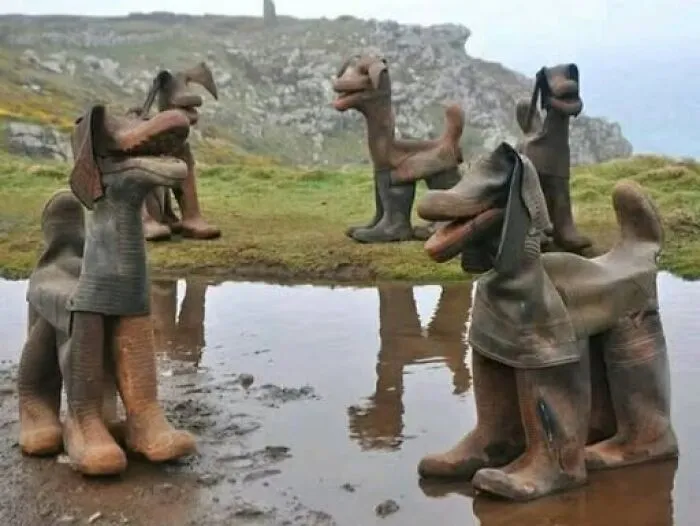
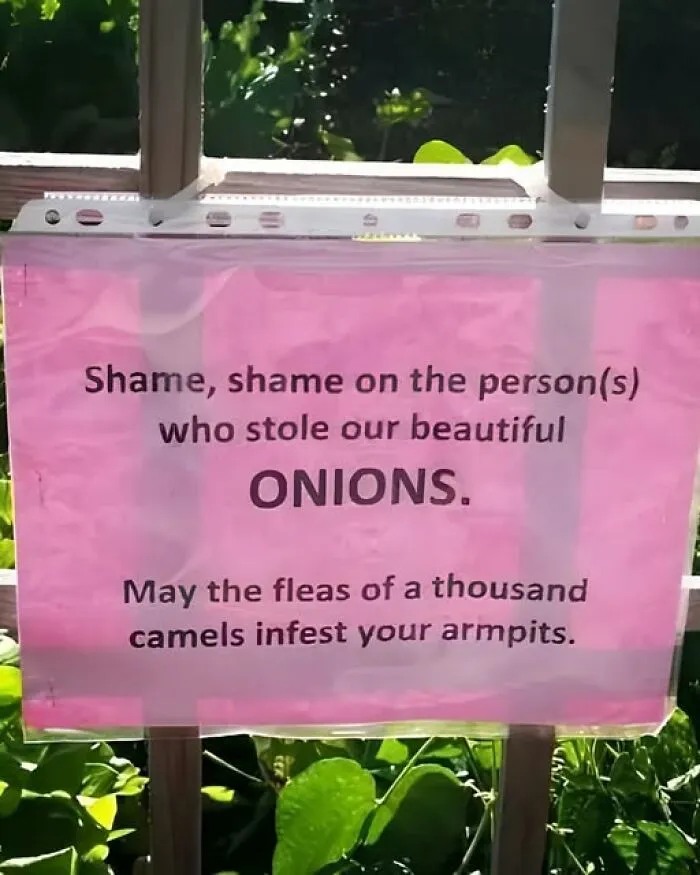
Add the element of surprise to a photo of an already-cute animal and we get double joy. For example, a squirrel photo-bombing someone's otherwise-normal holiday pic.
"Psychologically the surprise appearance of this cute furry friend causes a cognitive orienting response. There’s an incongruence between what we should be seeing (a holiday photo) and what we are unexpectedly witnessing (a curious squirrel standing in the foreground) that makes us search for meaning," says Moore.
He explains that the pleasant surprise or unexpected pleasure of seeing something funny when we were expecting something more mundane triggers a positive response.

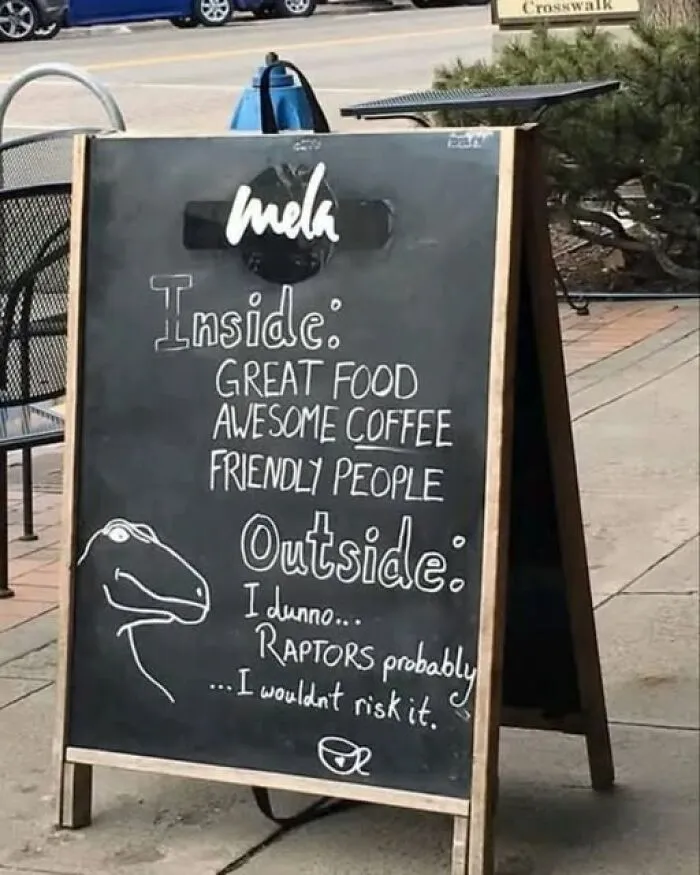

DigiFoto's team believes that blunders, photo-bombs, bizarre and hilarious pics are timeless. And that's because they can be shared and understood by almost anyone, whether today or in decades to come.
"True humanity remains universally understandable: A photo of a frustrated commuter whose umbrella flips inside out during an autumn storm, or a child with a look of pure panic watching their ice cream slide off the cone, will be just as easily understood fifty years from now as it is today," they say.