


However, there is a difference between having an annoying habit and repeatedly behaving in ways that make life harder for a partner. The Cleveland Clinic explains that these behaviors become more damaging when they continue after being addressed and create an unfair distribution of household and emotional responsibilities.
Weaponized incompetence is one example, involving situations where someone repeatedly performs tasks poorly, claims they cannot manage them, or avoids learning how to do them so that their partner eventually takes over. An occasional mistake, such as forgetting groceries or accidentally ruining a shirt in the washing machine, is perfectly normal.
The concern arises when someone refuses to improve, acknowledge the consequences, or make an effort after their partner has explained why the behavior is frustrating.
#23 My Husband Handed Me This And Said "Don't Say I Never Give You Flowers"

#24 Pettiness Level 100,000,00...... My Husband Was Angry This Morning So He Decided He Was Only Making His Half Of The Bed

Over time, this pattern can leave one person responsible for noticing, planning, delegating, monitoring, and reminding, while the other simply waits to be told what to do. This can then contribute to decision fatigue, constant stress, resentment, and burnout, particularly when one partner feels responsible for managing both the household and the other person's participation in it.
Repeated avoidance, shifting blame, refusing to learn, and treating basic household contributions as though they are special favors can further damage the relationship. Eventually, what might have started as a collection of minor domestic annoyances can become a much larger problem, affecting trust, intimacy, and the sense that both partners' time and needs matter equally.
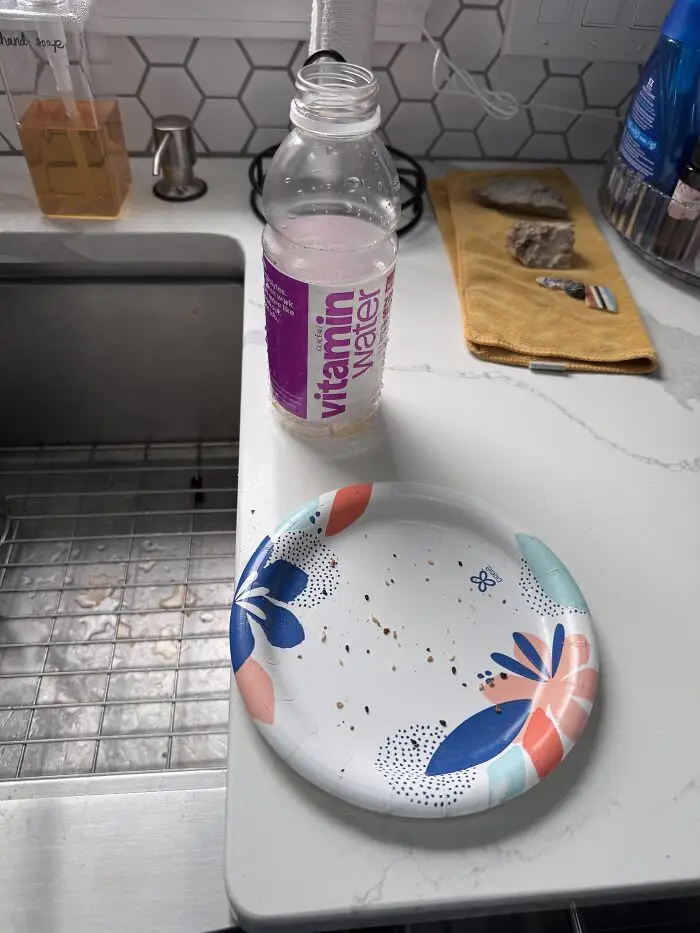
#25 I Asked My Husband For A Glass Of Water

Of course, no marriage is perfect, and everyone has little habits that can occasionally test their partner's patience. Still, there is a difference between occasionally getting on someone's nerves and consistently making their everyday life more difficult. A relationship should ideally mean having someone to share responsibilities with, not another person who needs constant reminders, supervision, and instructions.
Sometimes, the smallest domestic habits can reveal just how much effort goes into keeping a household running smoothly. Have you ever had a partner whose everyday habits made you wonder whether living alone would be easier? Share your experiences in the comments, because we'd love to hear which habits deserve a special place on the list!









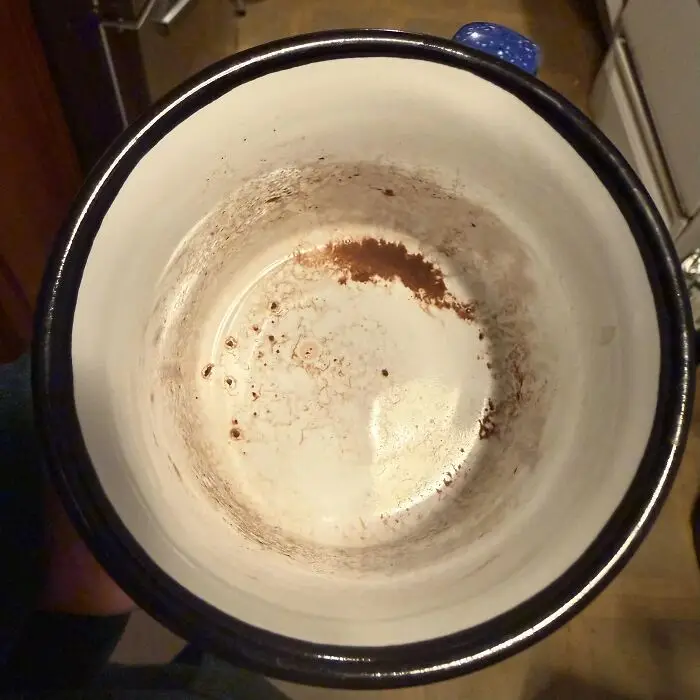
#40 My Husband Unloaded This Mug From The Dishwasher And Put It In The Cupboard 🙃