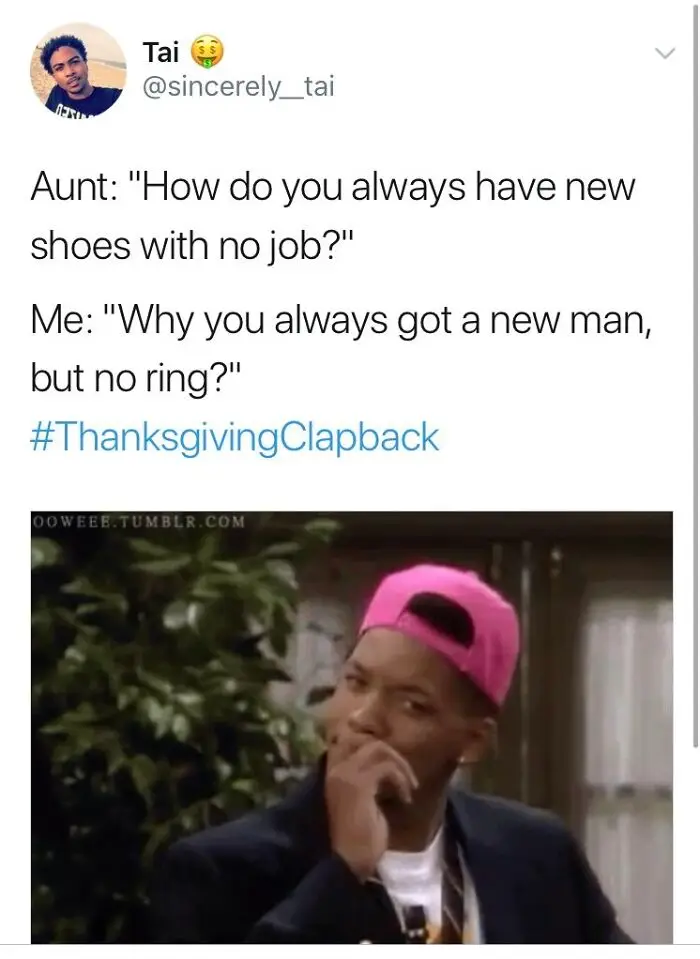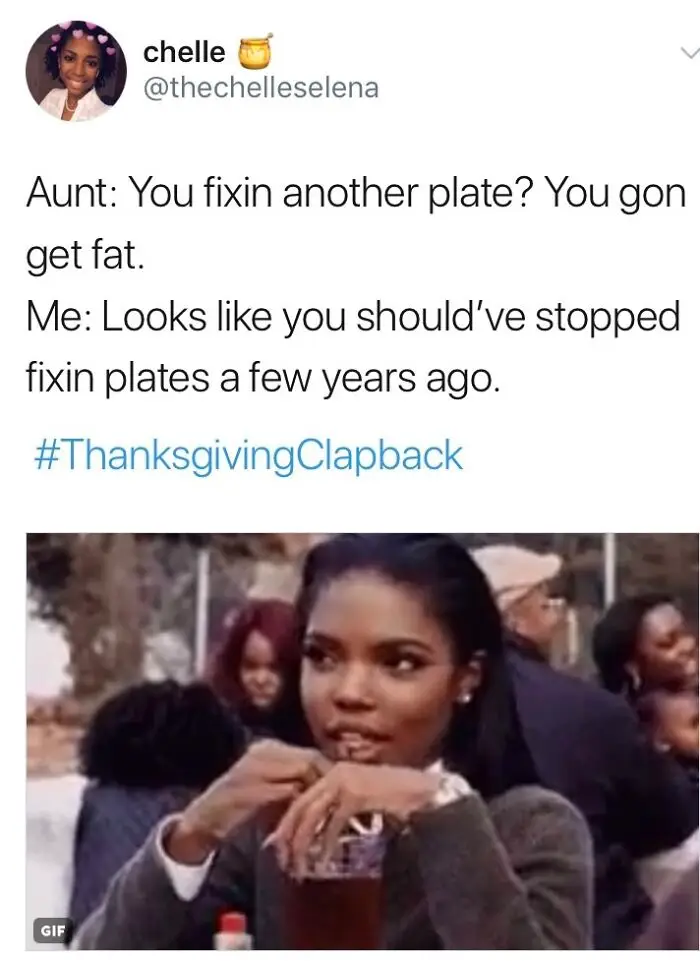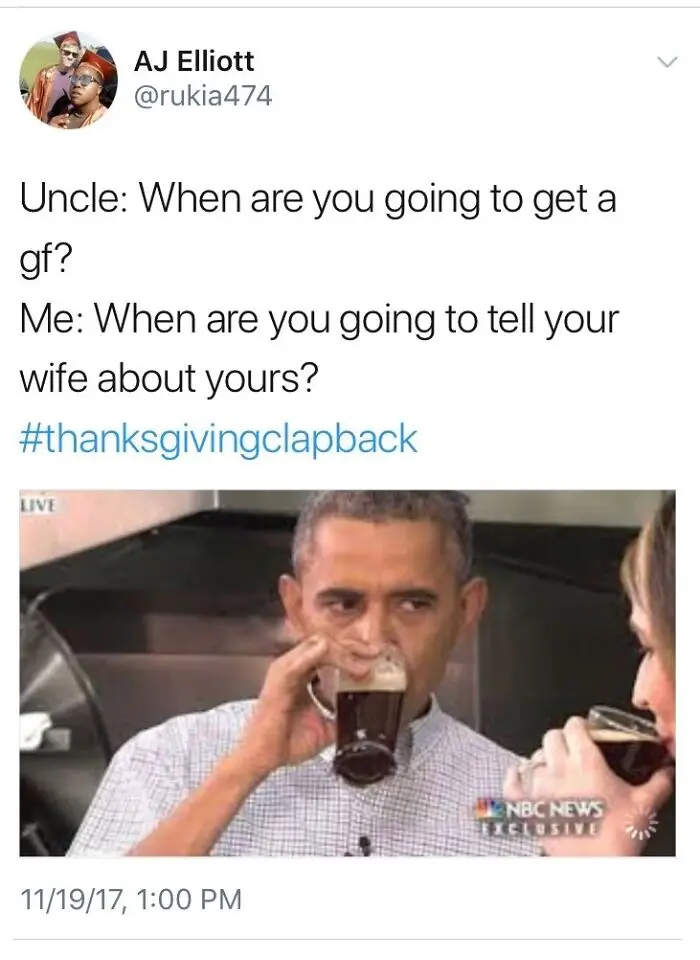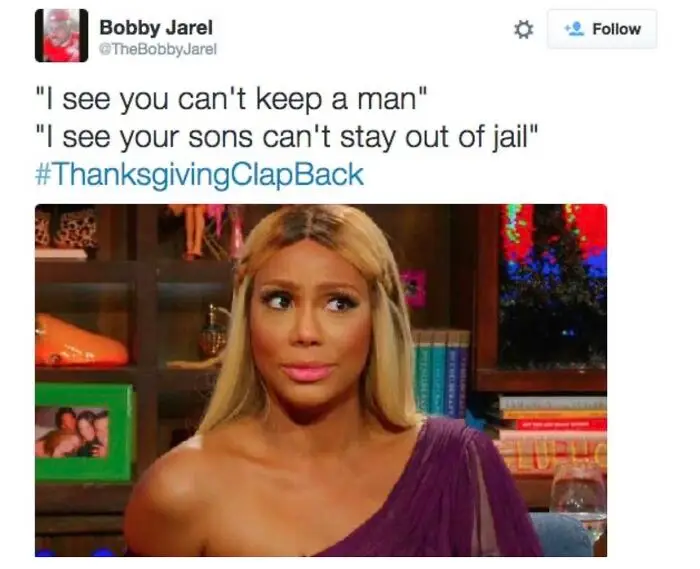

#21
Her efforts eventually paid off in 1863, when President Abraham Lincoln proclaimed the last Thursday of November a national day of thanksgiving. The country was in the middle of the Civil War, and Lincoln hoped the occasion would encourage unity.
Interestingly, Hale had written to him just weeks earlier, asking him to make the celebration official nationwide. Her original letter is still preserved by the Library of Congress today.
#22
#23

#24
However, the holiday doesn’t have the same meaning for everyone. For many Native Americans, Thanksgiving brings painful reminders of colonization and the suffering Indigenous communities experienced after European settlement.
Since 1970, Indigenous people and their supporters have gathered in Plymouth for a National Day of Mourning. As the Smithsonian’s National Museum of the American Indian explains, Native American perspectives on the holiday vary, with some choosing to celebrate and others treating it as a day of remembrance.
Today, millions of Americans continue to celebrate Thanksgiving in their own ways. For some, it’s an opportunity to reflect on what they’re grateful for, while others simply look forward to spending time with their loved ones. And although the traditions have changed over the years, gathering around a table remains a big part of the occasion.
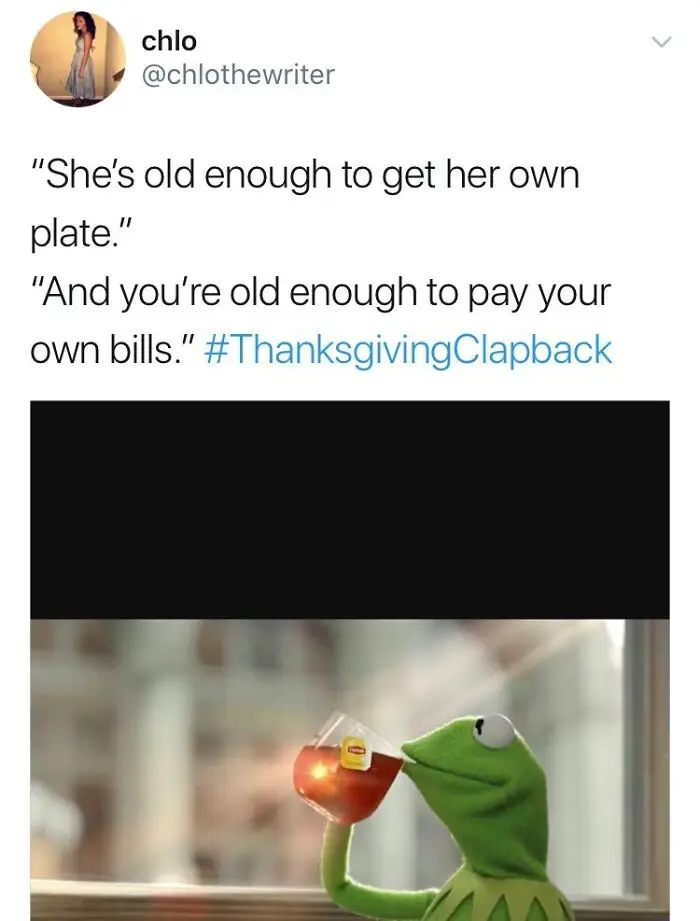
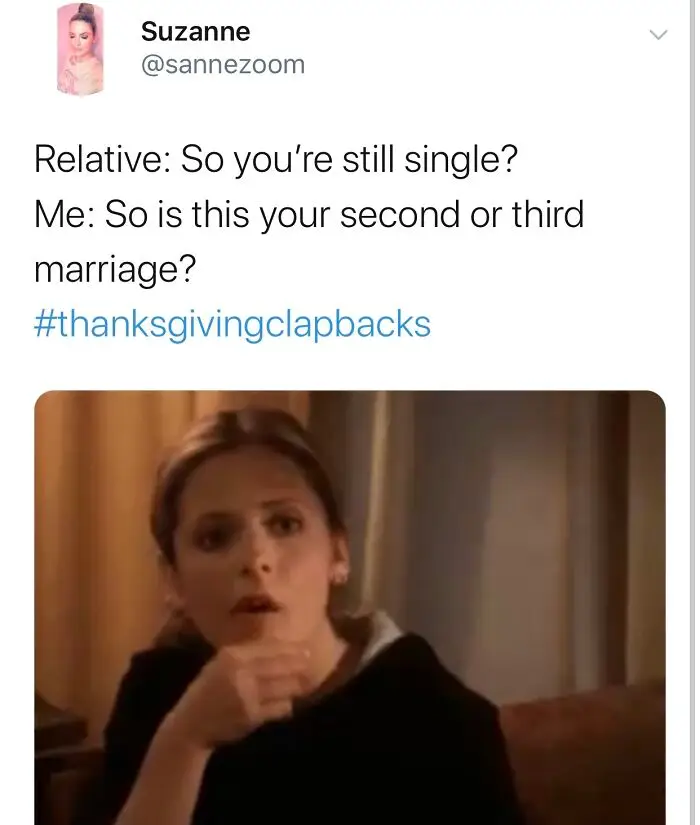
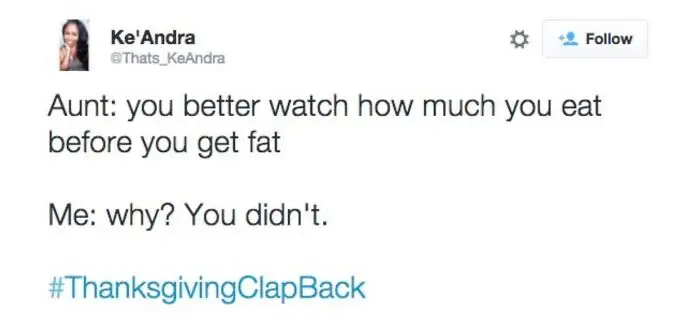
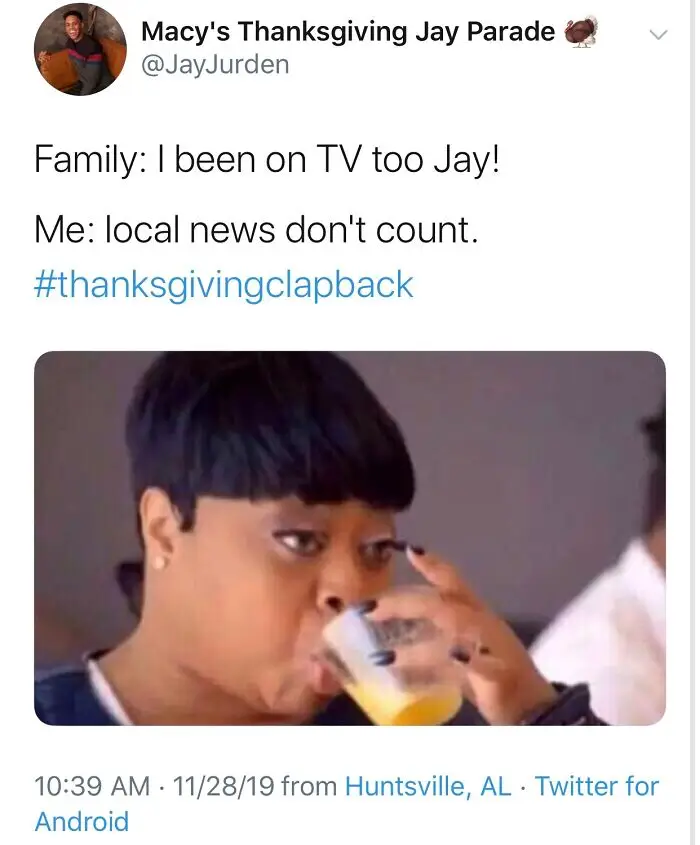
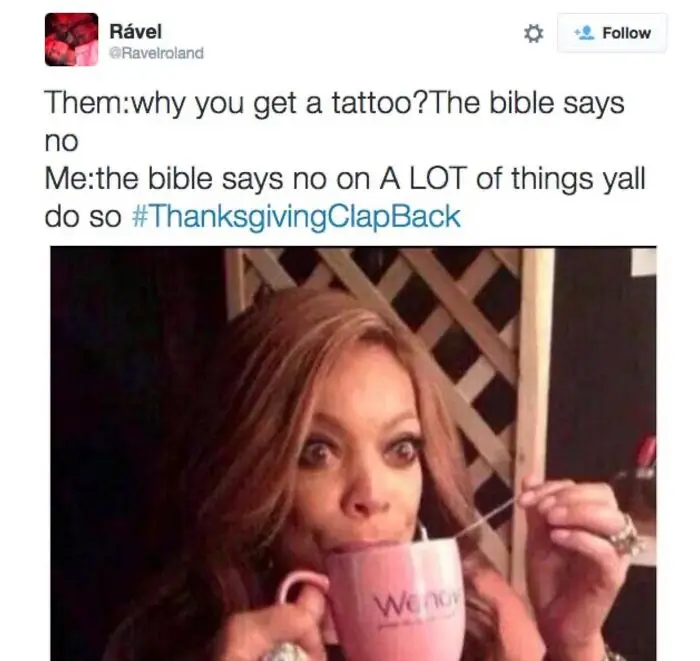
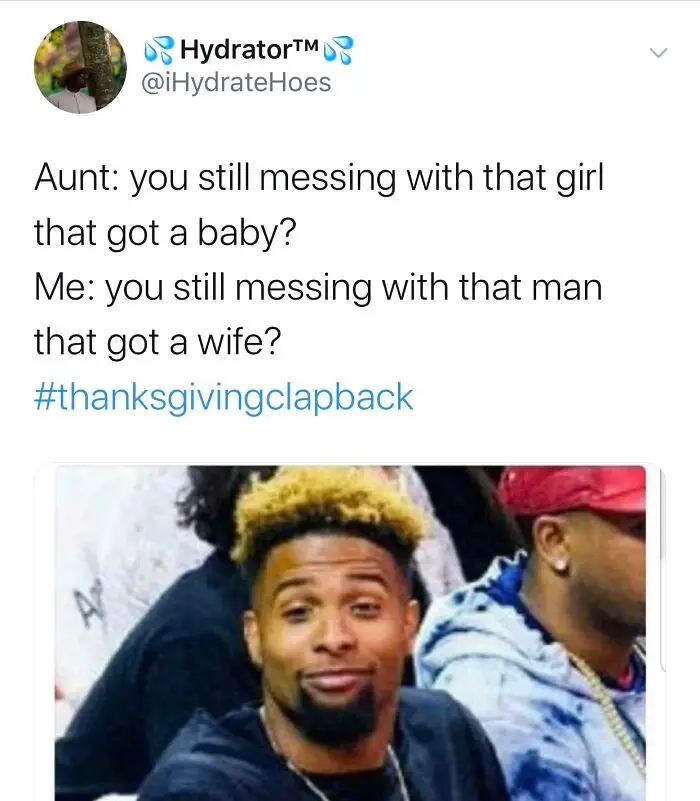
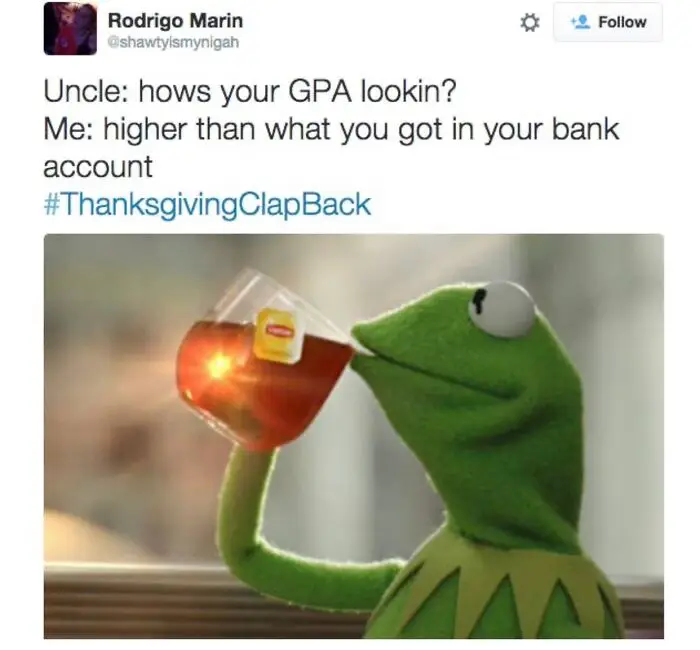
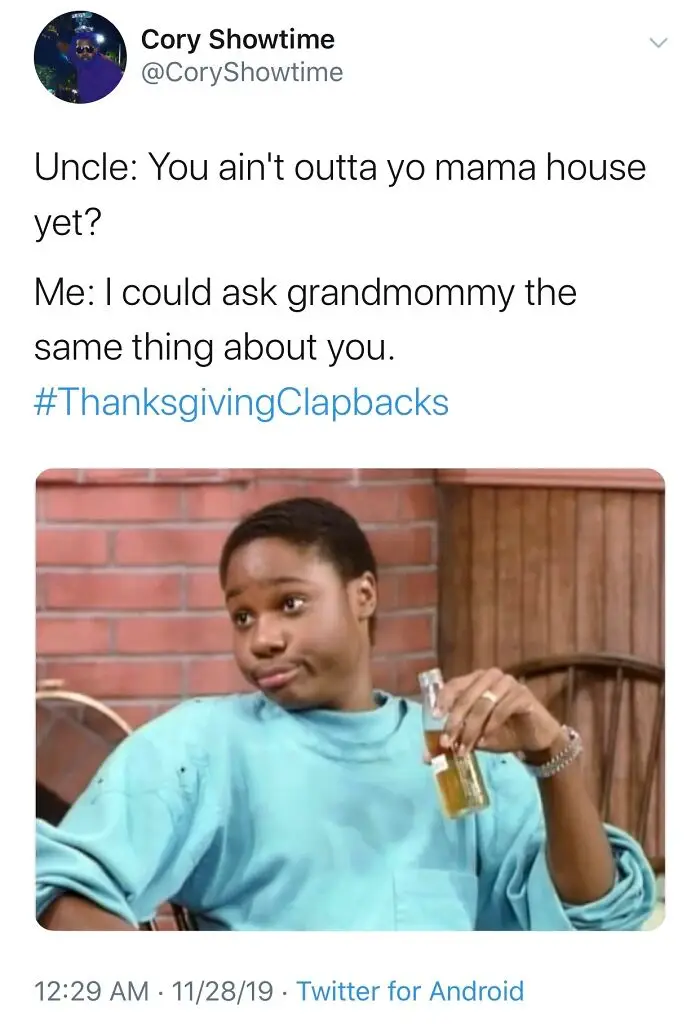
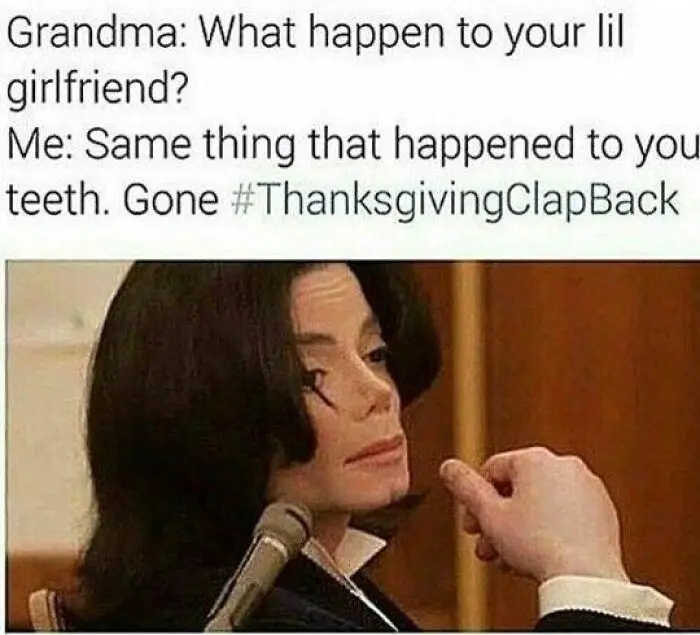
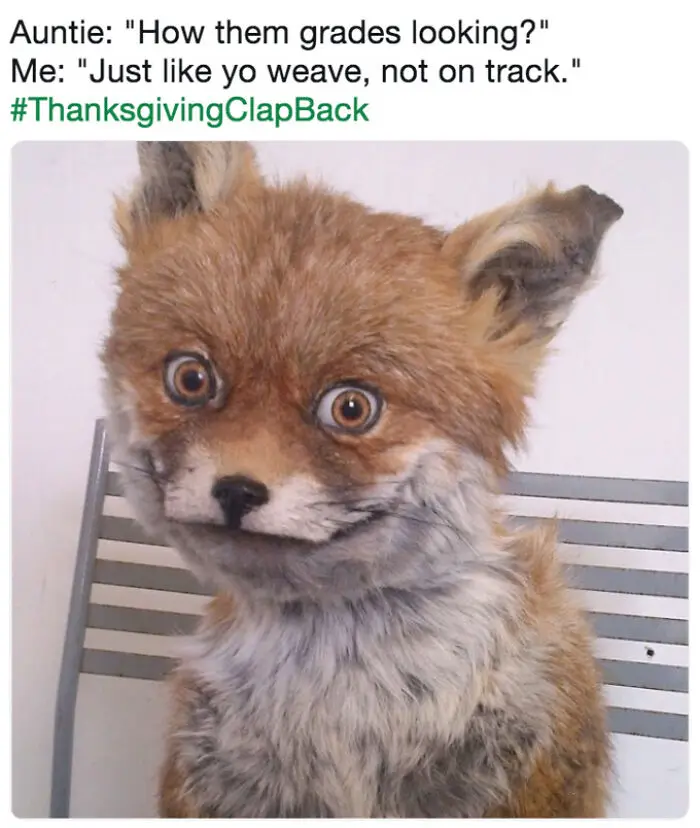
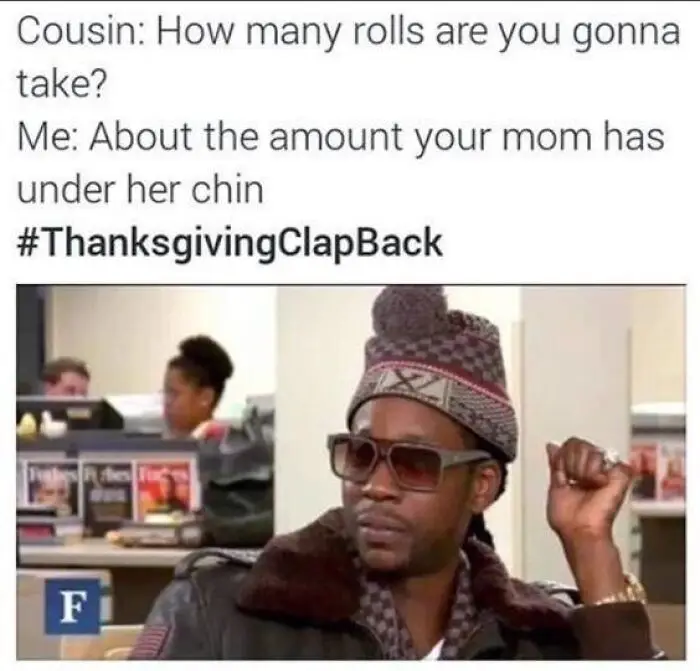
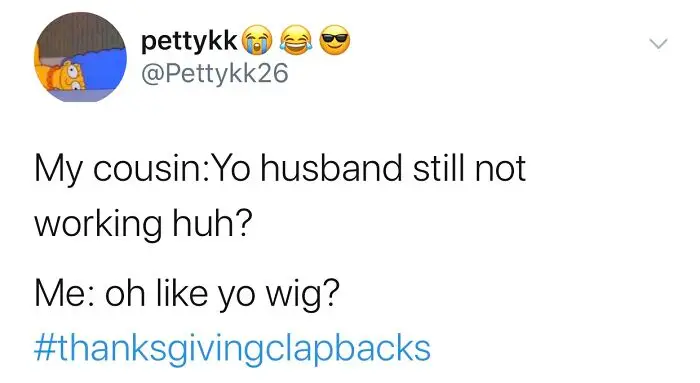
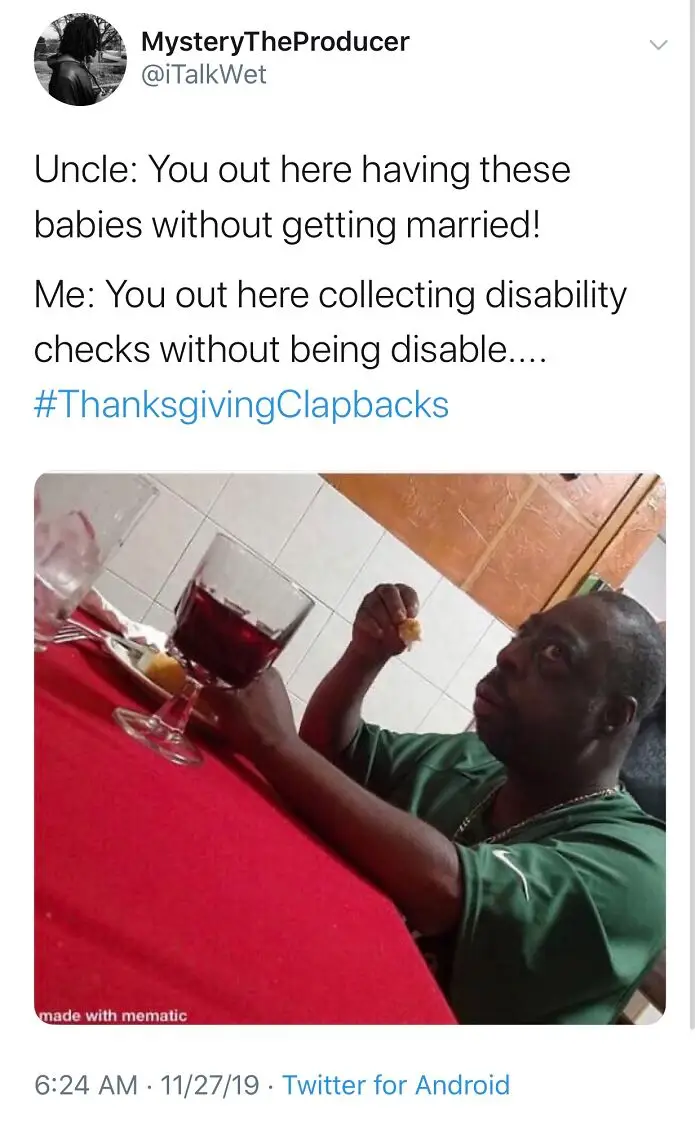
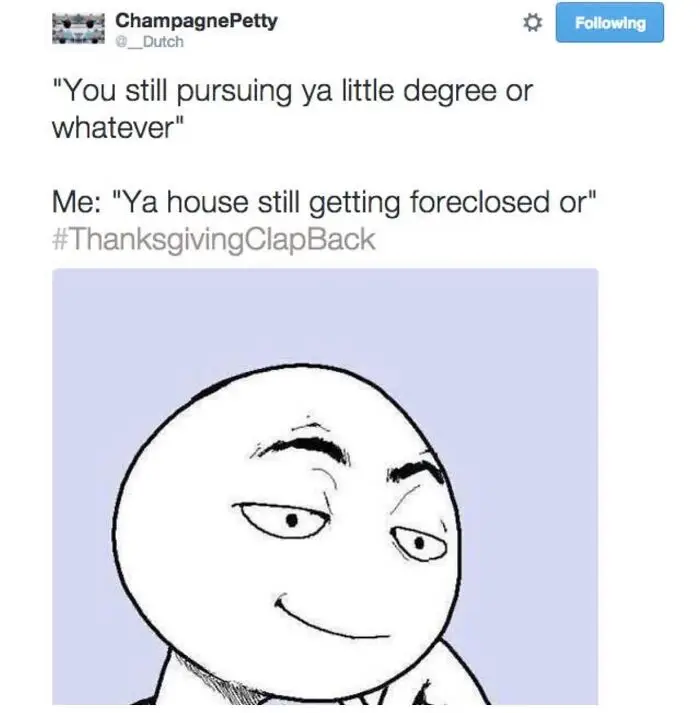
Of course, when relatives get together, there’s always a chance that someone will say something they shouldn’t. At least now you have a few clever clapbacks ready in case dinner gets a little too spicy.