


#2
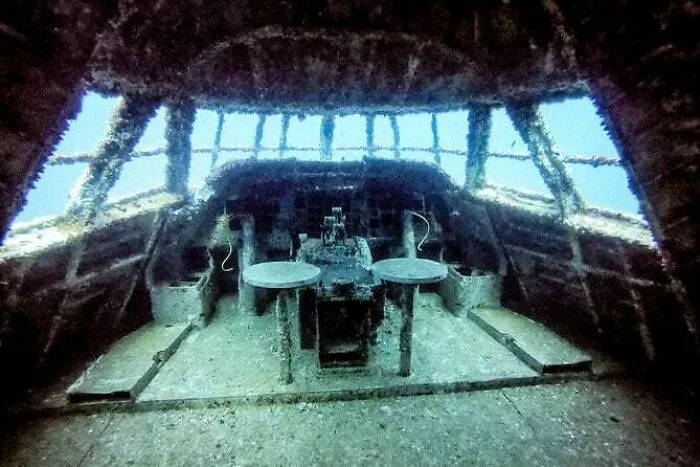
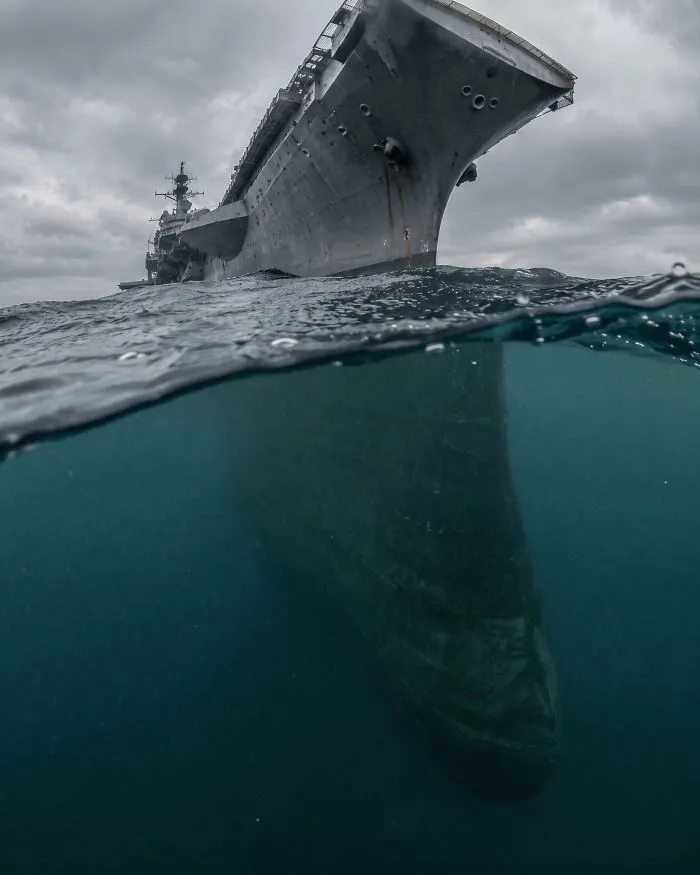
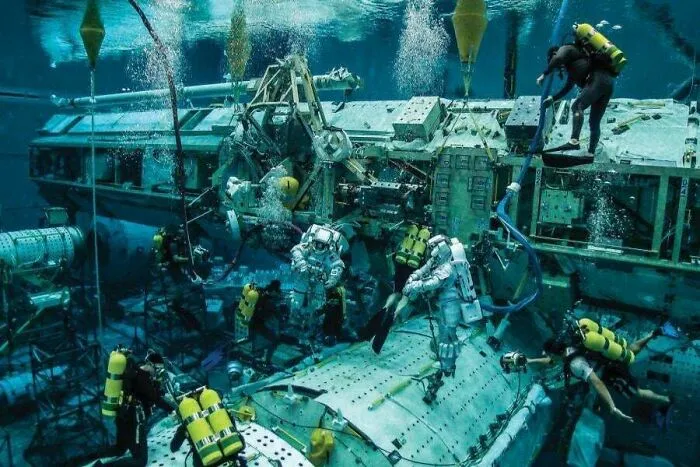
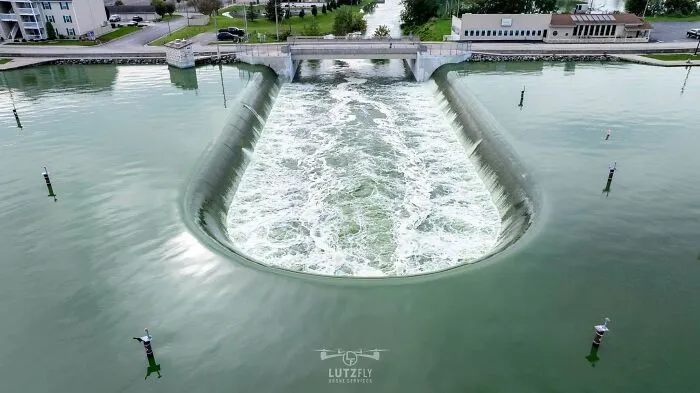
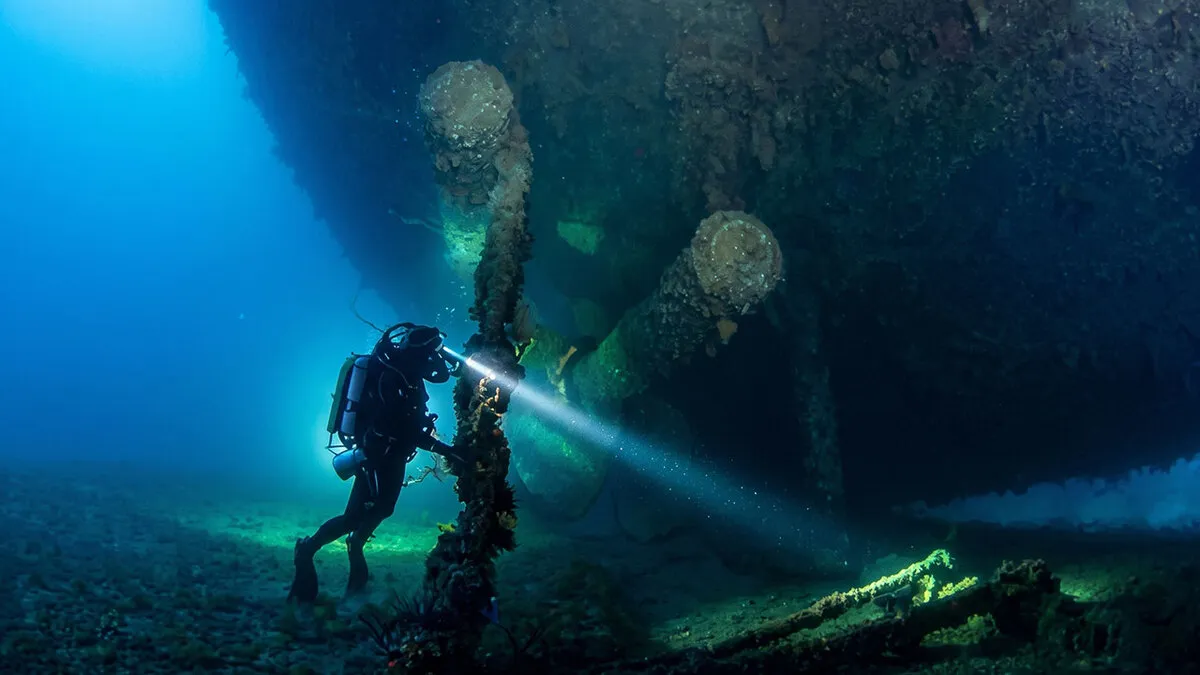
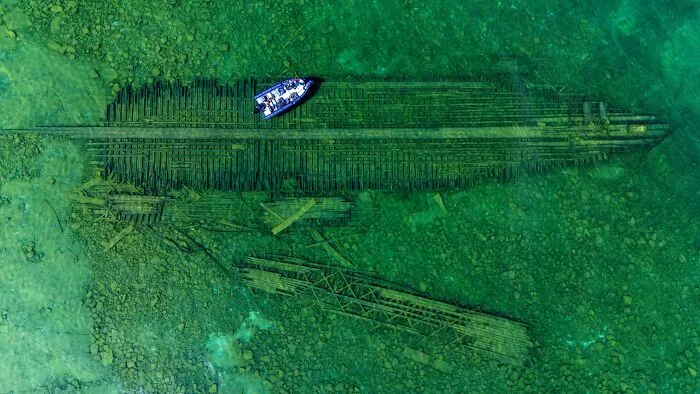
Submechanophobia is the fear of fully or partially submerged man-made objects, and it might just finally explain my childhood terror of that creepy-crawly thing. You know, the thing that keeps the bottom of the pool clean? It’s a little more oddly specific than thalassophobia, the fear of the sea or vast bodies of water, but it’s no less unnerving.
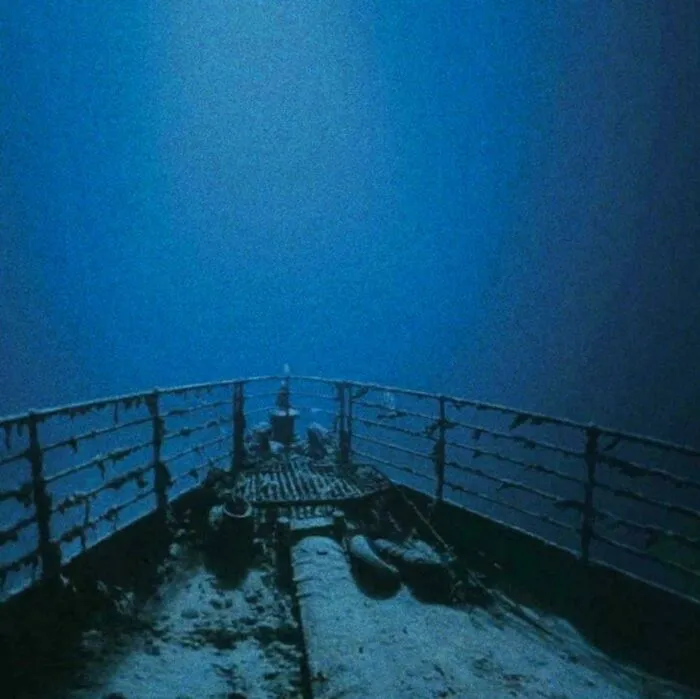
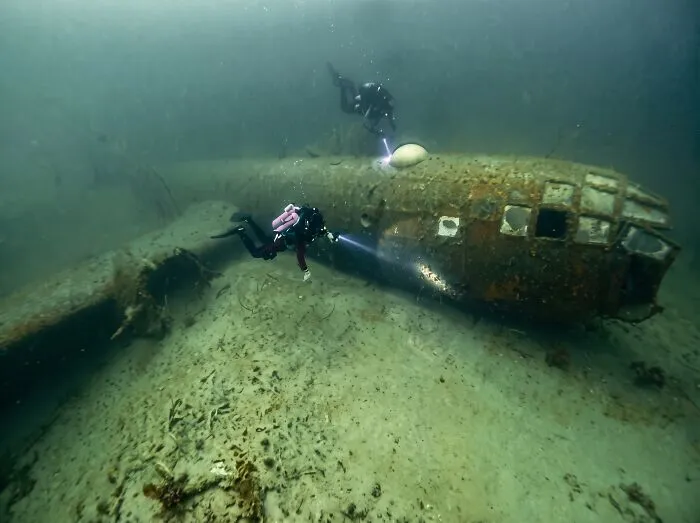
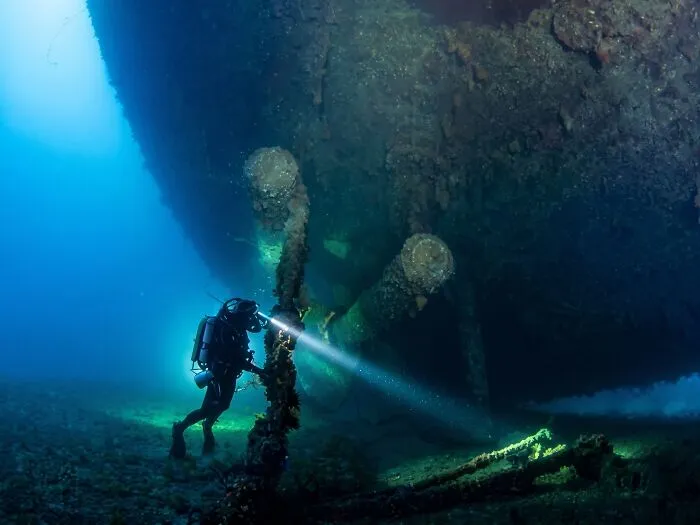
Because, really, with all that humankind has built, explored, discarded, or lost to the tides, who knows how much of our handiwork now lies underwater? The ocean alone supports an enormous amount of human activity. According to the Organisation for Economic Co-operation and Development (OECD), it provides food security for over three billion people, carries more than 80% of global goods, and hosts cables carrying 98% of international internet traffic.
#8
#9
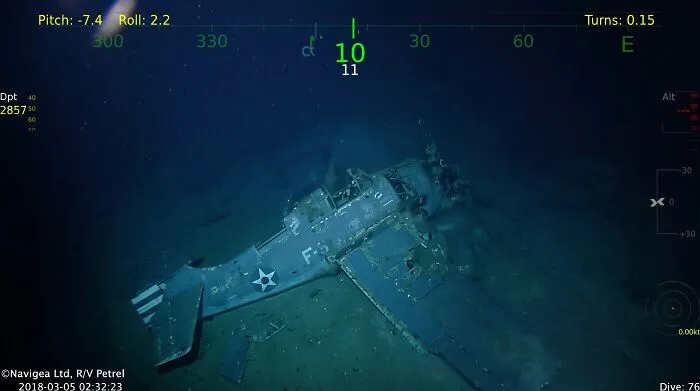
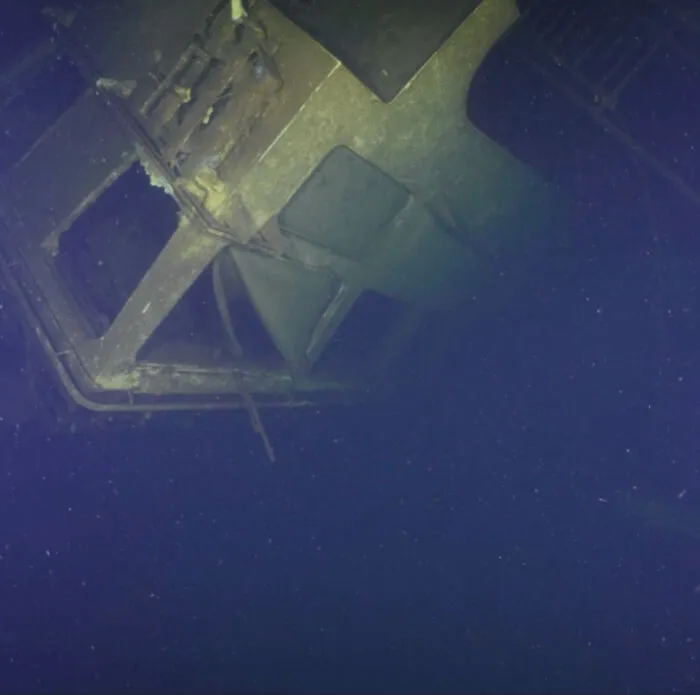
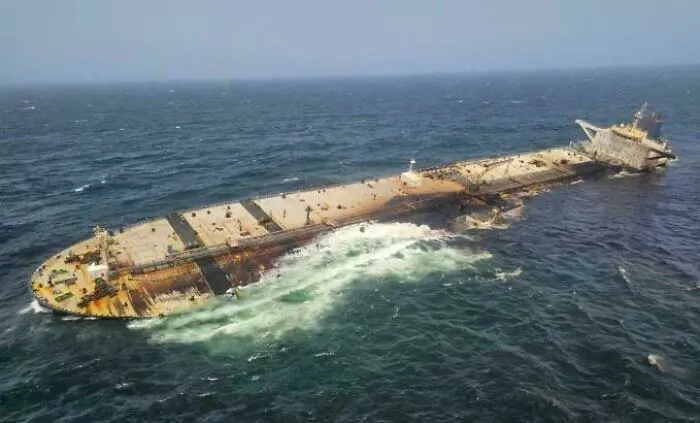
Add climate change and rising sea levels, which threaten to swallow up more of the places we’ve built on dry land, and… well, if you have submechanophobia and the photos haven’t made you nope out just yet, you’re probably quietly freaking out right about now.
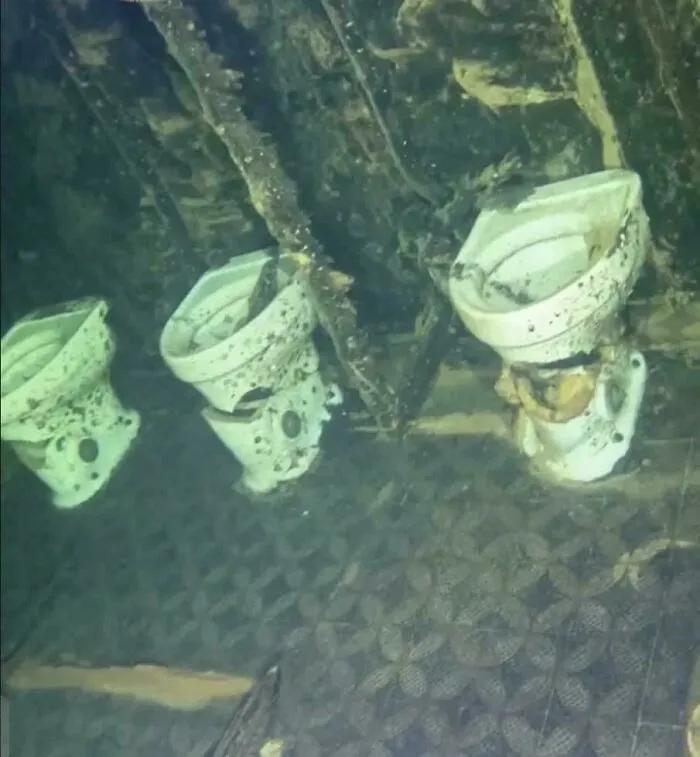
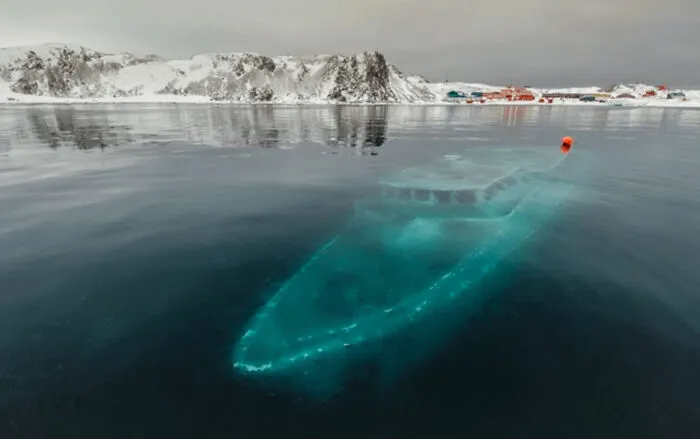
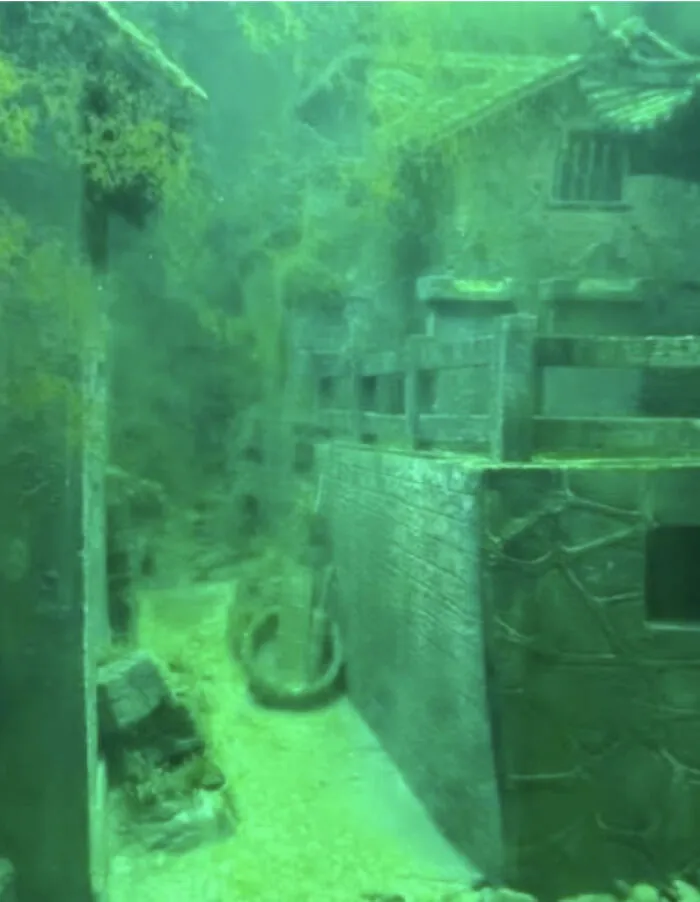
Writing for Verywell Mind, Lisa Fritscher explains that submechanophobia can stem from several different fears, including fear of the unknown. As she points out, that instinct to be wary of what we can’t fully see or know has probably served us pretty well as a species. After all, bodies of water can conceal all sorts of hazards that are difficult to spot, from submerged rocks and logs to dangerous currents that can sweep us into much deeper trouble than we ever intended. Being cautious about what might be lurking beneath the surface isn’t exactly irrational.
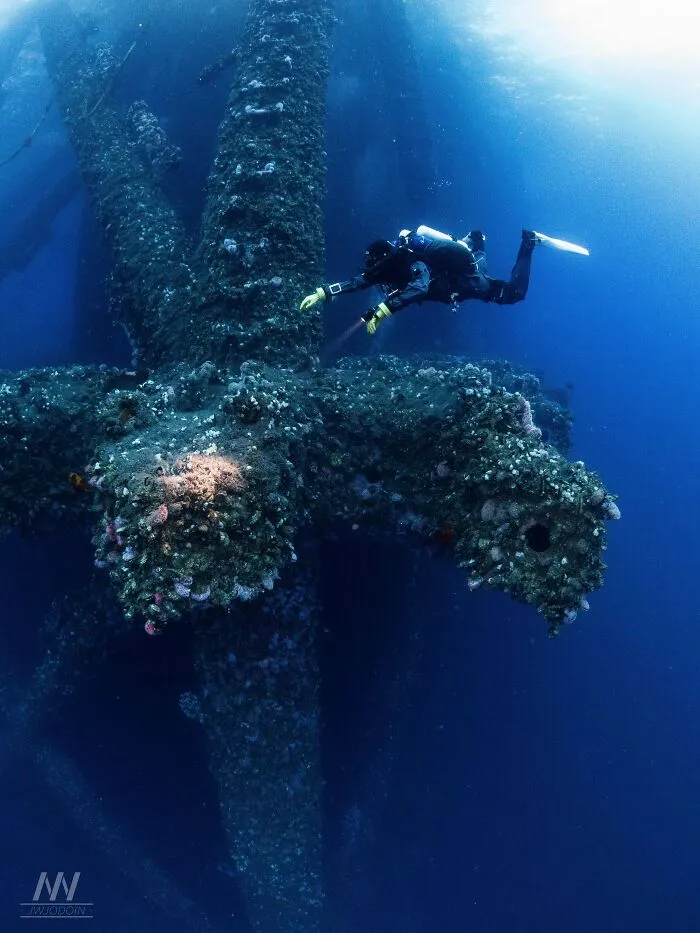
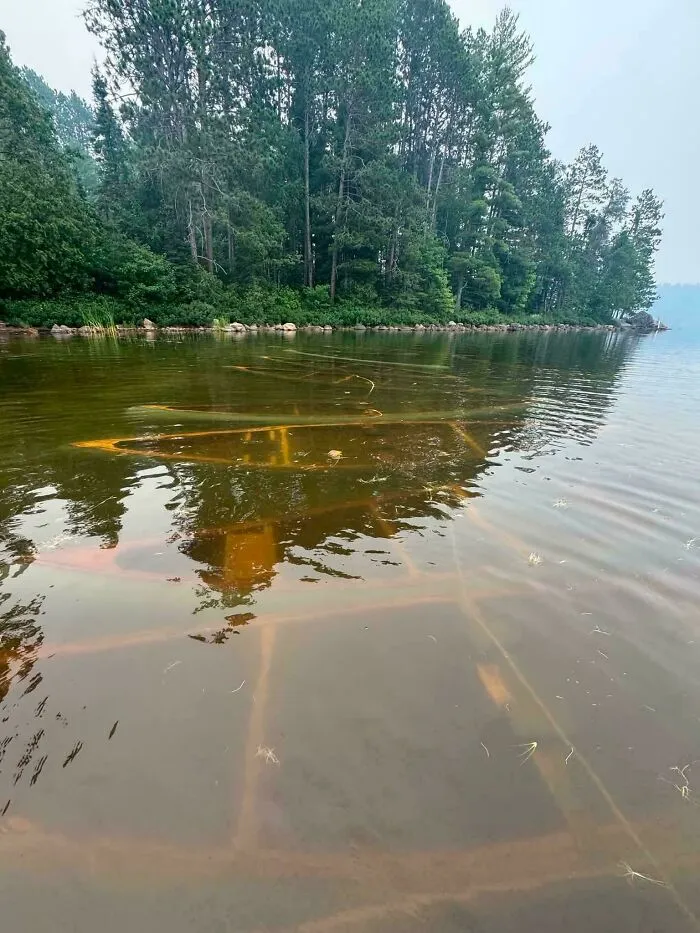
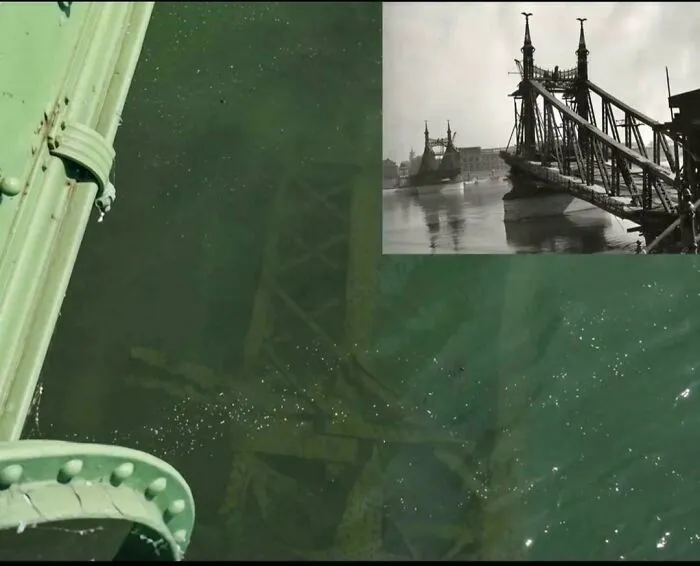
But Fritscher also notes that familiarity with a particular body of water can reduce the perceived risks. So perhaps that explains why I eventually made peace with the pool’s aptly named creepy-crawly.
#16
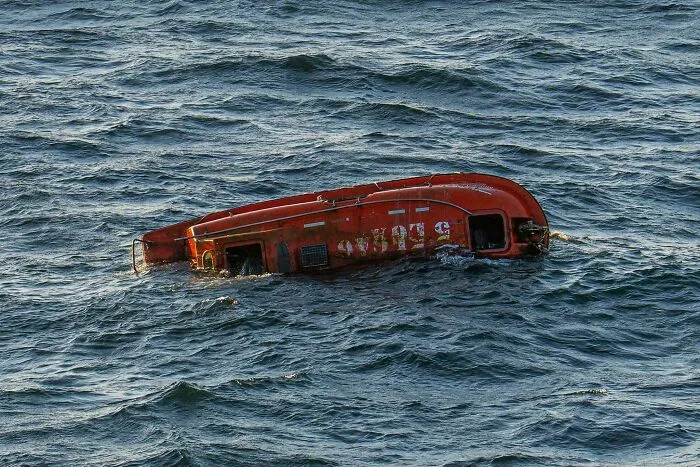
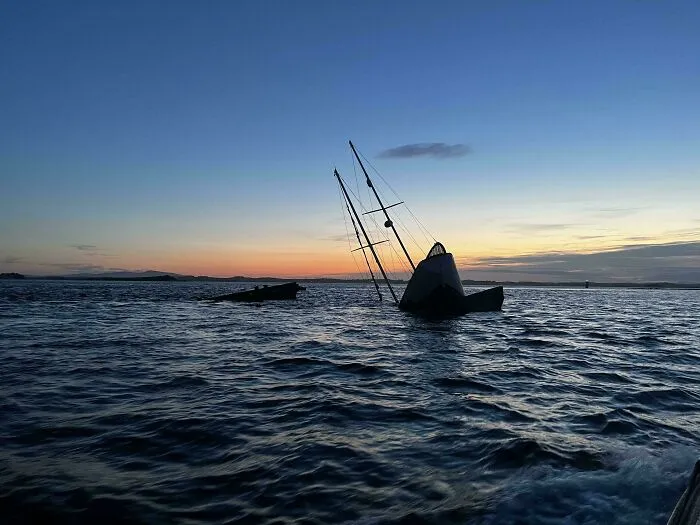
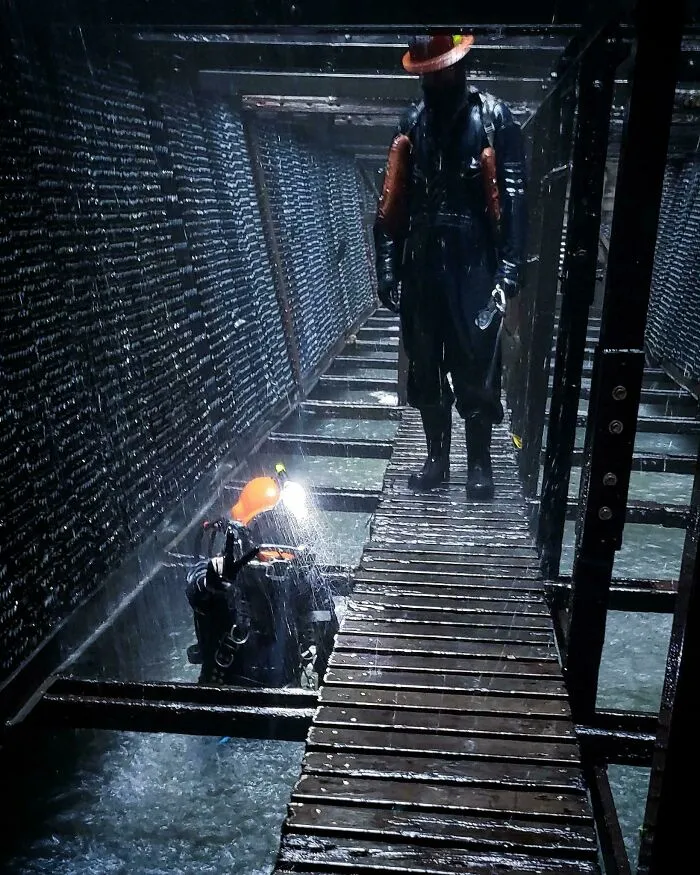
Moving from creepy-crawlies to actual creatures, next on Fritscher’s list is fear of animals. We’ve all seen Jaws. We know what might be swimming below, from eels and rays to the occasional larger predator, and sunken objects often make perfect hiding spots. Fritscher points out that even non-predatory animals may attack if they feel threatened, although attacks on humans are rare. Still, for some of us, even a brush with a fish (or a slimy piece of seaweed) is enough to elicit a shriek.