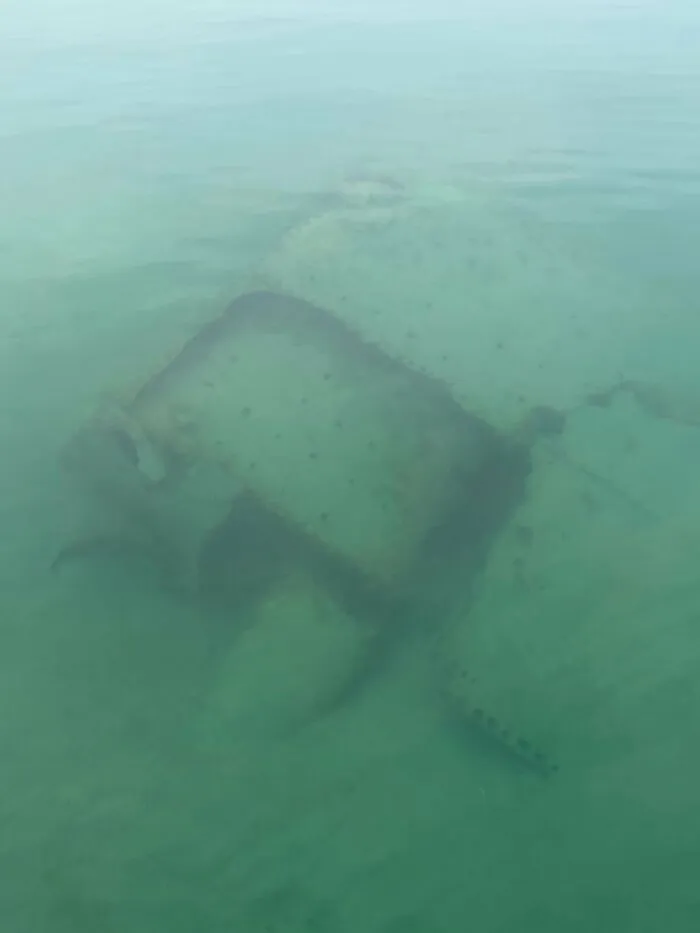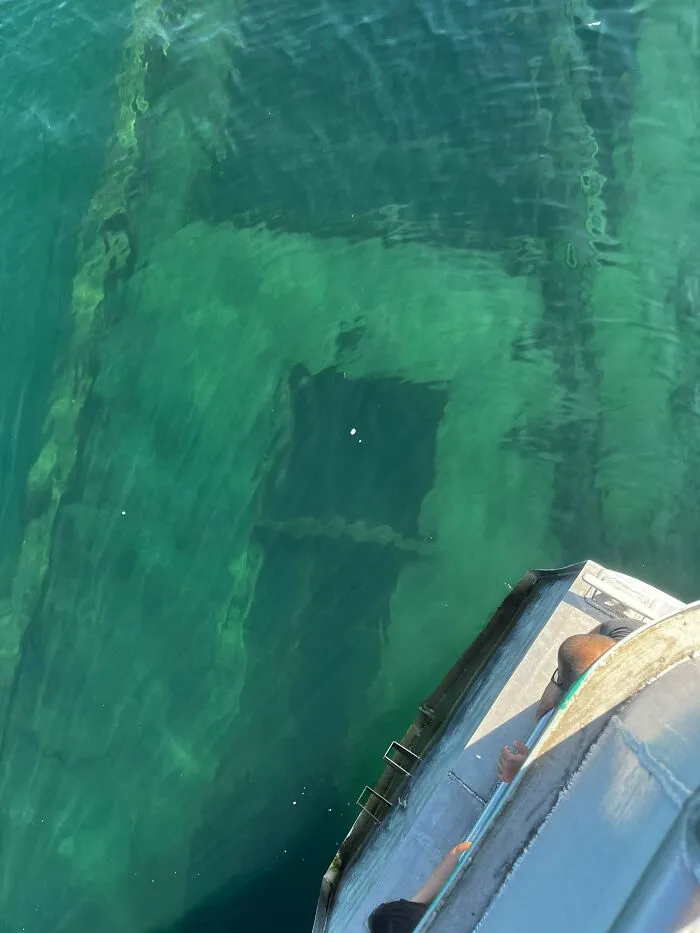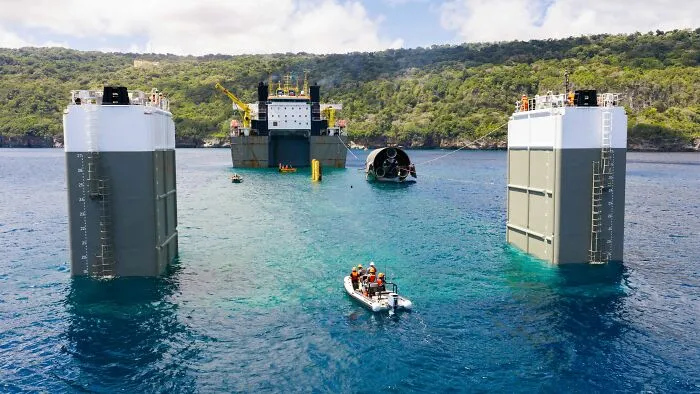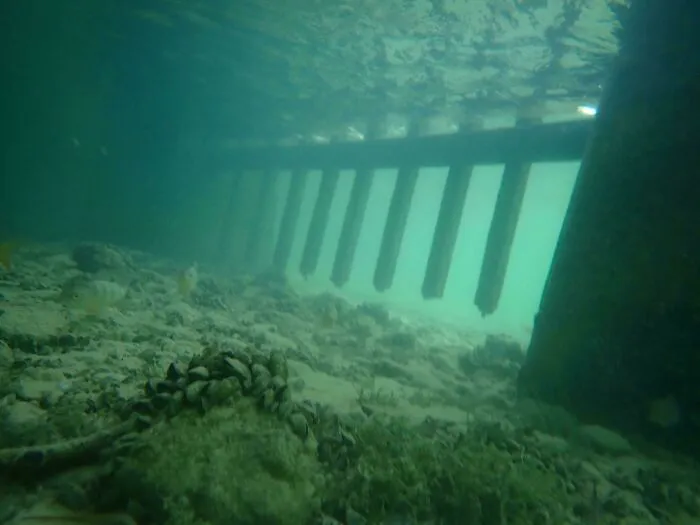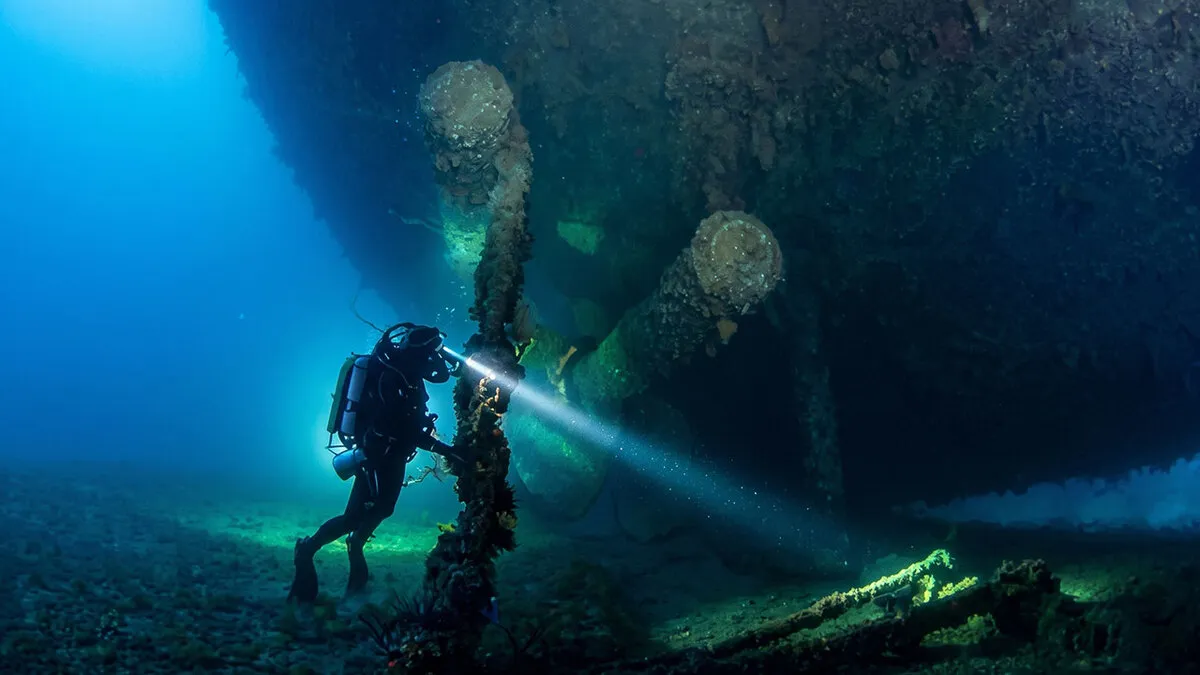


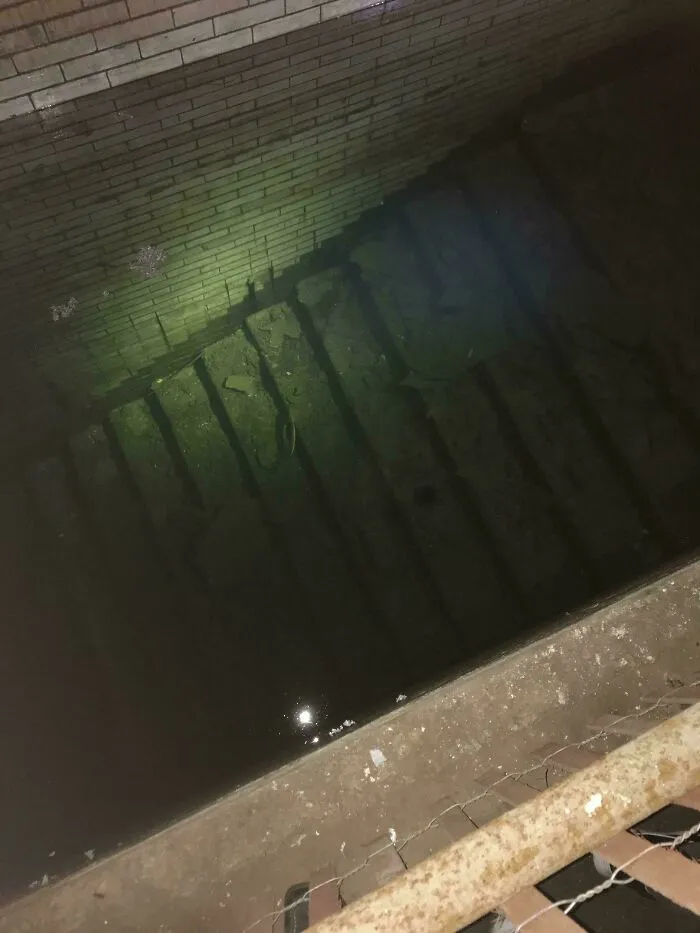
Then there’s the fear of ships. Fritscher explains that this can range from discomfort around boats to an intense fear of enormous vessels, with submarines being a particular trigger for some people. And it’s not hard to see why. Just imagine being sealed inside a craft, miles below the surface, with nothing but darkness and water pressing in from all sides. And we’ve seen how tragically that can end.
While all this makes bodies of water sound downright terrifying, there’s an undercurrent to these fears: water can be as calming as it is unsettling. As Tamara Davison writes for The Guardian, “The ocean has long framed restorative practices for better health around the world, from Victorian-era doctors prescribing ‘sea cures’ for patients to the modern-day trend of cold-water swimming.”
#25
Marine biologist Wallace J. Nichols helped bring renewed attention to water’s restorative power with his 2014 book Blue Mind, which explores the psychological benefits of being in, on, or near water. Since then, the idea that “blue spaces” (oceans, lakes, rivers, and even fountains) can benefit our well-being has increasingly found its way into therapeutic practices.
As Kate Campbell, a health psychology researcher, told the BBC, “Blue spaces provide us with distractions that take our mind away from the day-to-day hassles of life.” But experts from Glasgow Caledonian University (GCU) say it goes deeper than that. According to their findings, spending time in blue spaces is linked to better mental and general health, including lower stress and anxiety, and a reduced risk of obesity, cardiovascular disease, and lower mortality.
#31
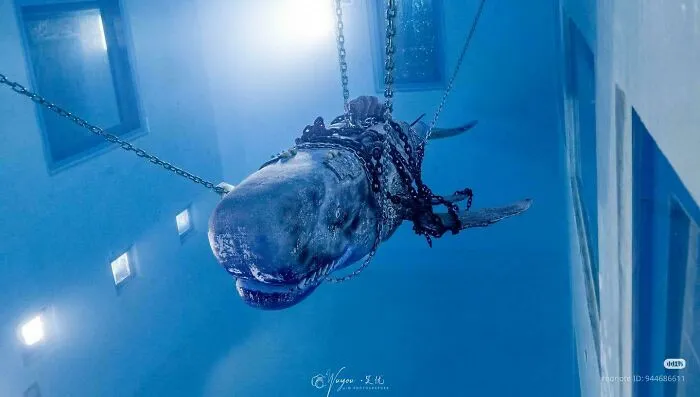
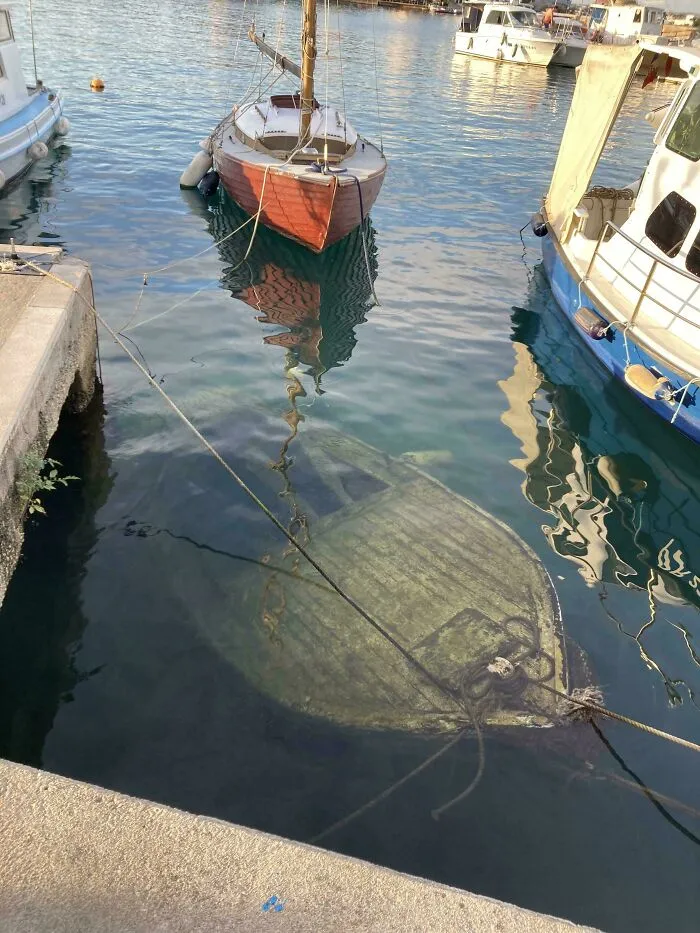
Still, while some might find peace by the water, others would rather not think about what might be lurking in the depths. Continue scrolling through (if you dare) and upvote the posts you found most terrifying, but remember, these are just a drop in the ocean. Yikes.