




After spending a lot of time on Earth, one of the things you’ve probably noticed is that human history can be… well, weirder than weird. In between all the hard-fought battles, seminal treaties, and rousing speeches, you’ll find some truly odd events. Like Napoleon Bonaparte getting swarmed by rabbits in 1807. No, really! We were shocked when we found out, too!
Scroll down for Bored Panda’s collection of some of the most bizarre and unbelievable historical facts that sound completely fake, but are actually true. Check them out below! They’re good for piquing your curiosity about new topics and for impressing your friends the next time you get together.
#1 Bullet Holes Could Be Patched By Tootsie Rolls
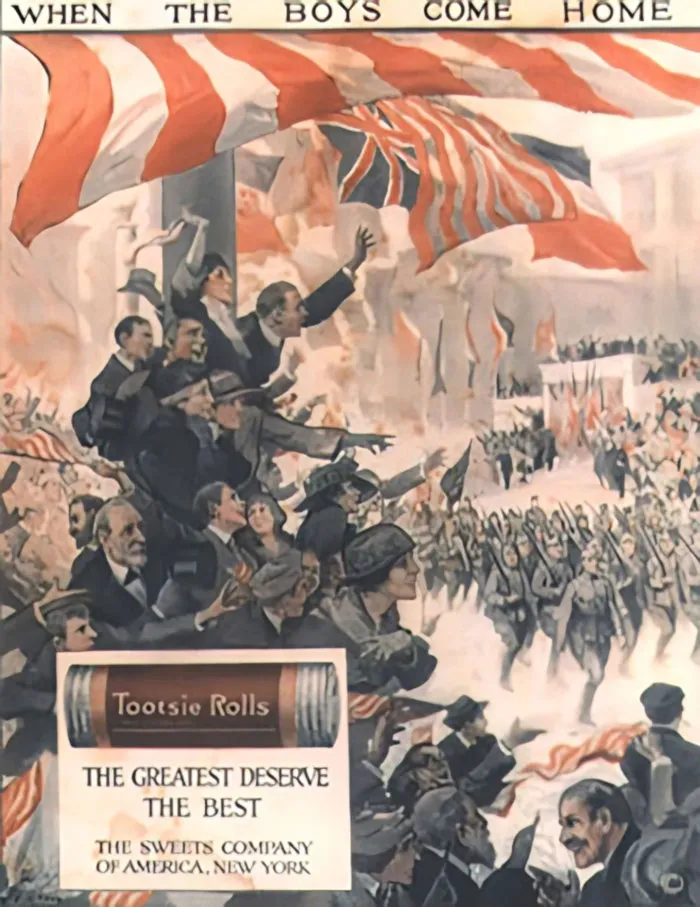
During the brutal Battle of Chosin Reservoir in the Korean War, a group of surrounded U.S. Marines made an urgent radio call for a resupply of 60mm mortar rounds, using their codename for the ammunition: "Tootsie Rolls." Due to a communication mix-up, the next airdrop they received wasn't ammunition, but thousands of actual Tootsie Roll candies. While initially a frustrating mistake, the candy proved to be a lifesaver. It was one of the few rations that didn't freeze solid in the sub-zero temperatures, providing much-needed calories. More importantly, the Marines discovered that when they chewed the Tootsie Rolls into a malleable putty, it was perfect for patching bullet holes and cracks in their vehicles' fuel lines, hoses, and radiators. This makeshift, edible patch kit proved surprisingly effective, allowing them to keep their equipment running and aiding in their eventual breakout.
Report
0points
#2 Persians Would Debate A Topic Once Drunk And Once Sober
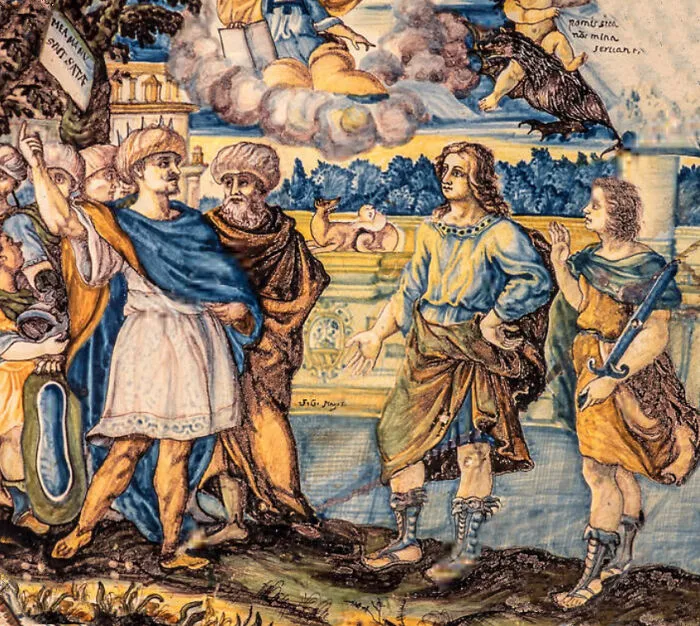
The ancient Greek historian Herodotus recorded a unique and surprisingly pragmatic decision-making process used by the ancient Persians. When faced with a matter of great importance, the Persians would first debate the issue while drunk. They believed that the intoxication would strip away their inhibitions, allowing for a more honest and unrestrained discussion. The following day, they would reconsider the same topic completely sober. If, in the clear light of day, the decision they made while drunk still seemed like a good idea, they would adopt it. This two-part system, which also worked in reverse, was a clever way to ensure their most important decisions could withstand the scrutiny of both their most passionate and their most rational selves.
Report
0points
#3 The Stars In Van Gogh's "Café Terrace At Night" Helped Us Tell The Exact Day It Was Painted
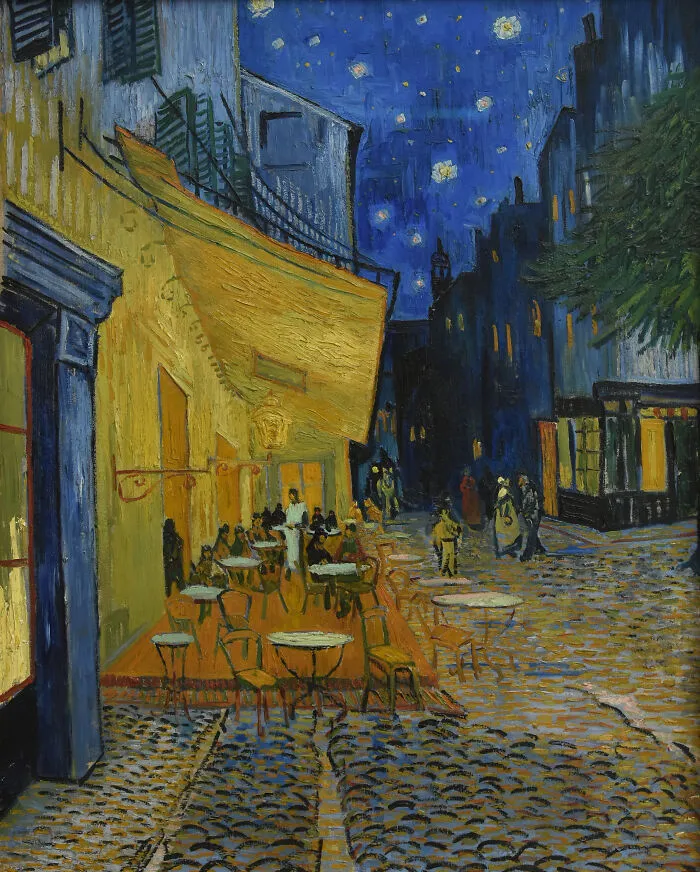
Although Vincent van Gogh is known for his expressive and emotional style, his famous painting "Café Terrace at Night" is a work of remarkable astronomical accuracy. He painted the scene in Arles, France, capturing the night sky with such precision that modern astronomers have been able to pinpoint the exact date and time. By analyzing the positions of the stars in the painting, particularly the prominent depiction of the Big Dipper constellation, experts determined that Van Gogh created the work on the evening of September 16th or 17th, 1888. This incredible detail reveals that even amidst his unique artistic vision, Van Gogh was a keen and faithful observer of the world around him, grounding his celestial masterpiece in a specific, real-world moment.
Report
0points
#4 On One Particular Day, Sweden Had To Change Sides Of The Road Forever
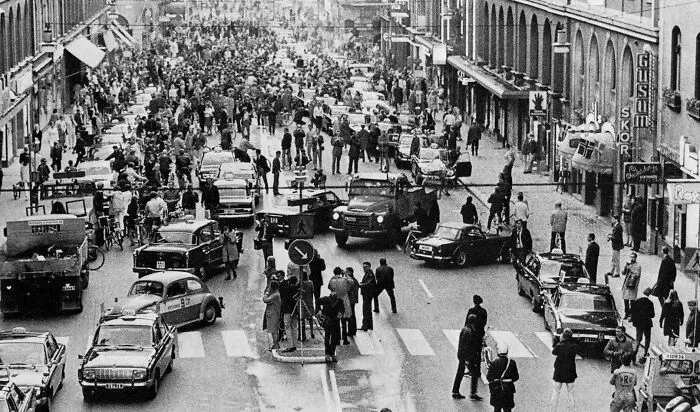
On a single, wild day in 1967, the entire nation of Sweden collectively switched which side of the road they drove on. Known as "Dagen H" (H-Day), the changeover occurred at precisely 4:50 AM on September 3rd. At that moment, all traffic nationwide was ordered to come to a complete stop, carefully cross over to the right-hand side of the road, and wait for the signal to proceed. This massive undertaking required reconfiguring thousands of intersections, replacing traffic signs overnight, and even modifying buses by adding doors on the other side. Despite the immense potential for chaos, the transition was a remarkable success, with a well-informed public executing one of the strangest and most coordinated traffic jams in history.
Report
0points
#5 The Great Flood Of 1993 Of The Mississippi River Was Because One Man Wanted To Go Out Drinking

During the massive "Great Flood of 1993," James Scott just wanted an excuse to keep partying. His bizarre and selfish plan was to strand his wife on the other side of the Mississippi River by causing a small flood. To do this, he removed several sandbags from a levee near West Quincy, Missouri, hoping to make a road impassable. His sabotage worked catastrophically well: the levee completely failed, unleashing a torrent that submerged 14,000 acres of farmland and destroyed a bridge. Though he maintained his innocence, Scott was convicted of intentionally causing a catastrophe and sentenced to life in prison, all because he wanted a night out.
Report
0points
#6 Jimmy Carter's Mother Was A Nurse Who Helped Deliver Rosalynn Carter
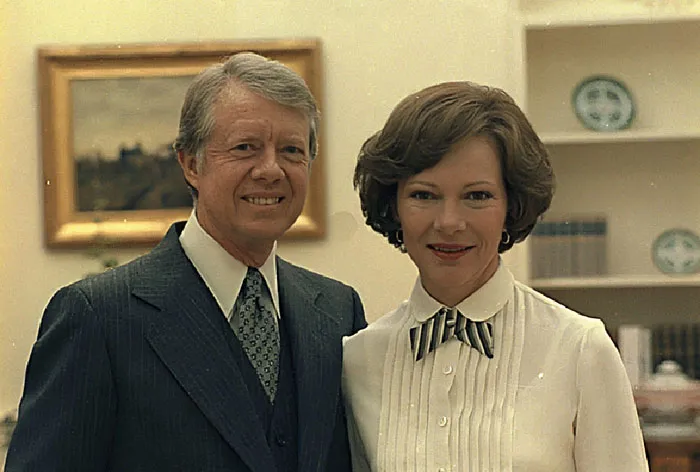
The bond between Jimmy and Rosalynn Carter began decades before they ever fell in love, right at the moment of her birth. In the small town of Plains, Georgia, Jimmy's mother, Lillian Carter, was a registered nurse who assisted in the delivery of her neighbor's new baby, Rosalynn Smith. According to the story, a three-year-old Jimmy was the first person his mother told about the newborn girl. This remarkable small-town connection served as the unknowing first chapter to what would become the longest presidential marriage in American history, linking the future president and first lady from Rosalynn's very first day.
0points
#7 A Failed Amendment Would Put War To A Public Vote And Would Make "Yes" Voters Enlist
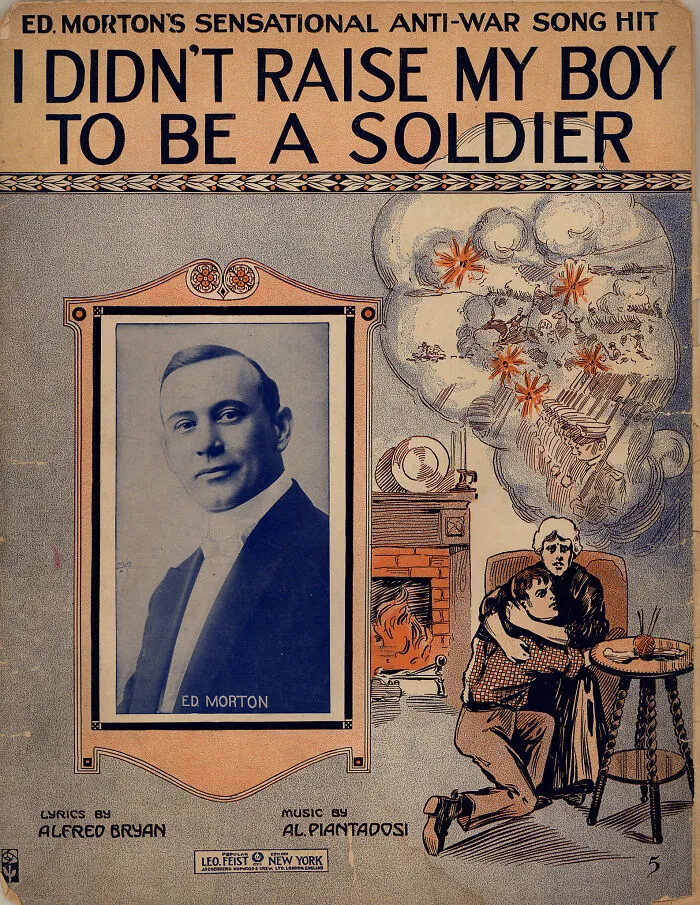
In a bold and unusual move, a 1916 constitutional amendment proposed a radical change to how the United States would declare war. The proposed Ludlow Amendment stipulated that the country could not go to war without a direct, national vote from the public. But the truly wild part was its built-in consequence: anyone who voted "yes" to go to war would be automatically enlisted for military service. The amendment was ultimately defeated, but it remains a fascinating and creatively extreme attempt to ensure that the people who chose to send the country to war would be the same ones who had to fight it.
0points
#8 "Hocus Pocus" Came From A Misheard Latin Phrase
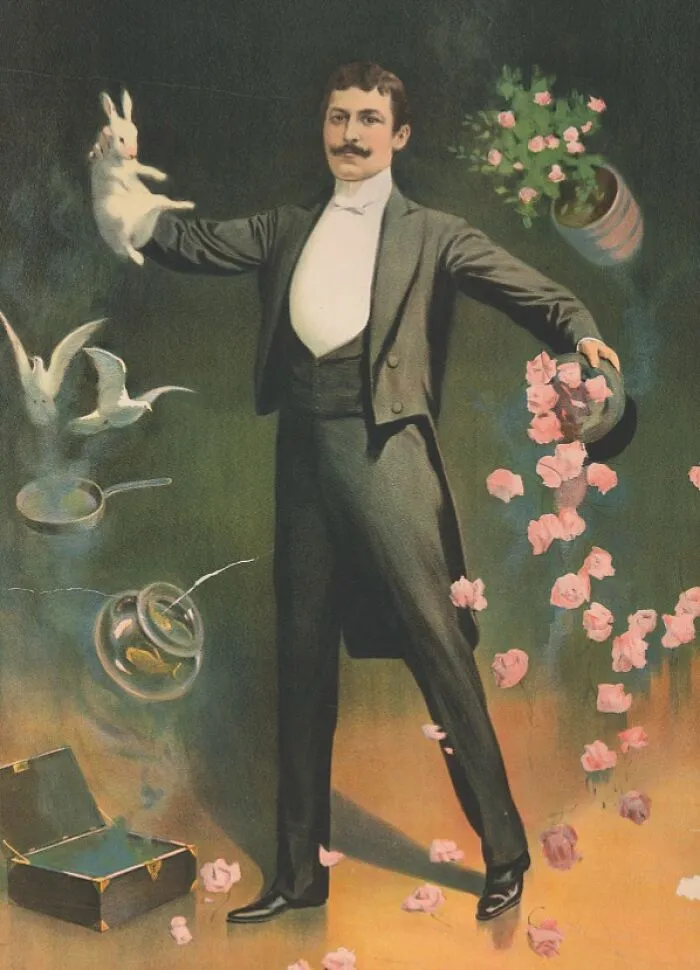
The classic magician's incantation "hocus pocus" has a surprisingly sacred, if misunderstood, origin. The phrase is widely believed to be an alternative version of the Latin words "hoc est corpus meum," meaning "This is my body," spoken by priests during the Catholic Mass. For centuries, congregations who didn't understand Latin heard these words during the most mysterious and seemingly magical part of the service, the transubstantiation. Over time, the sacred phrase was slurred into a nonsensical incantation that became synonymous with a miraculous transformation, eventually getting adopted by stage performers to add a little flair to their magic tricks.
0points
#9 During WWII, Poland Made A Bear A Private
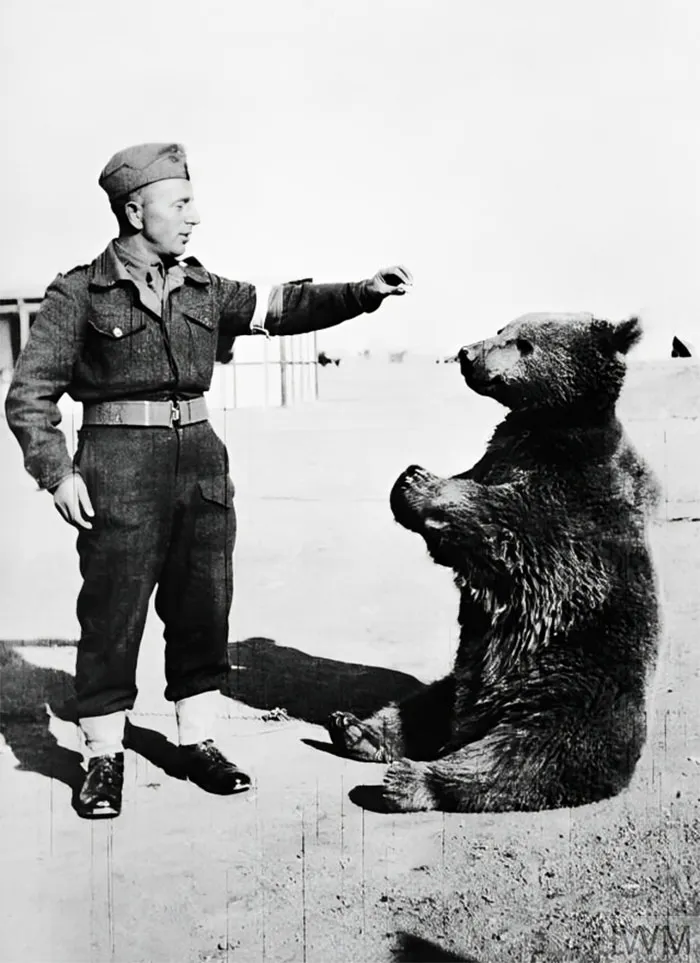
During World War II, soldiers of the Polish II Corps adopted an orphaned Syrian brown bear cub they named Wojtek. The bear became an unofficial mascot, traveling with the unit and even learning to drink beer and smoke (and eat) cigarettes. His most famous contribution came during the fierce Battle of Monte Cassino in Italy, where he helped his human comrades by carrying heavy crates of artillery shells. To get him onto a British transport ship heading to Italy—as regulations forbade pets—the soldiers officially enlisted Wojtek into the army. He was given the rank of private, a serial number, and a paybook, making him arguably the most unusual enlisted soldier of the war.
Report
0points
#10 Rabbits Once Attacked Napoleon
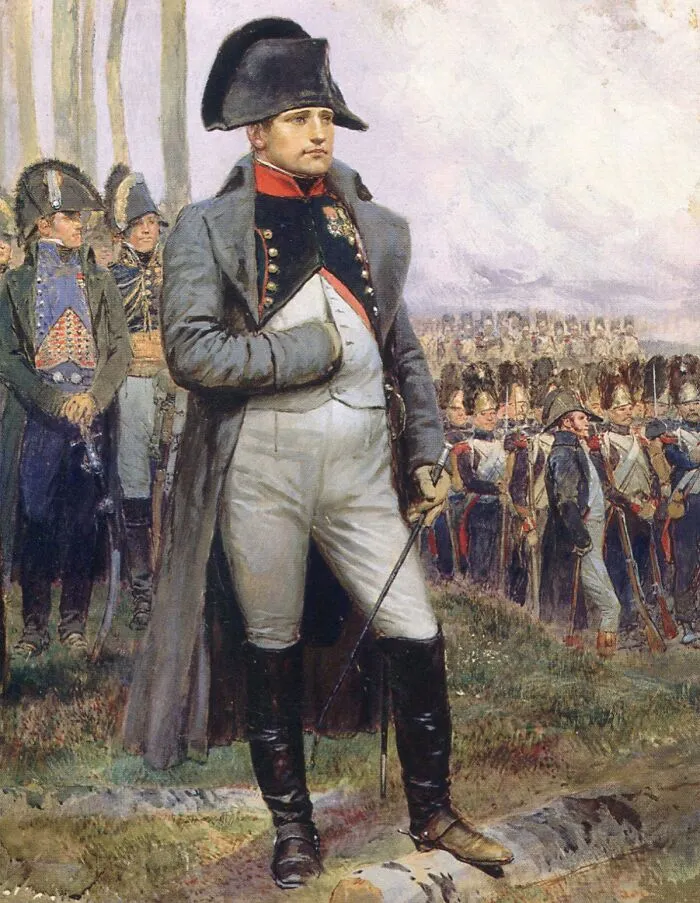
After signing the Treaties of Tilsit in 1807, Napoleon Bonaparte decided to celebrate with a rabbit hunt. His chief of staff, tasked with organizing the event, gathered hundreds of domesticated rabbits instead of wild ones. When the cages were opened, the bunnies didn't scatter in fear; they saw the famous general and his men as a source of food and charged. The massive, fluffy horde swarmed Napoleon, climbing up his legs and jacket until the man who had conquered much of Europe was forced into a humiliating retreat, fleeing in his carriage from a furry, hungry army.
0points
#11 Auguste Valadier Drove Around In A Rolls Royce Giving Dental Care During WWI
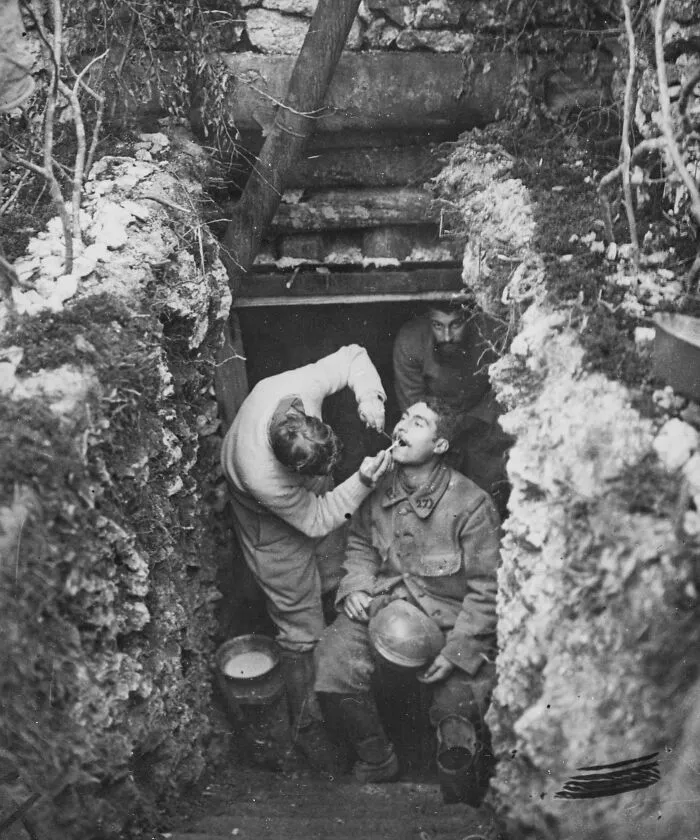
During the chaos of World War I, a French-American dental surgeon named Auguste Valadier decided to take his practice to the front lines in the most luxurious way imaginable. After being turned down by the French army, he offered his services to the British and converted his personal 1913 Rolls Royce into a fully equipped mobile dental office, complete with a chair and drills in the back. Valadier would drive around treating British soldiers, and he famously used his unique position to his advantage: while high-ranking generals were helpless in his dental chair, he would persuade them of the urgent need for a specialized facial and jaw surgery unit. His unique brand of lobbying was incredibly effective and directly led to the establishment of a pioneering hospital for reconstructive surgery, helping countless soldiers with devastating facial injuries.
0points
#12 The Australian Military Waged A War On Emus
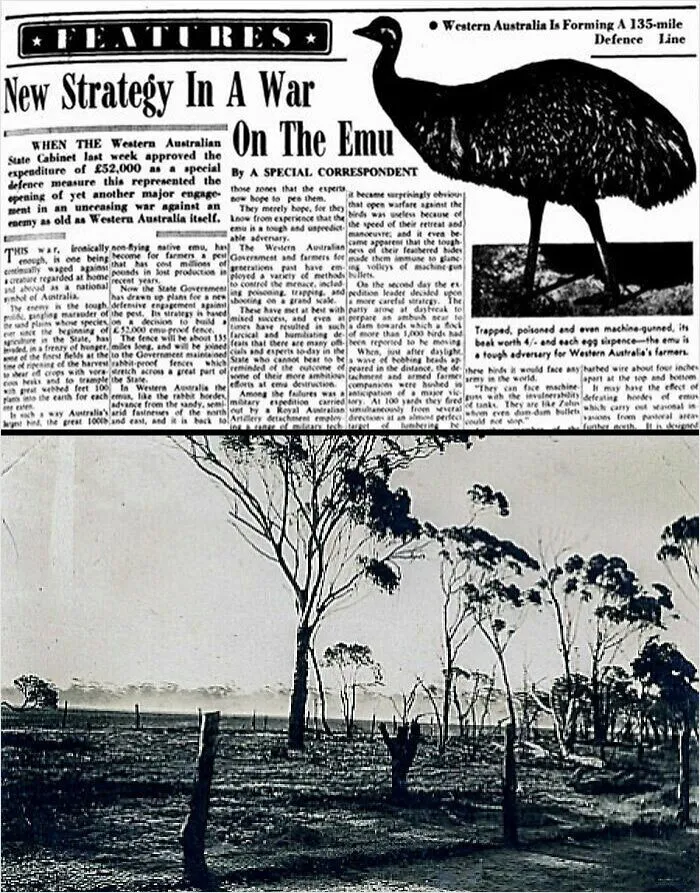
In one of the most bizarre military campaigns in history, the Australian army literally declared war on emus in 1932. After a massive population of the large, flightless birds began destroying crops in Western Australia, the government deployed soldiers armed with two Lewis machine guns to handle the problem. The "Great Emu War" was a complete and utter fiasco. The emus proved to be surprisingly brilliant tacticians, splitting into small, fast-moving groups that made them nearly impossible targets for the machine guns. After several humiliating skirmishes, a paltry number of casualties on the emu side, and a lot of wasted ammunition, the military was forced to withdraw. In the end, the emus won, handing the Australian army a uniquely embarrassing defeat.
Report
0points
#13 The First Woman To Be Officially Drafted By The NBA Was Lusia Harris
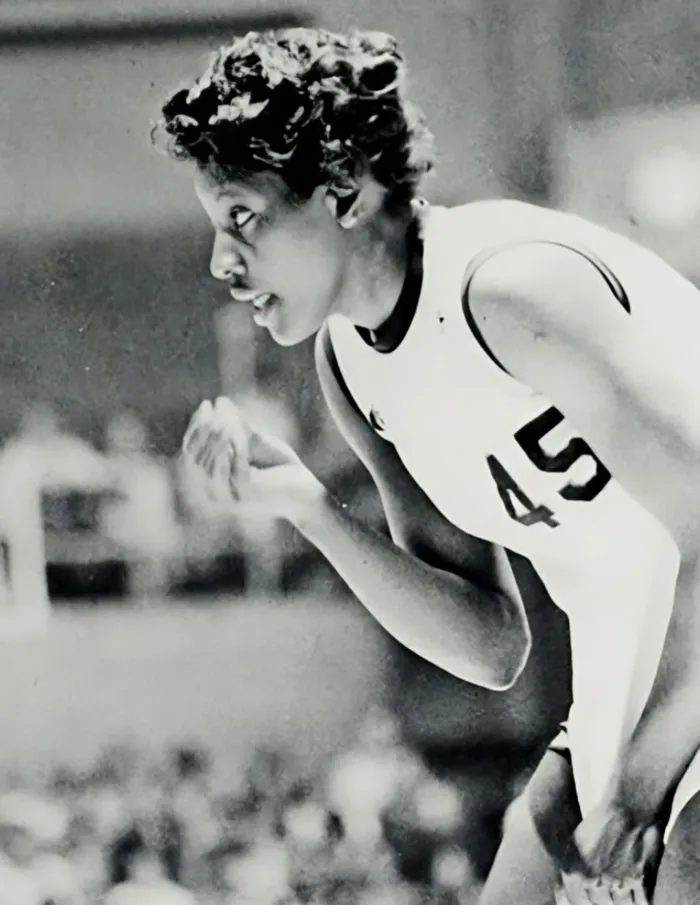
In a move that stunned the sports world, the New Orleans Jazz officially drafted a woman in the seventh round of the 1977 NBA draft. The player was Lusia "Lucy" Harris, a 6-foot-3 powerhouse who had completely dominated college basketball, leading Delta State University to three consecutive national championships. She was also a silver medalist from the first-ever women's Olympic basketball tournament. While she was a legitimate talent, Harris ultimately declined the offer to try out for the team, as she was pregnant at the time and planned to start a family. Even though she never played a single game in the league, her selection remains a landmark moment in sports history, making her the first and only woman ever to be officially drafted by the NBA.
Report
0points
#14 Winston Churchill Had A Doctor's Note To Be Able To Drink During Prohibition
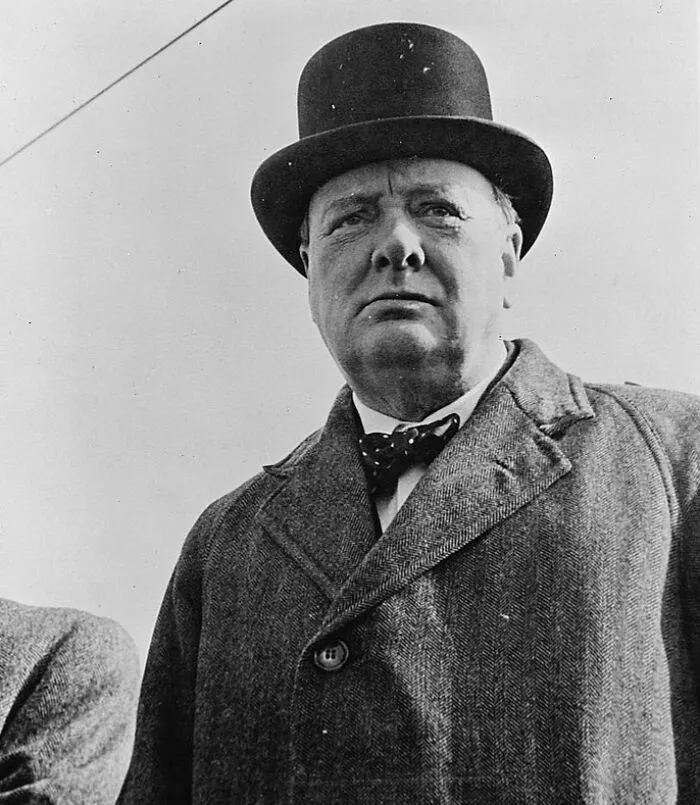
When Winston Churchill visited the United States during Prohibition, he came prepared with a unique and clever way to bypass the country's strict alcohol laws. In 1931, after being struck by a car in New York City, Churchill obtained a prescription from his doctor for "the use of alcoholic spirits especially at mealtimes." The doctor's note specified that the "minimum quantity is 250 cubic centimeters," a generous amount that ensured the future Prime Minister would not have to endure his American recovery without his customary brandy.
0points
#15 The Longest Year In History Was The Year 46 BCE And Was 445 Days
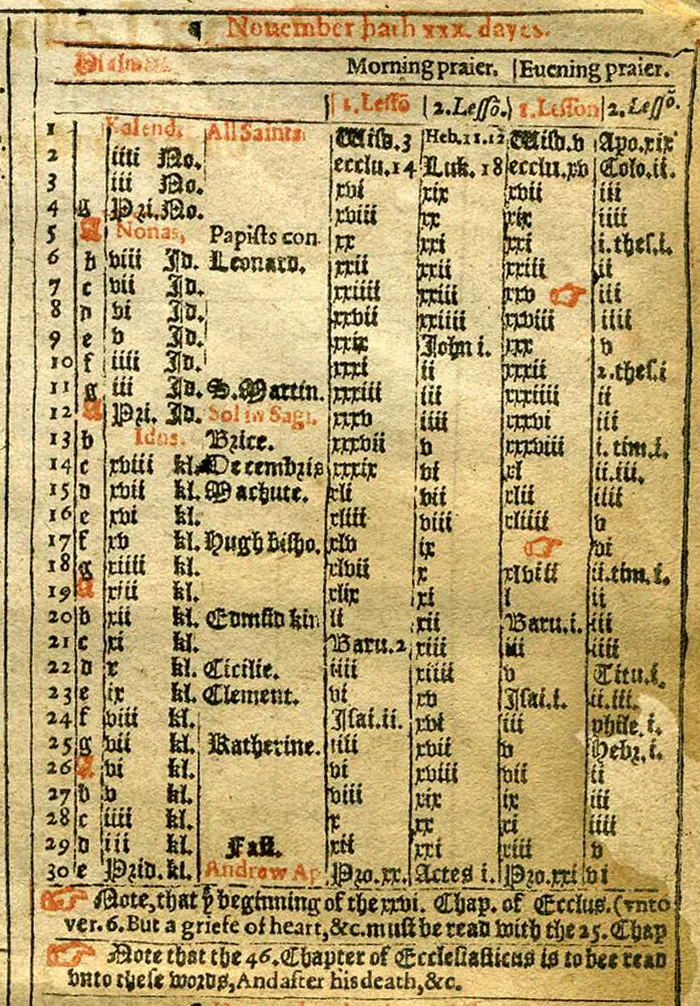
The year 46 BCE holds the record as the longest in human history, lasting an incredible 445 days. This "Year of Confusion," as it came to be known, was the result of Julius Caesar's ambitious and much-needed overhaul of the Roman calendar. At the time, the Roman calendar was a mess, falling wildly out of sync with the solar year. To correct this and prepare for the implementation of his new, more accurate Julian calendar, Caesar had to add two extra, intercalary months between November and December. This one-time, massive adjustment brought the calendar back in line with the seasons, but in doing so, created a single, bizarrely long year that stands as a unique and confusing blip in history.
Report
0points
#16 Shoelaces Were A Cold War Communication Tactic For Spies
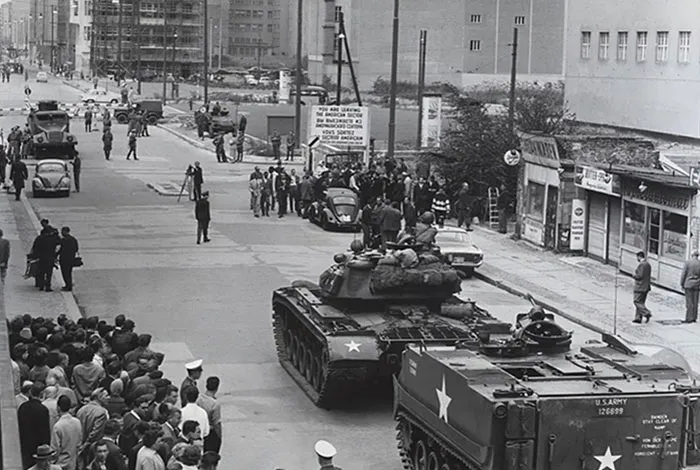
During the Cold War, even the most mundane items could be part of a secret code, and for some agents, that included their own shoelaces. Spies from various Eastern Bloc countries developed a complex and subtle system of non-verbal communication based on how their shoes were tied. A seemingly innocuous change in the lacing pattern, the color of the laces, or the way the knots were tied could signal a wealth of information to another agent. This silent, visual language allowed them to confirm meetings, signal danger, or pass on messages right in plain sight, turning a simple fashion choice into a covert tool of espionage.
0points
#17 You Could Buy Fast Food In Pompeii And Walk Across A Crosswalk

While Pompeii is frozen in time as a tragic monument to a volcanic eruption, the preserved city also reveals a surprisingly modern and sophisticated urban life. The Roman streets were cleverly designed with raised "stepping stones" that functioned as the world's first crosswalks, allowing pedestrians to cross the street without stepping in the rainwater and sewage that flowed through the gutters. The city was also filled with numerous "thermopolia," which were essentially ancient fast-food joints. These small, counter-service shops offered hot, ready-to-eat meals to the residents of Pompeii, a convenient and popular option for those who didn't have private kitchens in their homes.
Report
0points
#18 Many People Thought Coffee Was Invented By Satan Until The Pope Gave The Green Light

When coffee first arrived in Europe in the 16th century, it was met with deep suspicion and fear by many devout Christians. The stimulating new beverage, which came from the Ottoman Empire, was dubbed "the bitter invention of Satan" by some of Pope Clement VIII's advisors, who urged him to ban it. The story goes that before making a decision, the Pope decided to try the drink for himself. He was so impressed with its taste and aroma that he reportedly declared, "This devil's drink is so delicious... we should cheat the devil by baptizing it!" With that, he gave the beverage his papal approval, helping to pave the way for coffee to become a beloved staple of Western culture.
Report
0points
#19 The Eiffel Tower Was Used As A Light Up Billboard

For nine years, the Eiffel Tower, one of the world's most iconic landmarks, also served as the world's largest billboard. In 1925, automotive pioneer André Citroën rented the entire tower and emblazoned his company's name down its side in 100-foot-tall letters made from 250,000 light bulbs. The massive, glittering sign was so bright that it was reportedly used by Charles Lindbergh as a beacon to guide him into Paris at the end of his historic solo flight across the Atlantic. The colossal advertisement remained a fixture of the Paris skyline until the Citroën company went bankrupt in 1934.
Report
0points
#20 King Francis I Of France And Henry VIII Once Wrestled

During a lavish diplomatic summit in 1520 known as the Field of the Cloth of Gold, two of Europe's most powerful and competitive monarchs, King Henry VIII of England and King Francis I of France, engaged in a friendly but intense wrestling match. The famously athletic and arrogant Henry, after a day of feasting and drinking, challenged Francis to a bout. The French king, known for his skill in wrestling, quickly accepted. In a surprising and embarrassing turn of events for the English monarch, Francis swiftly threw Henry to the ground, winning the match and bruising a considerable royal ego in the process.
0points