





The late American historian Peter Novick once compared the pursuit of historical objectivity to nailing jelly to a wall—an unsatisfying and messy task, since historical objectivity isn’t one clean idea but rather a sprawling tangle of assumptions, attitudes, and agendas.
That feels especially true now, when the question of what’s taught in classrooms and excluded from textbooks and museum collections is hotly debated. But at the same time, the internet has made information more fluid than ever. It can be endlessly reshared, remixed, and reframed by anyone with Wi-Fi and a login.
Every so often, out of that outpouring, we come across a fact that actually sticks—not because an institution declared it worthy, but because it’s simply too good to forget. These are exactly the kinds of facts this list is about. Shared by various people online, they tell stories we might previously only have found in the margins. From the delightfully strange to the quietly heroic, the tragic to the just plain interesting, it’s the kind of history that’s so oddly specific, you can’t simply unread it.
#21
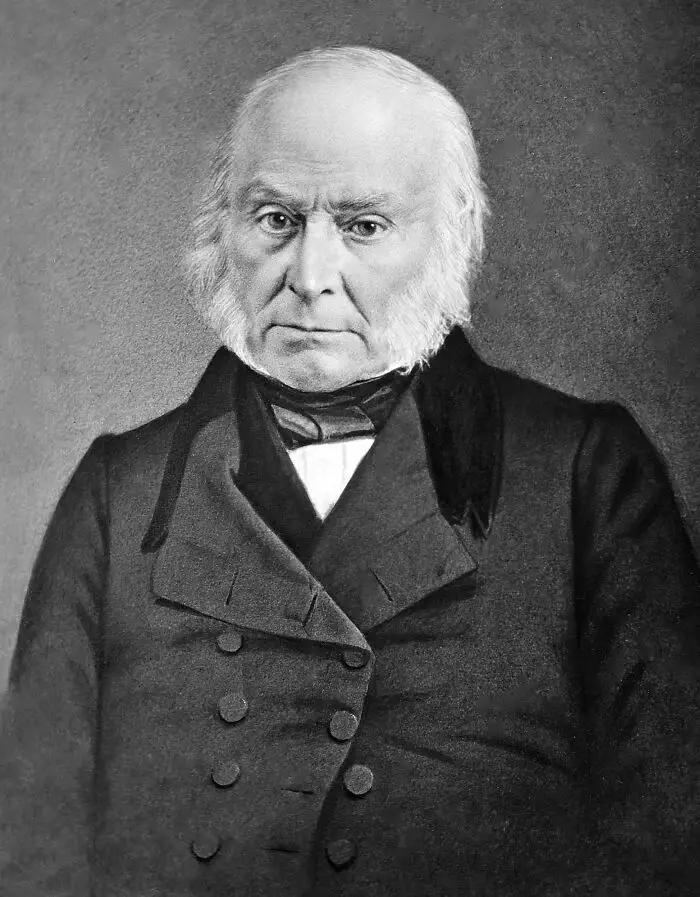
John Quincy Adams, the sixth president, enjoyed skinny dipping in the Potomac on an almost daily basis.
16points
#22
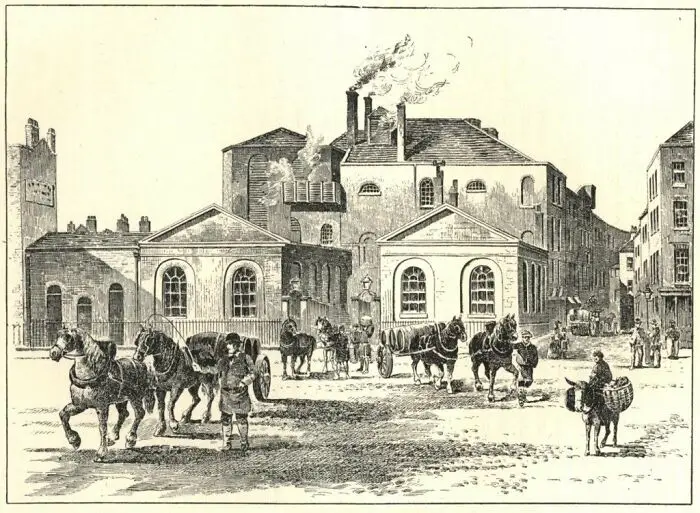
In the 1780s a brewery in London had a vat of porter burst and released around 1.5 million litres of beer in a wave that flattened two houses and took lives of eight people. The London Beer Flood. Some of the victims passed in the cellars they lived in. There was a trial and the whole thing was ruled an "act of God", so nobody paid a penny.
Always think about that one when people complain about their local pub running out of a tap.
Always think about that one when people complain about their local pub running out of a tap.
Report
14points
#23
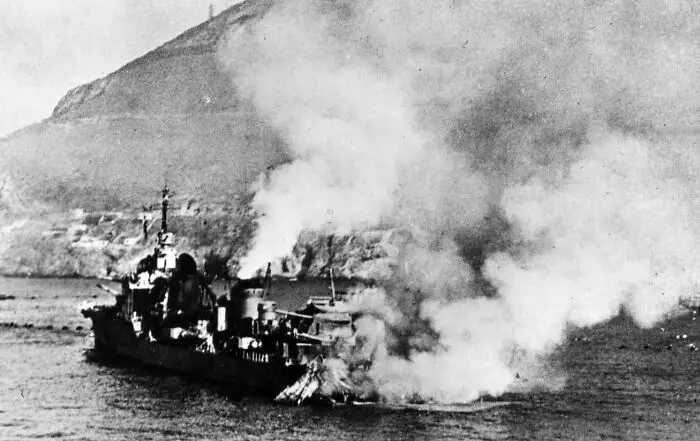
Surprisingly few people seem to be aware that Britain sunk the French fleet during WW2.
14points
#24
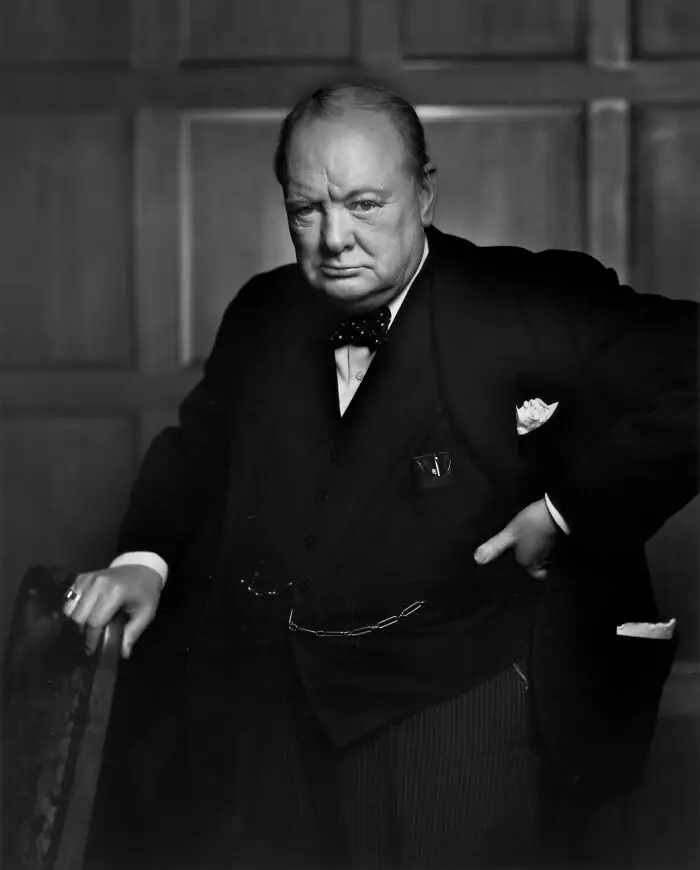
Winston Churchill’s fame stemmed from his escaping a POW camp during the Boer War. He had been a war correspondent when an armored train he was riding was ambushed. He attempted to fight off the attackers and was captured.
As the son of a highly-influential Member of Parliament, he was considered a prize captive. He informed his captors he would have to escape and soon did so, eventually being sheltered by the only farmer loyal to the Empire for miles around and repatriated.
He returned to England a hero.
As the son of a highly-influential Member of Parliament, he was considered a prize captive. He informed his captors he would have to escape and soon did so, eventually being sheltered by the only farmer loyal to the Empire for miles around and repatriated.
He returned to England a hero.
Report
14points
#25
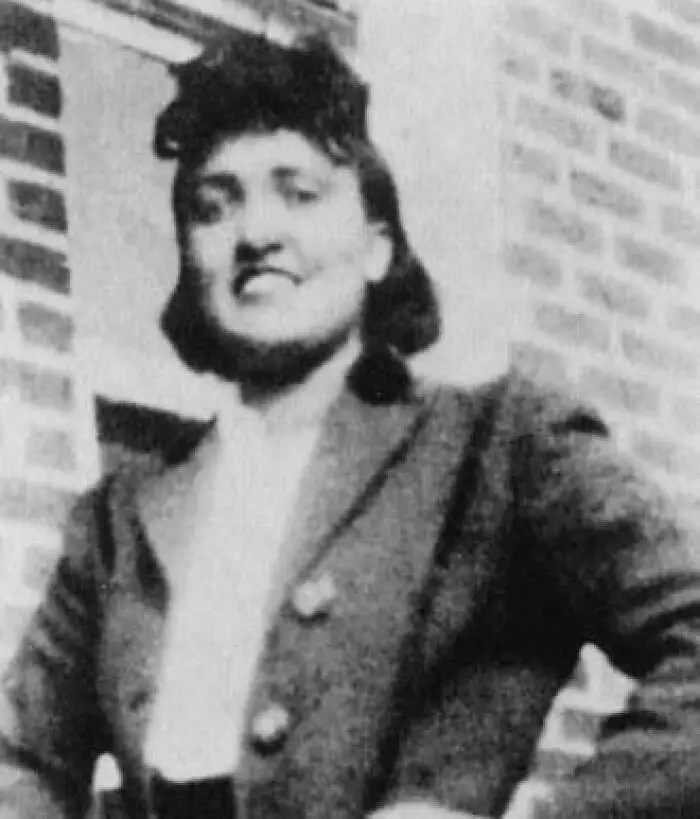
In 1951 Doctors removed Henrietta Lacks' cancer cells during treatment, creating HeLa, the first immortal human cell line, which helped develop the polio vaccine, advance cancer research, gene mapping and IVF, without her consent.
Report
14points
#26

More planes were destroyed in WW2 than currently exist on earth today.
Report
13points
#27
Paraguay's first leader, José Rodríguez de Francia, banned white (hispanic) men from marrying white women with the goal of eliminating the domineering white upper class. Because of his efforts Paraguay is over 95% mixed race and the most spoken language is the indigenous American language Guaraní rather than Spanish.
Report
12points
#28
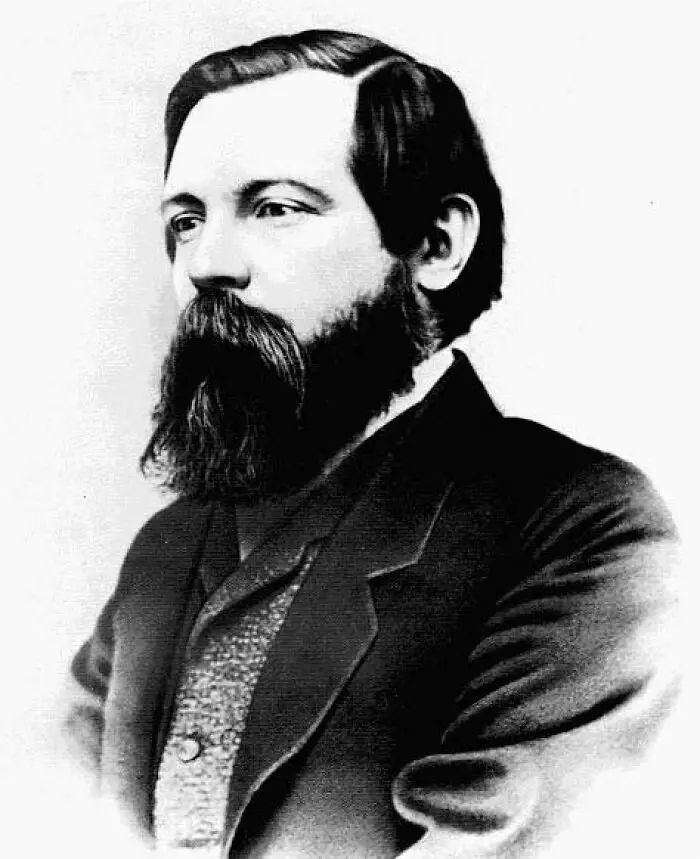
Karl Marx had a son with an unpaid servant. He never acknowledged his son.
Report
12points
#29
Not really a "fact" per-say, but this is one of my favorite historical stories. So Alexander the Great goes to see this horse with his dad, King Philip II, and the thing is just a hell of a beast. In written accounts the horse, named Bucephalus, was massive and completely untamed. The dude who owned Bucephalus told Philip that he wanted basically a ton of money for the horse. Alexander, who was probably a teenager at this time, made a wager. He said he would try to tame the beast, and if he couldn't, they would pay the money. See what Philip and the owner didn't realize, but Alexander *did*, was that the poor horse's own *shadow* was spooking him. So Alex walks up to the animal, turns it toward the sun so it could no longer see the shadow that distressed it so, and hopped on like the bad conquerer he was. Bucephalus was the horse that Alexander rode into most of his battles.
Report
12points
#30
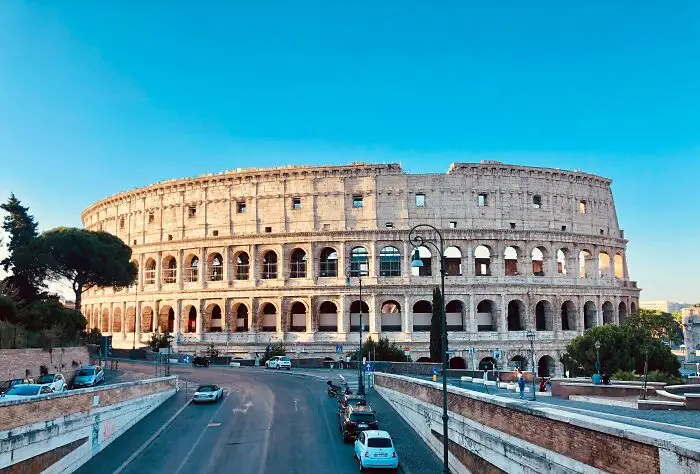
The coliseum in Ancient Rome had an extendable shade awning with piped in water to mist attendees on hot days.
Report
12points
#31
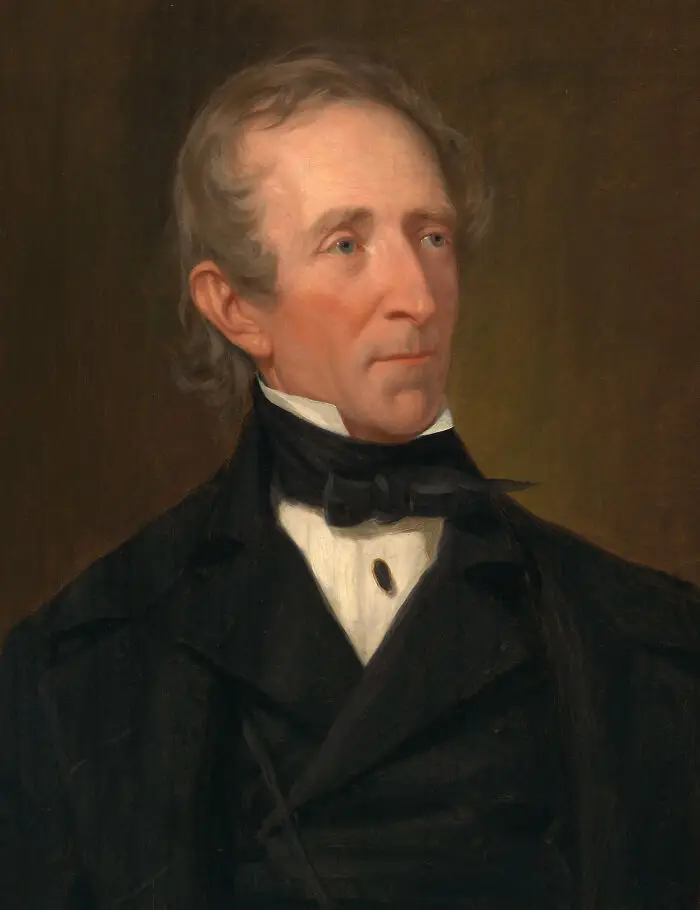
President John Tyler (born: 1790) was the tenth U.S. President and served from 1841 to 1845.
He had a (biological) grandson who passed away in 2025.
He had a (biological) grandson who passed away in 2025.
11points
#32
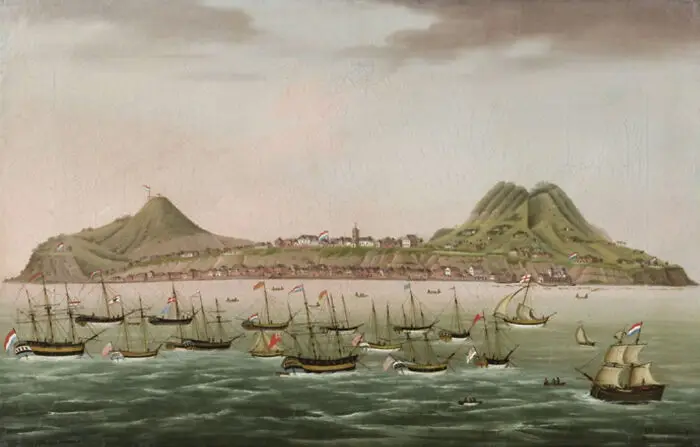
Three hunderd and fifty years ago, Manhattan was traded for a tiny volcanic island called Run Island, Indonesia.
Report
11points
#33

The Federal Reserve in the United States was created in 1913.
It is a private bank ( not Federal) and it has no reserves.
It is a private bank ( not Federal) and it has no reserves.
Report
9points
#34
That The Netherlands had about 1 million Belgian refugees entering the country in 1914, at the start of the Great War. The Netherlands only had about 6 million inhabitants then.
99 out of 100 Dutch people do not know this.
99 out of 100 Dutch people do not know this.
Report
9points
#35
About 94% of the people presently on the planet were born during the time Queen Elizabeth has been on the throne (68 years).
Report
9points
#36
Alexander Graham Bell shared this earth with Betty White for approximately 8 months.
Report
9points
#37

America has produced two Formula 1 world champions. The first of those, Phil Hill, as a small boy, lived next door to Shirley Temple.
8points
#38
A Parisian was given a small fine for "getting medieval" on his wife.
Paris baker Henri Littière had a major marital problem: his wife was desperate to be faithful, but just couldn’t help herself. She had three affairs in as many months before he decided that something must be done. He visited a museum and came out with sketches of medieval chastity belts.
These he gave to a man who made false arms and legs for veterans of the First World War, asking him to create a secure means of "keeping Mme. Littière from consummating her infidelities."
He brought his wife to the final fitting, and she pronounced herself satisfied with the comfort of the velvet-covered steel contraption and joked with her husband that he mustn't lose the key.
Some time later one of her former lovers came to visit. One thing led to another and he saw the apparatus she was wearing. He went straight to the police, and Mr. Littière appeared in court on charges of *cruelty*.
Although Mrs. Littière testified that she found it impossible to be faithful, the judge gave the baker a three-month suspended sentence and a 50-franc fine.
Report
8points
#39
The way we see the ancient Roman ruins in the modern time, is the same way the ancient Romans saw the ancient Egyptians. Really puts into perspective how long ago the Egyptian empire existed.
Report
8points
#40
I'm no historian but when the Russian army began their offensive back through Prussia, there are reports of the Reds coming across Field Hospitals. Obviously the Wermacht was unable to evacuate all of them and the Russians wanted the hospitals for their own wounded. So, to preserve bullets they merely hauled the German wounded out into the frigid winter and hosed them down to freeze.
On many levels it's the coldest fact I know.
On many levels it's the coldest fact I know.
Report
7points


