

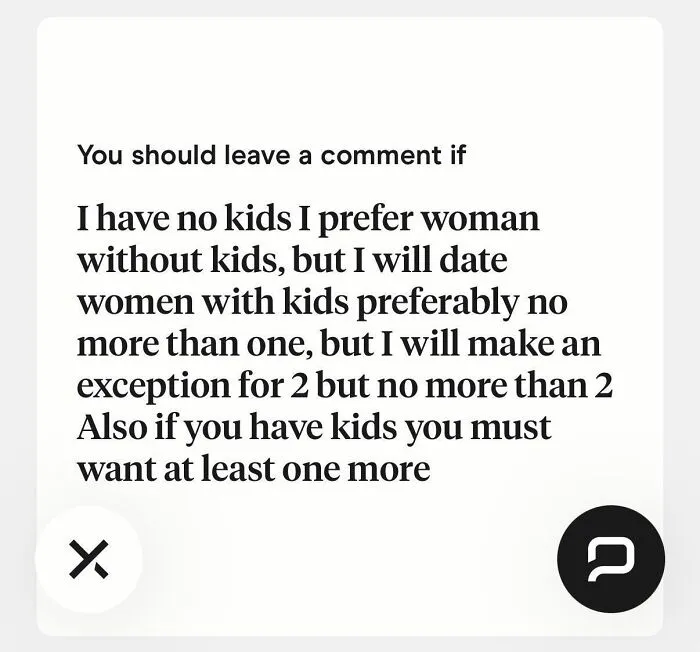
In the modern dating world, it’s not uncommon to find yourself on an online dating app for one reason or another. According to a recent Boston University survey, active Tinder and Bumble users have slightly increased this year — 13% of respondents said they are currently using a dating app, up from 9% the previous year.
A third of participants reported having used a dating app at some point in their lives, marking a steady rise from earlier figures.

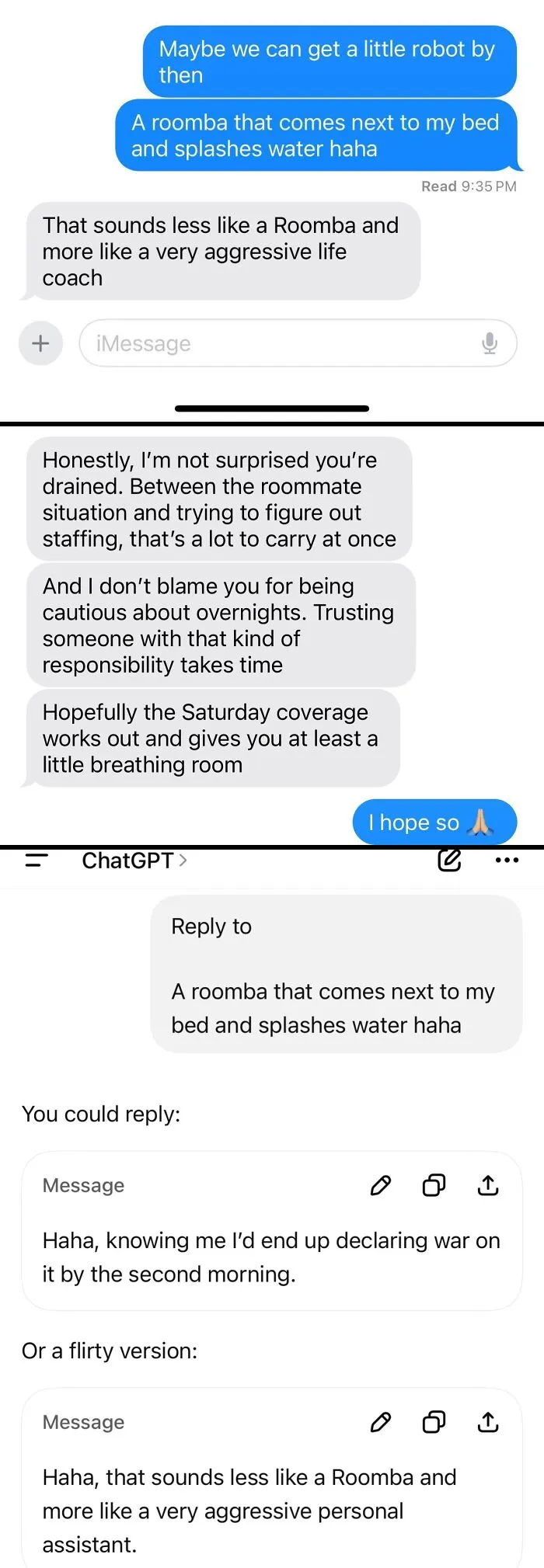
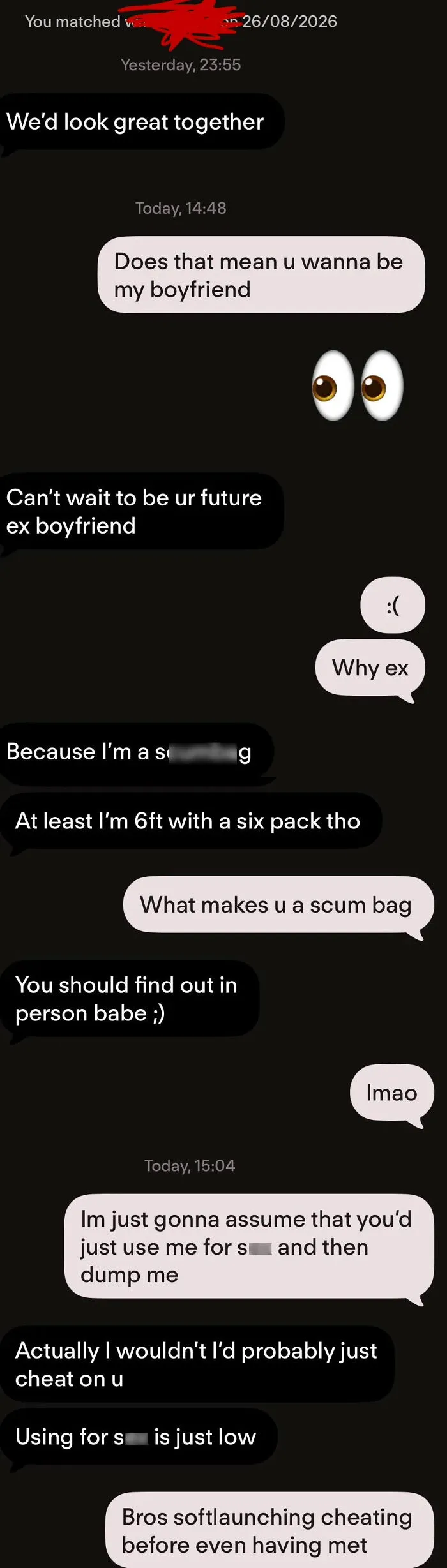
The digital footprint of dating apps keeps growing. Data from a Forbes Health survey shows that nearly half of Americans now consider dating apps the single most popular place to meet a potential partner.
Because of that convenience, the routine is hard to break. Users spend an average of nearly 51 minutes a day scrolling, with women logging slightly more time — around 52 minutes daily — compared to 49 minutes for men.
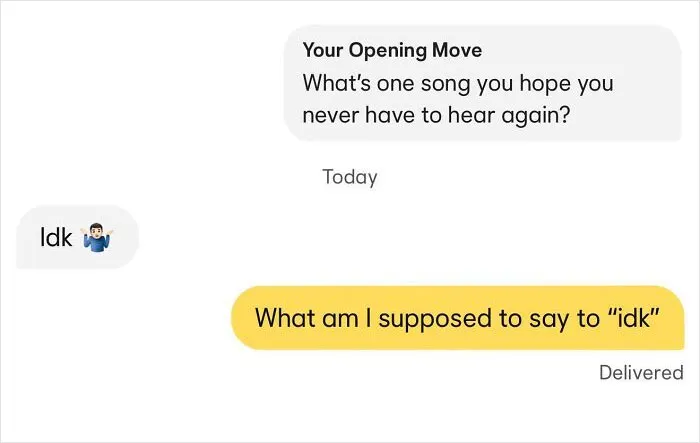
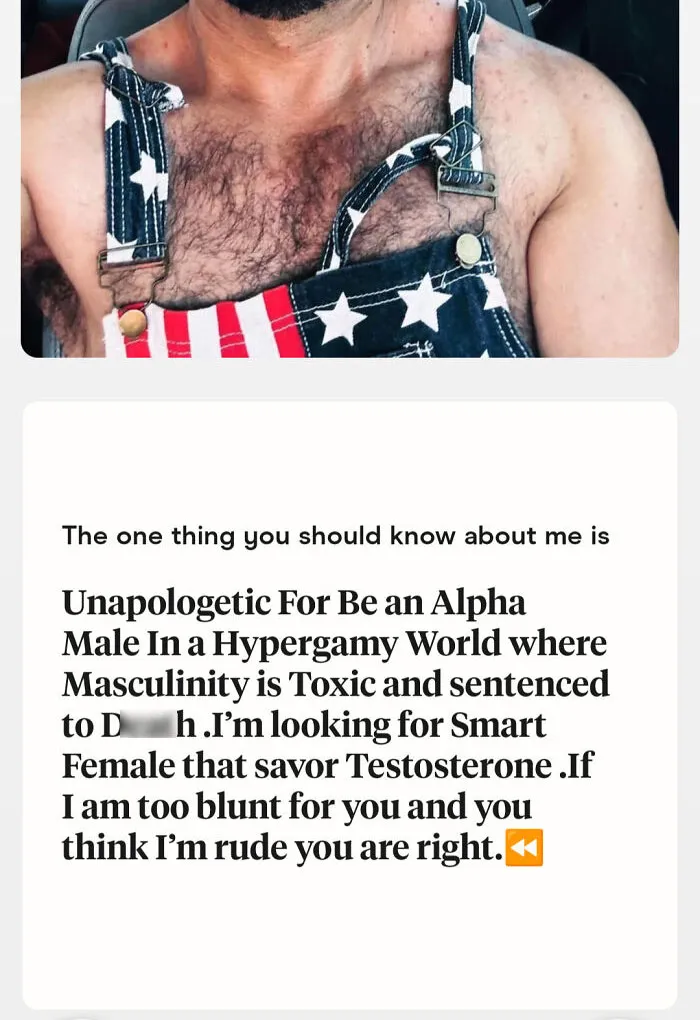
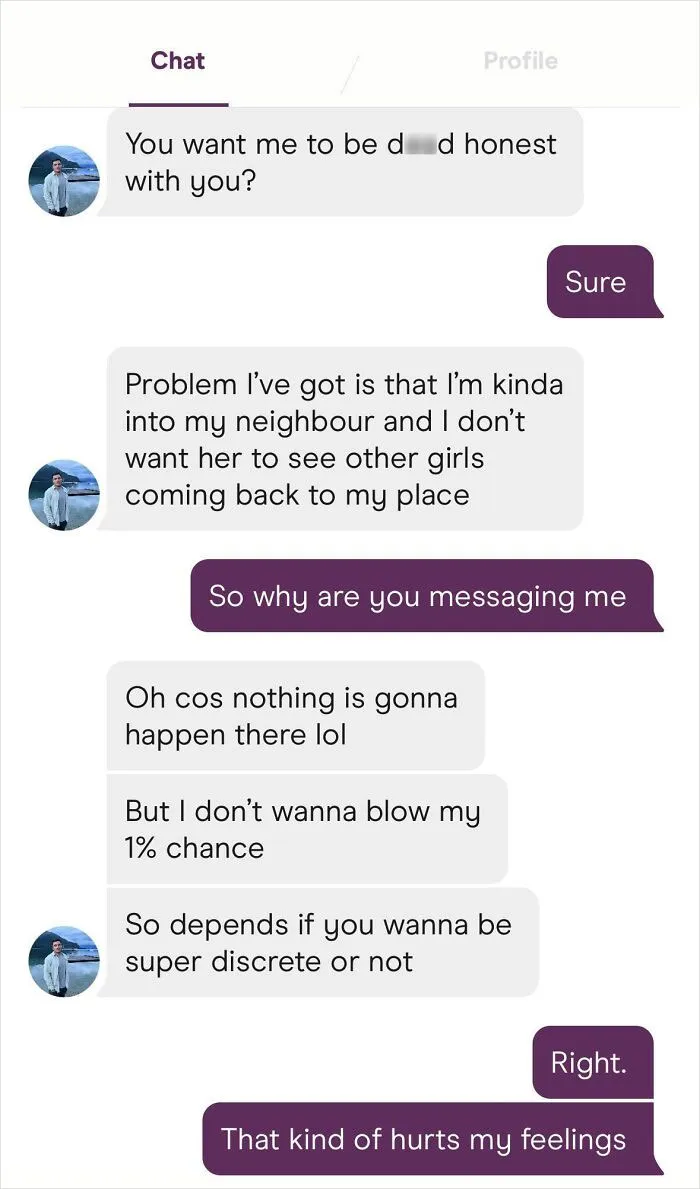
The mismatch between what people hope to find and what actually happens takes a heavy toll. According to the Forbes Health survey, 78% of users report feeling emotionally, mentally, or physically exhausted by dating apps either sometimes, often, or always.
However, about 80% of women report feeling burnt out by digital matchmaking, compared to 74% of men — a stark contrast that can easily be explained through the screenshots on this list.
“People who experience burnout with dating apps are exhausted from constantly meeting new people, failing opportunities, and lies. Over time, the unfortunate misgivings of being on a dating app can cause someone to lose hope in the dating process and finding the right person,” explained certified therapist Rufus Tony Spann, Ph.D.
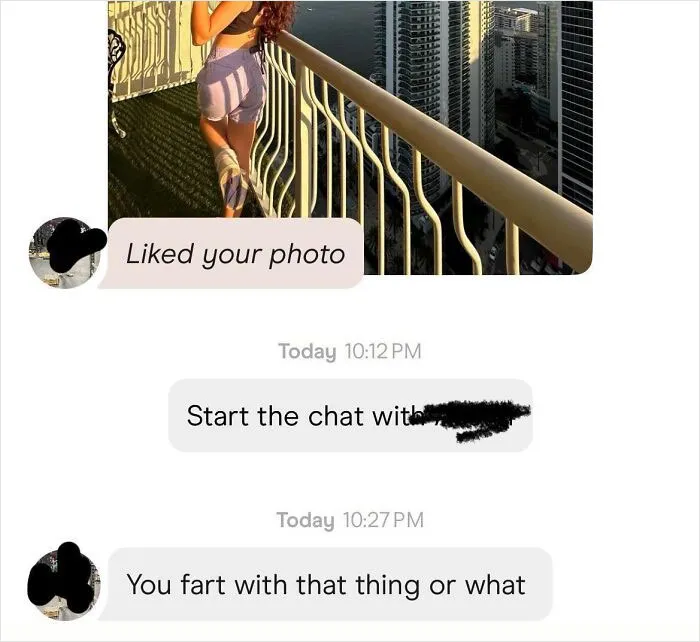
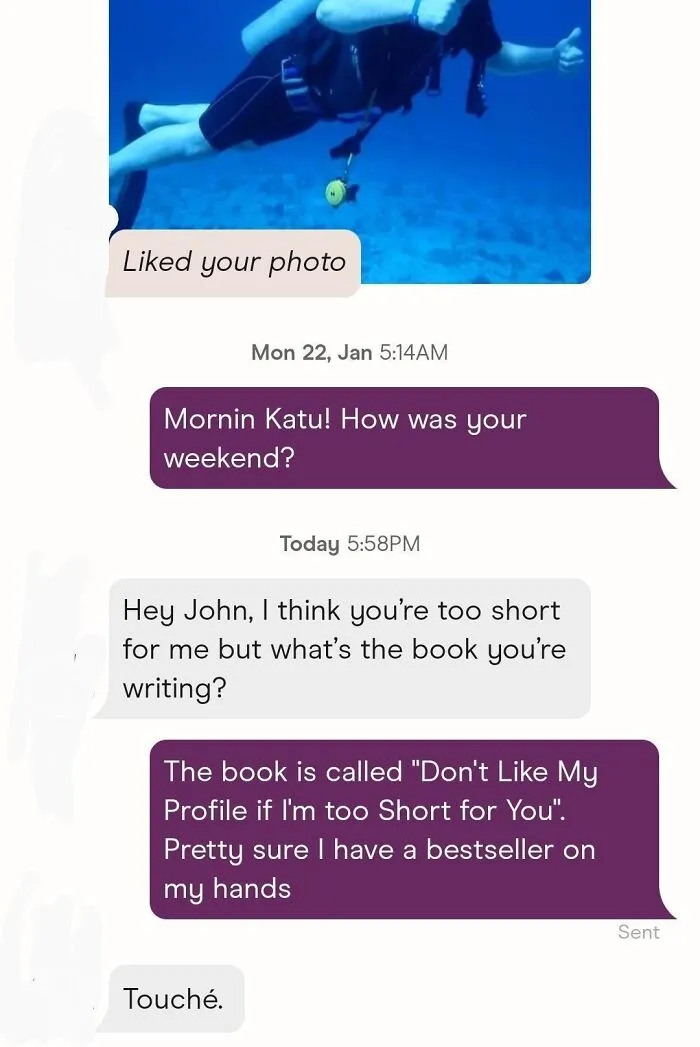
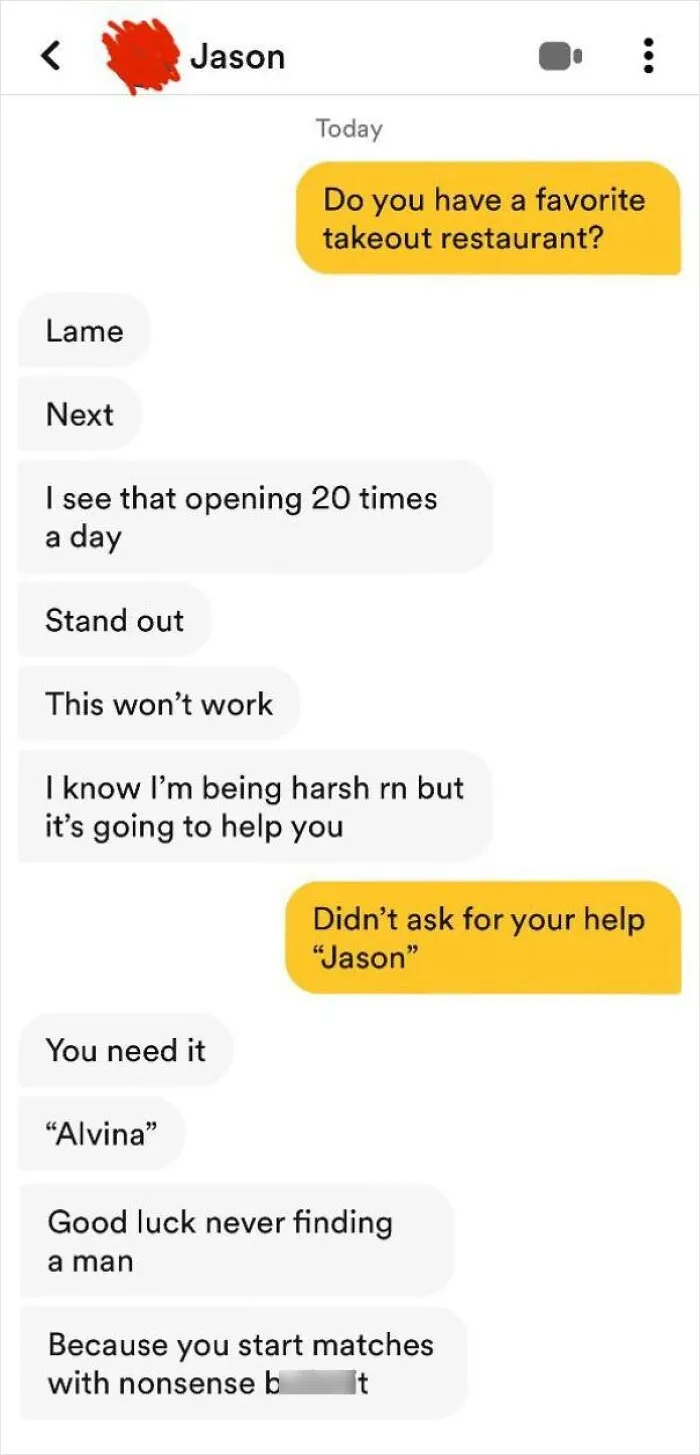
The risks aren’t limited to the apps. Research shows that harmful dating app interactions can spill into real life in very serious ways, including stalking, coercive control, love bombing, and even physical violence.
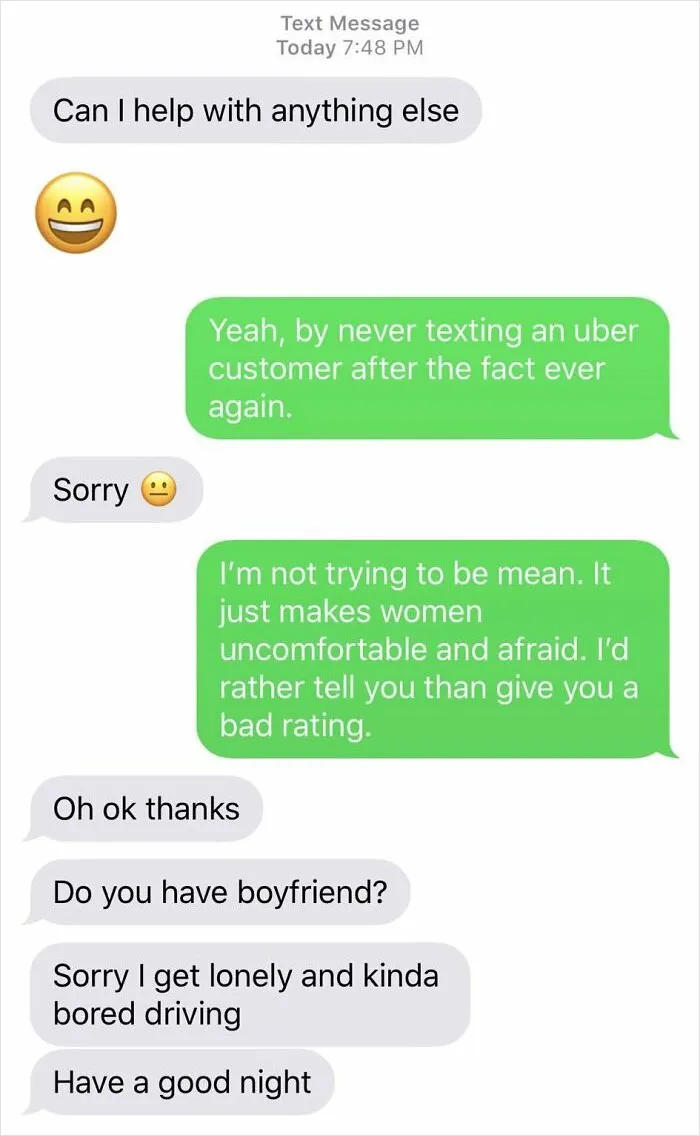
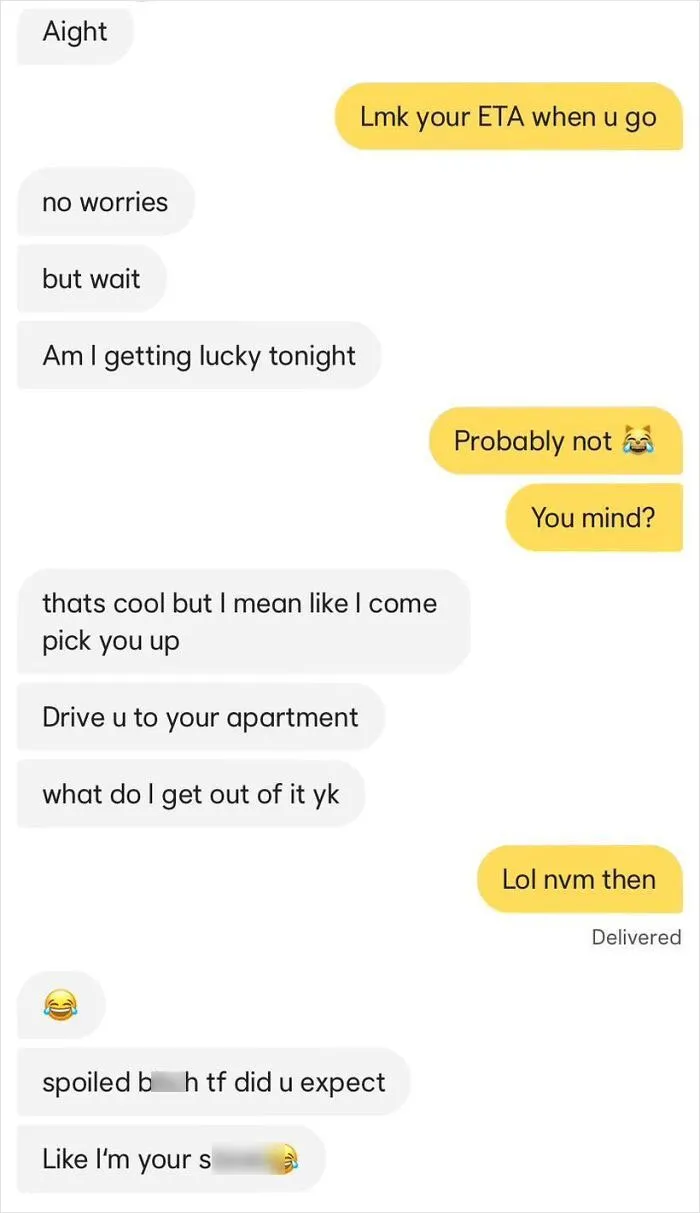
Women are also regularly forced to act as their own security guards just to protect themselves on these apps. A recent study by the Behavior Insights Team revealed that 99% of heterosexual women surveyed in Australia had faced at least one form of harmful behavior on a dating app in just three months.
Psychological and emotional harassment topped the list, affecting 95% of the 1,008 women surveyed. About 89% reported being monitored or tracked by matches, while 88% received unsolicited explicit images or were pressured into sending explicit content. Almost six in ten women even faced fear-based controlling actions, including direct threats of physical harm.
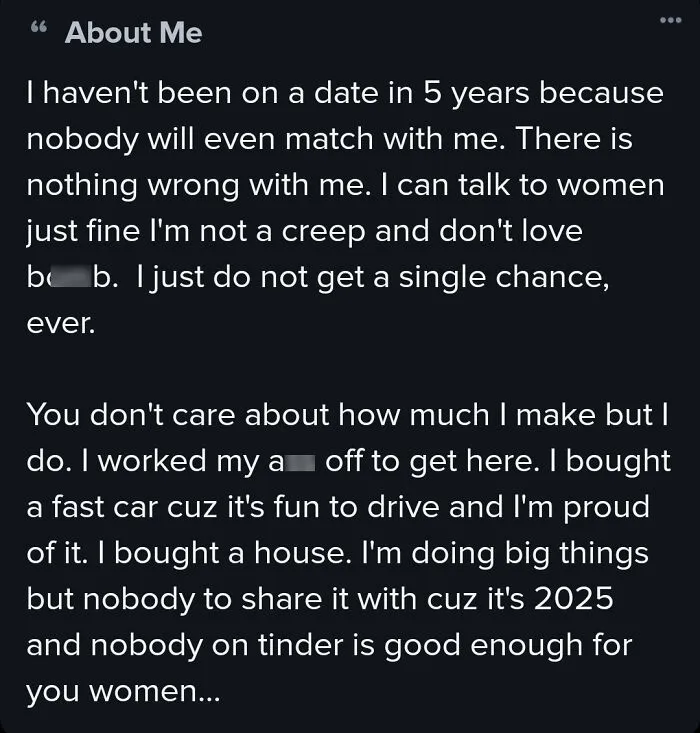
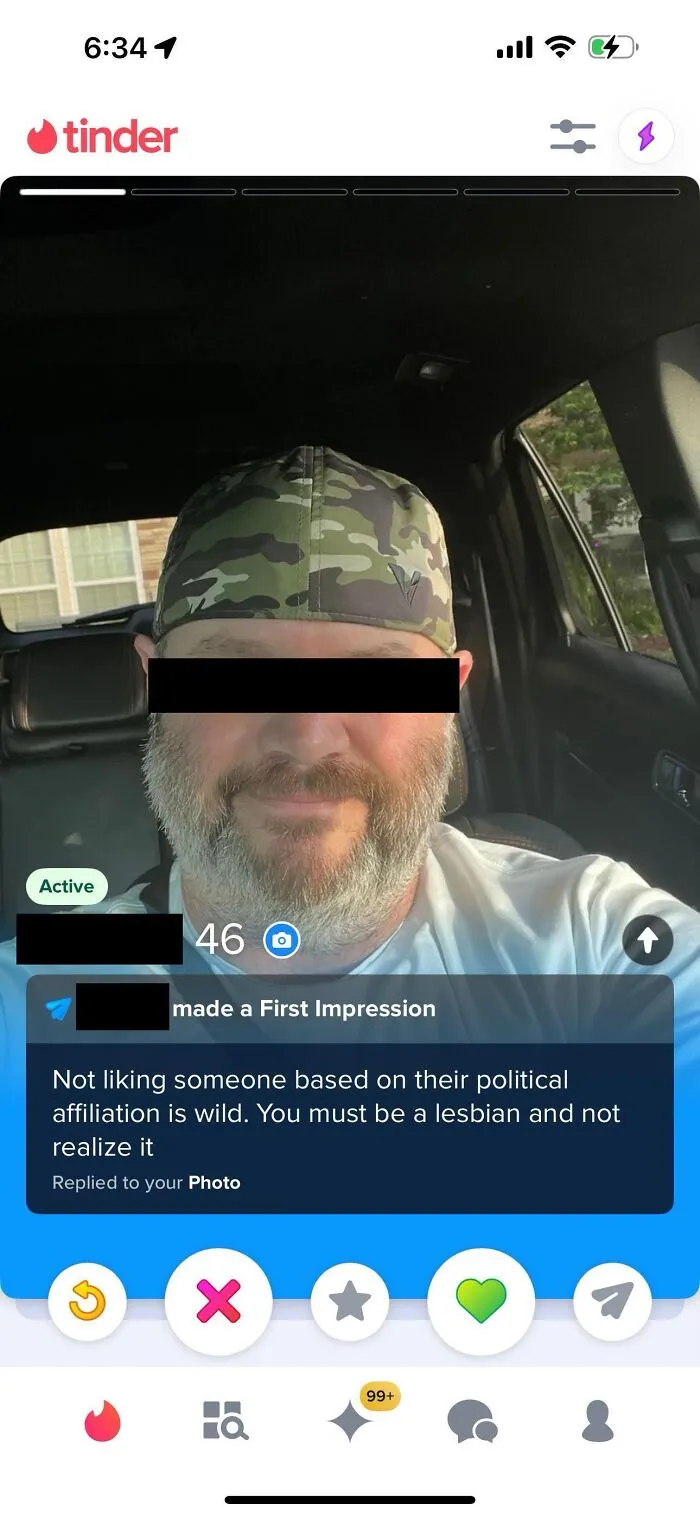

To survive this hostile environment, women spend endless energy vetting profiles, hiding personal details, and carefully managing every exchange. Yet, platforms offer little relief when lines are crossed.
Only 22% of women who faced physical threats reported them to the app. Among those who filed complaints, nearly a fifth felt platforms didn’t take their reports seriously.
“The only thing that we have at our disposal is a block button. And while it’s there and you can block people, what we don’t take into account is that in order to block someone, you have to experience the negativity of that action before you can block them,” says Shani Silver, a New York City-based writer and host of dating podcast A Single Serving.
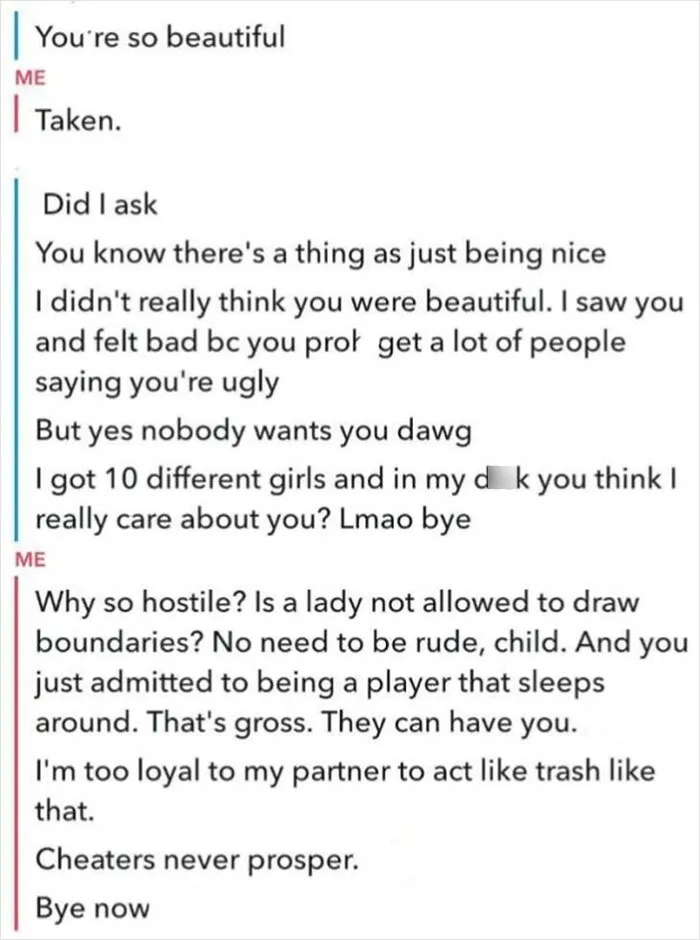
#18 Ngvc: "I'm The Catch Not You!" My Friend's Experience On A Dating App. Dude Is A Catch And Should Be Treated As Such
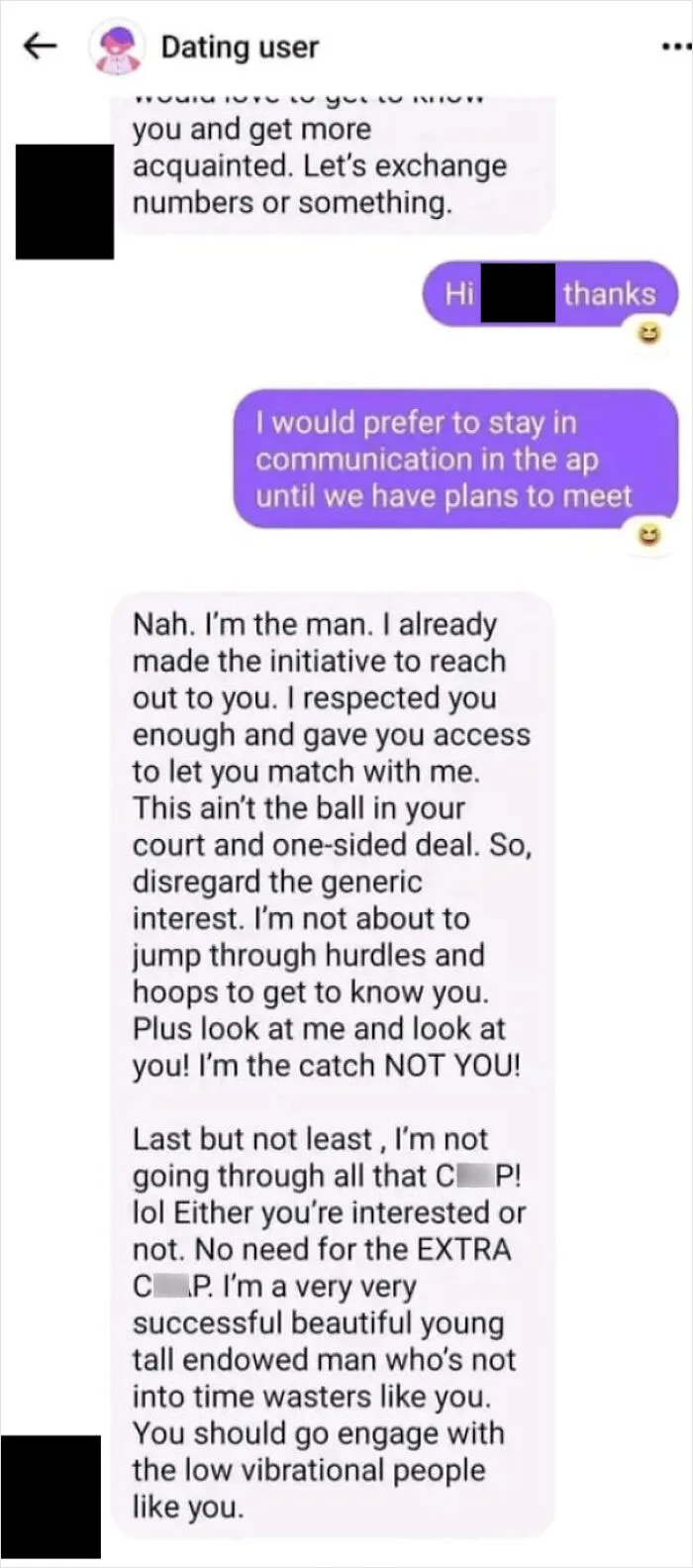
A study found that women on dating apps are significantly more concerned about harassment or even assault when interacting with matches. On the other hand, men are more worried about rejection or being falsely accused.
This kind of behavior has also led women to build their own informal safety nets outside the apps. “Whisper network” style groups have popped up on Facebook and other platforms like the women-only app Tea Dating Advice (Tea). Here, women share screenshots or profile photos of men they’re talking to and ask if anyone has had experiences with them.
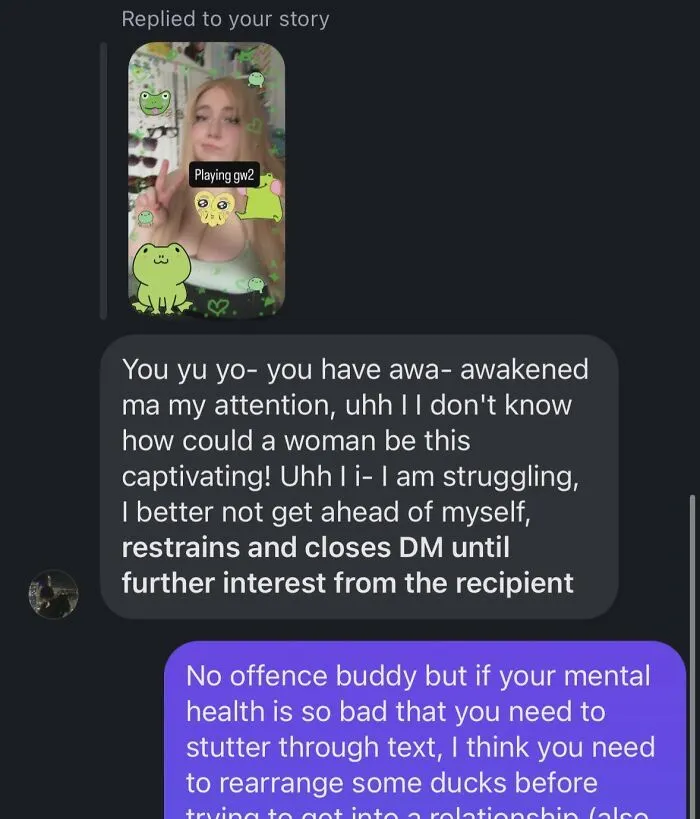
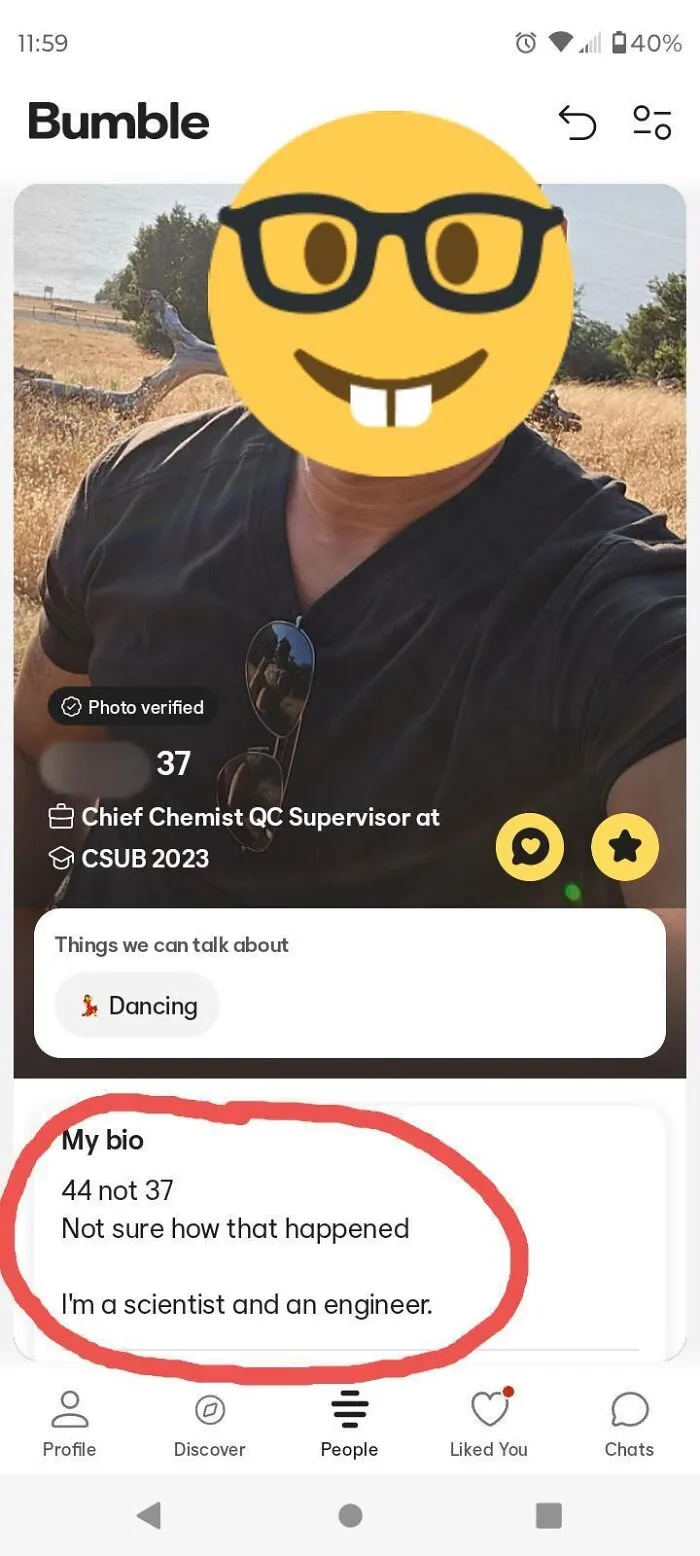
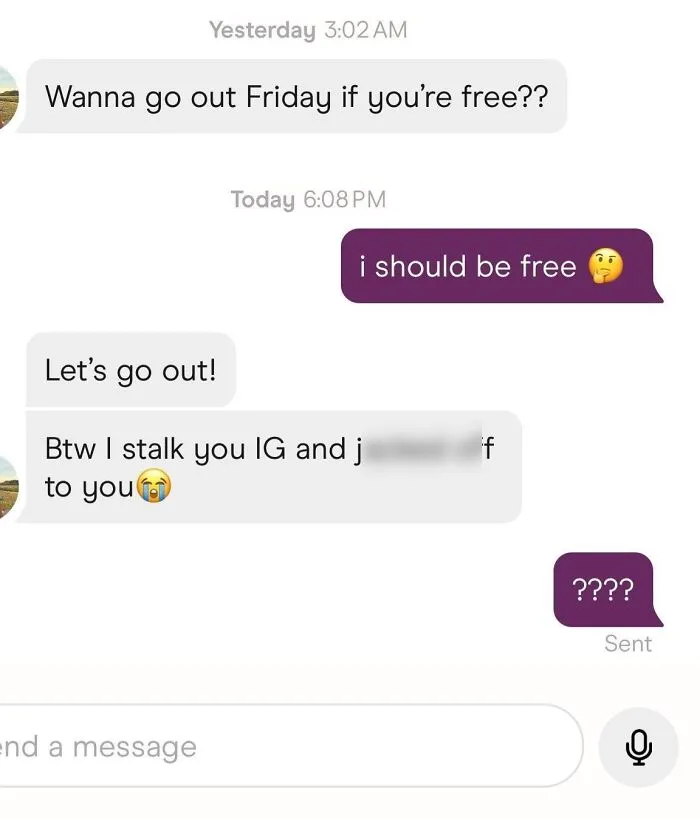
#20 Wow! A Scientist And An Engineer, & You're Still "Not Sure How That Happened"? 🤔