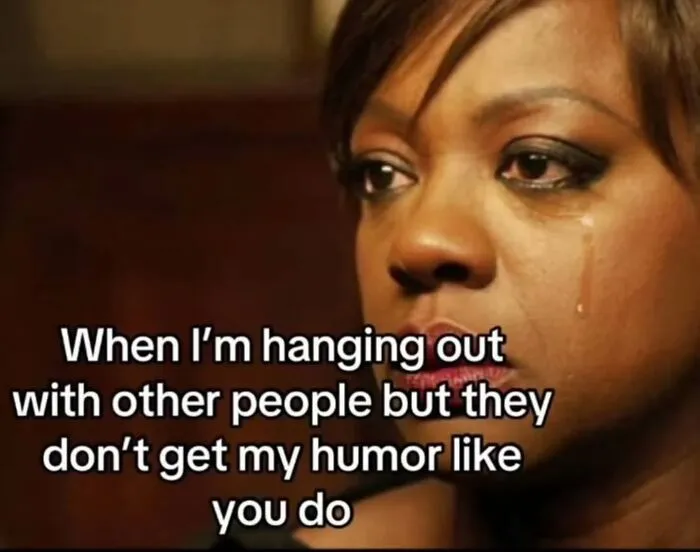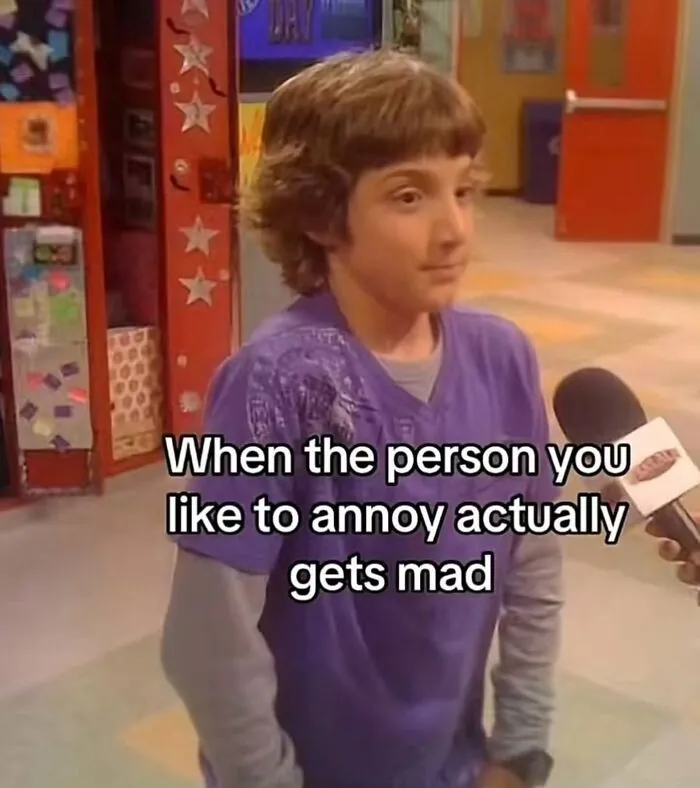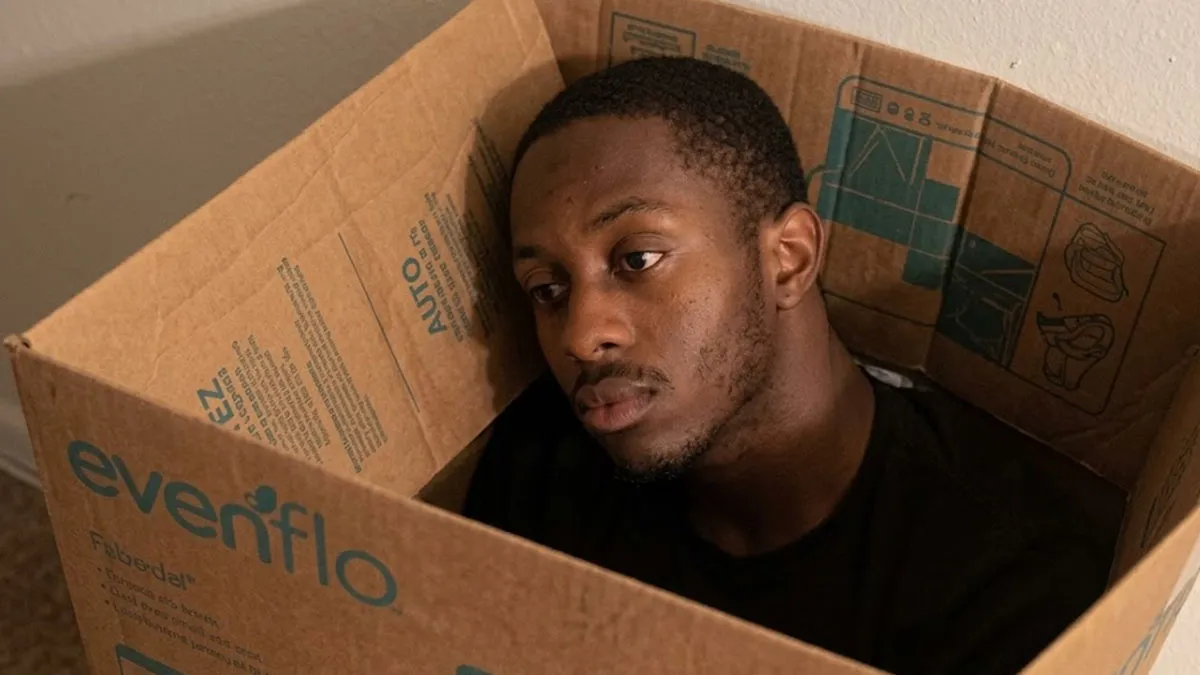




That lines up with other research showing something similar. People dealing with depression tend to find memes about depression funnier and more relatable than people who aren't experiencing it. Humor becomes a way to hold something heavy without having to hold it alone.


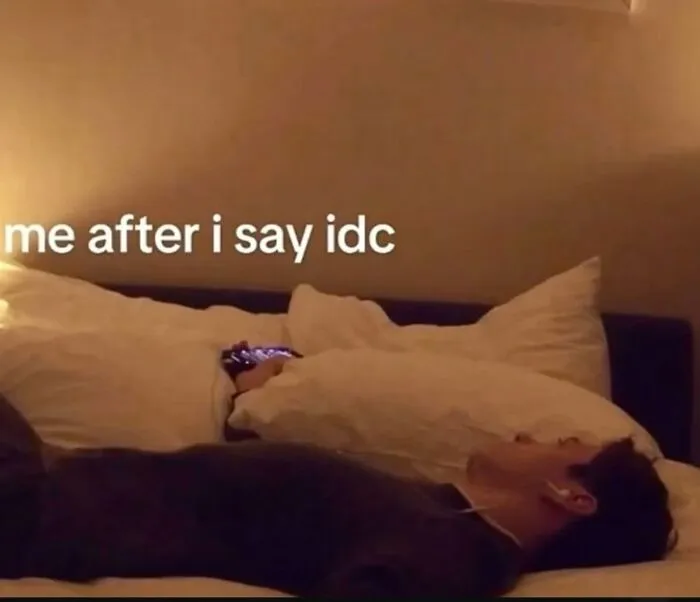
Belonging plays a big role too. Every friend group, fandom, and corner of the internet develops its own inside jokes over time, and memes are basically inside jokes with a delivery system built in. Understanding a specific meme format, or knowing exactly which show or trend it's referencing, is a small but real signal that you're part of the group. Sharing it back is like a handshake. No explanation needed, no context required, just an instant "I get it too."



None of this needs a philosophy degree to enjoy, obviously. Sometimes a meme is just a dog looking mildly betrayed, or a screenshot of someone's unhinged group chat message, and it's funny because it's funny. But the reason memes have taken over so much of how people communicate online comes down to that mix of speed, humor, and recognition. They compress a whole shared experience into something you can absorb in two seconds flat, and they let people say "same" without ever typing the word.


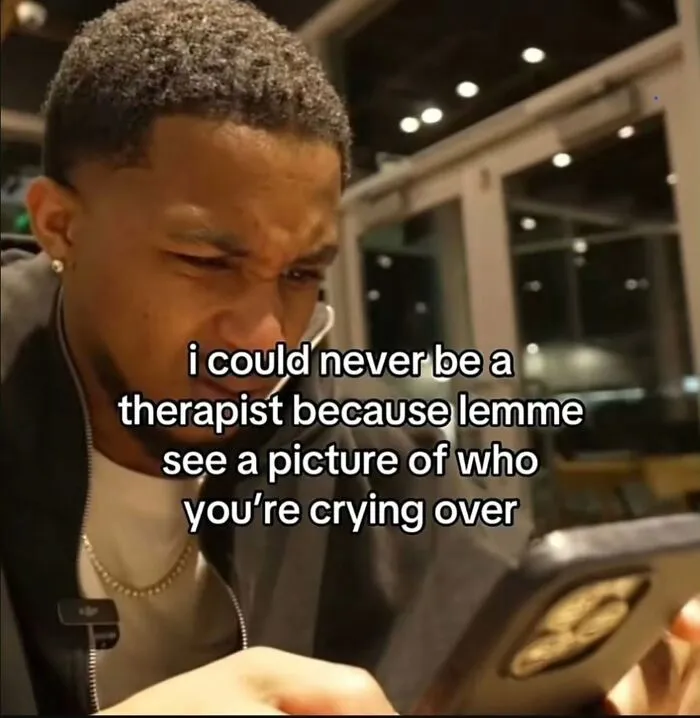
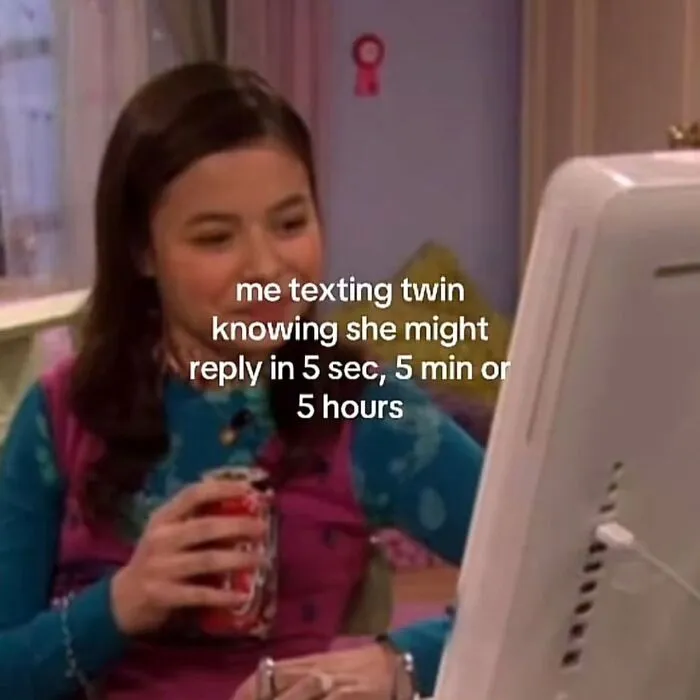
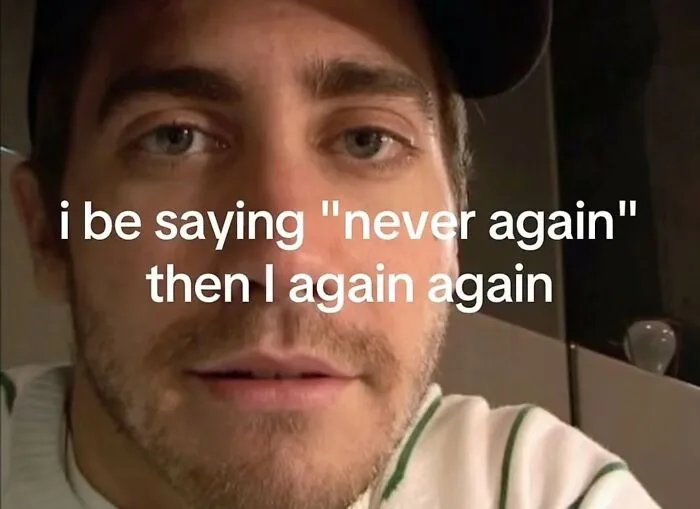
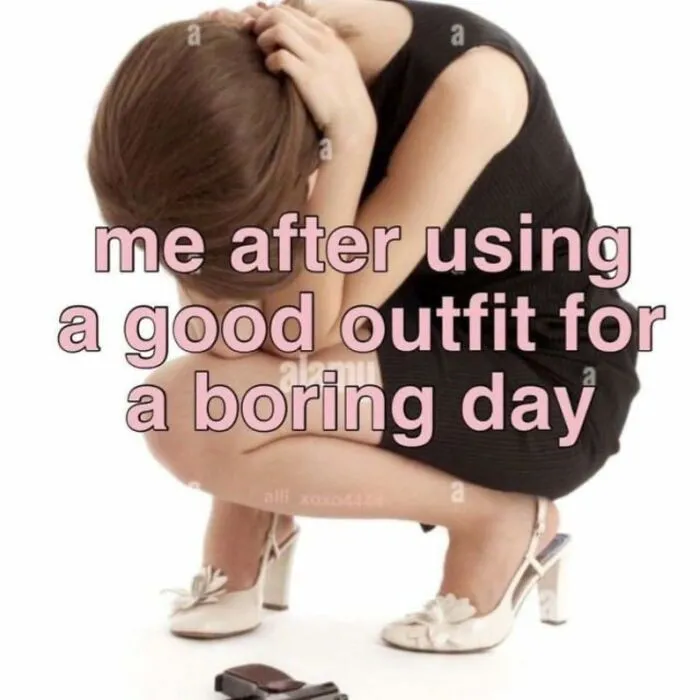
So the next time a meme makes you cackle at your phone in a waiting room, know that you're not just being easily entertained. You're taking part in one of the oldest human habits there is, just running on Wi-Fi instead of word of mouth. And with that, here's a fresh batch of the funniest, most painfully relatable ones making the rounds right now.