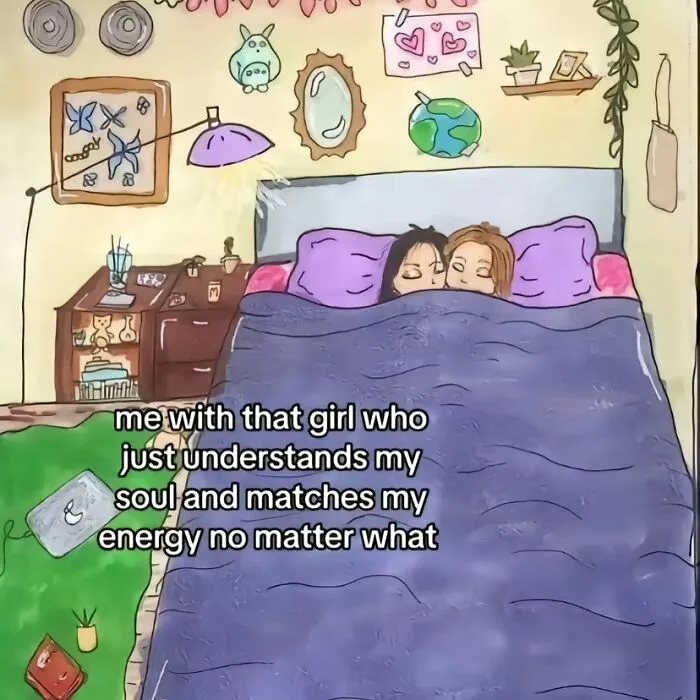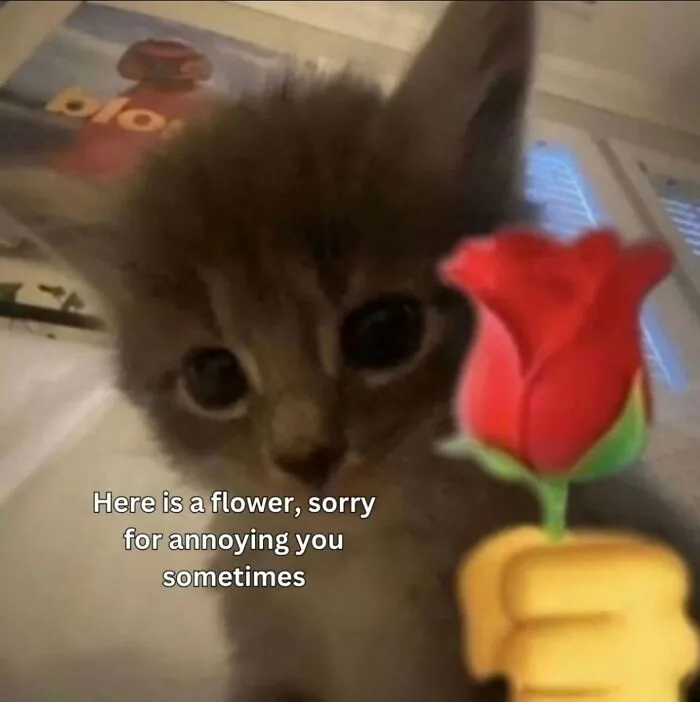



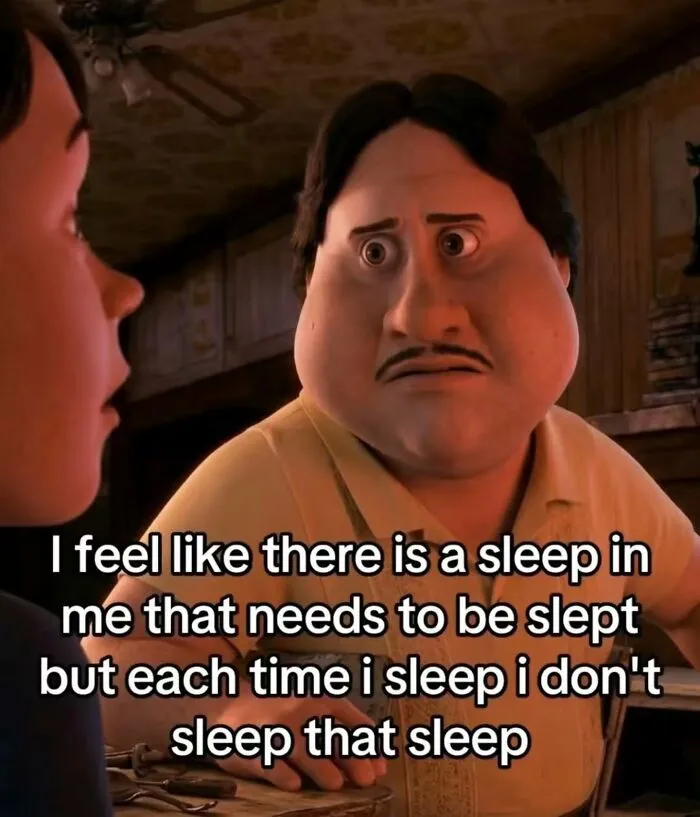
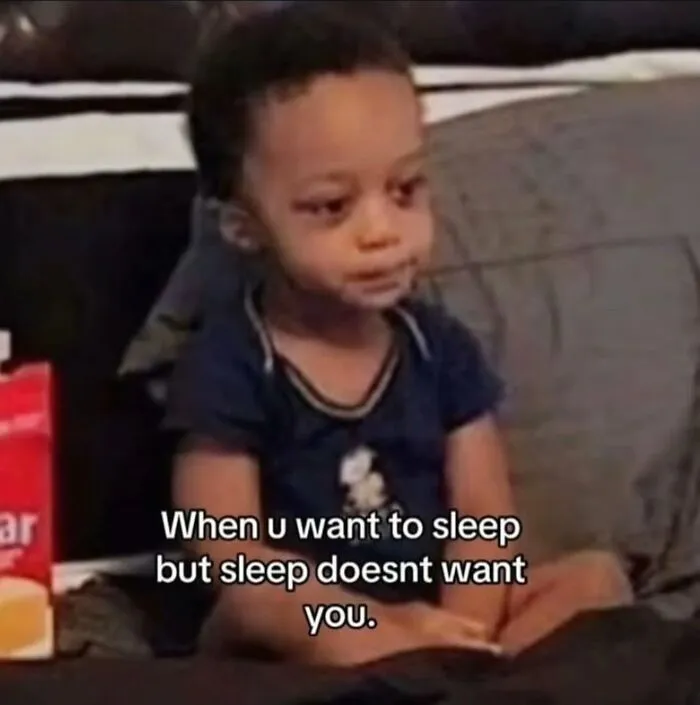
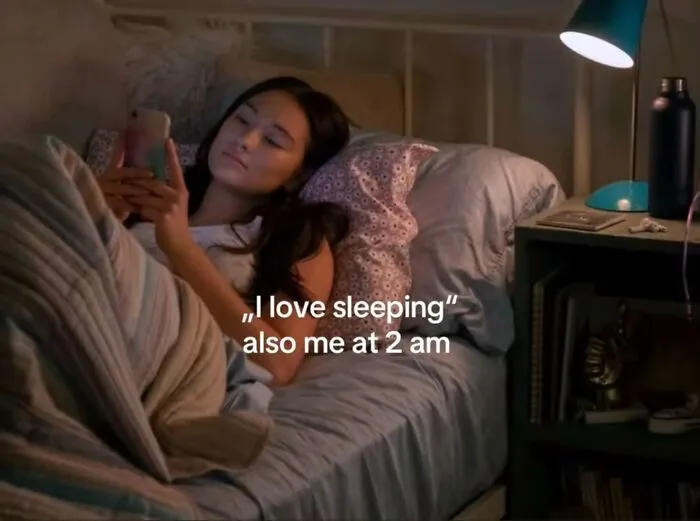
Ever notice how a meme can say more in one image than a three paragraph text could ever manage? That's kind of the whole point, and it's also why nobody can seem to get enough of them.
The word "meme" actually predates the internet by decades. Richard Dawkins coined it back in 1976 in his book The Selfish Gene, describing an idea, behavior, or style that spreads from person to person the same way a gene spreads through a population. He wasn't talking about cats with captions, but the concept fits disturbingly well.
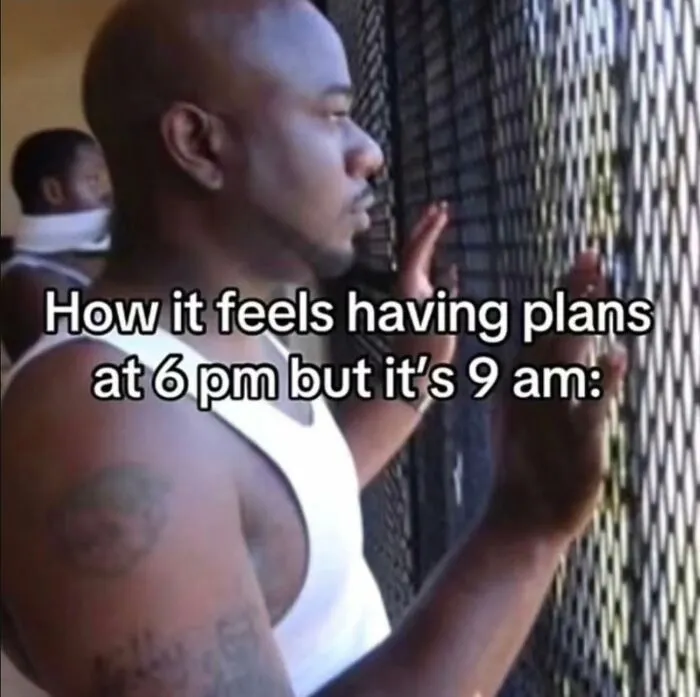
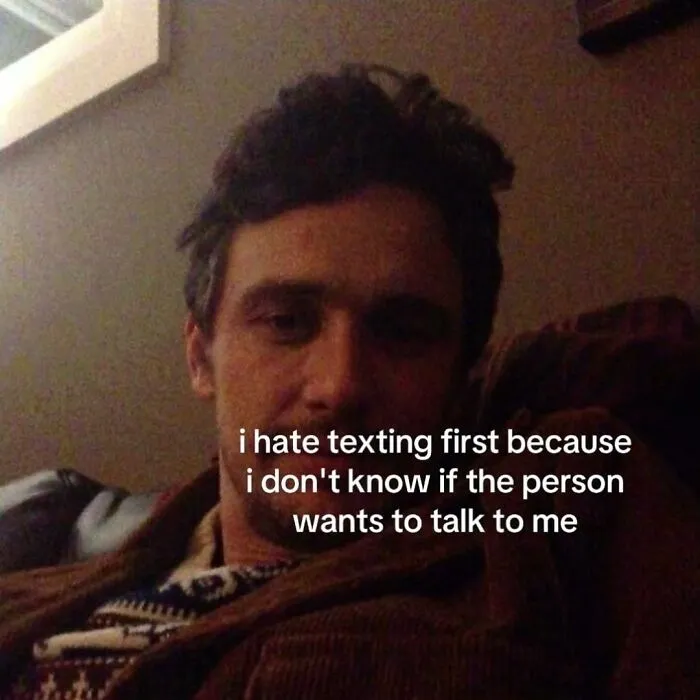

A meme survives because people want to pass it along, and the ones that spread fastest are usually the ones that hit some kind of emotional nerve. That emotional hit is really the secret sauce. People are more likely to share content when it triggers a strong emotional reaction, whether that's genuine hilarity, mild outrage, or even a little bit of disgust.
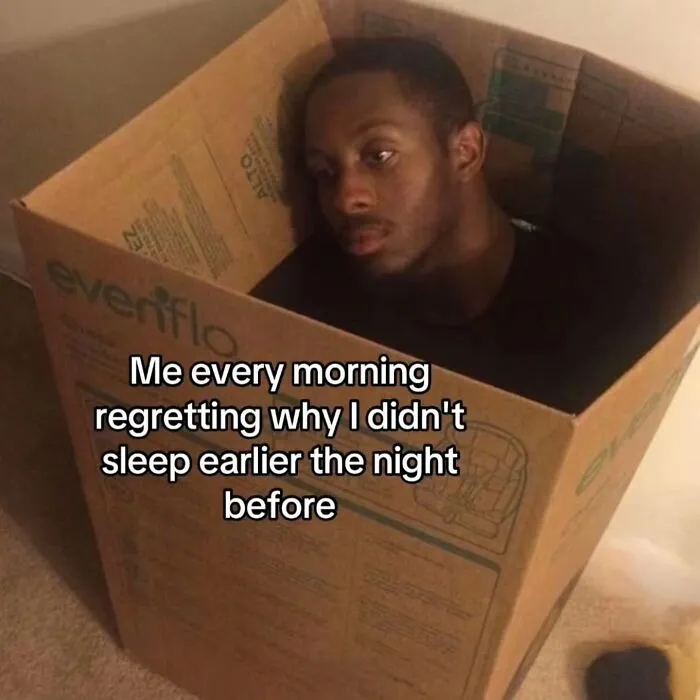
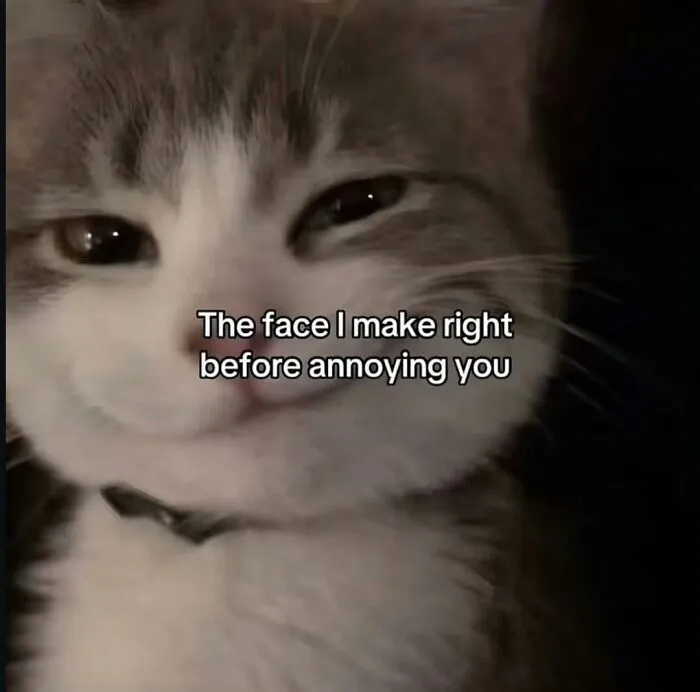
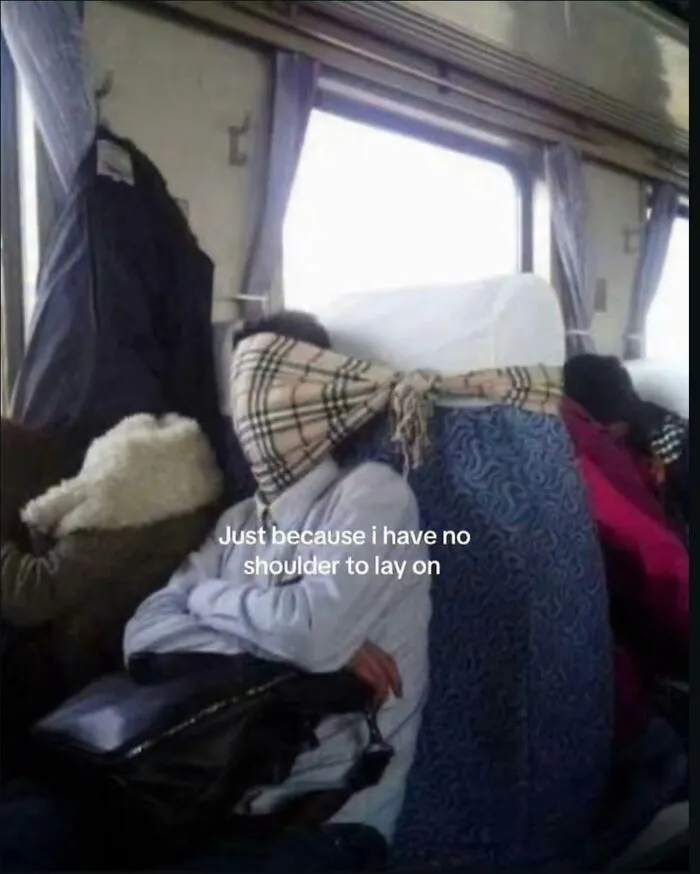
Memes don't really need to be subtle. It needs to make you feel something fast enough that your thumb hits share before your brain even finishes processing why. A huge part of that feeling is recognition. You see a meme about forgetting why you walked into a room, or about pretending to listen on a work call while thinking about literally anything else, and something clicks.
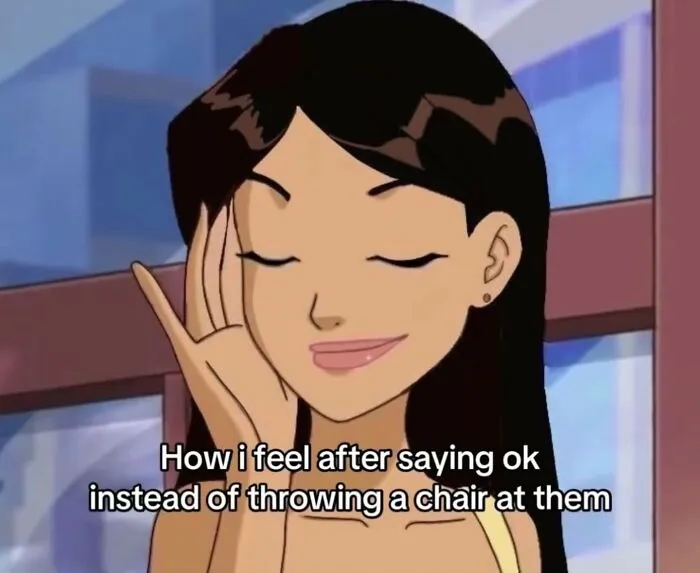
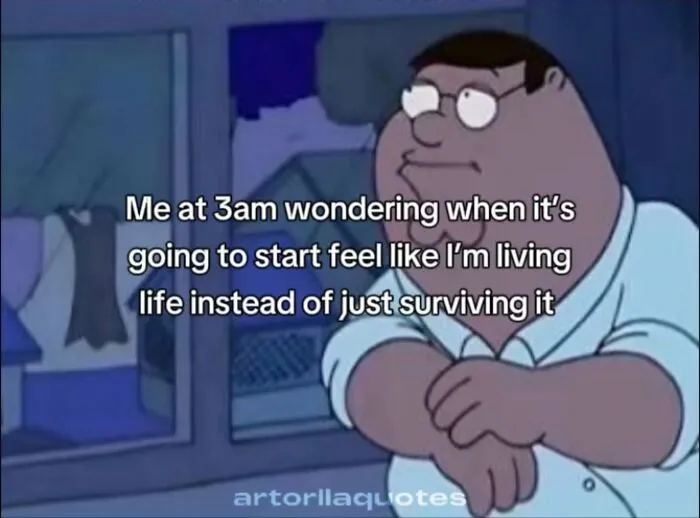
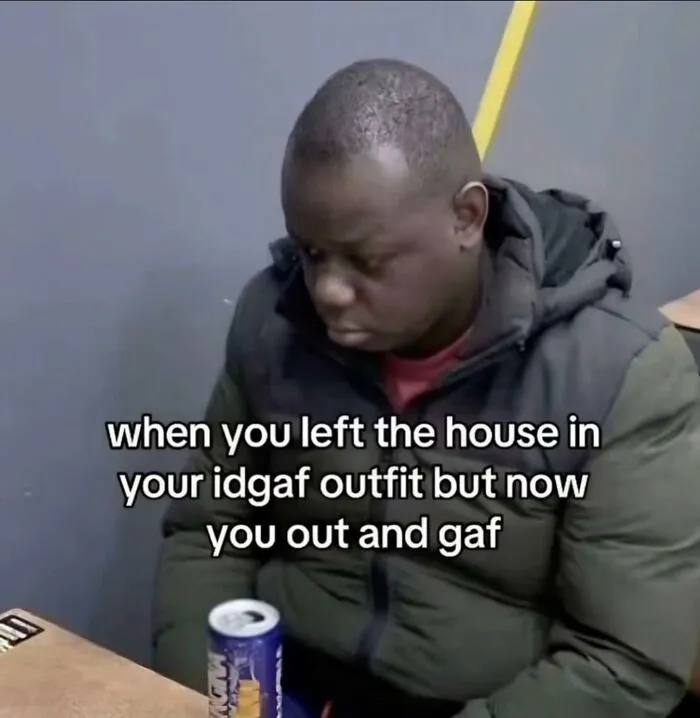
People tend to like, comment on, or share a meme because they believe other people feel the exact same way, and that shared agreement makes the connection stronger. It's a tiny moment of "oh thank goodness, it's not just me," and that feeling is addictive in the best way.
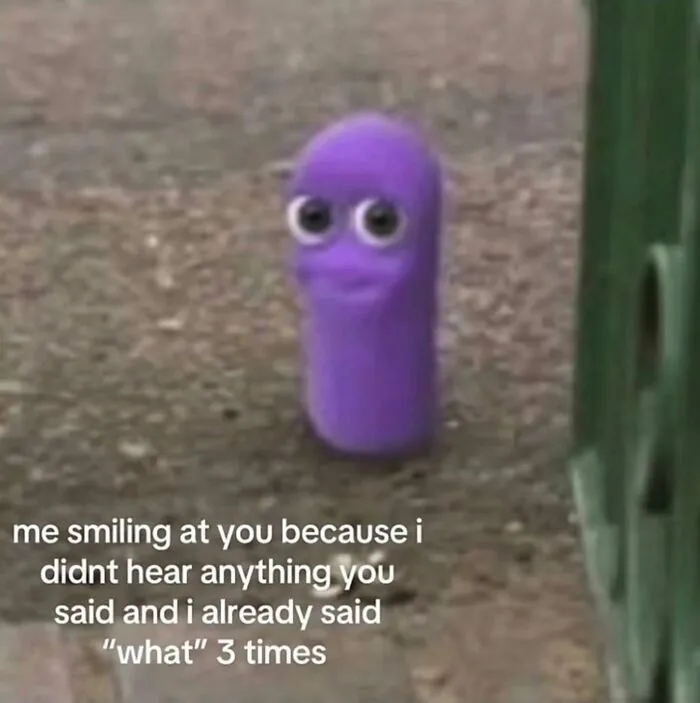
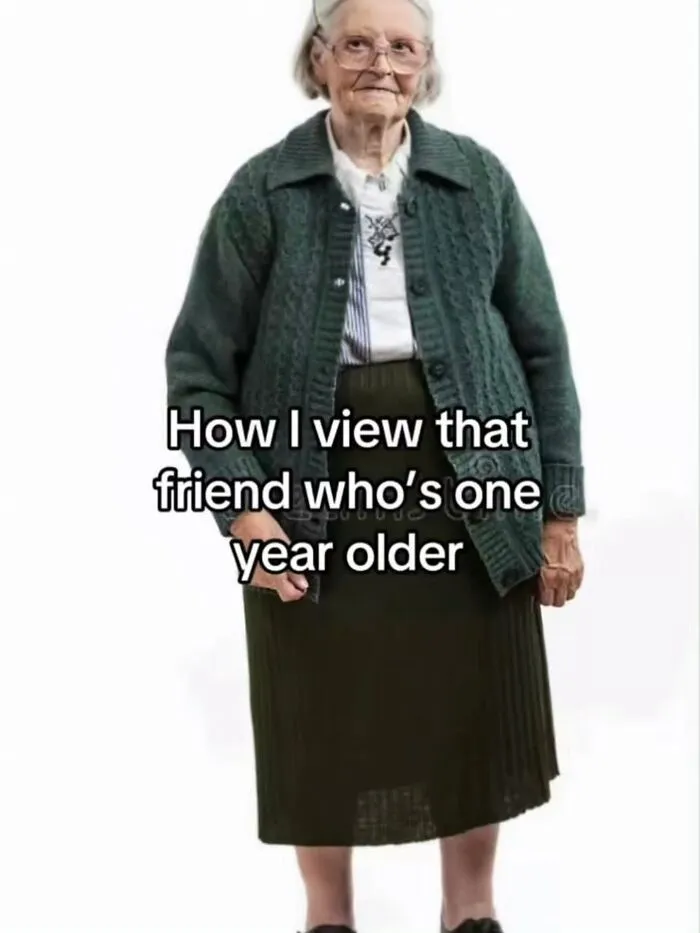

There's also a chemical component to all this laughing and sharing. Every time a meme lands, your brain treats it like a small reward. That quick dopamine hit is part of why doomscrolling through a meme page at midnight feels so hard to stop, even when you know you should probably be asleep.
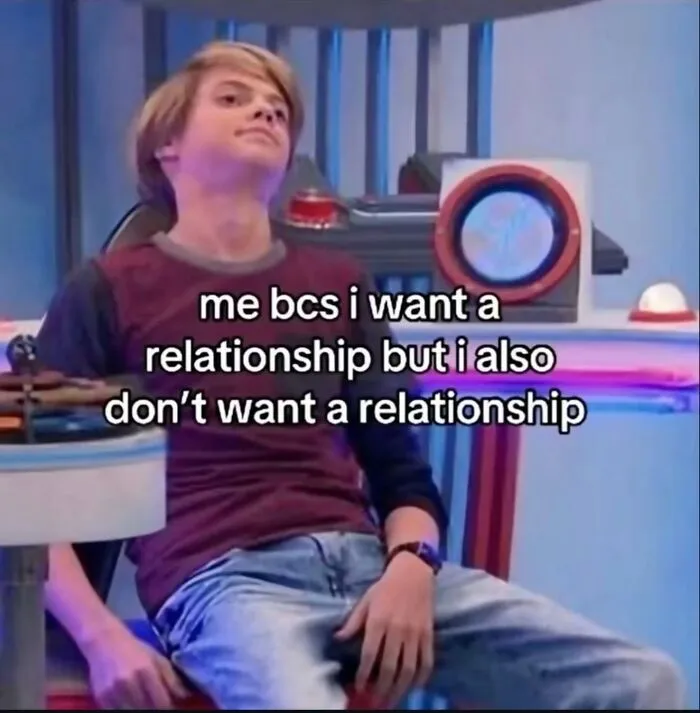
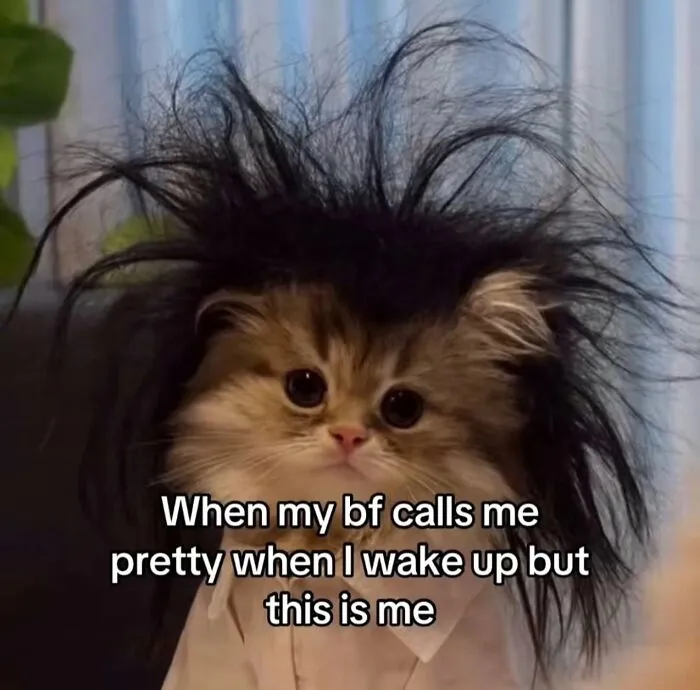
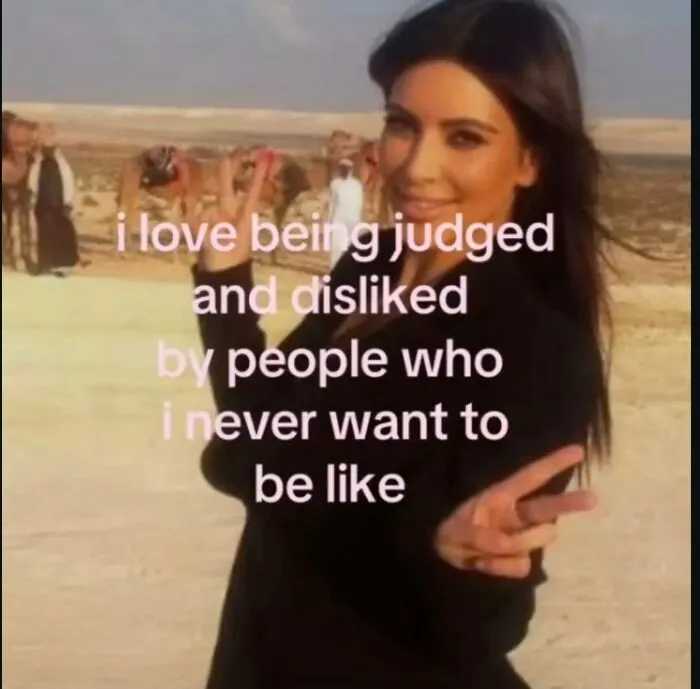
Memes are also doing quiet emotional labor that people don't always give them credit for. Nearly half of college students in one study said they used memes as a way to ease psychiatric symptoms, often through the dark or self-deprecating humor that lets people laugh at a rough situation while feeling less alone in it.