

This post may include affiliate links.
#1
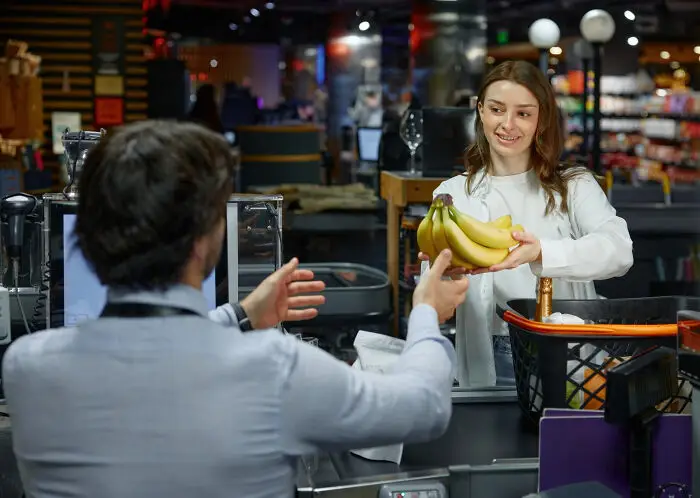
Editing to explain more: what I was picking up on was their utter fury that there even was a line they had to wait in. They were indignant that other people dared to be between them and their goal, wondering where the line was for people who just need to return something, uncomprehending that everyone else was there for the same reason they were. It’s people who see everyone else as an obstacle, an NPC. People furious about being in traffic and not able to notice that they are the traffic. I see these people everywhere and I always try to give them a wide berth. We are all just out here trying to survive, we don’t need to see everyone we meet as an adversary.
#2
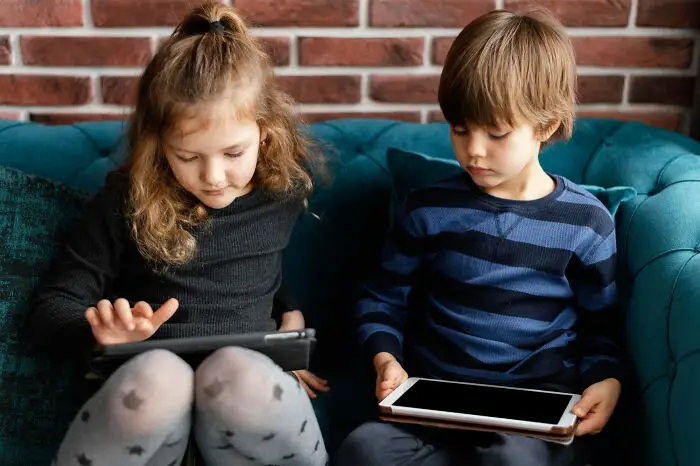
They are always talking far too loudly, trying to get attention in every room. They will play videos on speaker in class. They are constantly quoting incel ideology. They will lose focus and get bored or frustrated even if I am up there doing a full stand up bit. If they finish their work early, they run to me to ask what to do now because they need the next thing instantly fed to them.
Kids with limited or focused Internet time are usually calmer, better at solving problems, okay with not getting instantly rewarded. They're cool reading books or drawing or hanging out and talking with others.
#3
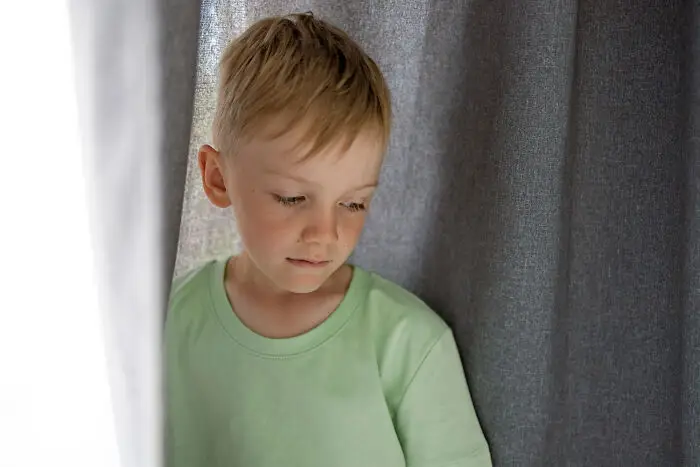
A kid who's afraid to run or be in the grassnor dirt or mud.
Most of my colleagues didn't catch this sign and thought they were being timid.
It's not being timid. It's them being afraid of getting their 1 pair of shoes dirty. So I started bringing wipes a small bottle and shoe covers and offered it to anyone.
These were also the kids who wouldn't have snacks or lunches for the days activities. So I started "pocket snacks" and the rule was "if you don't want it, share it." It was my workaround because I wasn't allowed to give individual kids food. But I justified the idea that hikes should have snacks because no real hiker would go without a snack so I should bring snacks too. And since it was my own class budget I would always say, "ahhh! Someone take these (food) I don't want to carry it back to the office! So the kids who wanted or needed the snacks could take them. Benefited me too because it kept my student count up.
Today’s post highlights how some professionals become remarkably good at picking up on the little behavioral clues people give away without even realizing it. A poker dealer might notice a nervous gesture, a bartender might pick up on a change in someone’s mood, and a loss prevention officer may recognize behavior that seems slightly out of place. These people spend so much time observing strangers that they learn to pay attention to details most of us would probably overlook.
But there’s another quality that might not be quite so easy to pick up on instantly: a person’s intelligence. Unlike nervousness, confidence, or discomfort, intelligence isn't always something you can spot from a single gesture or expression. It can show up in much subtler ways, sometimes through the questions someone asks, the way they respond to an unfamiliar situation, or how willing they are to admit that they don't know something.
But what actually makes us think someone is intelligent? Intelligence is often measured through standardized IQ tests, which assess cognitive abilities such as memory, reasoning, and problem-solving compared with people in the same age group. But a test score can only tell us so much. Human intelligence is much broader than a number on a piece of paper, and different forms of intelligence can show themselves in very different ways.
#4

The people dealing with the hardest stuff often came across as the calmest and most reserved, almost apologetic for inconveniencing us. I learned to watch for that after a customer calmly asked for a report, and apologized that she didn’t have the case number or day/location info, she’d been knocked unconscious and woke up at the hospital and didn’t remember much.
Also got pretty good at telling right away who’d gone through the bureaucratic runaround maze. Usually a big sigh, “I don’t know if you can help me, but someone told me to come here…”. Sometimes they’d have an accumulation of papers or business cards from various other offices that didn’t really make sense for any one issue. I always liked those customers because sometimes I could actually find some random detail or discrepancy that would help and I liked the hunt. .
#5

#6
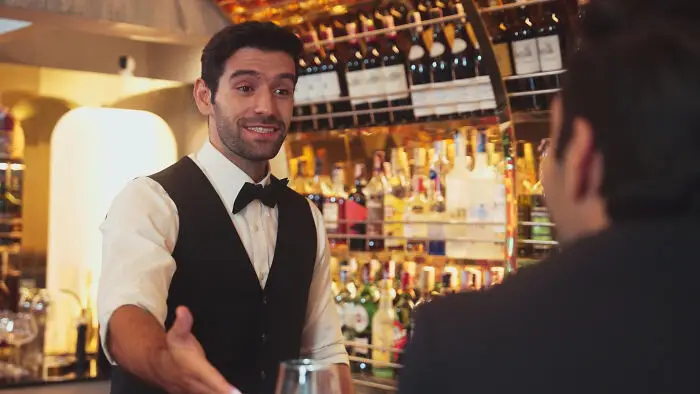
Huge tell for a superiority complex… anyone who opens a complaint or protest with:
“Don’t worry, I get it. I used to do what you do. “ or “ I know you’re just trying to do your job”Brad, if you DID INDEED ‘GET IT’ you wouldn’t be using your former experience as a credential to sidestep the very rule/role/boundary you’re being asked to respect or follow.
“I used to do what you do” isn’t a hall pass to be annoying.
Sometimes, intelligence has less to do with how much someone knows and more to do with what they do with the information they have. Someone might know an impressive number of facts but still jump to conclusions, while another person might not have an immediate answer but knows how to ask the right questions, consider different possibilities, and recognize when they could be wrong. In other words, the way we think can be just as interesting as what we know.
And this is where things get especially interesting, because our brains don't always make decisions in the careful, logical way we'd like to imagine. We rely on instincts, shortcuts, assumptions, and past experiences all the time—and most of the time, we don't even notice we're doing it. Nobel Prize-winning psychologist Daniel Kahneman spent much of his career exploring exactly this question: how does the human mind actually make decisions, and why does it sometimes get things so wrong?
In his bestselling book Thinking, Fast and Slow, Kahneman explains that our minds essentially operate through two different modes of thinking. One is quick, automatic, and intuitive, while the other is slower, more deliberate, and analytical. Understanding the difference between the two can tell us quite a bit about why we react the way we do and why knowing when to slow down and question our first instinct can itself be a valuable form of intelligent thinking.
#7

A couple years ago I met this woman that was a CEO at one of the most exciting tech startups in the world with millions in backings hedge fund investors. for her privacy I’ll call her Eliza
When I first sat down to talk with Eliza, the most important thing is to establish some trust with her. One of the first thing she says to me is that she is “engaging with me as a human” which made me question if she was engaging with me as a human. When I pressed a little more she insisted “I am being real with you” which again raised some concerns if she was being real with me.
Eliza is in jail for fraud now. I should have trusted my first instincts.
#8
#9
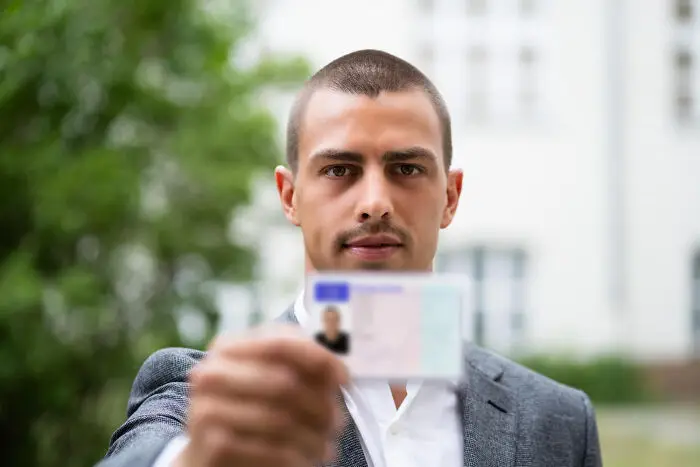
Liquor liability insurance, state liquor board stings, company policy, state policy, vibe check. That’s why.
Kahneman famously described two broad modes of thinking. System 1 is fast, automatic, and intuitive. It helps you recognize an angry expression almost instantly, finish a familiar sentence, or drive along a familiar road without consciously thinking about every movement. Most of the time, this automatic system is incredibly useful because it allows us to get through everyday life without having to carefully analyze every tiny decision.
System 2, on the other hand, is slower and more deliberate. It's the part of your thinking you rely on when you need to solve a difficult calculation, compare several possibilities, or concentrate on a complicated problem. If someone asked you to multiply 17 by 24 in your head, for example, you'd probably have to stop and consciously work through it rather than simply knowing the answer immediately.
#10
#11
#12

It's absolutely priceless when an oncology patient jumps up when some average joe is screaming in my face about wait times and informs them I'm doing my best and they come every week because they have cancer. The worst off people in the room are always the kindest.
The interesting part is that our brains naturally like to save effort. Kahneman discussed the idea of “cognitive miserliness,” referring to our tendency to rely on mental shortcuts whenever we can. The problem is that those shortcuts aren't always appropriate. We can make snap judgments about people, situations, or decisions without realizing that we're filling in missing information or relying on assumptions. In that sense, thoughtful intelligence isn't necessarily about always having the fastest answer. Sometimes, it's about recognizing when your first answer deserves a second look.
That connects to another quality Kahneman explored: overconfidence. Our minds are remarkably good at taking a handful of facts and turning them into a neat, convincing story. Once we've created that story, we can feel as though we understand exactly what happened—even when we're missing important information. Someone who is willing to pause and say, “I'm not sure,” or “There could be another explanation,” may actually be demonstrating a valuable kind of intellectual humility.
After all, admitting that you don't know everything requires a certain amount of self-awareness. We all have gaps in our knowledge, and we all make mistakes. Being willing to recognize those limits can help us avoid becoming overly confident in conclusions that aren't necessarily supported by the evidence. Sometimes, the smartest person in the room isn't the one talking the most. It could be the person who is listening carefully and reconsidering their assumptions.
#13

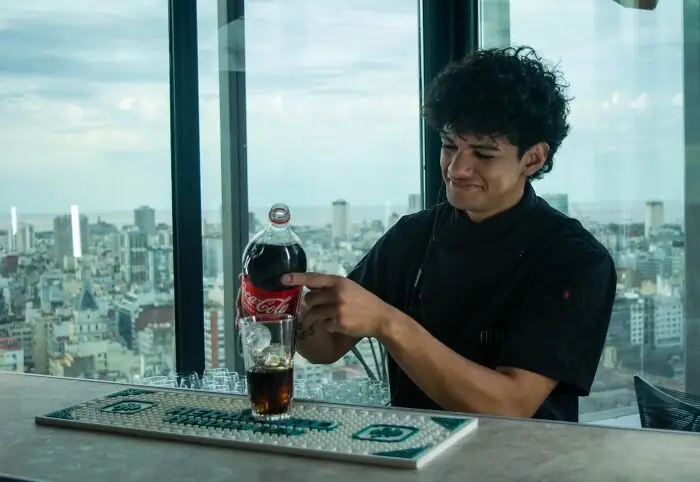
Regular people just exist in the space - they look at their phone, scan the taps, or zone out. But someone who is already too drunk, using a fake ID, or looking for trouble is actively putting on a show of what they think a casual customer looks like.
They make aggressive, deliberate eye contact to prove they are sober, nod along to background music too hard, or laugh a second too late at things nobody said. Normal people don't try to look normal. The sheer effort gives them away every single time.
#14

There's been several times that, even before fully interacting with a customer, I'm nearly positive it's going to be a bit of a trial on my end. There are some occasions that I've (happily) been proven wrong but at this point, I usually recognize the signs.
#15

And intelligence isn't only about logic and problem-solving, either. Emotional intelligence is another important part of how people understand themselves and navigate their relationships with others. Healthline describes emotional intelligence as the ability to understand emotions and express them in healthy and productive ways. Being aware of your own emotions is an important first step, but emotional intelligence also involves recognizing what other people might be feeling.
Think about someone who can tell that a friend is uncomfortable without needing them to say it directly, or someone who knows when a conversation is becoming tense and adjusts their approach instead of making things worse. These behaviors don't prove that someone has a high IQ, but they can reflect emotional awareness, empathy, and social understanding. And considering that today's post is all about people who make a living observing strangers, those subtle interpersonal skills are particularly interesting.
#16
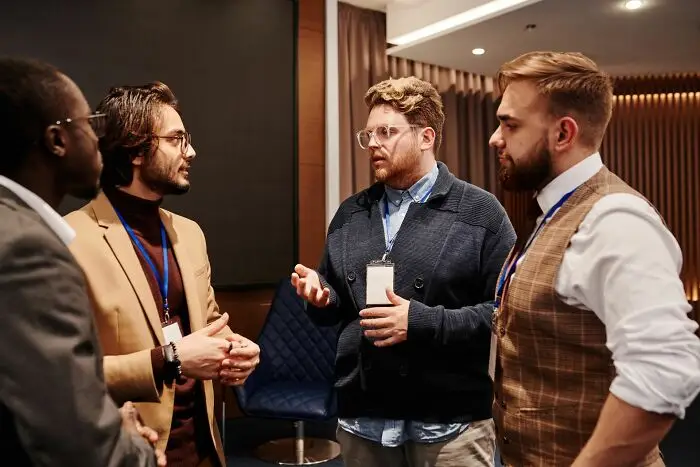
Downside: also applies to lonely old people who cannot shut up and people with anxiety.
#17

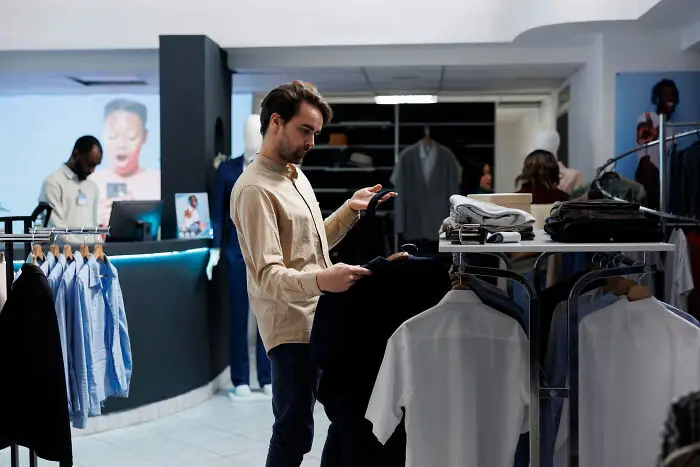
Loss Prevention: Body language.
Green Flags:
* Looking strictly at products, instead of if they are being watched.
* Any indicator that the price of the item matters to them.
* Greetings or responds to it
Red Flags:
* Trying hard to remain unseen
* Look at the ceiling for cameras, especially if caught making direct awkward eye contact with them.
* Doesn't look at or care about pricing
* Glances too much at the exit/door guard, especially with merchandise in hand.
* Passes perpendicular to and near the exit multiple times
Edit: Red Flag that we just had today: Comes in with a clown car family, a baby stroller with no baby in it, No baby at all, no control over the kids spreading out across the shop, who all appear too big to fit in the stroller, and a hollow looking container in the undercarriage, that suddenly looks to have a bulge after 10 mins in our shop. . . yep. She got caught lol. Jerk using her kids as cover. . . smh.
#18
"I'm an honest person, so..."
"I'm a very good person, so..."
"I'm the type of person who..."
Etc.
There may also be something to be said for enjoying your own company. If you need plenty of time to relax and recharge on your own, you might already recognize yourself as introverted. But one 2016 study looking at the relationship between friendship, population density, intelligence, and happiness found that more intelligent participants reported lower life satisfaction when they spent more time socializing with friends. That doesn't mean intelligent people dislike having friends or want to avoid social interaction altogether. Rather, the findings suggest that some people may be less dependent on frequent socializing to feel satisfied with their lives.
#19

That being said, I have played my fair share of poker which I think you can get a decent read on many new or even somewhat more experienced players. Something I’ve noticed is some people tend to “clench” their jaw a bit when bluffing. New players often straight up have shaky hands.
For newer players, I’ve noticed they’ll bet using smaller chip denominations (regardless of $$$ size of bet) because they want to keep their fancy bigger value chips if someone calls their bluff. I find this so common that I tend to call if in any position to do so. So common that I almost regret sharing this out loud.
#20