

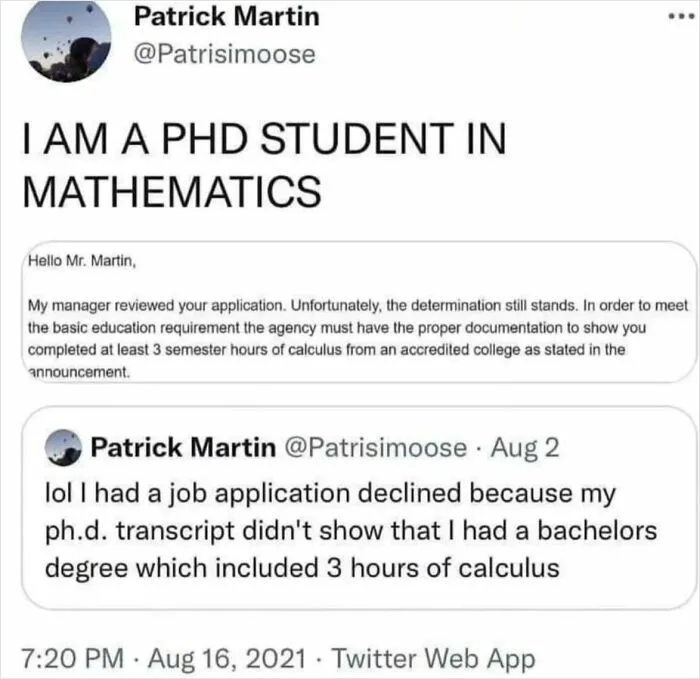
Searching for a new job is no joke, and according to research by HR Dive, most candidates spend about 6.5 hours a week looking for work, with 38% dedicating nearly 10 hours each week. That might seem like a lot of time to spend looking for work, but people apply for an average of 16 jobs each week.
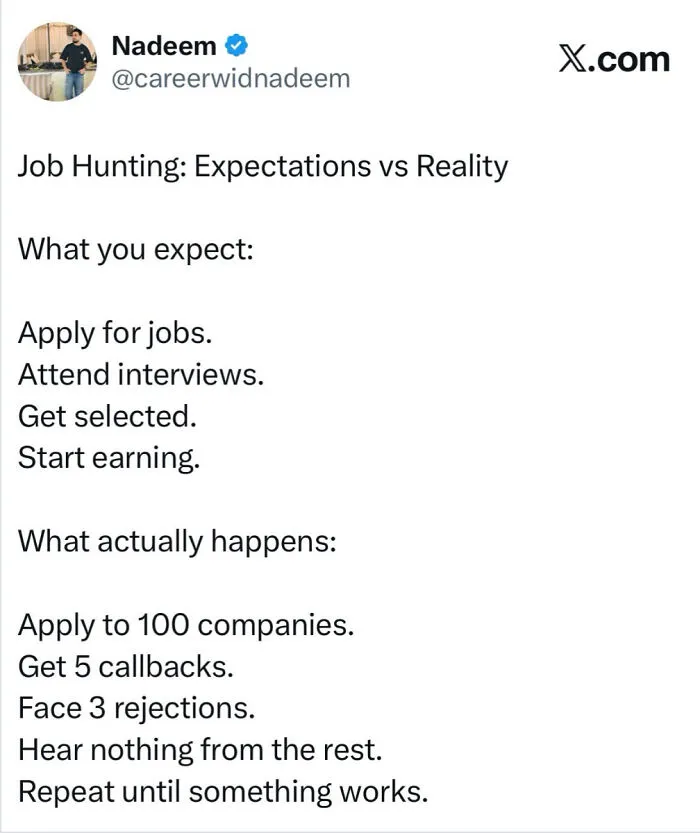
Unfortunately, to secure just one interview, job hunters must submit applications to 27 companies, which is why nearly 56% of folks feel the process is very stressful. Even though folks put in so much time and effort, 43% feel that they might not get a response from the interviewer or recruiter.
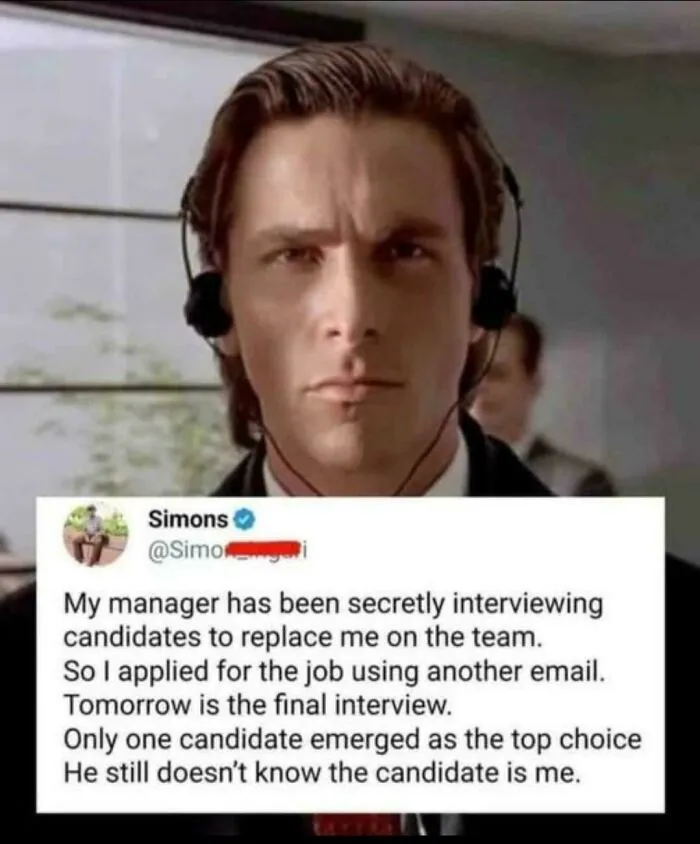
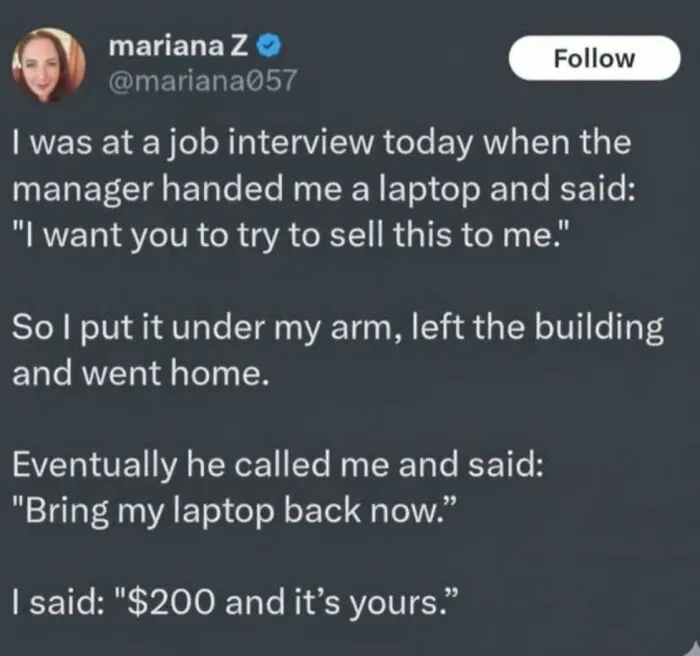
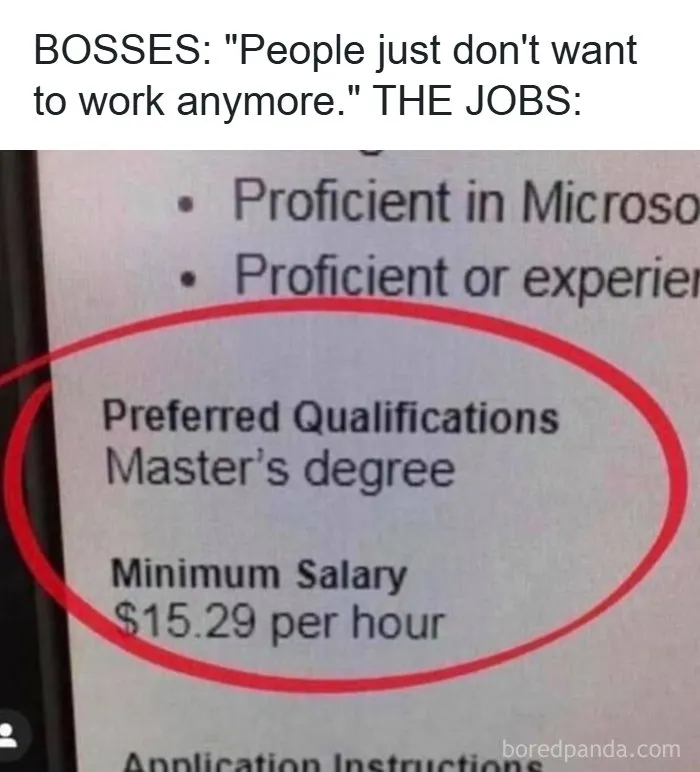
Recruiting has become a complicated process with several steps, and employers don’t care much about candidates' well-being. According to Forbes, these expensive, time-consuming interviews slow the recruitment pipeline and discourage candidates from following through, or make them apply to competing companies.
The problem is that the recruitment process hasn’t been updated in a long time, and it makes employers feel safe in their choices after multiple rounds of back-and-forth. Although Artificial Intelligence has been incorporated for resume screening and keyword search, it still isn’t very candidate-friendly.
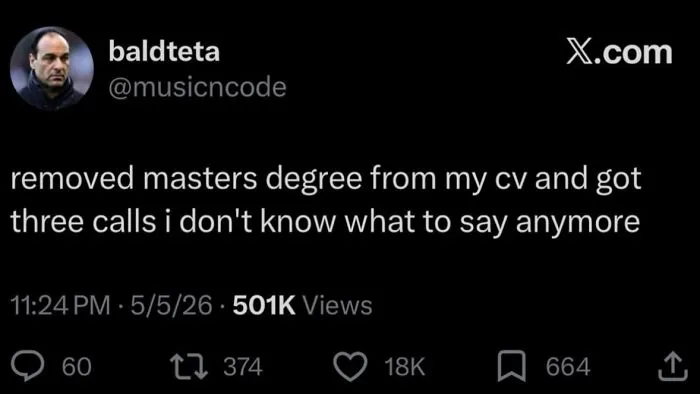
#8 Exactly It’s Illegal To Ask. I Would Ask The Employer How Much Do You Make
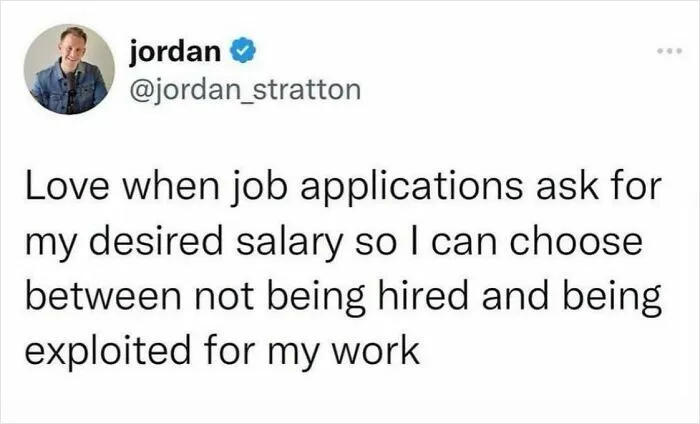
#9 As A Recruiter Myself, I Feel For Candidates That Have To Do This All The Time!!
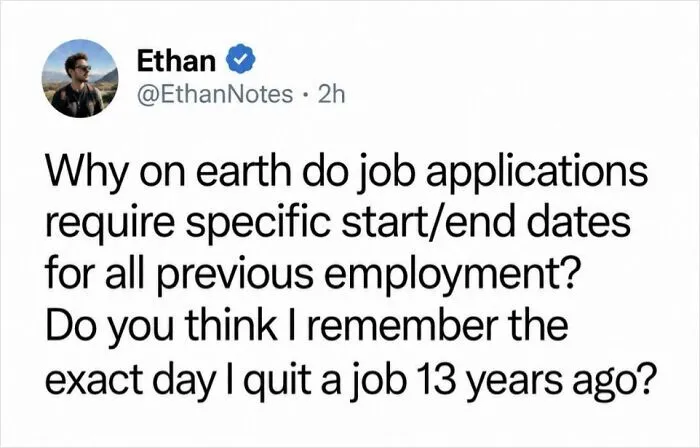
When it comes to interviews, 76% of candidates feel they have enough information about the company to prepare. Unfortunately, more than half also need to take leave from their current job to attend the recruitment process, and even once there, they’re made to wait 14 minutes on average for it to start.
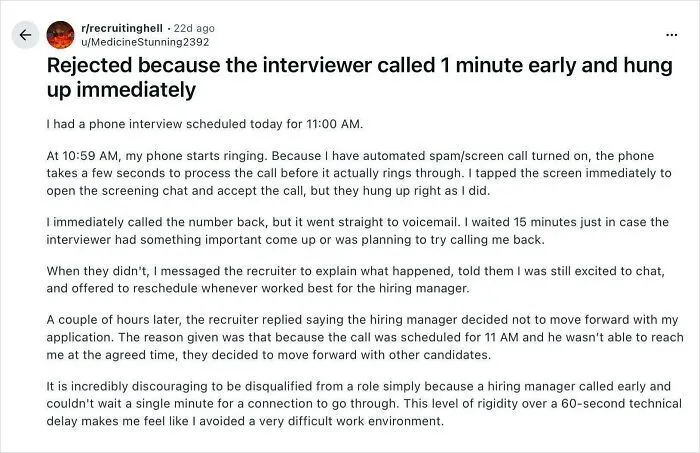
Despite all this effort, only half of applicants are told whether they got the job in the following week. The rest have to make peace with being ghosted, which can be overwhelming and taxing.
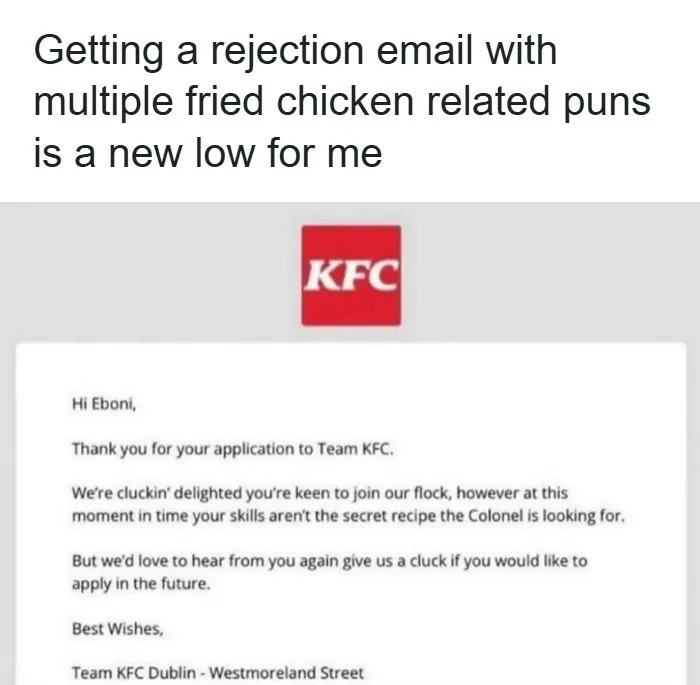
When it comes to the recruitment process, it’s important to focus on what is actually causing delays in the company. According to Robert Half, a lack of internal alignment can happen, meaning key decision-makers may not be on the same page about the role's responsibilities, salary, etc.
They might not even have a specific person in charge of the screening process, which can mean several stakeholders need to step in and help with hiring. This can create confusion and waste valuable time that could have been spent on important projects and clients.
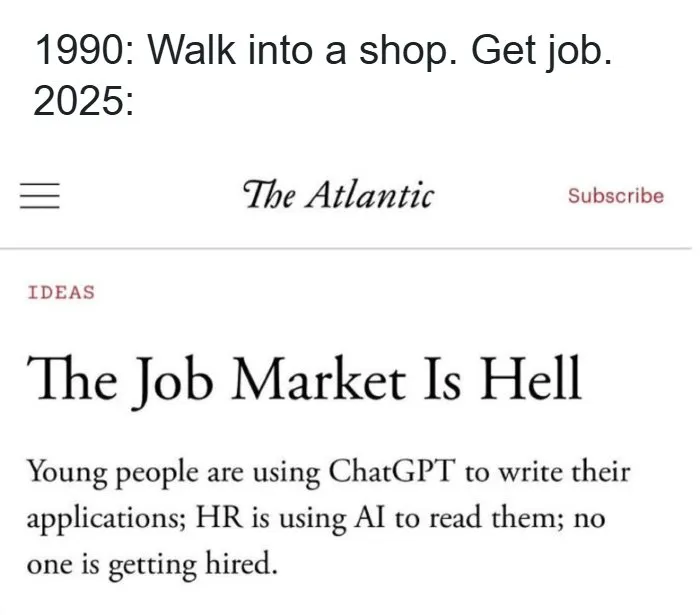
#13 The Fact That This Headline Has Been Spreading Like Absolute Wildfire Says A Lot
With so many candidates losing hope while applying for jobs and waiting for something to click, frustration can build up. That’s why, to better understand the recruitment process, Bored Panda reached out to Peter Duris, CEO and co-founder of Kickresume.
He mentioned that “The route from the first interview to the first day can be long and frustrating, with multiple rounds. Hiring managers and HR teams are swamped with applications, and each round has to fit around several busy calendars. The final decision often needs sign-off from people who have never met you. None of this is a verdict on you, but from the outside it all looks the same: silence.”
He explained that sometimes there was never a real job behind it all. In Kickresume’s recent analysis of nearly 97,000 job ads on Indeed, over a third had been online for more than 30 days. Some of those roles are simply hard to fill. Others may be ghost jobs or roles a company never filled, and possibly never meant to. “Before you apply to an older ad, check the company’s careers page. If the role isn’t listed there, don’t pin your hopes on it,” Peter advised.
For any person applying for multiple jobs in a day, every rejection letter and obscure listing can feel heartbreaking. That’s why Peter Duris advised: “Don’t put all your eggs in one basket. It’s easier said than done, especially if there’s one job you really want, but keep looking out for other opportunities and sending off applications. Even a great first interview doesn’t guarantee you’ll get through to the final round.”
He explained that in their recent experiment, they found that in the earliest stages of the hiring process, the best results came from applying for well-matched jobs and using a resume the applicant wrote themselves.
“However, AI-generated resumes can still perform well, as long as you tailor them yourself to add extra detail, real examples of your achievements, and a human touch. We also found that when companies did reply, they replied fast: most responses arrived within three days of applying,” he mentioned.