




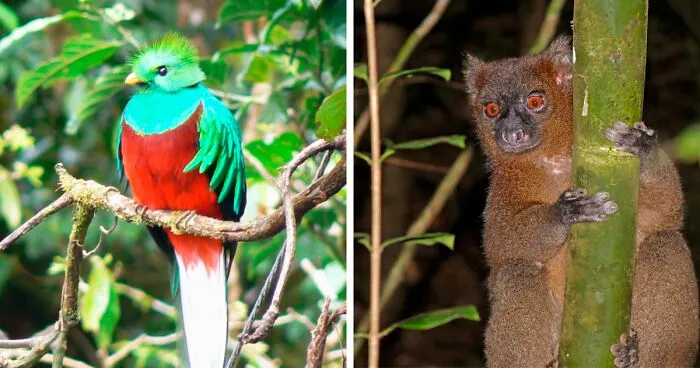


The word 'rare' is often associated with something limited, unique, and distinctive, such as rare gems, jewels, antique items, and various collectibles. However, being rare also means that once something is gone, it's gone forever. In the animal world, rare also stands for endangered, which is exactly what the rarest animals in the world are.
According to WWF's recent report, since 1970, wildlife populations worldwide have decreased by an average of 69%. Pollution, global warming, deforestation, and other outcomes of globalization, as well as poaching, are some of the leading causes putting rare species of animals on the verge of extinction. And unfortunately, destruction is often easier than recovery. Thus, the list of the most rare animals in the world is unlikely to decrease any time soon.
According to the IUCN Red List, more than 42,100 species are threatened with extinction and thus can be labeled as rare. Most of those threatened belong to the animal kingdom, making them some of the rarest animals in the world. And while extinction has been a natural part of the planet's evolutionary history, human activity significantly increased its rate. In fact, according to a study published in Science Advances, humans are responsible for 96% of all mammal species extinctions of the last hundred thousand years.
Below, we've compiled a list of some of the most rare animals in the world that are on the brink of extinction. And while some of the rare species of animals are in active conservation, the prospects of others remain dim. Do you know any more rare animals that are missing from this list? Have you ever had a chance to see rare wild animals in real life? Let us know!
#41 Angel Shark (Squatina Squatina)
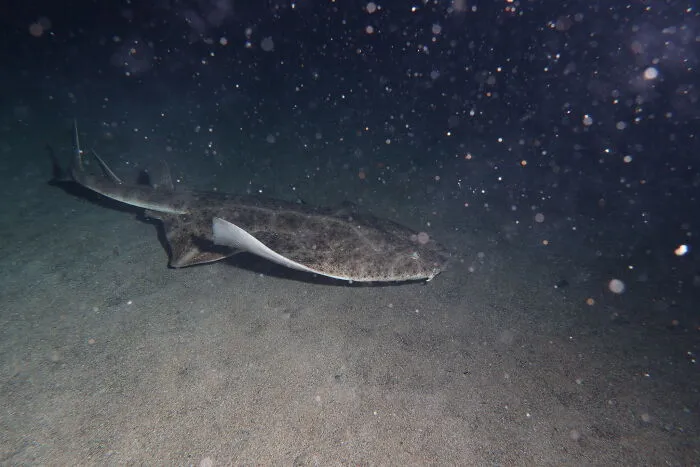
Angel sharks are flat-bodied sharks that can reach lengths of 2.4 meters. The Eastern Atlantic and Mediterranean Seas are their home. They are typically found in coastal waters submerged in sandy areas. The world's second most endangered family of elasmobranchs (sharks, skates, and rays) is the Squatinidae, which includes angel sharks. On the IUCN Red List of Threatened Species, this species is classified as “Critically Endangered.”
Report
28points
#42 Dama Gazelle (Nanger Dama)
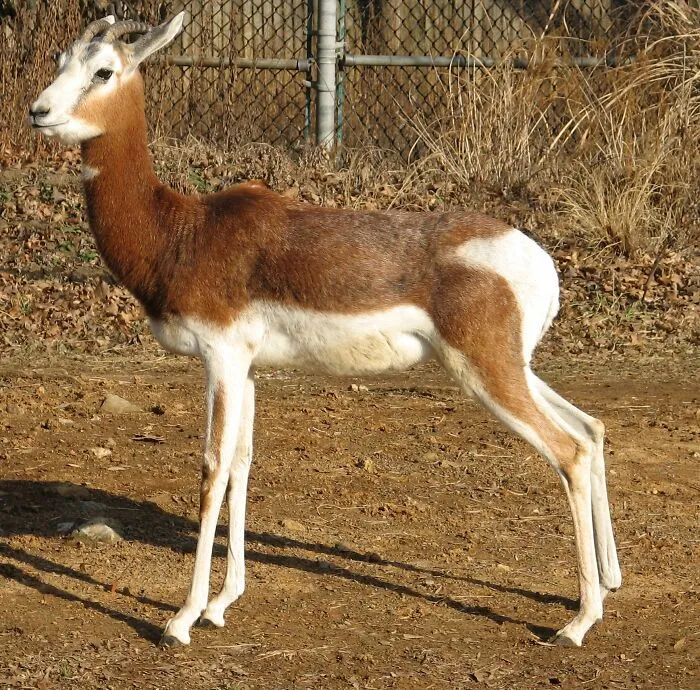
The unusual fur coloration of the dama gazelle makes them easy to identify. Most of their body is reddish brown, while the head, rump, and underbelly are white, and both genders possess horns. The “Critically Endangered” (IUCN) dama gazelle, the largest gazelle species, is also one of the rarest. There are about only 400 of them left in the wild, mainly in Sudan and Chad.
Report
28points
#43 Gharial (Gavialis Gangeticus)
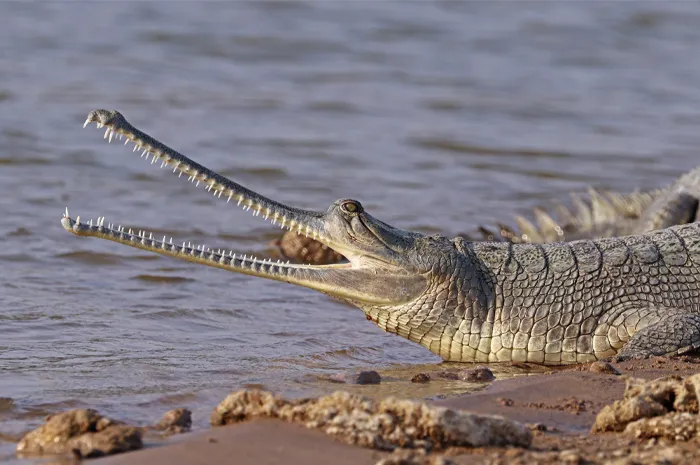
Asian crocodilians called gharials, also known as gavials, are recognized by their long, thin snouts. The highly endangered gharial's habitat was once located in freshwater river systems from Pakistan to Myanmar, but it is currently only found in India and Nepal. Gharials are also classified as “Critically Endangered” (IUCN).
Report
28points
#44 Purple Frog (Nasikabatrachus Sahyadrensis)
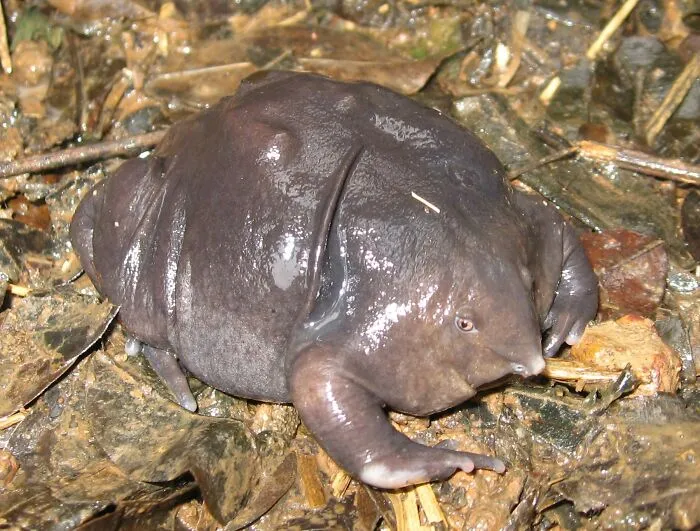
The Nasikabatrachidae family of frogs includes the species known as the purple frog. It can be found in the Western Ghats in India. The loose, moist, well-aerated soil around ponds, ditches, and streams is preferred by this burrow-dwelling frog. Indian purple frog and pignose frog are some English names also used for this species. The purple frog is currently listed as an "Endangered" species by the IUCN.
Report
28points
#45 Hirola (Beatragus Hunteri)
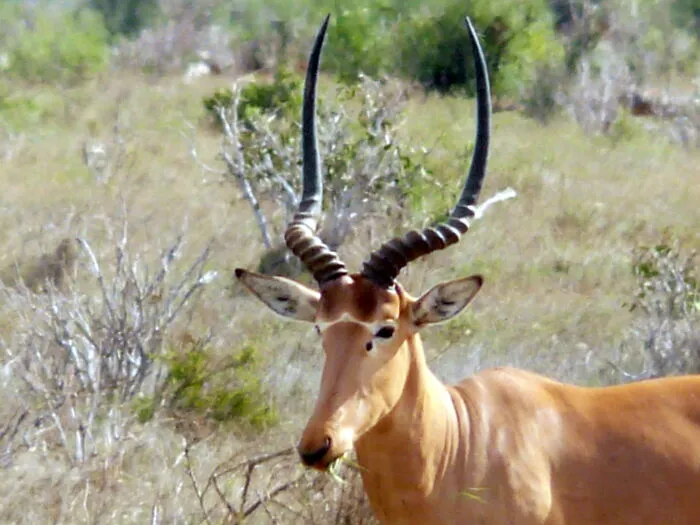
Eastern Africa, particularly the southern part of the Kenya-Somali border, is home to the severely endangered antelope known as the hirola. These antelopes have horns that are ridged along three-quarters of their length and are very pointy. As hirola get older, their coat darkens to a slate gray color, and their horns develop more ridges. Yet, hirola are best known as "four-eyed antelopes" due to their prominent, dark sub-orbital glands utilized for territorial marking. Since the 1970s, this antelope species has been declining quickly, making it the smallest known population with less than 500 individuals remaining. The IUCN has hirola listed as “Critically Endangered.”
Report
28points
#46 Cuban Rock Iguana (Cyclura Nubila)
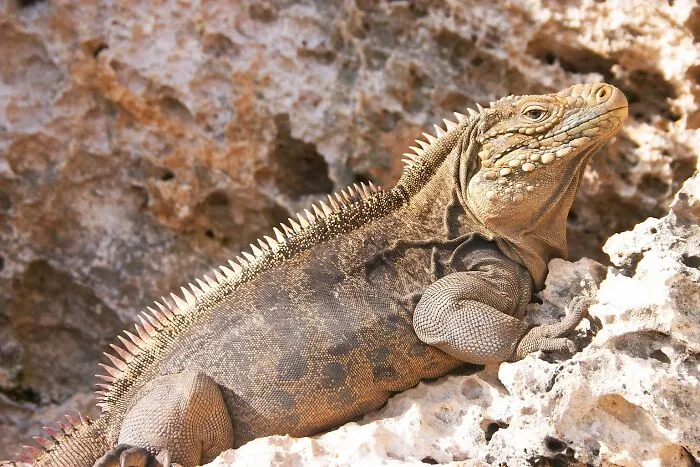
The largest of the West Indian iguanas, which are among the most threatened lizard species in the world, is the Cuban rock iguana. The Cuban rock iguana is found in the rocky southern coastal regions of Cuba's mainland and the nearby islands, with a feral population living on Puerto Rico's Isla Magueyes. Cuban rock iguanas have crimson eyes with gold irises, a thick tail, and spikes on their jowls. The IUCN listed them as “Vulnerable.”
Report
27points
#47 Cuban Greater Funnel-Eared Bat (Natalus Primus)
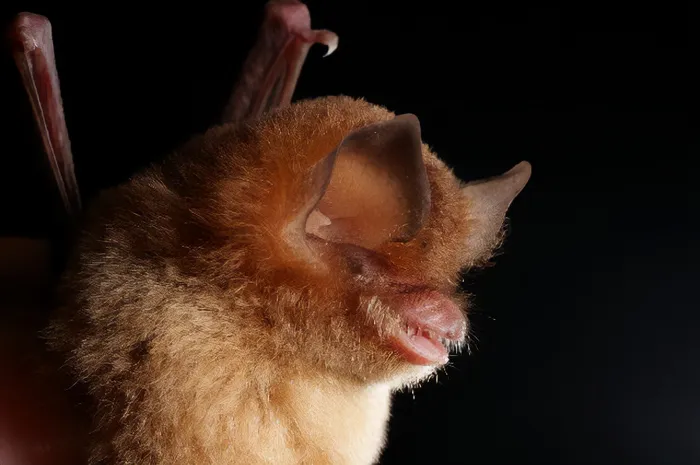
A species of bat belonging to the Natalidae family is the Cuban funnel-eared bat. It can be found in the Caribbean islands of Hispaniola, Jamaica, the San Andrés Archipelago of Colombia, and Providencia and Santa Catalina. Although some accounts claim that only a few hundred of the species' original population are still alive, the global number remains unknown. They are listed as “Vulnerable” by the IUCN.
Report
27points
#48 Spoon-Billed Sandpiper (Calidris Pygmaea)
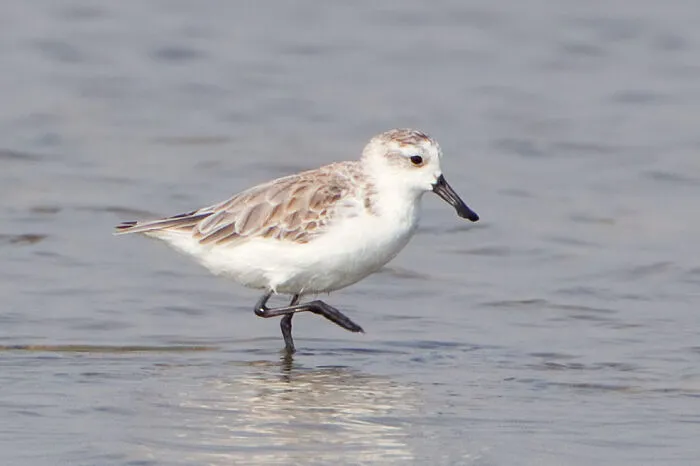
Birds with spoon-shaped beaks, or spoon-billed sandpipers, are unusual species. Rarely is a name so fitting, as spoon-billed sandpipers' bills do resemble tiny spoons! These unique little birds, often known as "spoonies," comb the sand, mudflats, and other shallow wetland areas with their utensil-like appendages in search of small crustaceans to eat. They may be observed wading through the shallows while swaying their bills. Sadly, there are presently not many to be seen. With less than 200 pairs left in the entire world, they are very close to extinction and are currently listed as “Critically Endangered” (IUCN).
Report
27points
#49 Colombian Dwarf Gecko (Lepidoblepharis)
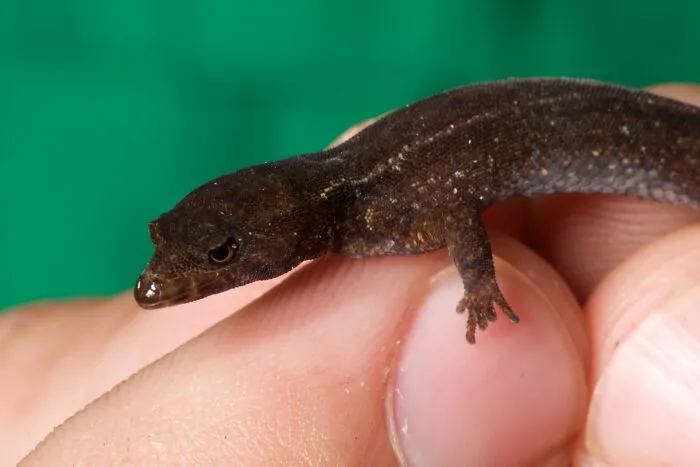
This tiny gecko, a member of the Lepidoblepharis genus of lizards, also known as the scaly-eyed geckos, measures just over 2 cm in length (excluding its tail). Dwarf gecko species belonging to this genus are found in Central and South America and separated from all other lizards more than 70 million years ago. That was before the demise of the dinosaurs and coincided with the last time humans and lemurs had a common ancestor. Increasing rates of wildfire, livestock grazing, and deforestation threaten both areas where the gecko is found. The IUCN has classified the Colombian dwarf gecko as "Critically Endangered."
Report
27points
#50 Banded Ground-Cuckoo (Neomorphus Radiolosus)
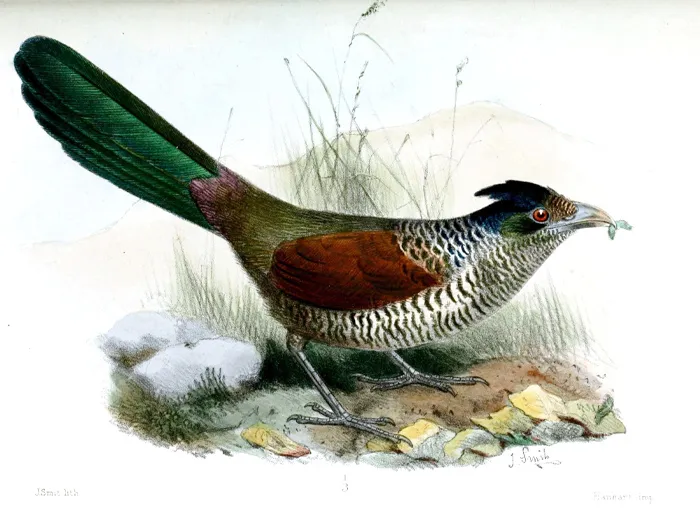
The large bird of the moist foothill rainforest is one of the most uncommon and sought-after birds in western Colombia and northwest Ecuador. The adult banded ground-cuckoo has dark, primarily black, feathers with buffy edges that give it a scaly appearance. The rump is blackish-brown, whereas the lower back is brown with fine black bars. The long, black tail has a greenish and purplish sheen. This species has a very tiny and fragmented population, with most of its range experiencing rapid habitat loss and degradation. The IUCN initially listed the banded ground-cuckoo as "Threatened," then as "Endangered" in 1994, "Vulnerable" in 2000, and again as "Endangered" as of 2009.
Report
26points
#51 Cuban Snail (Polymita Picta)
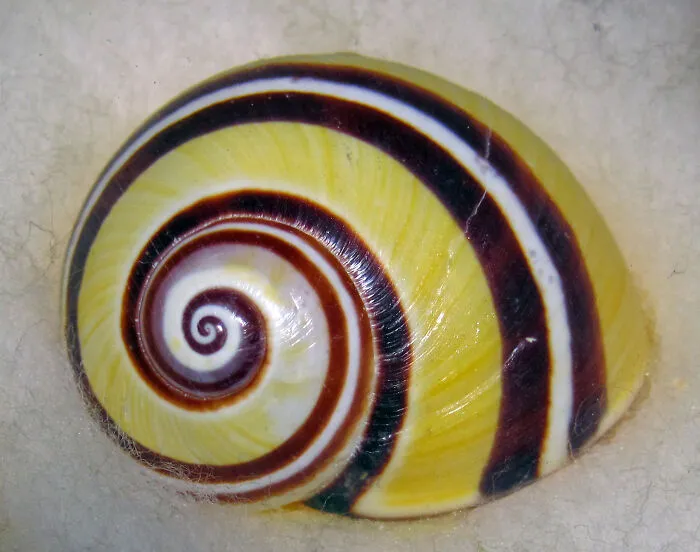
Arguably, the world's greatest variety of snails can be found in Cuba. Yet, none have shells with such a wide variety of hues and intricate patterns as Polymita Picta does. These painted snails have long been sought after by collectors, who either trade them to countries like the United States and Europe or sell the shells to tourists. This is one of the reasons Cuba labels all six Polymita genus species as highly endangered and why it has been forbidden to take these snails from the wild. Along Cuba's eastern coastline, there is a sparse band of vegetation where painted snails can be found.
Report
25points
#52 Seychelles Sheath-Tailed Bat (Coleura Seychellensis)
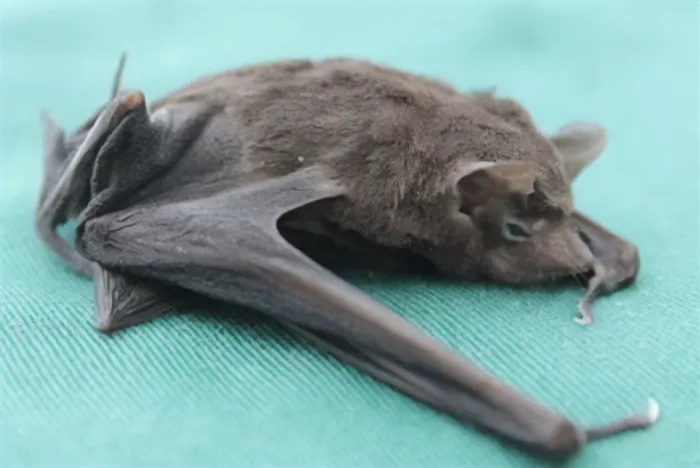
The central granitic islands of Seychelles are home to the sac-winged bat known as the Seychelles sheath-tailed bat. It is an insectivorous bat that spends the daytime in group roosts and feeds mainly at night in forest clearings. Although it was once widespread throughout the island group, it only exists on three islands today. The IUCN has classified it as "Critically Endangered" due to the drastic decline in its population.
Report
25points
#53 White-Winged Flufftail (Sarothrura Ayresi)
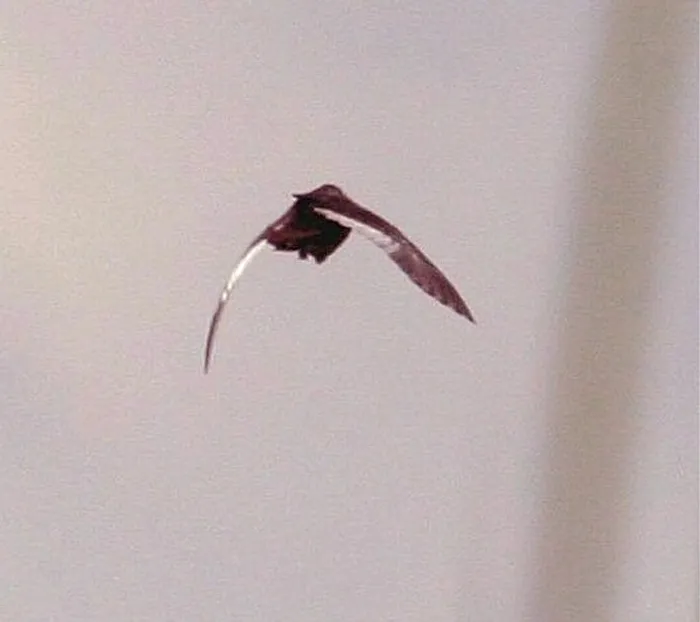
One of nine flufftail species found in Africa is the white-winged flufftail, a small, elusive bird. Only the high-altitude marshes of Ethiopia and South Africa are known to host them continuously. Currently, the white-winged flufftail is categorized by the IUCN as "Critically Endangered" and is thought to be close to going extinct. With about 50 mature birds left in the entire country, it is one of the rarest bird species in South Africa.
Report
25points
#54 Cebu Flowerpecker (Dicaeum Quadricolor)
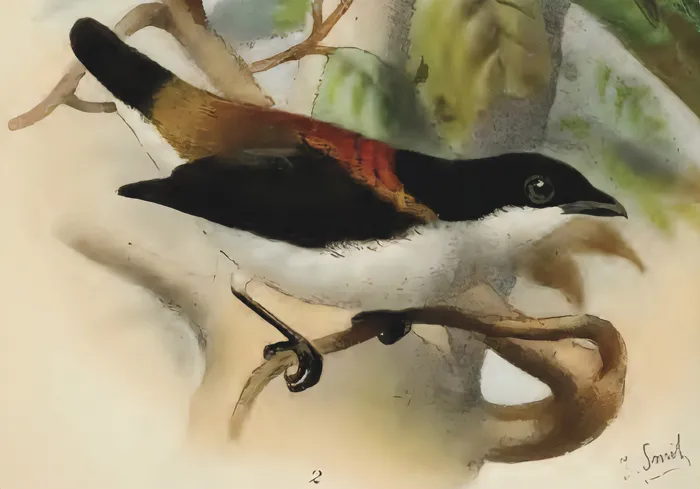
A small bird unique to the Philippines is the Cebu flowerpecker. It was rediscovered in 1992 in a small area of limestone woodland in the Central Cebu Protected Landscape after it was feared to have gone extinct in the early 20th century. Since then, it has been located at three more locations. The Cebu flowerpecker is typically active in the mornings to avoid competing with more aggressive birds. It feeds on small fruits and mistletoe plants. Despite efforts to safeguard its habitat, the species is still “Critically Endangered” (IUCN) because of illicit logging.
Report
25points
#55 Chacoan Peccary (Catagonus Wagneri)
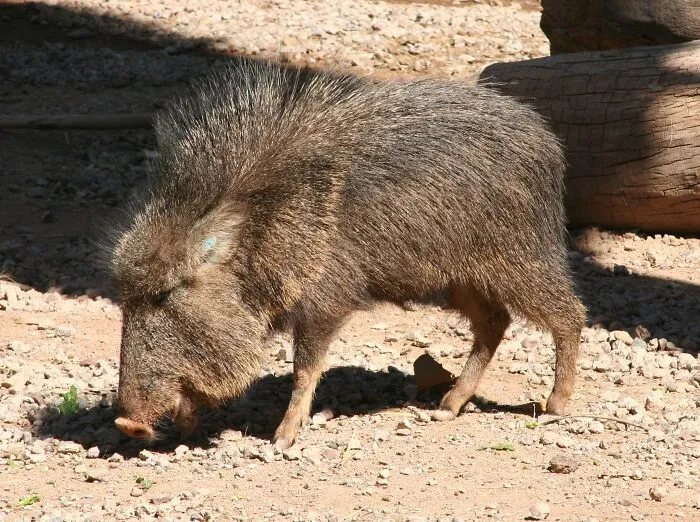
The Chacoan peccaries are sizable mammals that resemble pigs. Due to their untamed, impenetrable environments, Chacoan peccaries have also earned the moniker "pigs from green hell." In the arid Gran Chaco of western Paraguay, northern Argentina, and southeast Bolivia, where temperatures are high and rainfall is scarce, Chacoan peccaries can be found. This unusual creature is the largest member of the peccary family and differs from them in several ways. The Chacoan peccaries are larger and darker, have longer ears and tails, and, unlike other peccaries, have three hind toes. They also have bristle-like fur that is white on their shoulders and have a dark stripe going down their backs. The IUCN has classified the Chacoan peccary as "Endangered."
Report
25points
#56 Bluefin Tuna (Thunnus Thynnus)
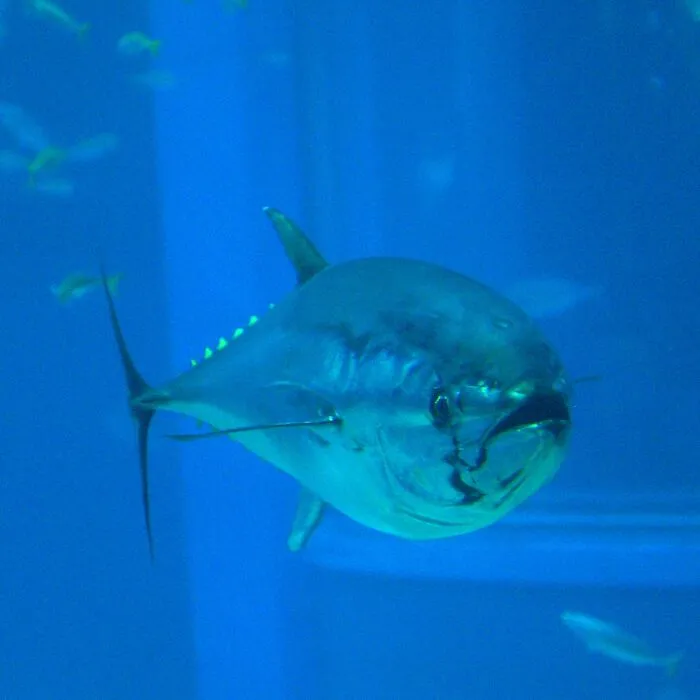
The bluefin tuna are nomadic and have a lifespan of up to 40 years. They are also shaped for speed; they have a torpedo-like build, retractable fins, and eyes flush with the body. As soon as they hatch, they begin to hunt for schools of fish like herring, mackerel, and even eels. Apparently, they have the best vision of any bony fish and hunt exclusively by sight. The Atlantic species is the largest and most endangered bluefin, followed by the Pacific and Southern varieties. The Mediterranean Sea, which hosts the world's most significant bluefin tuna fishery, provides the majority of the captures of Atlantic bluefin tuna. In the 2021 Red List update, the IUCN moved it from “Endangered” to “Least Concern.”
Report
24points
#57 Hine’s Emerald Dragonfly (Somatochlora Hineana)
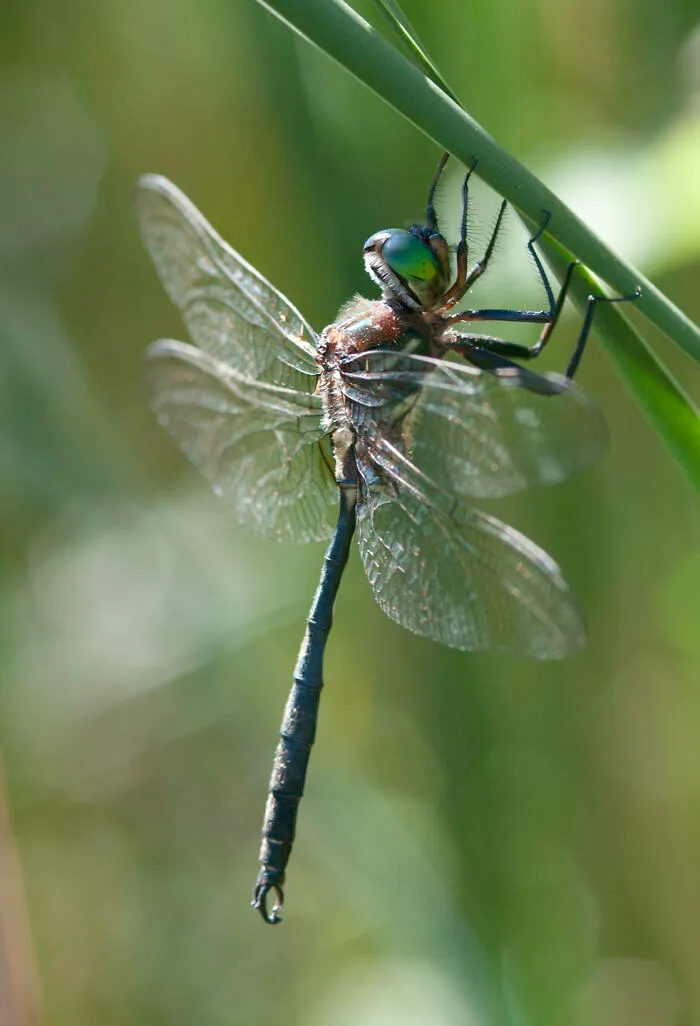
One of the most endangered dragonflies in North America is the Hine's emerald dragonfly, also known as the Ohio emerald, Hine's bog skimmer, and hook-tipped emerald. The Hine's emerald dragonfly has a wingspan of around three and one-third inches and measures about two and a half inches long. Its body is metallic green, and its eyes are bright green. The sides of the body are striped in yellow. Habitat loss, urban sprawl, off-road vehicles, agricultural development, road and pipeline building, logging, and groundwater contamination from pesticides and other toxins are the biggest threats to the Hine's emerald dragonfly. The IUCN listed them as “Near Threatened.”
Report
24points
#58 Elkhorn Coral (Acropora Palmata)
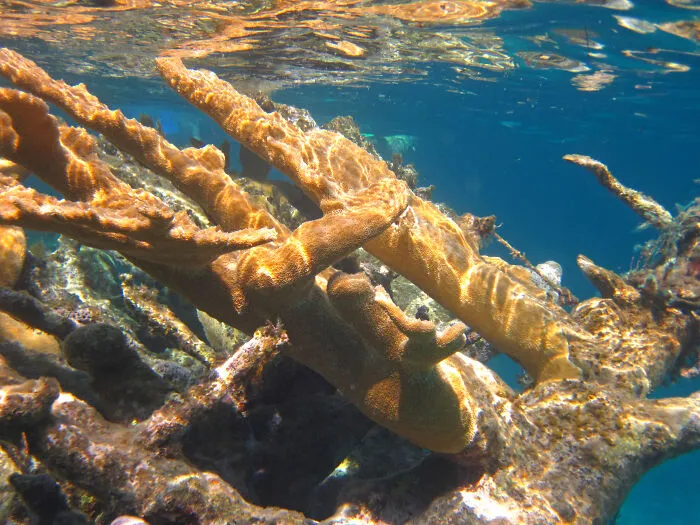
One of the most significant corals in the Caribbean is the elkhorn coral. Over the past 5,000 years, elkhorn coral, together with staghorn coral and star coral, helped form Caribbean coral reefs. The population of this species is currently less than 3% of what it was in the early 1980s due to a severe disease episode that resulted in significant mortality across its range. Nowadays, ocean warming poses the biggest threat to elkhorn coral because it causes the corals to release the algae that are a source of food and live in their tissue, usually leading to their demise. The IUCN listed them as “Critically Endangered.”
Report
23points
#59 Hooded Grebe (Podiceps Gallardoi)
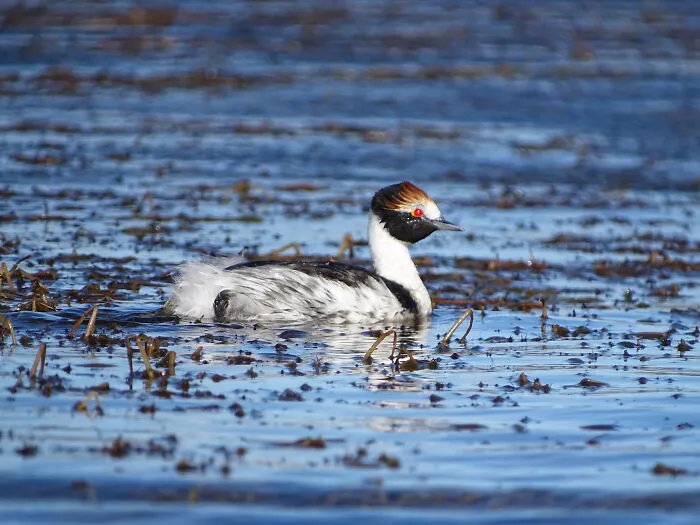
A medium-sized grebe, the hooded grebe, is located in southern Argentina. It reaches a length of around 32 cm and is black and white in color. It inhabits solitary lakes in Patagonia's most remote regions and can be seen there during the winter months. The species' Red List status was changed from "Endangered" to "Critically Endangered" in 2012.
Report
22points
#60 Northern Bald Ibis (Geronticus Eremita)
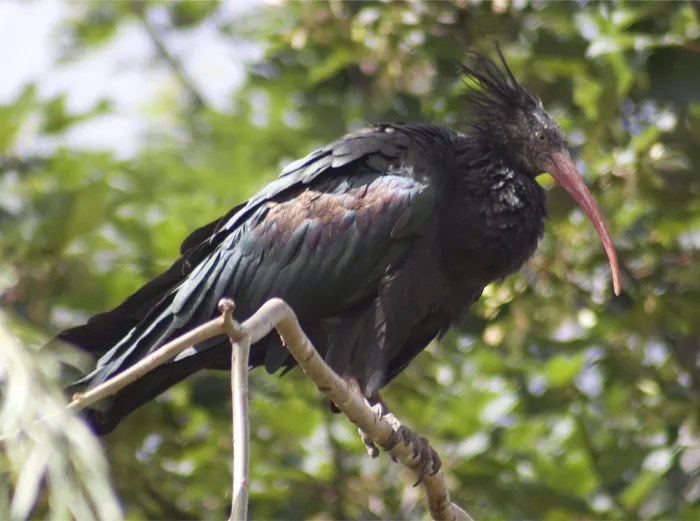
The bird flying in Austria's Salzach Valley on a mild summer day initially resembles a crow due to its black body and large wings. But it's evident right away that this is a vastly different bird when it lands in a nearby meadow. It is a critically endangered bird known as the northern bald ibis. Some time ago, the species was widely spread throughout northern and eastern Africa, Asia Minor, Arabia, and Europe. However, the northern bald ibis is now on the verge of extinction, with some tiny groups in Morocco, Turkey, and possibly a few birds in East Africa.
Report
21points