




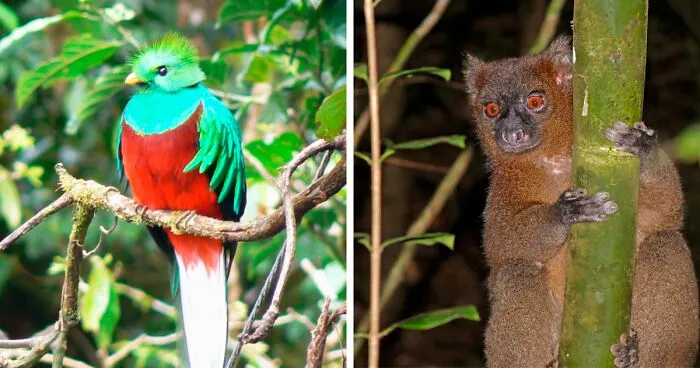


The word 'rare' is often associated with something limited, unique, and distinctive, such as rare gems, jewels, antique items, and various collectibles. However, being rare also means that once something is gone, it's gone forever. In the animal world, rare also stands for endangered, which is exactly what the rarest animals in the world are.
According to WWF's recent report, since 1970, wildlife populations worldwide have decreased by an average of 69%. Pollution, global warming, deforestation, and other outcomes of globalization, as well as poaching, are some of the leading causes putting rare species of animals on the verge of extinction. And unfortunately, destruction is often easier than recovery. Thus, the list of the most rare animals in the world is unlikely to decrease any time soon.
According to the IUCN Red List, more than 42,100 species are threatened with extinction and thus can be labeled as rare. Most of those threatened belong to the animal kingdom, making them some of the rarest animals in the world. And while extinction has been a natural part of the planet's evolutionary history, human activity significantly increased its rate. In fact, according to a study published in Science Advances, humans are responsible for 96% of all mammal species extinctions of the last hundred thousand years.
Below, we've compiled a list of some of the most rare animals in the world that are on the brink of extinction. And while some of the rare species of animals are in active conservation, the prospects of others remain dim. Do you know any more rare animals that are missing from this list? Have you ever had a chance to see rare wild animals in real life? Let us know!
#21 Mountain Gorilla (Gorilla Beringei Beringei)
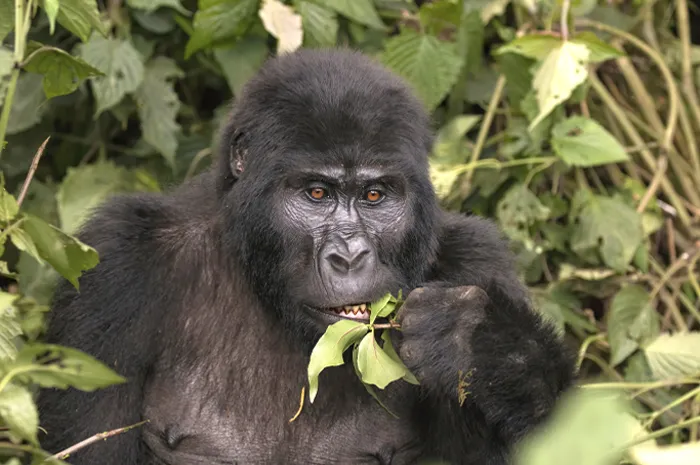
One of the two subspecies of the eastern gorilla, this great ape is one of the biggest surviving primates. These apes differ from their lowland cousins because they have longer hair, thanks to which they are more protected from the cold, shorter limbs, muscular arms, a large chest, and broad hands and feet. As their name suggests, they reside in the mountains between 8,000 to 13,000 feet. Only approximately a thousand mountain gorillas are left in the world, and half of them are found in the forests of central Africa's Virunga mountains. Increasing human populations and continued encroachment severely threaten this great ape's habitat. As people move closer to these endangered apes, they also bring the risk of human diseases such as the flu, pneumonia, and even Ebola. The IUCN listed them as “Endangered.”
Report
39points
#22 Hector's Dolphin (Cephalorhynchus Hectori)
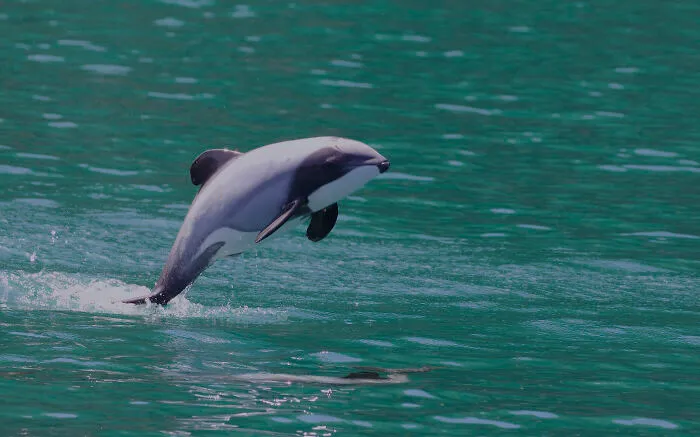
The smallest and rarest marine dolphins in the world are Hector's dolphins. They have short, stocky bodies, striking black face markings, and a dorsal fin that resembles Mickey Mouse's ear. The population of the highly endangered Maui dolphin subspecies is thought to be only 55. Their home is the shallow coastal waters along the western beaches of New Zealand's North Island. Hector's dolphin is currently listed as an "Endangered" species by the IUCN, with an estimated population of about 7000.
Report
39points
#23 Mediterranean Monk Seal (Monachus Monachus)
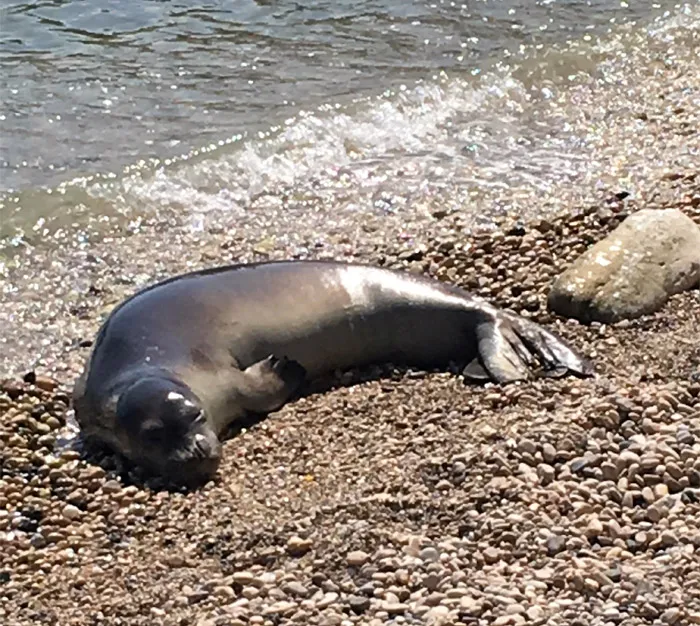
It is thought that the Mediterranean monk seal, the world's rarest species of pinniped, is an endangered species of earless seal. Its skin is coated in tiny hairs that are either black (males) or brown to dark grey (females) in color. Unlike their Hawaiian counterpart, which often has more forward nostrils, their snout is short, thick, and flat, with highly noticeable, long nostrils that face upward. There are now only 600 to 700 Mediterranean monk seals left. The main threats to the Mediterranean monk seal are the migration of populations and the degradation of habitat, intentional human slaughter, bycatch, and fishery entrapment. The IUCN has classified it as "Endangered."
Report
39points
#24 Vaquita (Phocoena Sinus)
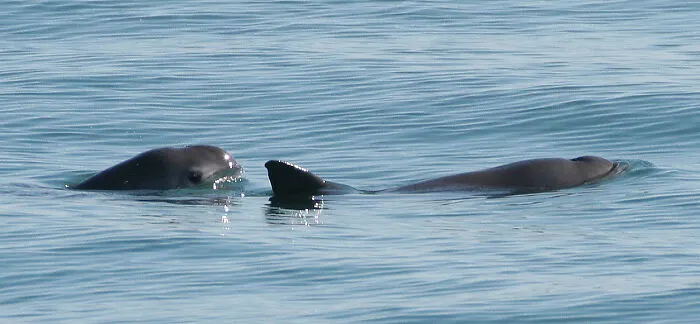
The vaquita, the rarest marine mammal in the world, is in danger of going extinct. The swift extinction of the vaquita in Mexico, where there are now just around ten individuals left, is a prime example of the situation of cetaceans — whales, dolphins, and porpoises — as a whole. It wasn't until 1958 that this tiny porpoise was found, and now, a little more than 50 years later, we are in danger of losing them forever. Gillnets are frequently employed by illicit fishing operations in Mexico's Gulf of California to catch and drown vaquita. In the most recent few years, the population has substantially decreased. The IUCN has vaquitas listed as “Critically Endangered.”
Report
38points
#25 Black Tiger
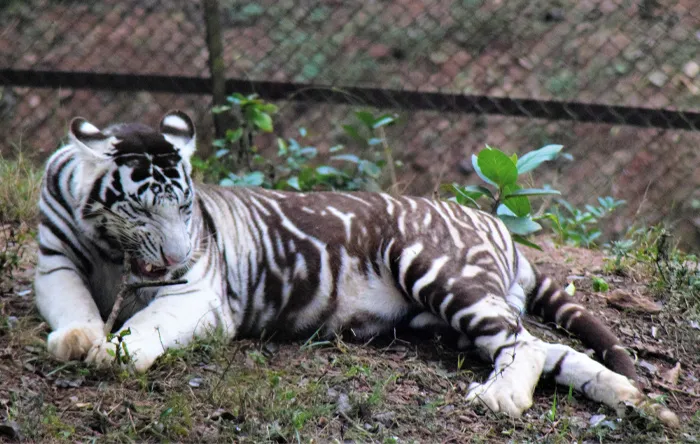
Although it is a rare color variation, the black tiger is neither a separate species nor a geographical subspecies of the tiger. Pseudomelanization is the cause of alleged black tigers. However, pseudo-melanistic tigers are real in the wild and in zoos, yet they are very rare. It is claimed that inbreeding is making these tigers more prevalent. They are also alleged to be smaller than typical black tigers, which may result from inbreeding or the mistaken identification of sizable black leopards as black tigers.
Report
37points
#26 Greater Bamboo Lemur (Hapalemur Simus)
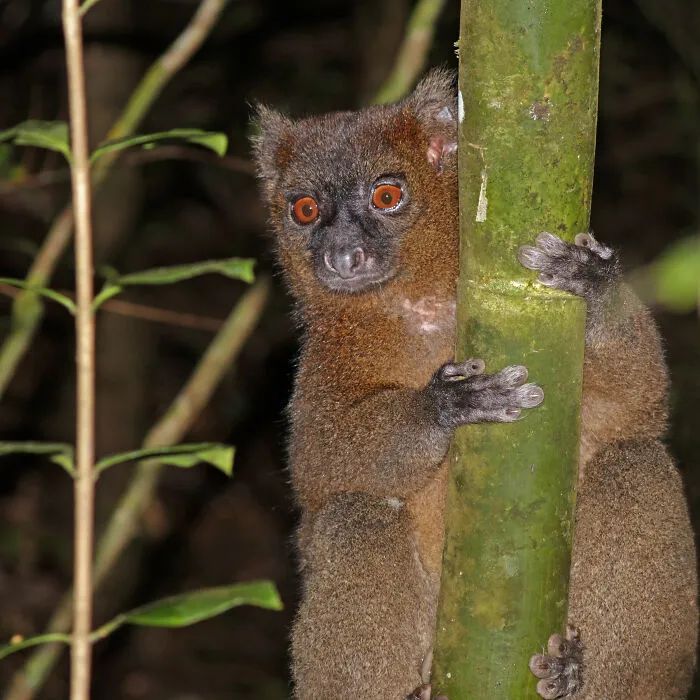
Greater bamboo lemurs are Madagascar's endemic species. Today, they can be found primarily in southeast Madagascar, which has the greatest concentration of bamboo, access to drinking water, and the shortest dry season. The larger bamboo lemur is actually regarded as one of the top 50 most evolutionary distinct mammals. However, the greater bamboo lemur is also classified as “Critically Endangered” by the International Union for Conservation of Nature (IUCN). They are not only hunted for food, but their habitat is also getting smaller every year due to slash-and-burn farming, deforestation, mining, and bamboo cutting.
Report
35points
#27 California Condor (Gymnogyps Californianus)
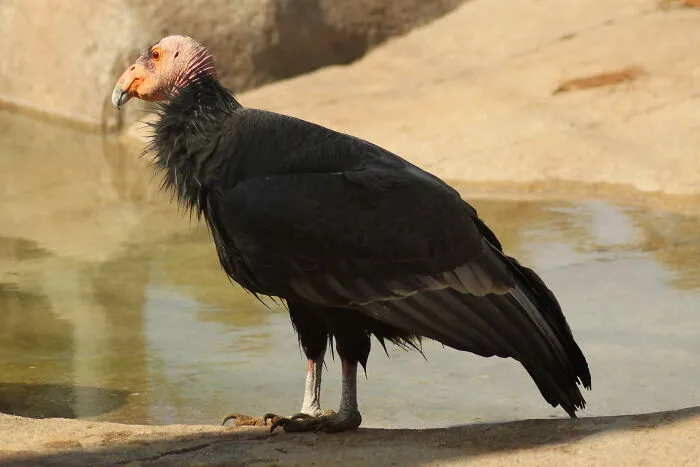
The largest bird in North America is the majestic yet endangered California Condor. These amazing gliders travel far and wide in search of animal carcasses to feed on. In the 1980s, there were just 22 birds left in the population. Today, the situation is a little better, yet still, only roughly 275 birds fly over California, Utah, and Arizona, with more remaining in captivity. However, their diet is also what poses a severe risk to their long-term prospects. Feeding on corpses, condors unintentionally consume lead particles, which may lead to poisoning, which can end with a fatality. The IUCN listed them as “Critically Endangered.”
Report
35points
#28 Yangtze Finless Porpoise (Neophocaena Asiaeorientalis)
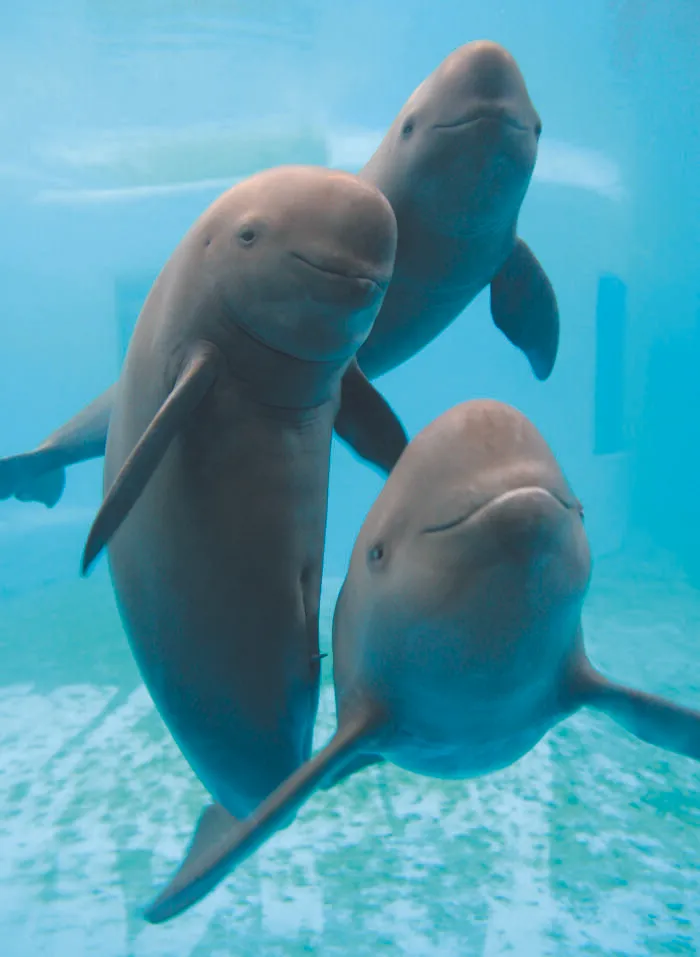
The Yangtze finless porpoise and the Baiji dolphin, two different species of dolphin, used to live in the Yangtze River, the longest river in Asia. However, it was found that the Baiji dolphin was functionally extinct in 2006. This was the first time in recorded history that human activities have caused the extinction of an entire dolphin species. The Yangtze finless porpoise, a close relative, is renowned for its cheeky smile and has intelligence on par with a gorilla. Currently, it's listed as "Critically Endangered" by the IUCN.
Report
35points
#29 Black-Spotted Cuscus (Spilocuscus Rufoniger)
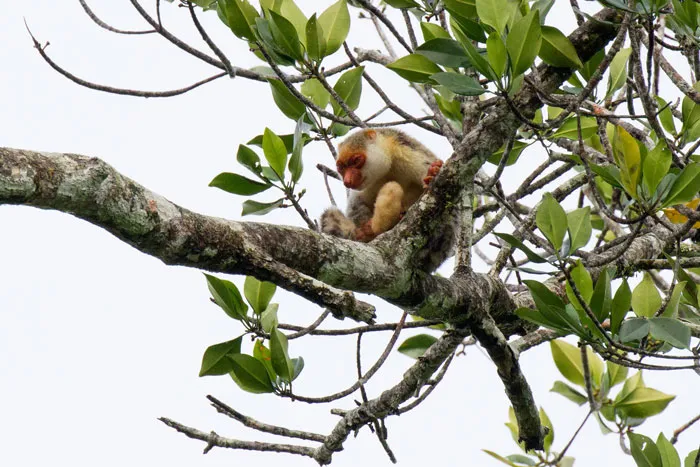
Among the marsupial species in the Phalangeridae family is the black-spotted cuscus. It is a really colorful species that can be found in the northern New Guinean woodlands. It has already vanished from a significant portion of its range and is still threatened by hunting and habitat loss. As a result, the IUCN has classified it as "Critically Endangered."
Report
33points
#30 Red Wolf (Canis Rufus)
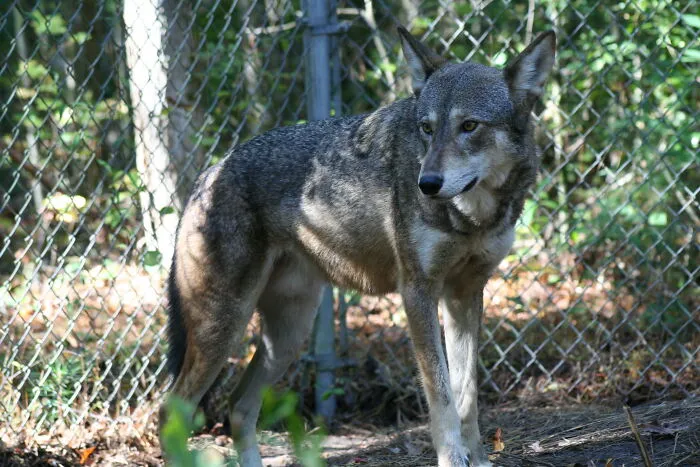
The southeastern region of the United States is home to the red wolf. It has several morphological traits with the eastern wolf of eastern Canada and is intermediate in morphology between the coyote and gray wolf. The correct taxonomic classification of the red wolf has been a point of contention for well over a century and is still up for debate. Due to critically low population numbers, it has been classified as a “Critically Endangered” species by the IUCN since 1996. According to data available, as of October 2021, only eight red wolves are known to remain in the wild in North Carolina.
Report
33points
#31 Saola (Pseudoryx Nghetinhensis)
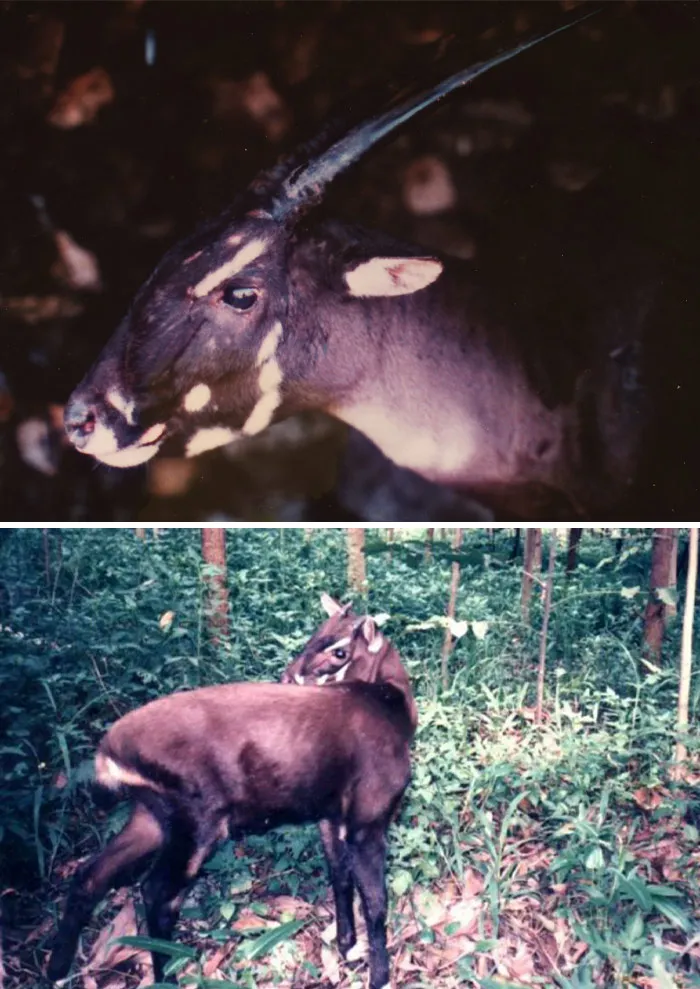
Even 20 years after its discovery, very little is known about the mysterious saola, often known as the Asian unicorn. However, this rarely observed species is already critically endangered because there are no specimens in captivity. To this day, only four instances of a saola in the wild have been conclusively documented by scientists. They can only be found in Vietnam and Laos' Annamite Mountains.
Report
32points
#32 Sumatran Orangutan (Pongo Abelii)
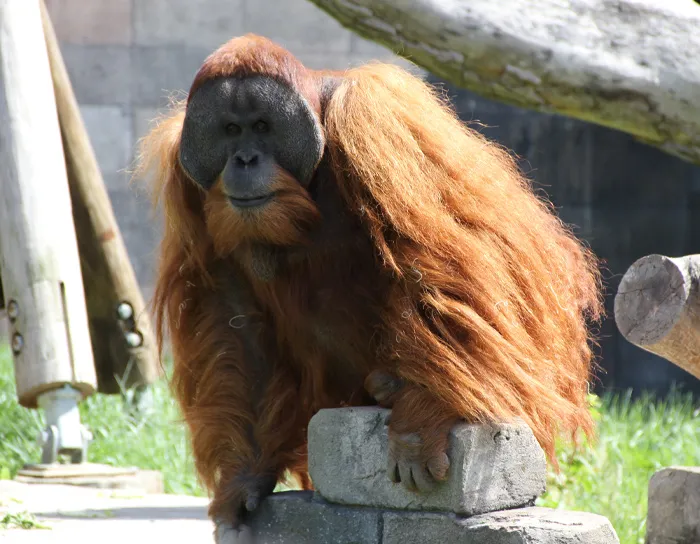
Living in the trees of tropical rainforests, the Sumatran orangutan is almost entirely arboreal. The Sumatran orangutan was once found all over the island of Sumatra and farther south into Java. The provinces of Aceh and North Sumatra currently make up the majority of the species' range, primarily limited to the island's northern part. Unfortunately, only seven of the nine Sumatran orangutan groups currently in existence have the potential for long-term survival. According to the IUCN Red List, only about 14,000 Sumatran orangutans are alive, making them a “Critically Endangered” species.
Report
32points
#33 Rondo Dwarf Galago (Paragalago Rondoensis)
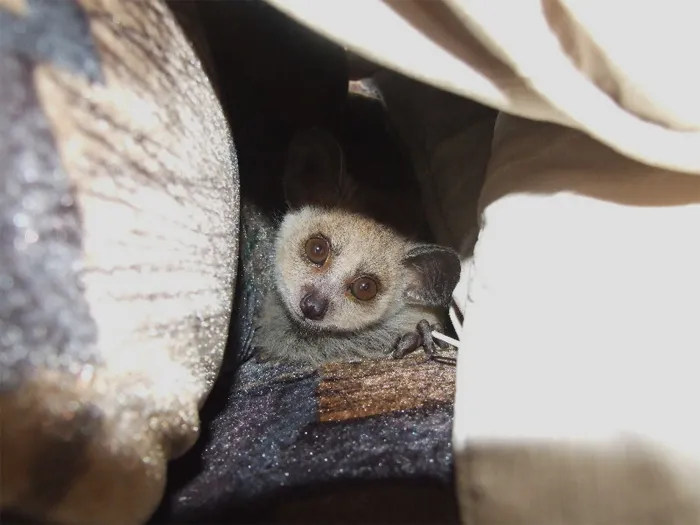
A primate species in the Galagidae family is the Rondo dwarf galago or Rondo bushbaby. The tiniest members of the genus Galagoides are the dwarf galagos. They only exist in Tanzania, where subtropical or tropical dry woods are their natural habitat. Their populations have decreased due to their reliance on a particular environment, which has effectively deteriorated, making them an “Endangered” species on the IUCN’s Red List.
Report
32points
#34 Ploughshare Tortoise (Astrochelys Yniphora)
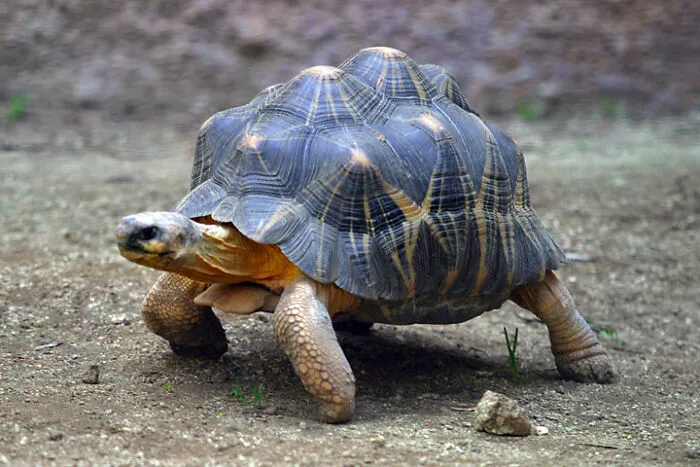
Between 2015 and 2018, there was an abrupt rise in ruthless poaching for the illicit wildlife trade, which may have driven the ploughshare tortoise to the point of being nearly extinct in the wild. Due to the plough-shaped protrusion on the front of their shell, they have earned the moniker "ploughshare." Their very distinctive golden-domed shells are very much why wildlife traffickers are on the hunt for them. Ploughshare tortoises are only found in a small area of Madagascar in the arid woodlands of Baly Bay National Park.
Report
31points
#35 Hispaniolan Solenodon (Solenodon Paradoxus)
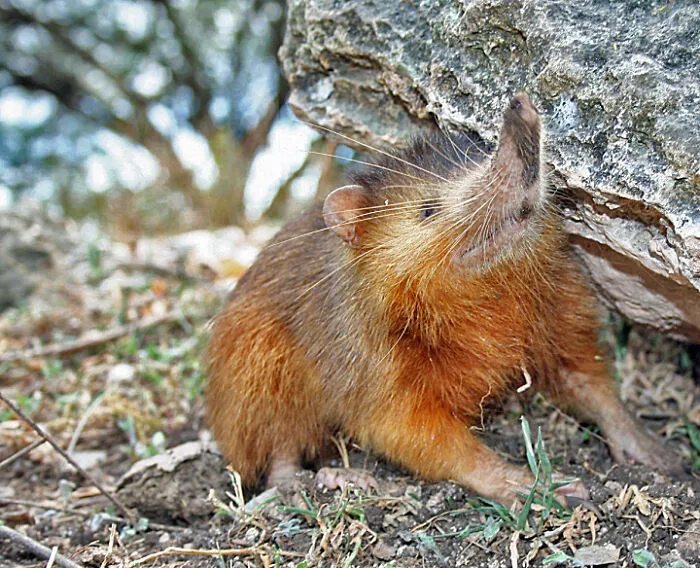
Only on the island of Hispaniola do venomous mammals known as Hispaniolan solenodons reside. These creatures resemble large shrews. Most of their bodies are generally dusky brown, with a whiter underbelly and reddish fur on the sides of the head, throat, and upper chest. The legs, snout, tail, and eyelids are all hairless. Hispaniolan solenodons have enormous heads, long rostrums, and tiny eyes; body fur partially conceals their ears. Currently, the IUCN has them listed as "Least Concern."
Report
31points
#36 Sumatran Rhinoceros (Dicerorhinus Sumatrensis)
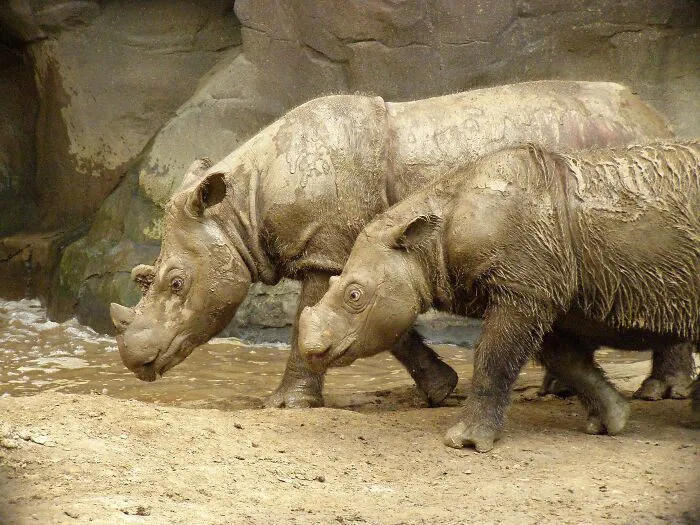
The only Asian rhinoceros with two horns, Sumatran rhinoceroses are also the smallest. They have thick fur and are more similar to extinct wooly rhinos than any other living rhino species. The Sumatran rhino once roamed as far as Bhutan, eastern India, the foothills of the Eastern Himalayas, Myanmar, Thailand, and probably Vietnam and China. Only the Indonesian islands of Sumatra and Borneo are home to the species now. Currently, Sumatran rhinoceros are listed as “Critically Endangered” (IUCN).
Report
30points
#37 Hainan Gibbon (Nomascus Hainanus)
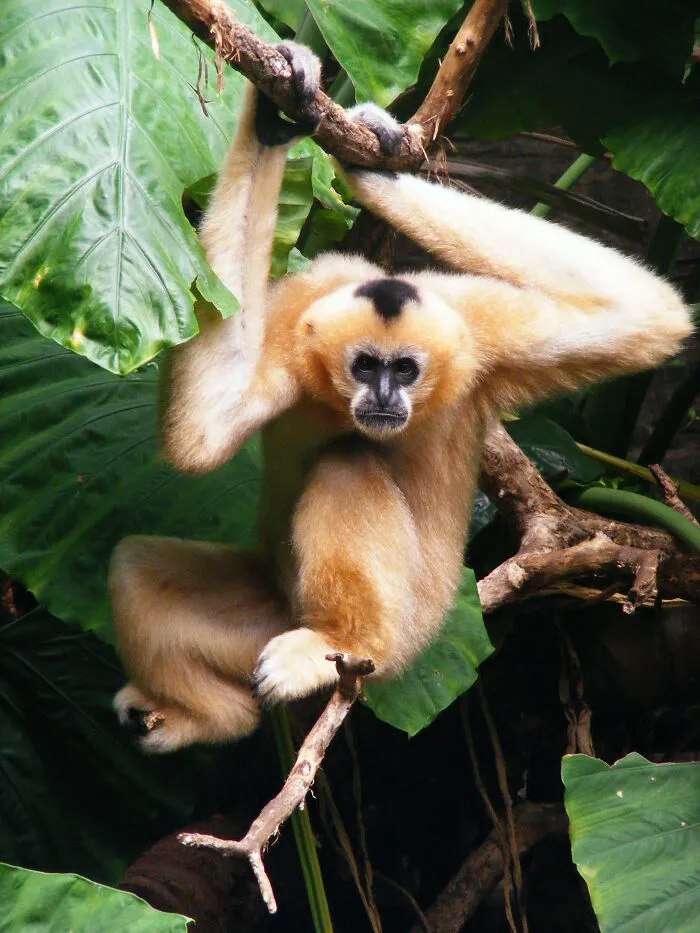
The Hainan gibbon is the rarest species of ape and perhaps mammal on the entire planet. With only an estimated 28 individuals left today, the Hainan gibbon, once numbering approximately 2,000 individuals in the 1950s, saw a sharp drop in the late 20th century due to habitat degradation and poaching. It is now one of the most threatened species in the world. On China's Hainan Island's Bawangling National Nature Reserve, a single forest patch is the only place where the remaining population may be found. The IUCN listed this species as “Critically Endangered.”
Report
30points
#38 Golden-Rumped Elephant Shrew (Rhynchocyon Chrysopygus)
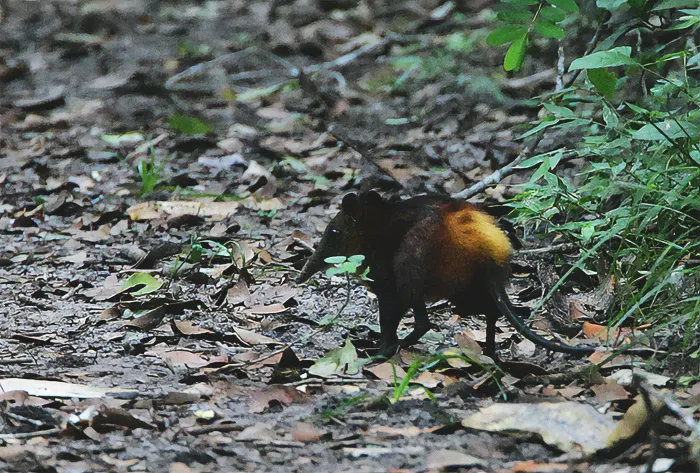
All elephant shrews have long, flexible snouts. However, golden-rumped elephant shrews can be recognized by their brilliant golden rump and stiff fur covering their forehead. The tail has a short coat, but most of it is black, as are the feet, ears, and legs. All elephant shrews walk on the tips of their fingers and toes. A small portion of Kenya's coastal lowland semi-deciduous forest and the damp, dense coastal scrub forest are home to the golden-rumped elephant shrew. It is also classified as “Endangered” (IUCN).
Report
29points
#39 Ganges River Dolphin (Platanista Gangetica Gangetica)
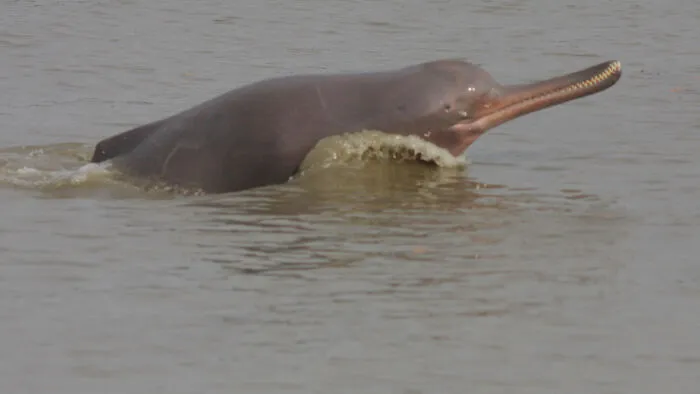
The Ganges river dolphin has a robust yet flexible body with broad flippers and a low triangular dorsal fin. Interestingly, males are generally smaller than females. However, males mature earlier, and females don't reach sexual maturity until they are between 10 and 12. The Ganges river dolphin's population, which once numbered in the tens of thousands, has drastically decreased over the past century to less than 2000 due to indiscriminate fishing, direct slaying, and habitat fragmentation caused by dams and barrages. Due to these factors, its populations are still declining even with a high level of protection. The IUCN listed them as “Endangered.”
Report
29points
#40 Borneo Pygmy Elephant (Elephas Maximus Borneensis)
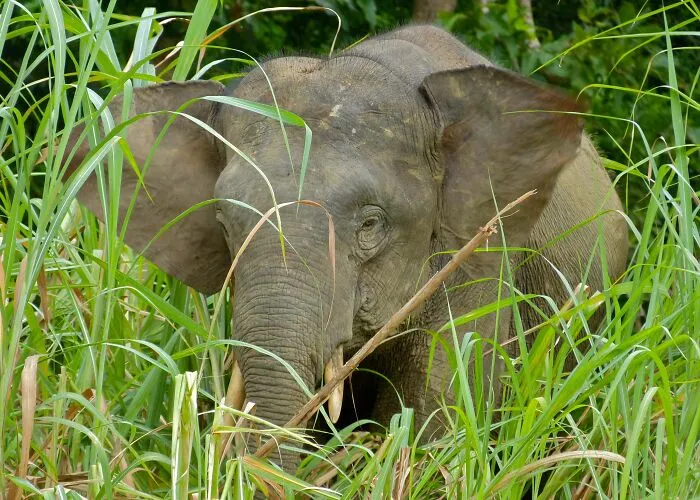
The woods of northern Borneo, Malaysia, and Indonesia are home to the Borneo pygmy elephant. The pygmy elephant is the world's smallest subspecies of the elephant. They stand at less than 8.2 feet and have broad ears, wide tummies, and long tails that may brush the ground when they move. A pygmy elephant's solitary, prehensile finger at the tip of its trunk is used to pick up grasses, leaves, fruits, and other vegetation. Only 1,500 pygmy elephants, found mainly in Sabah in Malaysian Borneo, are assumed to still exist in the wild. They are an “Endangered” (IUCN) species, with the loss of habitat being these elephants' main threat.
Report
29points