Psychology is the scientific study of the mind, behavior and human experience. Diving into this field can help us better understand ourselves and everyone else that we encounter. But it’s an extremely complex discipline. So if you’re looking to learn more about psychology in an easy, digestible way, you’ve come to the right place.
We took a trip to Psychology Posts on Instagram and gathered their most fascinating fun facts below. Hopefully, these images will teach you something new and give you a fresh perspective on how humans work. Enjoy scrolling through, and be sure to upvote the posts that you think everyone could benefit from reading!
#21
When you are with someone you deeply trust, your brain releases oxytocin, the bonding hormone that lowers stress and makes you feel safe. This sense of safety shifts your body into “rest mode,” slowing your heart rate and helping you feel calm, sometimes even sleepy.
Research shows that couples can go even further. Studies find that partners often sync up while they sleep, with heartbeats, breathing, and even movements aligning through the night.
Something else psychology has taught us is that multitasking actually negatively impacts efficiency. So it’s probably best to just focus on one task at a time, and do that one well.
Did you know that body language makes up 55% of communication? Your posture, facial expressions, hand gestures and nonverbal cues might be saying a lot more than you realize.
And even if you don’t want to, humans instinctively conform to social norms. So it’s going to take active effort if you want to stand out.
#22
Exercise changes the brain in ways that protect memory and thinking skills. In a study done at the University of British Columbia, researchers found that regular aerobic exercise, the kind that gets your heart and your sweat glands pumping, appears to boost the size of the hippocampus, the brain area involved in verbal memory and learning.
Resistance training, balance and muscle toning exercises did not have the same results.
If you don’t want to walk, consider other moderate-intensity exercises, such as swimming, stair climbing, tennis, squash, or dancing.
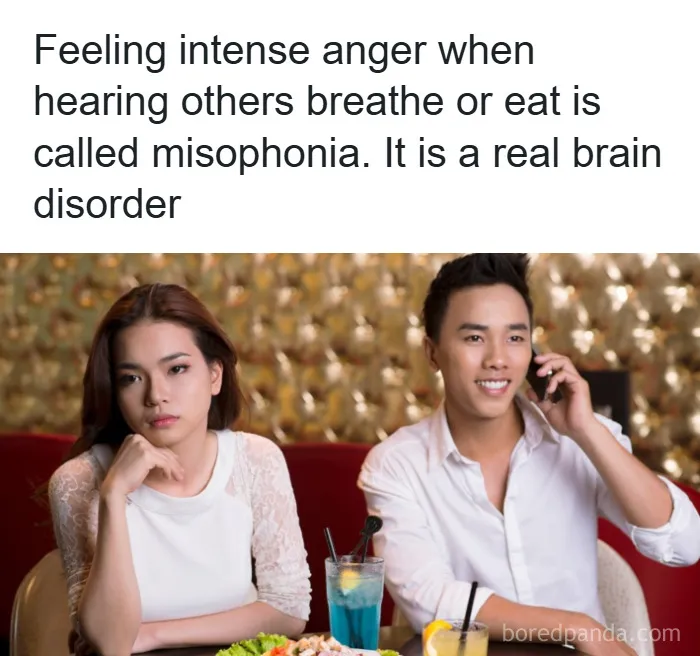
Researchers believe that misophonia is linked to heightened activity in the brain’s anterior insular cortex (AIC), an area associated with processing emotions and sensory input.
While we all might find certain sounds annoying from time to time, individuals with misophonia experience a more intense and visceral reaction.
Studies have shown that this condition is not just a matter of being overly sensitive but may be rooted in neurological differences.
Gen Z is changing how the world thinks about drinking. Studies show that this generation drinks about 20% less alcohol than Millennials.
A report published by Time Magazine and The Conversation found that Gen Z’s choices are shaped by mental wellness, self-image, and a growing desire for control in both social and digital spaces. Unlike past generations that viewed alcohol as a symbol of adulthood or freedom, Gen Z sees clarity, stability, and balance as more valuable.
Has this list taught you something new about humans and how we interact with one another? We hope you’re finding this article informative and fascinating, pandas. Keep upvoting the images that you’d like to share with your friends, and let us know in the comments below what the most fascinating psychology facts you know are. Then, if you’re interested in checking out another list from Bored Panda featuring info about psychology, look no further than right here!
In many families, something strange can happen. Parents may show more care or protection toward the child who helps less, while the child who gives the most and stays loyal is often taken for granted. Psychologists say this is not always done on purpose. It can come from deep emotions and habits that parents may not even notice.
Some parents feel worried or guilty about the child who seems weaker or needs more help. They might give that child extra attention to feel like they are doing the right thing. But in doing so, they often forget the child who always helps and never complains. That dependable child becomes the “strong one” everyone relies on, even though they need love and rest too.
Cultural beliefs also play a part. In some families, parents believe that helping or caring is simply a duty, not something to be thanked for. The child who works hard and supports others may not be praised, because parents assume they will keep doing it. This can leave the helpful child feeling unseen or unloved.
Parenting demands constant multitasking, attention to detail, and emotional resilience, often without the same clear boundaries and support systems present in a workplace.
Working environments also typically offer more predictable routines, whereas home life with children can be unpredictable and mentally exhausting.
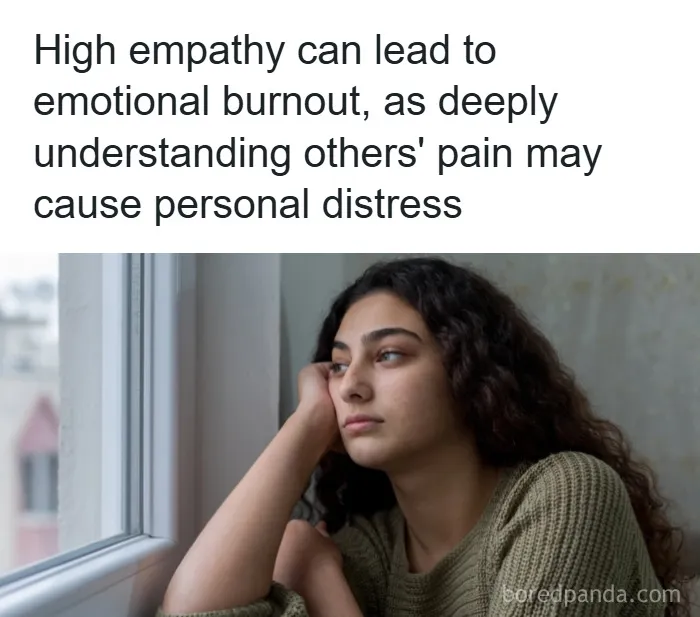
High levels of empathy are often seen as a strength, allowing individuals to deeply understand and connect with the emotions and struggles of others.
However, when individuals are highly empathetic, they often absorb the emotional pain of others, which can result in personal distress and exhaustion.
This phenomenon, known as “empathic distress,” occurs when the emotional weight of others’ suffering overwhelms the individual, making it difficult to maintain emotional boundaries.
Over time, this constant emotional engagement can lead to burnout, especially for those in caregiving roles, such as healthcare workers or therapists, where exposure to trauma is frequent.
The emotional toll of empathy can diminish one’s ability to regulate their own emotions, leading to fatigue, irritability, and a decreased ability to offer support.
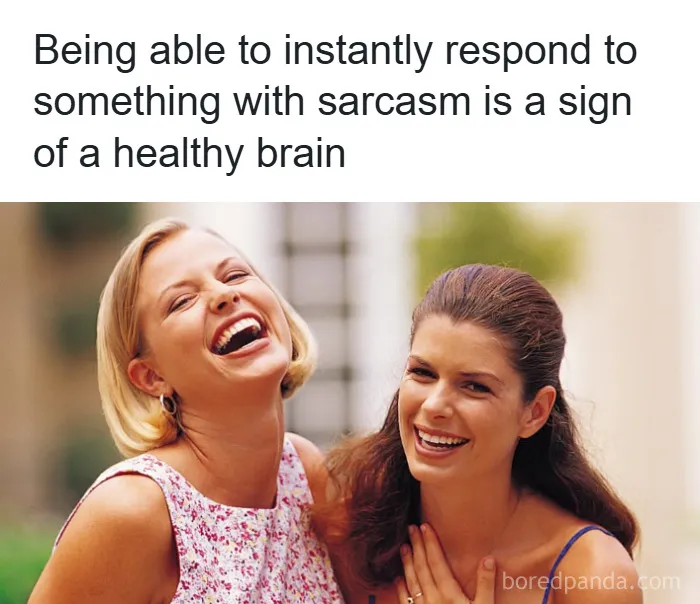
Sarcasm involves the brain’s ability to process and understand complex language, requiring the interpretation of literal and intended meanings simultaneously.
This mental juggling act stimulates areas of the brain responsible for creativity, social understanding, and abstract thinking.
The prefrontal cortex, which is key for decision-making and social cognition, plays a vital role in understanding sarcasm. By quickly recognizing the discrepancy between what is said and what is meant, your brain performs high-level cognitive tasks.
Understanding sarcasm also relies on recognizing others’ emotions and intentions, demonstrating emotional intelligence. Sarcasm processing indicates that your brain can handle complex communication and social cues, supporting cognitive health.
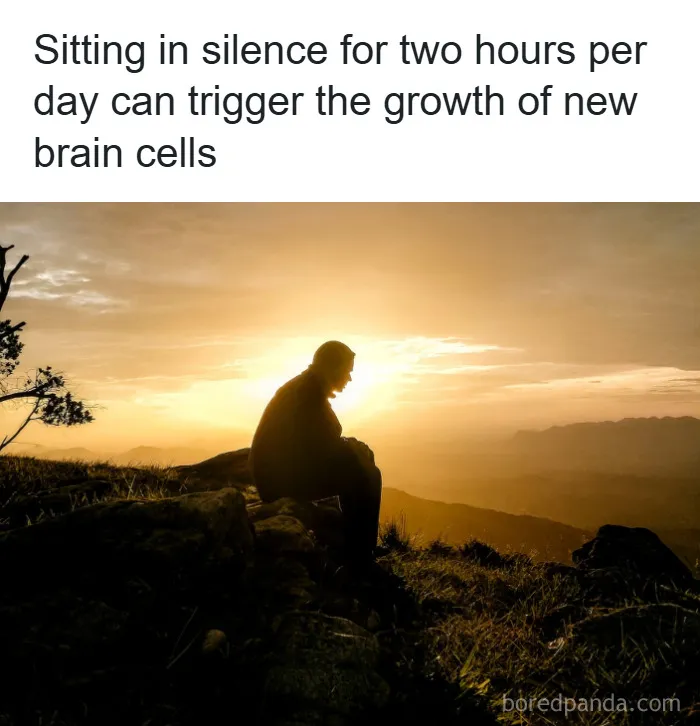
A 2014 study found that silence can stimulate neurogenesis, the growth of new neurons, in the hippocampus, the brain region involved in memory, learning, and emotional regulation.
While other forms of stimulation like music or noise had little or no effect, prolonged silence led to significant increases in cell development.
This matters because the adult brain was once thought to be fixed in structure. But research now shows that the brain can adapt and grow throughout life, especially when given the right conditions.
The study found that women whose wedding cost more than $20,000 divorced at a rate roughly 1.6 times higher than women whose wedding cost between $5,000 and $10,000. And couples who spent $1,000 or less on their big day had an even lower than average rate of divorce.
The wedding industry has long associated lavish weddings with longer-lasting marriages. Industry advertising has fueled norms that create the impression that spending large amounts on the wedding is a signal of commitment or is necessary for a marriage to be successful.
Overall, research findings provide little evidence to support the validity of the wedding industry’s general message that connects expensive weddings with positive marital outcomes.
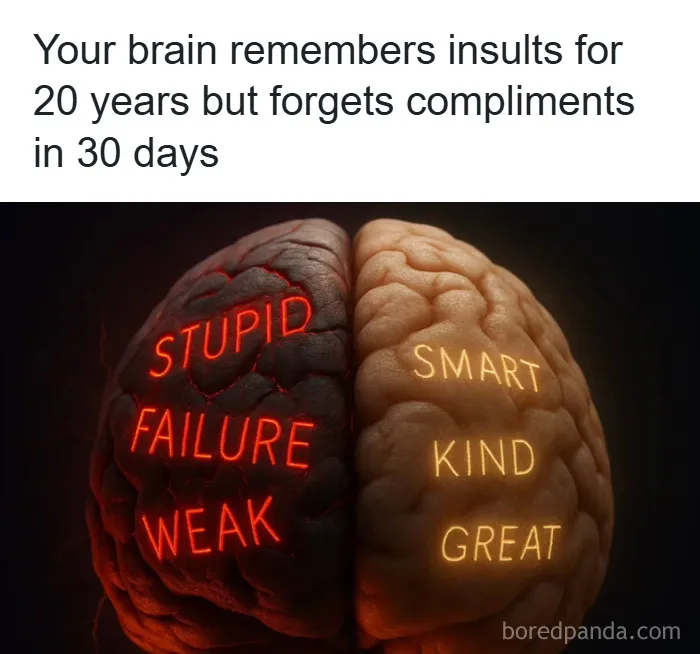
Survival Value. The amygdala becomes very active when we face danger or criticism, sending signals that help the brain store these events strongly in memory. This helped our ancestors stay alert to future threats.
Hippocampus Link. The amygdala works with the hippocampus, the brain’s main memory center, to make negative experiences easier to recall. Positive experiences activate these areas less, which is why praise often fades quickly.
Bad vs. Good. Research shows that one negative event can outweigh several positive ones. This is known as the “negativity bias.” Studies find this effect across emotions, learning, relationships, and even childhood development.
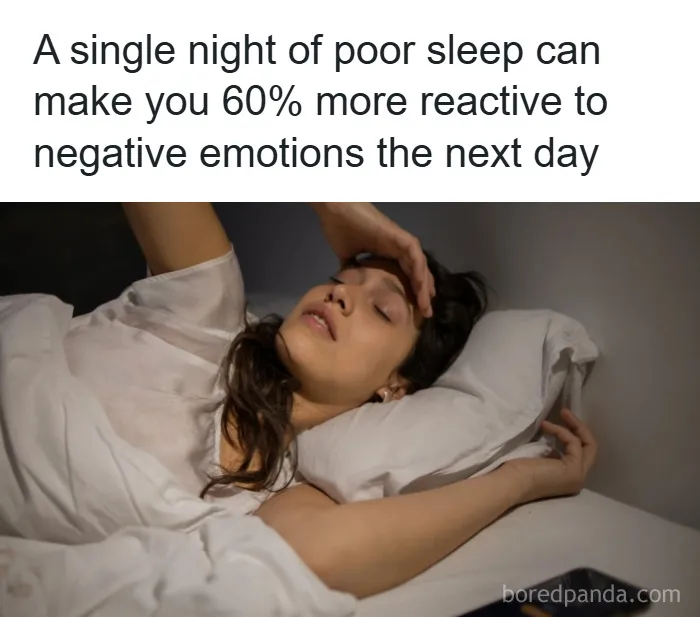
This heightened sensitivity to negative emotions is largely attributed to the dysregulation of the brain’s emotional centers, such as the amygdala, and impaired communication between these centers and the prefrontal cortex.
When we are well-rested, the prefrontal cortex, responsible for rational decision-making and emotional regulation, effectively communicates with the amygdala, the brain’s emotional processing center.
However, even one night of poor sleep can disrupt this connection, leading to an overactive amygdala and a diminished ability of the prefrontal cortex to regulate emotional responses.
As a result, you may find yourself more irritable, stressed, or anxious, and less equipped to manage everyday challenges.
Dr. Deirdre Barrett, a teacher and a Clinical and Evolutionary Psychologist at Harvard Medical School, told People that dogs likely dream about their owners.
She says that while there’s no way to know for sure what dogs are seeing when they dream, it’s safe to assume that their dreams draw from everyday experiences, like humans.
“Humans dream about the same things they’re interested in by day, though more visually and less logically,” Barrett told People in 2016.
“There’s no reason to think animals are any different. Since dogs are generally extremely attached to their human owners, it’s likely your dog is dreaming of your face, your smell, and of pleasing or annoying you.”