


#2 Listerine Cool Mint Strips: New vs. Old
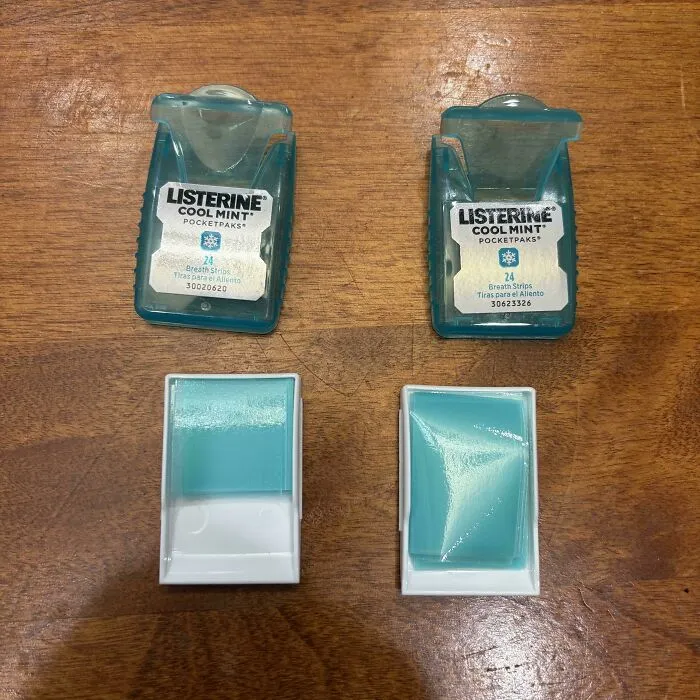
#3 Is Nothing Sacred?
These days, even your average grocery haul is starting to feel a little more like The Hunger Games. Despite what President Trump might’ve said in September 2026, food prices have not “come way down.” We’re still trying to fill our carts with essentials (like, um, food) without bankrupting ourselves in the process.
And no, it’s not just you. To put it into perspective, a May 2026 Forbes analysis by Ty Roush found that a typical basket of 11 grocery staples cost 55.6% more in 2026 than it did in 2020. Eggs, bread, chicken, coffee, orange juice and other everyday items that once cost $46.95 collectively came to $73.07 this year.
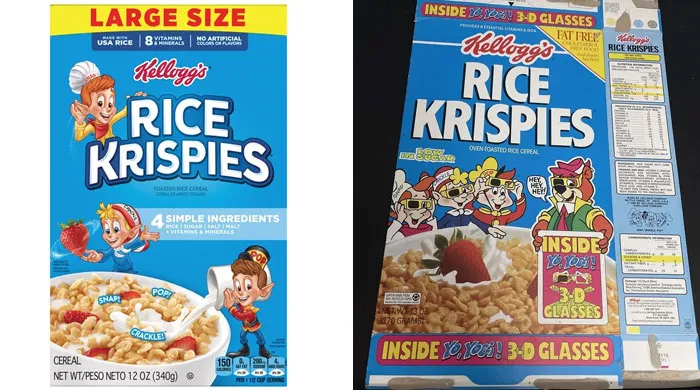
#5 Rice Krispies "Large Size" Is Smaller Than The Standard Sized Box From The 90's
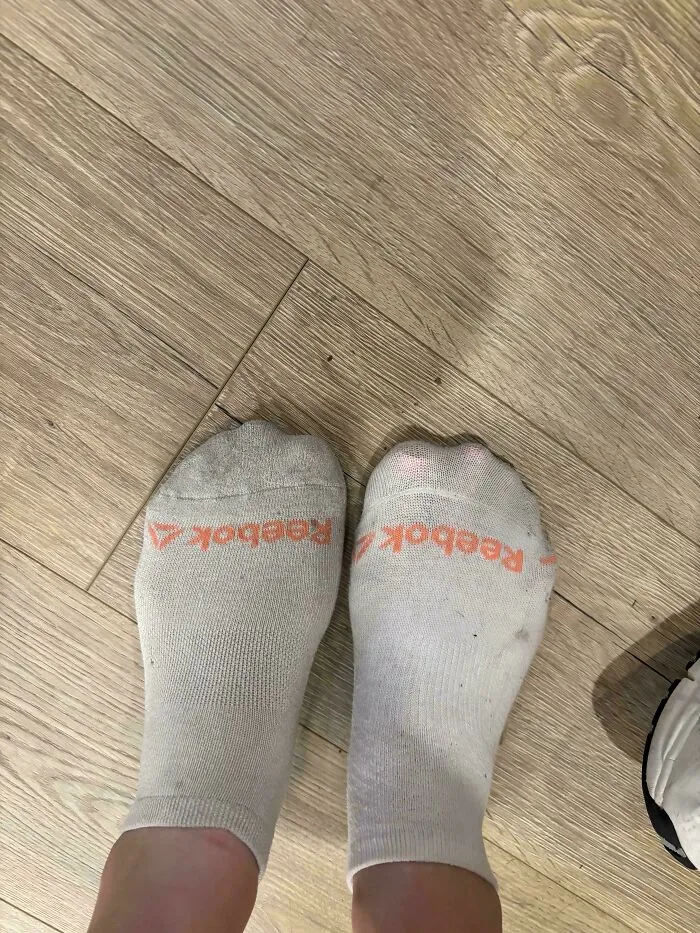
#6 Reebok Socks Are Now See Through
And that’s despite the worst of the post-pandemic inflation spike being over. According to the U.S. Bureau of Labor Statistics, food-at-home prices were still 2.2% higher in August 2026 than they were a year earlier, while prices for food overall rose 2.7%. So even though overall inflation has cooled a little, the cost of putting food on the table continues to creep upward. And there’s no single reason why. As Forbes contributor Dawn Thilmany explains, we’re dealing with “one of the most volatile food price environments in recent history,” with everything from extreme weather and worker shortages to rising energy, labor and shipping costs playing a part.
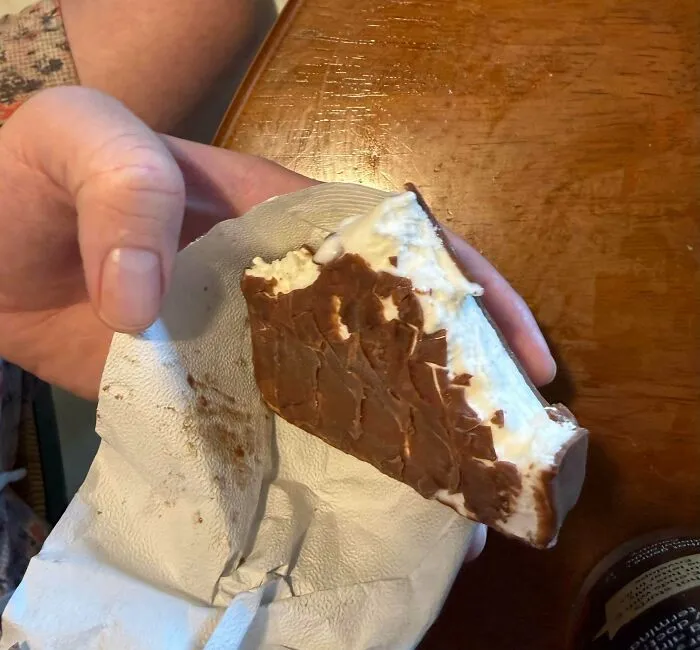
#7 How Thin Can They Go? Klondike Bar
What’s driving prices up, Thilmany writes, really comes down to “what aisle of the store you are shopping.” And it also seems that what you’re paying more for depends on what you put in your cart. For example, BLS data shows that nonalcoholic beverages were up 3.7% over the year, while cereals and bakery products increased 2.6%. Dairy and related products, meanwhile, actually fell 0.3%.
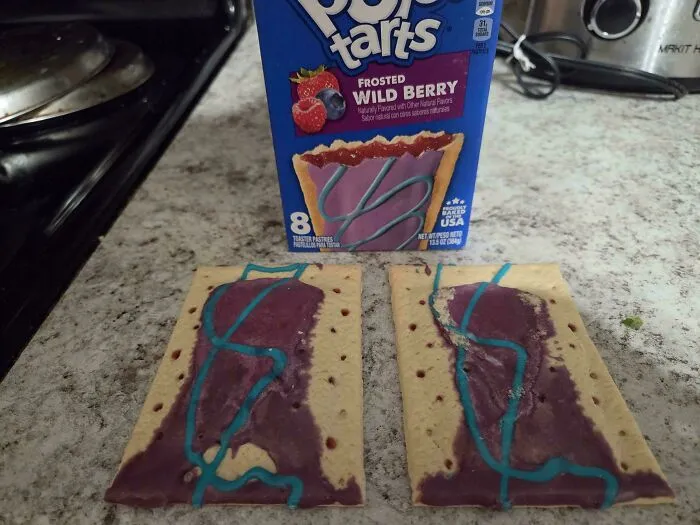
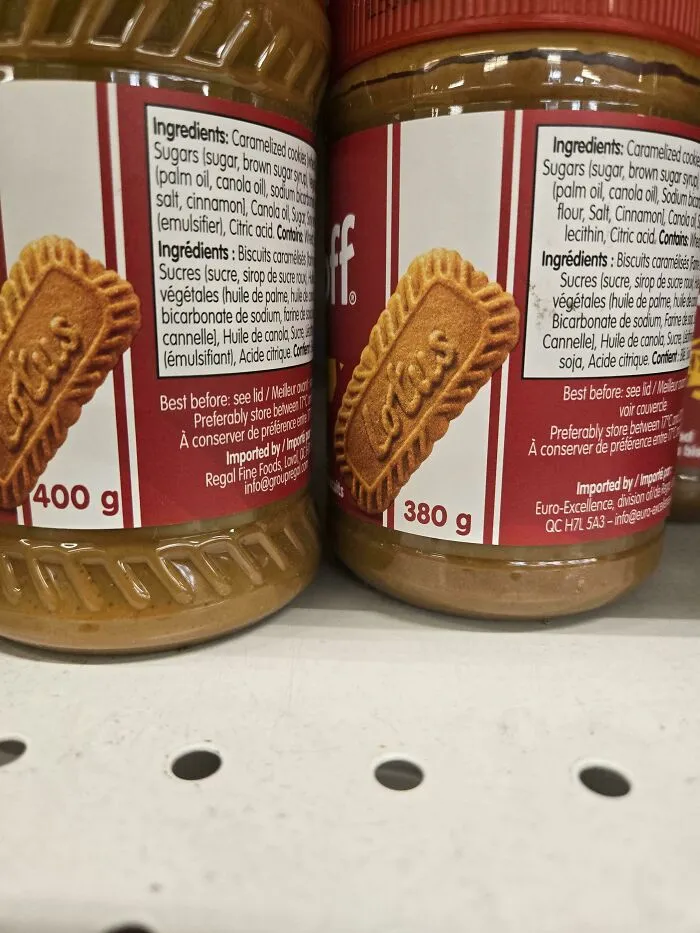

Produce, in particular, has been a source of “sticker shock.” Writing for The Conversation in July 2026, Elizabeth Canales, an associate professor of agricultural economics at Mississippi State University, pointed to soaring prices in the produce aisle, noting that tomato prices had jumped by roughly one-fifth from June 2025 to June 2026. Lettuce prices rose about 32% over the same period, while prices for all fresh vegetables increased about 10%. Fresh fruit saw smaller increases, with apples up 7% and citrus fruit prices rising 6%.
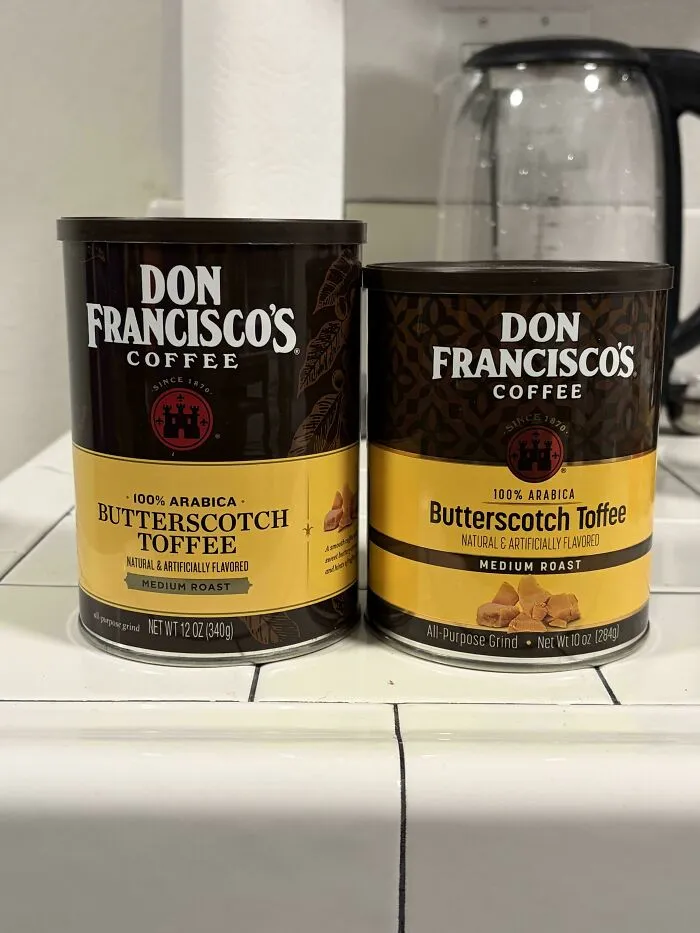
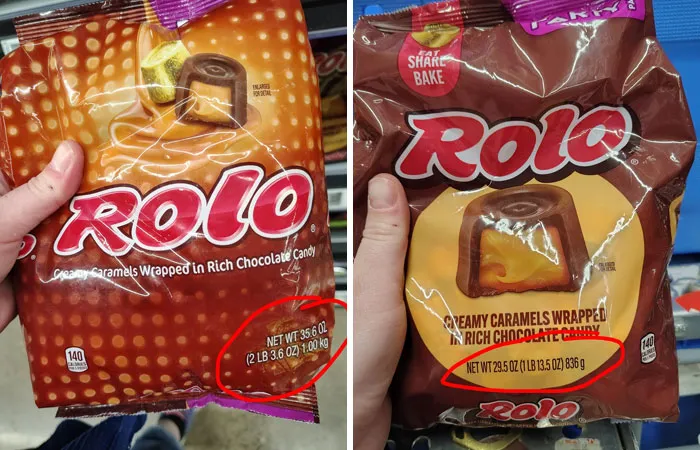
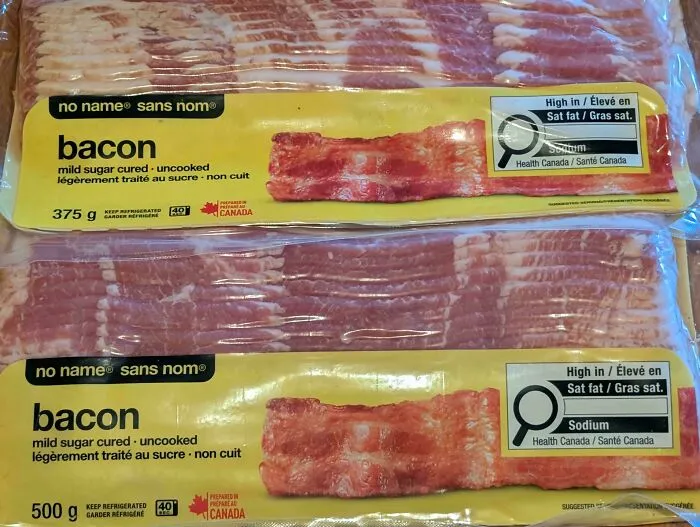
#14 Same Product, Same Price, But New Bag Is 1/8 Or 12.5% Less Than Original
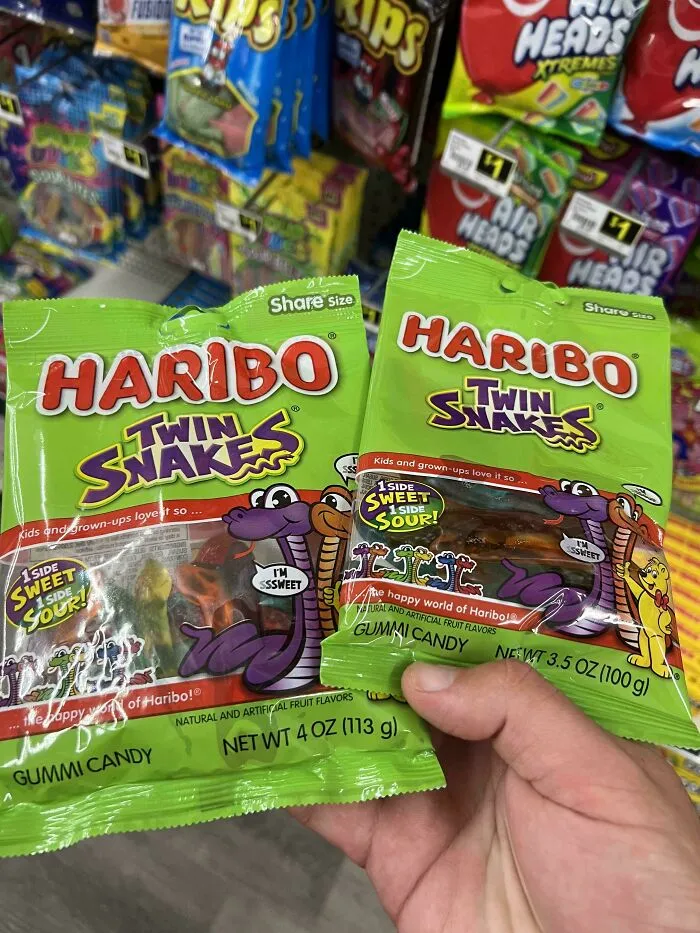
Canales notes that these rising prices affected what people actually bought, citing a May 2026 survey that found that 1 in 3 households had reduced their fresh produce purchases because of the financial squeeze. Others were finding ways to make their money stretch further, with 1 in 5 shoppers reporting that they had switched from fresh to frozen produce.
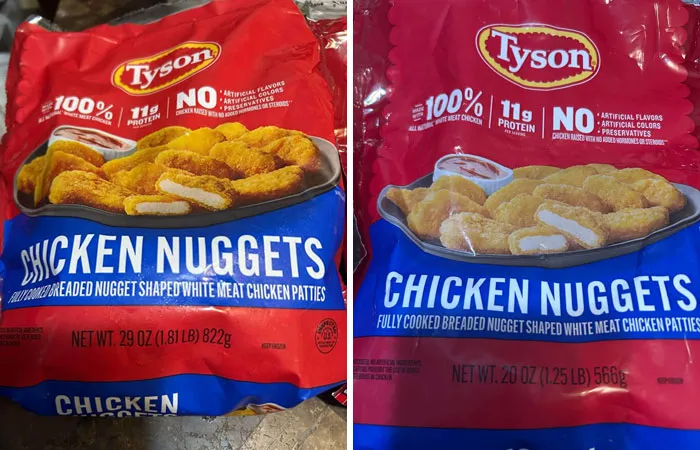
#16 It Looks Like Tyson Is Actually Shrinking The Chicken Nuggets From 29 Oz To 20 Oz .. At First I Thought It Was A Manufacturing Error!
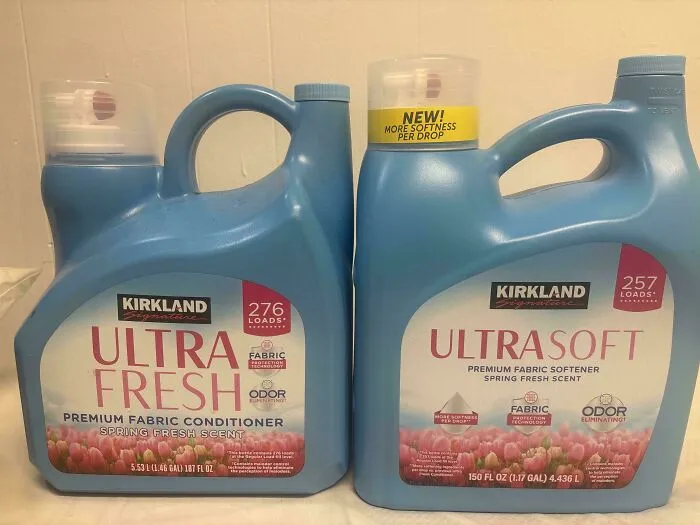
#17 New! More Softness Per Drop, Almost A Half Gallon Less And Costco Keep's The Price The Same: $9.99
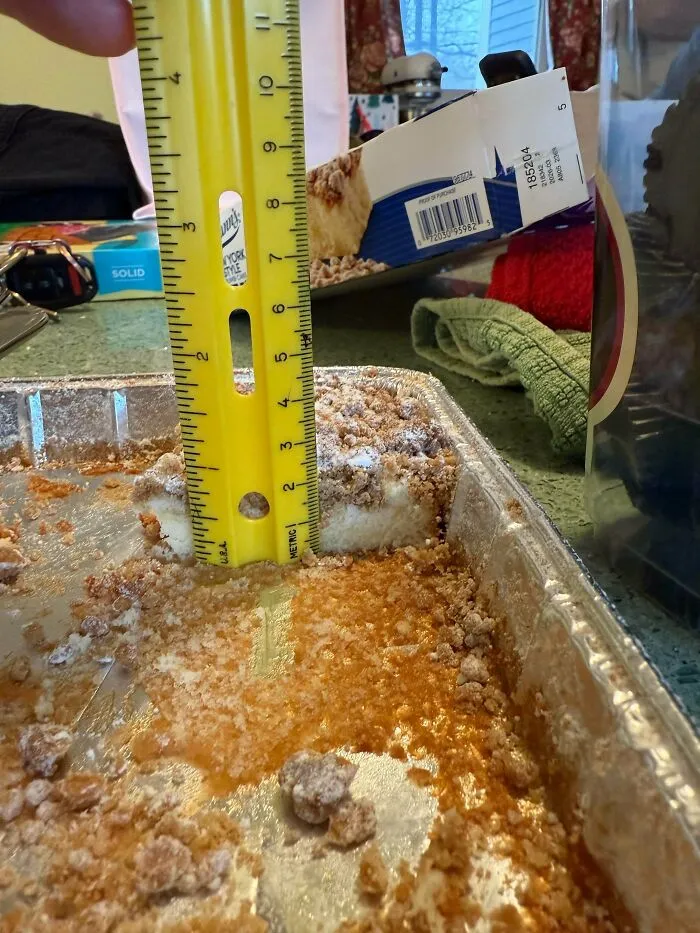
#18 Entenmann’s New York Style Crumb Cake
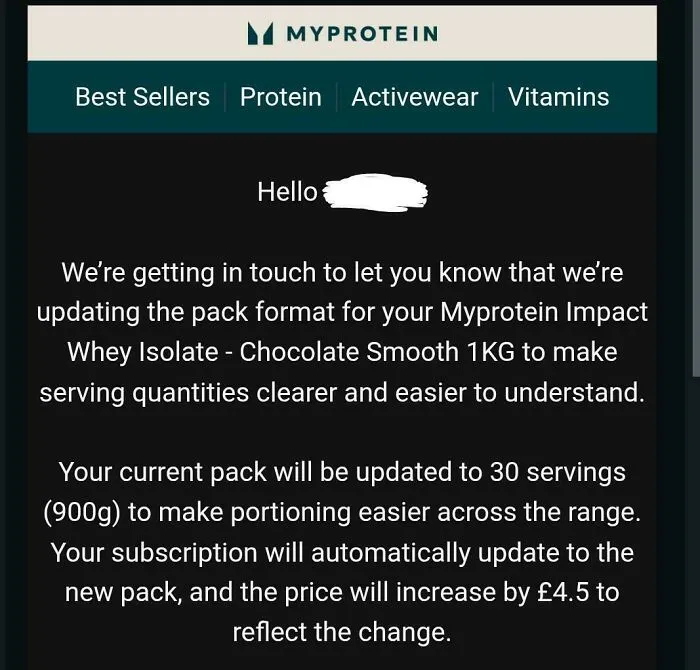
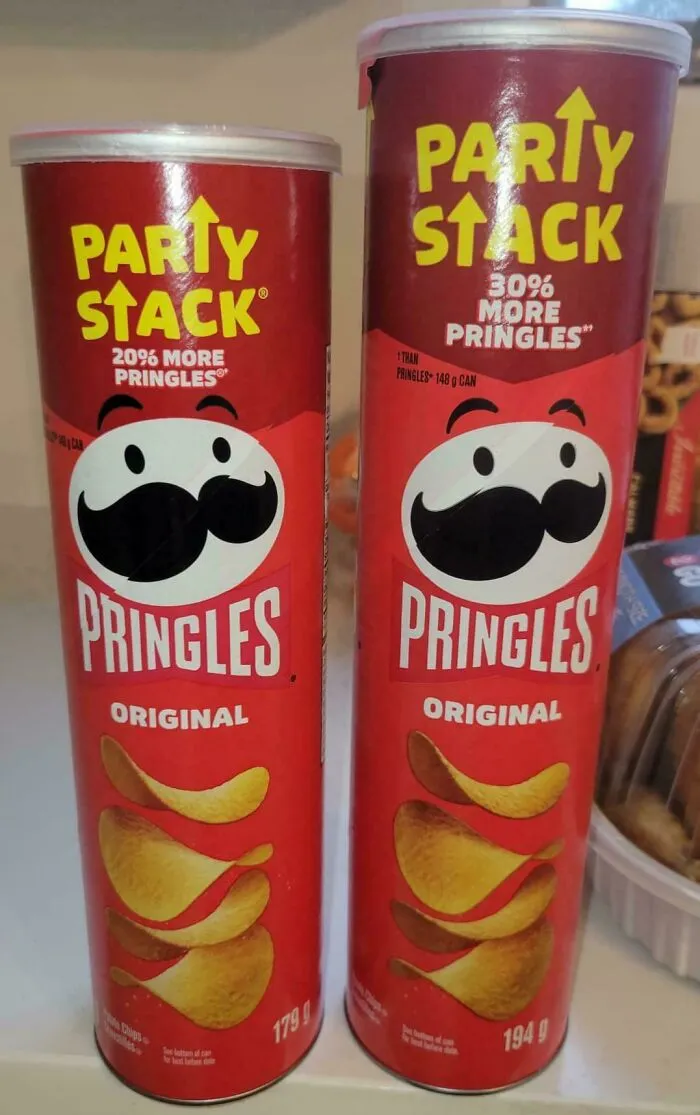
Against this backdrop, shrinkflation feels especially egregious. It’s a sneaky tactic: the price on the sticker might not change much, so you add a familiar favorite to your cart thinking you know exactly what you’re getting, only to discover there’s less of it than there used to be. A “family pack” that once fed everyone might now leave one person short. A suddenly “slender” bottle can disguise a few missing milliliters. And a bag of chips might contain a whole lot more air than you’d already reluctantly come to terms with.