



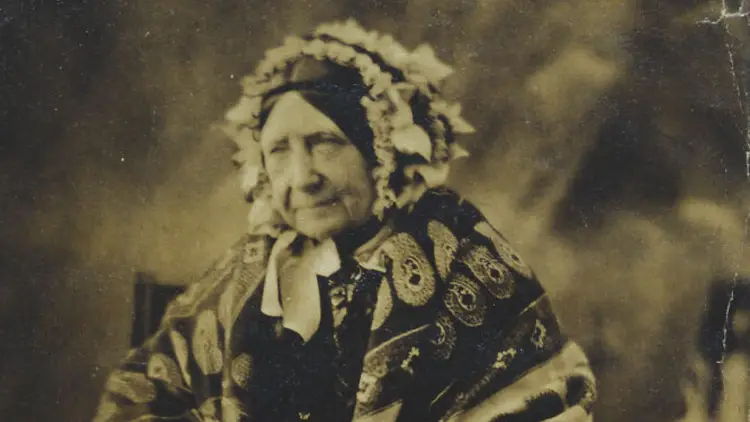



Whoever said time-travelling is impossible is likely forgetting about the power of photographs. These still images represent a moment in time when a person who would make a mark in human history was still walking this Earth.
This list features some of them. We at Bored Panda have compiled some never-before-seen pictures of some of the most renowned historical figures. Mark Twain, Edgar Allan Poe, and Vincent Van Gogh are just some of the biggest names on here, all of which are a must-see.
These photographs come with equally compelling backstories. If you’re a history buff, you will be here a while, so grab a seat.
#41 Wild Bill Hickok, 1860
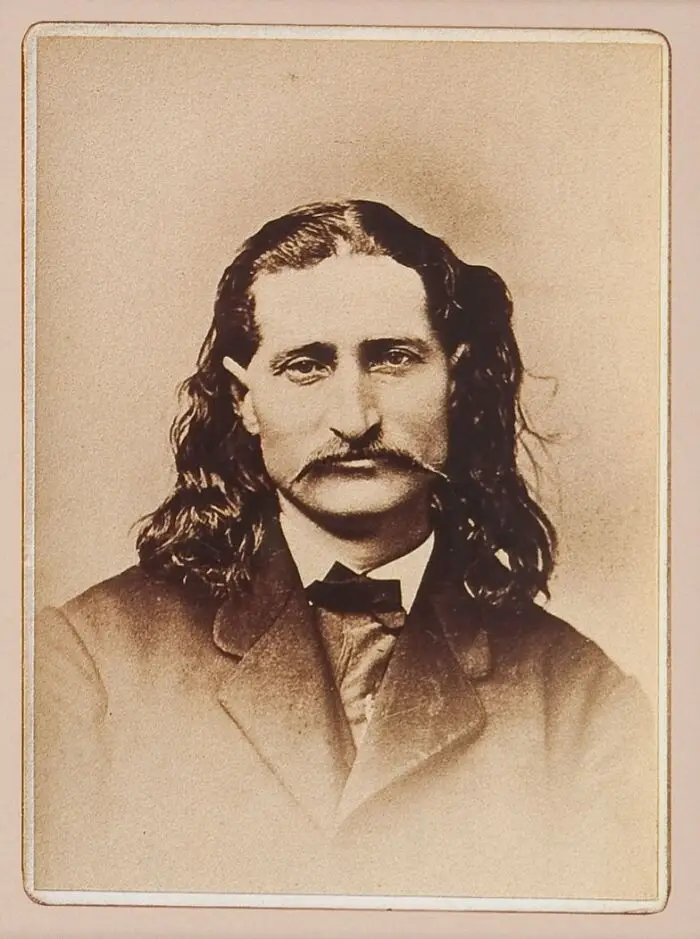
This snapshot from 1860 captures Wild Bill Hickok before he fully transformed into the larger-than-life hero found in so many dime novels of the era. As a scout and lawman, he played a huge role in bringing some semblance of order to the chaotic American frontier, building a reputation as a fearsome gunfighter along the way.
His luck eventually ran out in Deadwood, South Dakota, where Jack McCall snuck up behind him during a poker game and ended his life. McCall tried to justify the assassination by claiming Hickok had ended his brother back in Abilene, but the law didn't accept the excuse, and officials executed McCall for the crime in March 1877.
His luck eventually ran out in Deadwood, South Dakota, where Jack McCall snuck up behind him during a poker game and ended his life. McCall tried to justify the assassination by claiming Hickok had ended his brother back in Abilene, but the law didn't accept the excuse, and officials executed McCall for the crime in March 1877.
Report
10points
#42 Léopold I, King Of Belgium, 1864
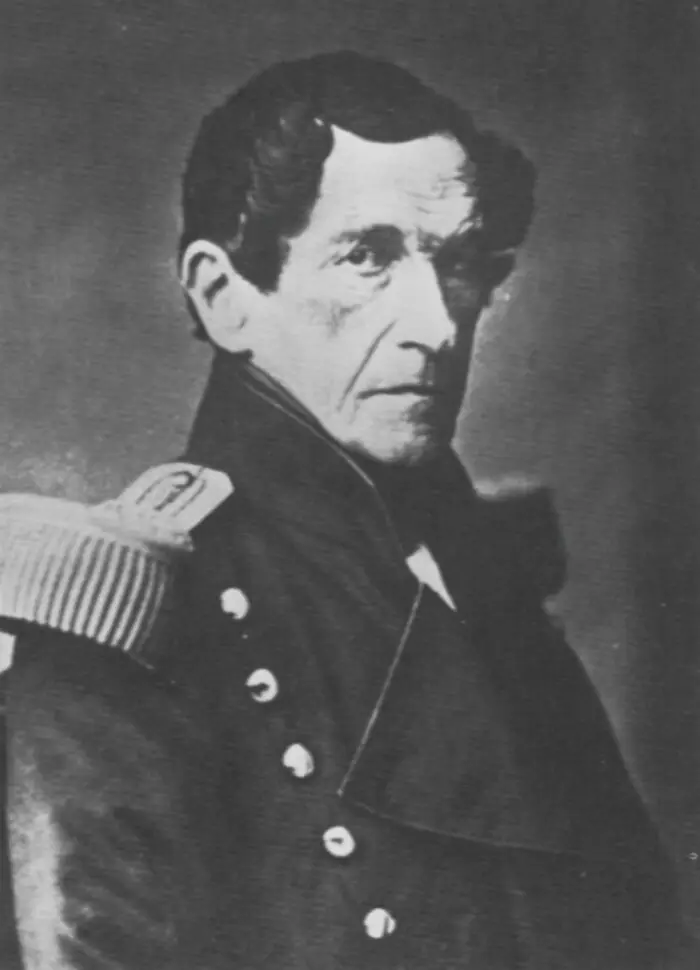
This portrait from around 1860 features the very first King of the Belgians, Leopold I. He wasn't just a founding monarch, though; he was also deeply embedded in the royal web of Europe, serving as Queen Victoria’s uncle and the husband of her cousin, Princess Charlotte.
During his reign from 1831 to 1865, he was a heavyweight in international diplomacy, known for solidifying the nation's parliamentary system and strictly enforcing Belgian neutrality in a turbulent continent.
During his reign from 1831 to 1865, he was a heavyweight in international diplomacy, known for solidifying the nation's parliamentary system and strictly enforcing Belgian neutrality in a turbulent continent.
Report
9points
#43 Billy The Kid, 1878
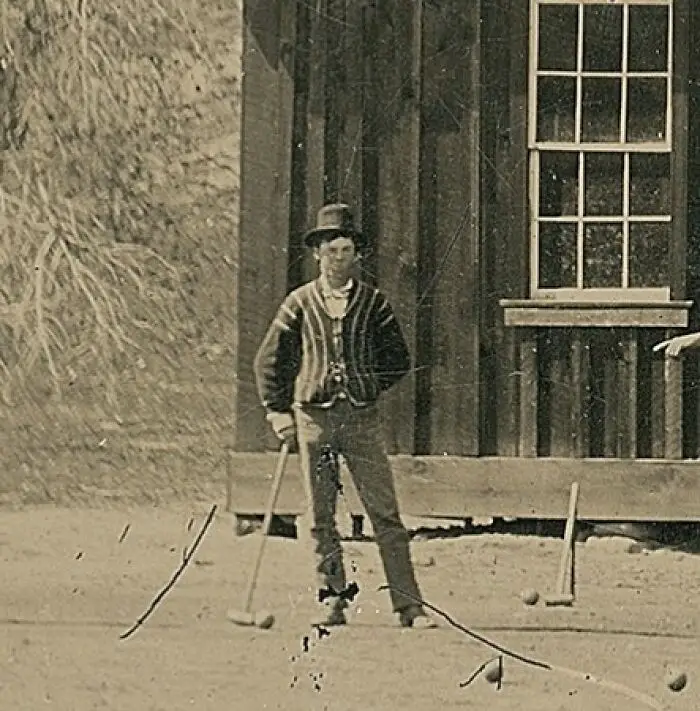
For a long time, we only had one look at Billy the Kid, but that changed in 2010 when a collector rummaging through a cardboard box in a Fresno, California junk shop unearthed this incredible tintype. It is only the second known photograph of the infamous outlaw, capturing a moment from the summer of 1878.
Gathered with his group, the Regulators, as well as friends and family after a wedding, McCarty looks surprisingly relaxed for a man with such a violent reputation. While he famously bragged about ending the lives of twenty-one men, historians tend to think the actual body count was likely fewer than ten.
Gathered with his group, the Regulators, as well as friends and family after a wedding, McCarty looks surprisingly relaxed for a man with such a violent reputation. While he famously bragged about ending the lives of twenty-one men, historians tend to think the actual body count was likely fewer than ten.
Report
9points
#44 Jefferson Davis, 1859
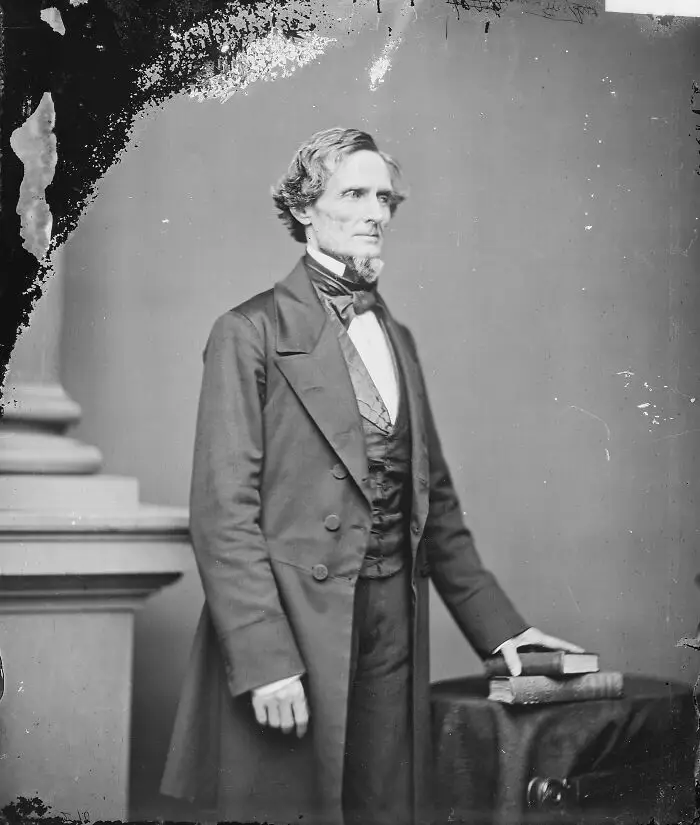
Snapped in 1859, just a couple of years before the country tore itself apart, this image shows the man who would lead the rebellion as the President of the Confederate States of America. Jefferson Davis held that title throughout the entire Civil War, and once the dust settled, he spent two years in a cell facing an indictment for treason.
However, he never actually stood trial. As it turns out, Davis was fully prepared to use a courtroom defense to argue the legality of secession, a debate the U.S. government wasn't eager to have. To avoid giving him that platform, President Andrew Johnson effectively mooted the issue by granting a blanket pardon to former Confederates on Christmas Day, 1868.
However, he never actually stood trial. As it turns out, Davis was fully prepared to use a courtroom defense to argue the legality of secession, a debate the U.S. government wasn't eager to have. To avoid giving him that platform, President Andrew Johnson effectively mooted the issue by granting a blanket pardon to former Confederates on Christmas Day, 1868.
Report
9points
#45 Princess Victoria, Duchess Of Kent And Strathearn, 1860
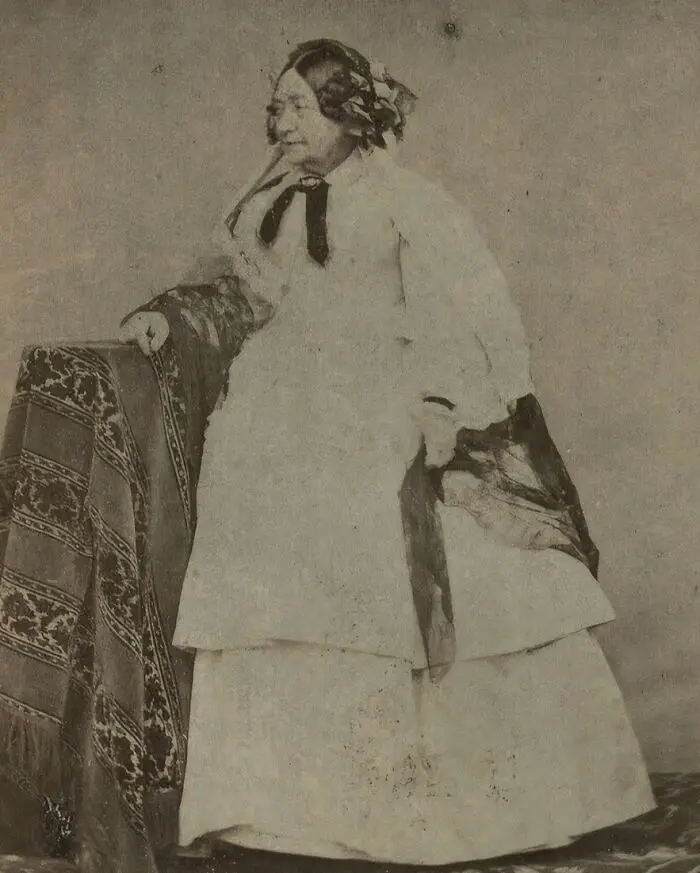
This 1860 image is a classic example of a carte de visite, a small photographic format that exploded in popularity after André Adolphe Eugène Disdéri patented it in Paris in 1854, capitalizing on a concept Louis Dodero had introduced a few years earlier. The subject here is Princess Victoria of Saxe-Coburg-Saalfeld, the Duchess of Kent and Strathearn, who is best known for being the mother of Queen Victoria.
However, before she married Prince Edward (George III's son) in 1818 and gave birth to a future monarch, she had a significant political life of her own as the Princess of Leiningen, where she served as regent and ruled the principality during her son Karl's childhood.
However, before she married Prince Edward (George III's son) in 1818 and gave birth to a future monarch, she had a significant political life of her own as the Princess of Leiningen, where she served as regent and ruled the principality during her son Karl's childhood.
Report
8points
#46 Franklin Pierce, 1851-1860
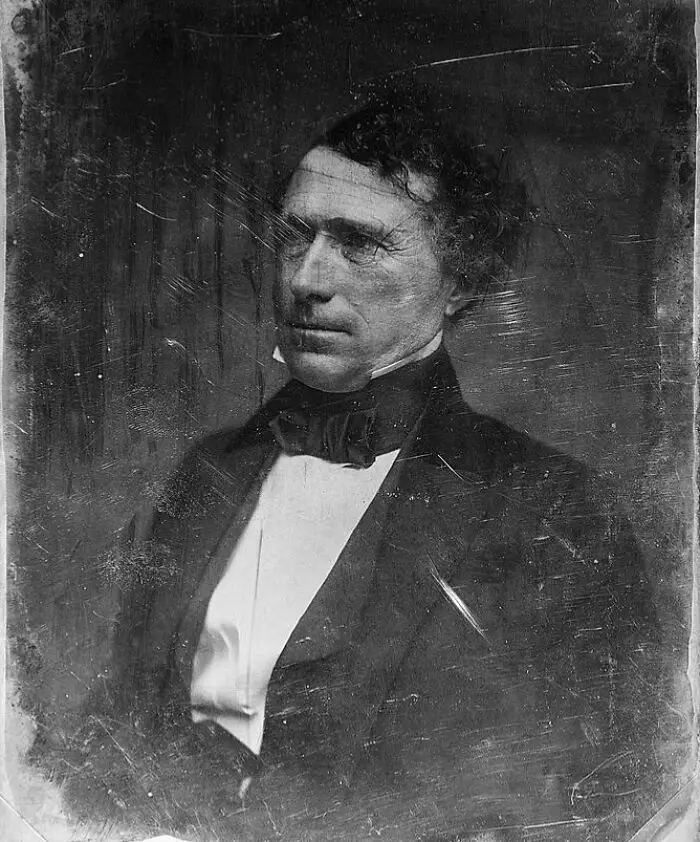
Mathew Brady applied his master touch to this gold-toned whole plate daguerreotype, immortalizing Franklin Pierce sometime between 1851 and 1860. While the 14th President often gets credit for being the most handsome guy to hold the office, his actual time in the White House (1853–57) was far less attractive.
He famously fumbled the rising tensions over slavery right before the Civil War kicked off. Even the National Constitution Center politely describes his tenure as "difficult," and though Pierce hoped a second term might let him redeem himself, history mostly remembers him for his looks rather than his leadership.
He famously fumbled the rising tensions over slavery right before the Civil War kicked off. Even the National Constitution Center politely describes his tenure as "difficult," and though Pierce hoped a second term might let him redeem himself, history mostly remembers him for his looks rather than his leadership.
Report
8points
#47 Calamity Jane, 1895
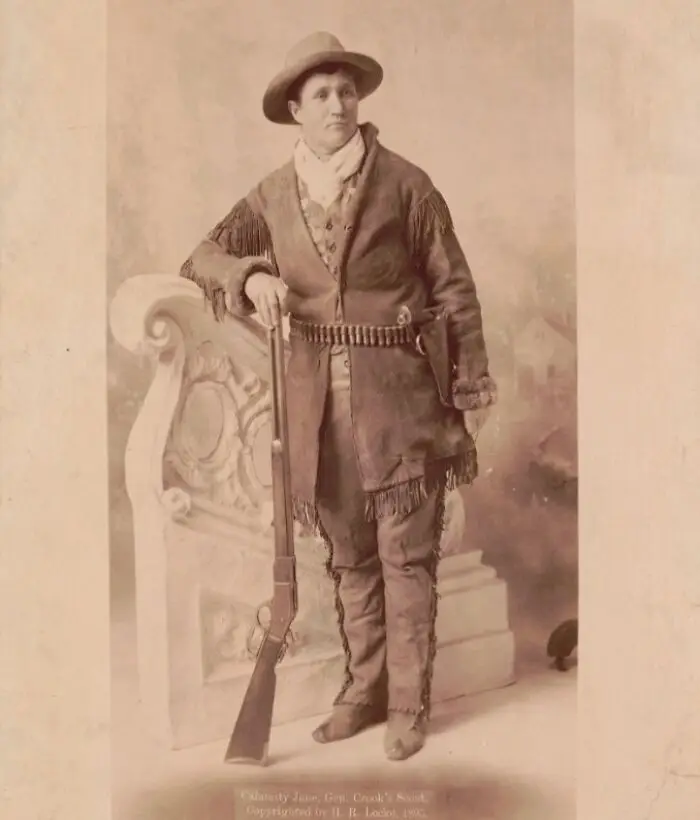
Posing with a rifle in hand for this 1895 studio portrait, Calamity Jane looks every bit the icon of the American frontier. While history often links her name to Wild Bill Hickok, figuring out who she actually was beneath the reputation is a tricky business.
She was a master of self-mythologizing, inventing stories about her own exploits that later blended with decades of folklore, making it nearly impossible to separate the real woman from the legend she helped create.
She was a master of self-mythologizing, inventing stories about her own exploits that later blended with decades of folklore, making it nearly impossible to separate the real woman from the legend she helped create.
Report
8points
#48 President Andrew Jackson, 1844-1845
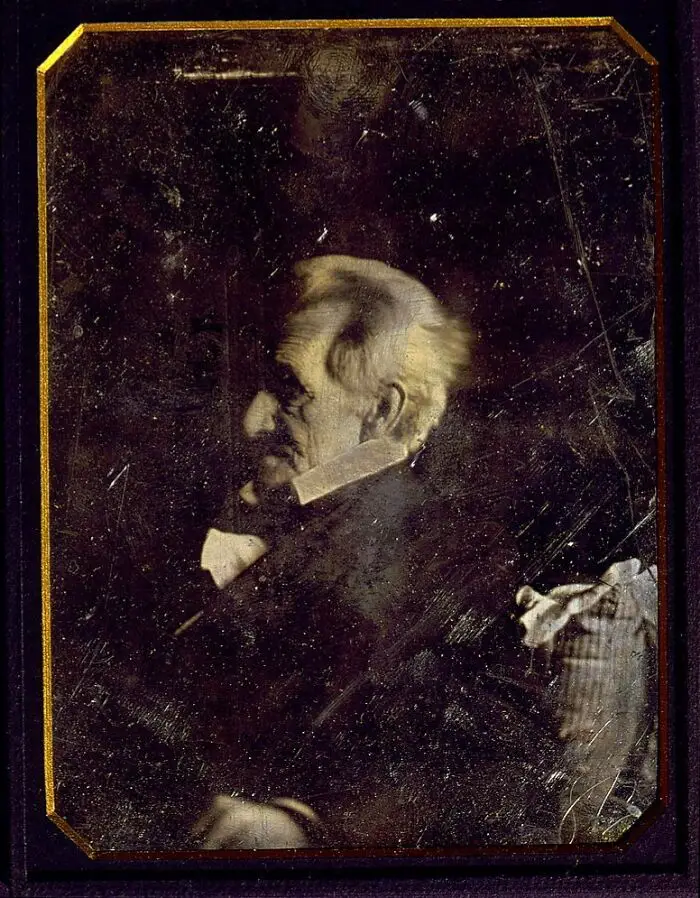
Coming out of the legendary Mathew Brady studio, this daguerreotype offers a glimpse of Andrew Jackson sometime between 1844 and 1845. By this point, the seventh Commander-in-Chief had already cemented his legacy as both a military hero and a political disruptor.
He shattered the mold as the first president to hail from west of the Appalachians, winning the White House by bypassing the elites and appealing directly to the common voter. That populist strategy redefined American politics, launching the movement we now know as Jacksonian Democracy.
He shattered the mold as the first president to hail from west of the Appalachians, winning the White House by bypassing the elites and appealing directly to the common voter. That populist strategy redefined American politics, launching the movement we now know as Jacksonian Democracy.
Report
7points
#49 Conrad Heyer, 1852
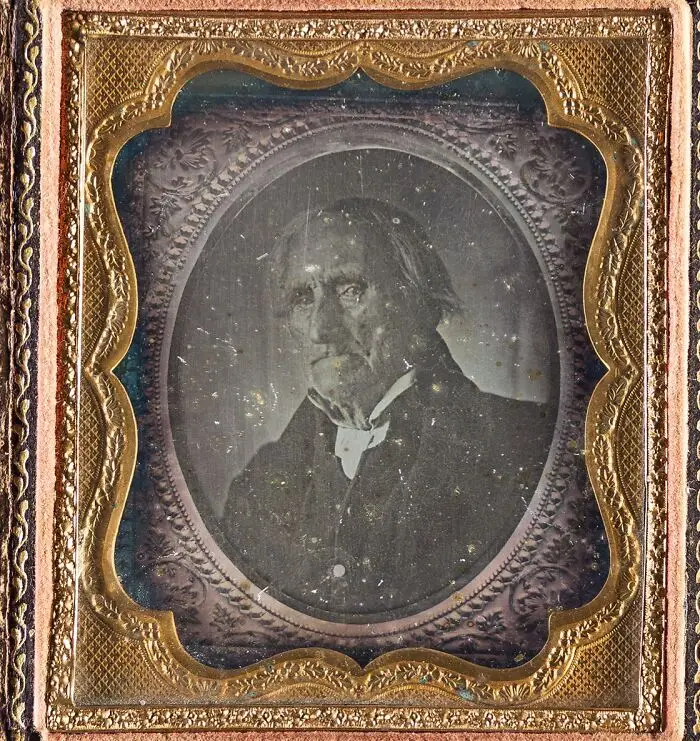
It is hard to believe that the 103-year-old man in this 1852 portrait once sat in a boat alongside George Washington during the famous crossing of the Delaware River in 1776. Conrad Heyer is the only known veteran of that freezing Christmas night operation to live long enough to face a camera. Because of his advanced age, he holds the distinction of having the earliest birth date of anyone ever photographed.
Report
7points
#50 Lemuel Cook, 1864
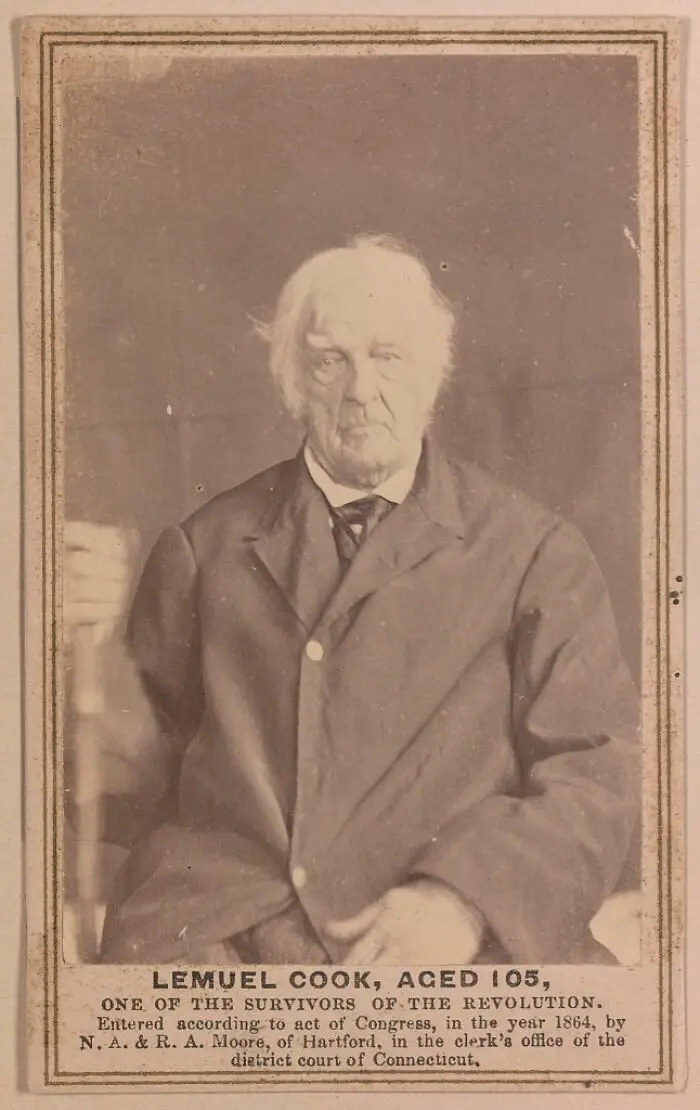
By 1864, Lemuel Cook remained as one of the few verifiable survivors of the American Revolutionary War left on earth. He certainly earned his place in history, having survived multiple wounds while fighting at Brandywine and during the Virginian campaign.
He even had a front-row seat to the war's climax, personally witnessing Charles Cornwallis surrender in October 1781. Beyond the battlefield, Cook spent his years working the land as a farmer and raising a large family of ten children.
He even had a front-row seat to the war's climax, personally witnessing Charles Cornwallis surrender in October 1781. Beyond the battlefield, Cook spent his years working the land as a farmer and raising a large family of ten children.
Report
6points