



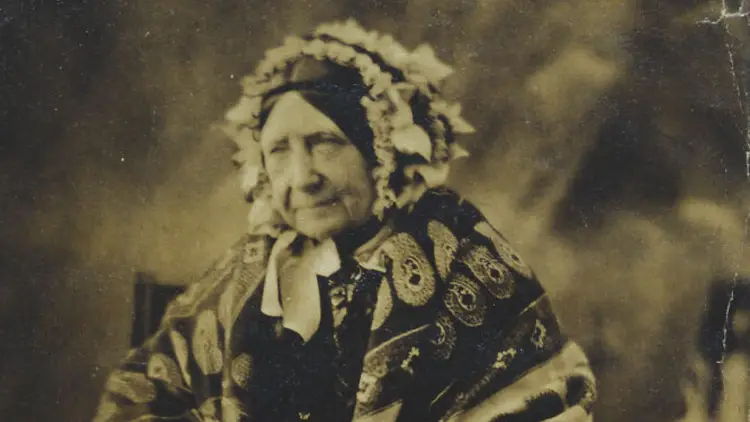



Whoever said time-travelling is impossible is likely forgetting about the power of photographs. These still images represent a moment in time when a person who would make a mark in human history was still walking this Earth.
This list features some of them. We at Bored Panda have compiled some never-before-seen pictures of some of the most renowned historical figures. Mark Twain, Edgar Allan Poe, and Vincent Van Gogh are just some of the biggest names on here, all of which are a must-see.
These photographs come with equally compelling backstories. If you’re a history buff, you will be here a while, so grab a seat.
#21 Buffalo Bill Cody, 1911
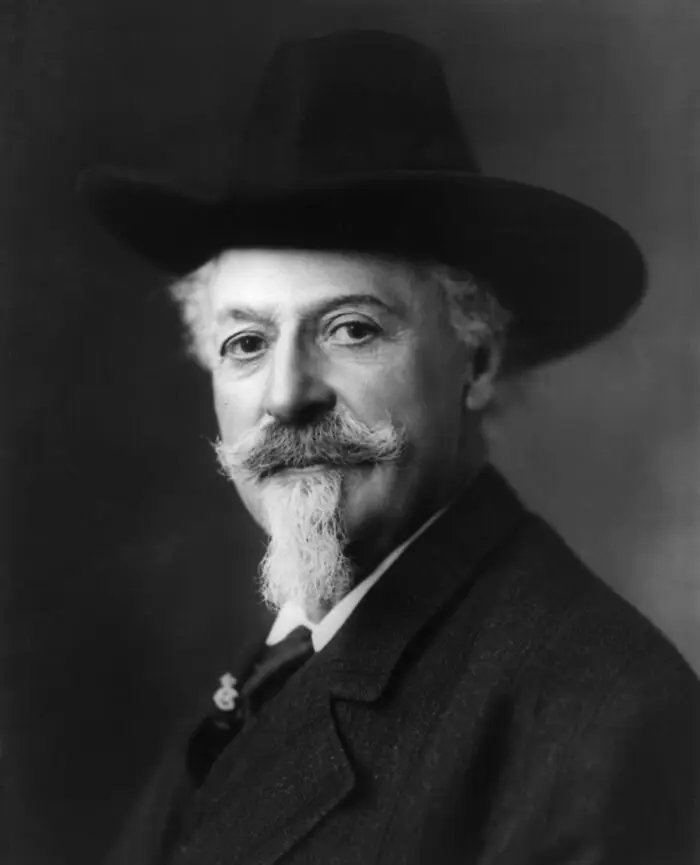
By 1911, William "Buffalo Bill" Cody had cemented his status as one of the world's first true global superstars, thanks to the international success of his traveling spectacular, Buffalo Bill’s Wild West and Congress of Rough Riders of the World.
But before he was an impresario dramatizing the frontier for eager crowds, he actually lived it. His reputation for elite riding and shooting was backed by a gritty resume that included stints as a Pony Express rider, a buffalo hunter, and four years as a scout for U.S. Army Lieutenant General Philip Sheridan.
But before he was an impresario dramatizing the frontier for eager crowds, he actually lived it. His reputation for elite riding and shooting was backed by a gritty resume that included stints as a Pony Express rider, a buffalo hunter, and four years as a scout for U.S. Army Lieutenant General Philip Sheridan.
16points
#22 Vincent Van Gogh, 1873
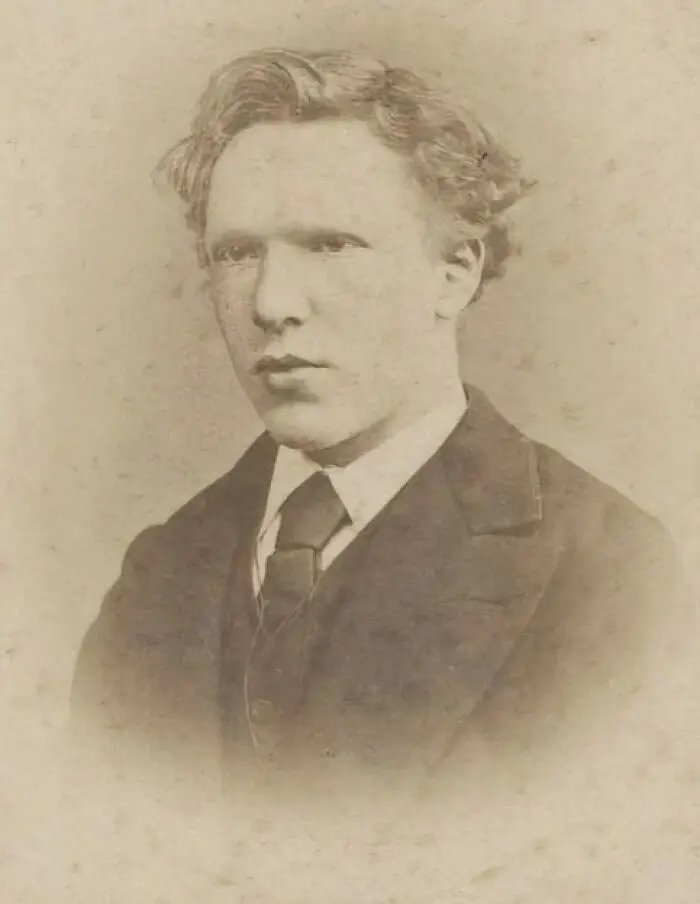
There is still a bit of a mystery surrounding this 1873 photograph; while many claim it shows a nineteen-year-old Vincent van Gogh, others argue it might actually be his brother, Theo. If it is Vincent, we are looking at the future Post-Impressionist master long before he developed the swirling brushwork and vivid colors that would eventually define modern art.
He was actually something of a late bloomer, not kicking off his artistic career until he was twenty-seven. Once he started, however, he worked at a feverish pace, producing roughly 900 paintings and 1,100 drawings in just a decade. It is a bittersweet legacy as he sold almost nothing while he was alive and only hit his stylistic peak in his final three years, yet his work went on to spark the Expressionist movement and make him a household name long after he was gone.
He was actually something of a late bloomer, not kicking off his artistic career until he was twenty-seven. Once he started, however, he worked at a feverish pace, producing roughly 900 paintings and 1,100 drawings in just a decade. It is a bittersweet legacy as he sold almost nothing while he was alive and only hit his stylistic peak in his final three years, yet his work went on to spark the Expressionist movement and make him a household name long after he was gone.
15points
#23 Hans Christian Andersen
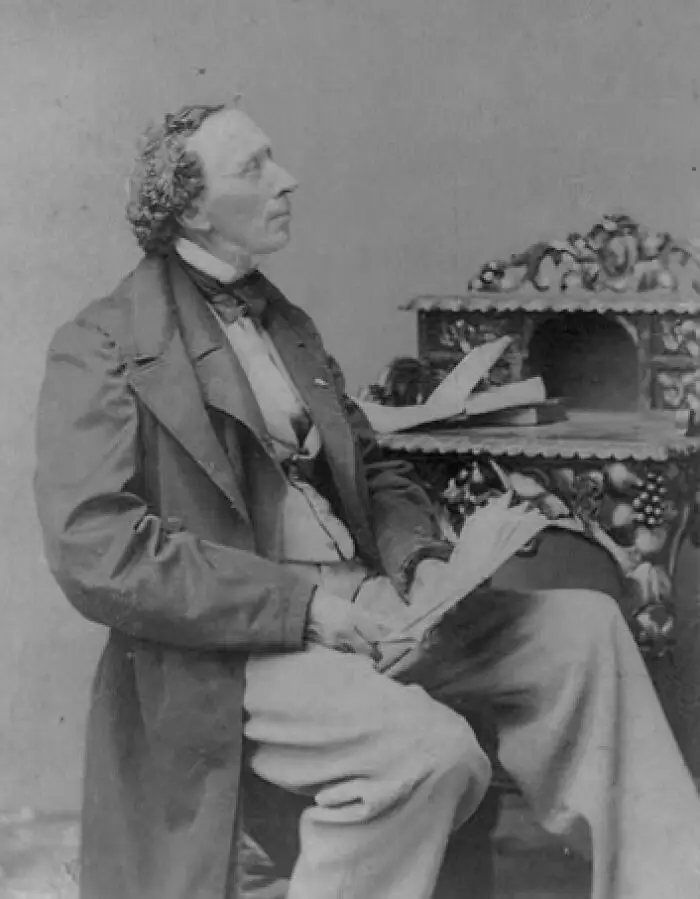
While the world mostly knows Hans Christian Andersen for his globally beloved fairy tales, the Danish author was also a huge enthusiast of the emerging art of photography. Though his plays, novels, and travelogues didn't quite achieve the same international fame as his children's stories, his face certainly got around.
He was eager to step in front of the lens from the very beginning, frequently sitting for a photographer named Hansen between 1860 and 1874. He clearly enjoyed the process, too; a diary entry from July 19, 1862, notes a particularly successful trip to Hansen’s studio where the writer walked away with a haul of twenty-four new portraits.
He was eager to step in front of the lens from the very beginning, frequently sitting for a photographer named Hansen between 1860 and 1874. He clearly enjoyed the process, too; a diary entry from July 19, 1862, notes a particularly successful trip to Hansen’s studio where the writer walked away with a haul of twenty-four new portraits.
15points
#24 John Herschel, 1867
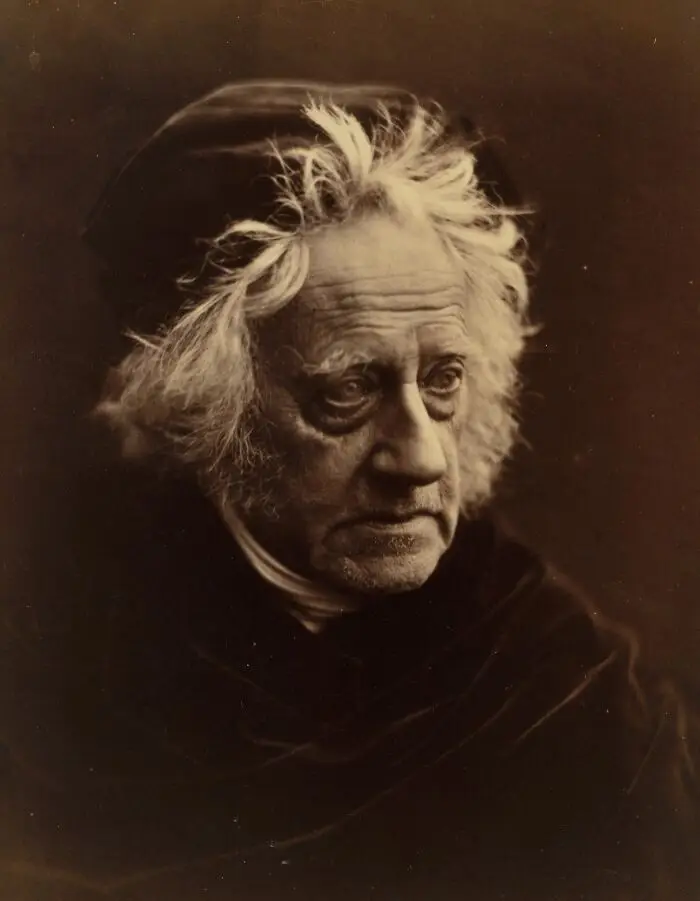
Julia Margaret Cameron approached this April 1867 session with Sir John Herschel as something of a sacred mission, having looked up to the astronomer for thirty-one years. While she definitely hoped to make some money from the prints, she primarily saw herself as documenting a giant of the age. A man whose work in math and stellar observation made him the Victorian equivalent of Isaac Newton.
Following in the footsteps of his father, Sir William Herschel, he was a scientific heavyweight, yet his taste in photos was quite personal. Out of the four images Cameron captured that day, Herschel actually preferred this one, feeling it best captured his vibe as a wise "old Paterfamilias."
Following in the footsteps of his father, Sir William Herschel, he was a scientific heavyweight, yet his taste in photos was quite personal. Out of the four images Cameron captured that day, Herschel actually preferred this one, feeling it best captured his vibe as a wise "old Paterfamilias."
15points
#25 Abraham Lincoln, 1846
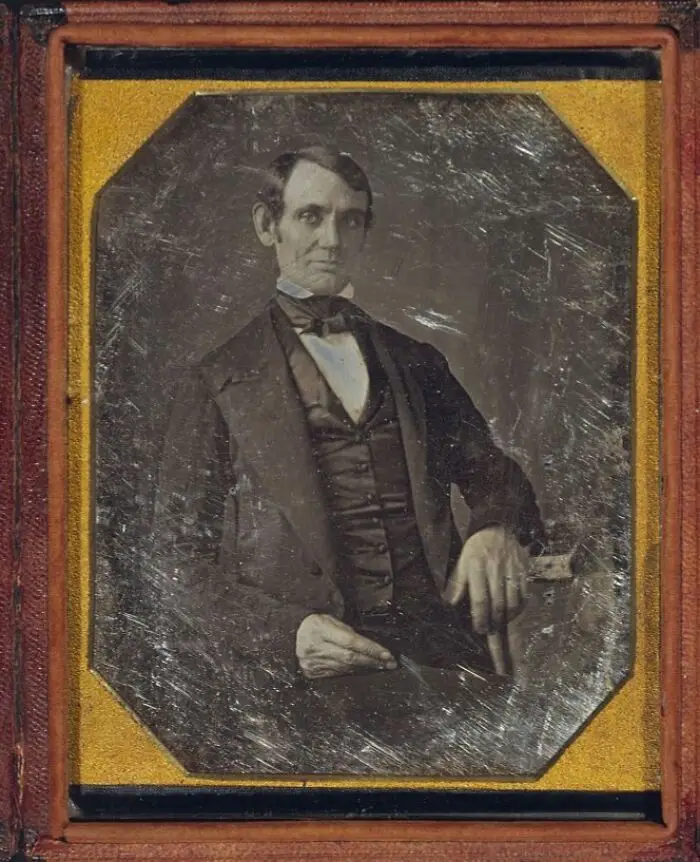
Long before the beard and the top hat became iconic symbols of the man who saved the Union and ended slavery, a 37-year-old Abraham Lincoln sat for this daguerreotype in 1846. It’s widely regarded as the oldest surviving photo of the future 16th President, captured back when he was still just a Congressman-elect and a lawyer grinding away in Springfield, Illinois.
The person behind the camera is believed to be Nicholas H. Shepherd, a detail we mostly owe to the memory of a law student who was working in Lincoln's office at the time.
The person behind the camera is believed to be Nicholas H. Shepherd, a detail we mostly owe to the memory of a law student who was working in Lincoln's office at the time.
14points
#26 Frederick Douglass, 1879
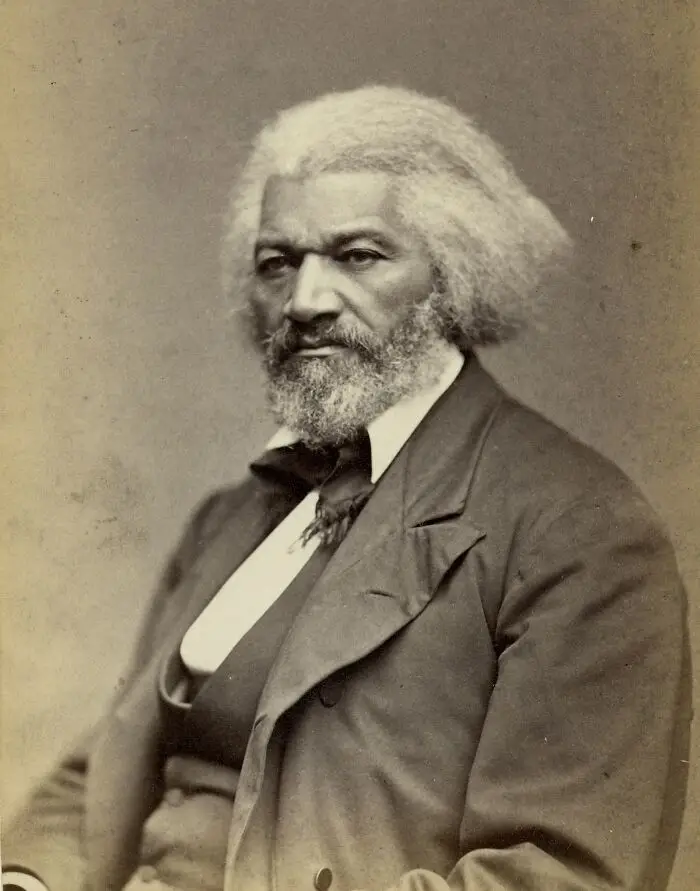
It is fitting that Frederick Douglass appears here on a cabinet card considering he was actually the most photographed American man of the entire 19th century. This specific shot dates back to around 1879, capturing the famous abolitionist and orator in his early sixties.
By this point, he had already cemented his legacy, having gone from escaping bondage to writing his seminal autobiography, running his own newspaper, and breaking barriers as the first Black U.S. marshal. He clearly understood the power of an image, using photography as a tool to assert his dignity and humanity alongside his words.
By this point, he had already cemented his legacy, having gone from escaping bondage to writing his seminal autobiography, running his own newspaper, and breaking barriers as the first Black U.S. marshal. He clearly understood the power of an image, using photography as a tool to assert his dignity and humanity alongside his words.
14points
#27 Emily Dickinson, 1847
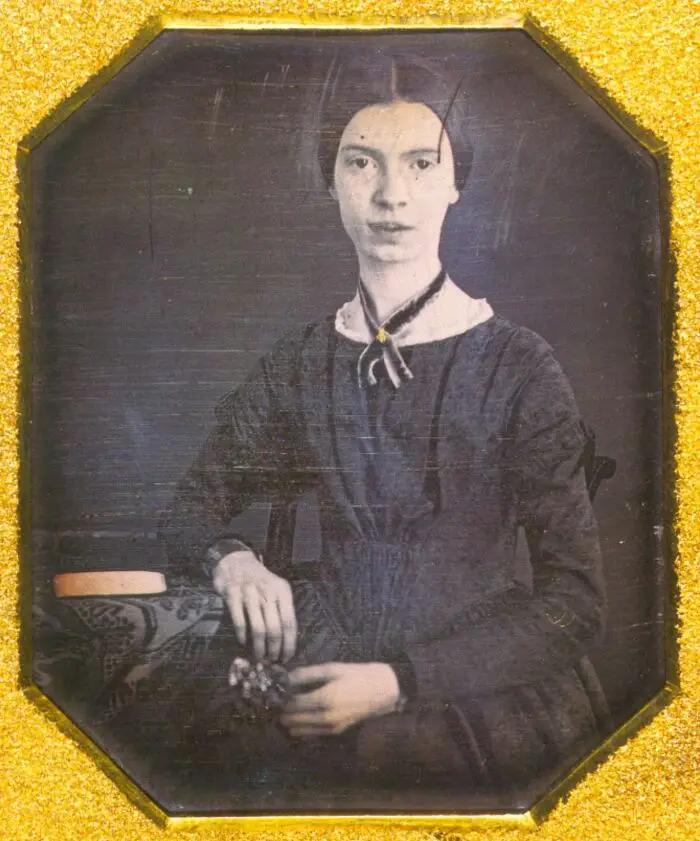
For a literary giant who stands alongside Walt Whitman as one of the 19th century’s most important American voices, Emily Dickinson left behind shockingly little visual evidence. In fact, this daguerreotype from 1847 is the only authenticated photograph of the reclusive poet that we currently have.
The image took a winding path to its current home at Amherst College. Dickinson’s sister Lavinia originally passed it on, and it moved through the hands of the Keep family and Millicent Todd Bingham before the college finally received the donation in 1956. It remains our solitary look at the woman whose brilliant, singular verses defined an era.
The image took a winding path to its current home at Amherst College. Dickinson’s sister Lavinia originally passed it on, and it moved through the hands of the Keep family and Millicent Todd Bingham before the college finally received the donation in 1956. It remains our solitary look at the woman whose brilliant, singular verses defined an era.
14points
#28 Queen Victoria, 1857
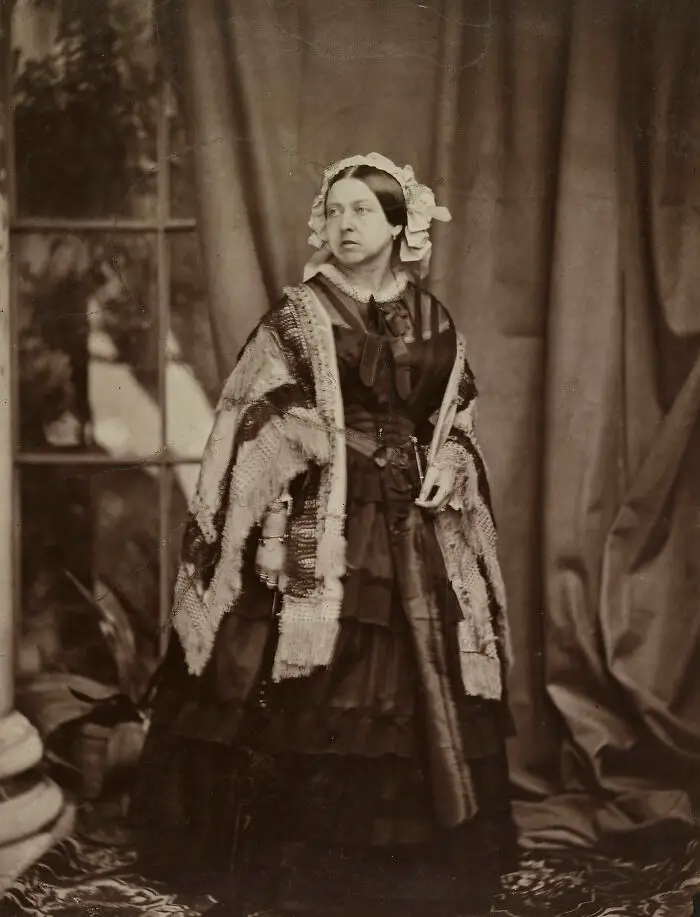
Back in April 1857, Leonida Caldesi snapped this portrait of the legendary Queen Victoria, though for a long time, credit was mistakenly given to J. Mayall. It’s a fascinating glimpse of the woman who essentially defined the 19th century, marking the end of the Hanoverian line and shifting the British crown toward the symbolic role it holds today.
Aside from ruling as Empress of India and Queen of the UK, she and Prince Albert raised a massive brood of nine; their kids eventually married into enough dynasties that Victoria became the ancestor to a huge chunk of European royalty. Caldesi actually went on to capture plenty more moments with the royals following this session.
Aside from ruling as Empress of India and Queen of the UK, she and Prince Albert raised a massive brood of nine; their kids eventually married into enough dynasties that Victoria became the ancestor to a huge chunk of European royalty. Caldesi actually went on to capture plenty more moments with the royals following this session.
Report
14points
#29 William Turner, 1847
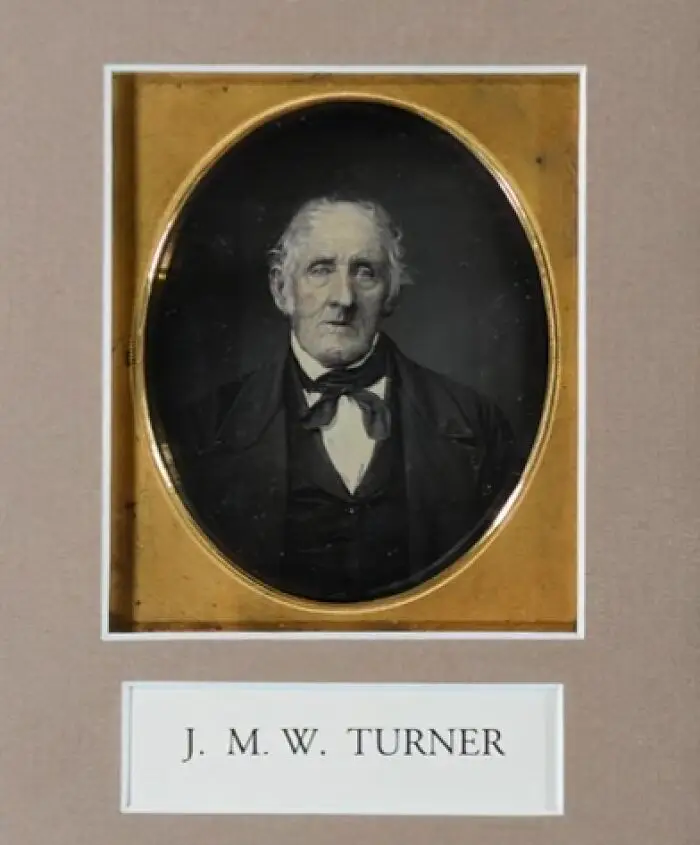
It turns out that J.M.W. Turner, the English master famous for capturing sublime light and atmosphere in his landscapes, was actually quite a fan of the emerging technology of photography. He struck up a friendship with John Jabez Edwin Mayall, who managed to capture this daguerreotype in 1847, creating the only known photograph of the eccentric artist in existence.
Mayall deliberately staged the shot to mirror a self-portrait Turner had painted of himself as a young man back in 1799, carefully matching the lighting and pose.
Mayall deliberately staged the shot to mirror a self-portrait Turner had painted of himself as a young man back in 1799, carefully matching the lighting and pose.
13points
#30 Emperor Ferdinand I Of Austria, 1860
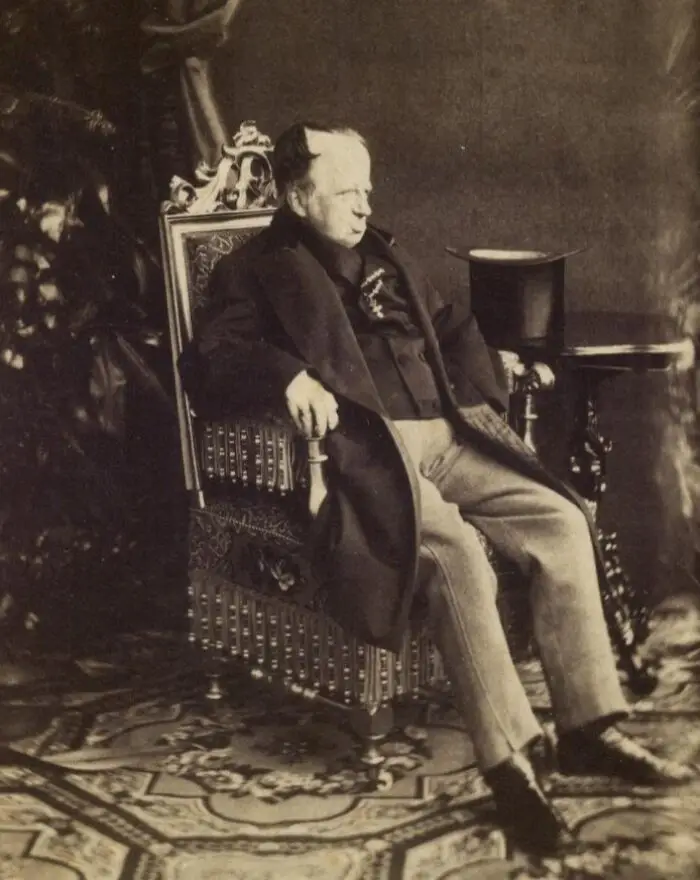
Wilhelm Rupp was the photographer behind this portrait from around 1860, capturing the former Austrian Emperor Ferdinand I well after he had stepped down from power. A member of the famous Habsburg dynasty, Ferdinand ruled from 1835 until his abdication in 1848.
His life was heavily defined by severe medical challenges, likely the result of the family's notorious history of inbreeding. This included hydrocephalus, epilepsy, and a speech impediment, all of which made his time on the throne physically and neurologically difficult.
His life was heavily defined by severe medical challenges, likely the result of the family's notorious history of inbreeding. This included hydrocephalus, epilepsy, and a speech impediment, all of which made his time on the throne physically and neurologically difficult.
Report
13points
#31 Caroline Hill, 1870
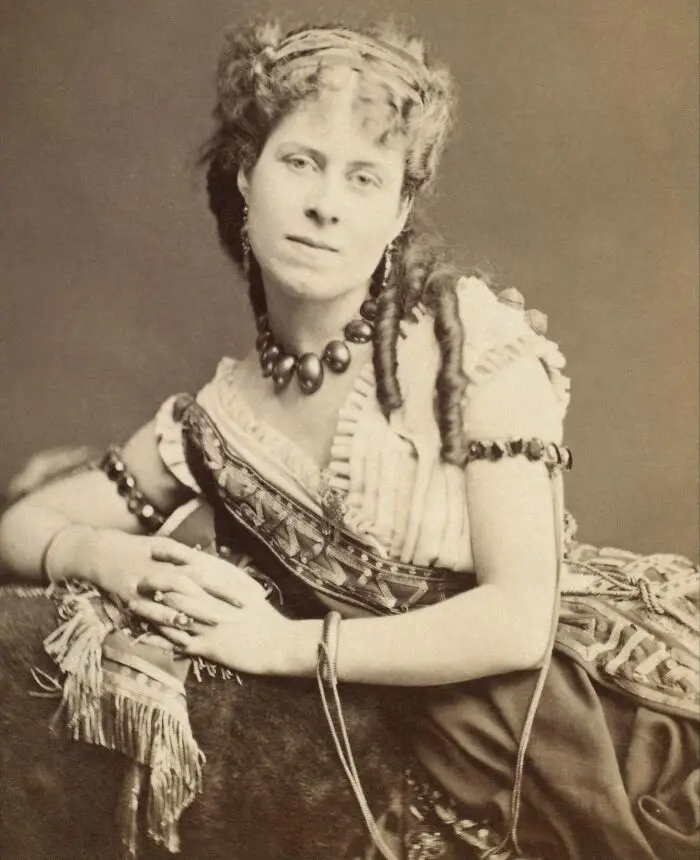
Captured here in costume as Mirza for the premiere run of W.S. Gilbert’s The Palace of Truth in 1870, Caroline Lucreza Brook Hill was a staple of the English stage during that decade. Her journey began quite early, kicking off her career as a youngster in Samuel Phelps’s troupe before transitioning to J. B. Buckstone’s squad at the Haymarket.
It was there that she really made her mark, originating parts in fresh productions, especially those written by Gilbert, and touring venues across London and the countryside.
It was there that she really made her mark, originating parts in fresh productions, especially those written by Gilbert, and touring venues across London and the countryside.
13points
#32 Geronimo, Or Goyahkla. 1887
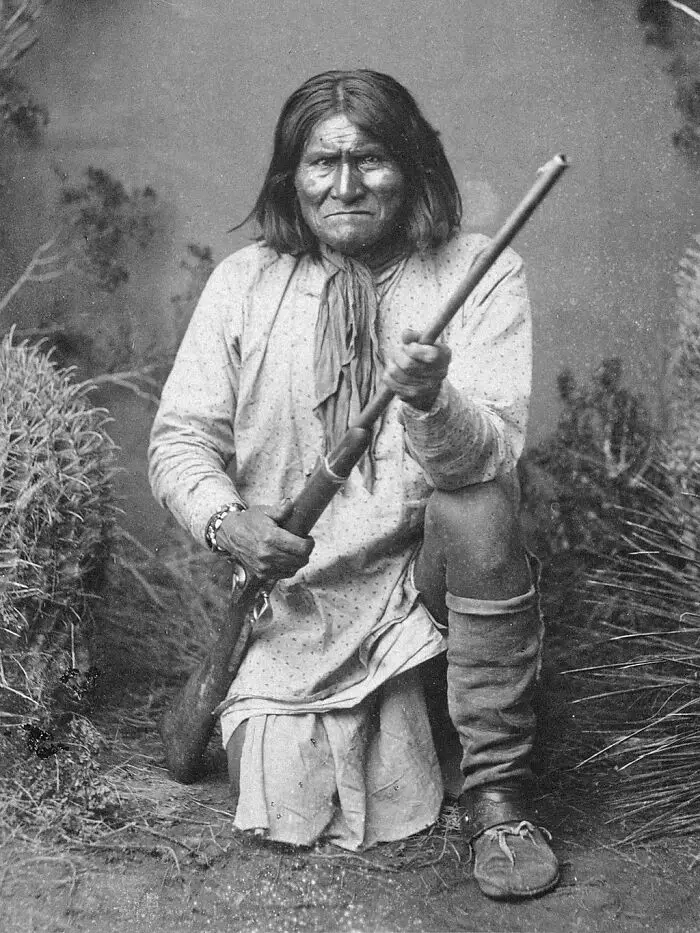
As the Bedonkohe Apache leader who held out the longest against the American military, Geronimo (or Goyahkla) occupies a heavy space in history. By the time of this 1887 image, he had become the final indigenous leader to formally surrender, kicking off a strange, tragic final chapter where he spent twenty years as a prisoner of war who doubled as a celebrity attraction.
He was trotted out for World's Fairs and Wild West shows, and even attended Teddy Roosevelt’s inauguration. Sadly, his fame didn't buy his freedom. When he used that meeting to plead for his people's return to Arizona, the President cold-shouldered him, accusing him of having a "bad heart" due to his past resistance and telling him he had to wait and see how he behaved on the reservation.
He was trotted out for World's Fairs and Wild West shows, and even attended Teddy Roosevelt’s inauguration. Sadly, his fame didn't buy his freedom. When he used that meeting to plead for his people's return to Arizona, the President cold-shouldered him, accusing him of having a "bad heart" due to his past resistance and telling him he had to wait and see how he behaved on the reservation.
Report
12points
#33 Roger Fenton, 1856
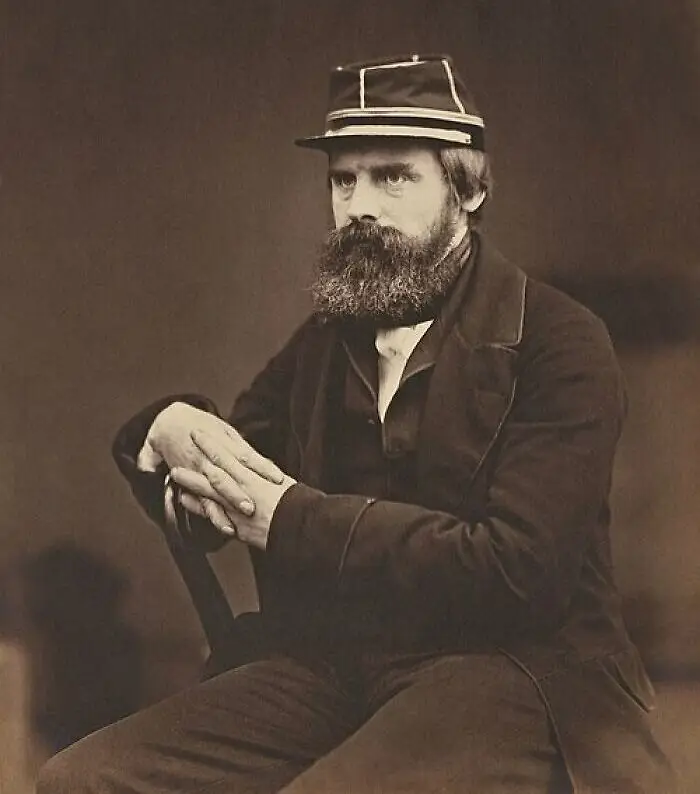
Roger Fenton is pretty much the godfather of war photography, having created the first real comprehensive visual archive of a conflict during his time in the Crimea. By 1856, this English photographer’s work was making waves across Europe, with successful gallery shows popping up in both Paris and London.
His images were so influential that the Illustrated London News actually commissioned wood-engraved reproductions of his best shots to share them with the masses.
His images were so influential that the Illustrated London News actually commissioned wood-engraved reproductions of his best shots to share them with the masses.
12points
#34 Samuel Sprague, 1842
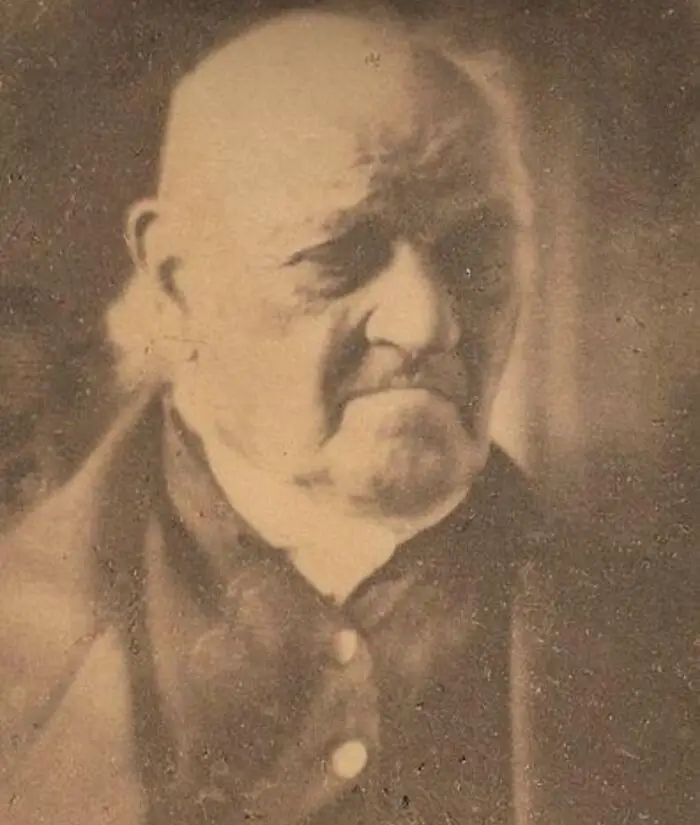
It’s pretty incredible that a camera was around in 1842 to capture the face of a man who actually tossed crates into the harbor during the Boston Tea Party. Samuel Sprague was just 19 years old during that rebellious night in 1773, and he didn't stop there.
He went on to serve on the front lines of the Revolutionary War, seeing combat at Princeton, Trenton, and the Siege of Boston. Aside from his military past, he made a living as a mason and was the father of Charles Sprague, standing as a living, breathing bridge between the fight for independence and the age of photography.
He went on to serve on the front lines of the Revolutionary War, seeing combat at Princeton, Trenton, and the Siege of Boston. Aside from his military past, he made a living as a mason and was the father of Charles Sprague, standing as a living, breathing bridge between the fight for independence and the age of photography.
11points
#35 Maria Amalia Of Naples And Sicily, 1866
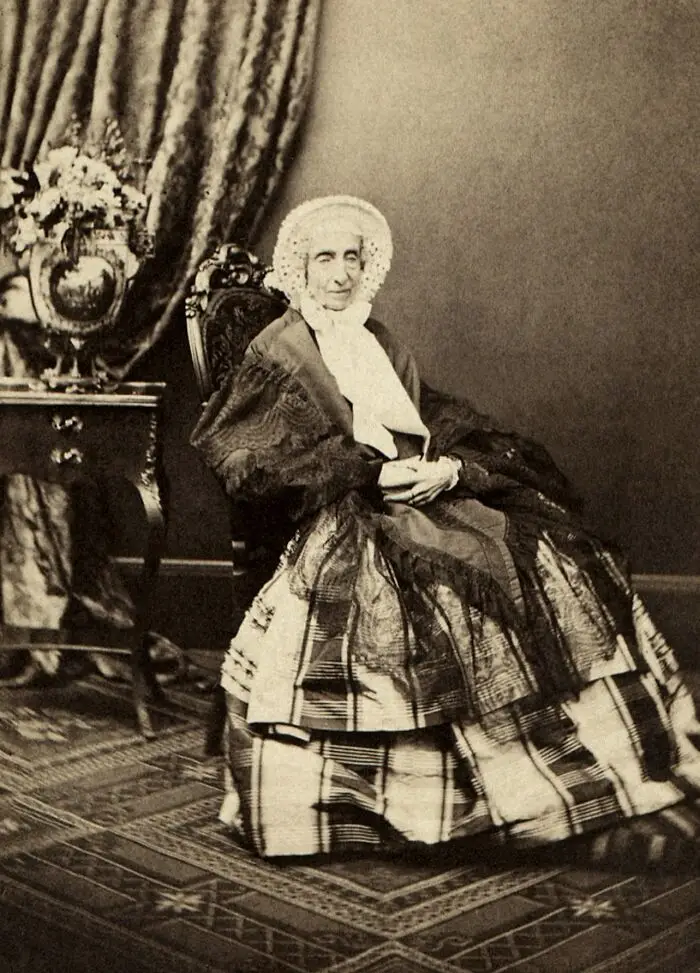
Antoine Claudet caught up with the exiled royal in London to create this daguerreotype around 1866. Maria Amalia of Naples and Sicily holds the historic distinction of being the very last Queen of France, having sat on the throne alongside her husband, King Louis Philippe I.
By the time this portrait was taken, however, the French court was a distant memory. The couple had been forced to flee across the Channel following the upheaval of the 1848 Revolution, living out their remaining years in England.
By the time this portrait was taken, however, the French court was a distant memory. The couple had been forced to flee across the Channel following the upheaval of the 1848 Revolution, living out their remaining years in England.
Report
10points
#36 Dolley Madison, 1846
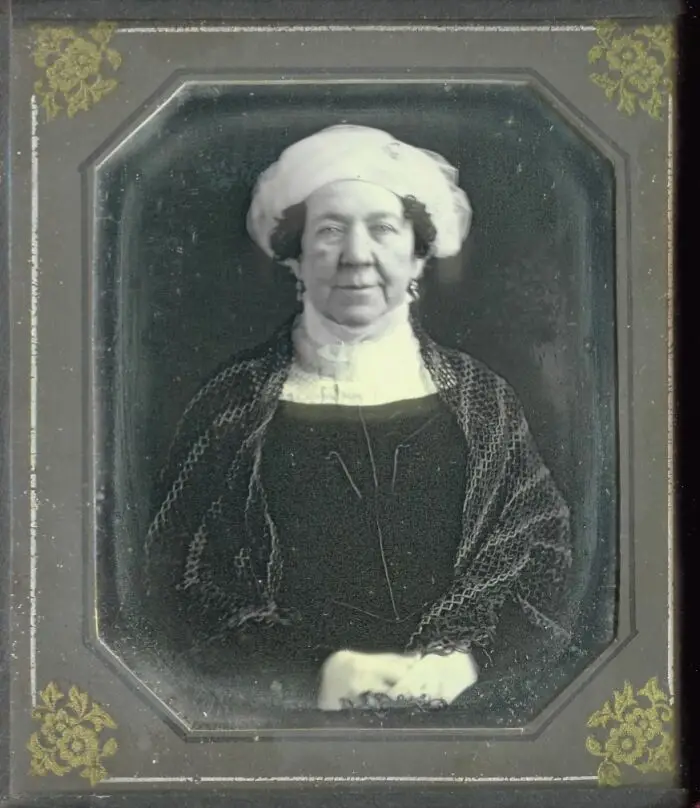
It’s wild to think that this 1846 quarter-plate daguerreotype was just sitting in a basement until recently, only to be scooped up by the National Portrait Gallery for a cool $456,000. Captured by photographer John Plumbe Jr., the image features Dolley Madison long after her time in the White House with her husband, James.
She’s essentially the woman who wrote the playbook for every First Lady who followed. Despite being raised in a strict Quaker household, her warmth and social genius turned the role into the influential hosting position it is today.
She’s essentially the woman who wrote the playbook for every First Lady who followed. Despite being raised in a strict Quaker household, her warmth and social genius turned the role into the influential hosting position it is today.
Report
10points
#37 Louis Philippe I, King Of France, 1842
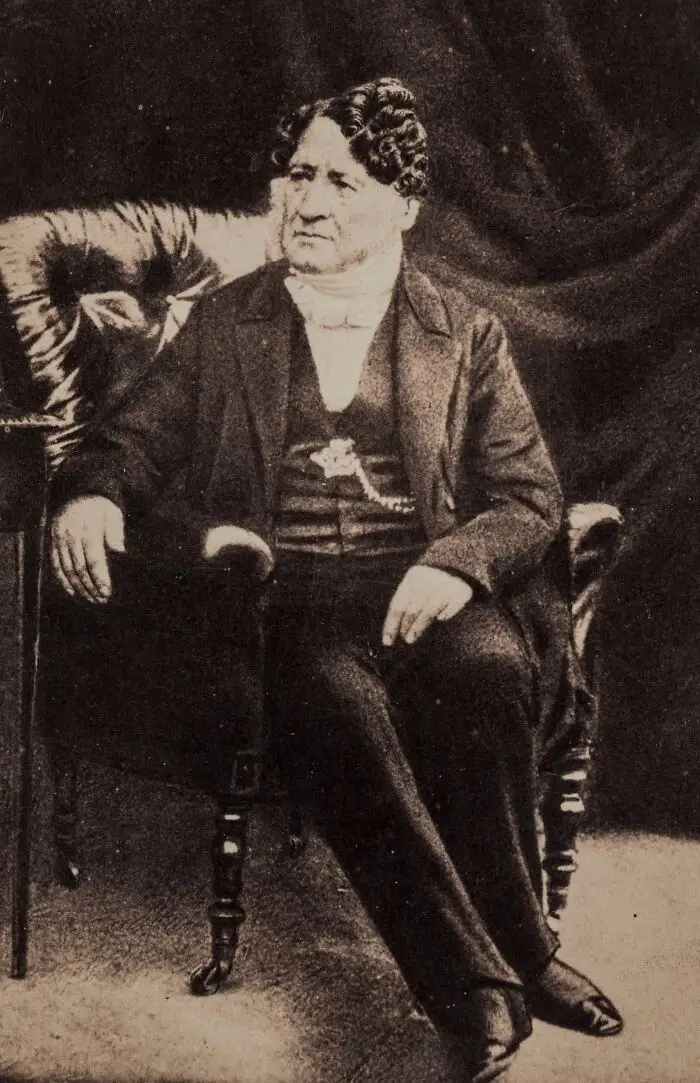
This 1842 daguerreotype is historically unique, standing as the only known photograph of a French monarch while he was actually still on the throne. Louis Philippe I, often called the "Citizen King," ruled from 1830 until the Revolution of 1848, when he was forced to abdicate.
He managed to keep the wealthy bourgeoisie on his side for a while, but his inability to win over the rising industrial class eventually cost him the crown. He remains the final ruler in France's history to officially hold the title of King.
He managed to keep the wealthy bourgeoisie on his side for a while, but his inability to win over the rising industrial class eventually cost him the crown. He remains the final ruler in France's history to officially hold the title of King.
Report
10points
#38 Annie Oakley, 1899
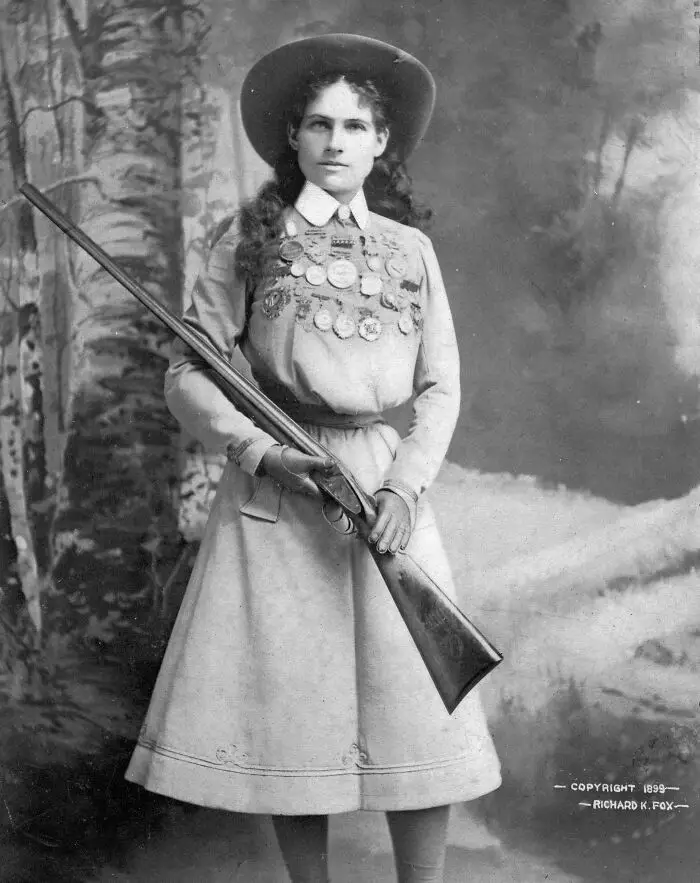
There is no disputing the legendary status of the woman known as "Little Sure Shot." Born with a different name, Annie Oakley proved she was a prodigy at just fifteen years old when she out-gunned professional sharpshooter Frank Butler in a competition.
The two ended up marrying, and in a twist that defied the era's norms, Butler eventually stepped back to serve as her assistant once her fame eclipsed his. She became a massive international draw for Buffalo Bill’s Wild West Show, thrilling crowds by shooting glass balls out of the sky and even knocking cigarettes right out of her husband's mouth.
The two ended up marrying, and in a twist that defied the era's norms, Butler eventually stepped back to serve as her assistant once her fame eclipsed his. She became a massive international draw for Buffalo Bill’s Wild West Show, thrilling crowds by shooting glass balls out of the sky and even knocking cigarettes right out of her husband's mouth.
10points
#39 John Owen, 1843
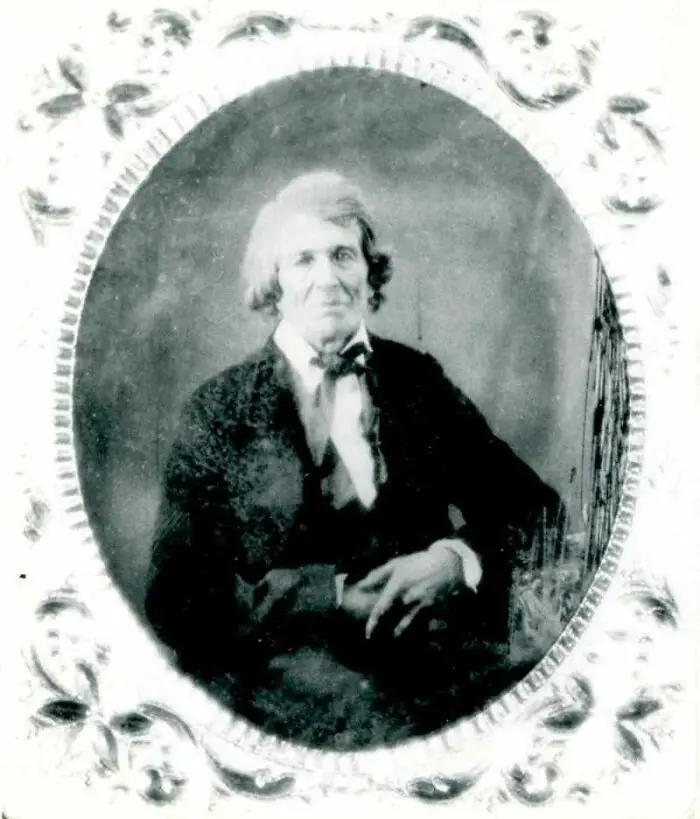
Born all the way back in 1735, John Owen represents one of the earliest birthdates ever captured on camera. This 1843 portrait memorialized the Salisbury, Connecticut native just shortly before he passed away at the incredible age of 108.
He was a double veteran who fought in the American Revolution and is widely believed to have been the final surviving soldier of the French and Indian War. It is remarkable that photography arrived just in time to document the face of a man who saw the mid-18th century firsthand.
He was a double veteran who fought in the American Revolution and is widely believed to have been the final surviving soldier of the French and Indian War. It is remarkable that photography arrived just in time to document the face of a man who saw the mid-18th century firsthand.
Report
10points
#40 John Brown, 1846-1847
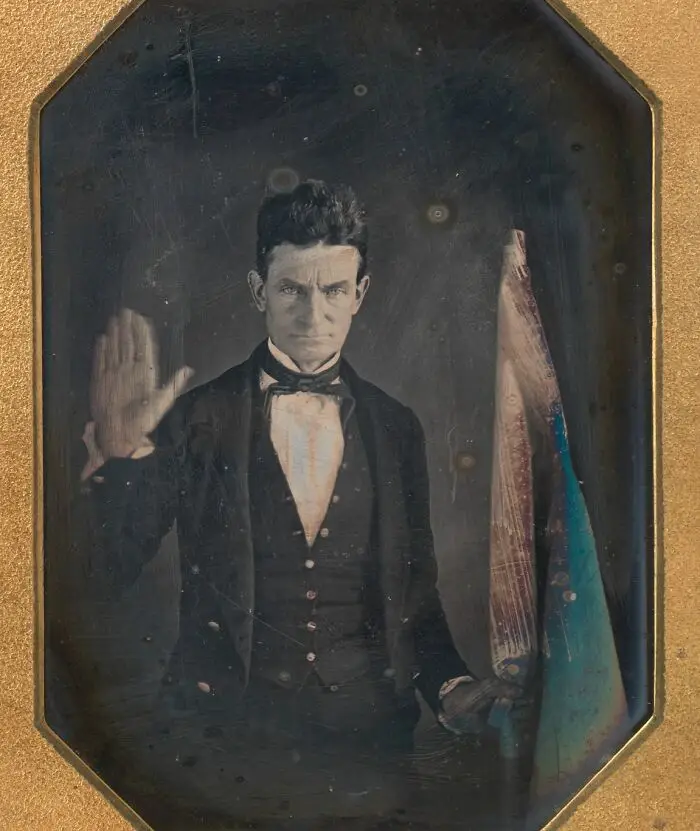
Augustus Washington, an African-American photographer, captured this powerful daguerreotype around 1846 or 1847, giving us what is likely the very first look at the intense abolitionist John Brown.
It’s a striking preview of the man whose conviction would eventually lead to the infamous 1859 raid on Harpers Ferry. That act turned him into a martyr for the cause and effectively lit the fuse that exploded into the American Civil War.
It’s a striking preview of the man whose conviction would eventually lead to the infamous 1859 raid on Harpers Ferry. That act turned him into a martyr for the cause and effectively lit the fuse that exploded into the American Civil War.
10points