





#21

Most were traumatized Veterans or victims, but there were definitely some war criminals confessing to me before they d**d.
As the doctors and nurses who shared the stories on this list know well, patients in their final days aren’t always at their sharpest. Low oxygen, infections, severe pain, heavy medication, and confusion can all muddle the story someone tells, Cibelli notes, and a serious tone doesn’t necessarily mean a clear mind.
#22
#23

#24

Even memory can play tricks. The big moments tend to stick, but the smaller details can drift over time, so it’s possible to feel completely sure and still get it wrong. As Cibelli puts it, “They can be moments of truth. They can also be moments of distortion.”
#25
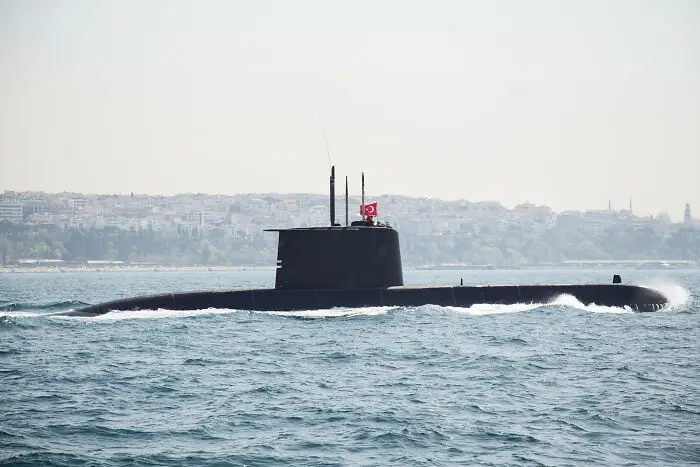
I was an intern, emergency medicine, finishing up my shift. i forget what he was there for, but he was in his 80's and being admitted. He was really cool, down to earth, and interesting. I was chatting with him at the end of my shift and we were talking about something crazy in the news. he mentioned he'd seen crazier. I asked for more and he really didnt want to tell me.
finally after pushing him, he gives me this whole spiel about how i'm gonna think hes crazy but hes not. he tells me he was in the navy after ww2, 1945-47 era I believe. they were on the USS roosevelt (i think) in the mediterranean, one of the first nuclear subs. He tells me one night there was an alert on the ship, potential enemy type thing. there were a bunch of lights under the ship, keeping pace with it. He says it lasted a while, and finally one of them shot up out of water and into the sky in the blink of an eye. quiet, no sound. Swears he and everyone else there saw it. then he tells me "see? I knew you thought i'm crazy.., anyway."
the weird thing was how down to earth (no pun intended) he was. totally rational guy. had a whole career and family and was embarrassed to tell me and wouldnt have if i hadnt pushed him. I went home and looked it up and sure enough there was a wiki page on it. I dont know why, but its now gone and i can't find all the info i'd found on it. Come to find out later there are tons of UFO sightings by military personal, much of which happened around nuclear subs, weapons, ships, etc.
TLDR: my patient saw a UFO (and i believe him)
#26
#27

One elderly male patient coming to the ER with symptoms of a heart attack suddenly started telling me that he survived the b**bing as a child but every person he knew didn’t. So he wandered the streets (it was winter too), his familiy, house, neighbors etc all gone. A man found him, gave him food and shelter. My patient then described in detail everything he had to do in exchange. I think I might be the first person he ever told. Still haunts me.
Cibelli sees a final confession as a starting point rather than the final word, meaning it’s something to be checked, not simply taken at face value. But it’s a starting point in another sense, too: it’s the moment a secret passes to someone new. The person confessing may feel they’ve finally unburdened themselves, if only for a moment, while the people listening are left to decide whether to keep it or share it. Some of those secrets eventually end up on lists like this one. That’s how they live on, even when their original keeper no longer does.
#28

“Wanna know a story? I rescued a certain married senator, with the most famous last name we have, and the blondest bombshell, in what was clearly a s*x trip on a sailboat off the Pacific Coast. Nasty storm came in, but I think they weren’t paying too much attention down below.
She was lovely, he wanted us locked down. But it doesn’t matter now, now does it?”
#29
I had a patients husband admit to us that he has kept the pts medical history a secret from him. The husband admitted to knowingly infecting the pt HIV in the 00s and told us he was HIV+ himself. He sought treatment for himself. The patient had no idea and never received any treatment. Ended up progressing into AIDS. The pt also had an oncologist due to suspected GI cancer. He was diagnosed with stage 4 pancreatic cancer and had no idea. The oncologist only told the husband. Husband refused all treatment. we later found out that the husband (only care giver) was with holding all medications/giving them irregularly and essentially starving him of food/water and oxygen (COPD). He d**d when i went back to the hospital later that day.
#30

I was tasked to take her history in the ED psych bay when she was still conscious and I still remember her hiccuping the entire time while I asked her standardized questions. It was such an uncomfortable experience because I felt that she should have been left alone in the dark rather than with a clueless student in her face in a room with bright lights and a security officer posted right outside her door.
Anyway, halfway through the interview, she starts seizing uncontrollably and I was honestly traumatized because I’ve never seen a full blown tonic clinic seizure at that point in my life. I was ushered out and later found out she had d**d from my psych attending.
I still remember telling my attending that I had been the last person talking to her and I felt that I should have conveyed parts of our conversation to the family because I felt that I would have wanted to know if it was my mom. Not to fault my attending but I still remember her saying that it is up to the family to ask if they want to talk to the last person she talked to while alive. I still didn’t feel right about the response so I had talked to the intensive care attending who had treated the patient in their final moments of intractable seizure and I was surprised to get the same response. I had never been contacted or even told if I could contact the family.
Maybe I’m just super sensitive but I still remember this as one of my psychologically traumatic experiences in medical school when facing a patients literal d***h. To this day, I wish I could tell the patient’s kids:
“Your mom loves you and still thought about you when she was in her final conscious moments talking to me. That love was what made her regret her decision to try to save herself. I’m sorry she didn’t make it, but if she had another chance at life, she would have stayed alive for you. She was at peace at the end despite going into seizure.”
It is a secret I guess I’m sharing with all of you but can’t convey to the intended recipients. I guess this is more about me being able to process this and what I would have wanted rather than what the family actually wanted but to this day, it still bothers me when I remember this incident.
Whether entirely true or not, a person’s final words are one of life’s great curiosities, so it’s no wonder we’re drawn to them. From heartfelt regrets to jaw-dropping bombshells, they offer a rare glimpse at what really matters to someone when all is said and done. In that sense, as career and personal coach Marty Nemko writes for Psychology Today, these final confessions can sometimes offer a legacy for all of us.
#31
#32
#33
#34
#35
Edit: to be clear he died of cancer and not of AIDS. Some people believe it was AIDS that k**led him and my patient should have already known at this point, this was not the case. Another Edit: she has been positive for 20 years, no symptoms, and is undetectable all her number are great! Medicine has come a long way and HIV does not equal a death sentence in most patients.
#36
#37
He died alone. Still breaks me.
