

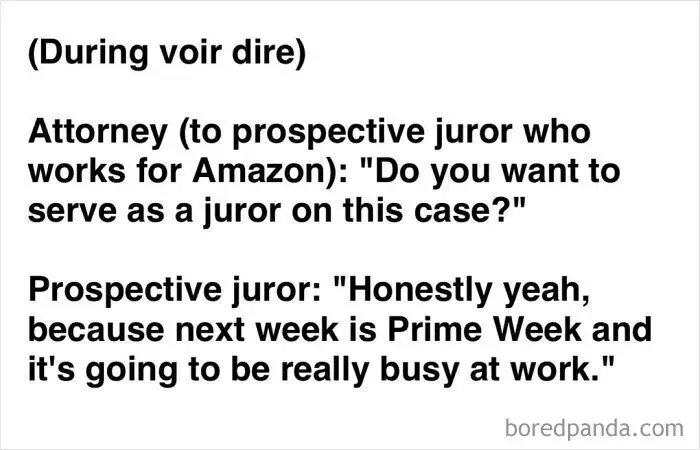
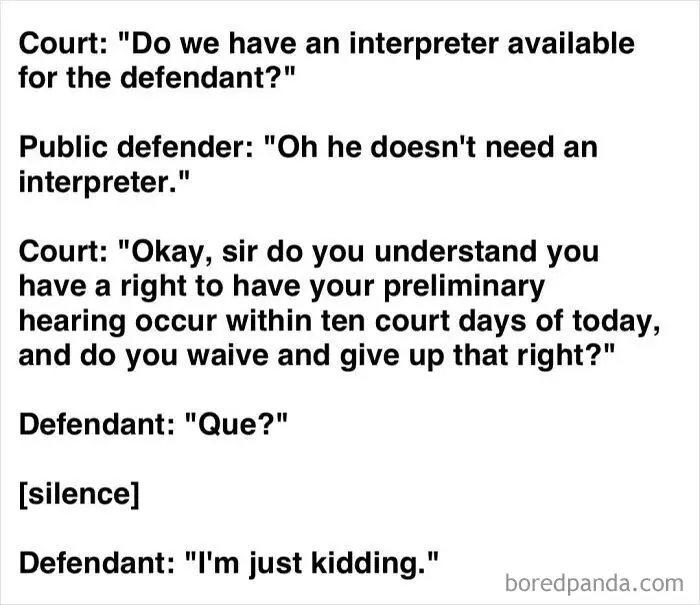
There's a reason courtroom stories have been a favorite of writers and audiences for generations, and it's surprisingly practical. Lucy Inman, a former judge writing in Duke's Judicature, points out that studios love these stories because they usually need only one or two rooms, which keeps costs down.
A Few Good Men, she notes, cost $40 million to make and earned $240 million. Viewers, meanwhile, get a front row seat to a parade of interesting people and wild stories, all wrapped up in a process that is at least trying to be fair.
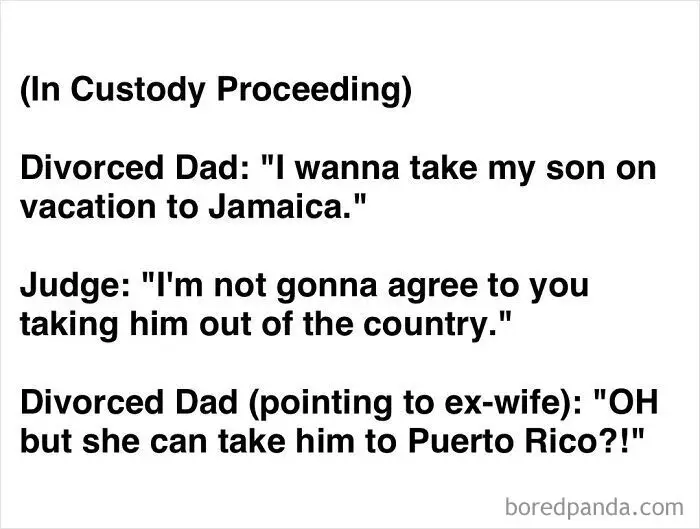
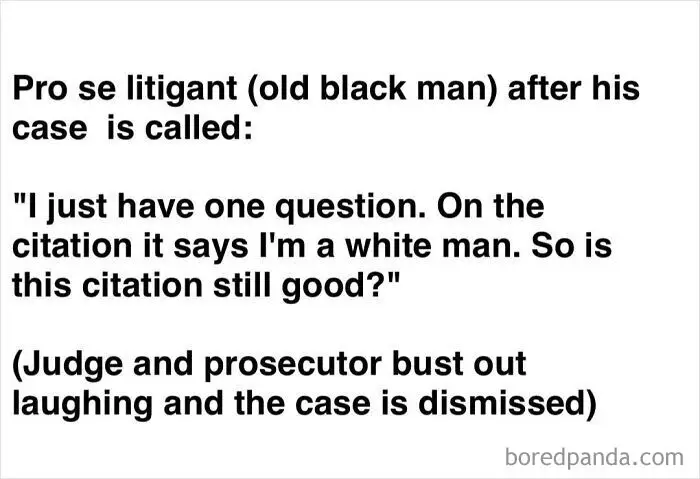
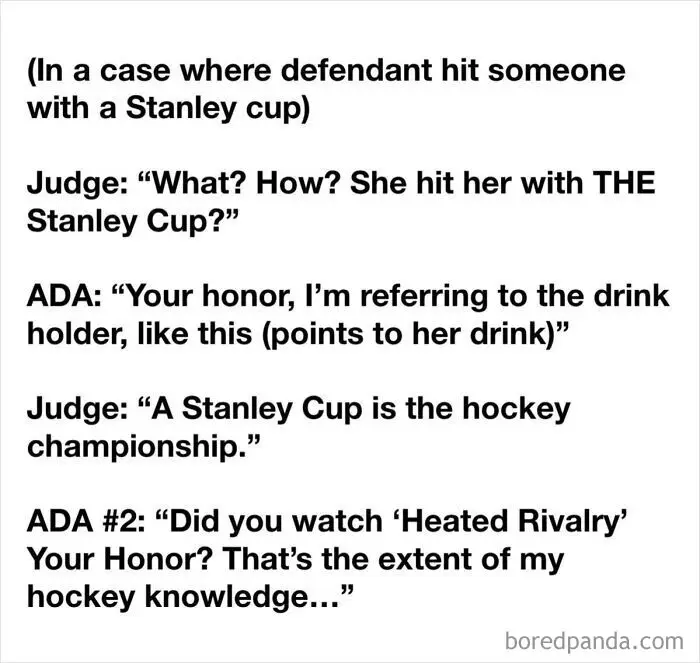
There is some clever storytelling at work too. NPR's Linda Holmes explained that the genre has a structure that feels both unpredictable and reassuring, because nobody knows what the witnesses are going to say. She adds that these stories frequently center on weighty crimes, which hand the plot high stakes from the start. Adjunct professor Alexander Wohl makes a similar point about narrative, saying the law supplies stories with a beginning, a middle and an end, plus classic ingredients like conflict and comeuppance.
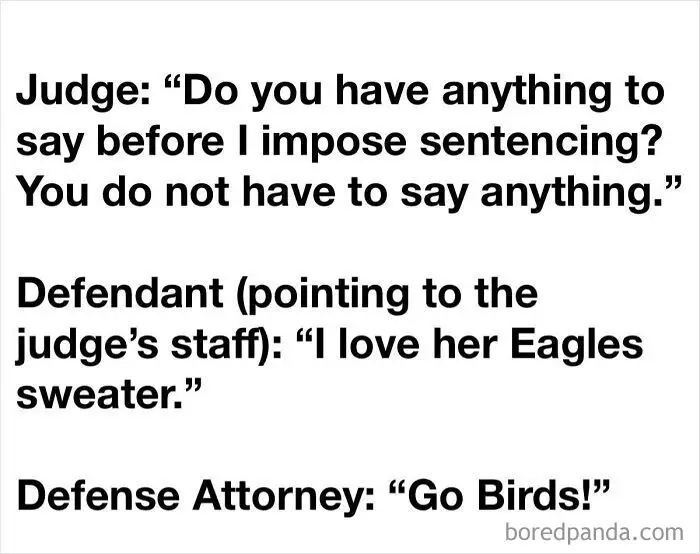
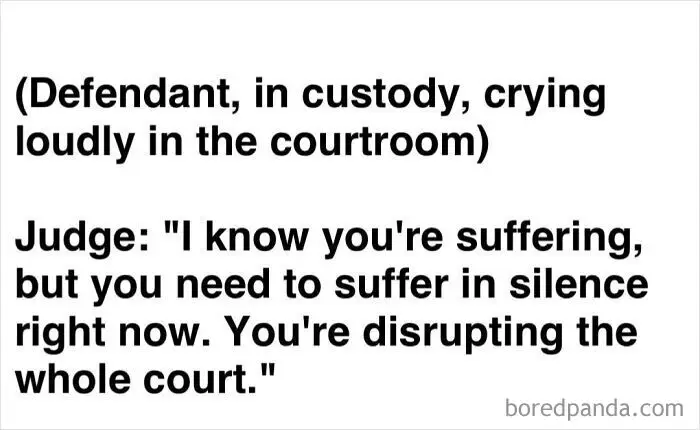
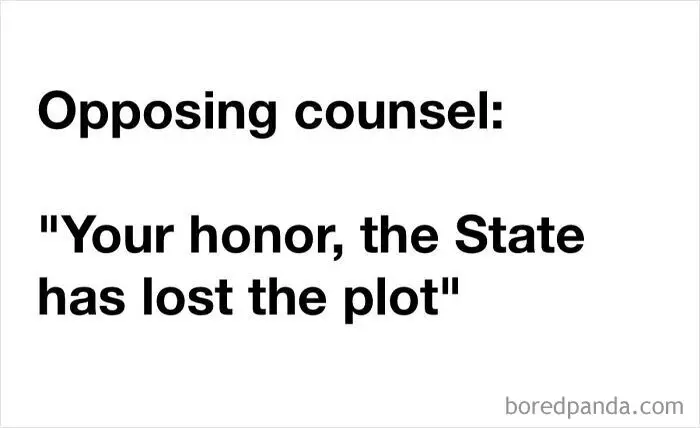
Comedy fits comfortably inside all of that. Inman's piece describes My Cousin Vinny, where a New York lawyer with no criminal experience lands in a small Alabama town to defend his nephew. The scene in which his fiancée gets qualified as an expert on tire tracks is hilarious, and it has also become a favorite example for teaching lawyers and judges how to lay the groundwork for expert testimony.
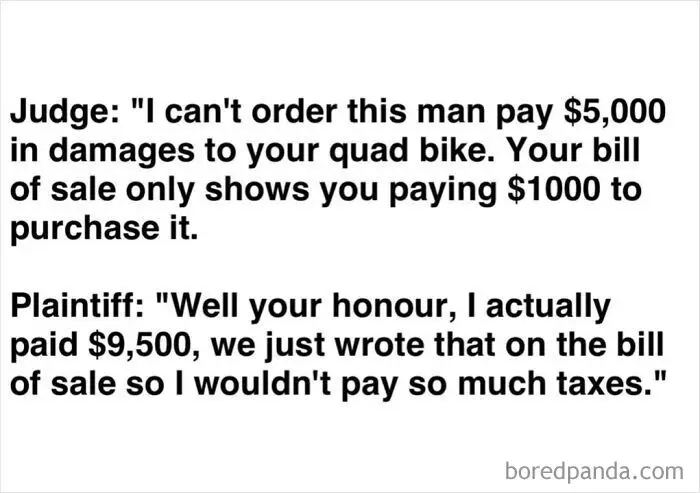
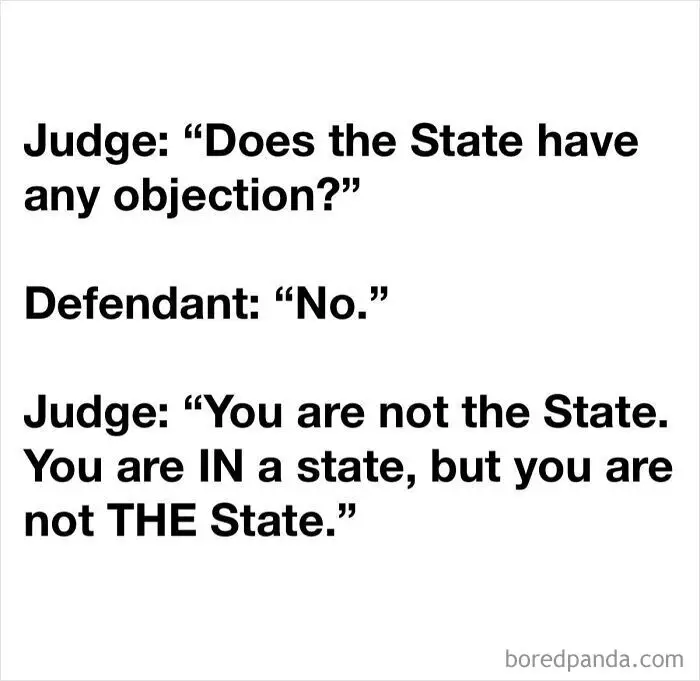
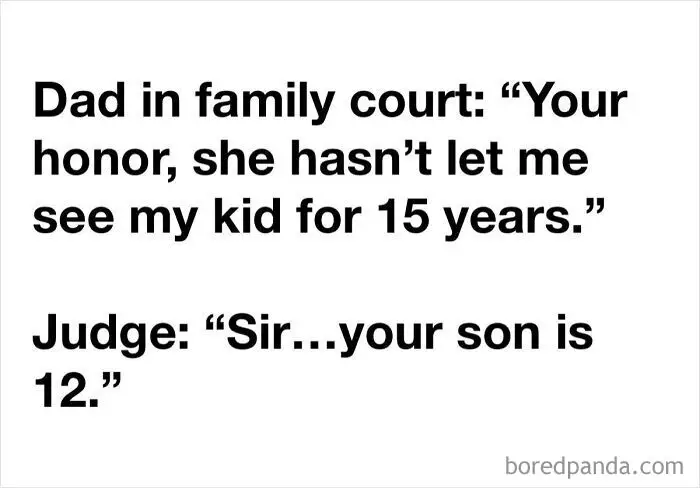
Real courtrooms are funny for a simple reason, which is pressure. Everyone is expected to sit still, speak politely and keep a straight face, and humans are terrible at that. Communication professor Joann Keyton of NC State studied a jury's deliberations and found that laughter showed up constantly, though not because anyone was telling jokes.
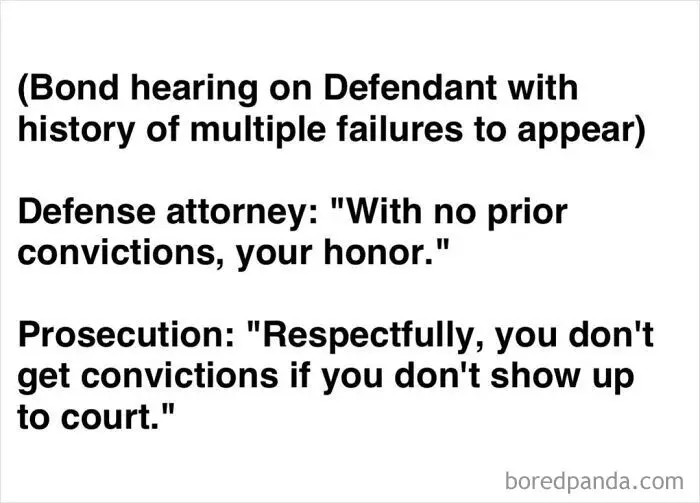
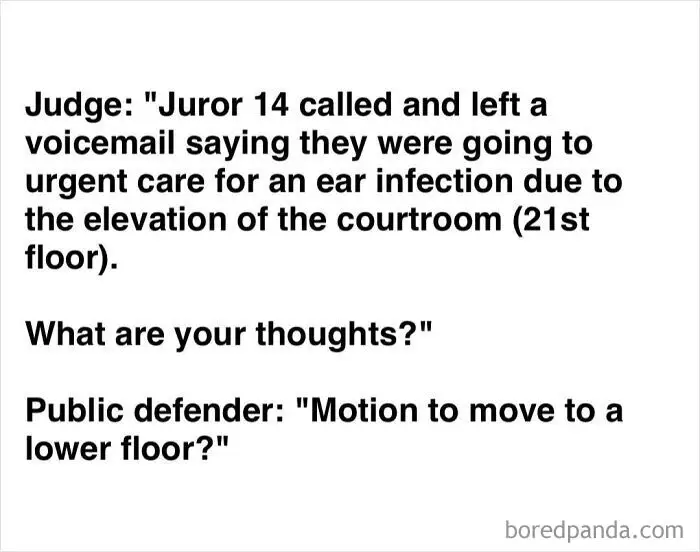
She observed that people try to hold laughter back in formal settings, which makes it worth a closer look when it slips out. In one case, jurors realized they had mixed up a sentence of 30 days with one of 30 years, and the laughter let them release tension and fix the mistake.
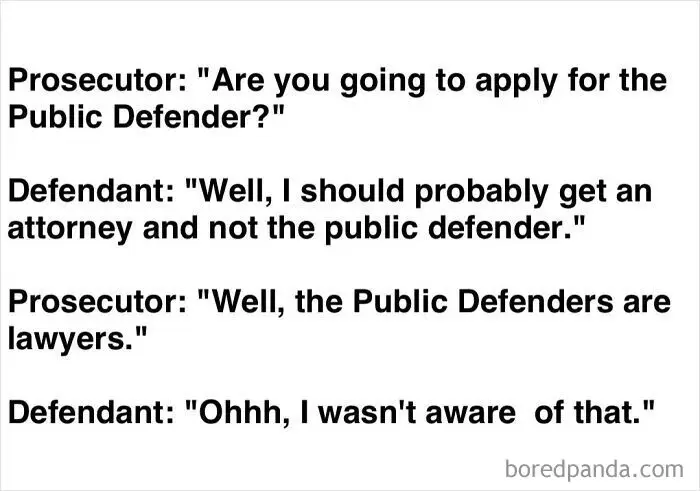
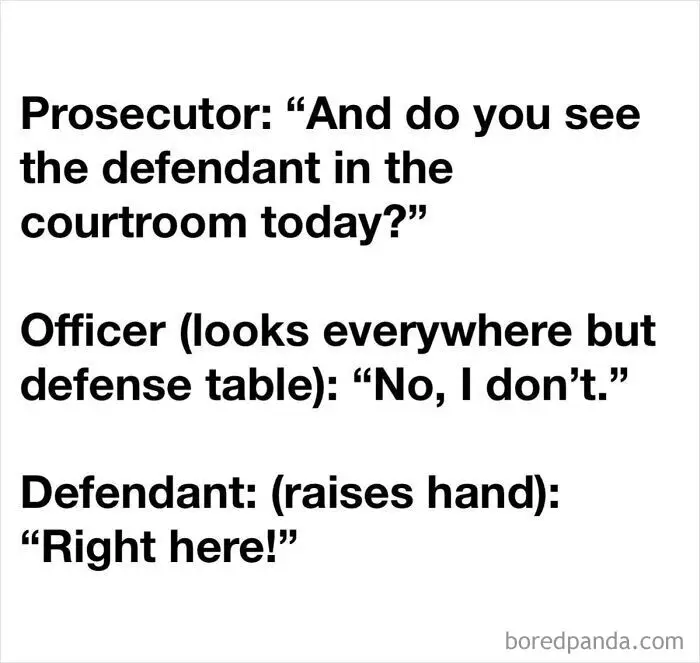
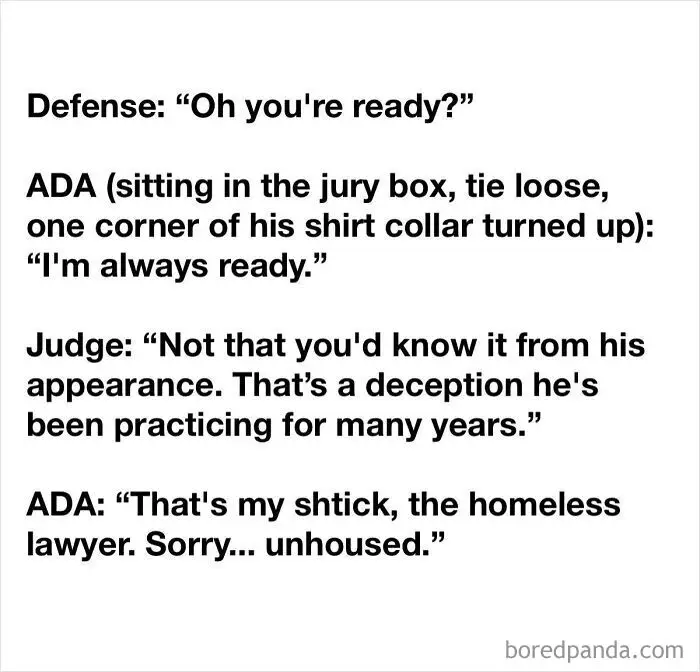
Part of the fun is the language. Courts run on formal phrasing, so even the silliest situation has to be described in solemn terms, like a speech about a lost sandwich delivered with the gravity of a national address. Put an absurd detail inside that kind of ceremony and it gets funnier, because everyone has to treat it as serious business.