



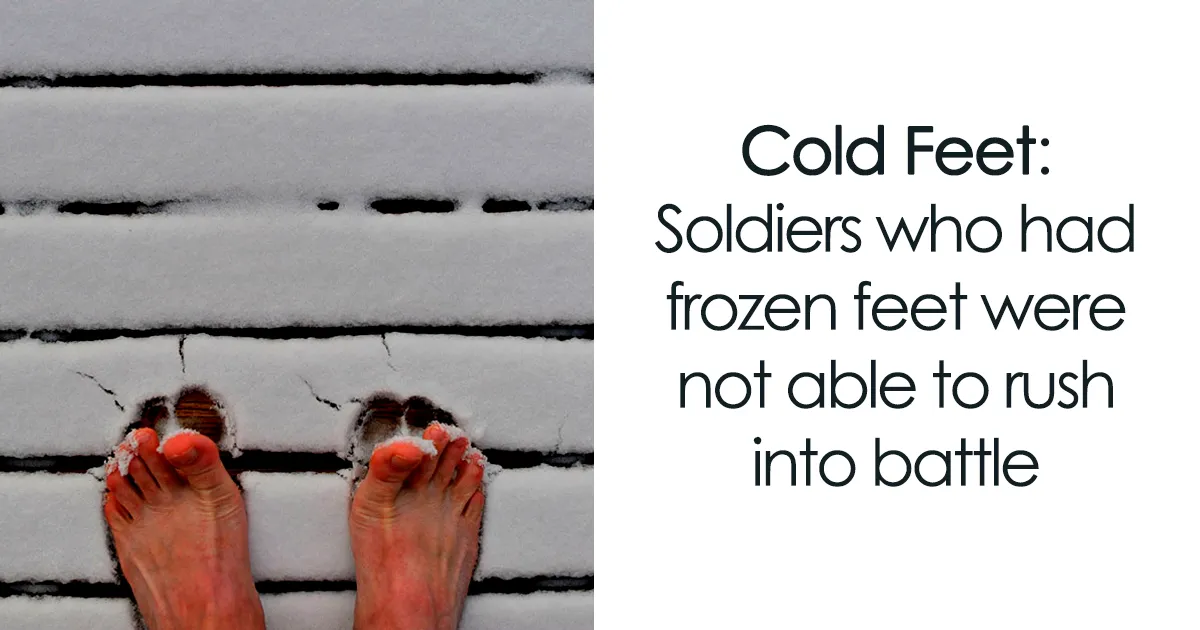


What distinguishes idioms from other common phrases and old-time sayings is that their meanings typically can't be understood through literal interpretation. For example, imagine you’re learning a new language and hear someone saying, “It’s raining cats or dogs,” or telling you to “break a leg,” this would be very confusing! And on top of it all, even if you ask a native speaker what that phrase means, they might not be able to explain it to you. That’s because rarely does somebody know the origin story of a popular saying.
Here at Bored Panda, we went the extra mile to find out the origins of the most popular idioms. From the most common idiom examples, such as “kick the bucket” and “bite the bullet,” to more obscure ones, we’ve gathered the English expressions with known roots, though sometimes the origin story comes from different sources, thus making it harder to determine which one’s the right one. Nevertheless, the stories behind these funny idioms are highly entertaining.
Didn’t think learning a new language could be fun? Buckle up because we’re about to dive deep into the history of languages to find out the incredible origins of commonly used phrases all around the world!
Top Old Sayings and Their Meanings
Some old sayings and their meanings got more attention than others. Below, users voted and selected the top 10 sayings they liked the most. Disagree with the placement? Cast your vote for the old, often weird sayings that you want to appear in a higher position.
#61 Don’t Throw The Baby Out With The Bathwater
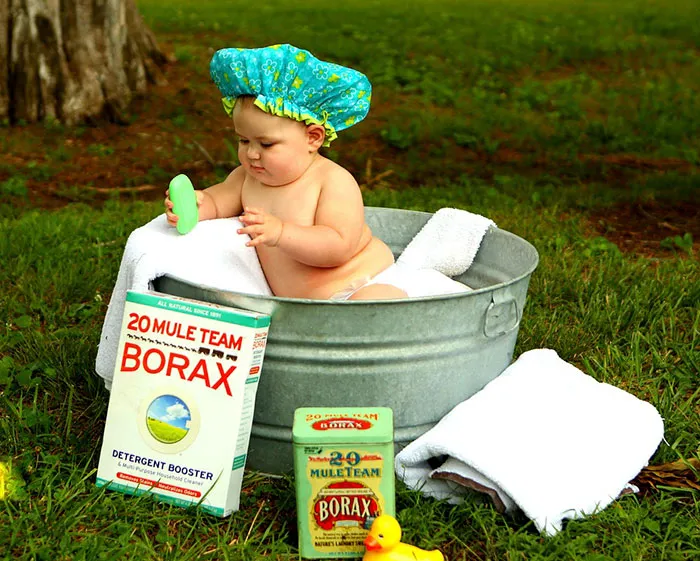
Meaning: Discard something valuable along with other things that are undesirable.
Origin: In the 16th century most people would bathe only once a year. And even when they did that, the entire family would bathe in the same water. Usually, it was men of the house that bathed first, followed by other males, females and finally babies. At the end of this yearly routine the water would be so dirty and cloudy that mothers would have to be careful not to throw their infants out with the water.
Report
6points
#62 No Spring Chicken
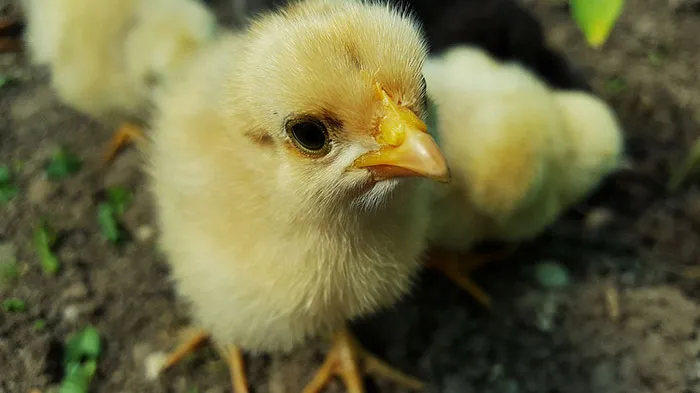
Meaning: Someone who is no longer young, past his prime.
Origin: In New England farmers would sell their chickens in the spring, and so the young chickens that were born in springtime would sell better than those who survived during the winter. Some farmers would try to sell their older chickens for the same price as spring chickens, which is why the saying ‘no spring chicken’ came into use to describe someone past their prime.
Report
6points
#63 By And Large
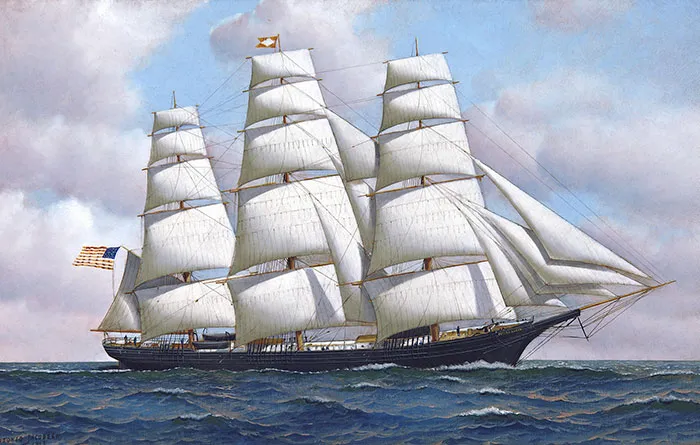
Meaning: On the whole; everything considered.
Origin: A phrase that is usually used as a synonym for ‘all things considered’ originates from the 16th century, where the word ‘large’ meant that a ship was sailing with the wind at its back. Meanwhile the word ‘by’ meant the opposite, that the ship was sailing into the wind. The mariners used the phrase ‘by and large’ to refer to sailing in any and all directions, relative to the wind.
Report
6points
#64 Go Cold Turkey
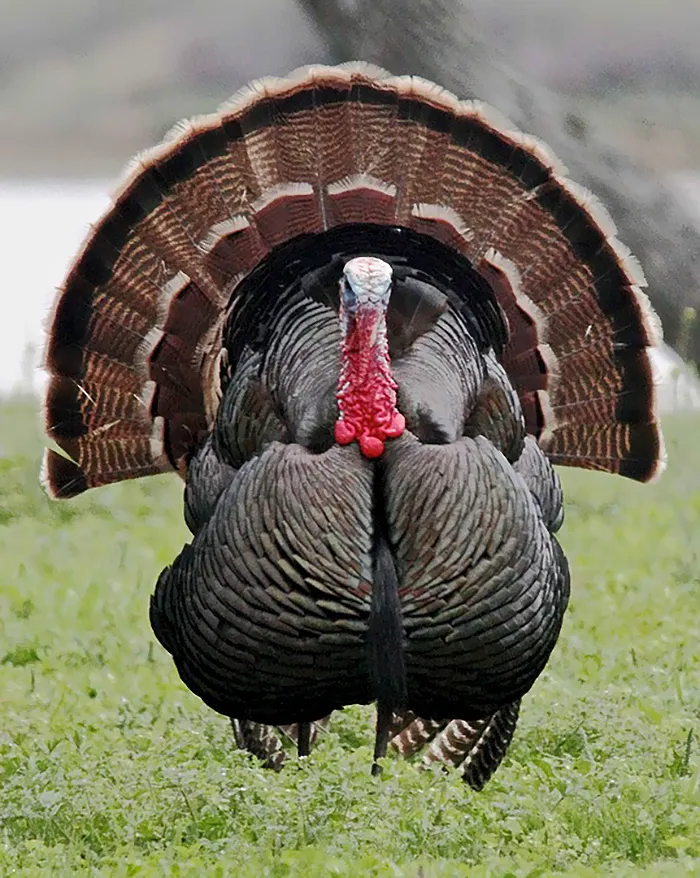
Meaning: To quit something abruptly.
Origin: It is believed that during drug withdrawal the skin of addicts turns hard to the touch, covered with goosebumps and even translucent, similar to the skin of a plucked turkey.
Report
6points
#65 Once In A Blue Moon

Meaning: Very rarely.
Origin: This one is rather obvious since a ‘blue moon’ is an astronomical phenomenon that is visible once every 2.7 years. Even though the moon actually looks more gray than blue, according to NASA, it might appear to be blue when it’s affected by volcanic eruptions or forest fires due to the oils in smoke.
Report
5points
#66 Jaywalker

Meaning: One who crosses or walks in the street or road unlawfully or without regard for approaching traffic.
Origin: Jay birds would often become disorientated in urban areas after flying in from the forest. Dangers in the city, like traffic for example, would leave them confused and cause erratic behaviour. Due to this, people started using the term “jaywalker” to describe someone walking the streets irresponsibly.
Report
4points