



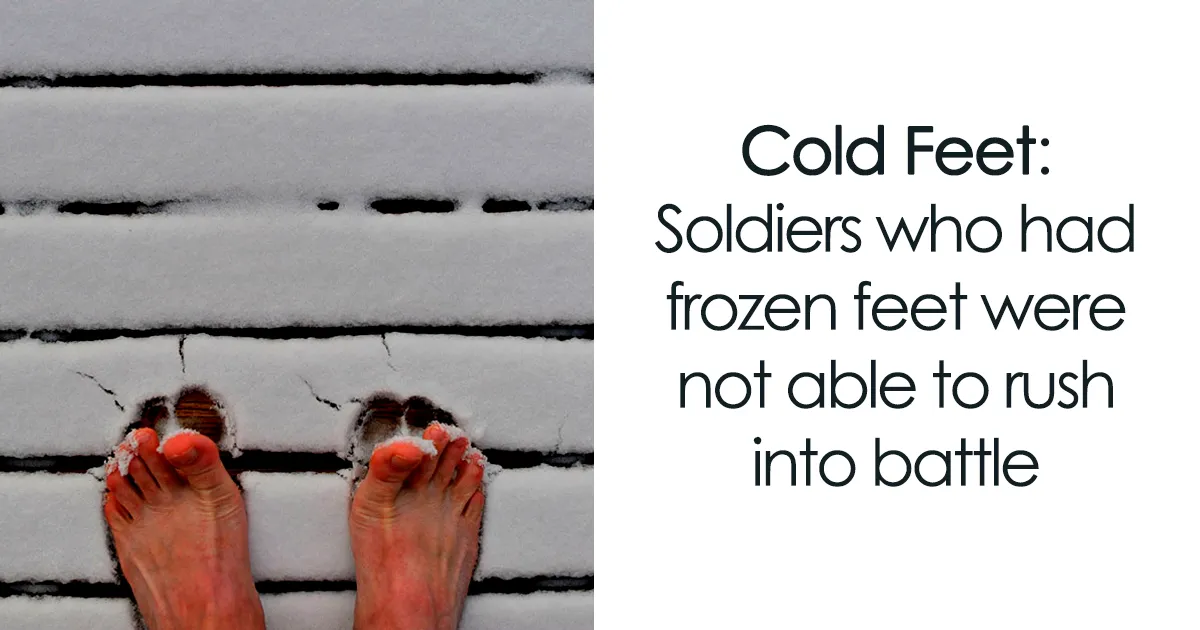


What distinguishes idioms from other common phrases and old-time sayings is that their meanings typically can't be understood through literal interpretation. For example, imagine you’re learning a new language and hear someone saying, “It’s raining cats or dogs,” or telling you to “break a leg,” this would be very confusing! And on top of it all, even if you ask a native speaker what that phrase means, they might not be able to explain it to you. That’s because rarely does somebody know the origin story of a popular saying.
Here at Bored Panda, we went the extra mile to find out the origins of the most popular idioms. From the most common idiom examples, such as “kick the bucket” and “bite the bullet,” to more obscure ones, we’ve gathered the English expressions with known roots, though sometimes the origin story comes from different sources, thus making it harder to determine which one’s the right one. Nevertheless, the stories behind these funny idioms are highly entertaining.
Didn’t think learning a new language could be fun? Buckle up because we’re about to dive deep into the history of languages to find out the incredible origins of commonly used phrases all around the world!
Top Old Sayings and Their Meanings
Some old sayings and their meanings got more attention than others. Below, users voted and selected the top 10 sayings they liked the most. Disagree with the placement? Cast your vote for the old, often weird sayings that you want to appear in a higher position.
#41 Run Amok

Meaning: Behave uncontrollably and disruptively.
Origin: The saying comes from the Malaysian word amoq, which describes the bizarre behaviour of tribesmen who, under the influence of opium, would become wild and attack people.
Report
15points
#42 Resting On Laurels
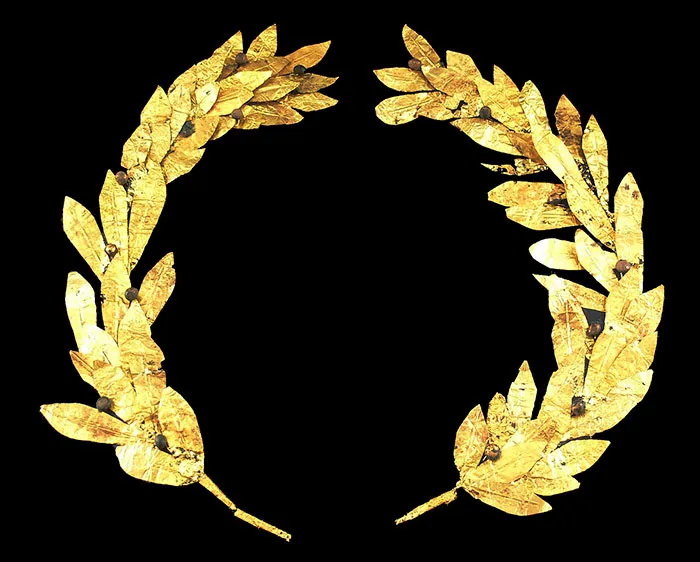
Meaning: Be so satisfied with what one has already achieved that one makes no further effort.
Origin: Since ancient Greece laurel branches symbolized victory and success. This plan was closely tied to Apollo, the god of music, prophecy and poetry. Laurel branches were given to victorious athletes in ancient Greece and later to generals who won important battles, thus the term ‘laureates’ and the phrase ‘resting on laurels’. In the 19th century, the term received a negative connotation to describe those who are overly satisfied with their achievements.
Report
14points
#43 Eat Humble Pie
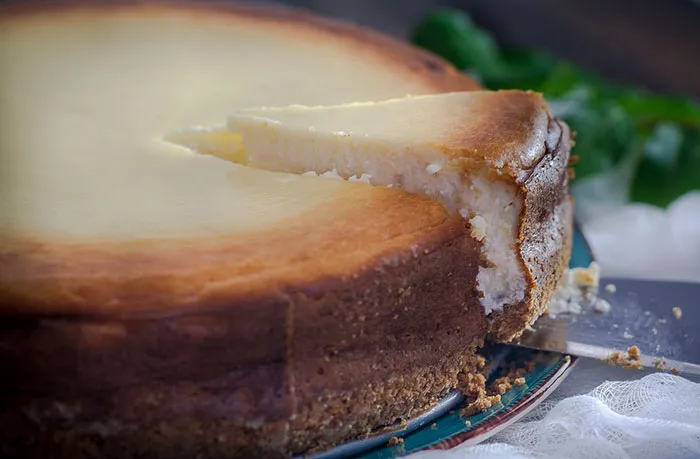
Meaning: Make a humble apology and accept humiliation.
Origin: In the Middle Ages there would be a huge feast after a hunt. The lord of the manor would receive the finest piece of meat, and the ones with a lower status would eat a pie filled with entrails and innards, which were also known as “umbles”. Those who would eat the “umble pie” were considered to be humiliated, since it symbolized their lower status.
Report
14points
#44 Hands Down
Meaning: Easily and decisively; without question.
Origin: Hands down is an idiom born from the world of horse racing. Think about it. You are so far ahead of the chasing pack that you, as the jockey, can sit back, relax, and still win the race even without your hands on the reins. Winning ‘at a canter’ is a similar expression also from the track, but this one is better, hands down.
Report
14points
#45 Take The Piss
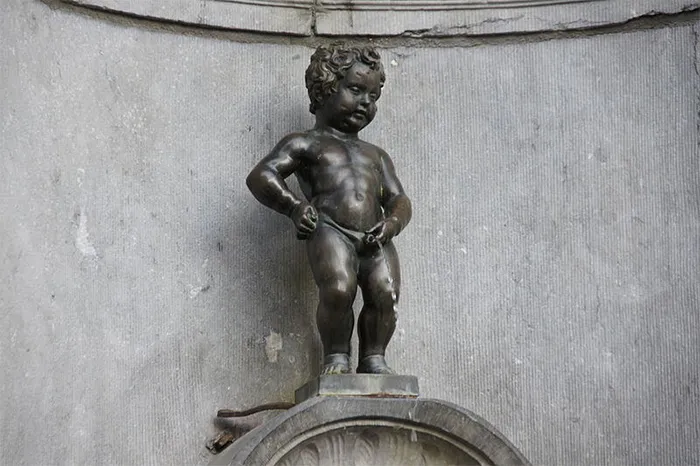
Meaning: Mock someone or something.
Origin: Back in the day, when clothes were dyed with natural dye, stale urine was used as a mordant, which stops the natural dye from leaching out of the cloth. The textile industry needed all the urine it could get, so workers would go around and collect specially designated chamber pots full of urine from people’s houses. It was probably the least desirable job at the time, so people who did it would often lie about their profession. And so the question was born from those in doubt: “Really? Are taking the piss?
Report
14points
#46 Wolf In Sheep’s Clothing

Meaning: A person or thing that appears friendly or harmless but is really hostile.
Origin: The warning that you can’t necessarily trust someone who appears kind and friendly on the outside is centuries old, dating back to the bible. In the English language, The King James Version of the Bible, from 1611, has this passage in Matthew 7:15: Beware of false prophets, which come to you in sheep's clothing, but inwardly they are ravening wolves.
Report
14points
#47 Pulling Someone’s Leg

Meaning: Deceive someone playfully; tease someone.
Origin: While there is no evidence to back up these claims, there are two popular theories for the origins of this playful expression, neither of them particularly playful. The first relates to thieves in medieval times, who apparently pulled on the legs of their victims to trip them, and swiftly make off with their booty. The second theory comes from the Tyburn, the principal place of execution in Ye Olde England. It referred to the so-called ‘hangers-on’ who tugged at the legs of people being hanged to give them a mercifully swift death. Neither of these theories are really plausible however, so the search for the true origin continues.
Report
12points
#48 Let Your Hair Down

Meaning: Behave uninhibitedly.
Origin: It was an important rule between Parisian nobles to wear elaborate hairdos while in public, and some of the looks required hours of long work. Clearly, a moment of taking your hair down after a long day became associated with a relaxing ritual.
Report
12points
#49 To Sell Someone Down The River

Meaning: Betray someone, especially so as to benefit oneself.
Origin: This idiom comes from 19th century, in the Southern states of America. During this period it was already illegal to import slaves, so there would be internal trades where people would ship slaves down the Mississippi river and sell them at the market. For this reason, ‘selling someone down the river’ symbolizes betraying someone and using them for your own good.
Report
11points
#50 Read The Riot Act
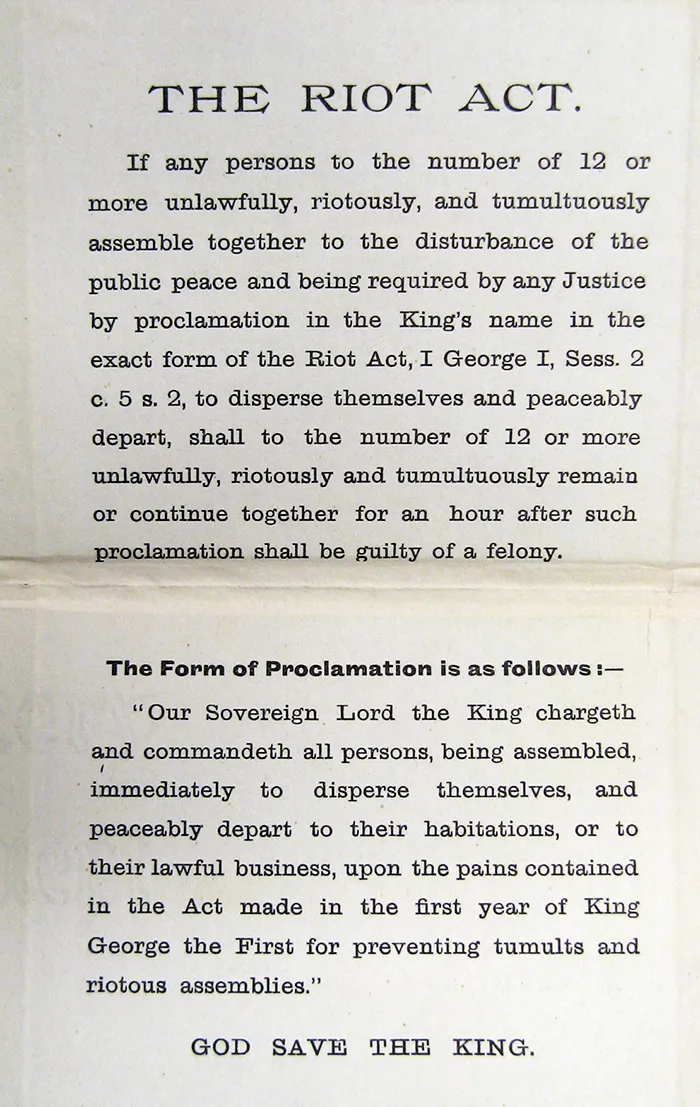
Meaning: Give someone a strong warning that they must improve their behavior.
Origin: In 18th century England the Riot Act was a legal document, that was read aloud in front of a crowd bigger than 12 people that were considered a threat to the peace. A public official would read a small part of the Act and order people to leave peacefully within an hour, anyone that remained after one hour was subject to arrest or removal by force.
Report
10points
#51 Rule Of Thumb
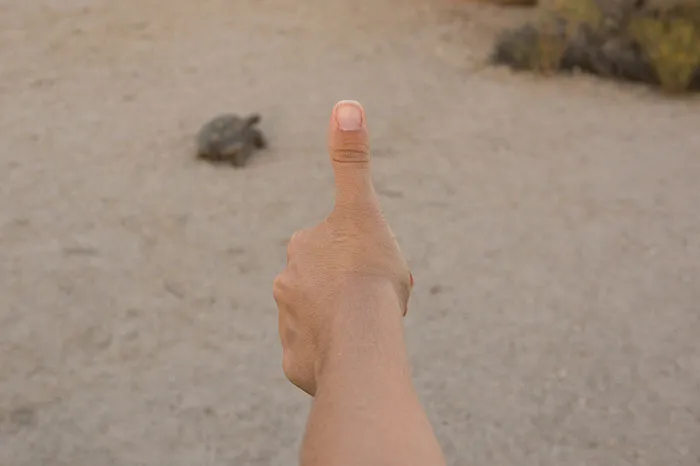
Meaning: A broadly accurate guide or principle, based on experience or practice rather than theory.
Origin: It is believed that the rule of thumb comes from 17th century England, where Judge Sir Francis Buller ruled that husbands can beat their wives with a stick if it is no wider than his thumb.
9points
#52 Paint The Town Red

Meaning: Go out and enjoy oneself flamboyantly.
Origin: There are two versions on how this idiom came to use. First, it is believed that back in 1837 a famous mischief maker known as the ‘Marquis of Waterford’ had a wild night out with his group of friends, during which they knocked over flower pots, pulled knockers off of doors and even broke windows. One of their biggest acts of vandalism was painting the doors of several homes with red paint. The other version of the story says that the origin of this idiom might have originated from the brothels of the American West, where they referred to drunk men behaving as if the whole town was a red-light district.
Report
9points
#53 Beat About The Bush

Meaning: Discuss a matter without coming to the point.
Origin: Beating about the bush is actually an action performed while hunting, driving birds and other animals out into the open. After this was done others would than catch the animals.
Report
8points
#54 Break The Ice

Meaning: Do or say something to relieve tension or get conversation going in a strained situation or when strangers meet.
Origin: In the old days, commercial ships would often get stuck in frozen rivers during winter time, so smaller ships called “icebreakers” would come to clear a path to shore by breaking the ice. In the 17th century, people began to use the phrase to mean "to reduce tension in a social situation."
Report
8points
#55 More Than You Can Shake A Stick At

Meaning: A large amount or quantity of something.
Origin: This idiom was born when farmers, who waved sticks to herd sheep, would have more sheep than they could control.
Report
8points
#56 Minding Your Ps And Qs
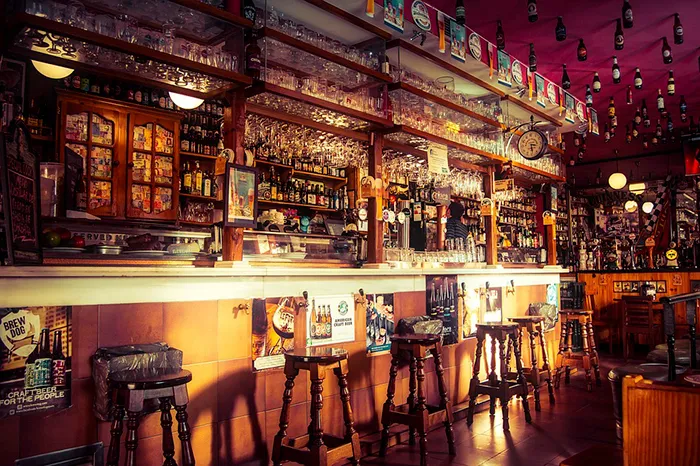
Meaning: Be careful to behave well and avoid giving offence.
Origin: This expression has quite a few theories as to its origin, but our favorite refers to the practice of chalking up a ‘tab’ of drinks for later payment. The P refers to pints, and the Q is quarts. You would do well to correctly tally up the right amount as not to cause offense, especially a customer with a few beers under their belt! Again, there is little to support this theory other than the correct lettering, but we like it nonetheless.
Report
8points
#57 Go Bananas

Meaning: Insane or extremely silly.
Origin: The word ‘banana’ is an inherently funny word. The expression to ‘go bananas’ has no conclusive origin, but it may be linked to ‘go ape’ which became popular in the 1950’s when monkeys were being launched on rockets and were a popular subject in films and TV. The link between monkeys, bananas and crazy behaviour may have been the catalyst for the popularization of the expression. Bananas have often been central to slapstick comedy in general, with somebody slipping on a banana peel a timeless classic. Early in the 20th century people used to say ‘that’s banana oil’ when referring to a nonsense, and the expression ‘banana republic’ was pejoratively used to refer to a chaotic, backward little country that wasn’t to be taken seriously. Bananas!
Report
7points
#58 Pleased As Punch
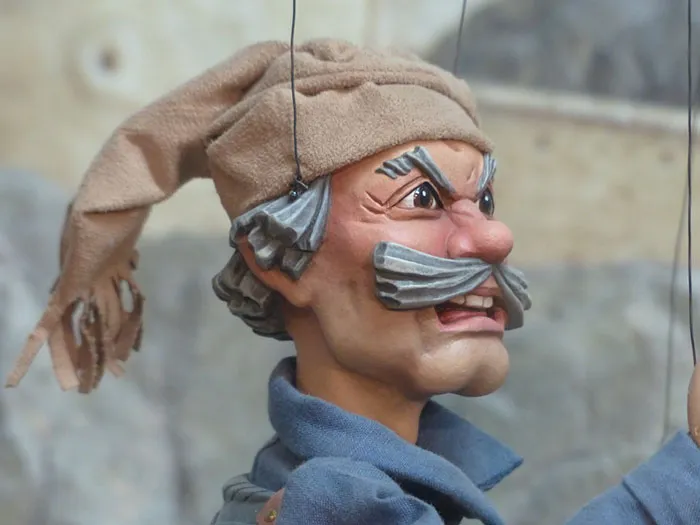
Meaning: Feeling great delight or pride.
Origin: A puppet show in the 17th century called ‘Punch and Judy’ featured a puppet named Punch, who killed people and took great joy in doing so. He would feel pleased with himself afterwards, from which the saying ‘pleased as Punch’ was born.
Report
7points
#59 Called On The Carpet
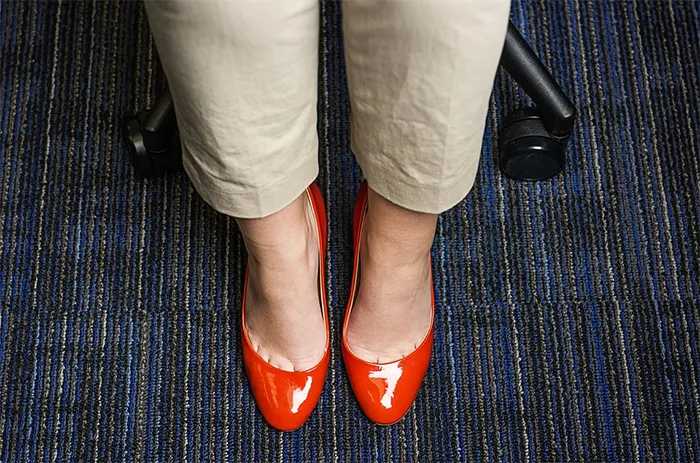
Meaning: Being severely reprimanded by someone in authority.
Origin: Like many idioms, the precise origin of this one is not entirely certain. While nowadays the expression is used to refer to a reprimand, originating from the days when a servant was called from their bare-floored quarters to get an ear-bashing from the boss in carpeted opulence, there is an alternative theory to its true origins. The word ‘carpet’ used to refer to a thick cloth that could be placed anywhere, often on a table. Therefore ‘on the carpet’ used to mean that an issue was on the table, or up for discussion.
Report
6points
#60 Show A Leg

Meaning: Get out of bed; get up.
Origin: Just before the ships were about to leave port, sailors would try to sneak in a lady and hide them in their hammock. Before leaving, officers would ask anyone in a hammock to ‘show a leg.’ If a hairless leg appeared, the woman was asked to leave the ship quickly.
Report
6points