




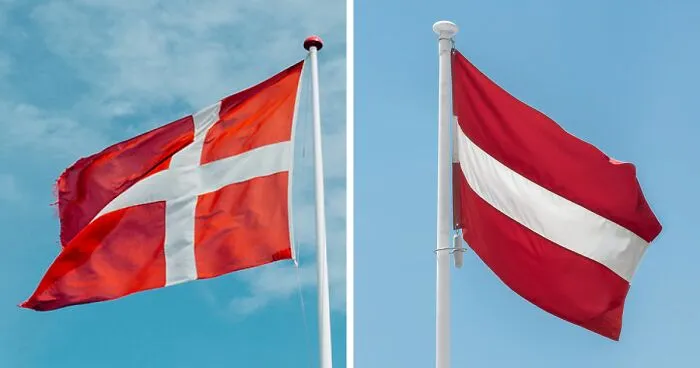


From grueling battles on the battlefield to finally being represented in the United Nations — the oldest flags in the world have survived it all. We aren’t talking here about the red flags in people. A flag can represent a nation without saying a single word. They tell years of history through visual aspects. However, not every flag has survived the test of time. When it comes to the label of the oldest flag, design and meaning to the nation play an important role in survivability.
The design of the flag is the first thing that catches the eye. The catchier the flag — the longer it will stay as a flag. The oldest flag in the world, Denmark’s, practically pioneered the use of the Nordic cross in 1219. This design, simple yet unique in a way, was later adopted by other Nordic countries, like Sweden and Finland. Denmark has stuck to this flag since 1625 when it was officially adopted. However, the design has changed due to the flag's meaning. The perfect example of it would be the Stars and Stripes of the United States. Adopted in 1777, this national flag was changed slightly over the years. As the nation grew, the flag got filled with more stars. Yet, the main design and meaning of it stayed the same.
Want to find out more about the oldest country flag, a.k.a Denmark’s Nordic cross, or see who survived the test of time? We’ve got you covered. We have compiled some of the oldest national flags used today in the list below. Some of them are more eye-catching than others, so be sure to upvote the ones you liked. Since the flags are rich in history, share your knowledge in the comments below.
#41 Tunisia (First Used 1827)

The flag has a red field with a white sun disc right in the middle of it. The circle is occupied by a crescent and a five-point star. Originally, the idea of the Tunisian flag came after the Battle of Navarino. Widely used as a naval ensign, the government approved the design in 1831. The flag was widely used during the French protectorate period.
unknown
Report#42 Uruguay (First Used 1828)
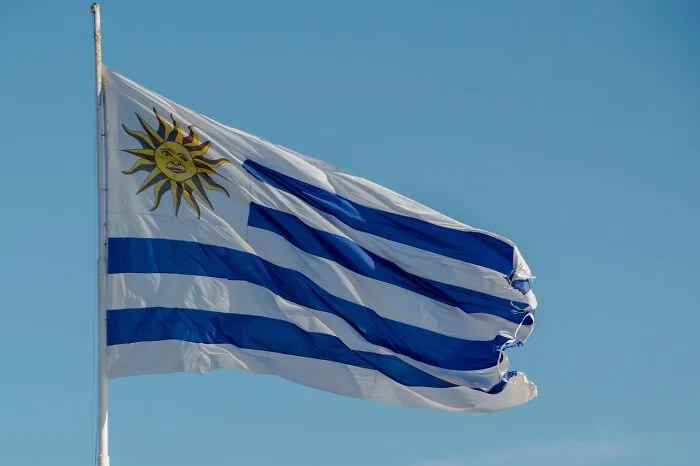
The flag of Uruguay takes a lot of inspiration from the original rebellious flag of the United States. The nine stripes that are present on the flag represent the original nine departments of Uruguay. The golden sun in the corner represents the revolution of 1810 and symbolizes the Incan God of Inti.
unknown
Report#43 Paraguay (First Used 1842)

unknown
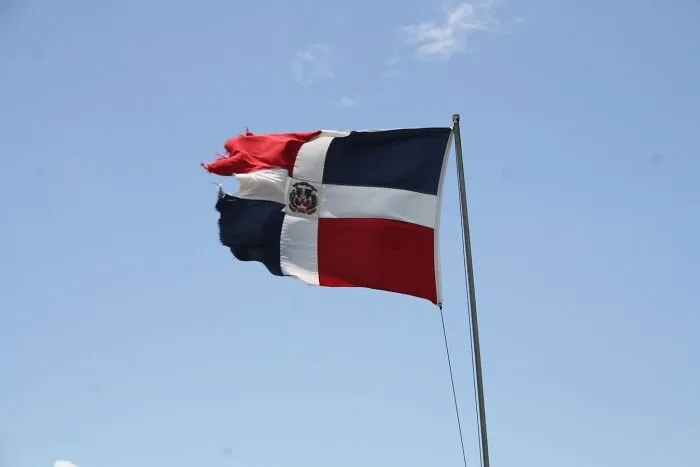
Report#44 Dominican Republic (First Used 1844)
unknown
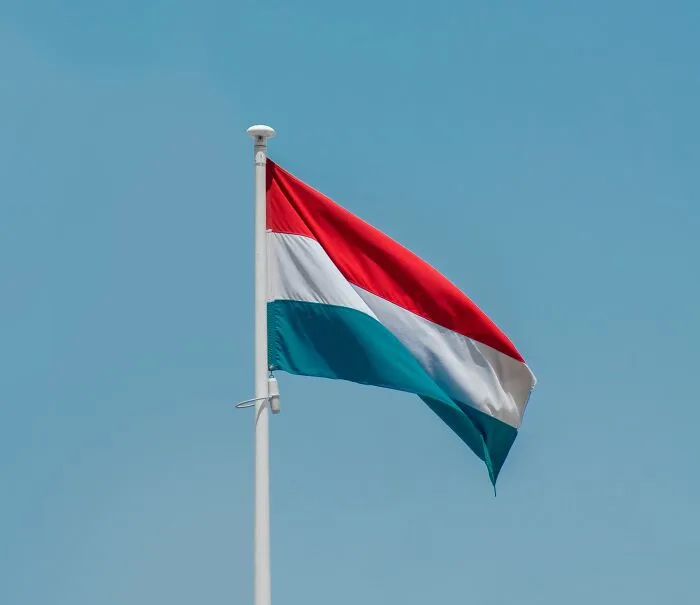
Report#45 Luxembourg (First Used 1845)
unknown
Report
#47 Costa Rica (First Used 1848)
unknown
Report
#49 Vatican City (First Used 1808)

Even the Vatican City, the seat of the Holy See, has to have a flag. The Flag of the Vatican City, or the Holy See, originally consisted of a gold and white color scheme when it was first used in 1808. However, when it was officially adopted in 1929, the Papal tiara and keys were added to the design and made into a square.
unknown
Report#50 USA (First Used 1777)
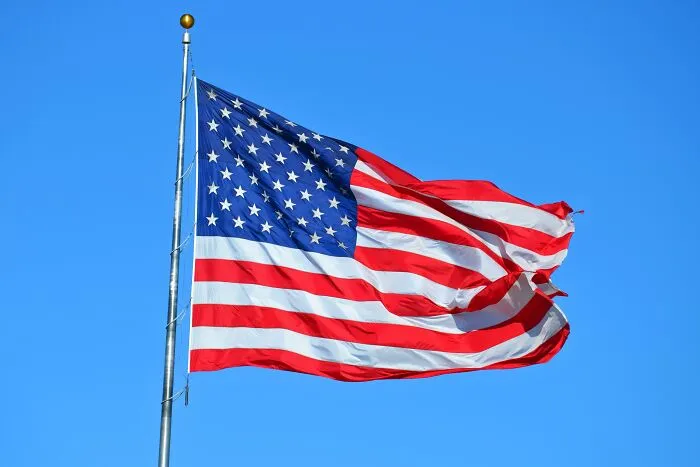
The good old Stars and Stripes might be one of the most recognizable flags in the whole world. After all, its design is unique, as it has elements that hint at the thirteen colonies (stripes) and the current states (stars). It was first used in 1777, when the Second Continental Congress passed the flag resolution on June 14th.
unknown
Report