



It’s hard to deny that these days a large part of our social lives takes place online. More than five billion people use social media to keep in touch, share experiences and express themselves, according to research published on The Conversation. And there are perfectly good reasons for sharing.


Research from the University of Southampton offers some insight into why we do it. Their systematic review of almost two decades of research found that self-disclosure (sharing personal information, thoughts or feelings) and self-presentation (managing how we appear to others) can help us build relationships, feel accepted and establish our social standing.

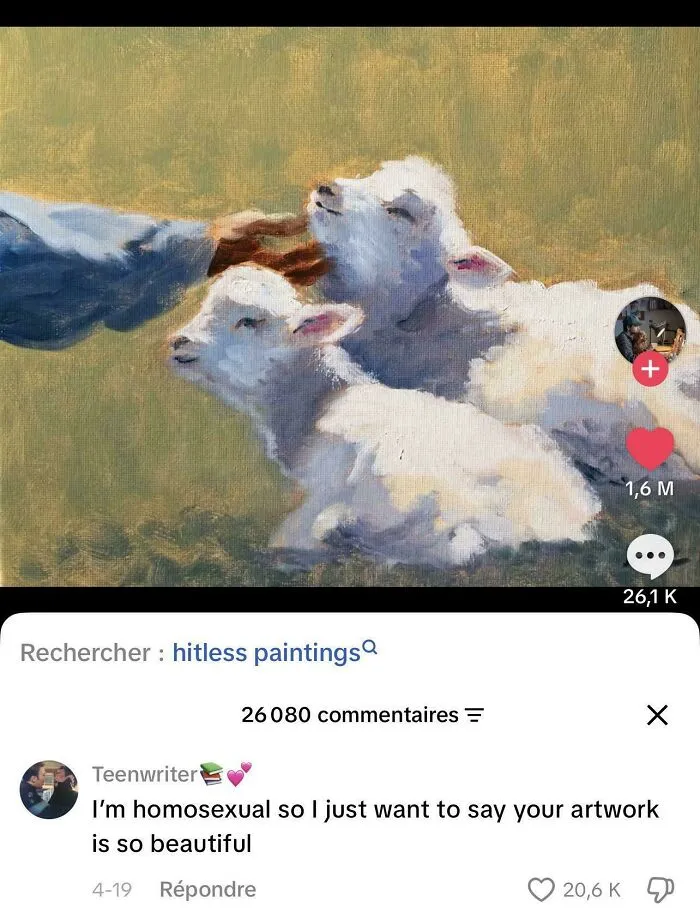

But like in real life, what we choose to share online—and how we share it—can shape how other people respond to us. The researchers found that online sharing tends to work best when it feels genuine, appropriate and suited to the audience, with people responding better to everyday content than posts that feel boastful, overly curated or designed to impress.

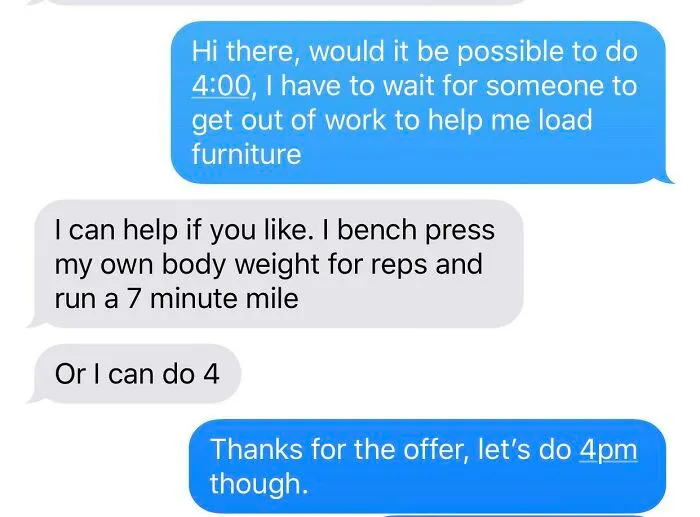
#12 My Friend Is A TV Producer, Shared A Link About An Explosion In La That Injured Firefighters. This Person Picked A Weird Time To Solicit Jobs For Her Family

But this raises another question: when it comes to “everyday content,” at what point does sharing become oversharing? As Shayla Love wrote for The Guardian, reflecting on the thoughts and photos she had “casually put online without a second thought”: “Who needs to know what I’m buying at the farmer’s market or how long I waited for the subway?”
#13 Guy Shares His Unsolicited Opinion On Women's Body Hair In A True Crime Discussion Group

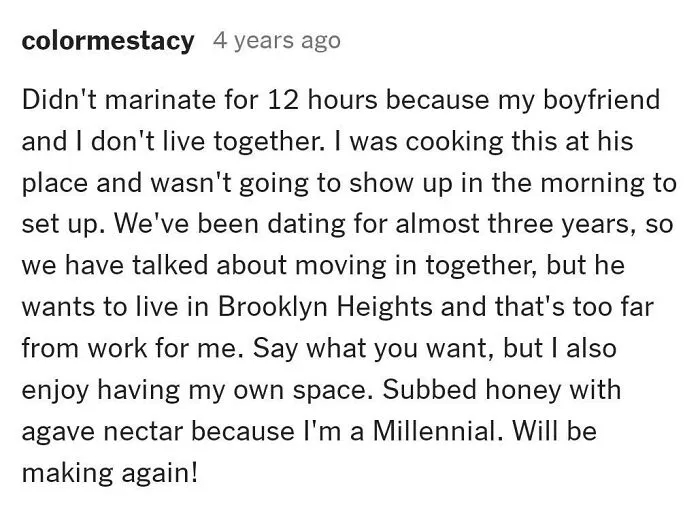
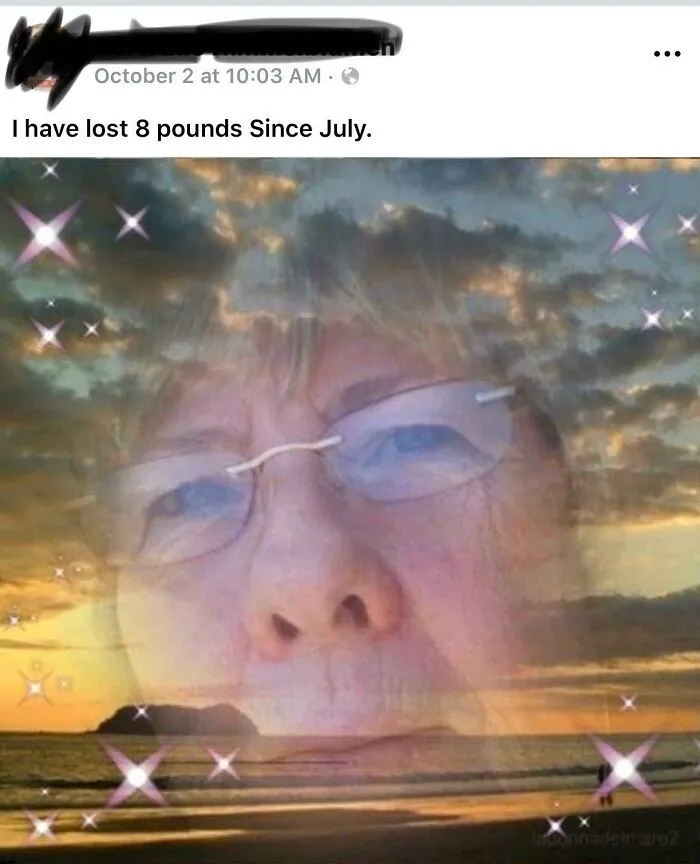
Psychologist Mark Travers defines oversharing as “disclosing an excessive or inappropriate amount of personal information, especially in contexts where such information is unexpected or unwarranted.” But as Love points out, what counts as “excessive” is subjective, depending on the context and what people consider normal. Sharing personal information is, after all, part of how we get to know each other, with relationships generally becoming more intimate as people gradually disclose more. The problem is more likely to arise when that level of disclosure isn’t mutual—when one person is revealing far more than the other has invited or reciprocated.
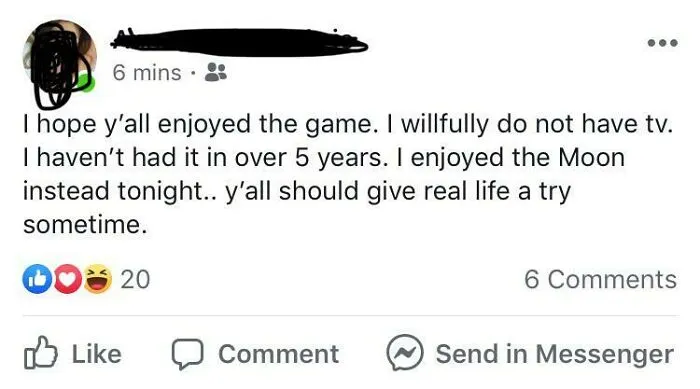
#16 Stop Having Fun At That Party With Your Friends And Family, And Check Out The Moon


But the distinction between sharing and oversharing can also come down to where and with whom you’re sharing. As Psychology Today contributor Polly Campbell puts it, sharing something personal with a close friend is very different from sharing the same story with a colleague or stranger. Personal disclosures can build intimacy and connection when they’re appropriate, but “saying too much, to the wrong people, in the wrong spaces” can simply leave everyone feeling awkward.

#20 On A Cute Video, About A Woman Who Spent Months Rehabbing A Tarantula So It Could Go Back Outside