





If someone asked you about your favorite subject in school, chances are you’d name math, English, science, or something practical. History, on the other hand, rarely makes the list. Yet once you look past memorized dates and dusty textbooks, human history reveals itself to be far more fascinating than we were ever taught.
That’s why today we’re diving into the “Museum of Artifacts” page, where people share rare, intriguing objects from the past. Each item tells a story, offering a glimpse into lives once lived and worlds long gone. These artifacts are strange, beautiful, and endlessly captivating. So, Pandas, keep scrolling to uncover pieces of history that still amaze today.
Click here & follow us for more lists, facts, and stories.
#81 Henry VIII’s “Anime” Armor, Worn During His Final Military Campaign In 1544, By Which Time He Was Severely Obese And Suffering From Chronic Gout And An Ulcerated Leg
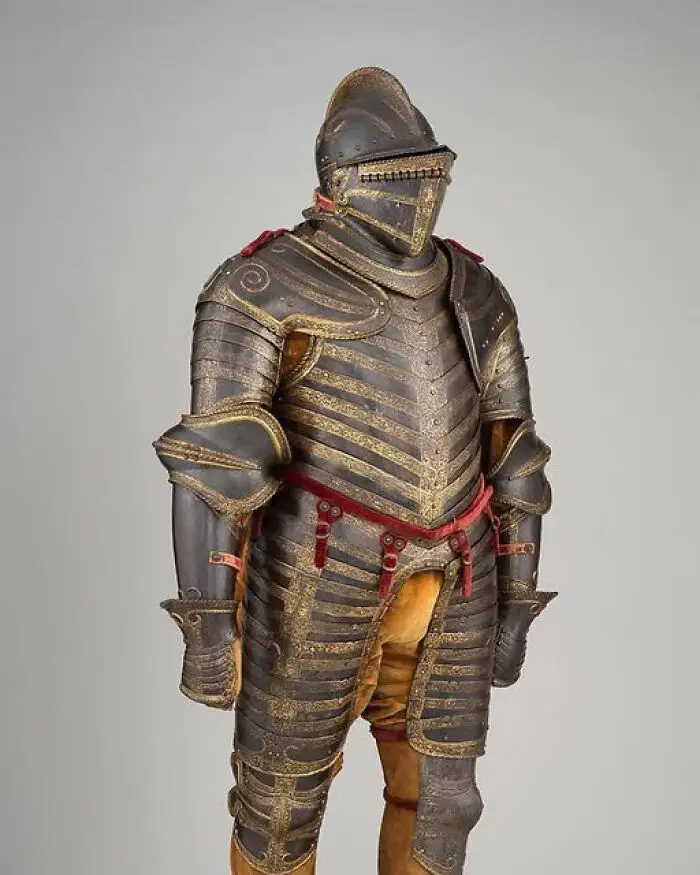
Henry VIII began his reign in 1509 at just 17 years old, charismatic, handsome, and exceptionally athletic, with a passion for jousting, hunting, and real tennis (predecessor to modern tennis). He would end it grotesquely obese, largely immobile, and often carried from place to place.
The familiar caricature of Henry did not fully emerge until January 24, 1536, when the 44-year-old king suffered a jousting accident. Thrown from his horse and knocked unconscious, possibly sustaining a traumatic brain injury, Henry also had his leg crushed beneath the animal. From that point on, his personality noticeably changed for the worse. Always a man of appetites, his reduced mobility accelerated his weight gain: his waist expanded from roughly 32 inches to over 50, and he eventually had to be hoisted onto his horse.
Despite later legends, Henry was reportedly a neat eater, but his appetite was real and immense. Fourteen-course meals prepared by two hundred kitchen staff featured spit-roasted meats, sparrow pies, whale, peacock, beaver tail, offal, swan, black pudding, and boar’s head, followed by marzipan and spiced fruitcake, all washed down with ale, wine, and gin. Fruits and vegetables were largely absent from elite diets of the period, less a personal failing than standard practice, though it did Henry no favors. His injured right leg never healed properly. It ulcerated and festered, leaking through his garters and into his bedding. Yet even in decline, Henry remained desperate for martial glory. In 1544, he embarked on his final military campaign wearing this suit of armor, made in the “anime” style (a real historical thing and not something I am making up). In this construction, the breastplate and backplate are formed from horizontal overlapping plates, made flexible by rivets and internal leather straps.
Report
0points
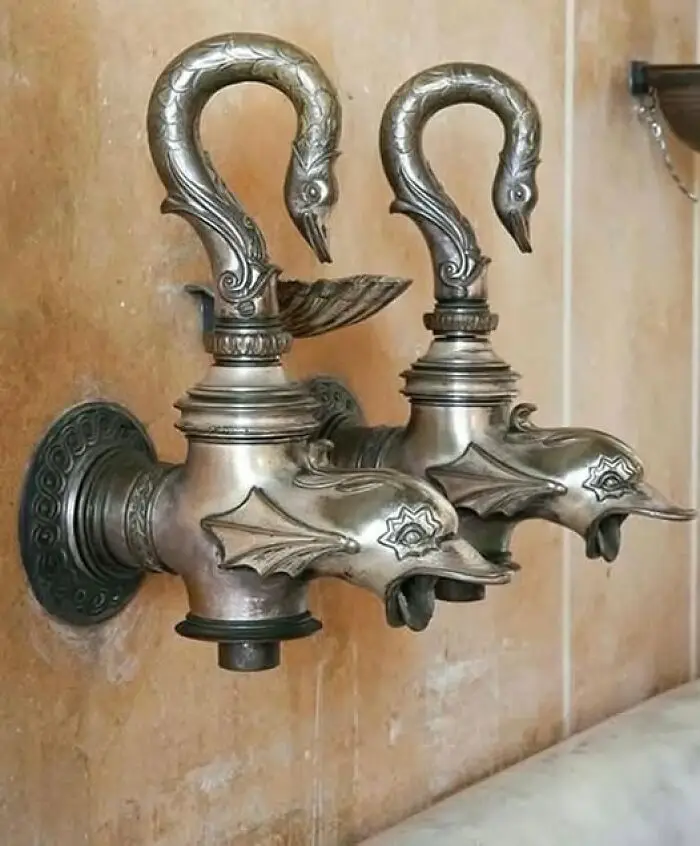
#82 19th-Century Chimeric Taps Part Swan, Part Dolphin, Part Bat Gracing A Private Bathroom At Villa Karylos, France
Report
0points
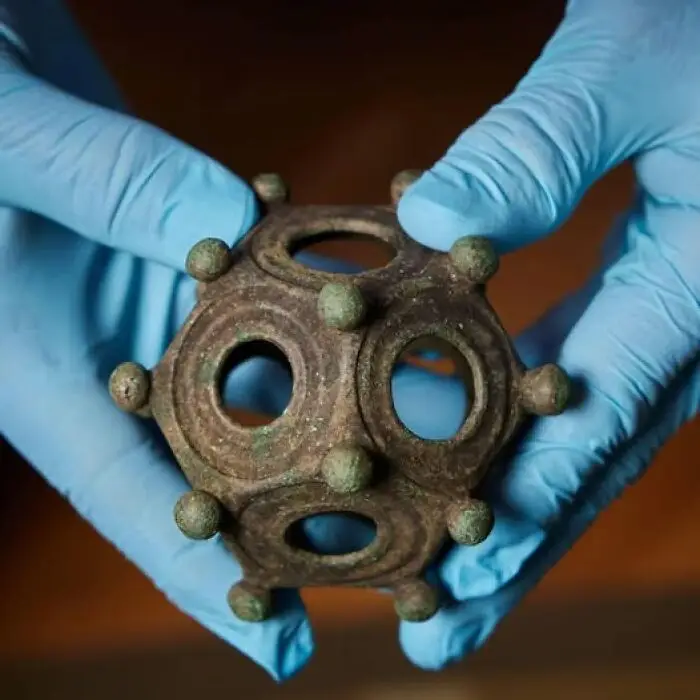
#83 These Are Roman Dodecahedrons. Hundreds Have Been Found Across Europe Dating Back To The 2nd Century, Yet Historians Still Have Absolutely No Idea What They Were Actually Used For
Report
0points
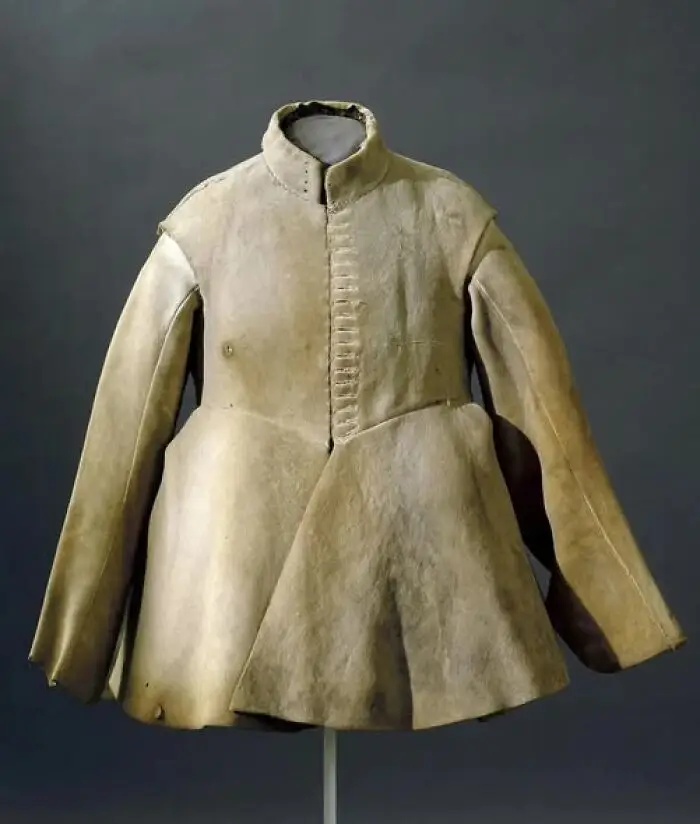
#84 This Is The Moose Leather Buff Coat Worn By Gustavus Adolphus Of Sweden At The Battle Of Lützen (1632)
Report
0points
#85 Stash Of Walnuts Found In A Storage Pit At The Kuso'oki Ruins. Fukui, Japan, Yayoi Period, 300 BC-300 AD
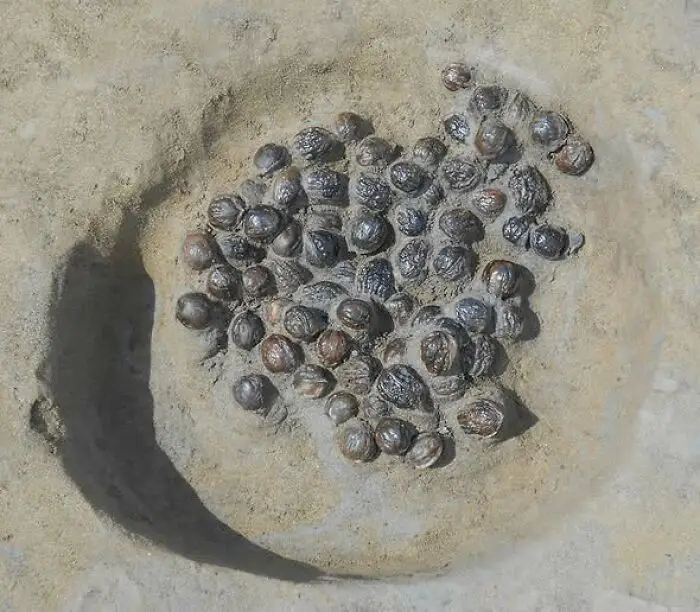
Report
0points
#86 Graves Of The 63 Wives Of The General Afzal Khan, In Afzalpura, India, 1659 Ce

Report
0points
#87 3700 Year Old Working Flush Toilet With A Wooden Seat Belonged To Minoan Civilization For The Palace Of Knossos, Built By The Minoan Civilization On The Island Of Crete
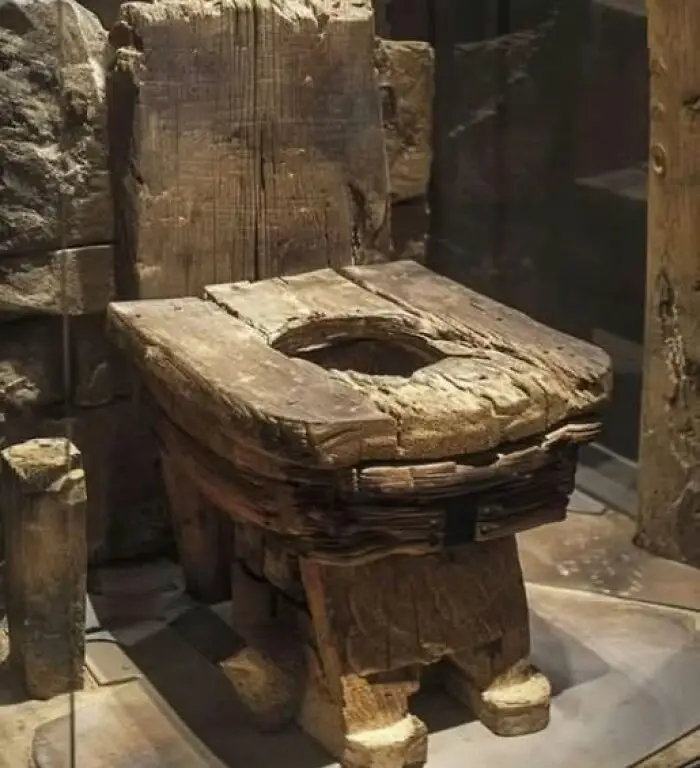
One of the world’s earliest flushing toilets.
Report
0points