

The past is far more interesting and bizarre than you think. In reality, it's much more nuanced and captivating than what you probably learned back in school. It’s humbling to realize learning never stops, and we could all use some extra lessons.
#21
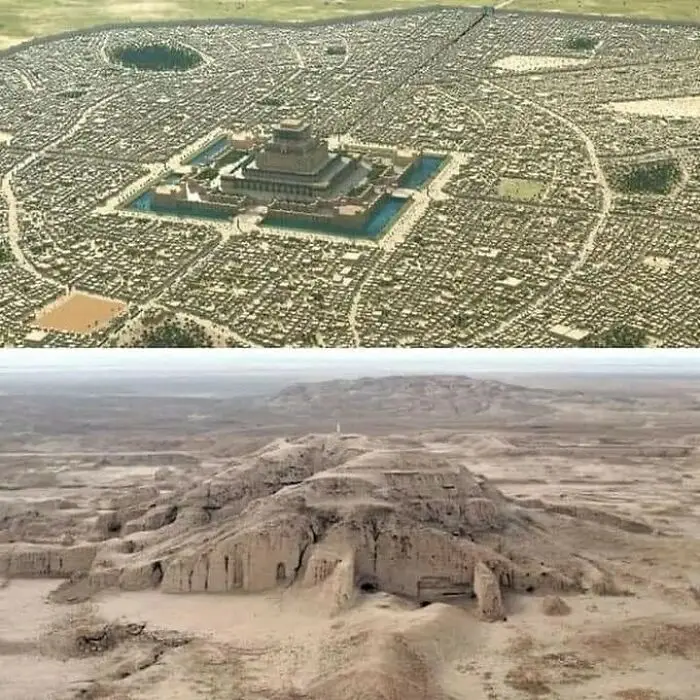
Uruk is one of the oldest cities in the world, which developed in parallel with the entire history of Mesopotamia.
Report
31points
#22
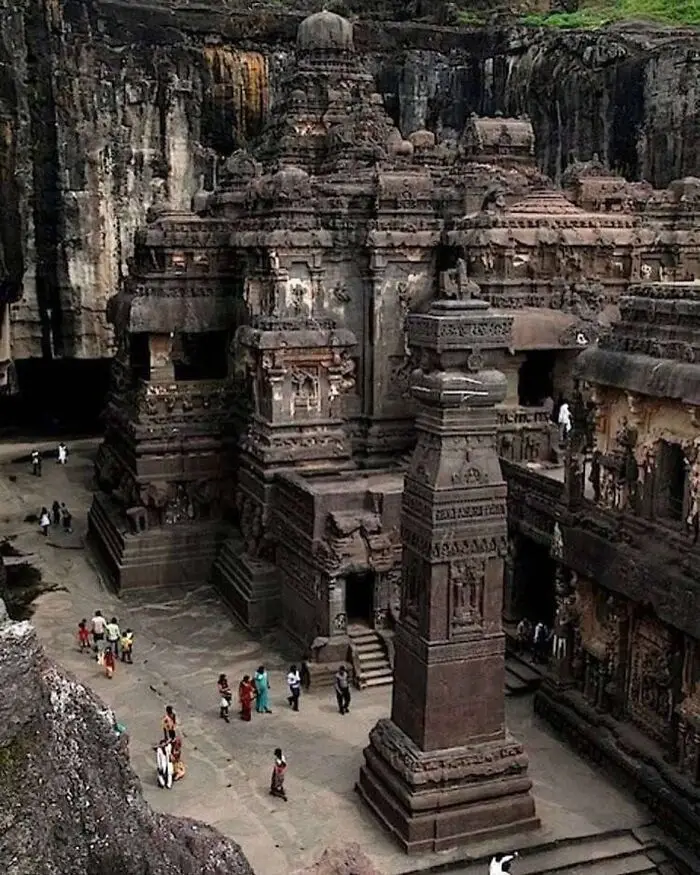
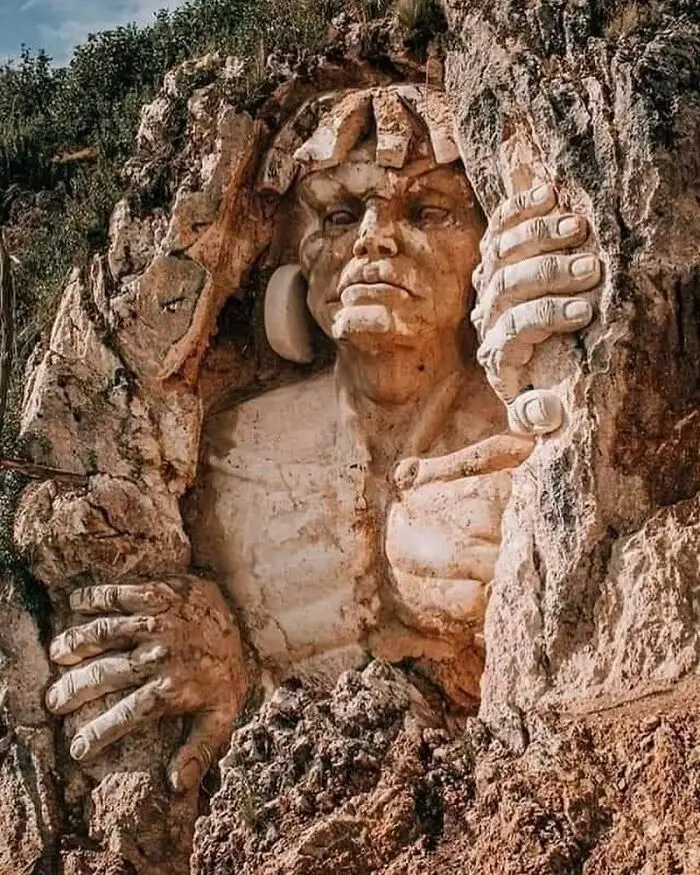
It is not built, but carved into a monolithic rock from top to bottom.
Report
30points
#23
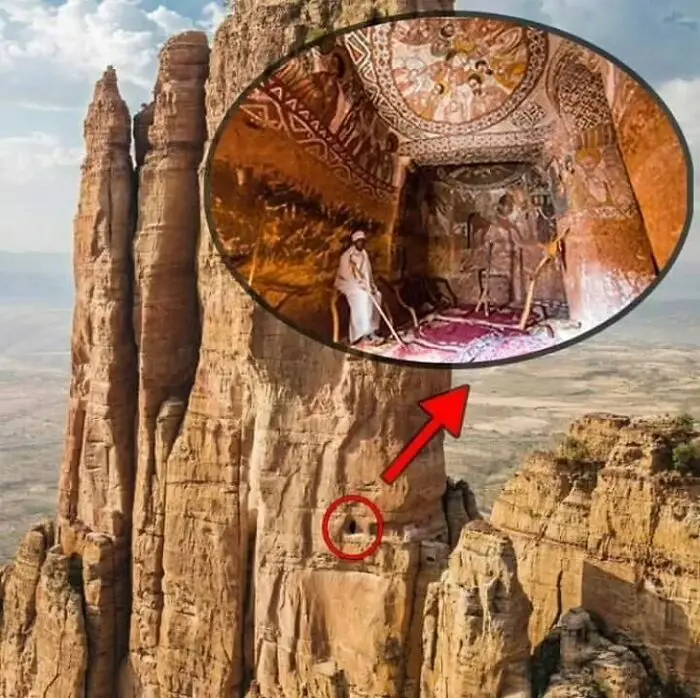
"Abuna Yemata Guh" is the most inaccessible place of worship on earth, and it takes a very long walk to get to it.
Report
29points
#24
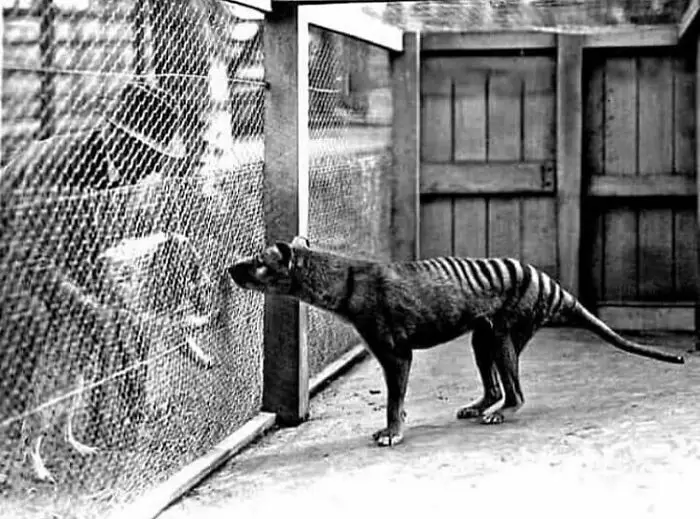
The last captive Thylacine interacting with Arthur Reid (the curator of the zoo) and his dog.
The photo was taken in 1933 at the Hobart Zoo (QD)and was originally a postcard.
The thylacine (Thylacinus cynocephalus), now extinct, is one of the largest known carnivorous marsupials, evolving about 4 million years ago. The last known live animal was captured in 1933 in Tasmania. It is commonly known as the Tasmanian tiger because of its striped lower back, or the Tasmanian wolf because of its canid-like characteristics. Various Aboriginal Tasmanian names have been recorded, such as "coorinna", "loarinna", "laoonana" and "lagunta", while "kaparunina" is used in the constructed language of Palawa kani. The species was native to Tasmania, New Guinea, and the Australian mainland.
The thylacine had become extinct on the Australian mainland before British settlement of the continent, but it survived on the island of Tasmania along with several other endemic species, including the Tasmanian devil. Intensive hunting encouraged by bounties is generally blamed for its extinction, but other contributing factors may have been disease, the introduction of dogs, and human encroachment into its habitat.
The modern thylacine probably appeared about 2 million years ago, during the Early Pleistocene.
Report
29points
#25
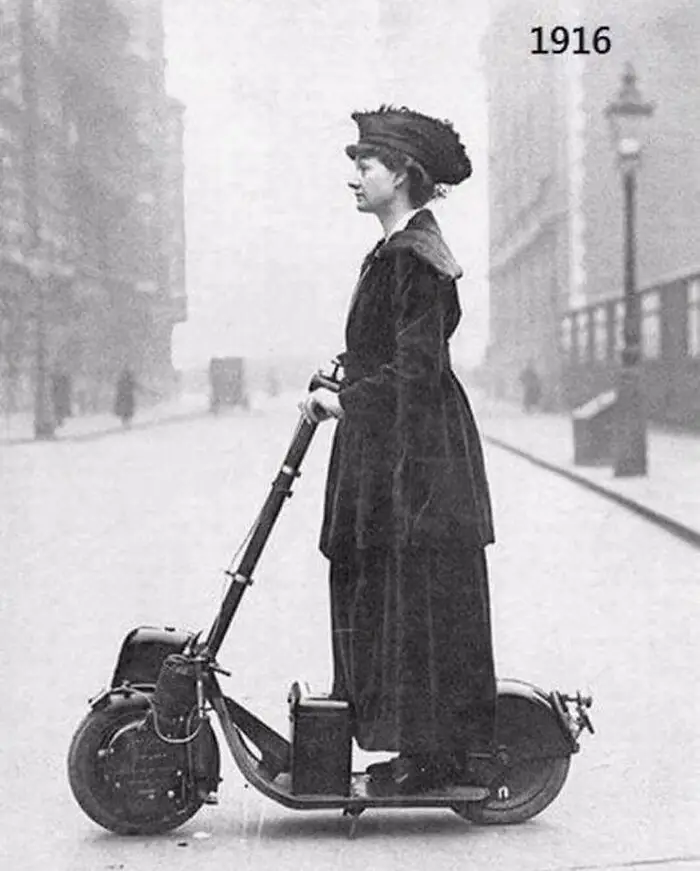
In 1916, the English socialite and suffragette Florence Norman went to work in her office in London on an "electric scooter", which practically did not differ from the modern version of Lime or Bird. Around the same time, the U.S. Postal Service was testing scooters for special delivery. For some time, the popularity of such transport grew. But they couldn't beat the machines.
The technology had drawbacks at that time. Although someone experimented with electricity, most scooters ran on gas, and they had a noisy engine. To start the engine, you had to push the scooter and jump on it. They were heavy and expensive – from $100 to $400.
Besides, there was nowhere to ride them. "A hundred years ago there was a struggle over who owns the streets. Many tried to make sure that they were primarily intended for cars. There was a rather pleasant period a little over 100 years ago when it seemed that the streets could be for everyone, but people who wanted only cars to drive on them increased the speed limits to such an extent that if you were not in the car, you would be afraid to move around," explains historian Peter Norton.
Report
27points
#26
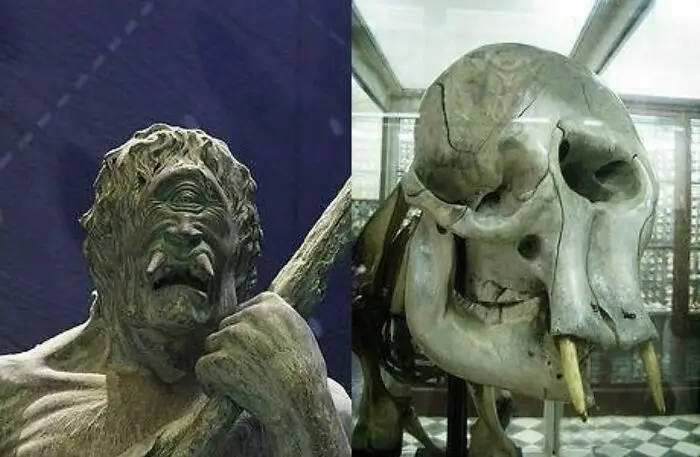
Skulls of Pleistocene dwarf elephants are found in coastal caves of Italy and Greek islands, most likely, they inspired the ancient Greeks to create legends about cyclopes.
Report
26points
#27
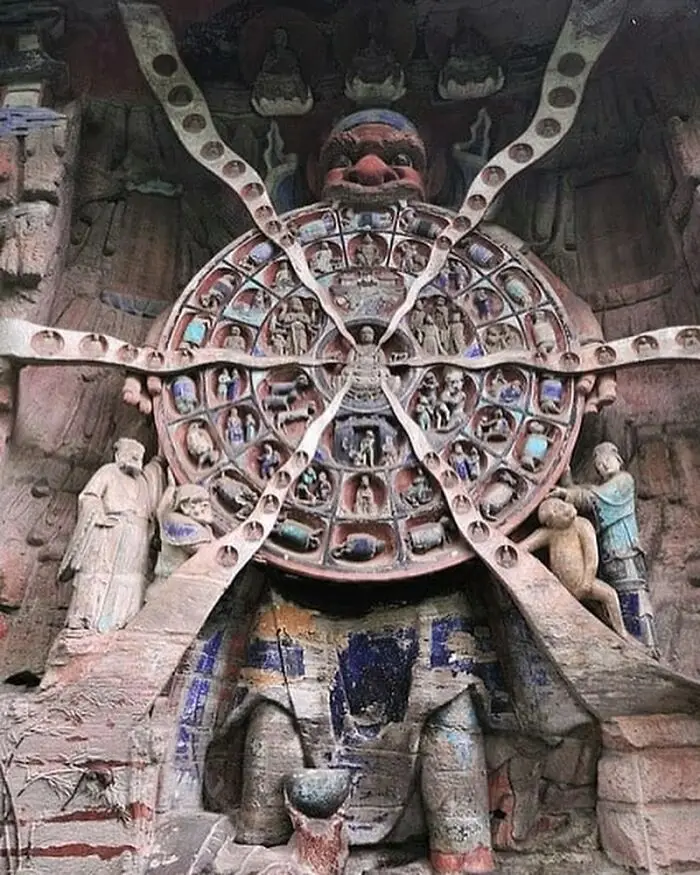
Bas-reliefs of the Northern Mountain (Beishan), China
The bas-reliefs of the Northern Mountain (Beishan) are located two kilometers from Dazu.
The most impressive bas-relief on the Northern Mountain is the Wheel of Samsara.
At the outer ring of the wheel, a snake is visible at the bottom, which then turns into a sheep, then into a horse and further, further, further at the very top a man. But he behaved, apparently, not like a human being and then the reverse process of turning into all kinds of animals went on, again everything ends with a snake.
Report
26points
#28
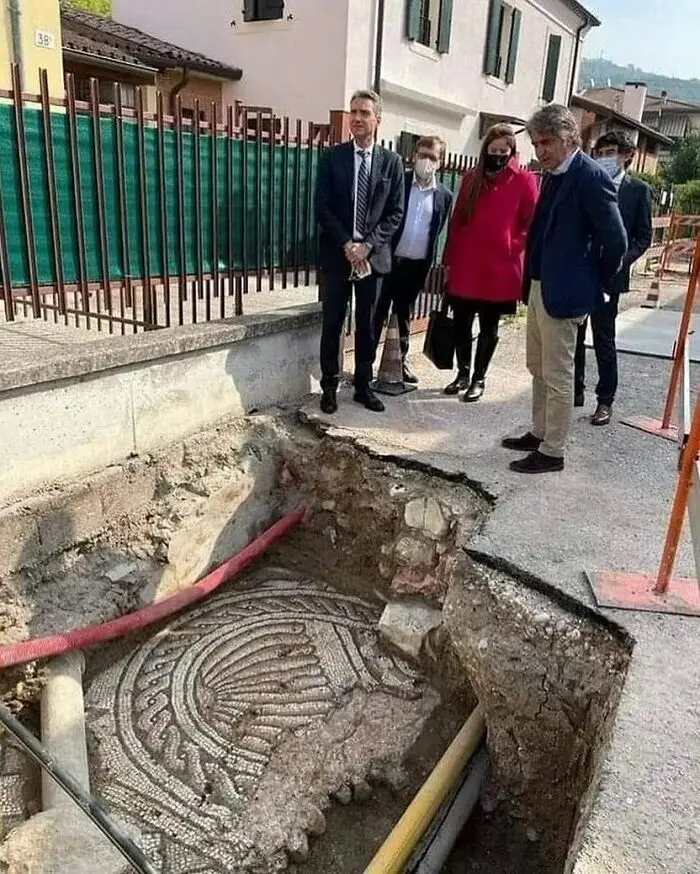
Roman mosaic floor of the 4th - 5th century AD, Montorio, Verona, Italy.
Report
25points
#29
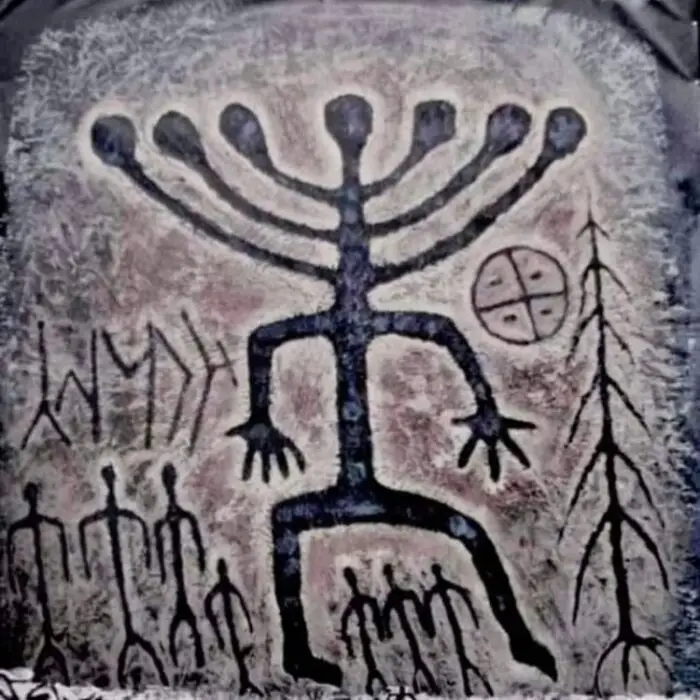
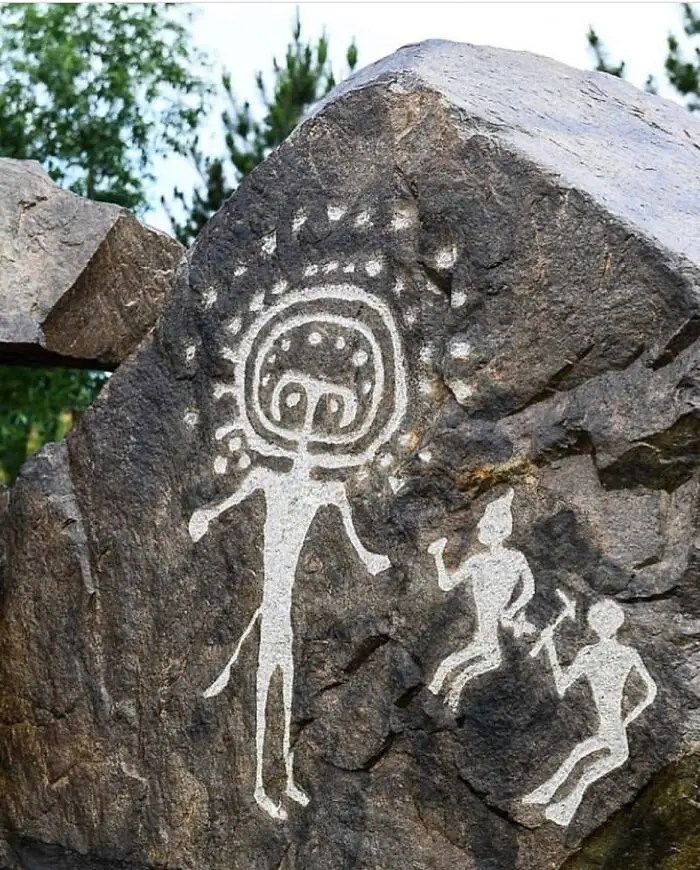
This mysterious seven headed petroglyph originates from Khakassia in Russia, and dates back to around 5000 BC
Report
25points
#30
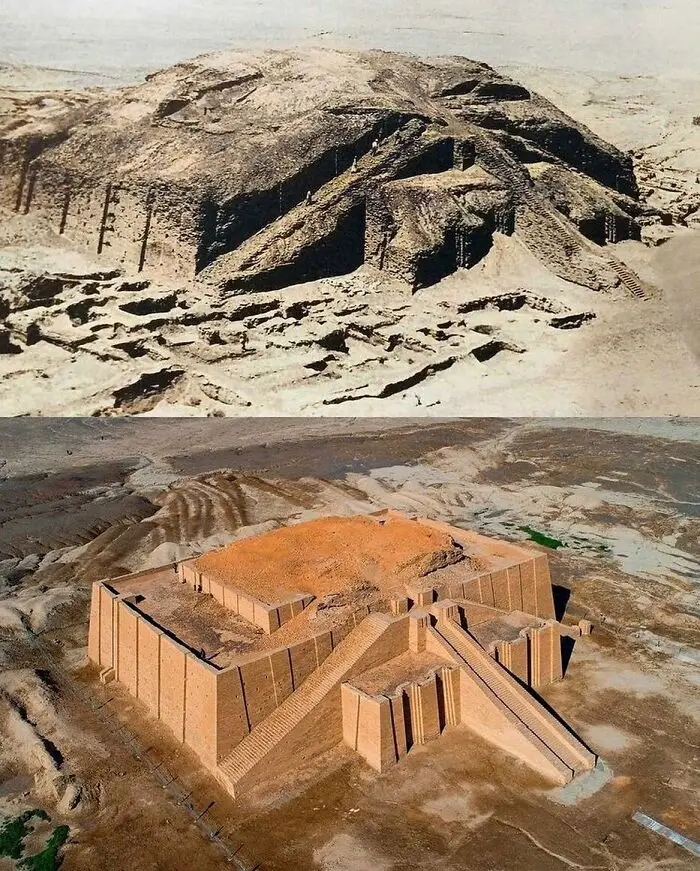
Before and after the excavation and restoration of the 4000-year-old Great Ziggurat. It was erected around 2100 BC in honor of the Moon God Nanna, the patron saint of the city-state. Today it is located on the borders of Iran.
Report
25points
#31
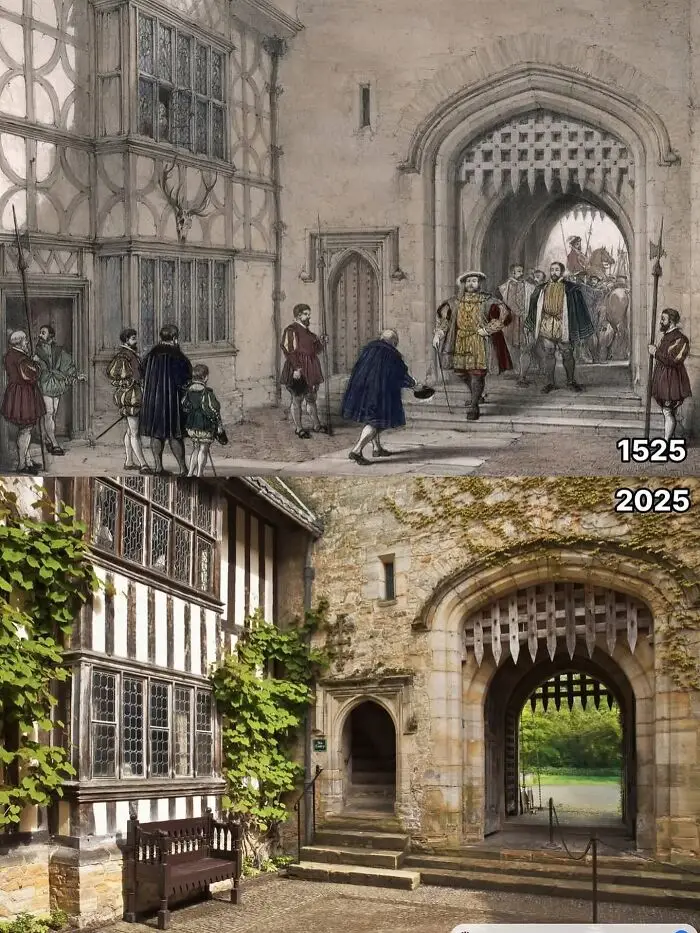
A 19th-century engraving by Joseph Nash depicts Henry VIII arriving at Hever Castle in Kent. The castle was the childhood home of Anne Boleyn, whose charm first caught the King’s attention within its walls. Their relationship set in motion the events that led to England’s break from the Catholic Church and transformed the nation’s monarchy and faith. Built in the 13th century and later home to the Boleyn family from 1462 to 1539, Hever Castle was where Anne spent her early years. After her father’s passing, it passed briefly to the King and then to his fourth wife, Anne of Cleves.
Report
25points
#32
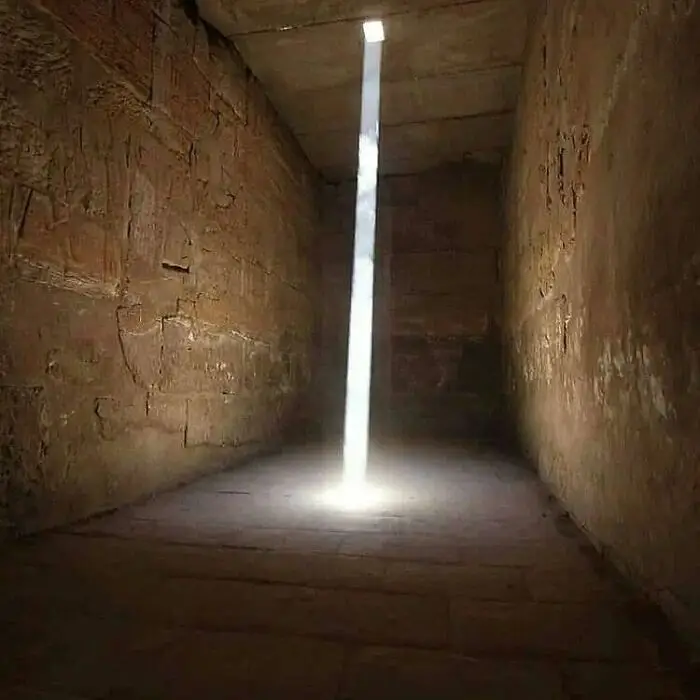
Light penetrates into the inner sanctuary of Amun-Ra in the temple of Ramesses in Karnak, Egypt.
Report
25points
#33
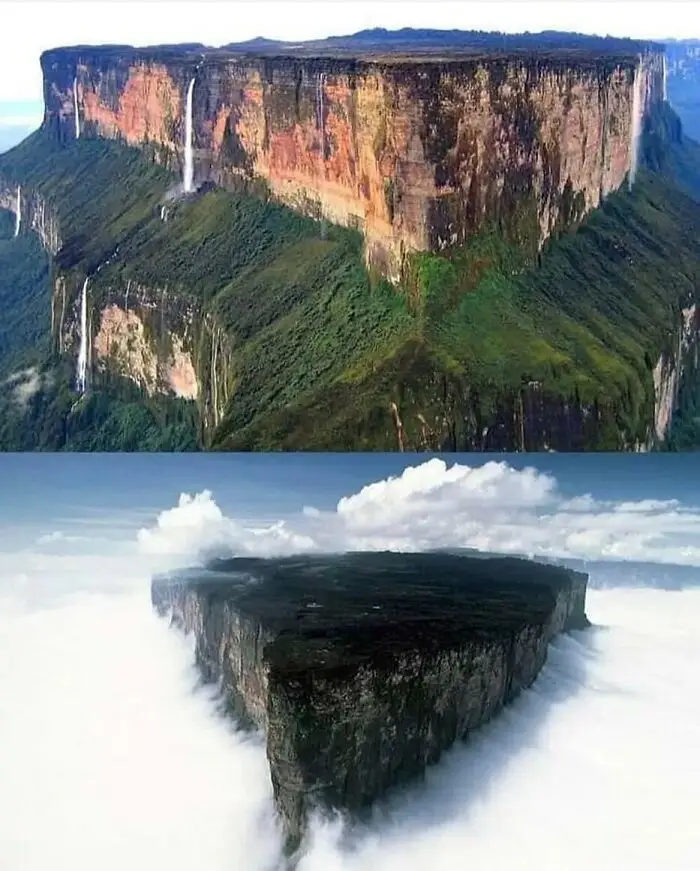
Mount Roraima is the highest of the Pakaraima chain of tepuis or plateaux in South America. First described to Europeans by the English explorer Sir Walter Raleigh during his 1595 expedition, its 31-square-kilometre summit area is bounded on all sides by cliffs rising 400 metres.
Report
25points

#37
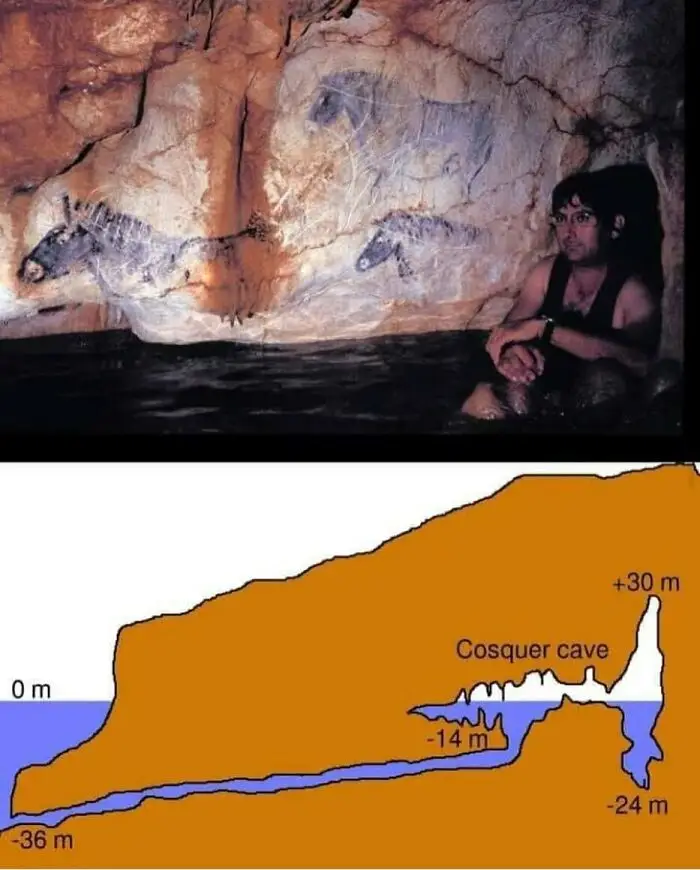
The Cosquer cave is a Palaeolithic decorated cave, located in France, that contains numerous cave drawings dating back as far as 27,000 years BP. The cave has more than 200 parietal figures and is also the only decorated cave whose entrance opens under the sea.
Report
21points
#39
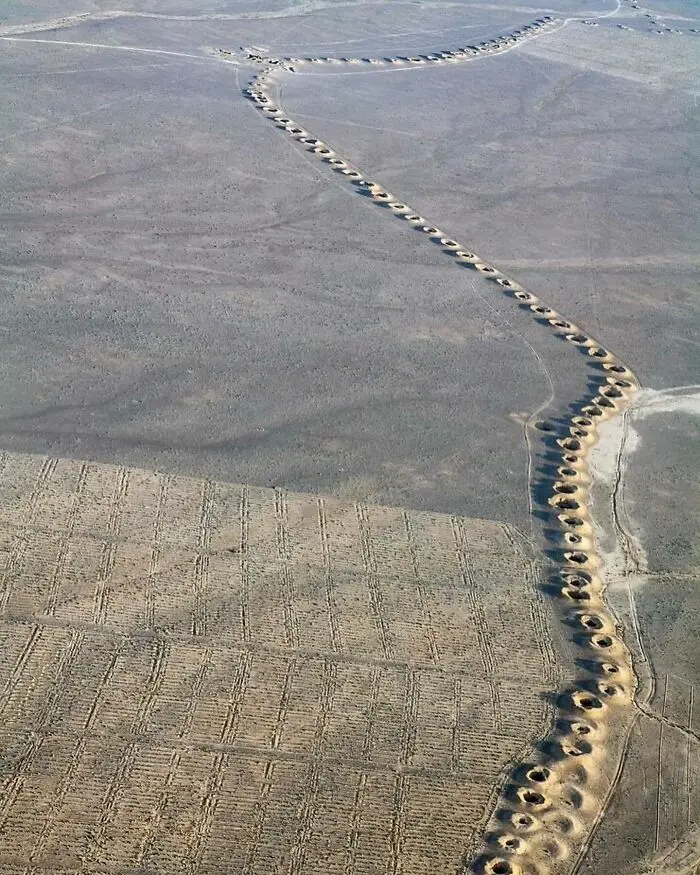
3,000 years ago, the underground canal "Kariz" was built on the territory of modern Iran. It was needed to transport water over long distances. The canal supplied water to villages and farms that simply would not survive here in a dry hot climate.
Kariz is one of the reasons for the rise of Persia in the region. After all, the water allowed for a large harvest.
These characteristic holes are necessary for maintenance.
The holes were needed to allow oxygen to enter the tunnel. The workers who were manually digging the canal needed air.
The tunnel goes under a thick layer of soil. This is necessary to reduce evaporation losses. Compared to open water – for example, in an aqueduct, it was possible to transport water much further through kyariz.
The builders of kyariz received a lot of money for their work. This craft was inherited.
A huge plus of the channel is that it is resistant to natural disasters. Neither a flood nor an earthquake can destroy it.
Report
21points