

Bored Panda
67 Interesting, Weird, And Surprising Facts About The Past That Prove How Cool History Can Be
History,CuriositiesOCT 25, 2026

67 Interesting, Weird, And Surprising Facts About The Past That Prove How Cool History Can Be

52
6
The past is far more interesting and bizarre than you think. In reality, it's much more nuanced and captivating than what you probably learned back in school. It’s humbling to realize learning never stops, and we could all use some extra lessons.
We are featuring the most intriguing facts and photos from the ‘Magnificent History’ Instagram account. They prove history is more than dusty tomes and dull dates. Ready to sharpen your mind? There's no test after this, but you might still want to take notes.

#1

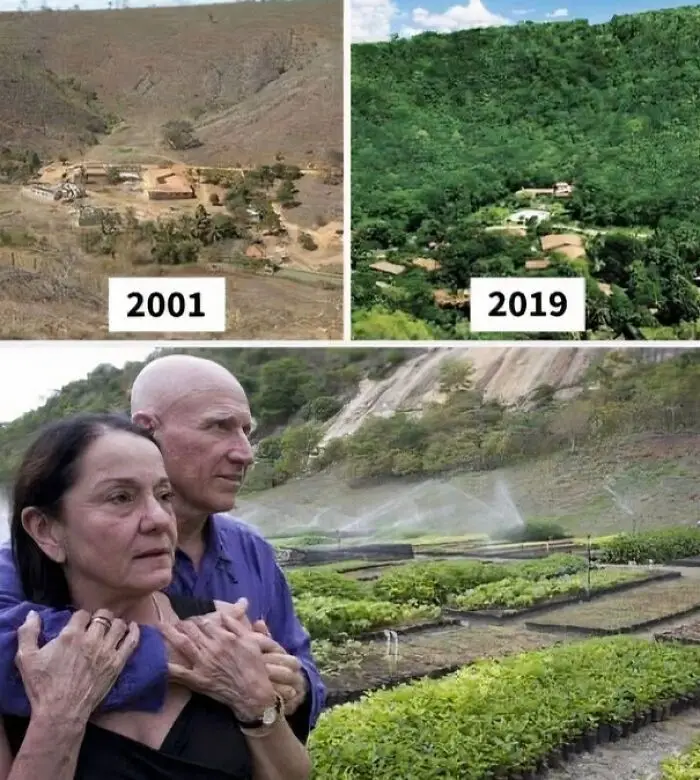
Comparison photos from 2001 and 2019 showing forest restoration next to a couple, revealing facts about the past.
A couple from Brazil planted 2 million trees over 18 years, bringing back 172 species of birds, 33 mammals, 15 amphibians, 15 reptiles and 293 species of plants.
73points

#2

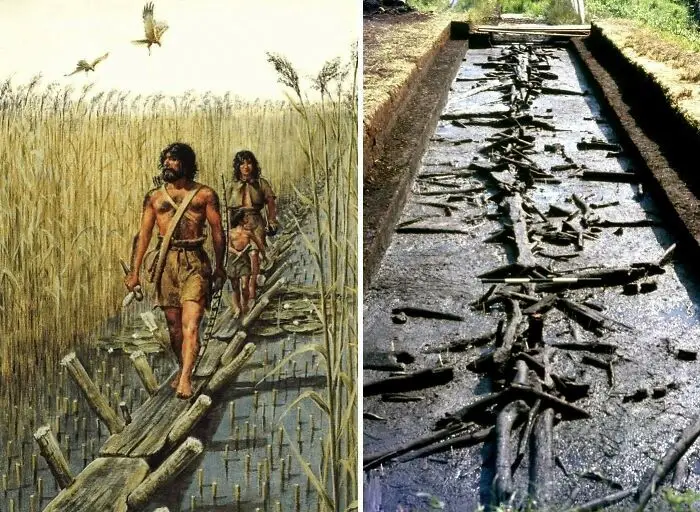
Illustration and archaeological excavation of an ancient wooden trackway showing cool history facts.
A 5,830-year-old wooden bridge in Somerset, England.

Discovered in 1970, it was part of a network of wooden "roads" that covered the swampy area thousands of years ago.
60points

#3

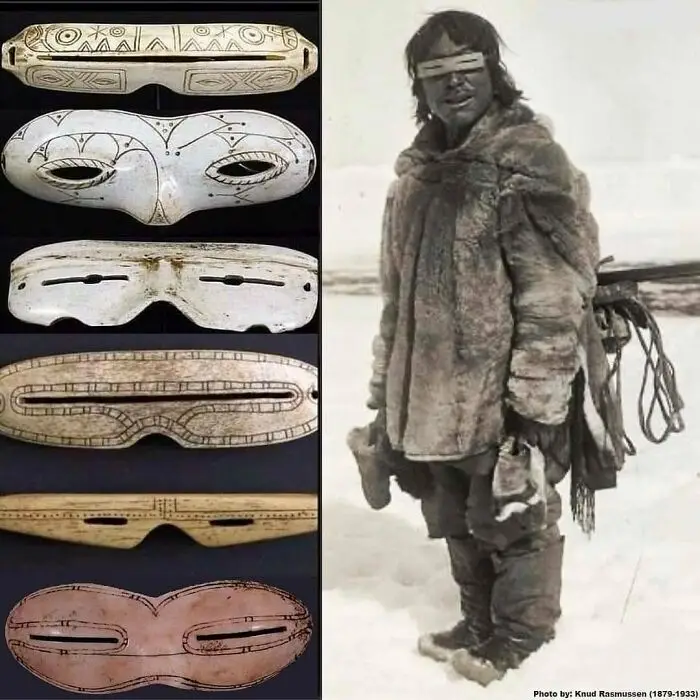
Traditional Inuit snow goggles carved from bone alongside a man wearing them, highlighting cool history facts.
Snow glasses are glasses used by the Arctic peoples of the Inuit and Yupik to prevent snow blindness.

Glasses are traditionally made of wood (especially spruce), bone, walrus tusk, reindeer horn, and sometimes coastal vegetation.
58points

Repeating a piece of information over and over again does not necessarily mean that it is true. It does, however, increase the odds of the public thinking that it’s true. Objective truth and subjective interpretations are two different things, however.

That being said, reaching that objective truth is by no means easy. ‘Perfect’ objectivity is, broadly speaking, out of reach. And yet, it is still something worth aiming for.

According to ‘History Skills,’ in history, it is “rare that we are completely sure that sources are 100% reliable.” So, it’s better to talk about degrees of reliability.

#4
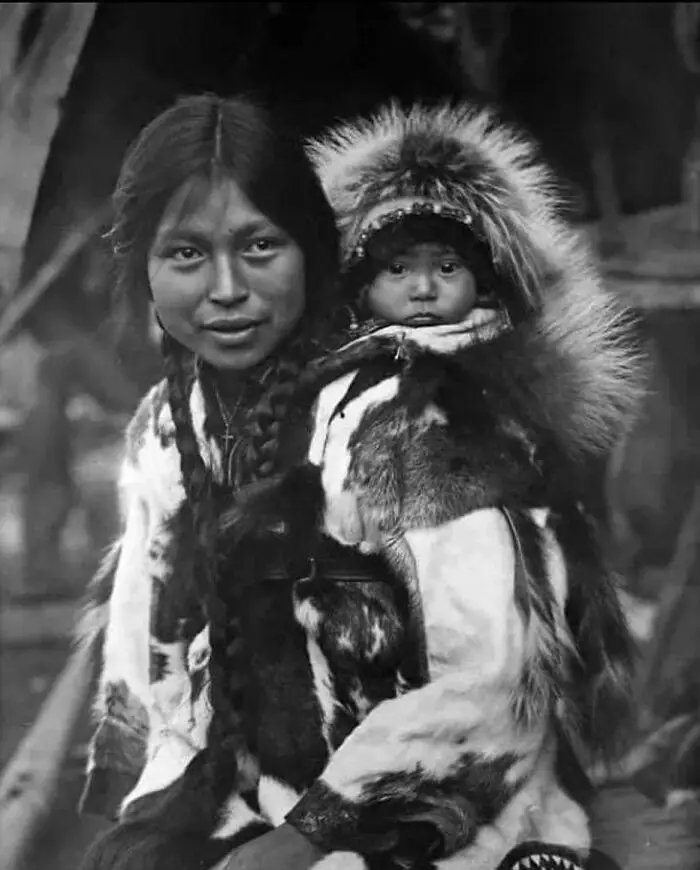
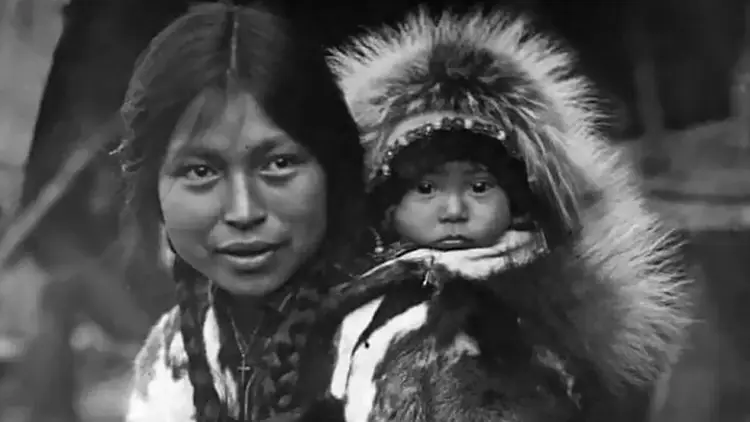
Historical photo of an Indigenous woman carrying a baby in fur clothing showing facts about the past.
The Inuit people can’t be imagined without their signature parkas, fashioned from fur and hide of the local wildlife. One of the many reasons why early European voyages into the Arctic circle failed is because they were underprepared for the extreme weather conditions of the north. They wore wool clothing, which kept them hot on the inside, but made them sweat a lot, which made their clothing freeze in the extreme temperatures. The Inuit never faced this problem, as they have been making their parkas from caribou deer or seal hide from as early as 22,000 BC (Siberia). The production of these parkas took weeks, and the tradition of making them was passed down from mother to daughter, taking years to master. Depending on the geographical location of the tribes, the design of the parkas varied according to the types of animals available. Beadwork, fringes and pendants frequently decorated the clothing. Roald Amundsen was the first explorer who outfitted his crew with Inuit clothing, which enabled him to successfully circumvent the North-West Passage in 1906. In the 20th century the use of traditional Inuit clothing declined, but it has seen a recent resurgence, as the Inuit strive to preserve their culture.
51points

#5

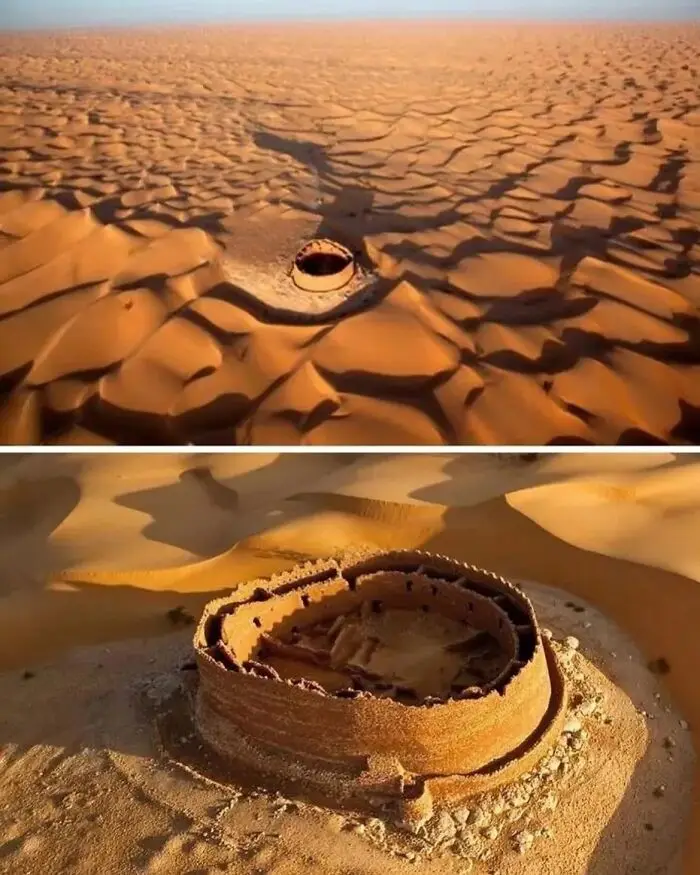
Aerial view of a ancient round fortress in the desert sand, an interesting fact about history.
Ksar Draa Fortress is built in the middle of the sand dunes of the Sahara, about 50 km from the city of Timimun.

It is unknown when and by whom it was built, what was its exact purpose. No mention of it has been preserved even in the writings of the indigenous peoples of the region.
50points

#6

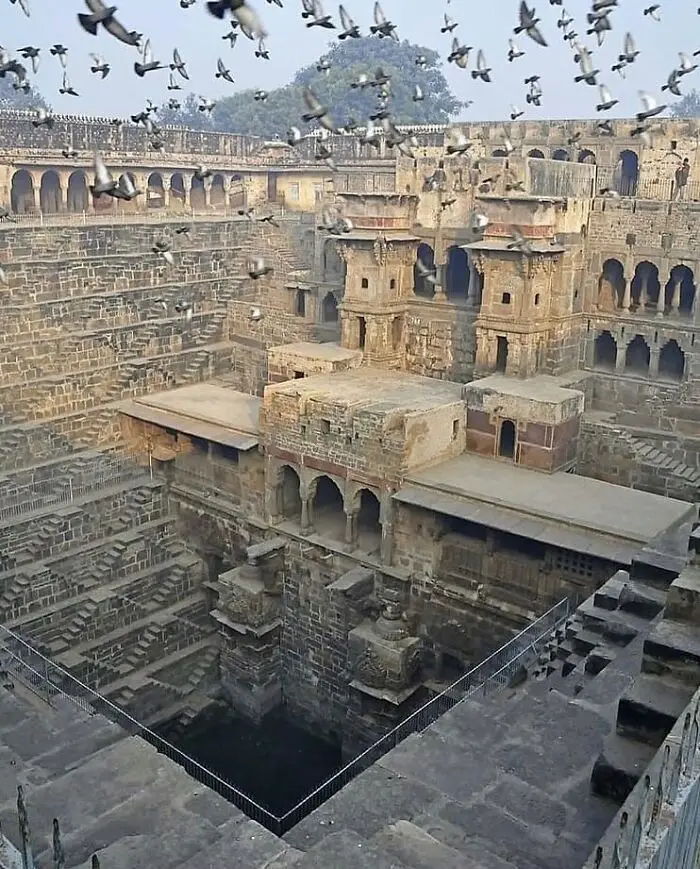
Flock of birds flying over ancient Chand Baori stepwell showcasing surprising facts about the past.
The Chand Baori architectural complex is one of the oldest and deepest step wells in India. The giant structure, resembling an inverted pyramid, goes underground for more than 30 meters, on its three walls there are 3,500 steps in perfect symmetry, along which you can descend to a small murky green lake.
50points

As ‘History Skills’ explains, sources are more likely to be unreliable when the creator was not present at the time of the event, does not have a sufficiently educated perspective on the topic, and has not been fact-checked by an educated audience.

Opinions and interpretations should not be perceived as cold, hard facts. You have to think about what agendas and biases the creator of the source might have, and what they might seek to gain from their target audience thinking or feeling a certain way.
#7

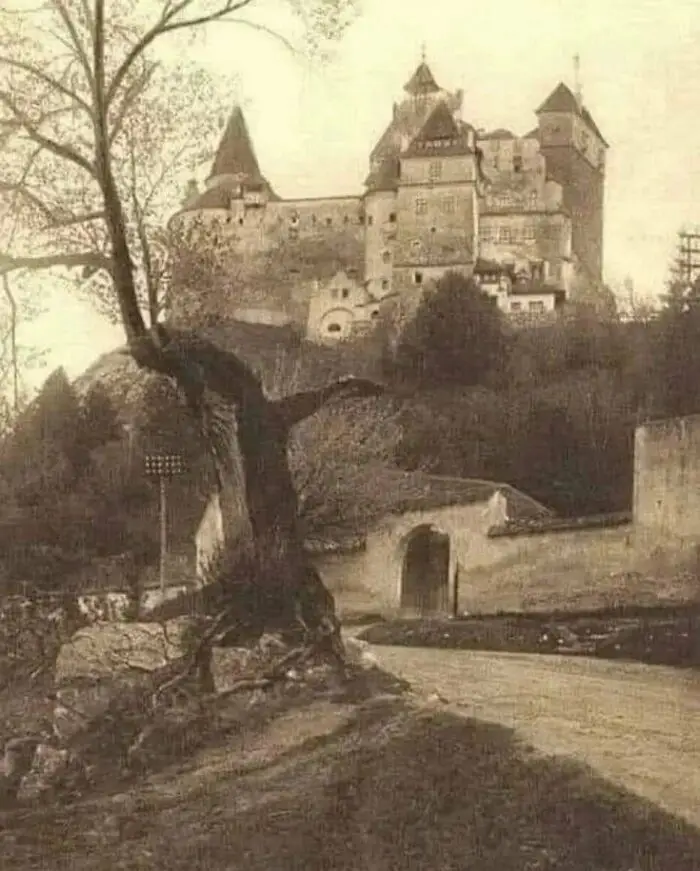
An old vintage photograph of a medieval castle on a hill, highlighting surprising facts about the past.
Bran Castle (Dracula's Castle), Romania, 1920s.
48points

#8

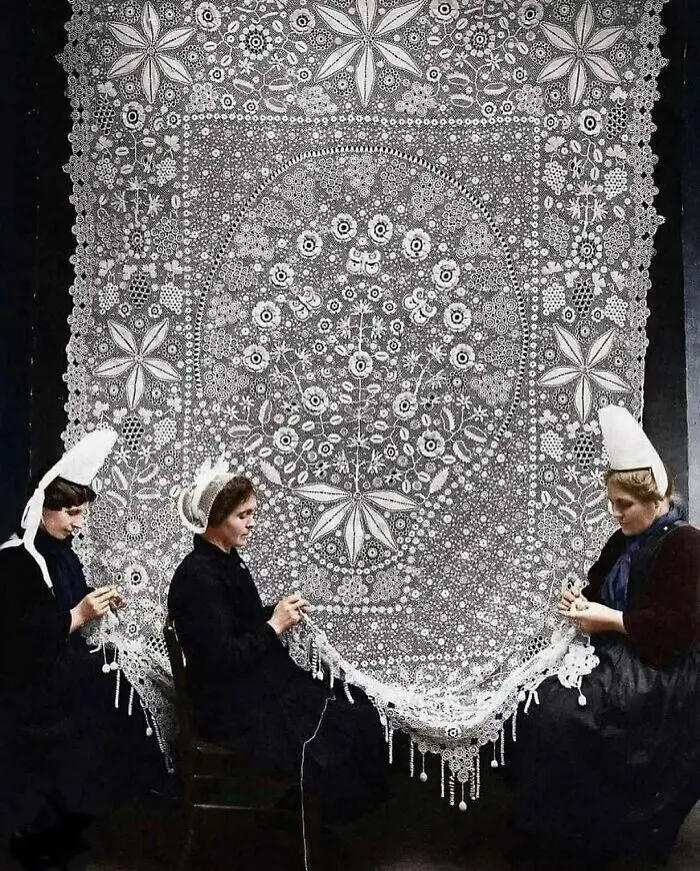
Three women creating intricate lace patterns, illustrating cool history and traditional craft.
Lace workers at work. Brittany, France, 1920.
41points

#9

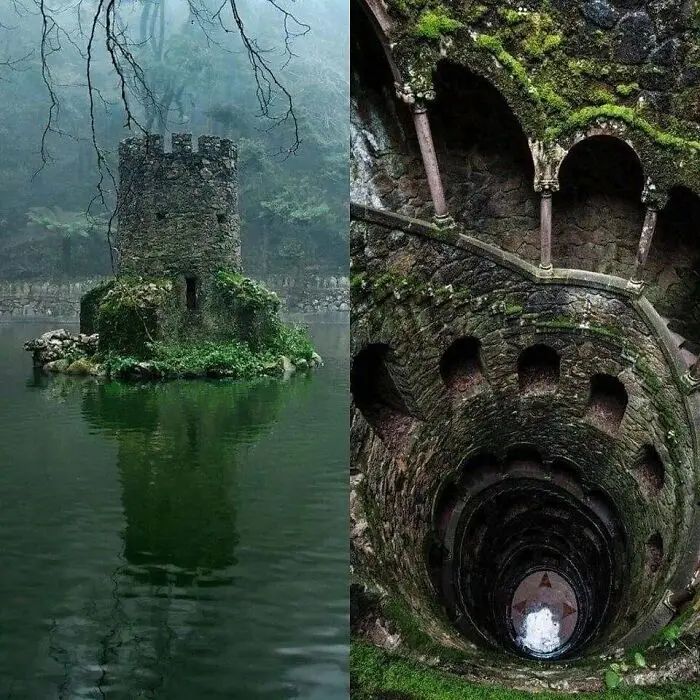
A mossy stone tower in water beside a deep spiral well, revealing surprising facts about the past.
Two unusual architectural landmarks in Sintra, Portugal
40points

Meanwhile, Margot Note Consulting LLC suggests that you ask yourself the following questions when gauging how (un)reliable a historical primary source may be:

  1. Was the source created at the same time as the event it describes?
  2. Who made the record, when, and why?
  3. Who furnished the information?
  4. Would the informant have benefited from giving incorrect or incomplete answers?
  5. Is the information in the record (names, dates, places, event, relationships, etc.) logical?
  6. Does the information make sense in the broader context?
  7. What other evidence supports the info in the source?
  8. What reliable evidence contradicts the source?
  9. Is the source an original or a copy?
  10. How has the passage of time affected the source document's readability?

#10
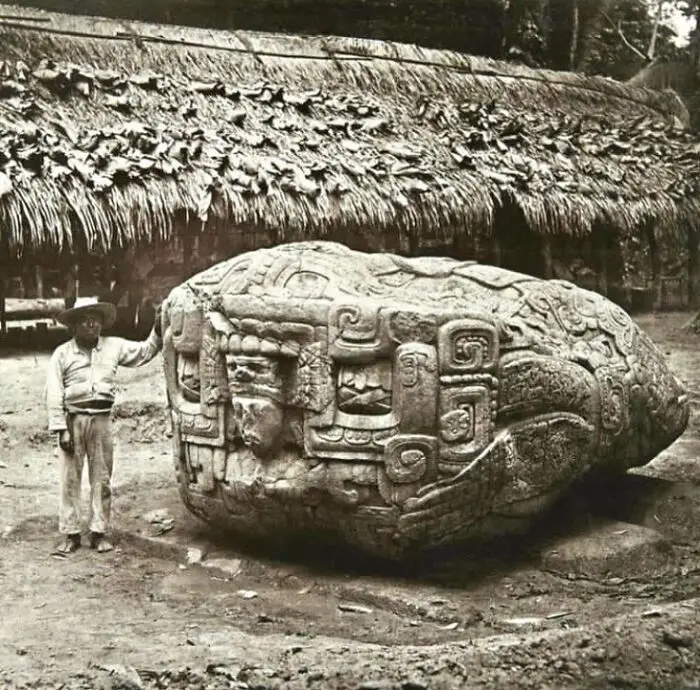
Massive ancient stone carving next to a man, showing surprising facts about the past.
Amazing vintage photos of massive 3D zoomorphic Mayan creations from Central America.

By Alfred P. Maudslay
40points

#11

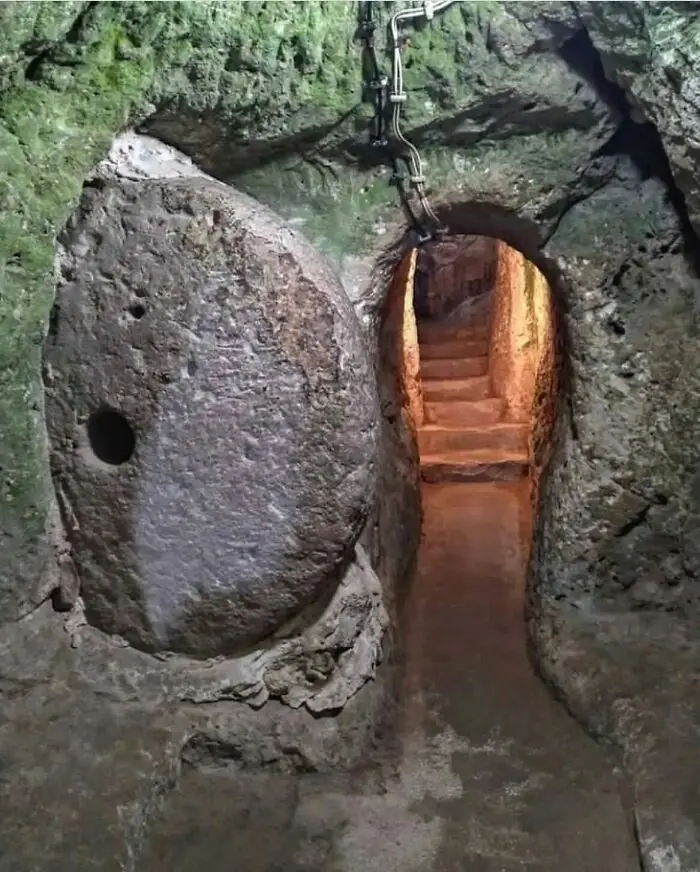
Underground stone door blocking a passageway, showcasing interesting facts about the past.
The Derinkuyu underground City is an ancient multi-level underground city in the Derinkuyu district in the Cappadocia region, Turkey, extending to a depth of approximately 85 meters (279 feet).

It is believed that the underground city was built as a shelter, which should not be visible from above, for the Christian community to escape from the pressure of the Roman Empire and the Arabs.

It is large enough to shelter up to 20,000 people along with their livestock and food supplies. This underground city contains many complex structures such as ventilation, a church, a stable and a cellar. It is carved from a malleable rock of volcanic ash called tuff.
39points

#12

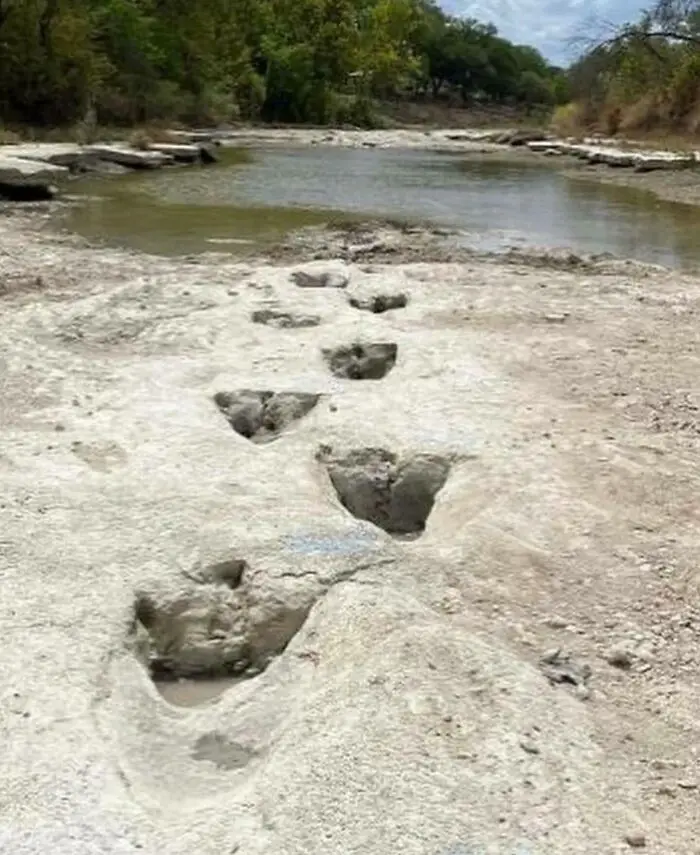
Preserved fossilized dinosaur footprints in a riverbed, a surprising fact about history.
In Texas, due to a severe drought, dinosaur tracks were found, which are about 113 million years old.
38points

What’s your perspective? What’s something new that you learned about the past today? What are some mysteries that live rent-free in your head?

What historical periods interest you the most, and why? Has this changed since your school days? What do you personally do to broaden your mind and keep learning new things, no matter how many adult responsibilities you have these days?

What do you think are the main issues that affect modern society, and what do you think might realistically happen in the near future?

Share your thoughts in the comments under the images or at the bottom of this post.

#13
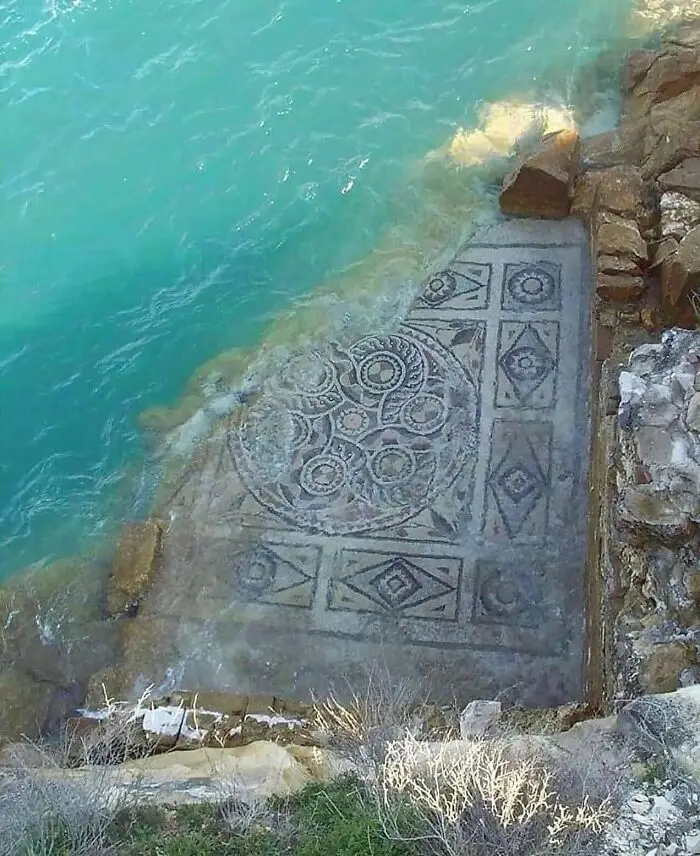
Submerged ancient Roman mosaic floor partially covered by clear turquoise water, showcasing surprising facts about the past.
A mosaic of the Roman Empire two thousand years ago, washed by the waters in present-day Turkey.
37points

#14

A woman looking through a giant antique book in a library filled with old tomes, displaying facts about the past.
What's up with all these gigantic books? This picture was taken sometimes during the 1950s by M.Peterka at the Archives of Prague Castle, Czech Republic.
37points

#15

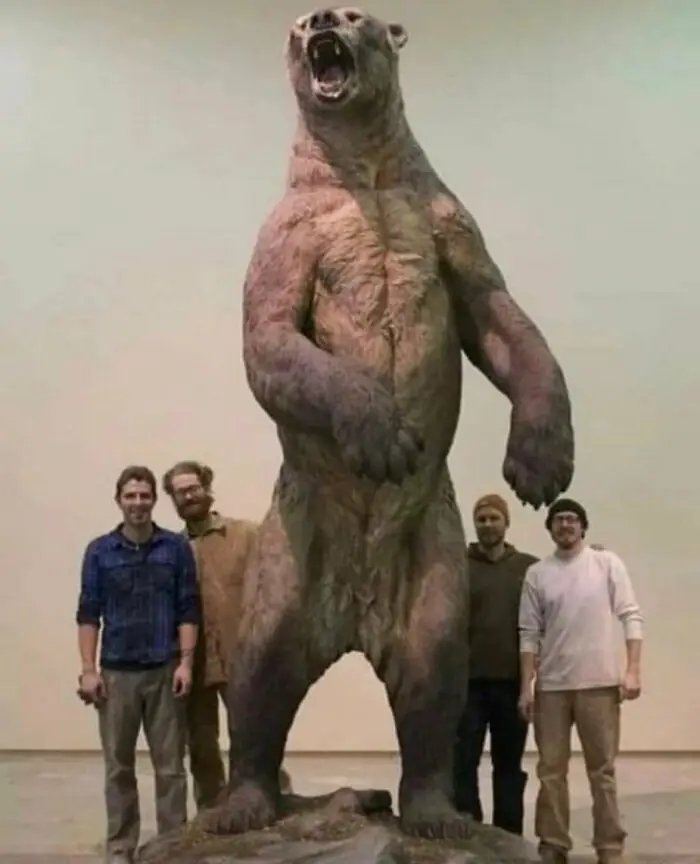
Huge giant short-faced bear specimen standing next to four men, illustrating weird facts about the past.
The short-faced bear is an extinct ancient bear that lived in North America 11,000 years ago. They were extremely large bears, weighing more than 1 ton (1000 kg) and standing up to 12 feet (3.7 m) tall. Despite their enormous stature, the Bear could run up to 40 miles per hour.
36points

#16

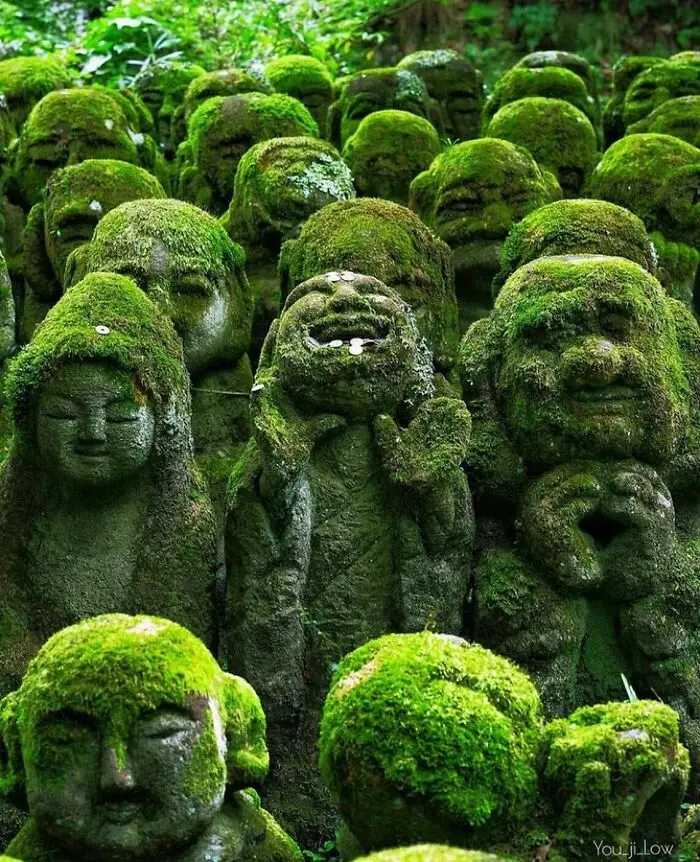
Moss covered laughing stone Buddha statues in Japan revealing cool facts about the past
A temple called Otagi Nenbutsu-ji, hidden in the hills in the far west of Arashiyama with a collection of 1,200 Rakan statues. It's one of Kyoto, Japan's most unique and bizarre temples.
36points

#17

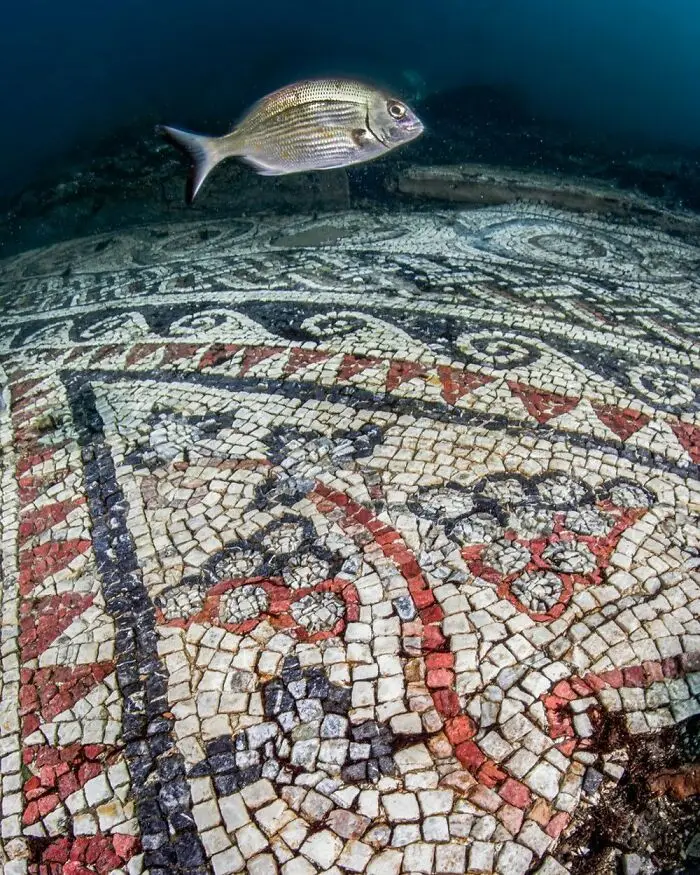
Intricate ancient mosaic floor submerged under clear water with a fish swimming over cool history facts.
This is a fantastic photo of a mosaic (and a beautiful fish) that was discovered a few months ago in the flooded ruins of the Roman city of Baiae.
35points

#18

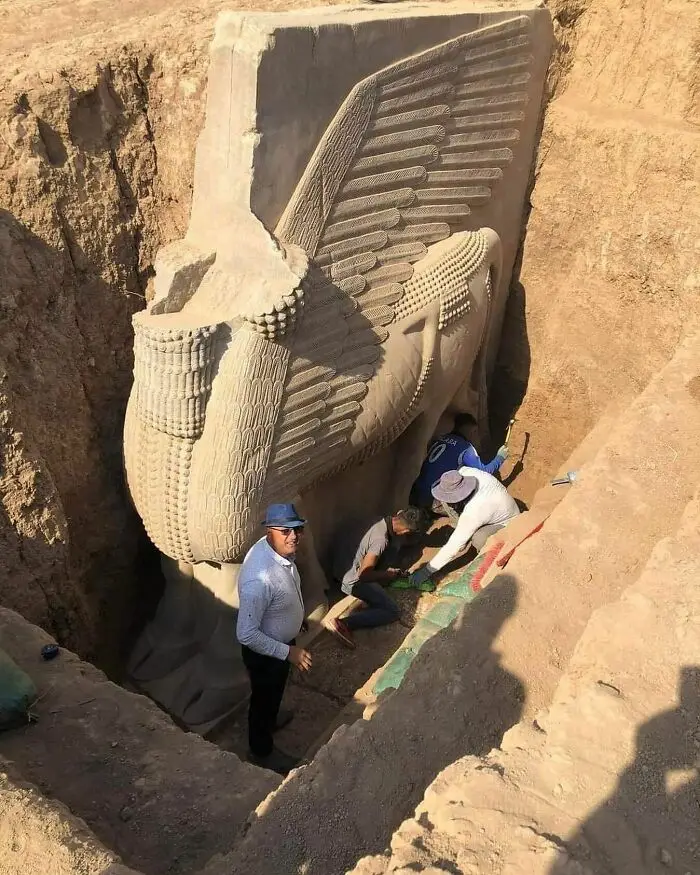
Archaeologists unearthing a massive winged bull statue, revealing cool history and ancient artifacts.
The new opening of the French mission in Nineveh (Lammas or Shedu).

The motif of a winged animal with a human head is characteristic of the ancient art of the entire Middle East; for the first time it is found in finds from Ebla at the beginning of the III millennium BC.

In the New Assyrian era, shedu became ubiquitous throughout Assyria: the figures of the "man-god" guarded all significant state structures and entrances to cities.
32points

#19

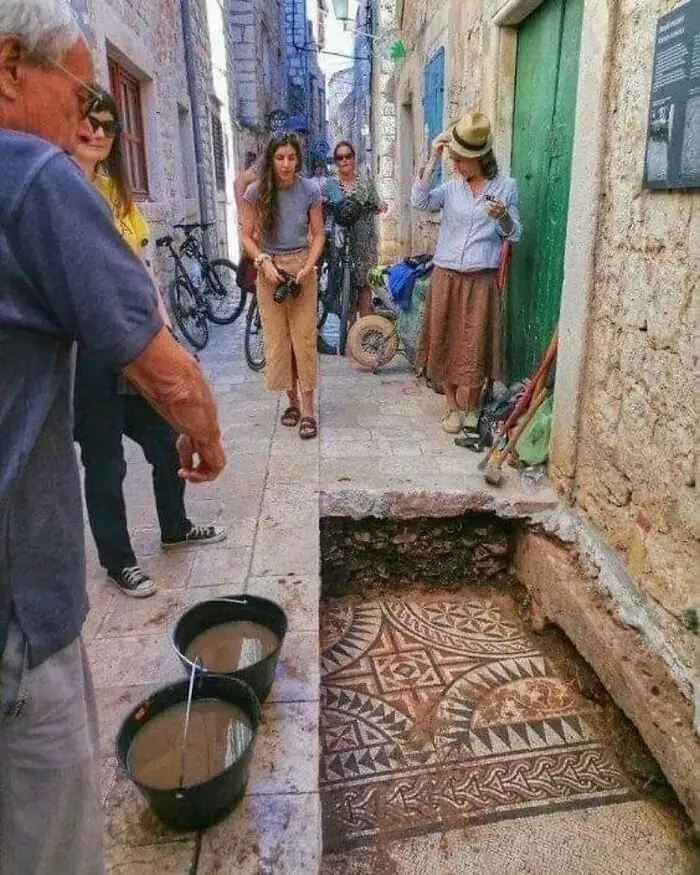
People admiring an ancient floor mosaic uncovered during excavations, revealing cool history facts.
Mosaic discovered in old town of Hvar (Croatia)
32points

#20

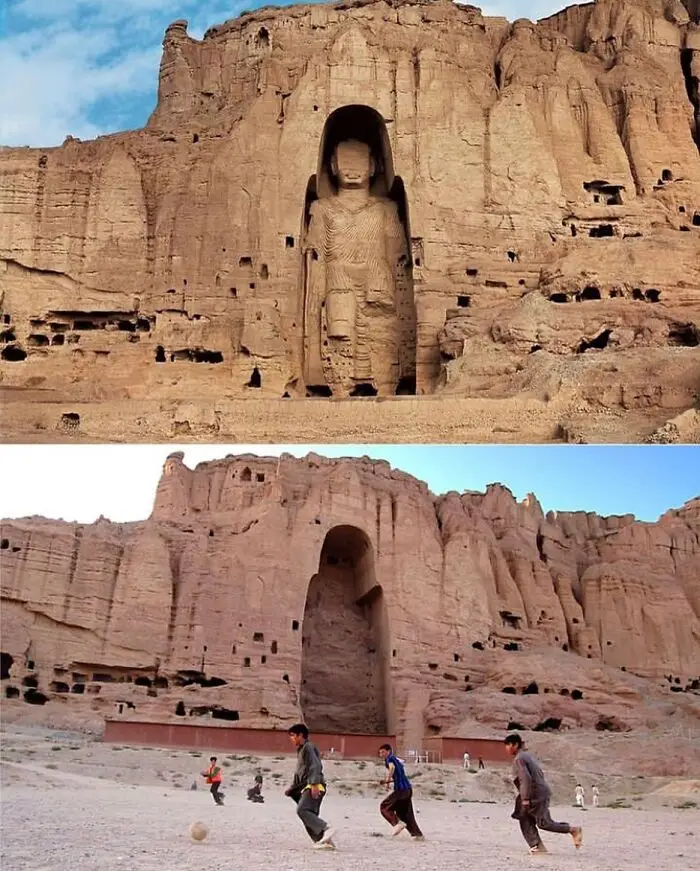
Comparison of the standing Buddhas of Bamiyan statue and the empty cliff alcove left after its destruction, history facts.
The giant Buddha statue, carved into rocks 1,500 years ago in Afghanistan’s Bamyan Valley, was dynamited and destroyed by the Taliban in 2001.
31points
52
6