




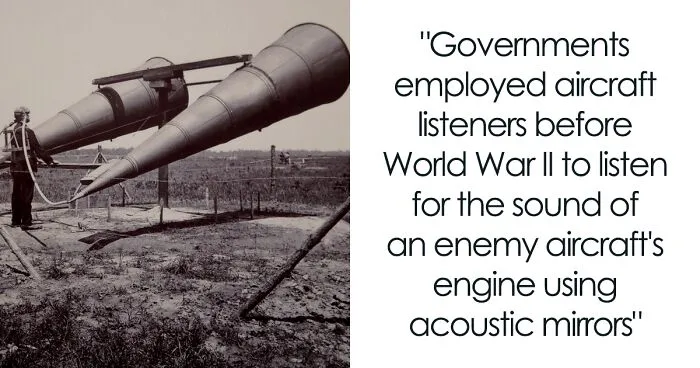


It’s hard to realize that jobs that don’t exist anymore were someone’s bread and butter but have now been replaced by heartless machines powered by energy sources other than coffee. However, unlike rare animals going extinct, there’s no reason to grieve over more jobs becoming obsolete. Quite the contrary.
If we think about it, the growing list of obsolete jobs is a good indicator of human progress and technological improvement. It means that old jobs are replaced with new positions more adapted to human needs. Hence, if we look at all the jobs that don’t exist anymore due to technology, we’ll notice they’ve all been replaced by something much more beneficial to humans. All to make specific tasks easier and faster to accomplish and, hopefully, to have more time and energy to do things we genuinely enjoy.
However, the great paradox of our time is that the world is better than it has ever been, but it has also never been worse. Electronic devices are making our lives easier, but they are also the reason we waste so much of our time online. However, that topic deserves a separate post, so let’s leave it for another time.
Below, we’ve compiled a list of obsolete jobs you probably won’t be able to apply for because, well, they’re no longer hiring. Or exist. But you probably wouldn’t want to either way because the options we have today are so much better. Have you ever heard of any of these weird jobs before? Let us know in the comments.
#41 Resurrectionist
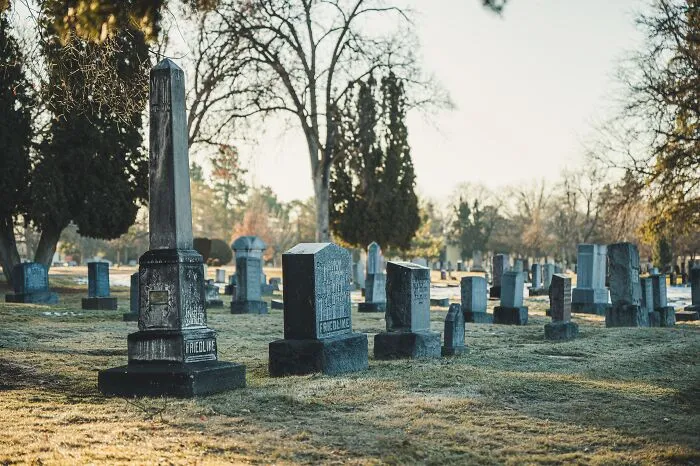
In the 18th century, resurrectionists exhumed recently deceased victims' remains and delivered them to clinics and medical schools. As modern medical science progressed, the need for corpses grew, and so did the resurrectionists.
unknown
Report12points
#42 Mud Clerk

During the American Civil War, mud clerks were support workers on steamboats. They ran errands for the captain and officers and did basic maintenance duties like cleaning and repairs. They often assisted in removing the boats after they sank into the mud, earning the moniker of the job.
unknown
Report12points
#43 VHS Repairman
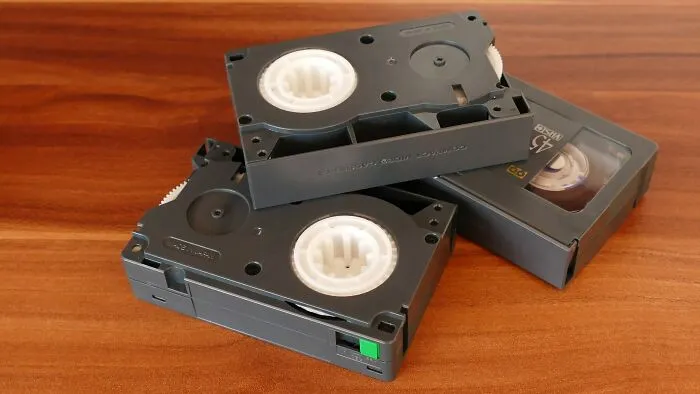
VHS repairmen went to customers' homes to repair broken VHS players and also fixed ones customers brought into their shops. This position became irrelevant when DVDs took off and VHS cassettes lost popularity. There might still be a handful of handymen that would take on fixing a VHS, but it's no longer a job one could make a living off since the demand is so low.
unknown
Report12points
#44 Caddy Butcher

Until the 1940s, horse meat was a dietary staple both in the UK and the US. Caddy butchers specialized in processing and selling horse meat, which, at the time, was an affordable alternative to venison or beef.
unknown
Report11points
#45 Water Carrier

A water carrier would collect drinkable water and return it to the village, where it would be distributed to those who needed it. But, as pipe systems advanced, human labor was no longer needed.
unknown
Report11points
#46 Lamplighter

Before there were electric streetlights, a lamplighter would go around town putting out and re-lighting gas-burning streetlamps. Lamplighters were no longer needed once cities switched to electric light bulbs.
unknown
Report11points
#47 Rat Catcher

In the Victorian era, rat catchers were primarily young people who tracked and captured rats. This catcher job was popular at the time because rats, notorious for carrying many diseases, were everywhere in places like London.
unknown
Report11points
#48 Wheelwright
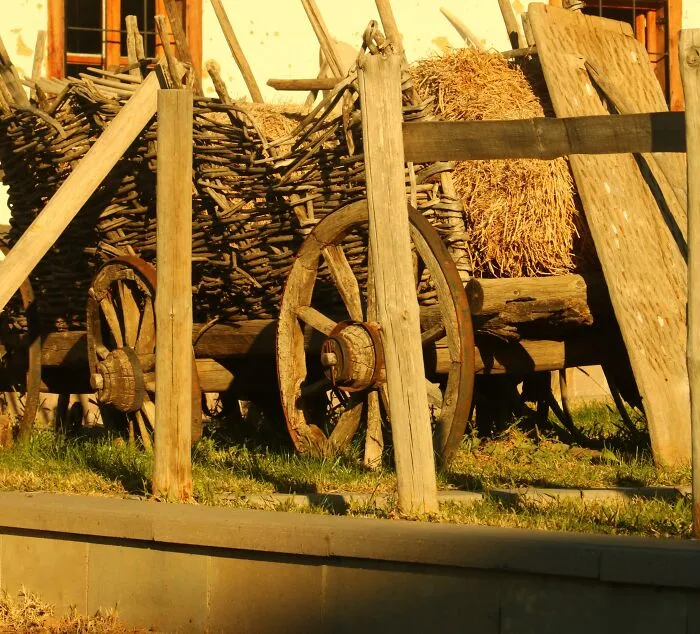
A handyman who made and traded wooden wheels was known as a wheelwright. These wheels were mainly made for use on farm equipment and steam-powered machinery. As wooden wheels lost popularity, wheelwrights became much less common in the late 20th century.
unknown
Report11points
#49 Redsmith

Redsmiths were so named for their proficiency with working copper and brass, an alloy of copper and zinc, similar to their relatives, the blacksmiths, who worked with iron.
unknown
Report11points
#50 Stone Eater
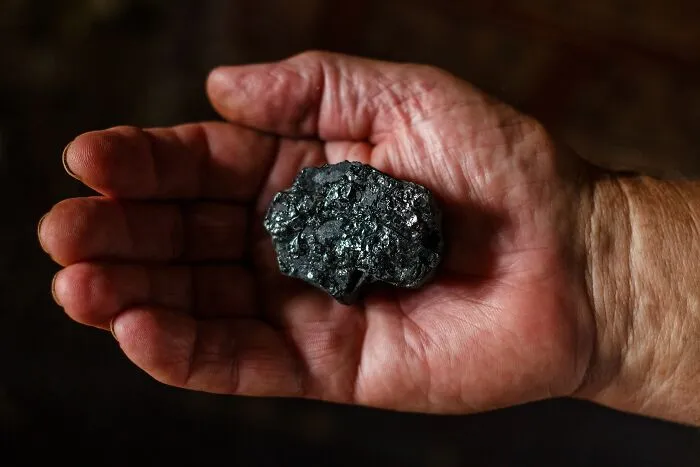
To the wonder of audiences, people known as stone eaters traveled around and ate pebbles and stones. Some exhibitions actively urged visitors to bring their own rocks as a way to encourage them to attend the performance. However, news outlets announced stone eating a hoax, people started questioning the practice, and it soon lost popularity.
unknown
Report11points
#51 Baked Potato Seller

Baked potato sellers were a typical sight on the streets of London in the mid-18th century. Although most were bought for eating, baked potatoes were sometimes used to keep the hands warm on chilly winter days.
unknown
Report10points
#52 Hush Shopkeeper

When it was prohibited to purchase, sell, or consume alcohol in the US during Prohibition, a hush shopkeeper would discreetly sell alcohol to clients they knew and trusted. They gained their moniker by keeping their illegal operation under wraps.
unknown
Report9points
#53 Toad Doctor

Toad doctors used to treat patients using, you guessed it, toads. Toads were first used in medicine in the 1600s because, at the time, medical practitioners thought they had healing qualities. Their main concern was healing a scrofula skin disease (then called "the King's Evil"). They treated the sick by placing a live toad (or its leg) in a muslin bag around their neck.
unknown
Report9points
#54 Drysalter

In the 17th century UK, drysalters were salespeople who traded chemical products, including dry chemicals and dyes used in salted, tinned, and dried food or edible oils. Some drysalters also sold hemp, flax, hempseed, and potash.
unknown
Report9points
#55 Plague Doctor

Plague doctors were medical practitioners who treated those suffering from the Bubonic Plague. They often checked patients without even touching them by using a wooden cane and wearing masks. Essentially, plague doctors only recorded casualties and the number of sick for demographic purposes.
unknown
Report9points
#56 Scribe

Scribes made manuscripts by hand, transcribing each word while listening to speeches and events. Thanks to the development of computers, word processors, and recording software, this occupation is no longer necessary.
unknown
Report9points
#57 Court Jester

Court jesters were essentially entertainers for royals and their guests. However, even though they were often regarded as jokesters who donned goofy hats, their role was not always all fun. A major health warning came with being chosen as one; jesters were often required to accompany their masters to the battlefield and deliver messages between the commanders of opposing armies.
unknown
Report9points
#58 Deer Culler
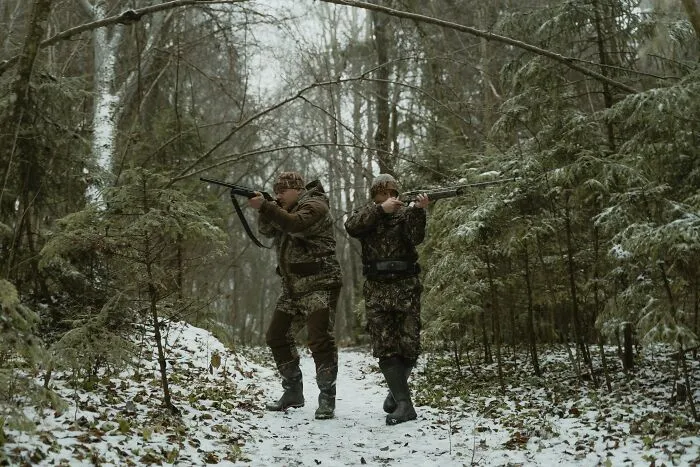
Around the 1930s, New Zealand's government employed professional deer cullers to hunt deer and slow their spread due to concerns about the sharp increase in the deer population. With the advent of commercial hunting in the 1970s, government-funded culling was abandoned.
Report
8points
