






It’s hard to realize that jobs that don’t exist anymore were someone’s bread and butter but have now been replaced by heartless machines powered by energy sources other than coffee. However, unlike rare animals going extinct, there’s no reason to grieve over more jobs becoming obsolete. Quite the contrary.
If we think about it, the growing list of obsolete jobs is a good indicator of human progress and technological improvement. It means that old jobs are replaced with new positions more adapted to human needs. Hence, if we look at all the jobs that don’t exist anymore due to technology, we’ll notice they’ve all been replaced by something much more beneficial to humans. All to make specific tasks easier and faster to accomplish and, hopefully, to have more time and energy to do things we genuinely enjoy.
However, the great paradox of our time is that the world is better than it has ever been, but it has also never been worse. Electronic devices are making our lives easier, but they are also the reason we waste so much of our time online. However, that topic deserves a separate post, so let’s leave it for another time.
Below, we’ve compiled a list of obsolete jobs you probably won’t be able to apply for because, well, they’re no longer hiring. Or exist. But you probably wouldn’t want to either way because the options we have today are so much better. Have you ever heard of any of these weird jobs before? Let us know in the comments.
#21 Physiognomist

In the 19th century, physiognomists used to evaluate a person's character or personality based on their outward appearance. They thought bodily characteristics were enough to recognize personality traits like sincerity and openness.
unknown
Report15points
#22 Telegram Messenger
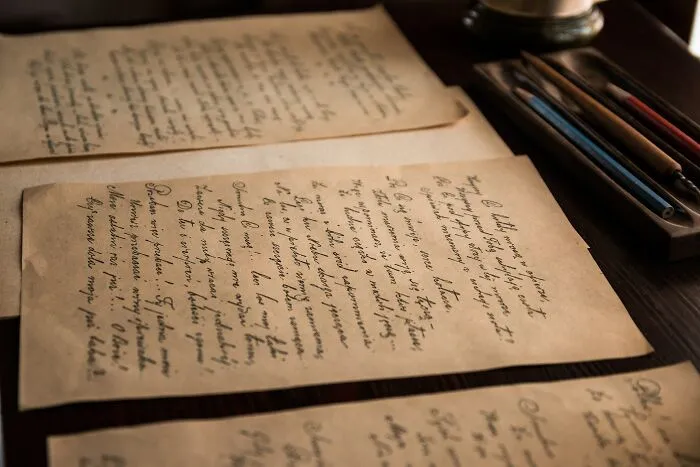
Telegram messengers went to people's homes or places of employment to deliver printed messages sent through telegraph. They could have brought the reply with them when they returned to the telegraph office so that the answer could be telegraphed back to the original sender.
unknown
Report15points
#23 Telegraphist
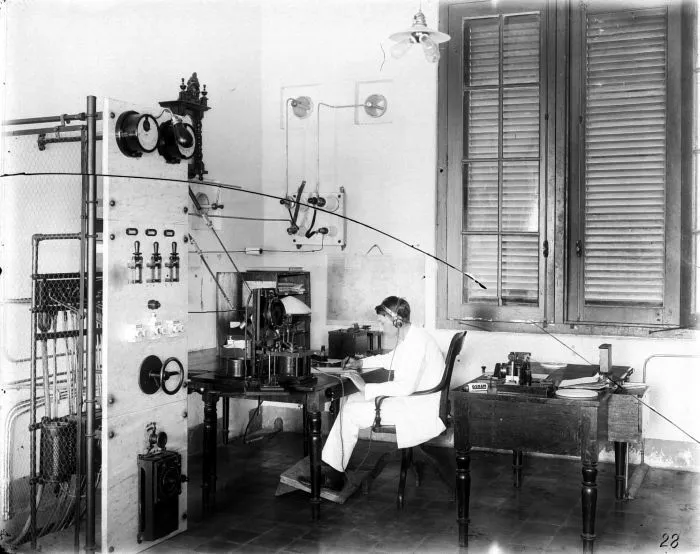
A telegraphist, also known as a telegraph operator, was in charge of transmitting and receiving Morse code using telegraph equipment to communicate over landlines and radio.
14points
#24 Pinsetter

Pinsetters used to remove and replace pins between each round before bowling alleys had automated pin setup and retrieval machines. They waited at the end of the lanes and manually reset the pins.
unknown
Report14points
#25 Clock Keeper

In medieval times, clock keepers tracked time and maintained clocks and other timekeeping equipment. Since ensuring the accuracy of a clock required some basic mathematical skills before those were common, clock keepers often got large payments for their services.
unknown
Report14points
#26 Film Projectionist
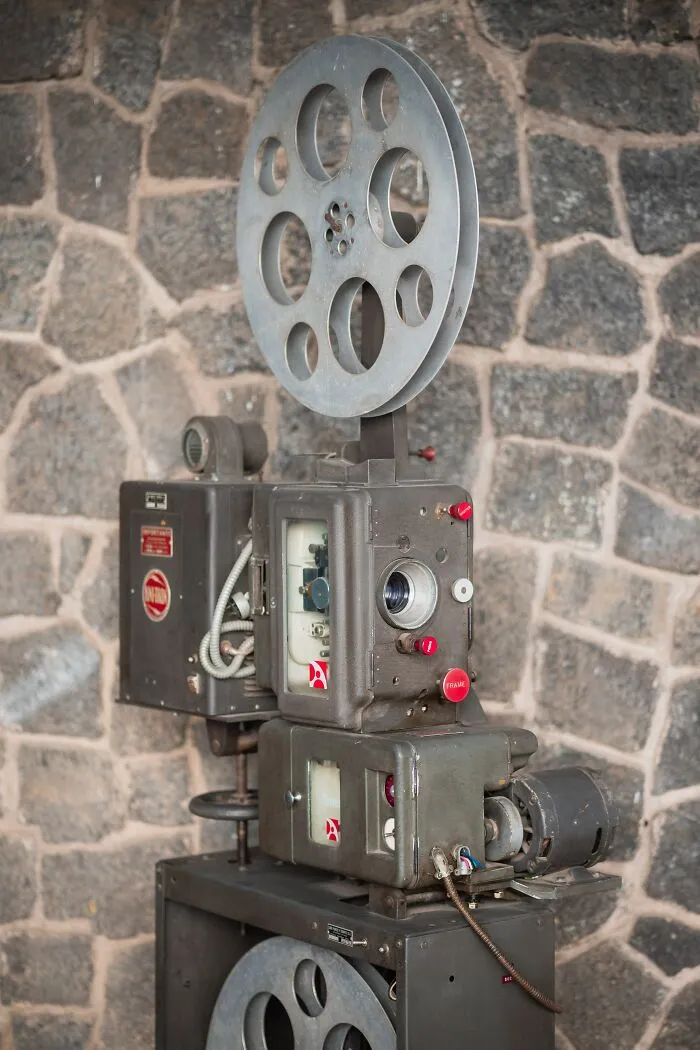
Operating a movie projector in a theater fell to a film projectionist. With the introduction of digital projection, the use of film to display movies in theaters has become increasingly rare, making this job no longer in demand.
unknown
Report14points
#27 Tosher
During the Victorian era, toshers entered the sewage system of London in quest of valuables like coins, bone fragments, or metal scraps. After it was made illegal to enter sewers in 1840, sewer-hunting declined, and the job was rendered obsolete.
unknown
Report14points
#28 Typewriter Mechanic

A typewriter mechanic was a specialist who identified problems with and fixed mechanical typewriters, which were once used to print written texts by pressing a series of keys. Typewriters and related occupations became obsolete as more people shifted to computers and digital printers.
unknown
Report14points
#29 Gandy Dancer

A gandy dancer was a part of the railroad crew who handled any track-related job. Although the exact origins of the name are unknown, the term "gandy dancer" may refer to the workers' dance-like movements or waddling like ganders while running on railroad ties.
unknown
Report13points
#30 Ice Cutter

Before reliable cooling systems were introduced, ice cutters would gather surface ice from rivers and lakes. The ice could be used for cold food storage during the warmer winter months.
unknown
Report13points
#31 Food Taster

A food taster was responsible for testing the food prepared for an important figure to ensure it was poison-free. One such figure was the Führer. According to The Denver Post, about 15 young women were hired to taste Hitler's meals.
unknown
Report13points
#32 Nomenclator

In ancient Rome, a nomenclator was a person who whispered the names of people to the person who hired them. Politicians were often the ones who employed nomenclators. During political rallies, these nomenclators whispered the names of guests or bystanders as they drew near to make the politician seem more knowledgeable and approachable.
unknown
Report13points
#33 Lector

In the early 19th century, industries employed a lector to read books or newspapers aloud to keep workers entertained. The lector would often read the news while standing or sitting on a raised surface so the entire factory could hear.
unknown
Report13points
#34 Dispatch Rider

During World Wars I and II, a dispatch rider delivered important communications between forces. Motorcycle couriers were needed in these dire circumstances because radio transmissions were unreliable and prone to interception during the war.
unknown
Report13points
#35 Cavalry Soldier
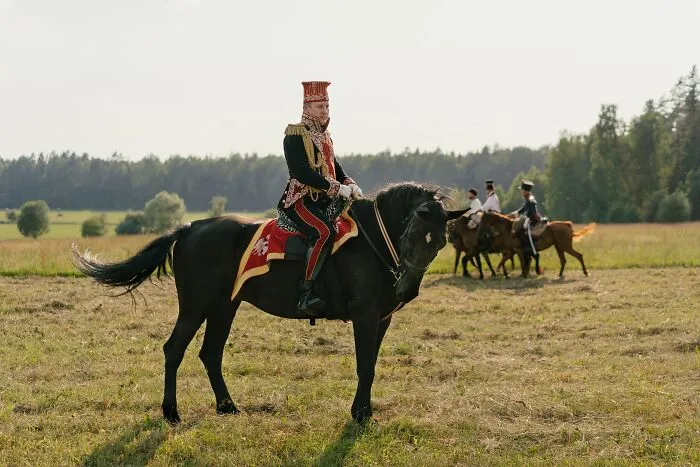
Although they could also ride camels or elephants, cavalry soldiers generally relied on horses. The last significant conflicts that utilized cavalry were World Wars I and II.
unknown
Report13points
#36 Linkboy

In 17th-century London, before the advent of street lights, young boys were hired to carry torches to light the way and walk customers home from pubs or other locations at night. Sometimes, linkboys led customers into dark alleyways into the arms of robbers.
unknown
Report13points
#37 Sea Sponge Harvester

Beginning sometime in the 18th century, men of Kalymnos Island in Greece made a living by collecting sea sponges. This job was only suitable for the physically robust and daring because men had to dive deep (up to 30 meters) underwater with a heavy piece of marble strapped to them.
unknown
Report13points
#38 Leech Collector

In 19th-century Europe, there was a high demand for blood-sucking worms used for medicinal purposes. Because they were challenging for medical practitioners to obtain, leech collecting became a specialty. Leech collectors would use their own legs or the legs of other animals to lure leeches from creeks and rivers.
unknown
Report12points
#39 Alchemist

An alchemist was a philosopher who tried to transform substances into gold. Since they frequently tried to create unique elixirs to treat illnesses or bestow immortality, people often put them under the same umbrella as astrologers, conjurors, and other "magicians."
unknown
Report12points
#40 Phrenologist

Phrenologists specialized in analyzing the human brain. They used observation and mechanical devices to prove their theory, which held that a person's head shape was directly related to their level of intelligence. However, modern findings have disproved this theory.
unknown
Report12points
