



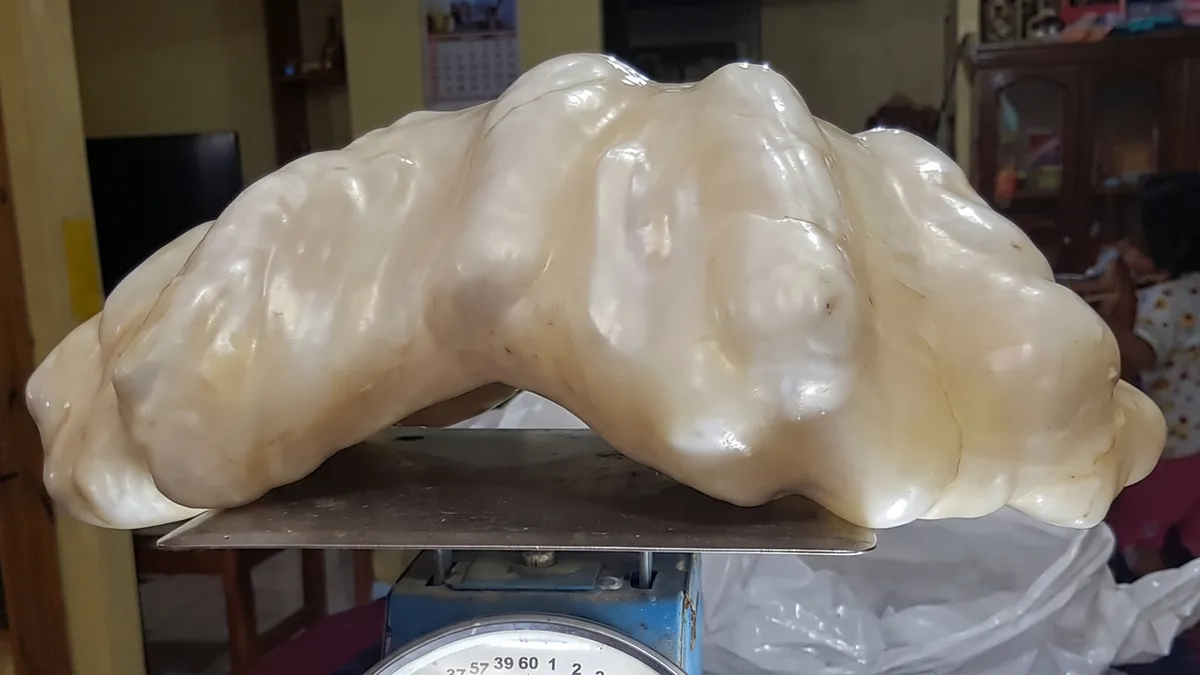


Some people really think they're all that... But do they have blue blood, three hearts and nine brains? Can they edit their own RNA and change color or skin texture in a fraction of a second? We think not. However, do you know who can? An octopus. They have a central brain plus a mini-brain in each of their eight arms, and unlike humans, roughly two-thirds of their neurons are located in their arms rather than their head. Why are we telling you this? Because it's just a tiny taste of what's to come...
Bored Panda recently stumbled upon an Instagram account called MRU.INK. It's filled with fascinating and unusual facts like the ones above. The page is dedicated to seeking out the truth, and it digs deep to do so. From history to archaeology and everything in between, there's no shortage of knowledge around here.
We've put together an awesome list of the account's best posts, made up of pictures and the stories behind them. Expect to encounter a 75-pound giant pearl, the oldest printed book on earth, and a sword thrust into solid rock.
#41
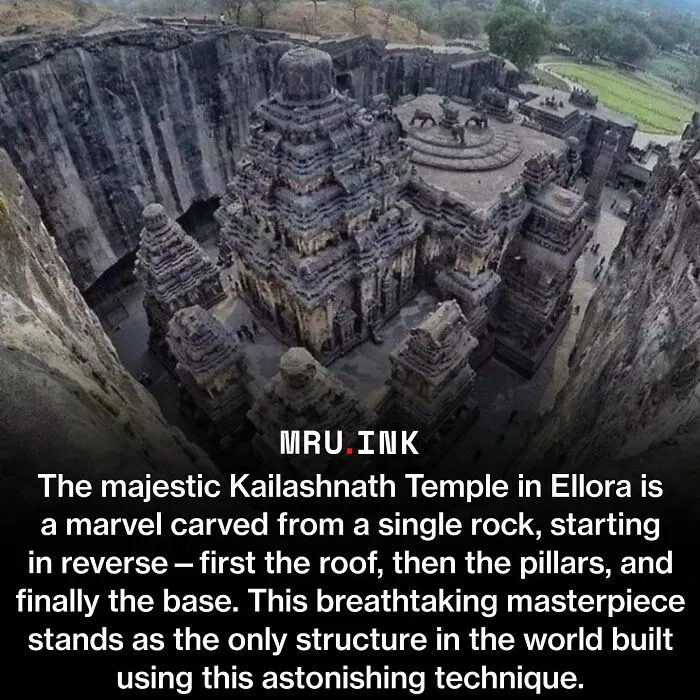
The majestic Kailashnath Temple in Ellora is a marvel carved from a single rock, starting in reverse - first the roof, then the pillars, and finally the base. This breathtaking masterpiece stands as the only structure in the world built using this astonishing technique.
Report
10points
#42
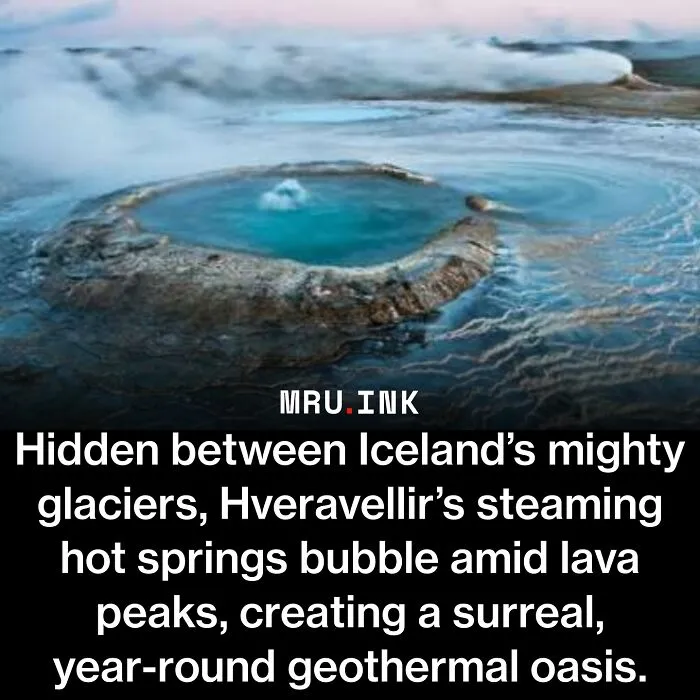
Hidden between Iceland’s mighty glaciers, Hveravellir’s steaming hot springs bubble amid lava peaks, creating a surreal, year-round geothermal oasis.
Report
10points
#43
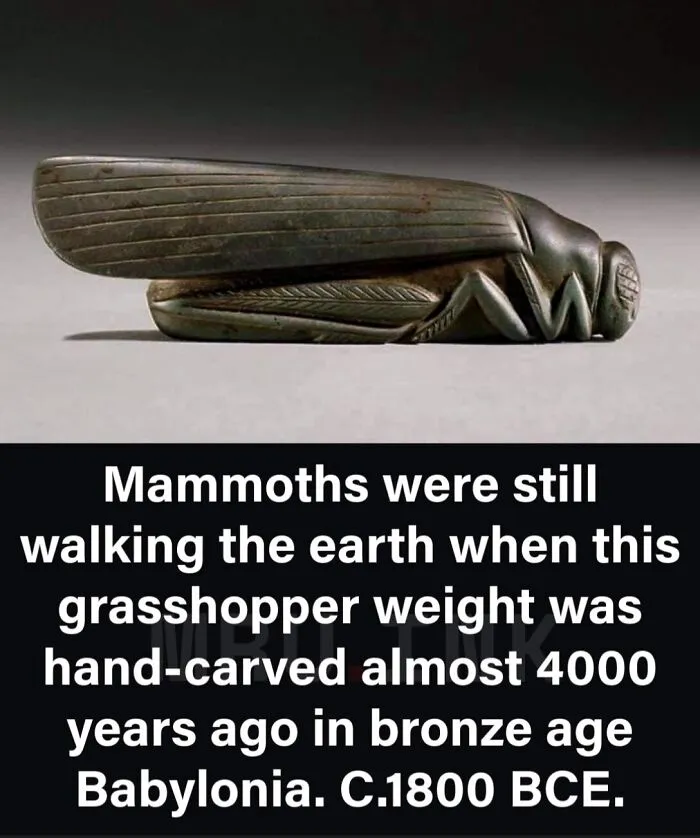
Nearly 4,000 years ago, a skilled artisan in ancient Babylonia hand-carved this grasshopper weight from bronze, around 1800 BCE. Remarkably, woolly mammoths still survived on Wrangel Island in the Arctic, making this tiny object a witness to a world far closer to the Ice Age than our own. Ancient Mesopotamians used standardized weights to measure goods during trade, helping merchants conduct transactions fairly. Shaped like a grasshopper, this artifact also reveals how everyday objects could incorporate the natural world into practical craftsmanship. Even a small measuring tool can preserve extraordinary clues about ancient commerce, artistry, and human ingenuity.
Report
9points
#44
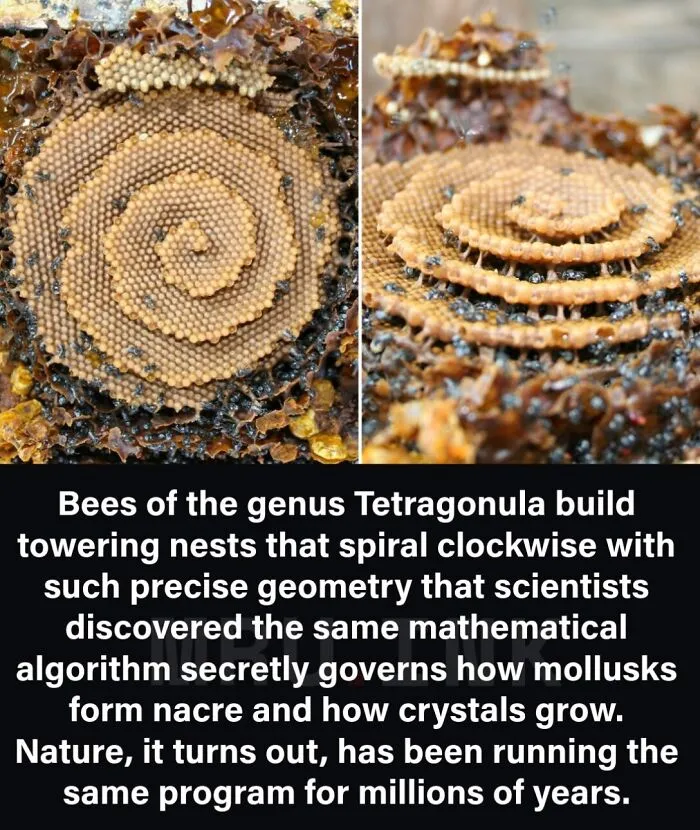
Tiny stingless bees of the genus Tetragonula are remarkable architects, constructing intricate nests with spiralling brood cells arranged in three-dimensional layers. These structures are built from wax and plant resins, providing protected spaces for developing larvae and stored food. Their repeating patterns reveal how simple building rules can generate surprisingly complex architecture without a central blueprint. Similar principles of self-organization appear in natural structures such as mineral crystals and the microscopic layers of nacre, the material that gives pearls their lustre. Nature’s elegance lies in how simple local interactions can produce elaborate patterns across vastly different forms of life.
Report
9points
#45
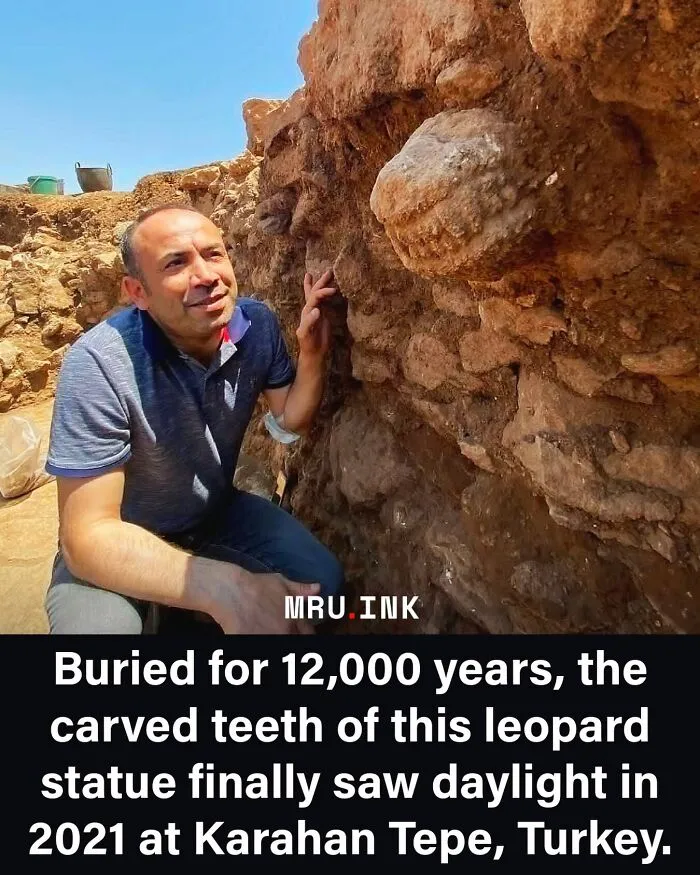
Beyond revealing this 12,000-year-old snarling leopard head, excavations at Karahan Tepe uncovered a complex dynamic between ancient humans and these predators. While earlier statues at the site depicted humans carrying aggressive leopards on their backs, a 70 cm discovery completely reversed this motif by showing a human figure seated on a leopard. Archaeologists believe this unique human-leopard iconography likely symbolized power, ritual authority, or a shamanic transformation.
Report
9points
#46
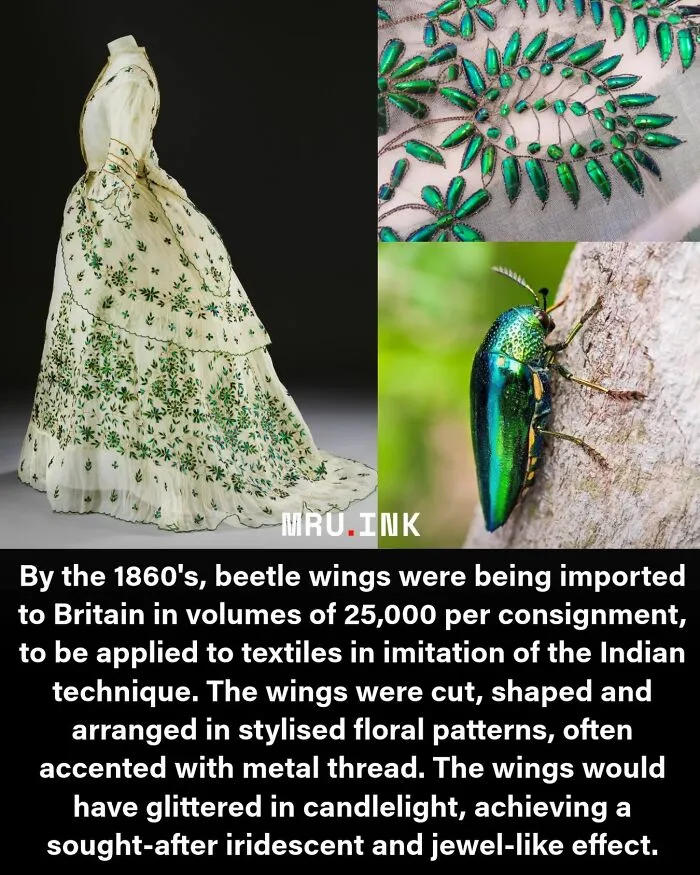
Imagine wearing a dress decorated with thousands of real beetle wings. During the Victorian era, the shimmering wings of jewel beetles became a fashionable luxury, prized for their natural metallic colours. Unlike ordinary sequins, their brilliance came from the microscopic structure of the wings, which reflected light in vivid green, blue, and gold tones. Artisans carefully cut and stitched the delicate wings onto fabric, often combining them with embroidery, beads, and metallic thread. The technique drew inspiration from Indian textile traditions, where beetle-wing embroidery had a much longer history. Under candlelight, these dresses could appear almost alive, sparkling with every movement.
Report
9points
#47
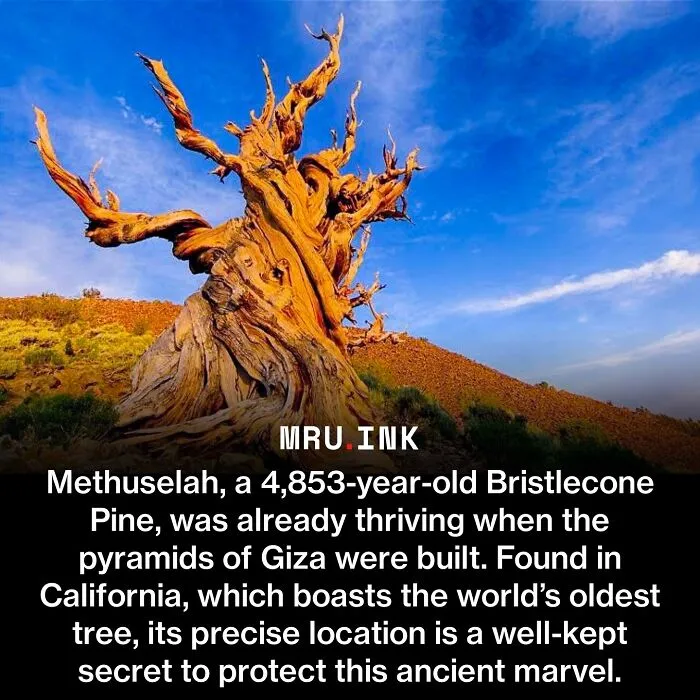
A 4,853-year-old Bristlecone Pine #ancienttrees #ancienthistory #wonderful_places.
Report
9points
#48
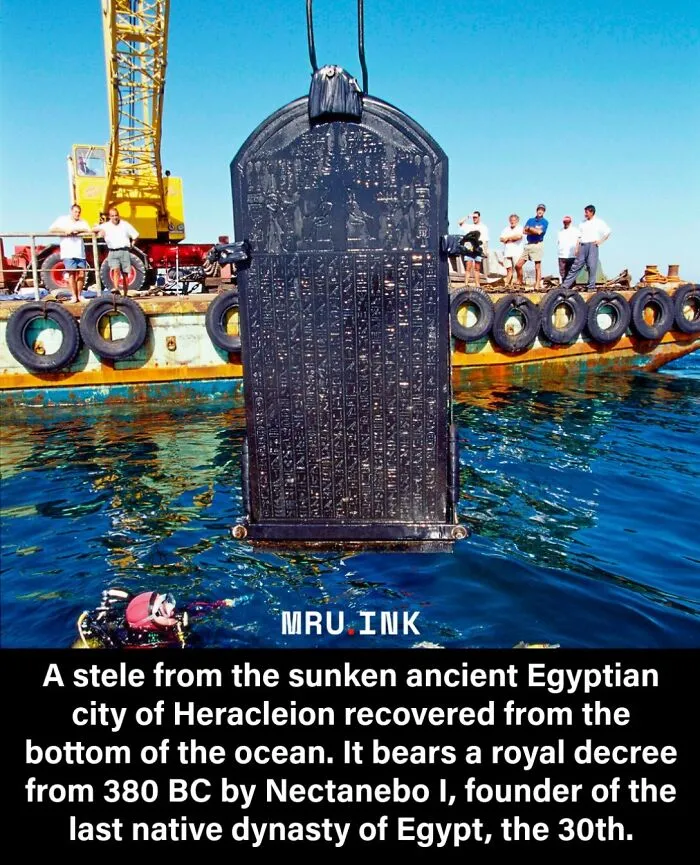
Beneath the waters off Egypt’s Mediterranean coast, archaeologists uncovered a remarkable stele from the lost city of Thonis-Heracleion. Dating to around 380 BC, it preserves a decree issued during the first year of Pharaoh Nectanebo I, founder of Egypt’s 30th Dynasty. The inscription reveals how closely religion and international commerce were connected: Nectanebo ordered that a portion of customs revenues from the bustling port be directed toward the temple of Neith at Sais. The discovery is especially significant because the submerged city once served as a major gateway for ships entering Egypt before Alexandria rose to prominence. History, preserved underwater.
Report
9points

#50
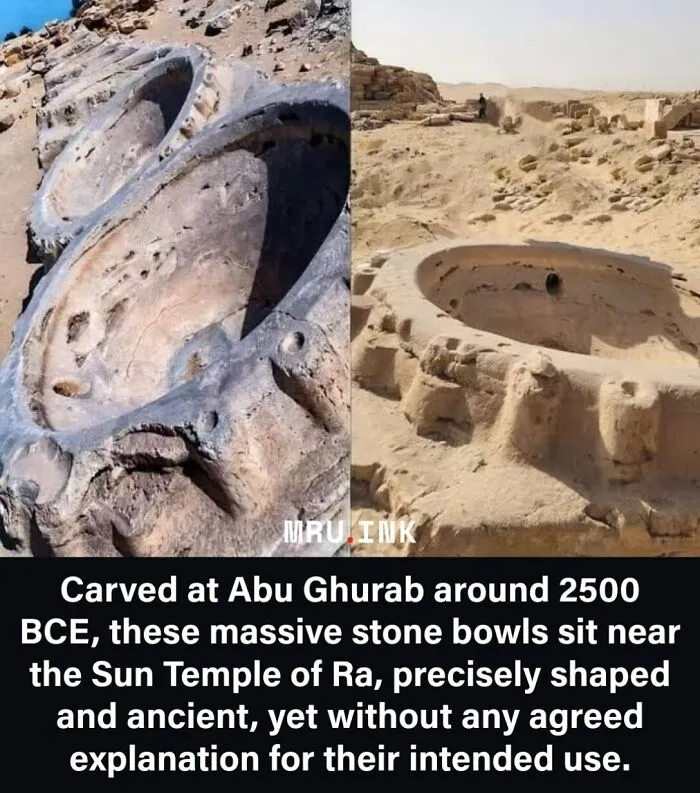
Dating to around 2500 BCE, these massive stone bowls were carved from Egyptian alabaster and found near the Sun Temple of Ra. Each basin is nearly four feet across, with perfectly circular holes drilled into its sides. Despite their precise craftsmanship, archaeologists still have no definitive explanation for what these unusual objects were originally used for.
Report
9points
#51

Fanjingshan Temple, perched above the clouds, offers a breathtaking fusion of spiritual serenity and nature’s untamed beauty - an untouched paradise where heaven meets earth. An unmissable gem for adventurers and seekers alike!
Report
9points
#52
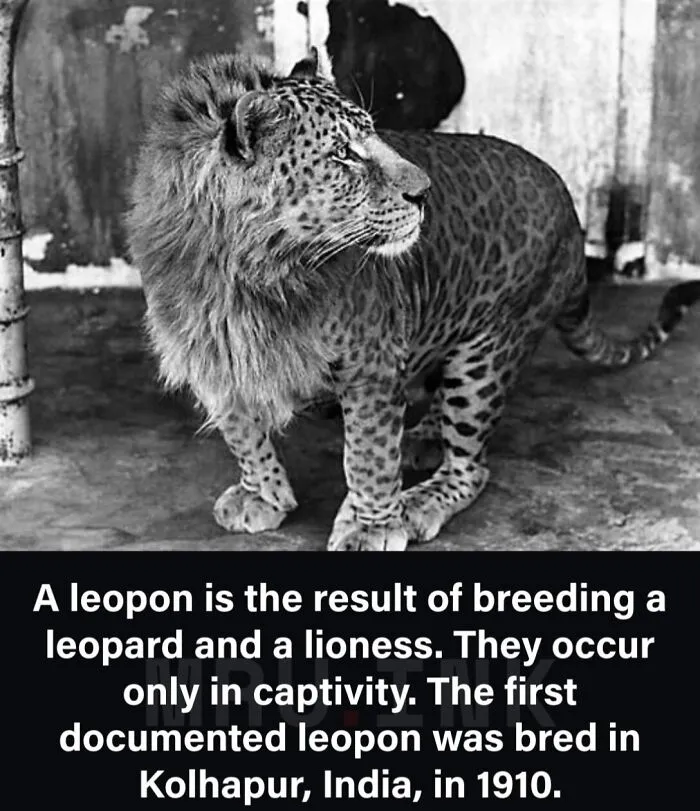
In 1910, an unusual animal was reportedly bred in Kolhapur, India, capturing attention because it combined the features of two of the world’s most famous big cats: a leopard and a lioness. The animal was called a leopon, a rare hybrid produced when a male leopard (Panthera pardus) mates with a female lion (Panthera leo). Unlike the familiar lion, with its powerful build and, in males, a prominent mane, the leopon can display a fascinating mixture of physical traits inherited from both parents.
The story became more remarkable when two cubs were born from the pairing. According to historical accounts, one cub died at around two and a half months old, while the other survived into its second year. The surviving animal’s skin was sent to British zoologist Reginald Innes Pocock through Walter Samuel Millard, secretary of the Bombay Natural History Society. In 1912, Pocock described the hybrid, noting that its body was covered in spots, but many were smaller, closer together and browner than those of a typical Indian leopard.
A leopon is not simply a leopard with a lion’s face. It can have a lion-like head and a sturdy body, leopard-like spots, relatively short legs and a tail with a tuft at the tip. Male leopons may also develop a short, sparse mane. Their appearance varies because they inherit a mixture of characteristics from both parents. Despite their unusual looks, they are not a separate species; they are hybrids of two closely related big cats belonging to the genus Panthera.
The experiment did not end in India. In the late 1950s, another breeding programme at Koshien Hanshin Park in Nishinomiya, Japan, produced leopon cubs in 1959, followed by more in 1962. These animals attracted attention because of their unusual appearance and behaviour, but such hybrids remain exceptionally rare. Lions and leopards have different social behaviours and ecological habits, making this pairing unlikely under natural conditions. The leopon remains a fascinating chapter in the history of captive animal breeding, demonstrating how two distinct big-cat species can produce offspring with a remarkable combination of traits.
Report
8points
#53
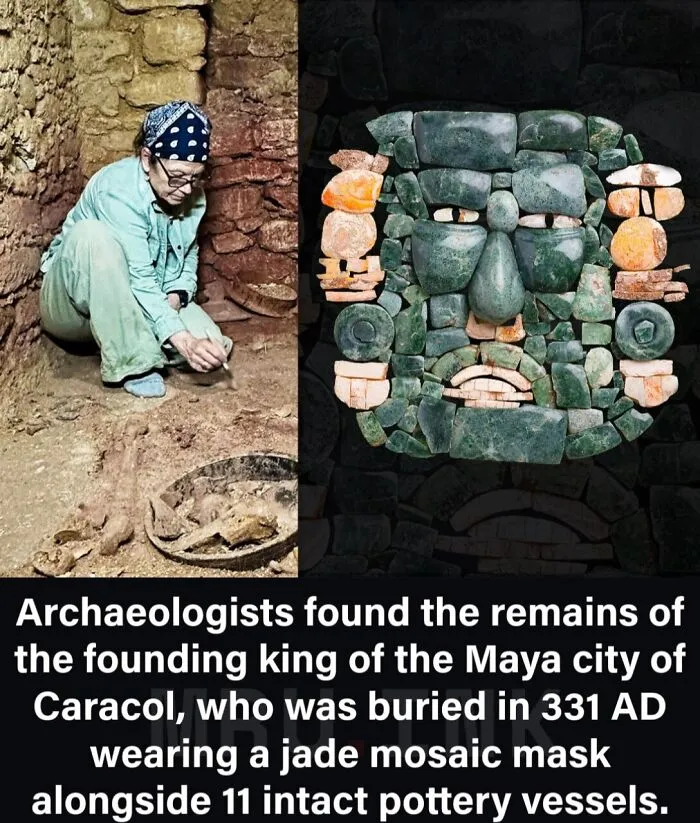
Dating back to around 350 AD, the ~1,700-year-old jadeite mosaic mask belonged to King Te’ K’ab Chaak, who was buried in a tomb lined with sacred red cinnabar. Skeletal analysis revealed the founding ruler stood 5’7” tall and was completely toothless when he died. His grave also contained Pacific Ocean shells and green obsidian imported from over 1,500 kilometers away.
Report
8points
#54
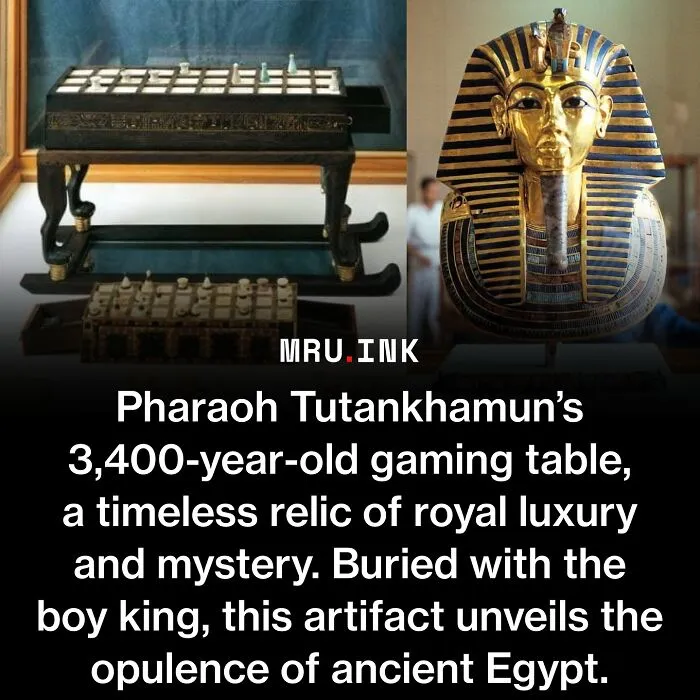
Pharaoh Tutankhamun’s 3,400-year-old gaming table, a timeless relic of royal luxury and mystery. Buried with the boy king, this artifact unveils the opulence of ancient Egypt.
Report
8points
#55
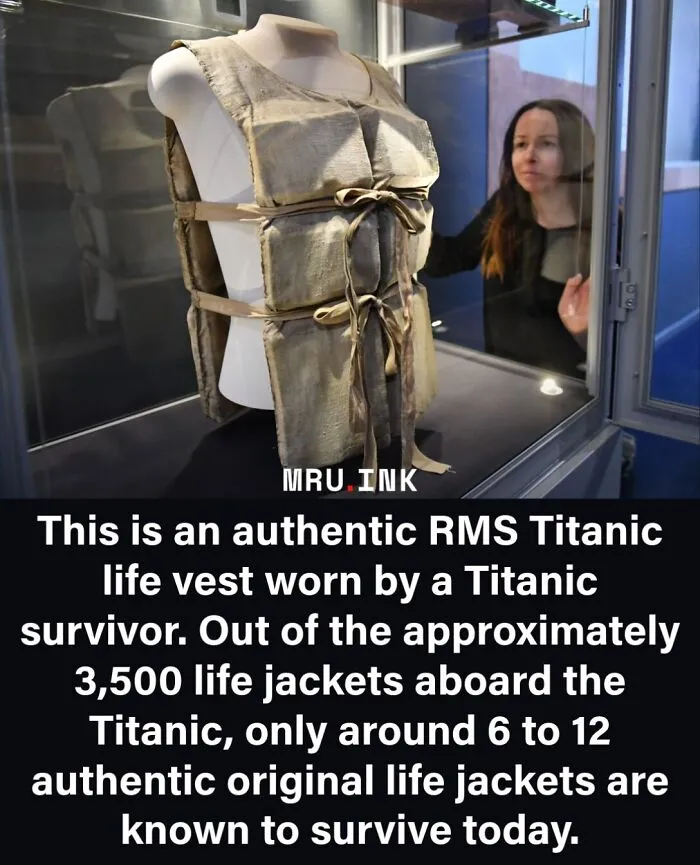
When the Titanic sank in 1912, thousands relied on canvas-and-cork lifejackets to keep afloat. Though over 3,500 were onboard, fewer than a dozen survive today.
These rigid 12-pocket cork vests saved lives from drowning, yet caused severe neck injuries when victims jumped into the sea. In 2026, one belonging to survivor Laura Mabel Francatelli—bearing eight lifeboat survivors’ signatures—sold at auction for over $900,000.
These rigid 12-pocket cork vests saved lives from drowning, yet caused severe neck injuries when victims jumped into the sea. In 2026, one belonging to survivor Laura Mabel Francatelli—bearing eight lifeboat survivors’ signatures—sold at auction for over $900,000.
Report
8points
#56
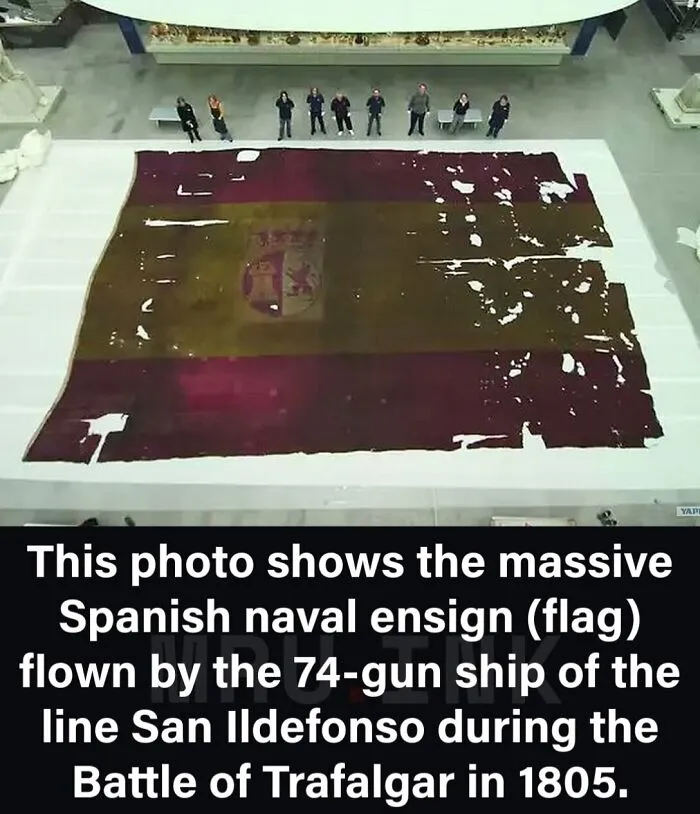
Flown by the 74-gun Spanish warship San Ildefonso during the Battle of Trafalgar (1805), this ensign spans 10 × 14.5 meters. Hand-sewn from 21 horizontal strips of lightweight wool bunting, it featured printed coat of arms rather than standard embroidery to reduce mast weight. Captured by Britain’s HMS Defence, it was inked with “SAN ILDEFONSO” along its hoist before being displayed at Lord Nelson’s 1806 funeral.
Report
8points
#57
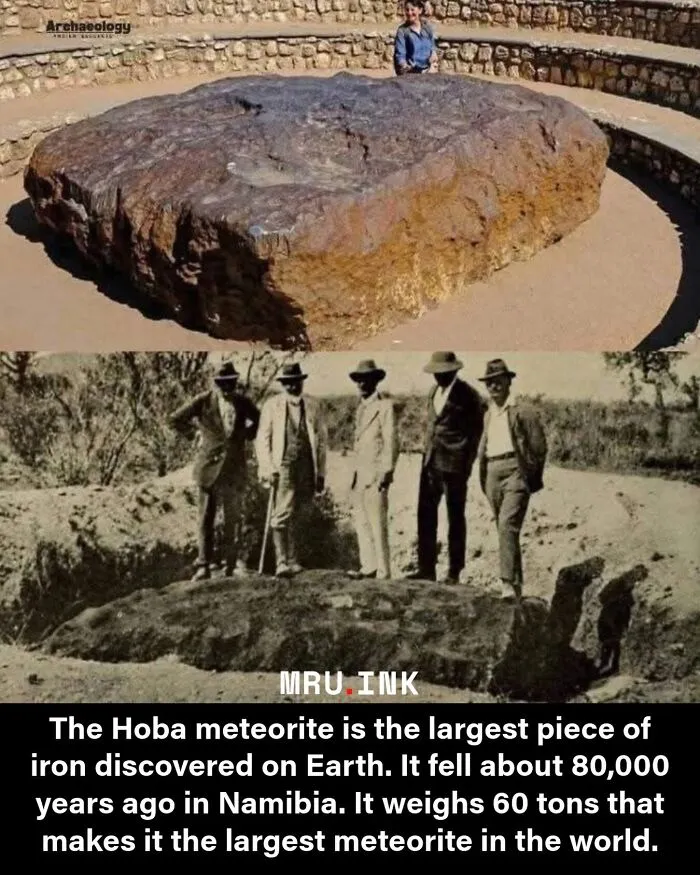
Discovered in the fields of Namibia, the Hoba meteorite is the largest known intact meteorite on Earth, estimated to have fallen over 80,000 years ago. Weighing more than 60 tons and composed mostly of iron and nickel, it rests not in a museum, but where it landed-embedded in the red earth near Grootfontein.
The meteorite’s massive, angular form bears the dark patina of time and space. Its presence is humbling, a visitor from the stars resting silently among us. The top image reveals the Hoba in its present enclosure, surrounded by concentric stone seating-an amphitheater for cosmic wonder. Below, a historic photograph captures the moment of its unearthing: suited men of the early 20th century standing before a celestial relic, stunned by its scale.
The Hoba meteorite is more than iron; it is a message from beyond the sky, a reminder that the boundaries between the heavens and the Earth are porous, and that even stones can fall like stories through time.
Report
8points
#58
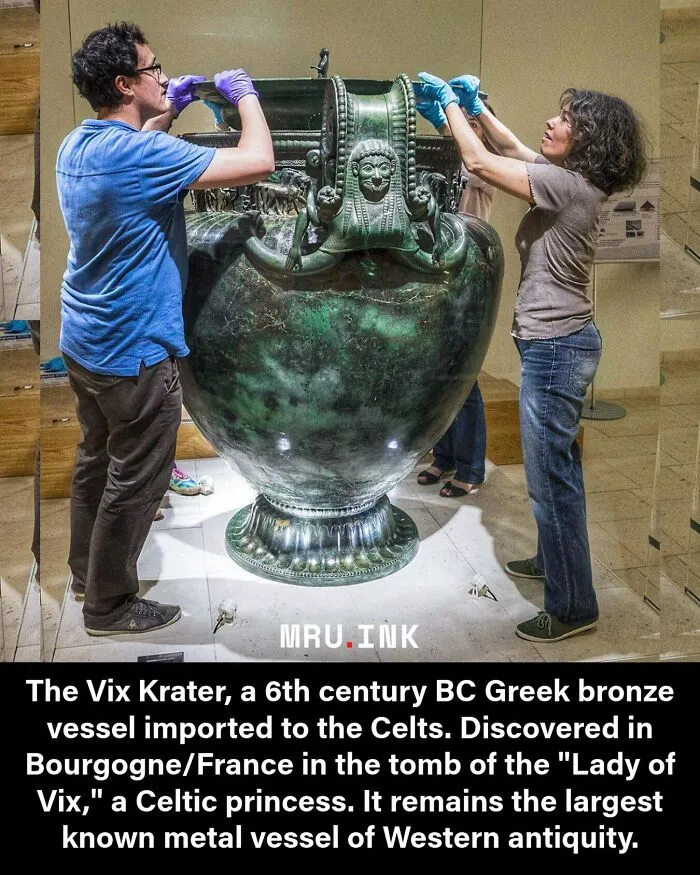
It was in the heart of the Châtillonnais region, during the winter of 1953, that two archaeologists, Maurice Moisson and René Joffroy, made an extraordinary discovery: a princely tomb at Vix, in Côte-d’Or.
In this tomb rested, for eternity, a Celtic princess from the 6th century BCE, belonging to a so-called “b*******n” society that maintained connections with the Greek and Etruscan worlds. Beneath the gigantic tumulus, which had long since been leveled, the burial chamber contained an extraordinary collection of lavish grave goods.
The central element was a krater, decorated with Gorgon heads and friezes depicting hoplites: a gigantic bronze vessel weighing more than 200 kilograms and holding over 1,000 liters—the largest metal vessel known from antiquity. Also found in the tomb were a silver phiale (libation bowl), an oenochoe (wine jug), bronze basins, and an exceptional golden torque.
This tomb represents one of the greatest Celtic archaeological discoveries made in France during the 20th century.
Report
7points
#59
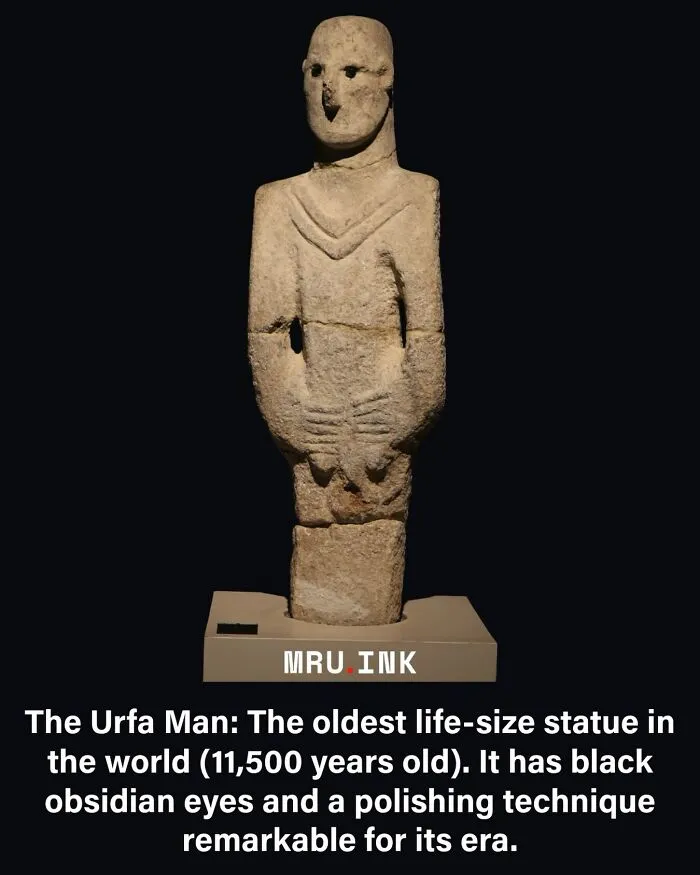
Long before the pyramids were built and thousands of years before writing appeared, people in what is now southeastern Türkiye were already creating remarkably sophisticated works of art.
One of the most extraordinary examples is the Urfa Man, also known as the Balıklıgöl Statue. Dating to around 9,500 BC, the limestone figure is more than 11,500 years old and stands about 1.8 metres tall. Turkish Museums describes it as the world’s earliest known life-size human statue.
The statue was found in Balıklıgöl, in the centre of Şanlıurfa, an area that has become famous for its extraordinary Neolithic archaeological discoveries, including nearby Göbekli Tepe. The Urfa Man was discovered before the excavations at Göbekli Tepe began in 1995, making it an important early clue to the sophisticated artistic traditions that existed in the region during the Neolithic period.
What makes the figure particularly striking is its appearance. The roughly human-sized statue has a carefully carved face, prominent ears and nose, but no mouth. Its hollow eye sockets contain pieces of black obsidian, giving the face an unusually intense appearance. Its hands are clasped across the front of its body, while a V-shaped element may represent a necklace or part of its clothing. Rather than feet, the lower part of the stone continues into a block that could have been fixed into the ground.
But perhaps the biggest mystery is who the statue represents. Was it a deity, an important member of the community, an ancestor, or something else entirely? Archaeologists cannot say with certainty. No inscription survives to tell us who created it or what role it played.
Report
7points
#60
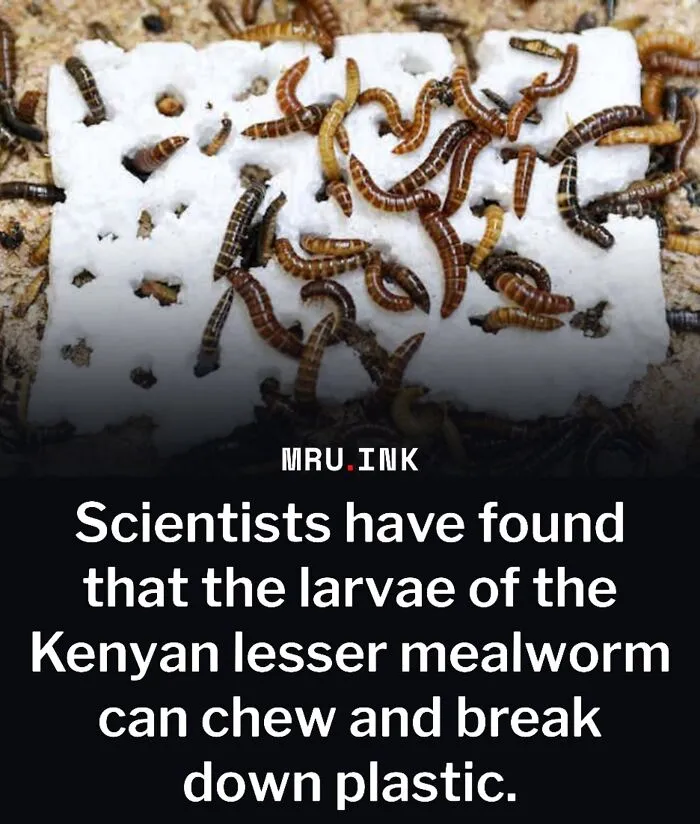
A team of scientists from the International Centre of Insect Physiology and Ecology who have found that the larvae of the Kenyan lesser mealworm can chew through polystyrene and host bacteria in their guts that help break down the material.
Polystyrene, commonly known as styrofoam, is a plastic material that’s widely used in food, electronic and industrial packaging. It’s difficult to break down and therefore durable. Traditional recycling methods – like chemical and thermal processing – are expensive and can create pollutants. This was one of the reasons scientists want to explore biological methods of managing this persistent waste.
By studying these natural “plastic-eaters”, scientists hope to create new tools that help get rid of plastic waste faster and more efficiently. Instead of releasing a huge number of these insects into trash sites (which isn’t practical), we can use the microbes and enzymes they produce in factories, landfills and cleanup sites. This means plastic waste can be tackled in a way that’s easier to manage at a large scale.
Report
7points