







Do you know what the universal blood type is? Apparently, only one in 10 Americans do. (It’s O-negative, by the way.) How much do you know about the lymphatic system? And do you know if you’re getting enough dietary fiber every day? (Chances are, you aren’t.) The reality is that the human body is a mystery to the majority of us. And even if you’ve been to medical school, there might be plenty of conditions you’ve never encountered.
To learn more about what’s going on in the mysterious world of medicine, we took a trip to Medical Doctors on Instagram. This page shares a variety of photos and information to educate others about rare conditions and provide a glimpse into what's going on inside our hospitals. We’ll warn you right now that some of these images are definitely not for pandas with weak stomachs, and other photos might break your heart. But if you can make it through this list, we hope you’ll learn something new!
#21
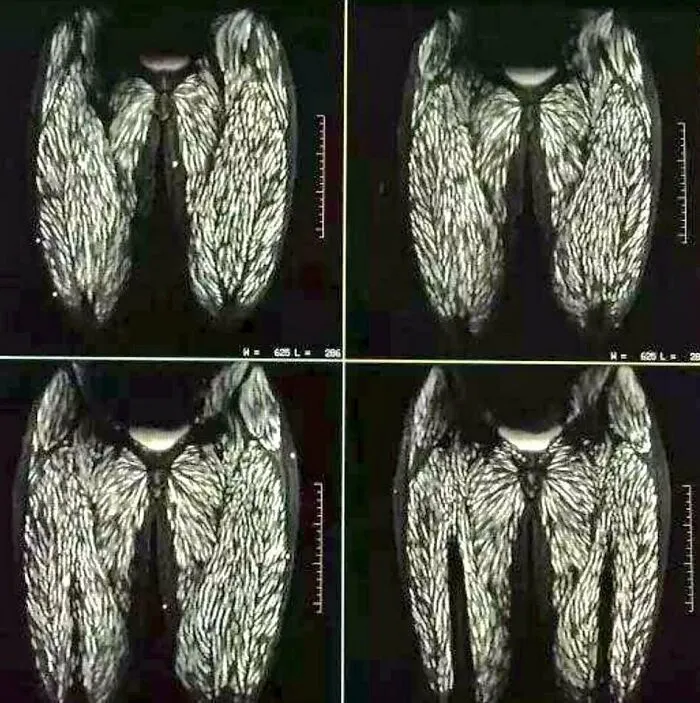
Body riddled with parasites as a result of eating raw pork for 10 years.
Trichinellosis, more commonly known as trichinosis, is a parasitic food-borne disease that is caused by eating raw or undercooked meats, particularly pork products infested with the larvae of a type of roundworm called Trichinella.
When a human or animal eats meat that contains infective Trichinella larvae, the acid in the stomach dissolves the hard covering of the cyst around the larvae and releases the worms. The worms pass into the small intestine and, in 1–2 days, become mature. After mating, adult females lay eggs. Eggs develop into immature worms, travel through the arteries, and are transported to muscles. Within the muscles, the worms curl into a ball and encyst (become enclosed in a capsule). The life cycle repeats when meat containing these encysted worms is consumed by another human or animal.
When a human or animal eats meat that contains infective Trichinella larvae, the acid in the stomach dissolves the hard covering of the cyst around the larvae and releases the worms. The worms pass into the small intestine and, in 1–2 days, become mature. After mating, adult females lay eggs. Eggs develop into immature worms, travel through the arteries, and are transported to muscles. Within the muscles, the worms curl into a ball and encyst (become enclosed in a capsule). The life cycle repeats when meat containing these encysted worms is consumed by another human or animal.
Report
28points
#23

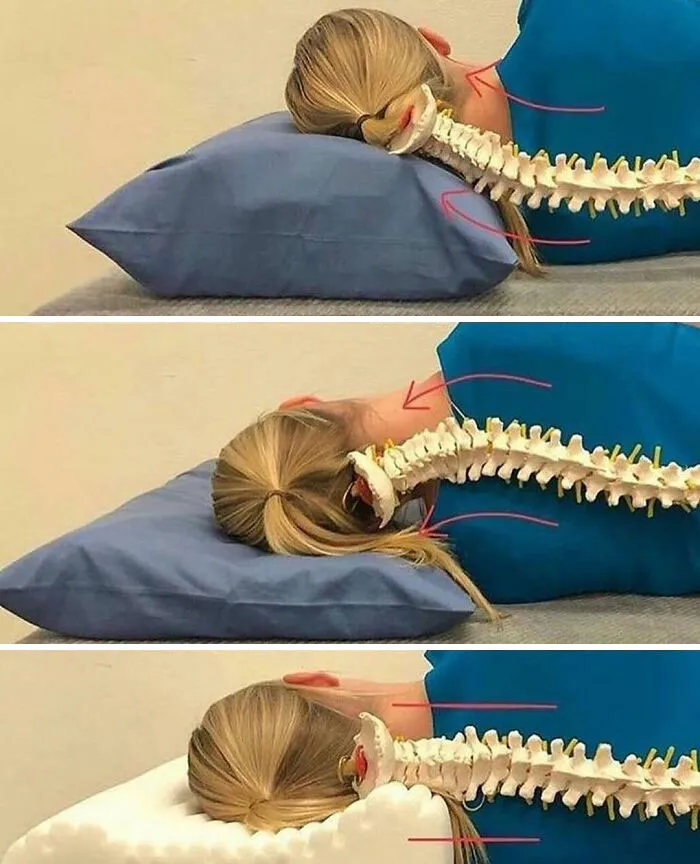
Adorable Baby: Jaxon Emmett Buell, defies the odds after being born with only part of a brain and skull. Jaxon Emmett Buell-The Boy Born Without Most Of His Skull Little Jaxon was diagnosed with microhydranencephaly, a type of brain malformation that causes severe intellectual disability and deformed skulls, but in Jaxon’s case, it meant that most of his brain and skull were missing. The condition only affects an estimated one in every 4,859 babies born in the U.S. each year, most of which die shortly after birth. Jaxon’s parents were told of his medical condition before his birth but still decided to carry on the pregnancy. Although Jaxon was not expected to survive very long, he managed to beat all odds and celebrated his first birthday this past September.
Report
27points
#24
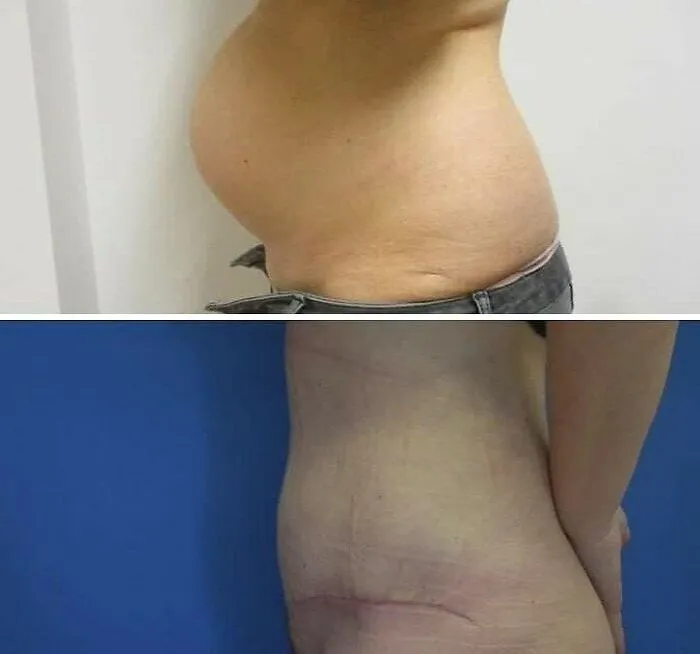
Tummy tuck/ Abdminoplasty is not just removing skin/fat!
Sometimes our patients complain more about a belly that still looks "like pregnant" after pregnancies.
This is due to a massive separation of the rectus muscles, a so-called rectus diastasis/ abdominal wall hernia.
This is then repaired by means of two rows of sutures with or without nets (Sublay/ IPOM)
After this „delivery“, the concomitant back pain often disappears because the spine is stabilized by the abdominal wall as well.
Report
27points
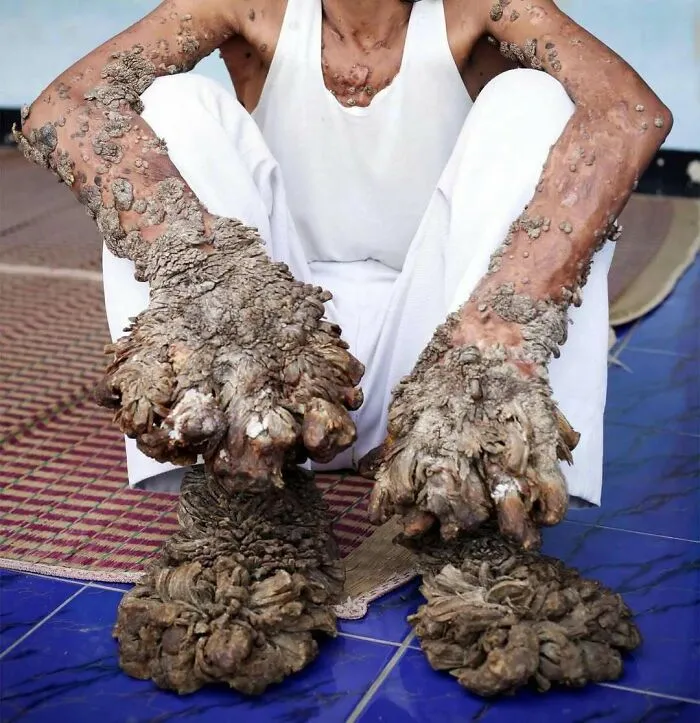
#26
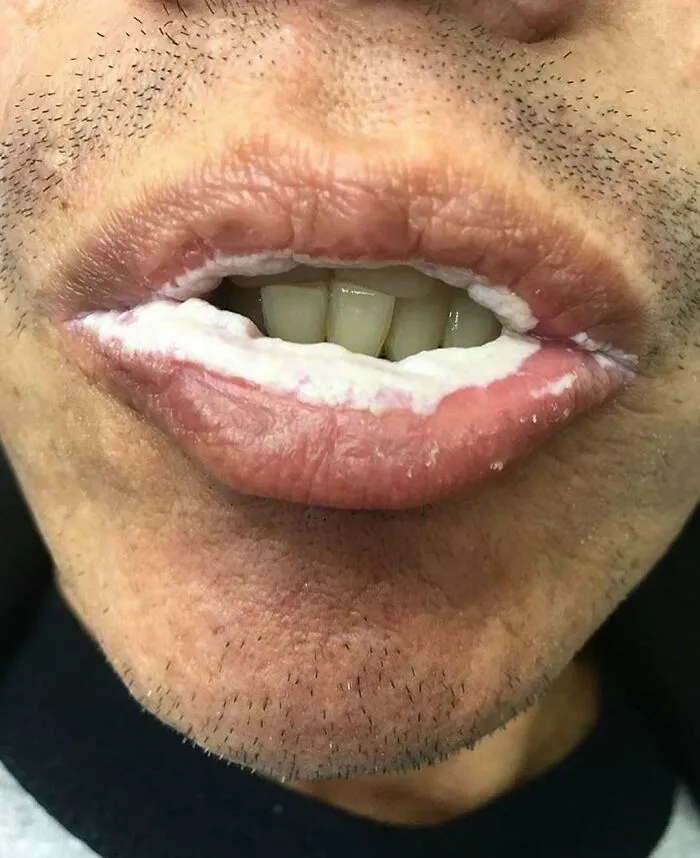
Oral candidiasis, also known as oral thrush, is a condition in which the fungus Candida albicans accumulates on the lining of the mouth.
Report
26points
#27
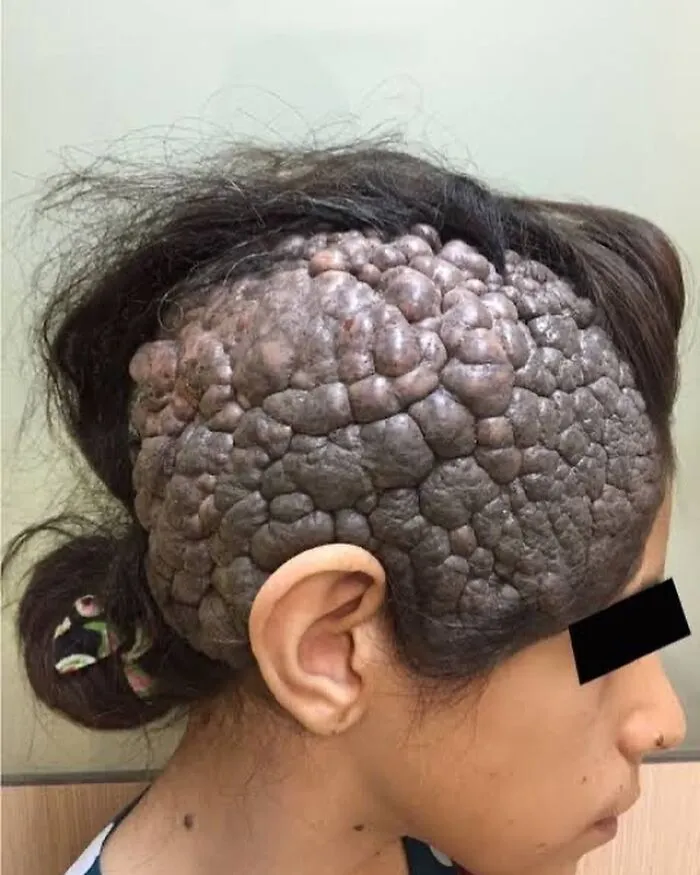
A 12-year-old immigrant female was admitted in the dermatology department with multiple brown lesions on the trunk and face and a large cerebriform plaque on the right side of her scalp.
She was born with multiple brown papules and nodules on the trunk and face and a brown patch on the right side of her scalp. She reported an increase in the size of the lesions on her body and face over time and there was no associated pain or itching. According to history given by her parents, the lesion on the scalp was a small brown flat patch at birth and had increased in size and thickness over the last 8 years and in the past 5 years it had become nodular and cerebriform. The patient complained of intense itching and discharge which had recently become malodorous.
Her birth and developmental history were normal.
In physical examination, her developmental and nutritional status was normal. The head circumference was in normal range and her neurologic, cardiovascular, musculoskeletal, and ophthalmic examinations were normal
The mass on the scalp sized 22 cm × 18 cm × 2.5 cm approximately with a nodular surface spread across the right side of the scalp.
She was born with multiple brown papules and nodules on the trunk and face and a brown patch on the right side of her scalp. She reported an increase in the size of the lesions on her body and face over time and there was no associated pain or itching. According to history given by her parents, the lesion on the scalp was a small brown flat patch at birth and had increased in size and thickness over the last 8 years and in the past 5 years it had become nodular and cerebriform. The patient complained of intense itching and discharge which had recently become malodorous.
Her birth and developmental history were normal.
In physical examination, her developmental and nutritional status was normal. The head circumference was in normal range and her neurologic, cardiovascular, musculoskeletal, and ophthalmic examinations were normal
The mass on the scalp sized 22 cm × 18 cm × 2.5 cm approximately with a nodular surface spread across the right side of the scalp.
Report
24points
#28
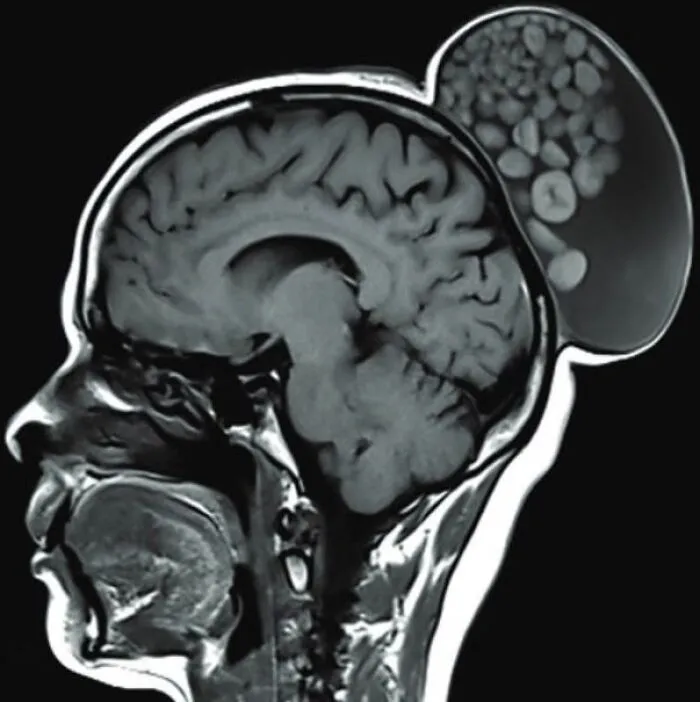
52-year-old woman presented with a painless, gradually enlarging scalp swelling
Report
24points
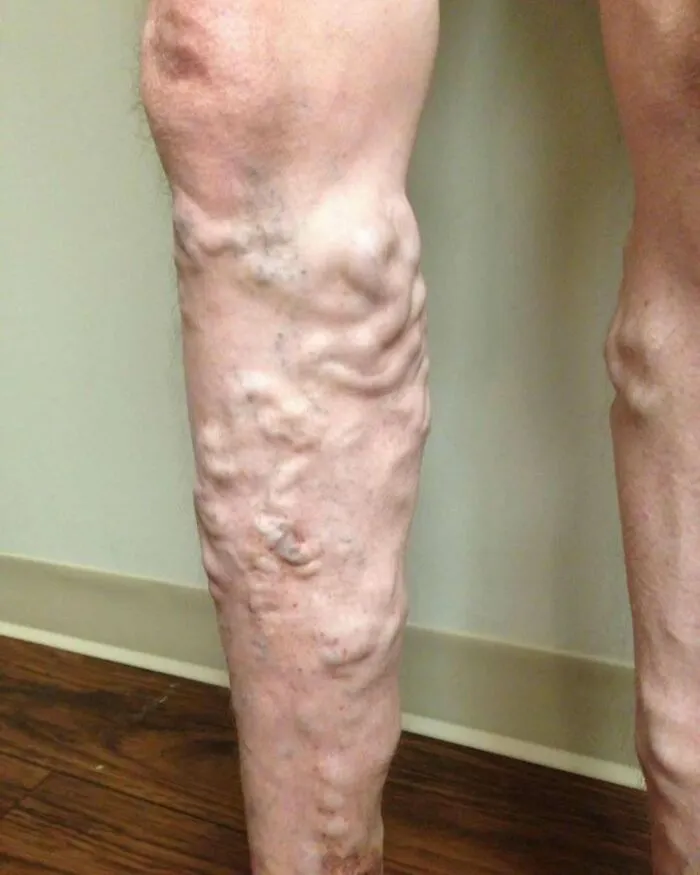
#30
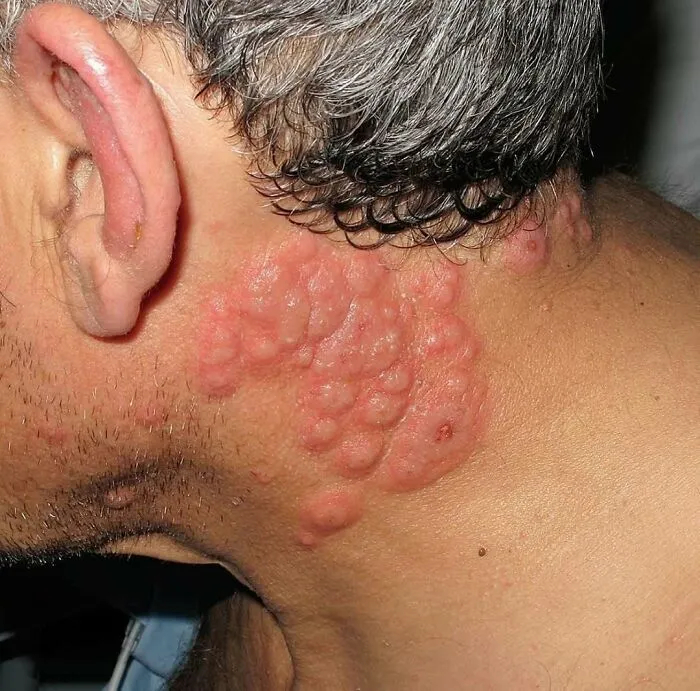
54-year-old man with a history of ulcerative colitis was admitted to the hospital with an intraabdominal abscess. On day 7 of his hospital stay, painful skin lesions developed on his neck
Report
21points
#31
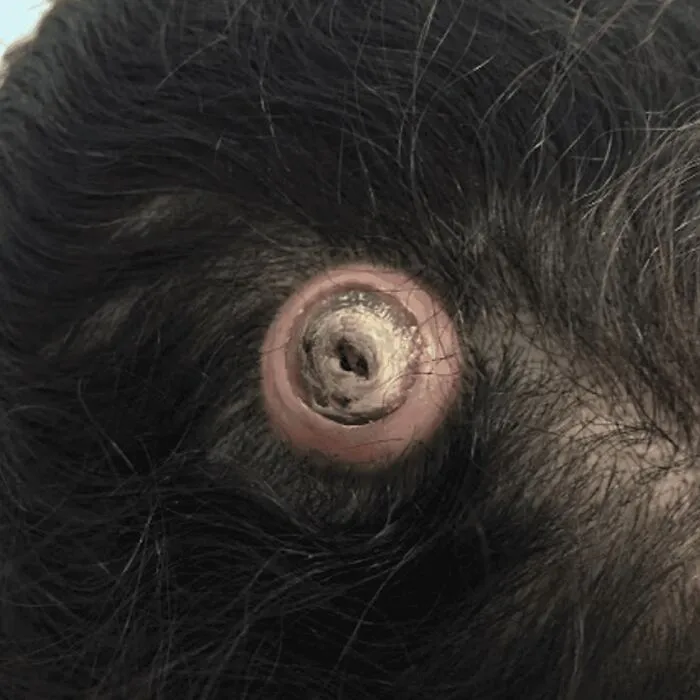
A 57-year-old female presented with a rapidly growing ellipse-shaped nodule on her scalp for two years .The mass did not regress with time and was filled with serous fluid. The patient had a medical history of diabetes and hypertension, and her family history was not significant. Physical examination revealed an oval-shaped mass with a central scar, no discharge, no fluctuation, and painless.
The gross pathological description includes a skin ellipse measuring 1.5 x 1.2 × 0.4 cm with a raised skin lesion and a central crater measuring 1.1 cm.
Microscopically, sections showed skin-abundant pilosebaceous follicles with dilated infundibulum containing lamellated keratin and lined by stratified squamous epithelium with peripheral basal cells and no cytologic atypia
The gross pathological description includes a skin ellipse measuring 1.5 x 1.2 × 0.4 cm with a raised skin lesion and a central crater measuring 1.1 cm.
Microscopically, sections showed skin-abundant pilosebaceous follicles with dilated infundibulum containing lamellated keratin and lined by stratified squamous epithelium with peripheral basal cells and no cytologic atypia
Report
21points
#32
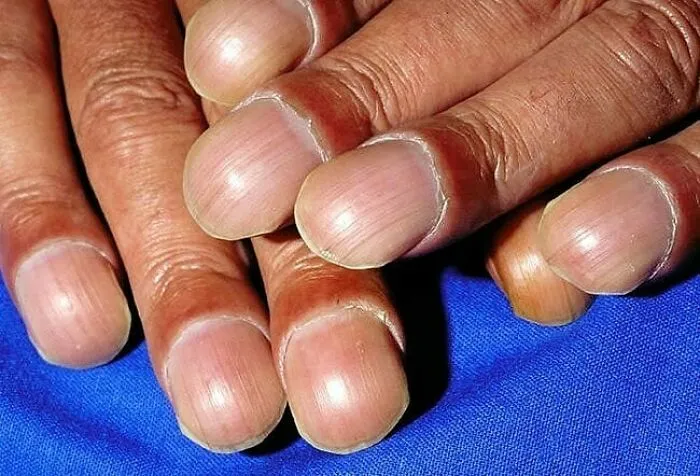
Nail clubbing is a deformity of the finger or toe nails associated with a number of diseases, mostly of the heart and lungs.
Nail clubbing occurs when the tips of the fingers enlarge and the nails curve around the fingertips, usually over the course of years. Nail clubbing is sometimes the result of low oxygen in the blood and could be a sign of various types of lung disease.
When it occurs together with joint effusions, joint pains, and abnormal skin and bone growth it is known as hypertrophic osteoarthropathy.
Clubbing is associated with lung cancer, lung infections, interstitial lung disease, cystic fibrosis, or cardiovascular disease.
Nail clubbing occurs when the tips of the fingers enlarge and the nails curve around the fingertips, usually over the course of years. Nail clubbing is sometimes the result of low oxygen in the blood and could be a sign of various types of lung disease.
When it occurs together with joint effusions, joint pains, and abnormal skin and bone growth it is known as hypertrophic osteoarthropathy.
Clubbing is associated with lung cancer, lung infections, interstitial lung disease, cystic fibrosis, or cardiovascular disease.
Report
20points
#33
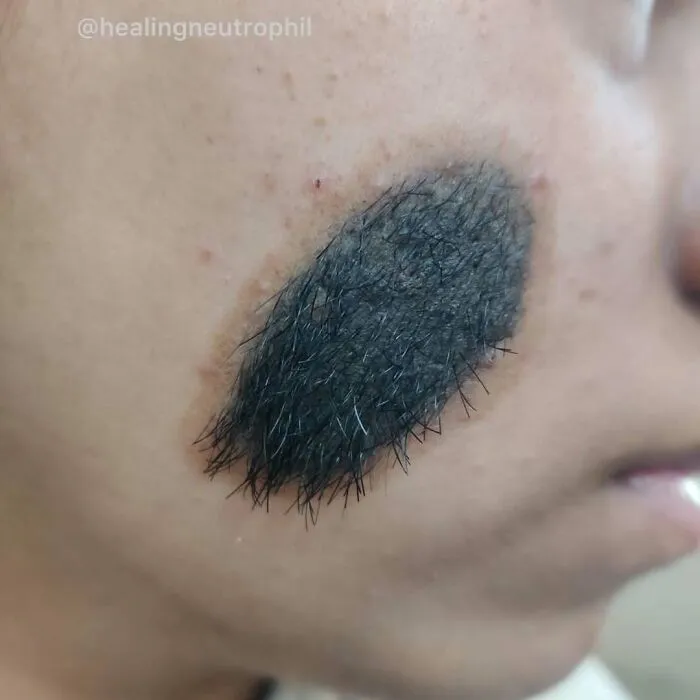
A 15-year-old female presented with a 8 cm x 7 cm, ovoid-shaped, hairy lesion on the right side of her face The palm-sized solitary lesion was present since birth and enlarged as she grew .An interview confirmed no personal or family medical history of melanoma or any form of cancer. The patient denied pain, pruritis, functional problems, or limitations in facial expression due to the lesion
Report
18points
#34
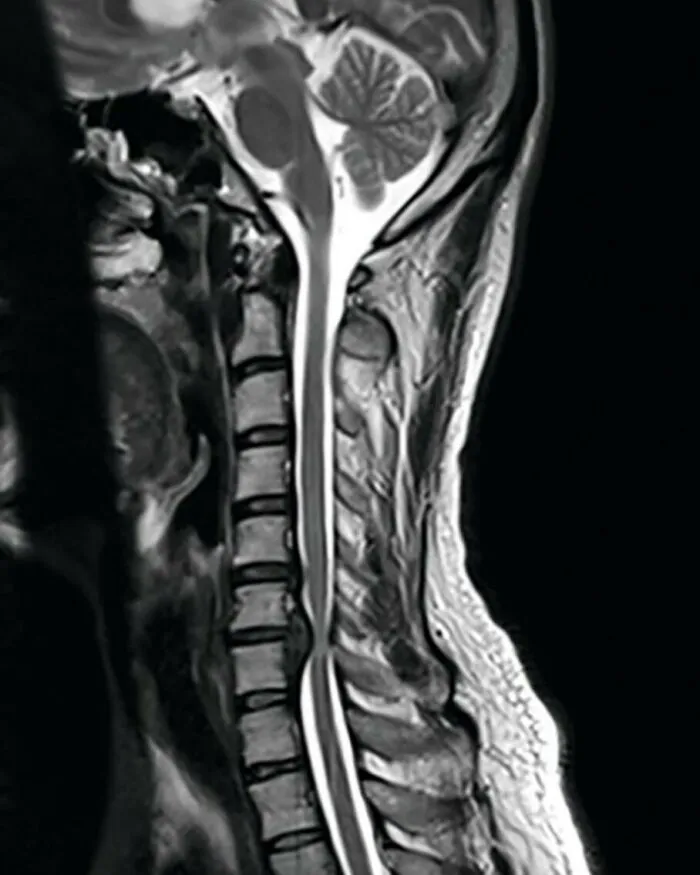
MRI of spinal cord (sagittal view) showing vertebral disc herniation and spinal cord compression at the level of C6-C7
Report
18points
#35
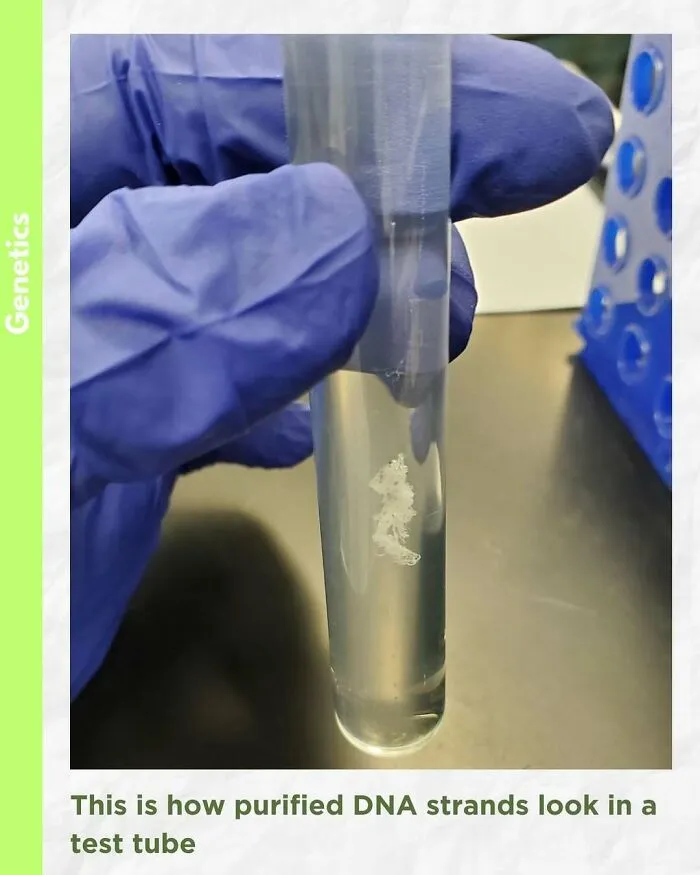
Fascinating to see purified DNA (Deoxyribonucleic acid) inside a test tube
In today’s world of DNA analysis by multiplex and real-time PCR, the importance of high-quality, purified DNA cannot be underestimated. Finding a suitable DNA isolation system to satisfy your downstream application needs is vital for the successful completion of experiments.
There are five basic steps of DNA extraction that are consistent across all the possible DNA purification chemistries: 1) disruption of the cellular structure to create a lysate, 2) separation of the soluble DNA from cell debris and other insoluble material, 3) binding the DNA of interest to a purification matrix, 4) washing proteins and other contaminants away from the matrix and 5) elution of the DNA
There are five basic steps of DNA extraction that are consistent across all the possible DNA purification chemistries: 1) disruption of the cellular structure to create a lysate, 2) separation of the soluble DNA from cell debris and other insoluble material, 3) binding the DNA of interest to a purification matrix, 4) washing proteins and other contaminants away from the matrix and 5) elution of the DNA
Report
17points
#36
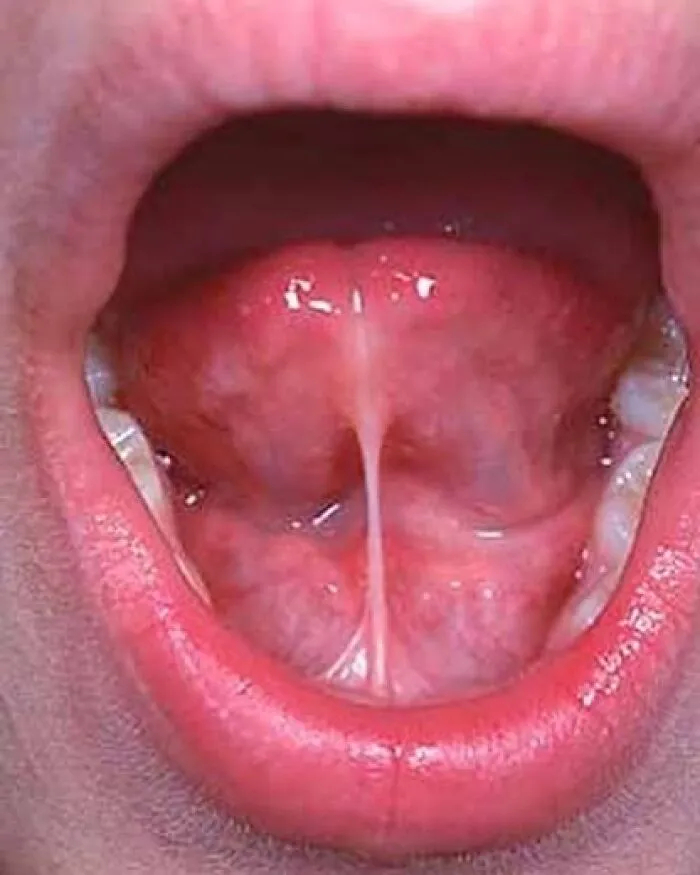
Ankyloglossia, also known as tongue-tie, is a congenital oral anomaly that may decrease the mobility of the tongue tip and is caused by an unusually short, thick lingual frenulum, a membrane connecting the underside of the tongue to the floor of the mouth. Ankyloglossia varies in degree of severity from mild cases characterized by mucous membrane bands to complete ankyloglossia whereby the tongue is tethered to the floor of the mouth.
Report
16points
#37
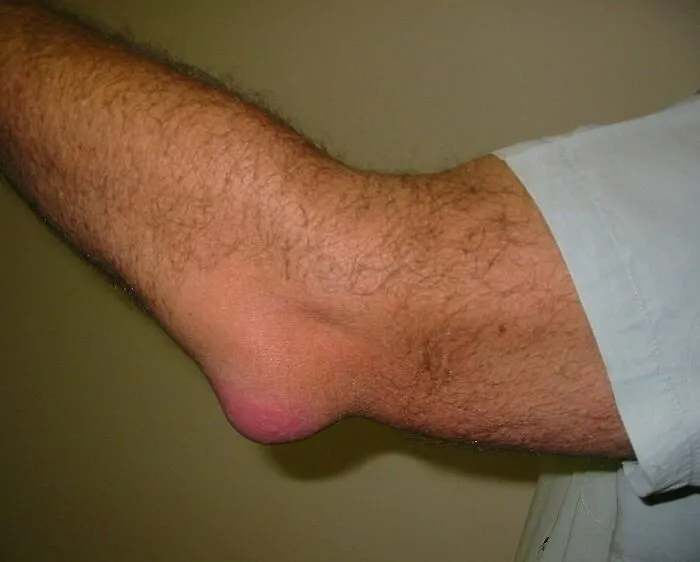
Olecranon bursitis is a condition characterized by swelling, redness, and pain at the tip of the elbow. If the underlying cause is due to an infection, fever may be present. The condition is relatively common and is one of the most frequent types of bursitis.
It usually occurs as a result of trauma or pressure to the elbow, infection, or certain medical conditions such as rheumatoid arthritis or gout.
The underlying mechanism is inflammation of the fluid filled sac between the olecranon and skin.
It usually occurs as a result of trauma or pressure to the elbow, infection, or certain medical conditions such as rheumatoid arthritis or gout.
The underlying mechanism is inflammation of the fluid filled sac between the olecranon and skin.
Report
16points
#40
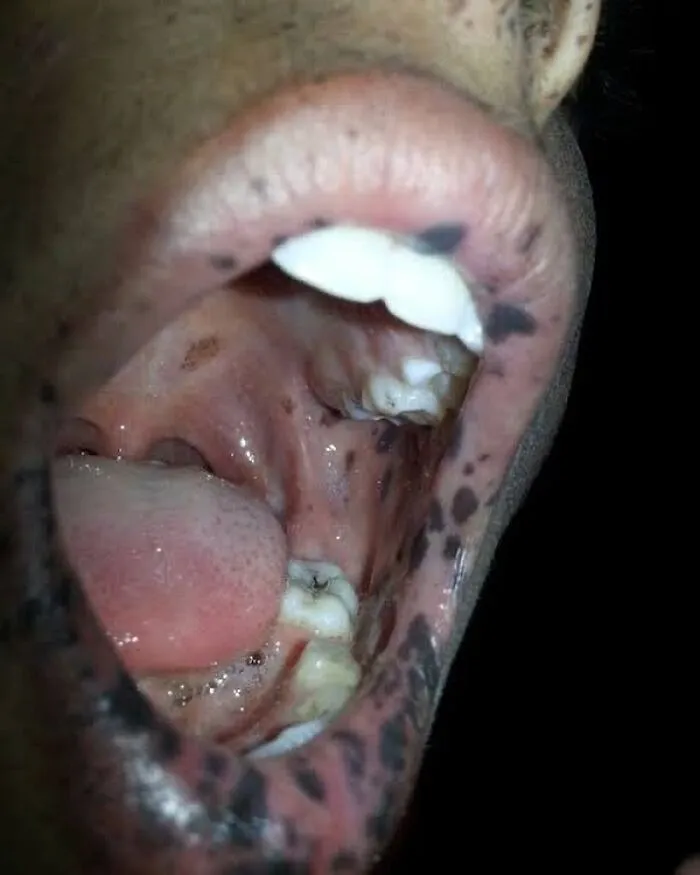
A 22 year-old male was brought to a clinic for evaluation of intermittent abdominal pain and watery diarrhea of 12 years’ duration. Over the previous 2 months, his symptoms had included vomiting and weight loss. The patient had numerous hyperpigmented macules on his lips, buccal mucosa, fingers, and toes. Computed tomography (CT) and ultrasonography showed duodenojejunal intussusception. Upper gastrointestinal (GI) endoscopy revealed multiple polyps.
Report
15points
