






The past can teach us a lot about the present, and might even give us an idea about what to expect from the future.
So in order to better understand our roots, we invite you to take a look at the Facebook page 'History Uncovered.'
It's on a mission to show everyone "the captivating narratives that define our world" and is sharing rarely seen old pictures to do so.
It's on a mission to show everyone "the captivating narratives that define our world" and is sharing rarely seen old pictures to do so.
The images come from many different areas, including architecture and construction as well as family life and pop culture. Happy learning!
More info: Facebook
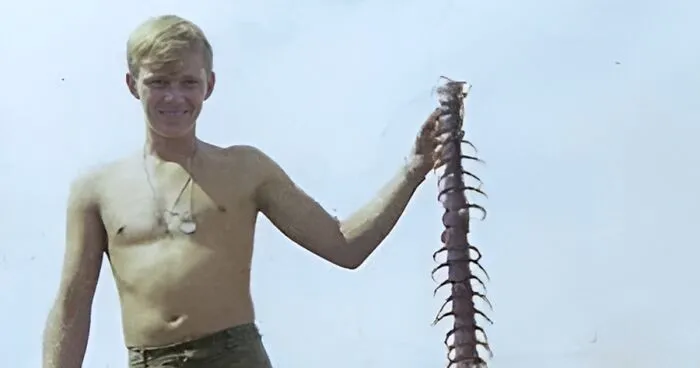
#41 In 1967, A Us Soldier Was Photographed Holding A Massive Jungle Centipede In Vietnam
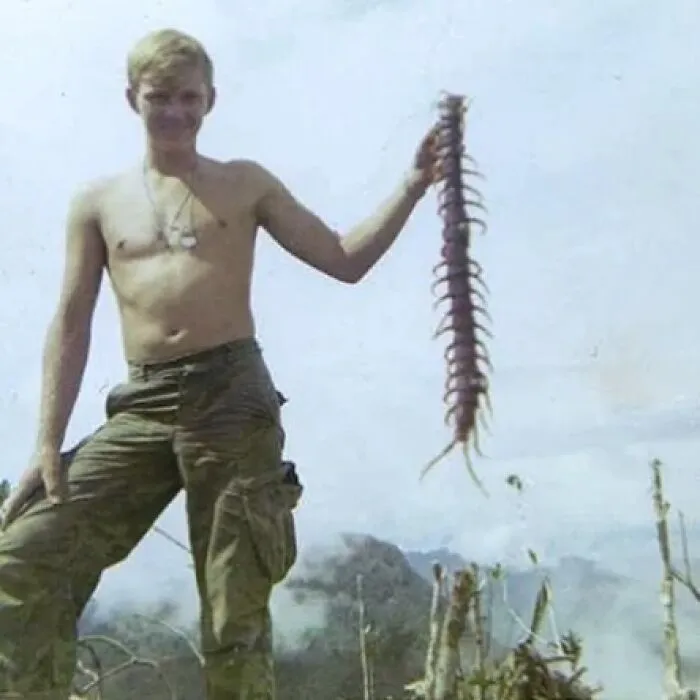
However, despite the visual impression, the centipede wasn't actually 2 feet in length as it seemed. In reality, it was closer to around 10 inches. This illusion was created by positioning the insect closer to the camera using a fishing string, a technique that manipulated perspective and made the centipede appear much larger than its actual size.
Report
98points
#42 In 1935, While Visiting London, Kayan Lahwi Women Observed A Guard Stationed At St James's Palace
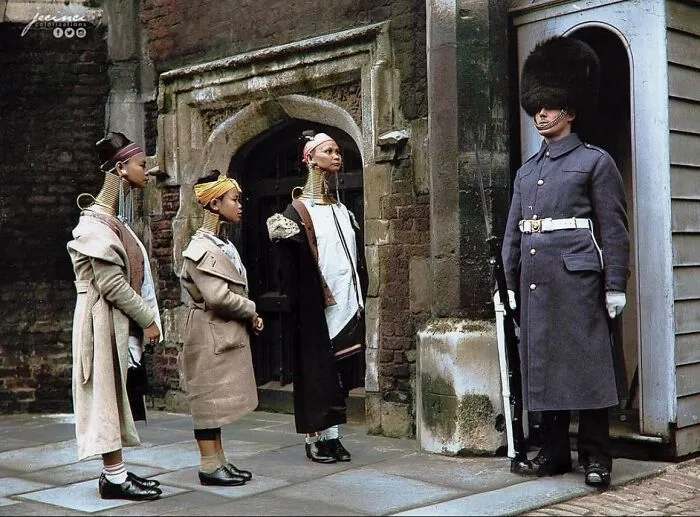
The Kayan Lahwi, alternatively referred to as Padaung, constitute a minority ethnic community residing in Myanmar and Thailand. Their unique tradition involves elongating coils as the women mature, which results in the compression of the rib cage and the displacement of the collarbone. This practice gives the illusion of an extraordinarily elongated neck.
Report
87points
#43 The Photographs Of The Control Room Of A World War I German Submarine (Ub-110) In 1918
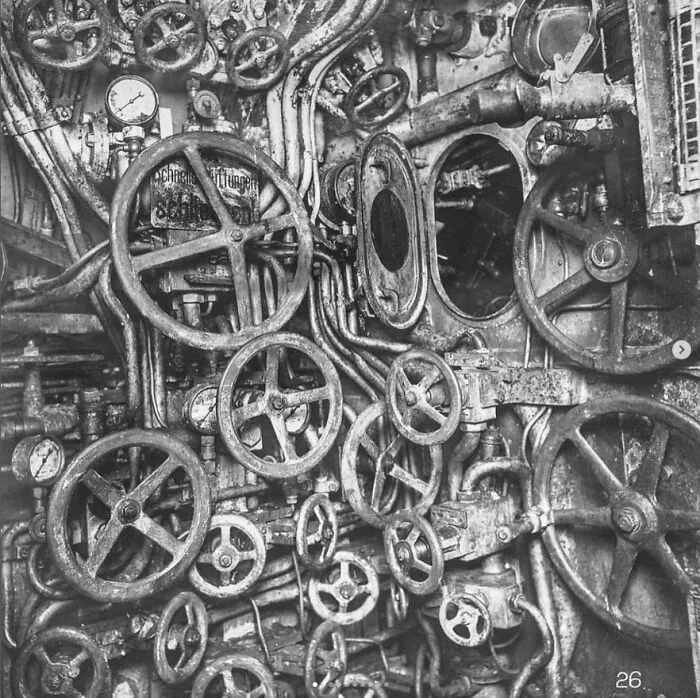
A glimpse into the inner workings of these early submarines. Here's some additional context for the historical information: Warfare Procedures in World War I: At the outset of World War I, German U-boats adhered to traditional naval warfare procedures when targeting merchant ships. They would surface, signal the merchant vessel, and allow the crew to evacuate before sinking the ship. This chivalrous approach aimed to avoid unnecessary loss of life. However, it became less practical as the war intensified. Arming Merchant Vessels: In response to the U-boats' behavior, the Allied forces began arming merchant ships to defend against submarine attacks. When U-boats surfaced and demanded surrender, the crew of the merchant ships would counterattack, catching the U-boats off guard. German Retaliation: Faced with the increasing resistance of armed merchant vessels, the Germans changed their tactics. They started sinking merchant ships without warning, a controversial move that led to significant losses. U-Boat Rescue Efforts: Even as late as 1942, some U-boats continued to provide torpedoed survivors with food, water, and directions to the nearest landmass. This practice was intended to follow maritime prize rules and humane treatment of survivors. End of Prize Rules: The era of operating under prize rules ended when a U-boat flying the Red Cross flag and towing lifeboats was attacked by a U.S. bomber. To avoid destruction, the U-boat had to cast aside the survivors and dive. After this incident, the Germans abandoned prize rules and embraced unrestricted submarine warfare for the rest of the war.
Report
85points
#44 In December 1937, Two Soldiers Belonging To The Pontifical Swiss Guard Were Photographed In Vatican City
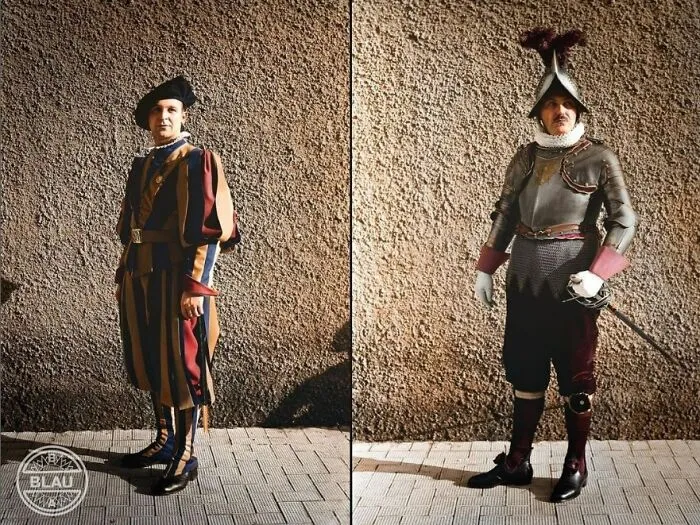
The Pontifical Swiss Guard is a ceremonial and protective military unit under the jurisdiction of the Holy See, responsible for safeguarding the pope and the Apostolic Palace within Vatican City. Established in 1506 by Pope Julius II, it is one of the longest-serving military units in continuous operation.
Report
80points
#45 In 1928, A Figure Known As The Ice Man Could Be Seen Delivering A 25-Pound Ice Block In Houston, Texas
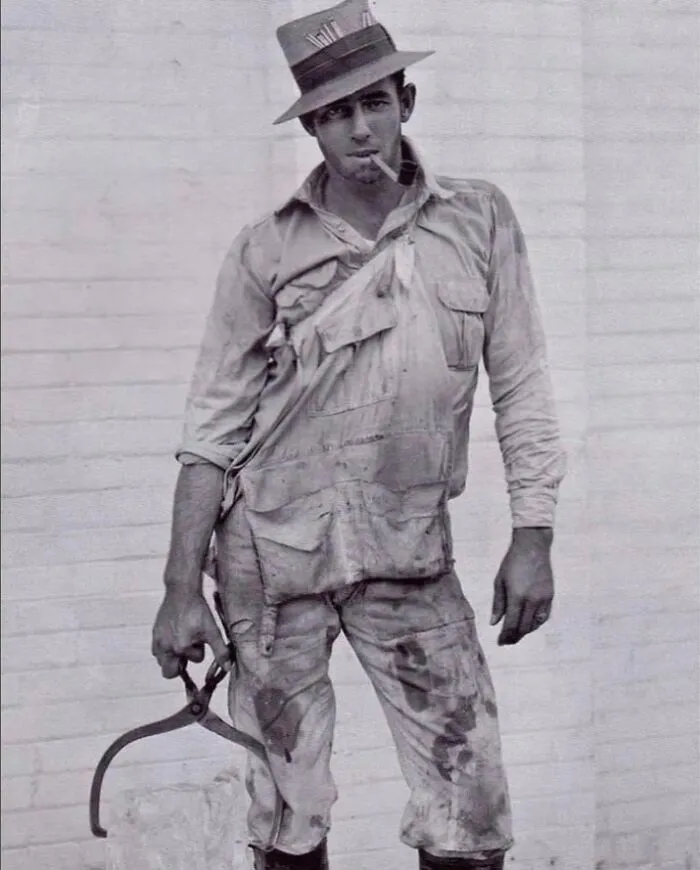
his snapshot reflects a time when the ice trade was a highly profitable industry, primarily during the 19th and early 20th centuries. Ice was harvested from natural sources such as ponds and streams and then transported via railroads or ships to various destinations worldwide. An intricate network of ice wagons was responsible for the final distribution of this valuable commodity.
The roots of this industry can be traced back to 1806 when Frederic Tudor, also known as the Ice King, initiated the ice trade in New England by shipping ice to his affluent clientele in the Caribbean. Over the years, his enterprise expanded to encompass regions like Cuba and the southern United States. Eventually, ice was being shipped to destinations as far-flung as India, Australia, China, and South America.
At the zenith of the ice trade, this sector in the United States employed a staggering 90,000 individuals and relied on the labor of 25,000 horses. The demand for ice experienced a notable upswing during World War I. However, once the war concluded, the ice trade saw a precipitous decline due to the advent of refrigeration cooling systems. By the 1930s, modern refrigerators began to gain prevalence in households, and by the 1950s, they had become nearly ubiquitous in both the United States and Europe. This technological advancement rendered the ice trade largely obsolete.
Report
79points
#46 In 1972, You Could Buy Sandwiches In London For Various Prices

A sandwich for 10 pence in 1972 would be equivalent to £1.69 or $2.15 when adjusted for inflation today.
For 12 pence in 1972, you'd be looking at £2.03 or $2.59 in today's money.
13 pence in 1972 would translate to £2.19 or $2.79 after adjusting for inflation.
And a sandwich priced at 15 pence in 1972 would now cost approximately £2.53 or $3.23 when adjusted for inflation.
Regarding Douglas Adams' humorous take on English sandwiches, he humorously describes the English approach to sandwiches in "The Hitchhiker's Guide to the Galaxy" series. In this quote, he highlights a prevailing sentiment in England that views the act of making sandwiches interesting, appealing, or enjoyable to eat as something almost sinful, typically reserved for foreigners. Instead, there's a notion that sandwiches should be dry and rubbery, and if they need preservation, it's achieved through infrequent washing.
For 12 pence in 1972, you'd be looking at £2.03 or $2.59 in today's money.
13 pence in 1972 would translate to £2.19 or $2.79 after adjusting for inflation.
And a sandwich priced at 15 pence in 1972 would now cost approximately £2.53 or $3.23 when adjusted for inflation.
Regarding Douglas Adams' humorous take on English sandwiches, he humorously describes the English approach to sandwiches in "The Hitchhiker's Guide to the Galaxy" series. In this quote, he highlights a prevailing sentiment in England that views the act of making sandwiches interesting, appealing, or enjoyable to eat as something almost sinful, typically reserved for foreigners. Instead, there's a notion that sandwiches should be dry and rubbery, and if they need preservation, it's achieved through infrequent washing.
Furthermore, Adams suggests that the British make amends for their national sins by consuming sandwiches in pubs during Saturday lunchtimes, even though they might not be entirely clear about what those sins are and are reluctant to delve into the topic. This humorous commentary underscores the idea that, for the British, sandwiches play a peculiar role in their cultural habits.
Report
77points
#47 Photo Of Solomon Sivils, Who Received An 18-Month Imprisonment Term And A $10 Fine Due To Bringing Alcohol Into Native American Territory In 1904
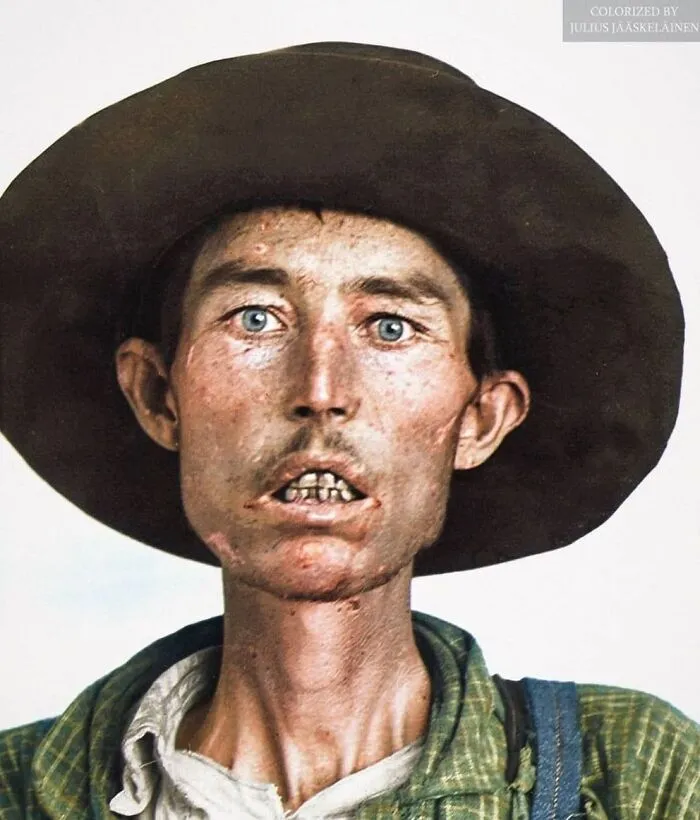
In 1834, a law was enacted that established consequences for selling, trading, or bringing alcohol onto Native American territories. There was a special provision allowing for the requirements of U.S. military personnel serving on tribal lands.
Report
72points

#49 During The Early 20th Century, Japanese Physician And Pathologist Fukushi Masaichi Engaged In The Collection Of Tattooed Skin From Deceased Individuals
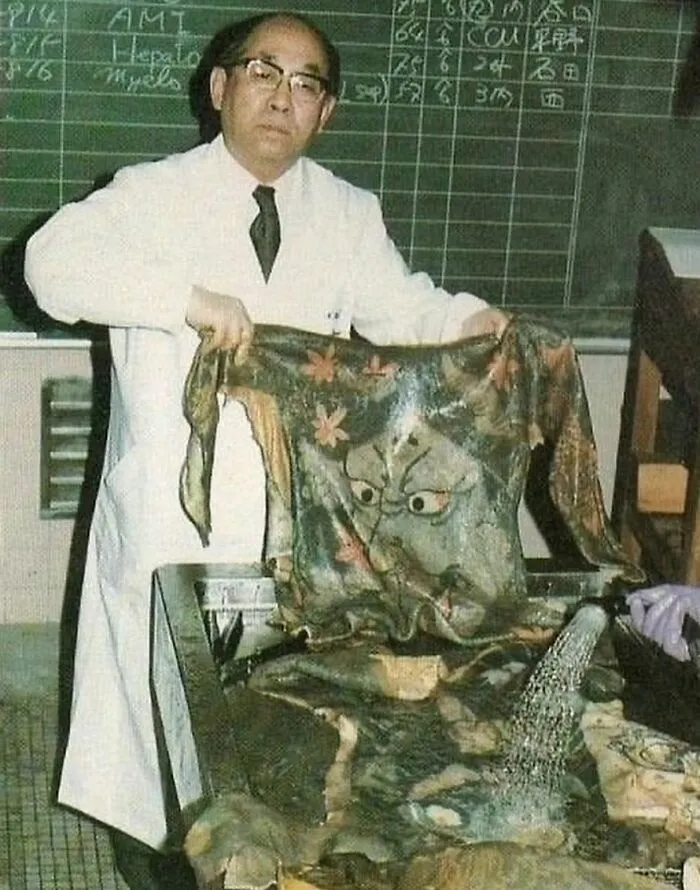
His fascination with tattoos was initially sparked by observing how tattoo ink within the skin had a curative effect on syphilis-related skin lesions. This curiosity drove him to delve into the study of Japanese tattoo art (Irezumi) in 1926. Conducting autopsies on deceased bodies, he carefully removed the skin and conducted research to find ways to preserve it. Over the subsequent years, he amassed an archive of around 2000 pieces of tattooed "hides."
In the early 1940s, Masaichi safeguarded a portion of his distinctive collection, which included tattooed hides as well as carefully maintained skin from external sources, within an air raid shelter. These items were shielded from the destructive impacts of World War II, enabling them to survive the bombings. As a result, these preserved skins are the sole remnants of his extensive collection today.
In the early 1940s, Masaichi safeguarded a portion of his distinctive collection, which included tattooed hides as well as carefully maintained skin from external sources, within an air raid shelter. These items were shielded from the destructive impacts of World War II, enabling them to survive the bombings. As a result, these preserved skins are the sole remnants of his extensive collection today.
Report
67points
#50 In 1620, Peter Paul Rubens Created "The Fall Of The Damned,"
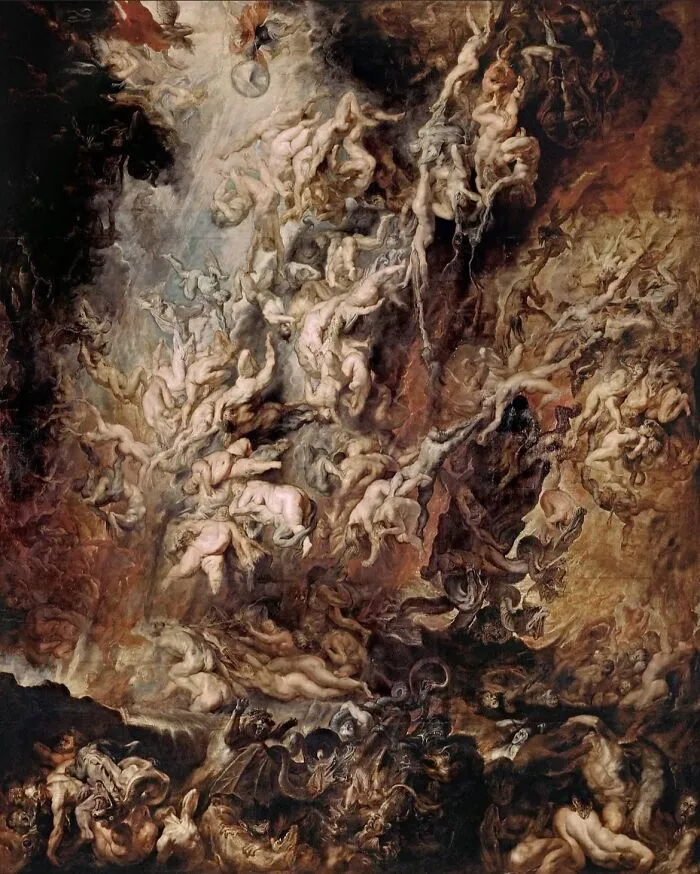
a painting that portrays a tumultuous descent of bodies plunging downward, guided by the Archangel Michael, who can be identified in the upper left corner wearing a blue tunic and a red cape, holding a shield and a weapon. Accompanying angels assist in this descent, while demons forcefully drag and torment the damned souls, subjecting them to agonizing, otherworldly suffering.
At first glance, the painting may appear to depict sinners being cast into the underworld as a consequence of their transgressions. However, an alternative interpretation suggests that it illustrates the moment when Lucifer, the fallen angel, was banished from heaven, along with all the angels who supported him. These angels, now stripped of their wings, undergo a gradual transformation into demons and malevolent spirits, forever exiled due to their rebellious beliefs.
In 1959, a self-proclaimed philosopher named Walter Menzl attempted to draw attention to an unpublished book he had written about utopian universal peace. To do so, he threw acid on the painting, an act he believed would generate interest in his work. His action resulted in a legal order to pay 80,000 Deutschmarks as restitution, which he was unable to fulfill, leading to a three-year prison sentence. His book remained unpublished, while the painting was successfully restored and is currently housed at the Alte Pinakothek in Munich, Germany.
Menzl defended his actions by asserting that the acid did not directly destroy the artwork but rather served as a means to avoid the effort of physical destruction.
Report
65points
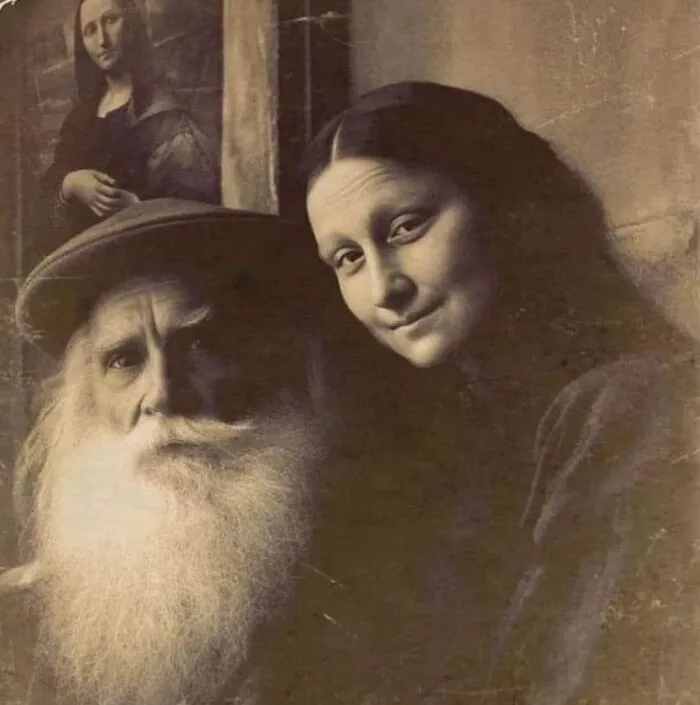
#51 If Cameras Were Available During The Early 1500s, We Might Have Captured Leonardo Da Vinci's Depiction Of The Italian Noblewoman Lisa Del Giocondo Through The Iconic Artwork Known As The Mona Lisa
Report
16points
