


Bored Panda
75 Images That Preserved Pieces Of History Most People Never Got To See
History,CuriositiesNOV 14, 2026

75 Images That Preserved Pieces Of History Most People Never Got To See

45
2
Looking at old photographs is always interesting. Just one picture can transport us to another era, introduce us to unfamiliar faces, or reveal parts of the world we never imagined. Often, it’s the little details that catch our eye and make us pause.
History is filled with amazing moments that aren’t always found in textbooks. These photos show everything from surprised celebrities and odd daily life to lost traditions, big events, and places that look completely different today. They give us a peek at how much life has changed.
Get ready to take a trip down memory lane. We’ve put together a set of interesting historical photos that show surprising moments, memorable people, and unique details from the past. Take a look and see which ones catch you off guard!

#1

Inuit child carrying a husky puppy in her parka, showcasing rare pieces of history.
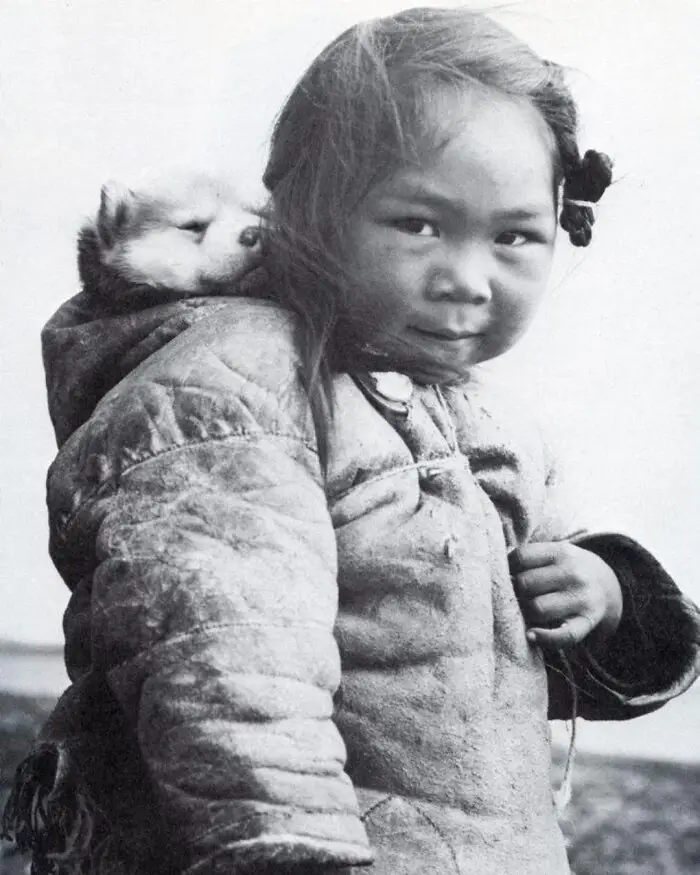
Little inuit girl and her puppy, 1949. Photograph by Richard Harrington.
19points

#2

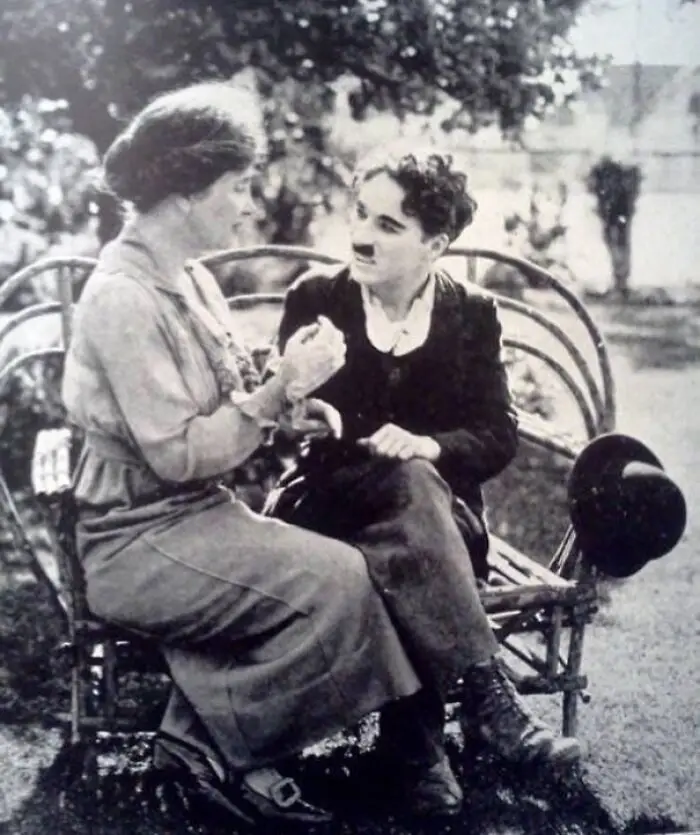
Charlie Chaplin seated on a bench talking with Helen Keller, memorable pieces of history.
Charlie Chaplin with an almost childlike fascination as he's taught the manual alphabet by Helen Keller, 1919.
18points

Historical photographs show a side of the past that history books often miss. Old photographs offer more than a glimpse of what people looked like decades ago. They let us see how families lived, what people wore, how they worked, and how communities came together.

A photo of a family eating dinner or teenagers walking on a busy street can show us things that traditional history accounts might miss. These everyday moments help us understand the past through the lives of regular people.

The National Archives uses photos from different times, like Victorian and post-war Britain, to learn about family life, communities, and how social habits changed. By studying these images, we can find details that dates, political events, and history books often miss.
#3

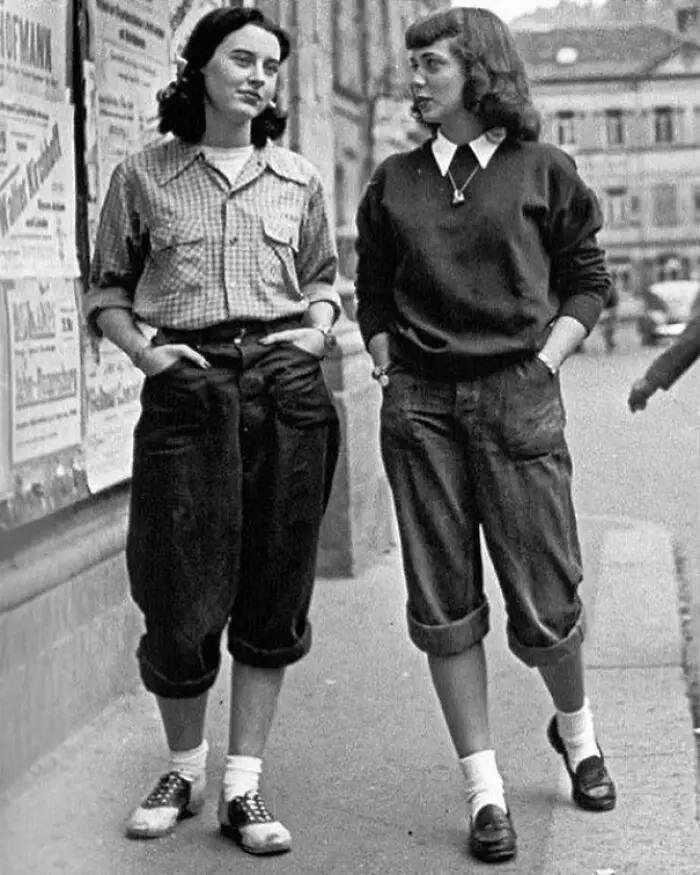
Vintage black and white photo of two fashionably dressed young women, showcasing pieces of history in fashion
A snapshot of fashion history, 1950s.
17points

#4

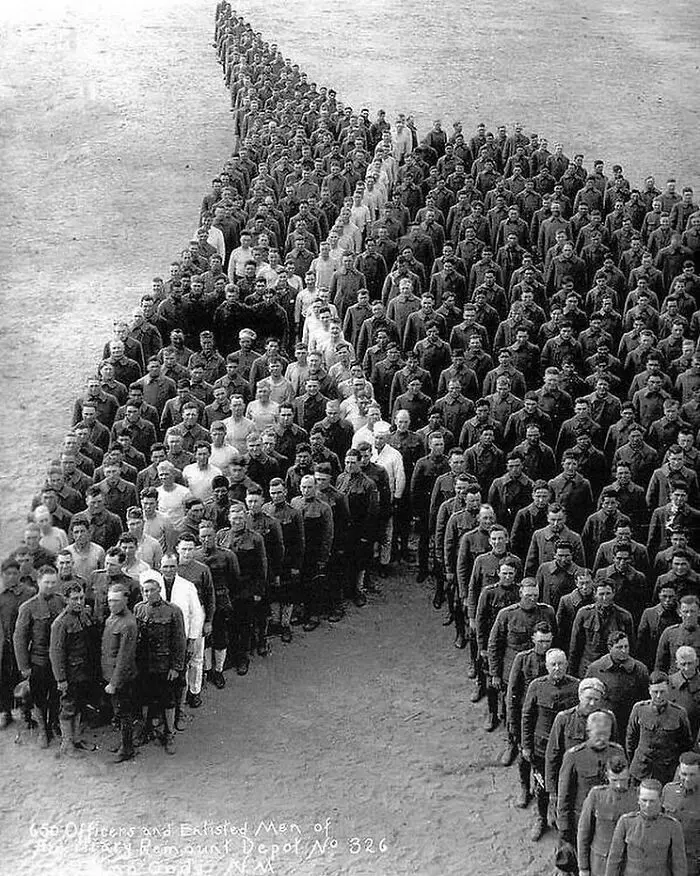
Vintage aerial historical photo of hundreds of World War I soldiers lined up in formation
Soldiers paying tribute to 8 million horses, donkeys and mules that passed away during World War I, 1915.
16points

Ever wondered why old photographs make us feel nostalgic for times we never experienced? Sometimes, looking at these everyday scenes brings out an unexpected feeling: nostalgia. People can develop a sentimental attachment to decades they never experienced firsthand, a phenomenon psychologists call historical or social nostalgia.

A photo of a 1960s living room, an old diner, or a busy city street can make a time we never knew feel oddly comforting. Still, this feeling doesn’t always match what life was really like back then,

People who feel nostalgic for times they never lived in often see those eras through rose-colored glasses. They focus on the good parts and forget the challenges people faced. Movies, photos, music, and stories all help create this idealized view of the past.
#5

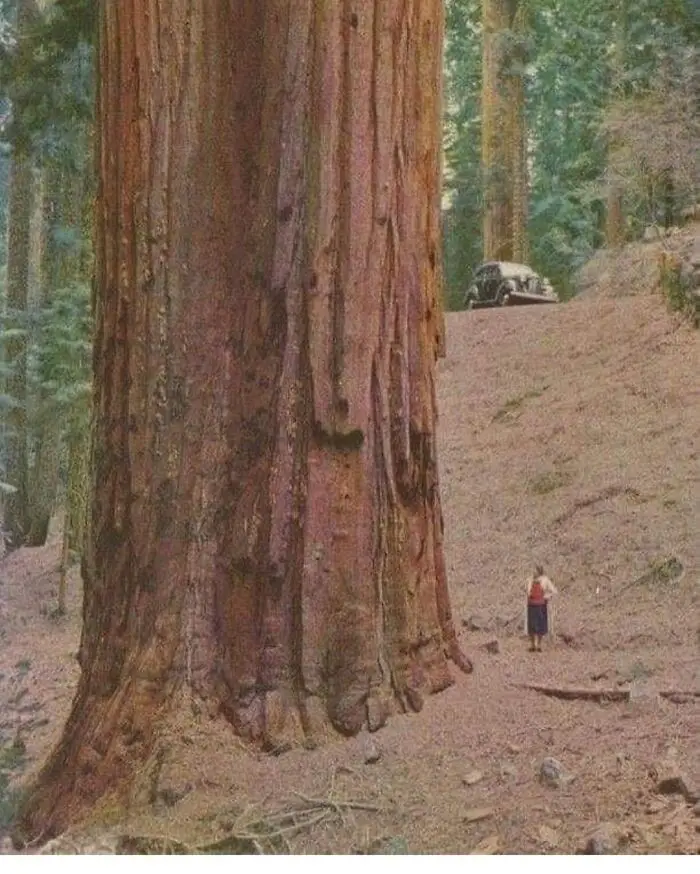
A massive giant sequoia tree trunk near a vintage car and person, preserving impressive pieces of history.
A woman admires the enormous size of a Sequoia tree, 1950s.
16points

#6

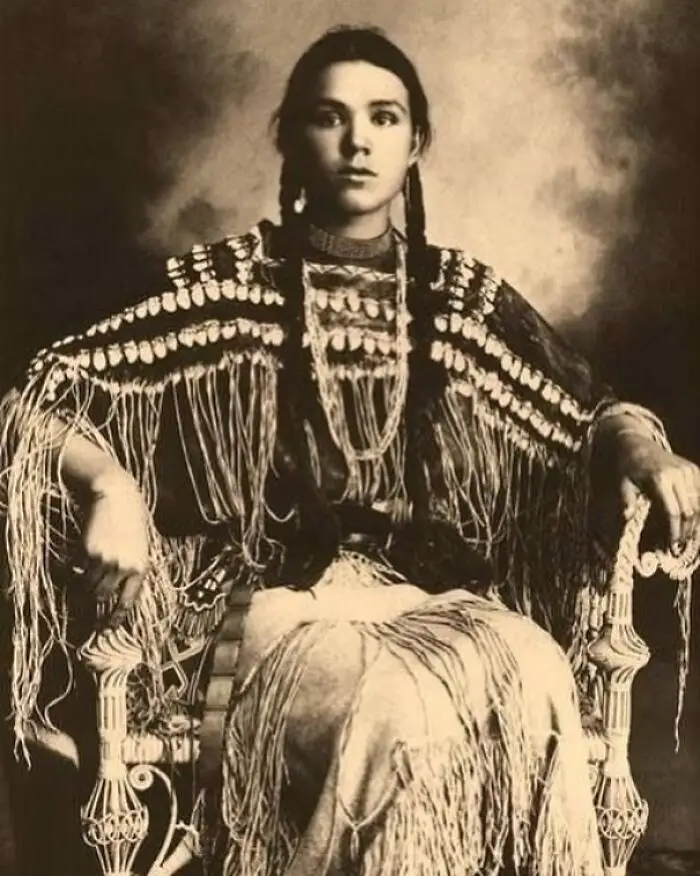
Historical photo portrait of a Native American woman in traditional fringed clothing and beadwork
A Cherokee woman.
16points

That emotional connection with the past becomes even more powerful when a photograph captures a moment of human suffering. Reading about a humanitarian crisis involving thousands can feel distant, but seeing one person affected makes it much harder to ignore. One image can give a huge event a human face.

The iconic photo of three-year-old Syrian refugee Alan Kurdi, whose body washed up on a Turkish beach in 2015, drew global attention to the refugee crisis. For a short time, the image affected people more than statistics about many lives lost. It showed how one photo can make a faraway tragedy feel close, even if that feeling fades over time.
#7

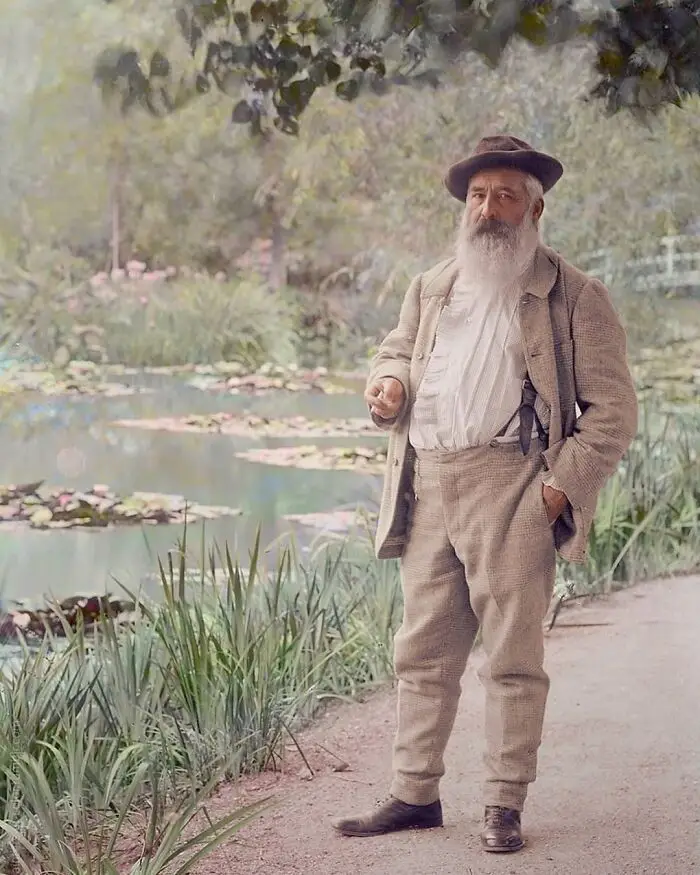
Colorized vintage photograph of artist Claude Monet standing by his water lily pond, a piece of history.
Claude Monet in his garden in Giverny. Summer of 1905.
16points

#8

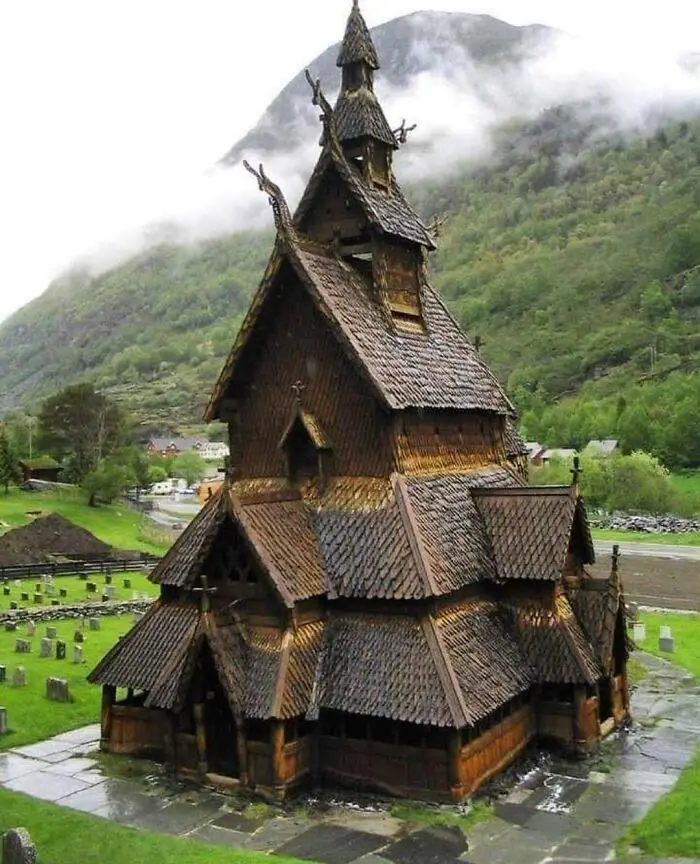
Borgund Stave Church in Norway, a traditional wooden structure preserved from history.
800-year-old Borgund Stave Church in Norway, built sometime between 1180 and 1250 AD.
16points

#9

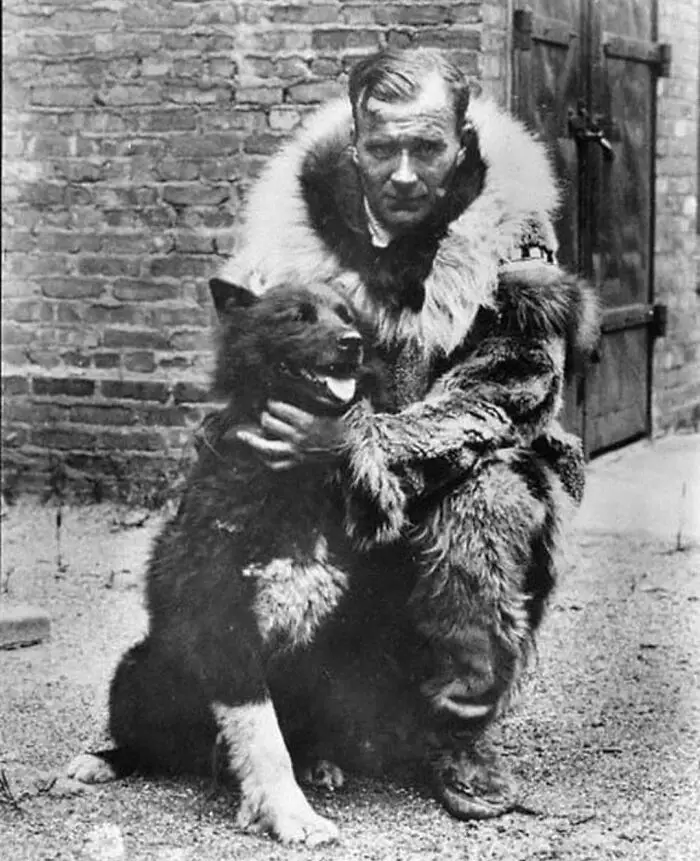
Historical photo of Gunnar Kaasen kneeling with famous sled dog Balto wearing fur parkas
Gunnar Kaasen and his team of 13 dogs, led by the Siberian husky, Balto, completed the last leg of a 1925 trip to deliver 300,000 units of diphtheria antitoxin to Nome, Alaska. They traveled by night in temperatures of -23 °F (−31 °C).
16points

Beyond the emotions they bring out, historical photographs also give us a way to measure how much the world changes. A street you know well can look completely different after a few decades. Old storefronts might disappear, new buildings can take the place of familiar landmarks, and whole neighborhoods may develop a new character.

Photographer Camilo José Vergara has been capturing these changes since the 1970s by visiting the same places over many years. His photos of American cities reveal how small changes in buildings, streets, and neighborhoods build up over time. When you compare images from different decades, it becomes easier to spot changes that people living there might hardly notice.

#10
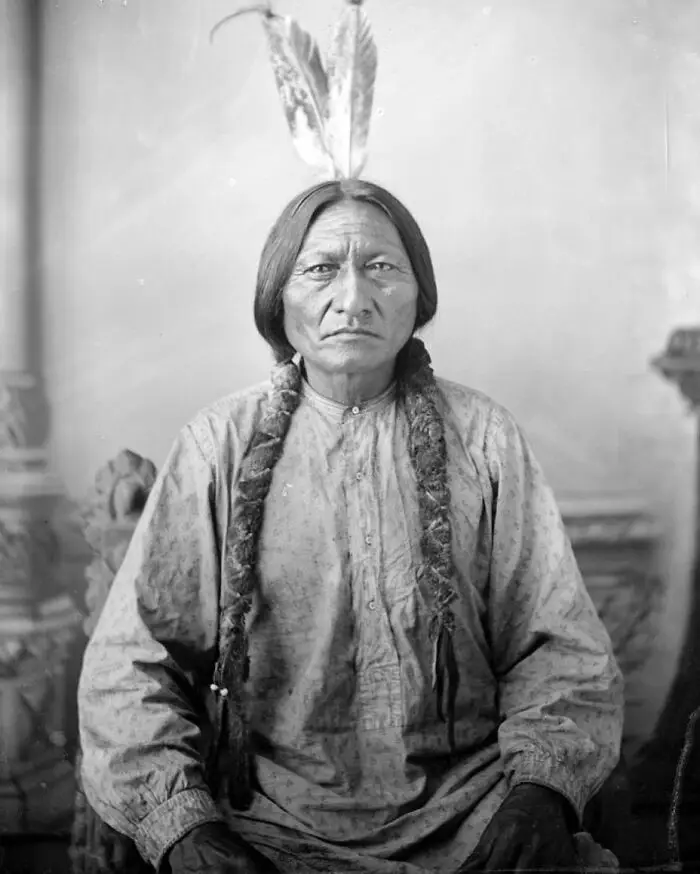
Historical portrait of Native American leader Sitting Bull as a preserved piece of history
“For us, warriors are not what you think of as warriors. The warrior is not someone who fights, because no one has the right to take another life. The warrior, for us, is one who sacrifices himself for the good of others. His task is to take care of the elderly, the defenseless, those who can not provide for themselves, and above all, the children, the future of humanity.” – Sitting Bull.
16points

#11

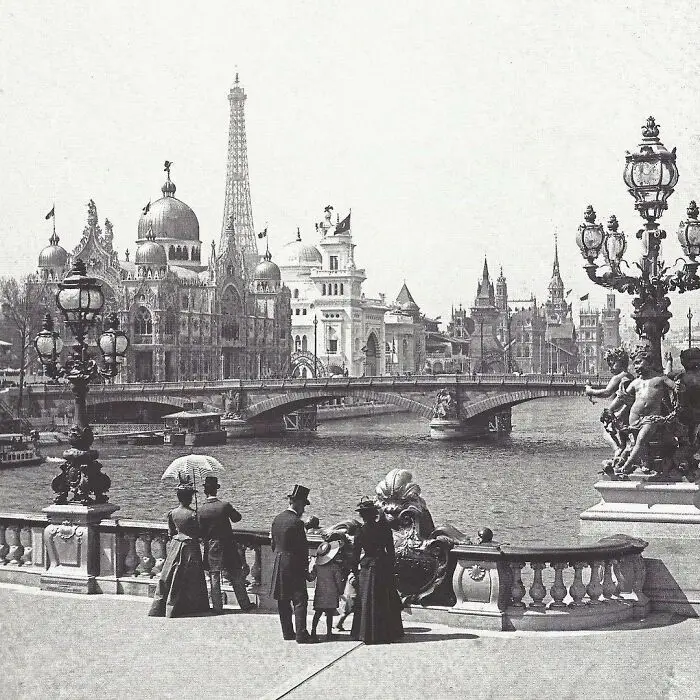
An old photograph capturing pieces of history featuring people admiring the Eiffel Tower across the Seine river.
Paris, 1900.
15points

#12

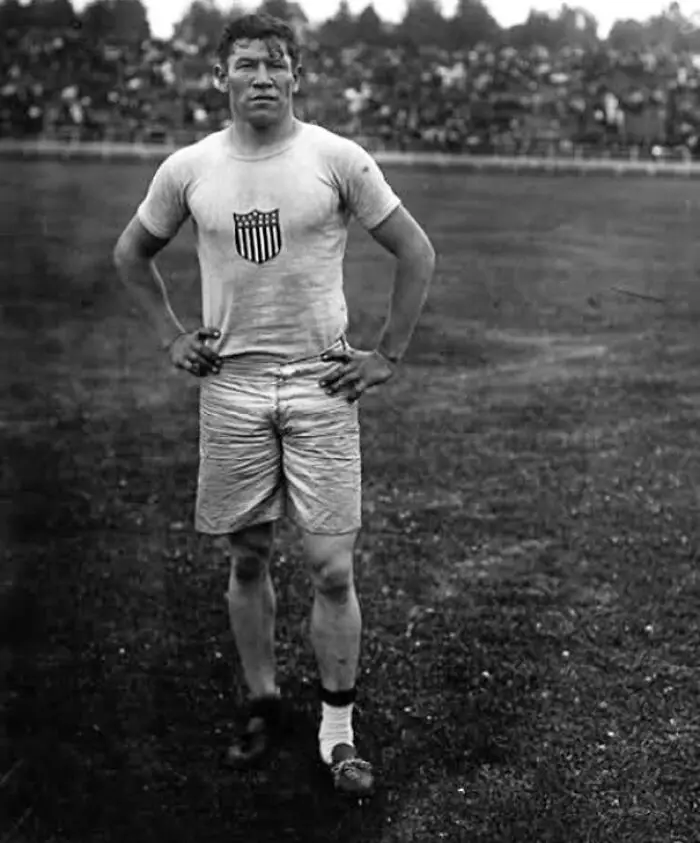
Vintage black and white photograph of Olympic athlete Jim Thorpe representing pieces of history
This is Jim Thorpe. If you look closely at the photo, you can see that he's wearing different socks and shoes. This was not a fashion statement.

It was the 1912 Olympics and Jim, a Sac and Fox Native American from Oklahoma was representing the U.S. in track and field in a number of events including the decathlon.

On the second day of the decathlon, his shoes were stolen. But luckily he found two shoes in a garbage bin. That's the pair he's wearing in the photo. One shoe however was too big, so he had to wear an extra sock.

Jim won the gold medal wearing these shoes.
15points

Still, comparing old photographs also raises an important question: how much can we really learn from a single image? A photograph may show a person smiling, a crowded street, or an unusual gathering, but it rarely explains what happened before the camera clicked or what followed afterward. Without that context, viewers can easily misinterpret what they see.

Photographs also reflect the choices of the person behind the camera. The angle, framing, timing, and details left outside the picture all influence the story viewers take away. The Museum of Modern Art explains that images can help document history, but their meaning depends heavily on how people present and interpret them.

#13
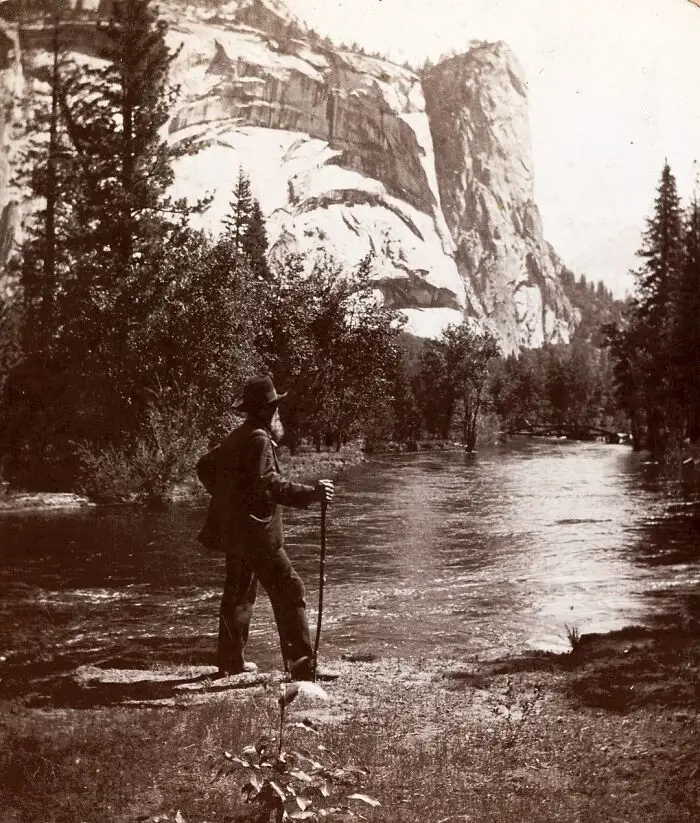
A sepia-toned vintage photo showing pieces of history with a man standing beside a river in Yosemite Valley.
Hiking - "I don't like either the word or the thing. People ought to saunter in the mountains - not hike! Do you know the origin of that word 'saunter?' It's a beautiful word. Away back in the Middle Ages people used to go on pilgrimages to the Holy Land, and when people in the villages through which they passed asked where they were going, they would reply, 'A la sainte terre,' 'To the Holy Land.' And so they became known as sainte-terre-ers or saunterers. Now these mountains are our Holy Land, and we ought to saunter through them reverently, not 'hike' through them." - John Muir.

Photo is of Muir at Yosemite in 1900.
15points

#14

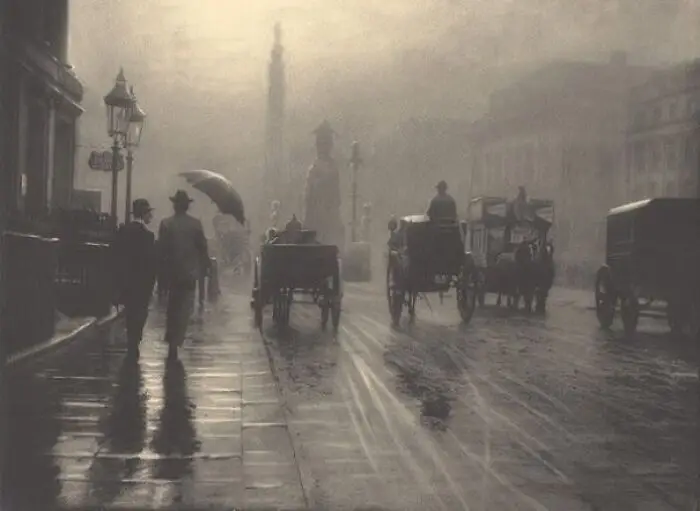
Misty vintage city street with horse-drawn carriages preserving pieces of history
London, 1899. Photo by Leonard Misonne.
14points

#15

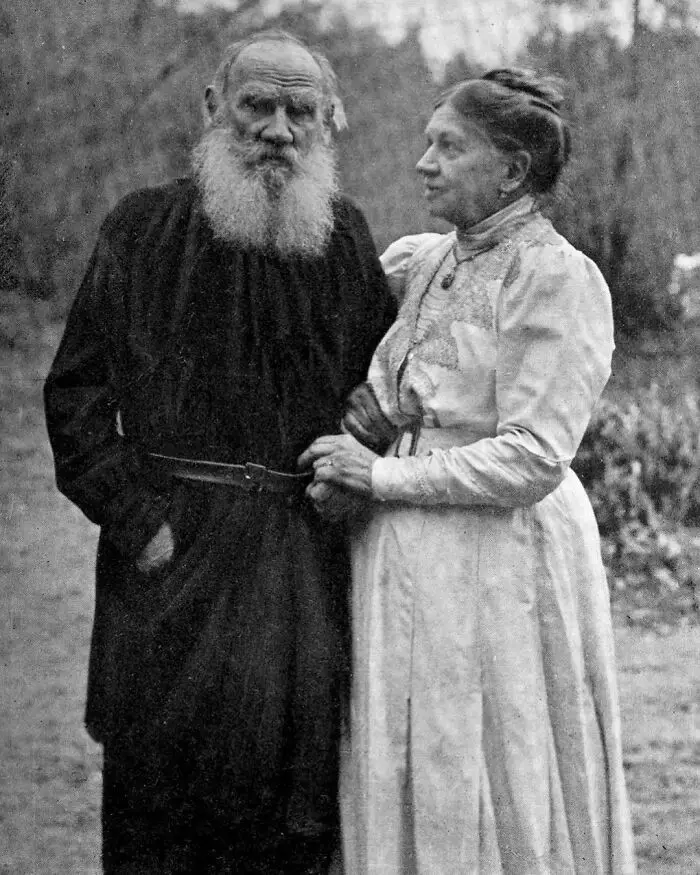
Vintage portrait preserving history showing author Leo Tolstoy with his wife Sophia.
"Love is life. All, everything that I understand, I understand only because I love. Everything is, everything exists, only because I love. Everything is united by it alone." - Leo Tolstoy
14points

And perhaps that's exactly what makes historical photographs so appealing: they leave us with questions we want answered. Who are the people in the picture? What were they doing there? Why did someone decide to capture that particular moment? When an image offers just enough clues without explaining everything, curiosity naturally kicks in.

Psychologists have found that curiosity grows when people feel like they're close to remembering something but can't quite get there. In studies about déjà vu, participants became more curious and spent longer looking for answers when something seemed familiar but wasn't fully explained. That same urge to fill in the blanks can make it hard to scroll past an unfamiliar historical photo.

Every old photograph has a bit of a story, showing us that even ordinary moments can become interesting as time goes by. Sometimes, it's the smallest details that tell us the most about the world we used to know.

Which of these photos surprised you the most? Share your thoughts and comments below!

#16
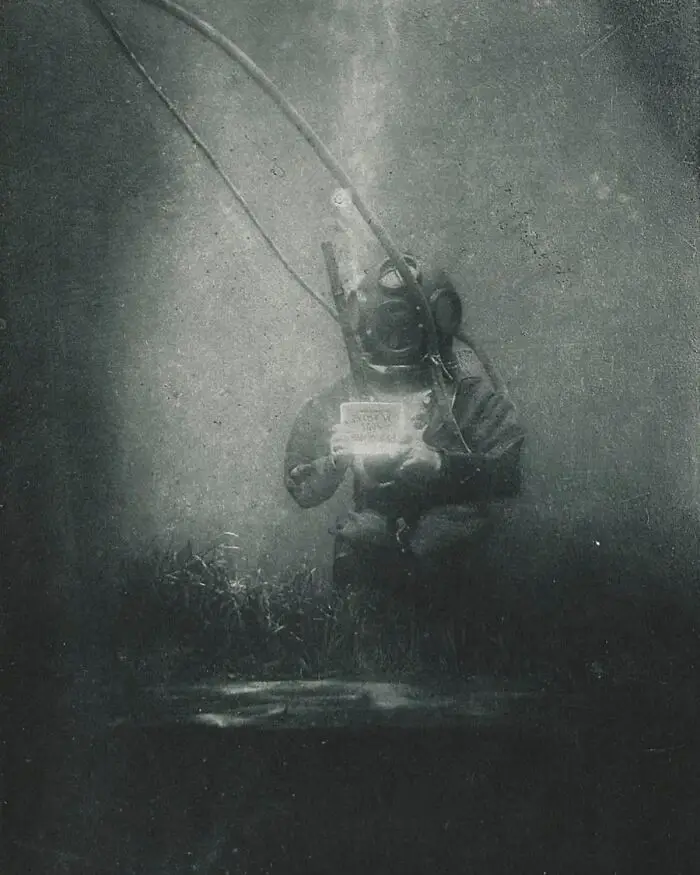
An early underwater photograph showing pieces of history with a deep-sea diver in a heavy suit holding a sign.
One of the first underwater photographs, taken by French marine biologist Louis Boutan in 1893.
13points

#17

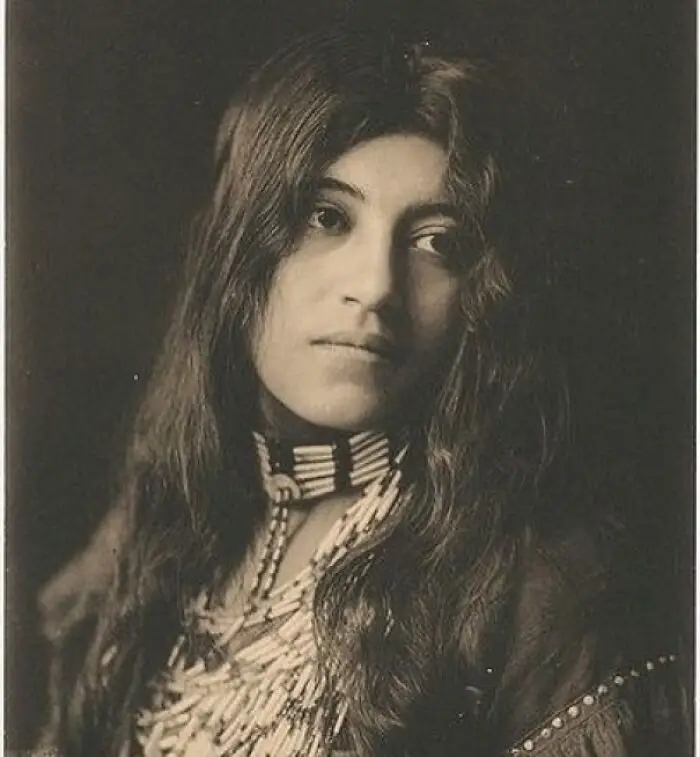
A vintage sepia portrait capturing pieces of history featuring a Native American woman in traditional beaded jewelry.
Kaw-u-tz, a Caddo Native American, 1906.
13points

#18

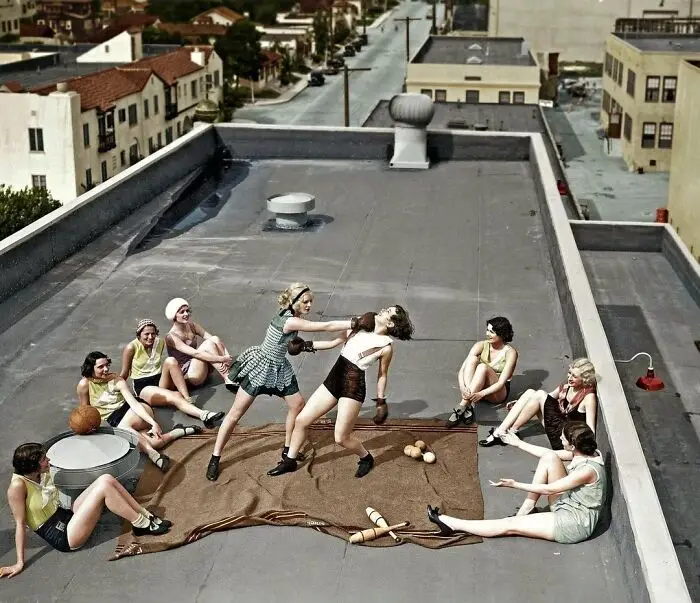
Women practicing boxing on a rooftop blanket in a vintage photo preserving unique pieces of history.
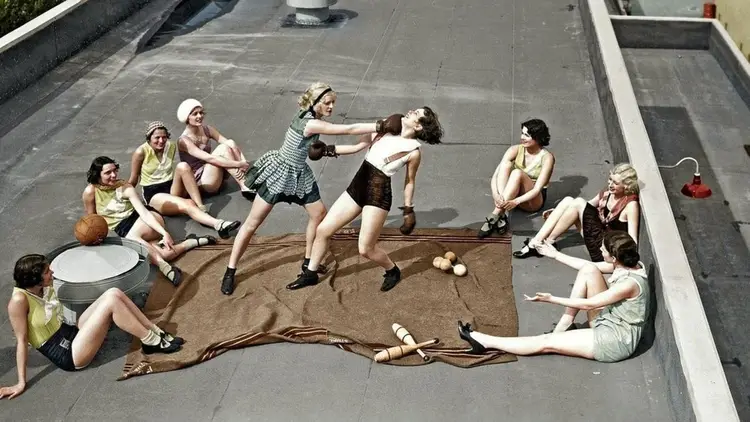
Women’s rooftop “boxing club”, LA 1938. Colorized
12points

#19

Historical photo of three people wearing masks in 1918 preserved pieces of history
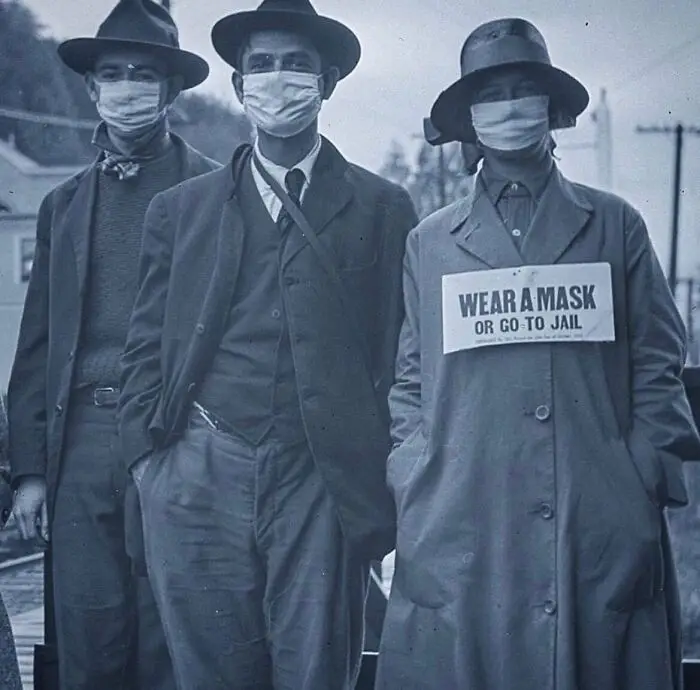
3 people pose for a photo whilst wearing face masks during the second wave of the Spanish Flu in California; 1918.
10points

#20

Historical photo of a family and their cat wearing face masks during the 1918 flu
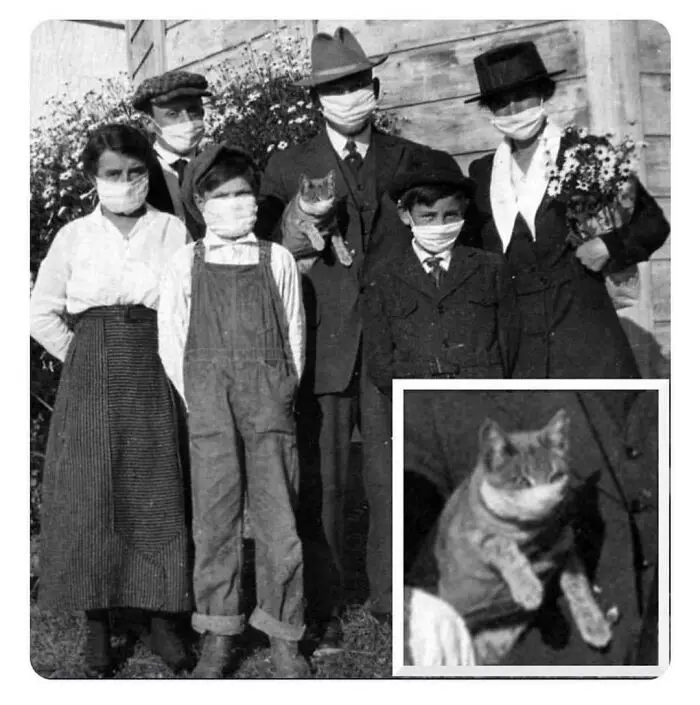
Spanish Flu 1918, family portrait.
10points
45
2