







Before the camera, we only saw the past through someone else’s eyes. We had to trust an artist’s brush or a writer’s memory.
Photography changed the game forever. It gave us hard, visual proof of history.
For the first time, people could document major events in real-time. Whether it was capturing a war tragedy or an election victory, cameras allowed us to stop guessing.
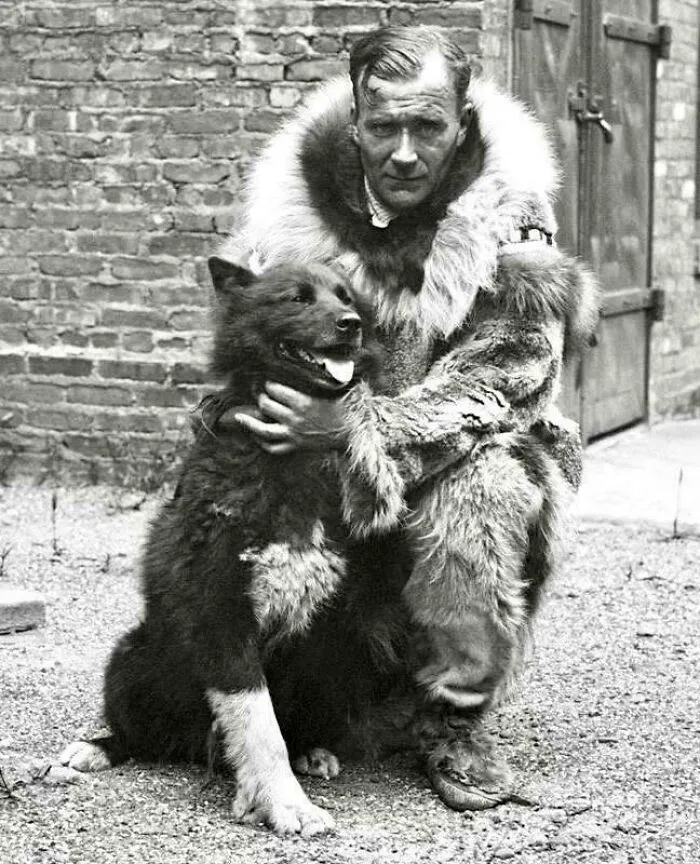
#4 Gunnar Kaasen, A Norwegian Musher And His Lead Dog Balto, Who Delivered Diphtheria Antitoxin To Nome, Alaska, Saving The City From An Epidemic, 1925
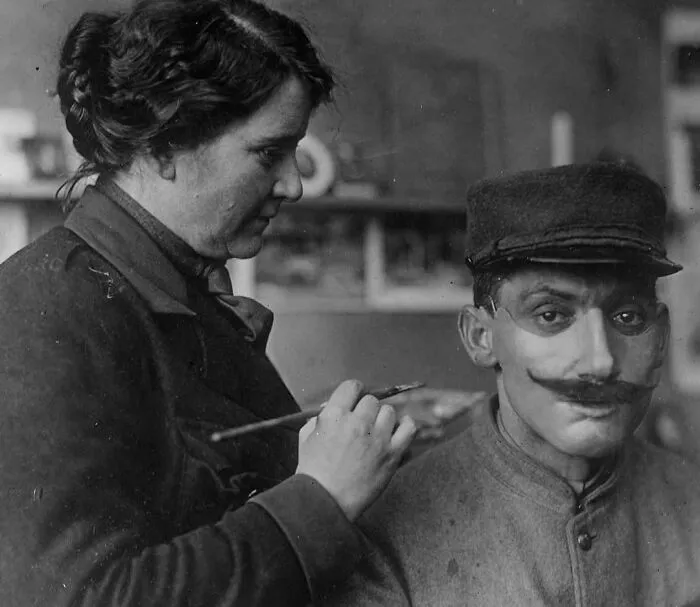
#5 During World War I, American Sculptor Anna Coleman Ladd Crafted Remarkably Lifelike Prosthetic Masks For Disfigured Soldiers, Helping Them Reclaim Their Appearance And Confidence After The Devastating Injuries Of Modern Warfare. (1918)
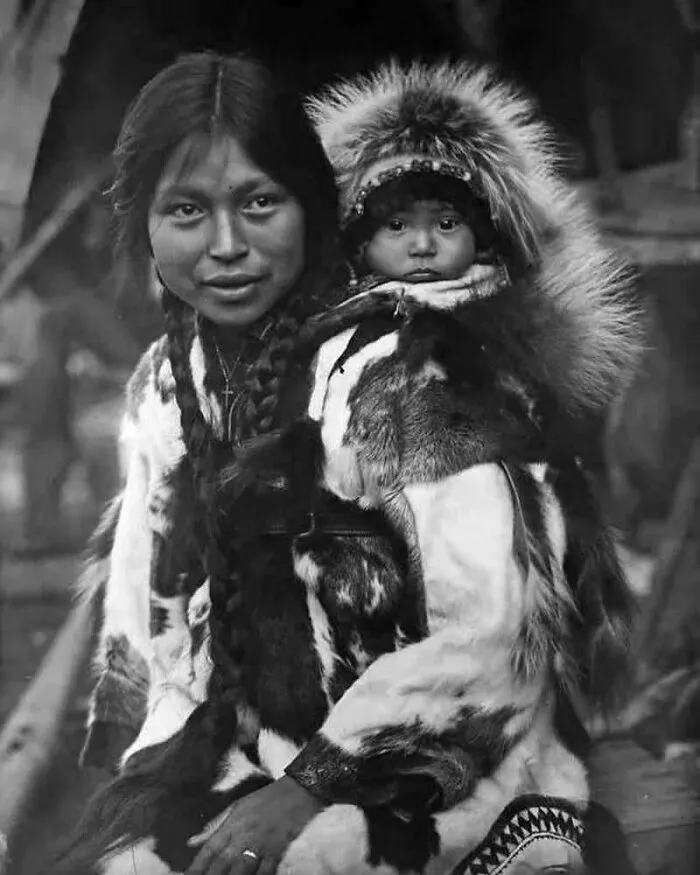
#6 King Island Inuit Woman And Child, King Island, Alaska, Taken Between 1915 And 1925
With artificial intelligence-generated images and hyper-filtered phone cameras, modern photos are starting to feel a little too perfect. That is exactly why looking at old, slightly blurry, unedited historical photos feels like such a breath of fresh air.
Experts call this the aesthetic deficit effect. Because these vintage pictures have chemical imperfections and soft lighting, our brains naturally work harder to fill in the blanks. We try to imagine the sounds, smells, and sensations of the moment.
The imperfections also reflect a photograph’s age and history, adding to its charm and emotional weight.
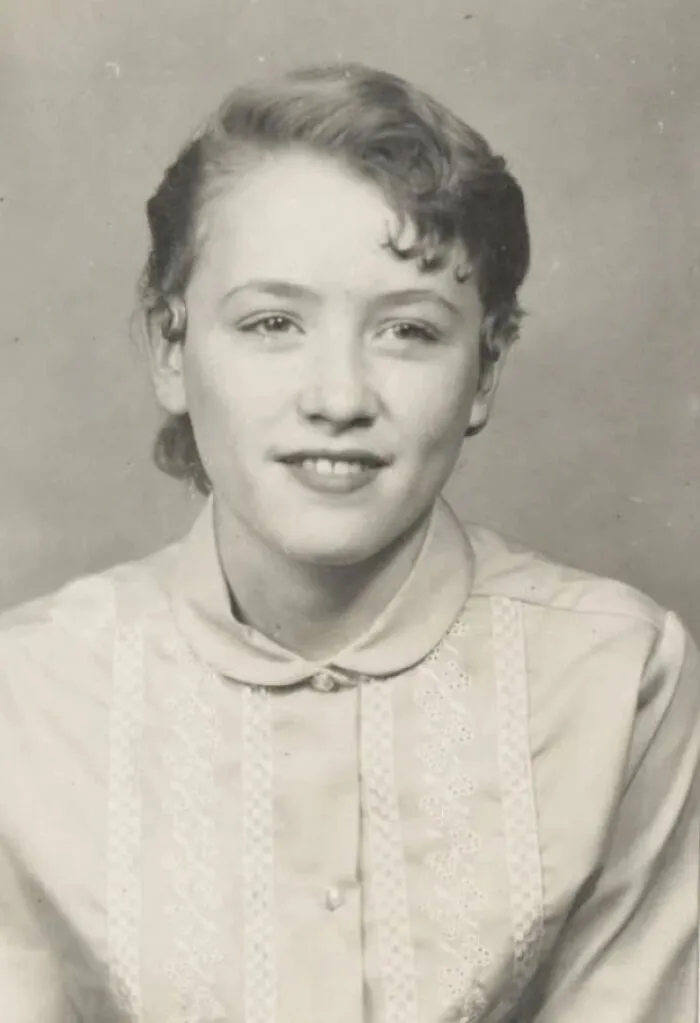
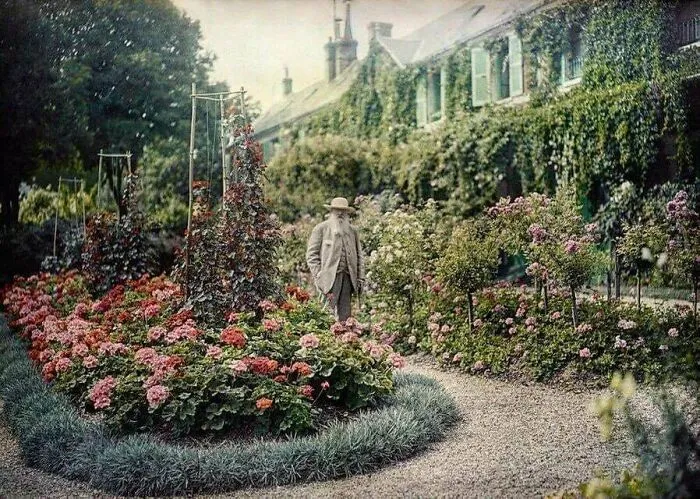
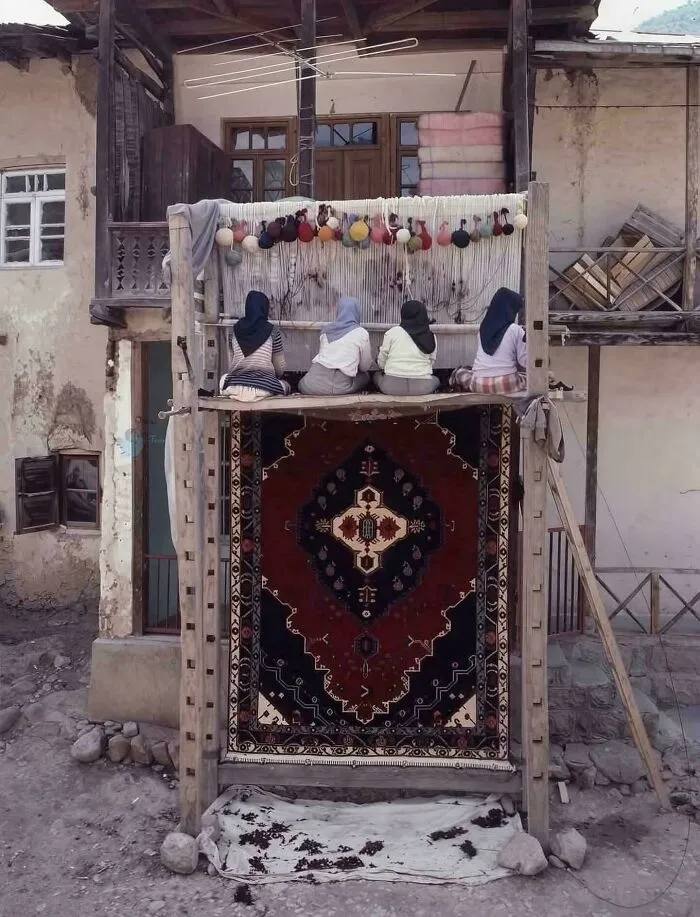
Looking at old photos is actually a scientifically proven way to calm your brain.
Scientists have found that diving into nostalgia triggers a sense of self-continuity — a comforting psychological anchor that reminds us we are part of a long, shared human journey.
At the same time, our brains tend to wash these vintage images in a warm glow because we are so far removed from these moments. Seeing how people lived, laughed, loved, and survived decades ago can actually give us a subconscious sense of resilience for our own future.
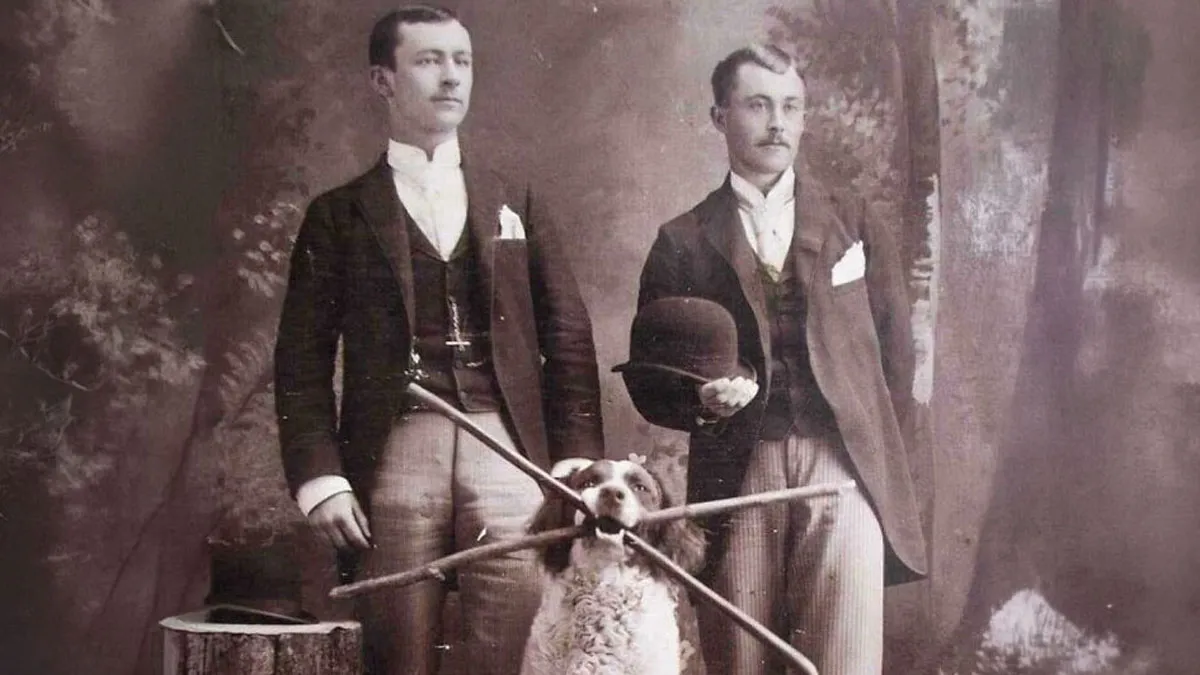
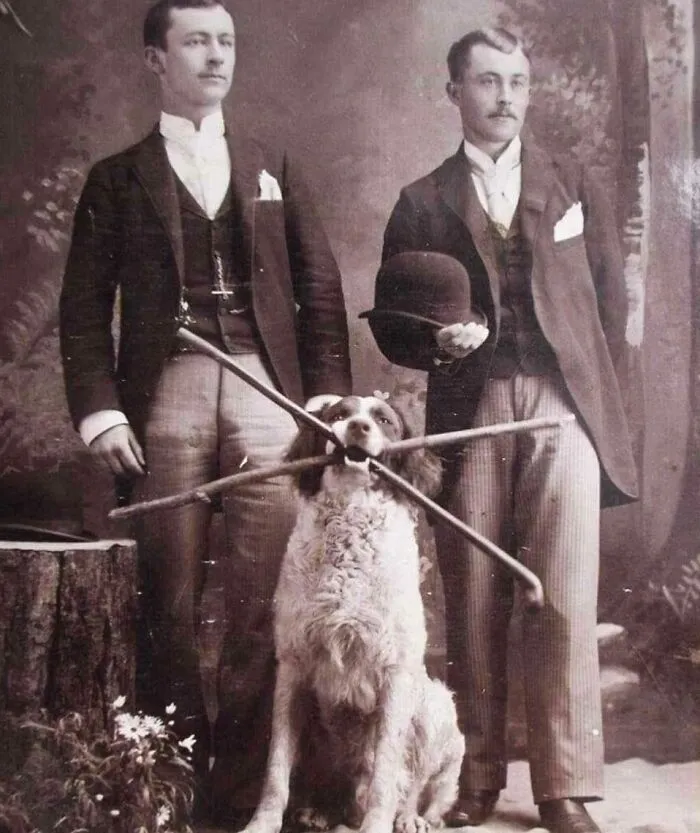
#10 Two Gentlemen And Their Absolutely Delightful Double-Walking-Stick-Wielding Dog, 1890s
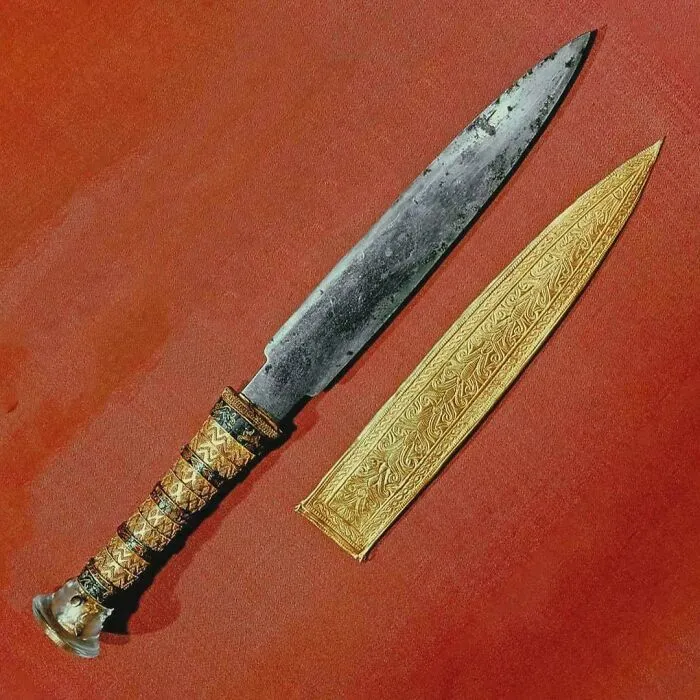
#11 Tutankhamun’s Meteoritic Iron Dagger, Discovered In His Tomb In 1922 And Later Confirmed To Be Forged From A Meteorite
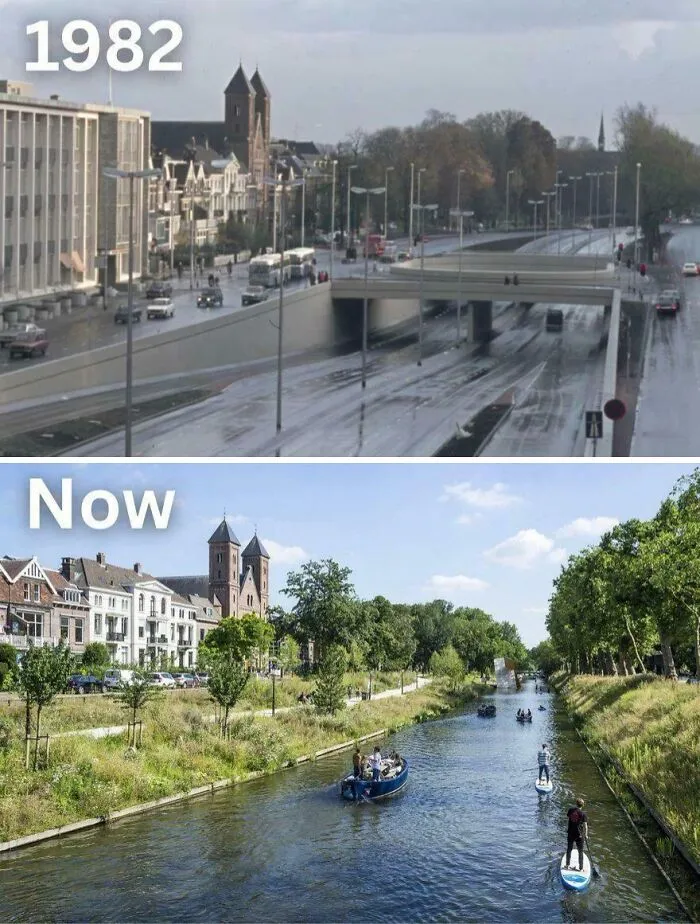
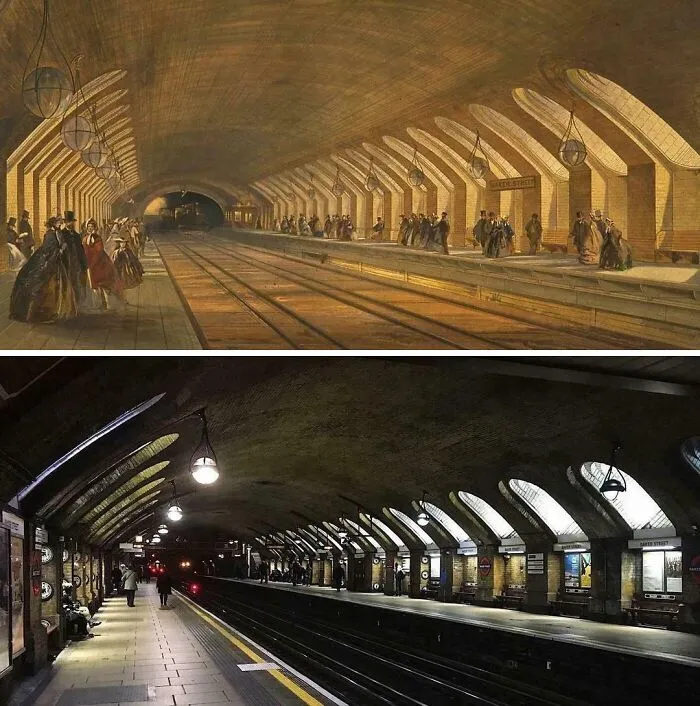
#12 The World's Oldest Undeground Station, Baker Street, England. 160 Years Apart
Vintage photographs can also uncover hidden truths about our shared social history. While official documents might tell one side of a story, some candid images document the lives of marginalized communities and reveal systemic social injustices.
These visual records also show how ordinary citizens lived and fought for structural social change.
A prime example is the striking photograph of a female train conductor in London during World War I.
While men fought on the front lines, women stepped up to keep the city’s critical transit system moving. However, this image also captures a stark social injustice. The moment the war ended, these essential jobs became men-only once again, pushing women out of the workforce.
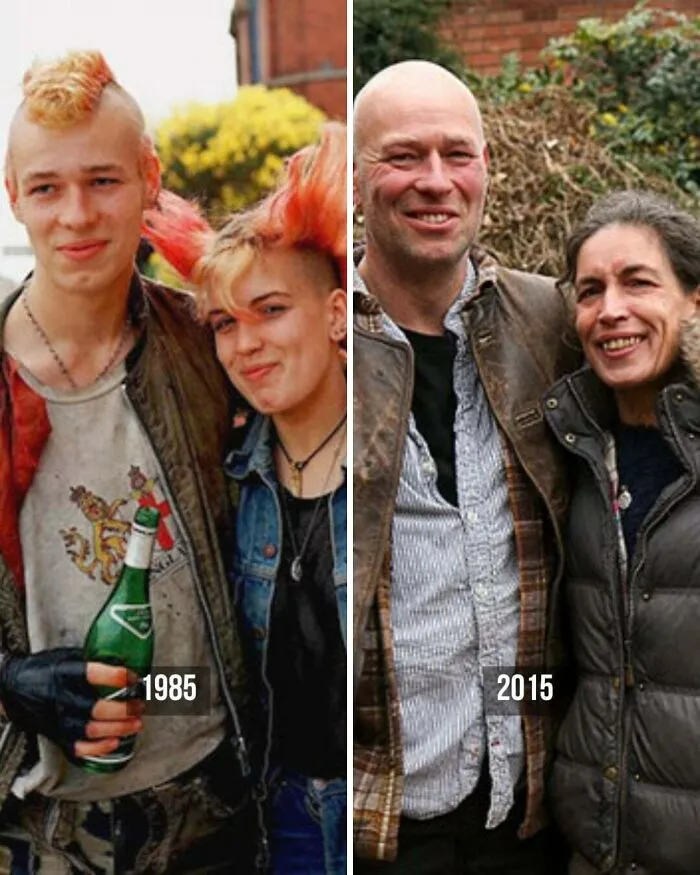
#13 A Photographer Tracked Down People He Photographed 40 Years Ago To Recreate The Same Pictures. (Photo By Chris Porsz)
A single image can spark deep public sympathy, raise nationwide awareness, or fiercely criticize powerful people and events.
Ever since the camera was invented, photographers have rushed to the front lines of history to capture the raw truth of the moments they witnessed.
“In an era of rapid globalization and technological advancement, photography plays a crucial role in safeguarding cultural identity, ensuring that traditional practices, historic landmarks, and indigenous ways of life are not lost to time,” says fine art photographer Hanna Renee Sliz.
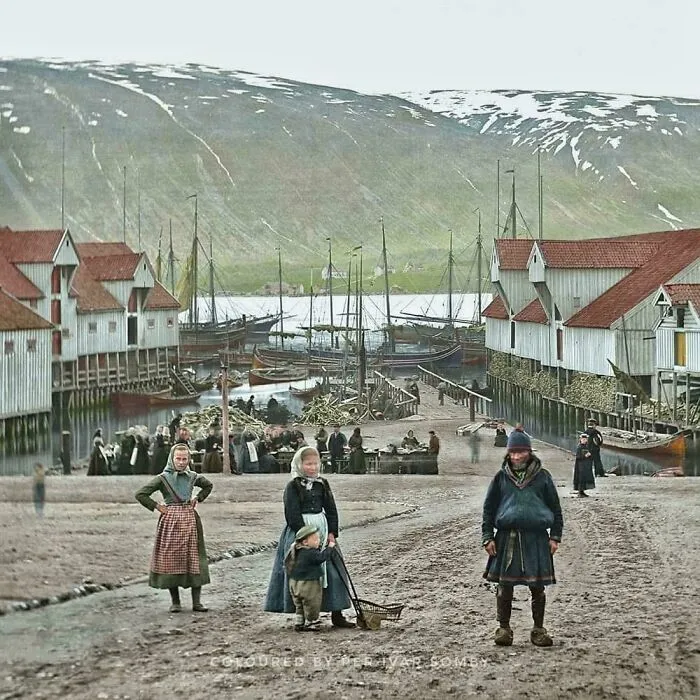
#16 One Of The Earliest Known Photographs Of The Street Life Of Tromsø, Norway. The Image Shows The Main Square In Tromsø And Was Taken By Knud Knudsen In 1875
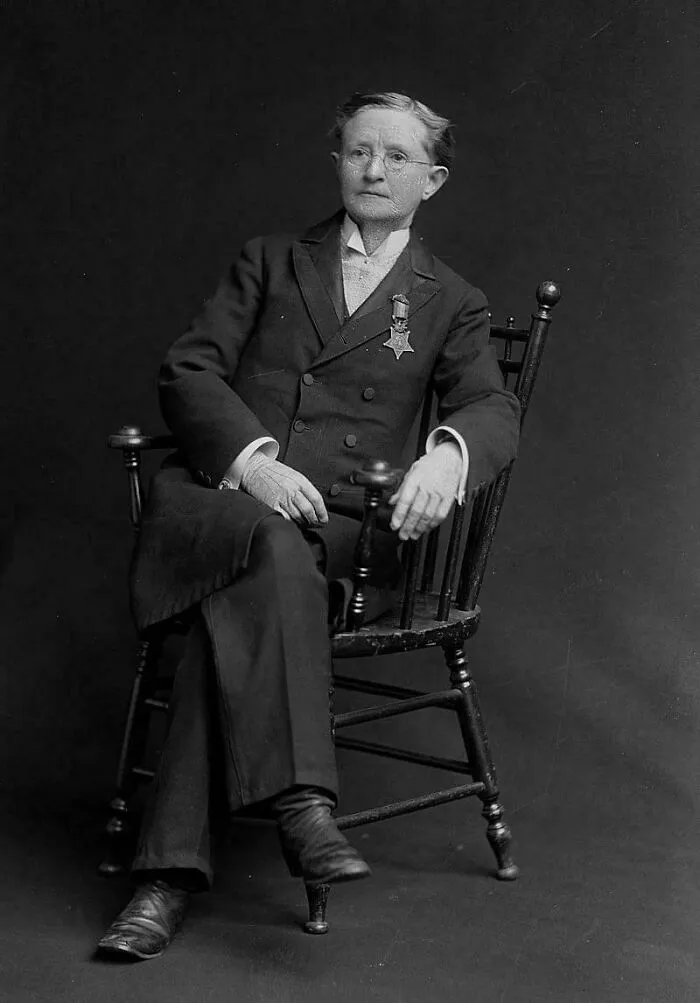
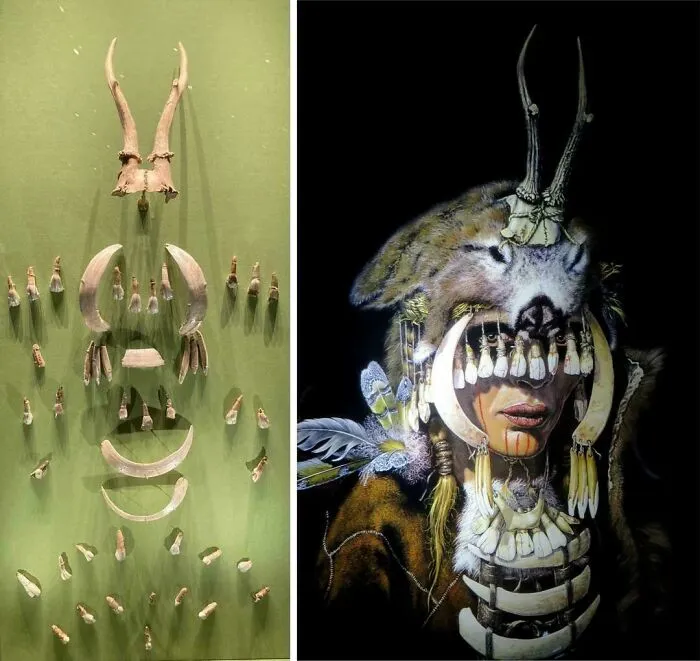
#18 The Shaman Of Bad Dürrenberg Are The Remains Of A 25-35 Year Old Woman, Who Was Burried 8600 To 9000 Year Ago In Germany. Around Her, Were The Remains Of An Extraordinary Head-Dress, Made From The Bones And Teeth Of Different Animals Such As Deer, Wild Boar, Crane And Turtle
Digital cameras and online platforms have made it incredibly easy to save and share our history. Today, anyone with an internet connection can instantly access images of ancient traditions, historic sites, and rare art from around the globe.
Online projects like Google Arts & Culture and the UNESCO archives also serve as digital time capsules.
“I think the power of the image is even more powerful now. I think the impact is still there. There are people who are out there who are citizens, and they are witnessing their own world and sharing that world. And social media has become such a powerful tool for change. The number of images and videos that can be captured really changes how people can record history,” says Ken Light, UC Berkeley journalism professor and an award-winning photojournalist.
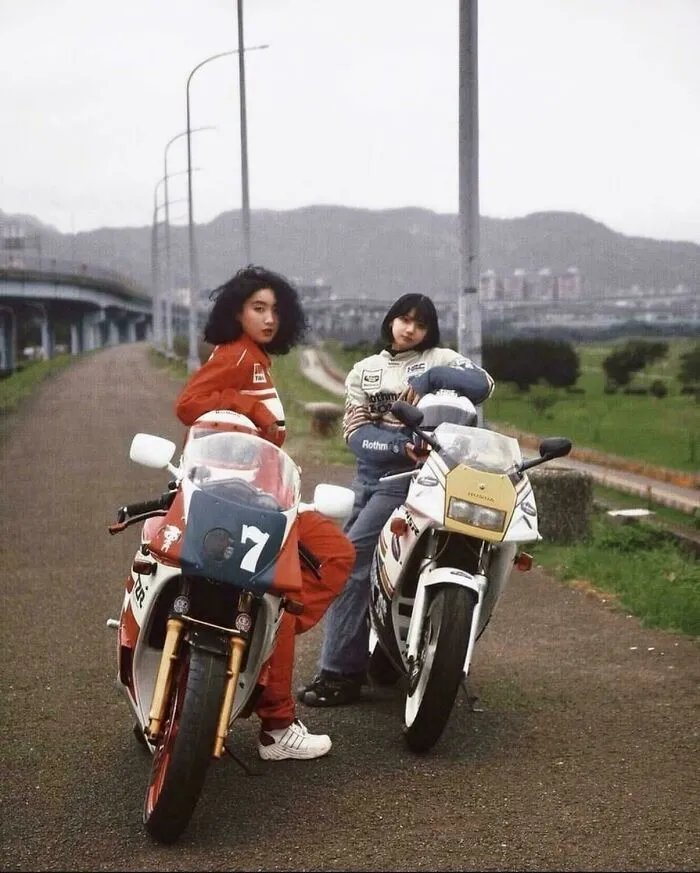
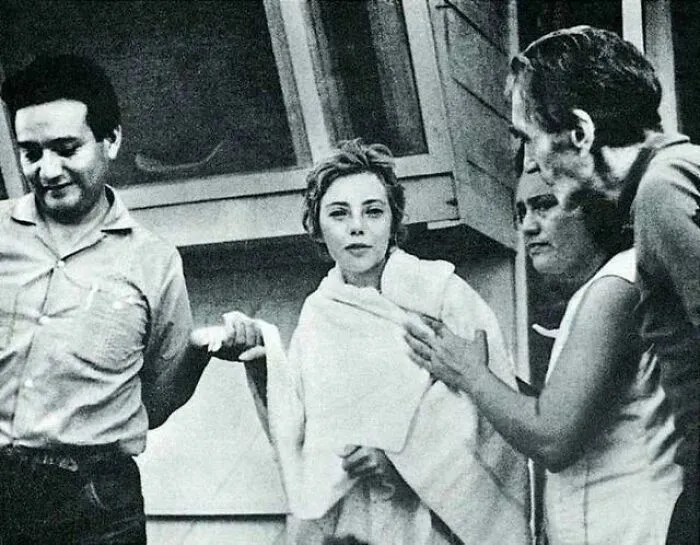
#20 17 Year-Old Juliane Koepcke Was Sucked Out Of An Airplane In 1971 After It Was Struck By A Bolt Of Lightning. She Fell 2 Miles To The Ground, Strapped To Her Seat And Survived After She Endured 10 Days In The Amazon Jungle
When you look closely at these historical photos, the small background details often tell the most fascinating stories.
A random billboard on a street corner, the price of milk on a storefront sign, or a strange gadget in someone’s hand can reveal exactly what life was like back then.
These accidental details weren’t the photographer's main focus, but today they serve as tiny time capsules of a forgotten world.