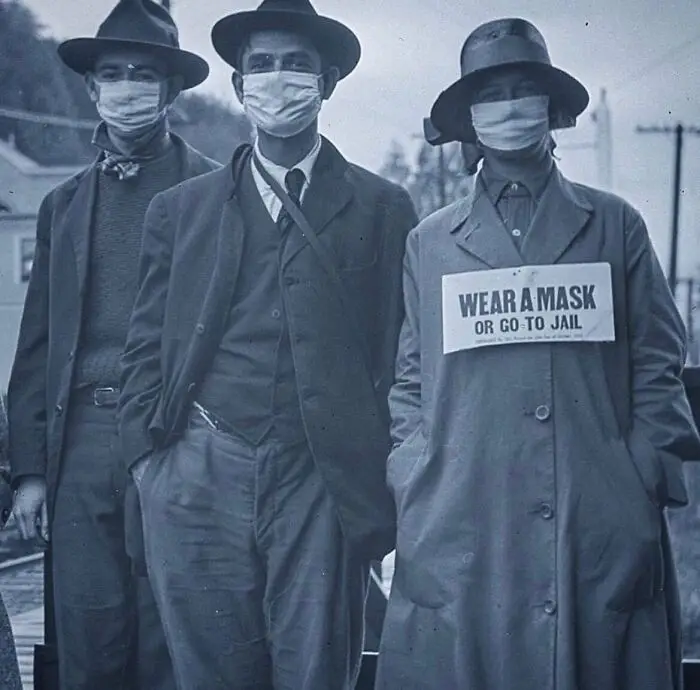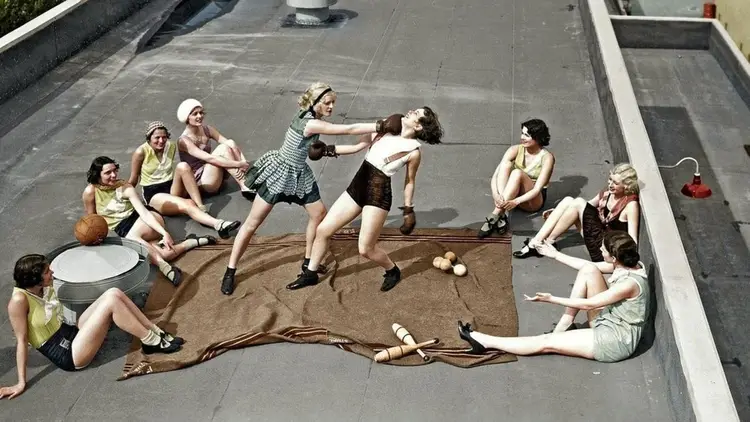


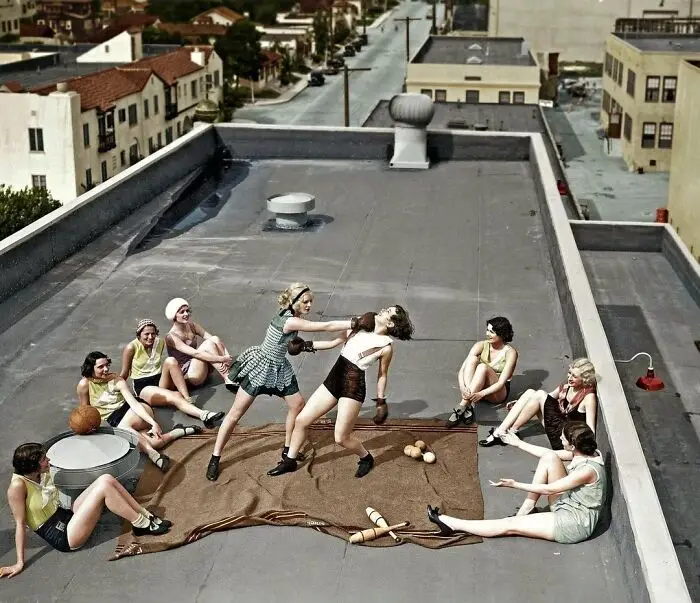
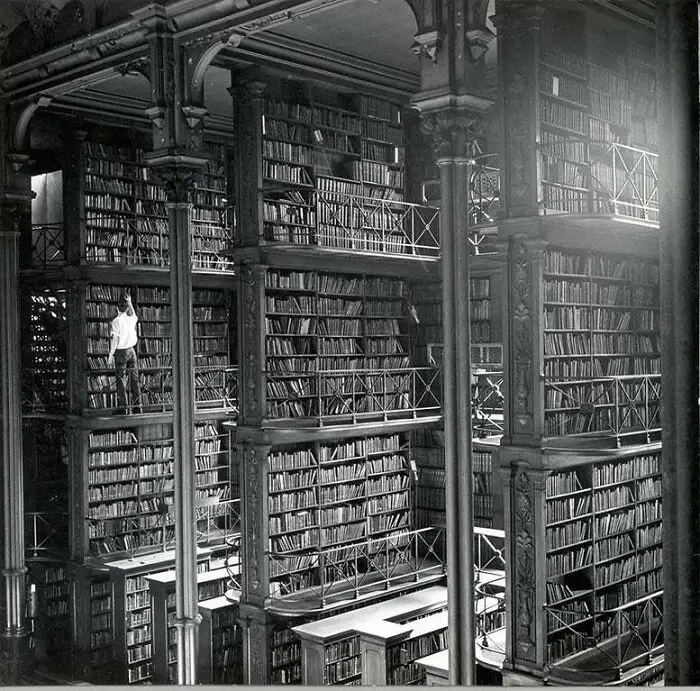
Historical photographs show a side of the past that history books often miss. Old photographs offer more than a glimpse of what people looked like decades ago. They let us see how families lived, what people wore, how they worked, and how communities came together.
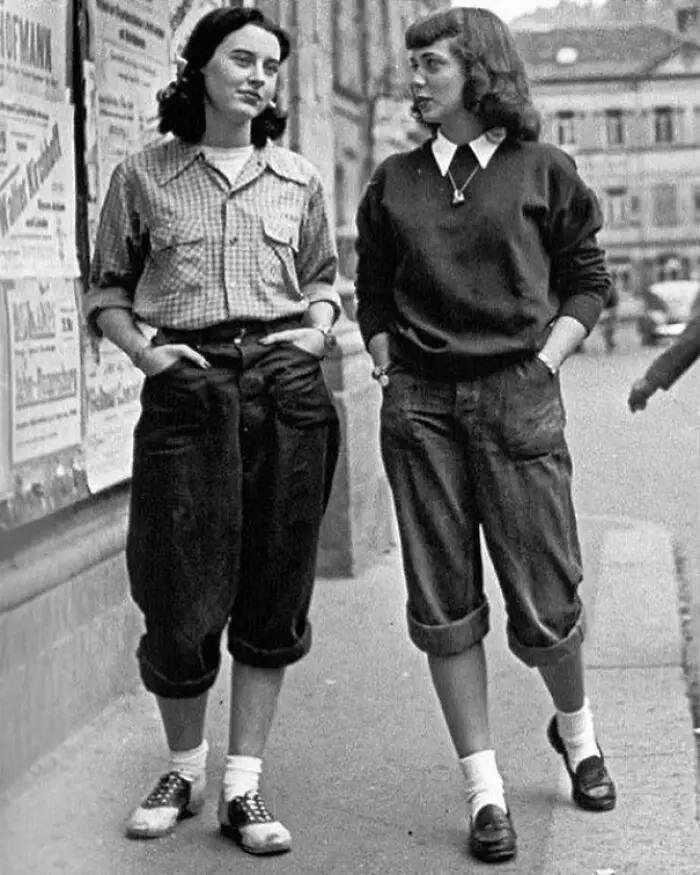
A photo of a family eating dinner or teenagers walking on a busy street can show us things that traditional history accounts might miss. These everyday moments help us understand the past through the lives of regular people.
The National Archives uses photos from different times, like Victorian and post-war Britain, to learn about family life, communities, and how social habits changed. By studying these images, we can find details that dates, political events, and history books often miss.
#4
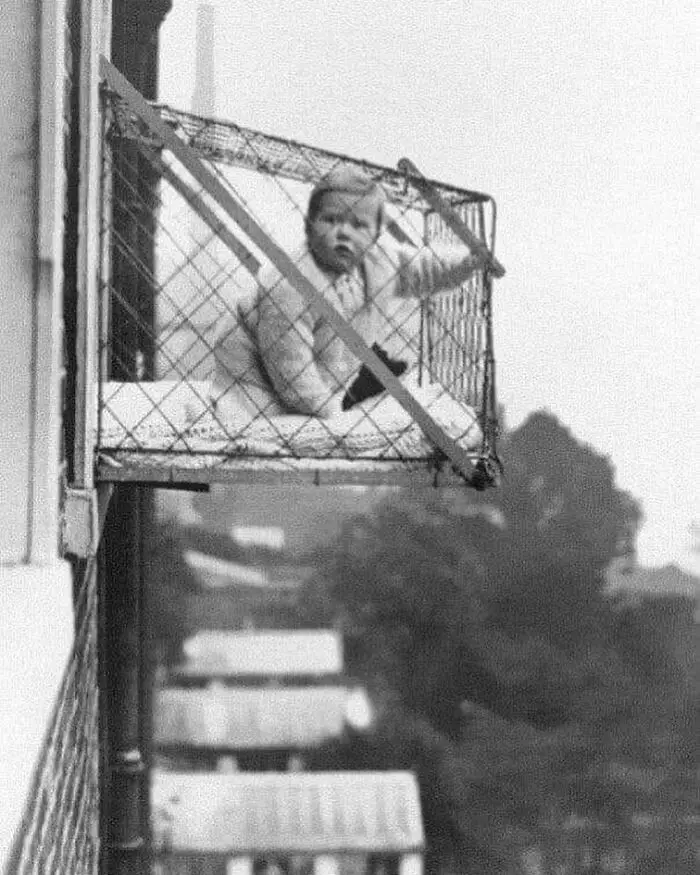
Ever wondered why old photographs make us feel nostalgic for times we never experienced? Sometimes, looking at these everyday scenes brings out an unexpected feeling: nostalgia. People can develop a sentimental attachment to decades they never experienced firsthand, a phenomenon psychologists call historical or social nostalgia.
A photo of a 1960s living room, an old diner, or a busy city street can make a time we never knew feel oddly comforting. Still, this feeling doesn’t always match what life was really like back then,
People who feel nostalgic for times they never lived in often see those eras through rose-colored glasses. They focus on the good parts and forget the challenges people faced. Movies, photos, music, and stories all help create this idealized view of the past.
#5
#6
That emotional connection with the past becomes even more powerful when a photograph captures a moment of human suffering. Reading about a humanitarian crisis involving thousands can feel distant, but seeing one person affected makes it much harder to ignore. One image can give a huge event a human face.
The iconic photo of three-year-old Syrian refugee Alan Kurdi, whose body washed up on a Turkish beach in 2015, drew global attention to the refugee crisis. For a short time, the image affected people more than statistics about many lives lost. It showed how one photo can make a faraway tragedy feel close, even if that feeling fades over time.
#7
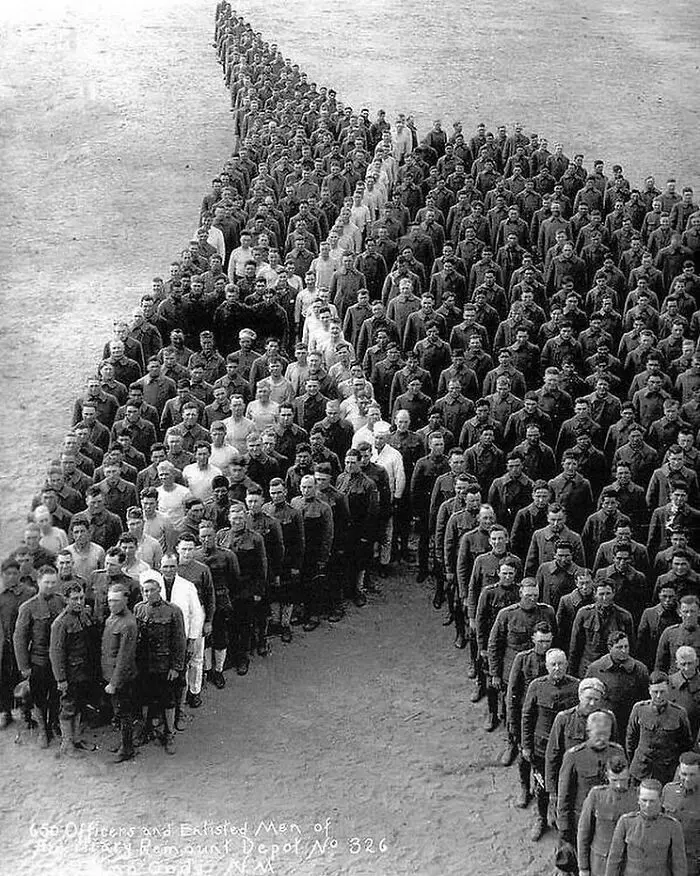
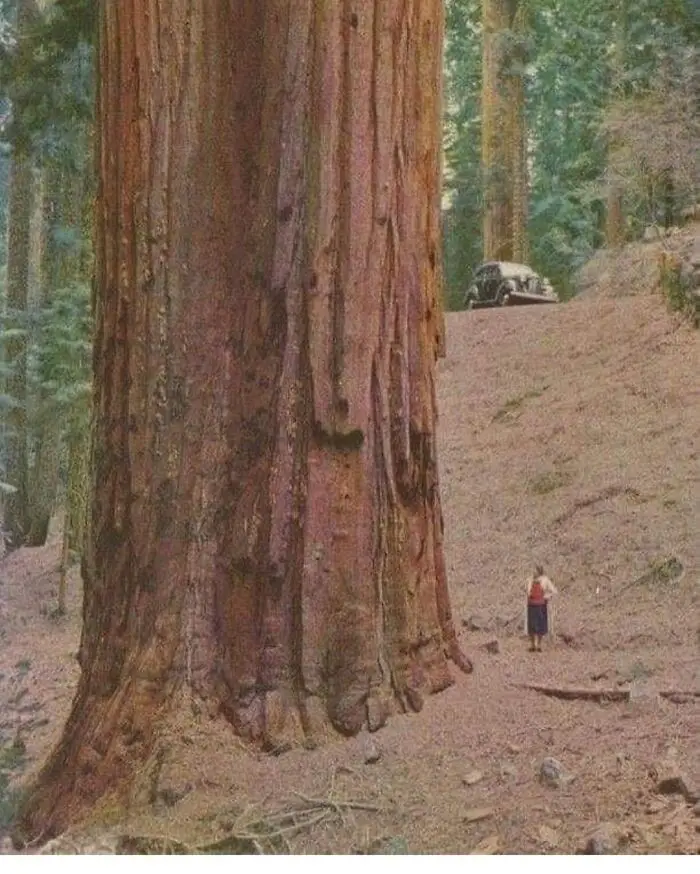
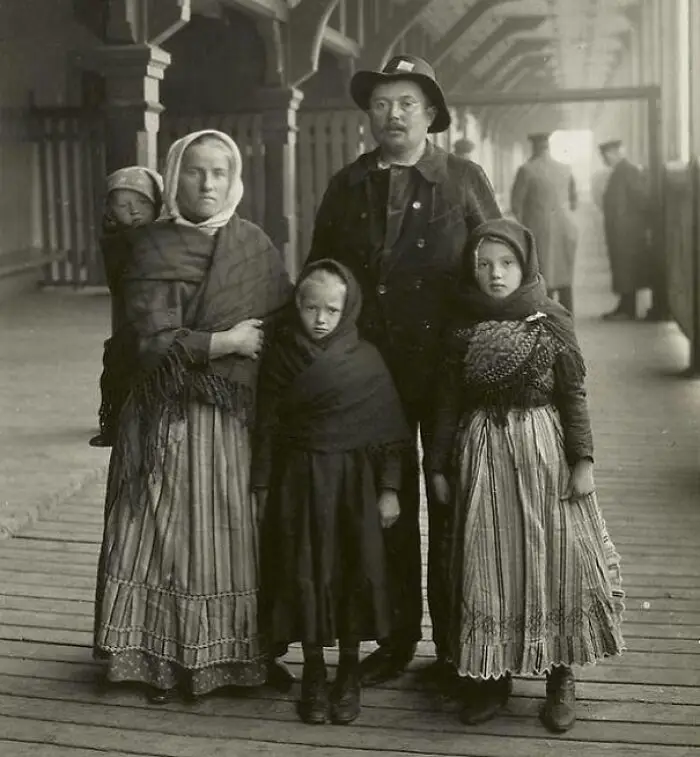
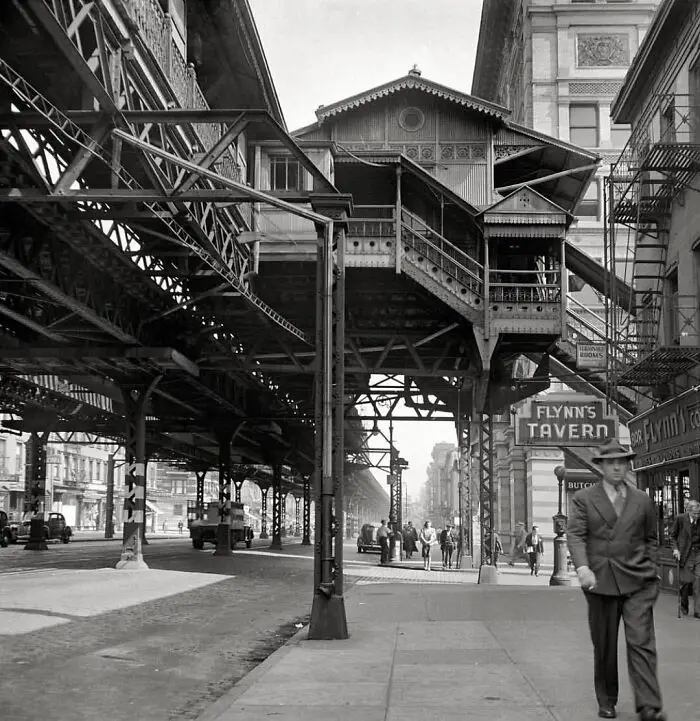
Beyond the emotions they bring out, historical photographs also give us a way to measure how much the world changes. A street you know well can look completely different after a few decades. Old storefronts might disappear, new buildings can take the place of familiar landmarks, and whole neighborhoods may develop a new character.
Photographer Camilo José Vergara has been capturing these changes since the 1970s by visiting the same places over many years. His photos of American cities reveal how small changes in buildings, streets, and neighborhoods build up over time. When you compare images from different decades, it becomes easier to spot changes that people living there might hardly notice.
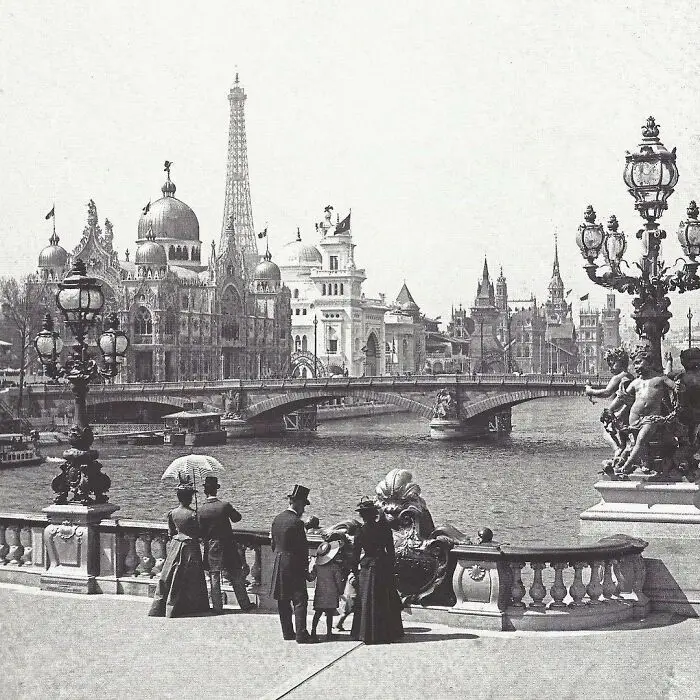
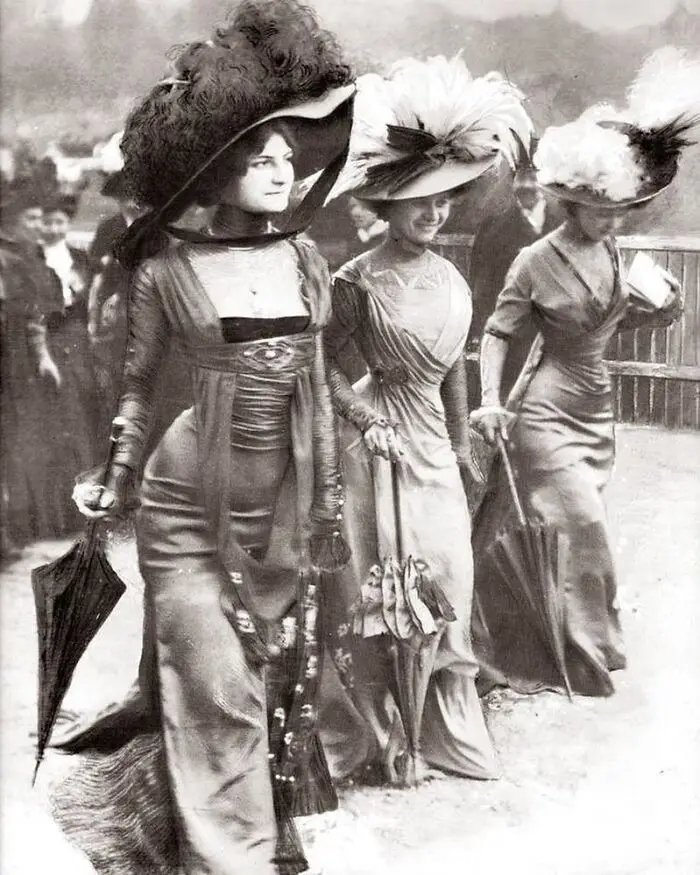
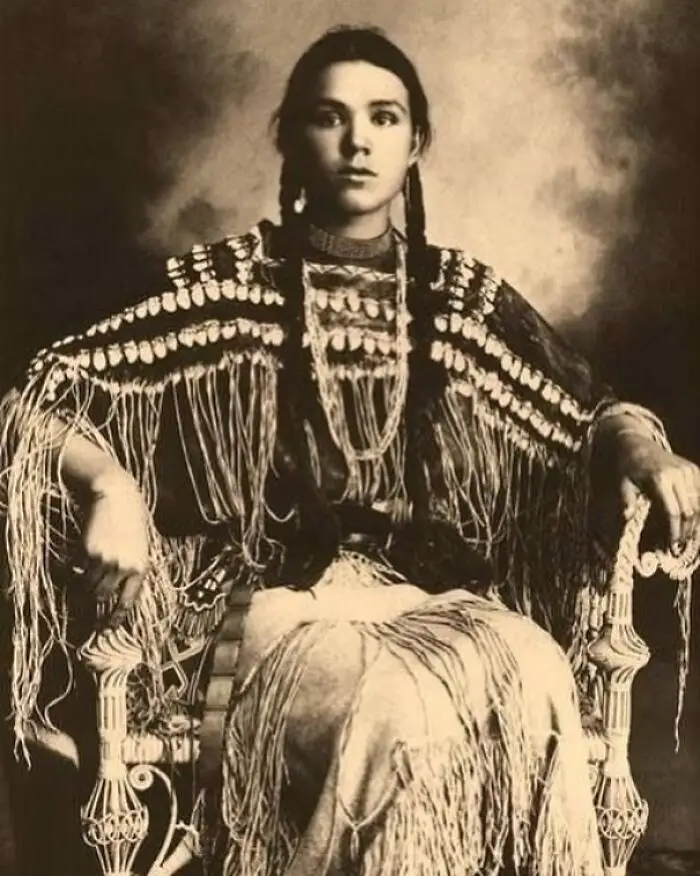
Still, comparing old photographs also raises an important question: how much can we really learn from a single image? A photograph may show a person smiling, a crowded street, or an unusual gathering, but it rarely explains what happened before the camera clicked or what followed afterward. Without that context, viewers can easily misinterpret what they see.
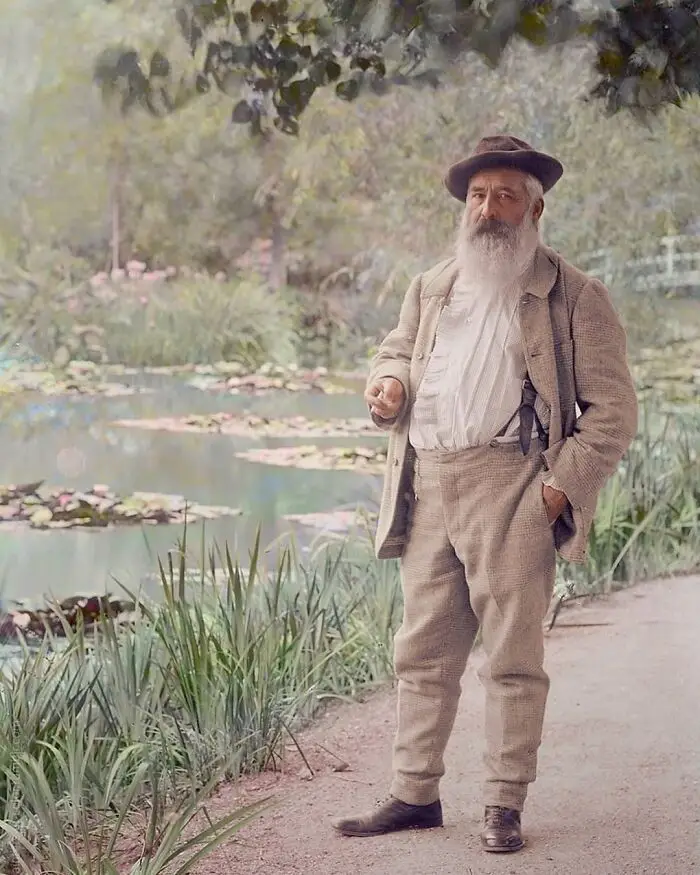
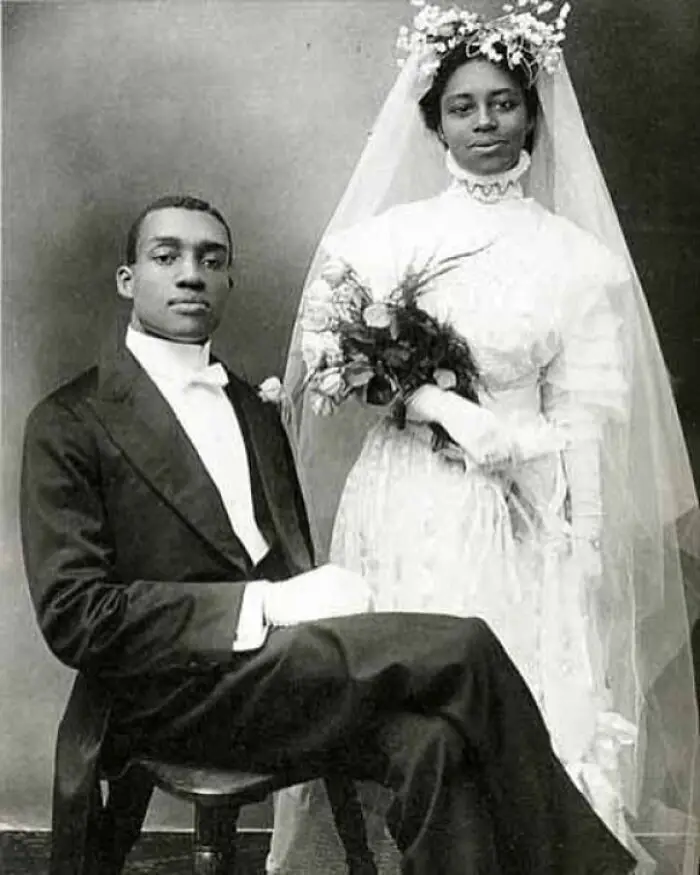
Photographs also reflect the choices of the person behind the camera. The angle, framing, timing, and details left outside the picture all influence the story viewers take away. The Museum of Modern Art explains that images can help document history, but their meaning depends heavily on how people present and interpret them.
#15
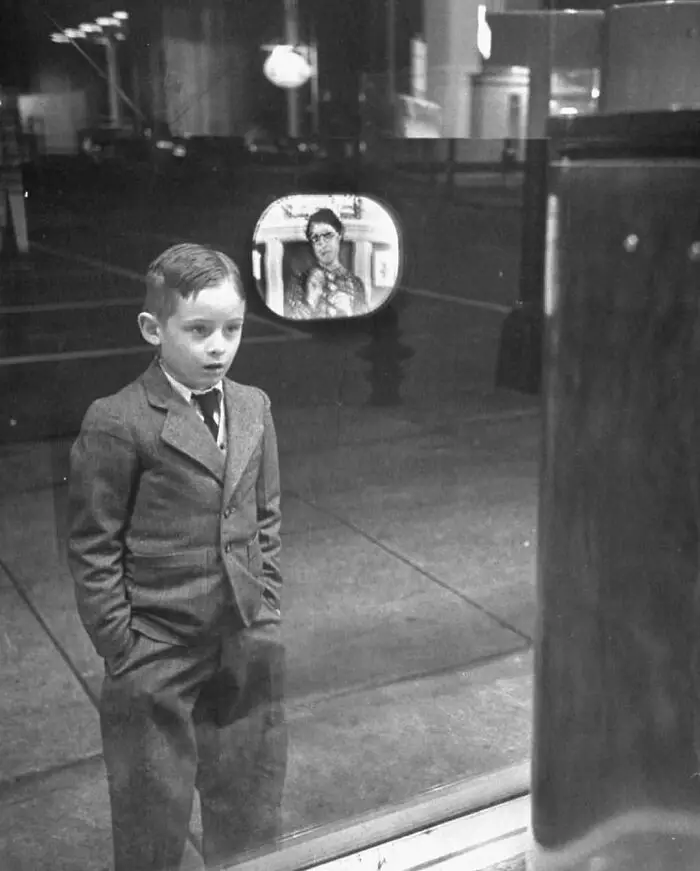
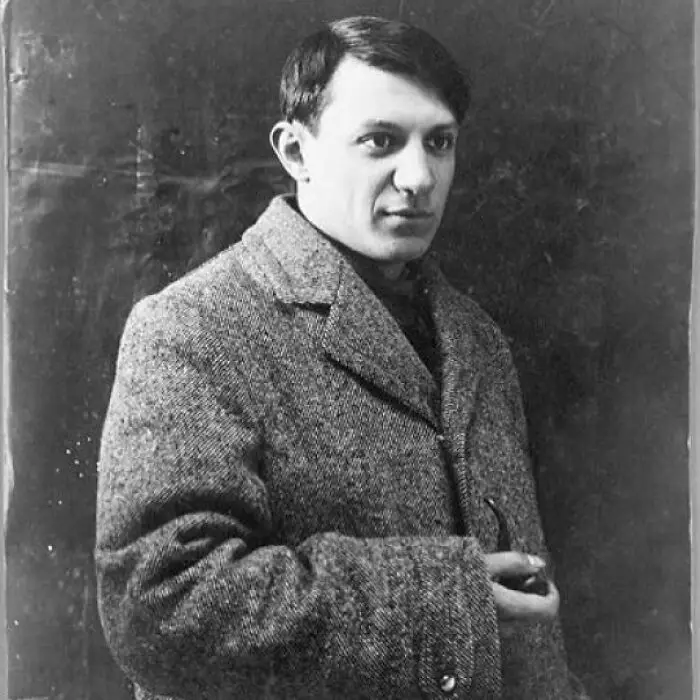
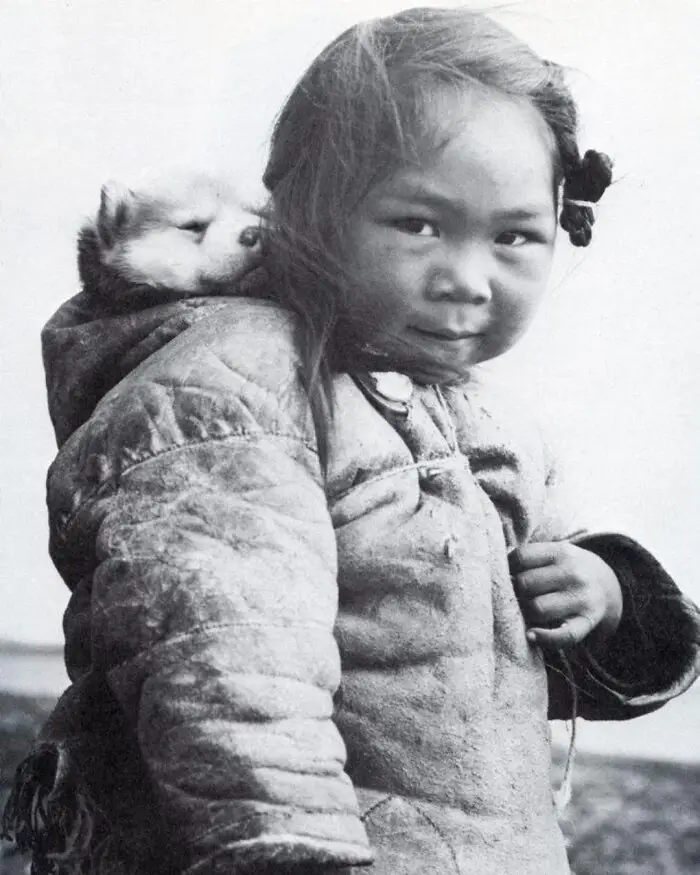
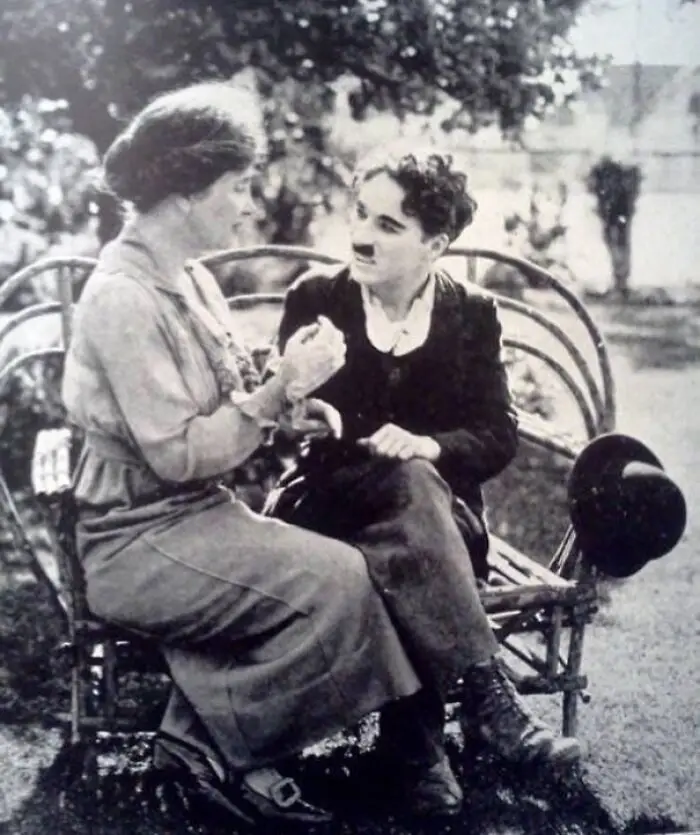
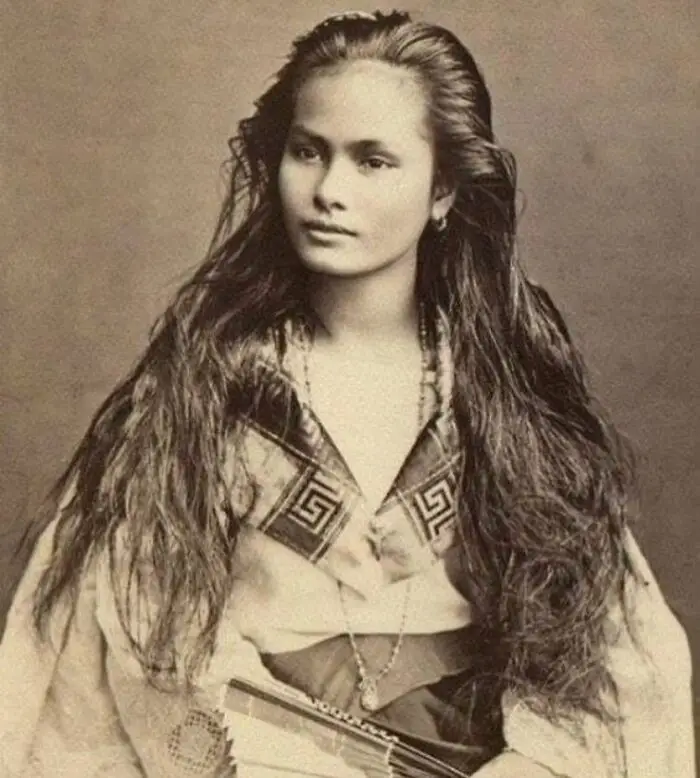
And perhaps that's exactly what makes historical photographs so appealing: they leave us with questions we want answered. Who are the people in the picture? What were they doing there? Why did someone decide to capture that particular moment? When an image offers just enough clues without explaining everything, curiosity naturally kicks in.
Psychologists have found that curiosity grows when people feel like they're close to remembering something but can't quite get there. In studies about déjà vu, participants became more curious and spent longer looking for answers when something seemed familiar but wasn't fully explained. That same urge to fill in the blanks can make it hard to scroll past an unfamiliar historical photo.
Every old photograph has a bit of a story, showing us that even ordinary moments can become interesting as time goes by. Sometimes, it's the smallest details that tell us the most about the world we used to know.
Which of these photos surprised you the most? Share your thoughts and comments below!
#17
#18
#20