






It’s almost always noble and useful to sit down and start learning about something new, but it’s also very easy to get overwhelmed by all the things one suddenly discovers they don’t know. Fortunately, there are quite a few ways cool facts can be made into bit-sized morsels of information.
So arm yourself for your next trivia night with the collection of interesting facts we’ve gathered from this Instagram page. Get comfortable as you read through, upvote your favorites and be sure to share your own thoughts in the comments section down below.
More info: Instagram
#41
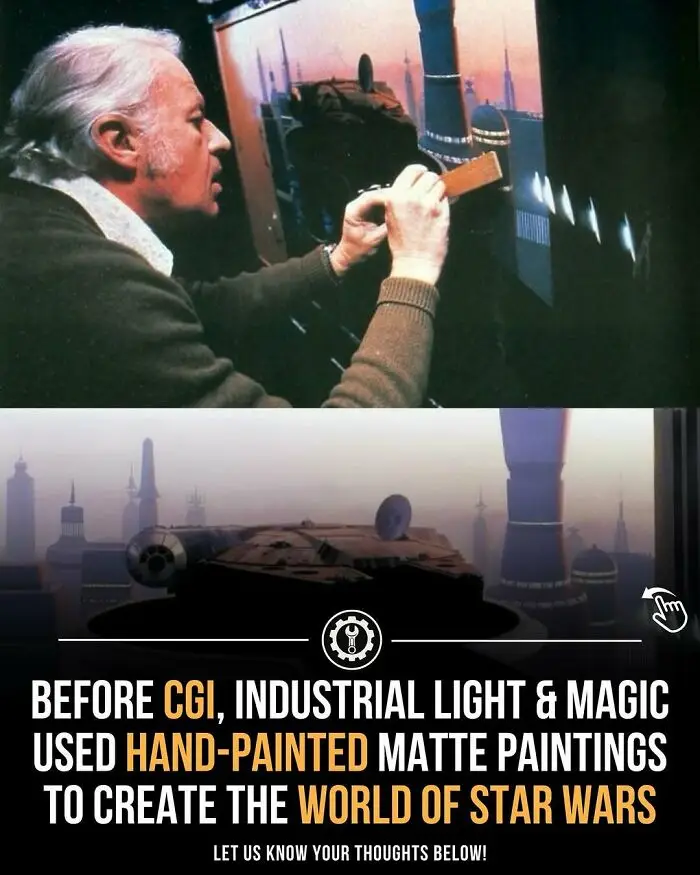
Before CGI existed, entire worlds in Star Wars were painted by hand. 🎨 Industrial Light & Magic relied on matte paintings—massive sheets of glass painted in oil—to create environments that didn’t exist on set. Artists like Ralph McQuarrie and Harrison Ellenshaw designed and painted locations like Cloud City, Hoth, and the interiors of the Death Star with incredible precision. The technique was deceptively simple but technically demanding. Parts of the glass were left transparent so live-action footage could be composited behind or within the painting. When perfectly aligned with the camera, the illusion was seamless—turning small sets into vast, cinematic worlds. These weren’t just backgrounds. They were extensions of imagination, blending art and engineering to expand what filmmaking could show on screen. Long before digital rendering, this is how a galaxy far, far away was built.
Report
28points
#42
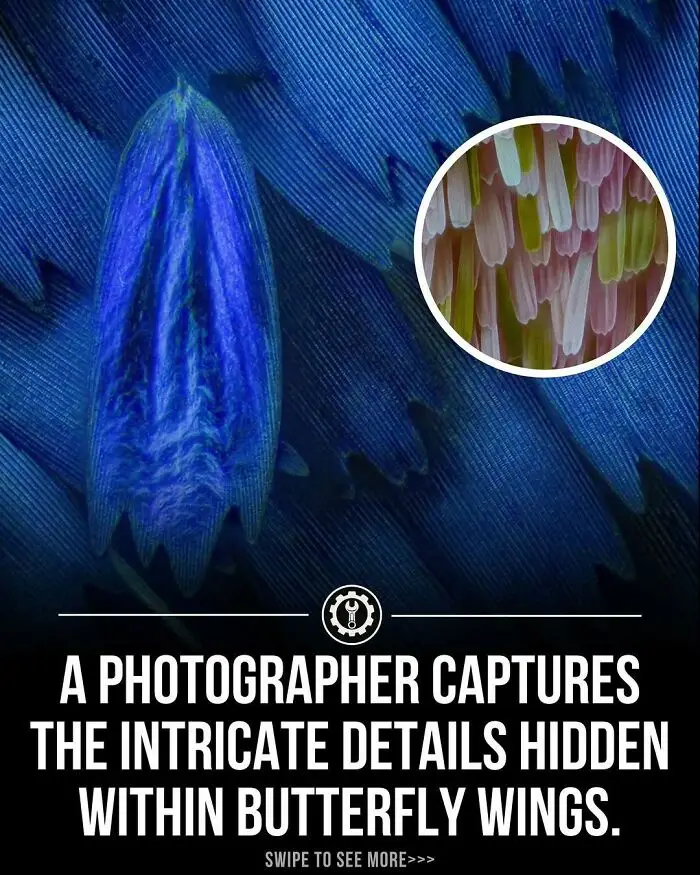
Butterfly and moth wings may look smooth — but they’re built from thousands of microscopic overlapping scales. That’s why they belong to the order Lepidoptera, from the Greek words meaning “scaly wing.” Each scale is made of chitin and arranged like roof shingles across a thin wing membrane. These scales: • Produce color through pigments and structural light interference • Help with thermoregulation by absorbing and retaining heat • Influence airflow and drag during flight • Detach easily, helping the insect escape spider webs and predators What looks like a simple colored patch is actually a dense mosaic of microscopic structures interacting with light at nanoscale levels. Nature doesn’t apply color like paint. It engineers surfaces.
Report
27points
#43
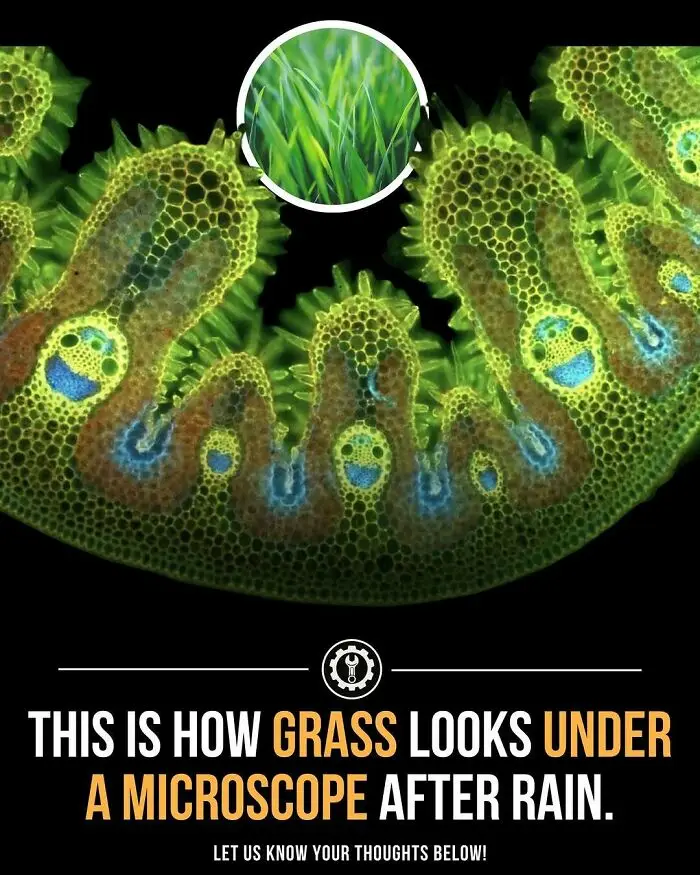
At first glance, grass looks simple—but under a microscope, it reveals an intricate world of plant cells. This image shows a cross-section of a grass leaf, where tightly packed cells form highly organized patterns. The green areas contain chloroplasts, where photosynthesis takes place, while surrounding tissues help move water and nutrients throughout the plant. The shapes may look almost animated, but they’re simply the result of how plant cells are structured and arranged at a microscopic level. It’s a reminder that even the most ordinary things around us are built with incredible complexity—hidden just beyond what we can see.
Report
27points
#44
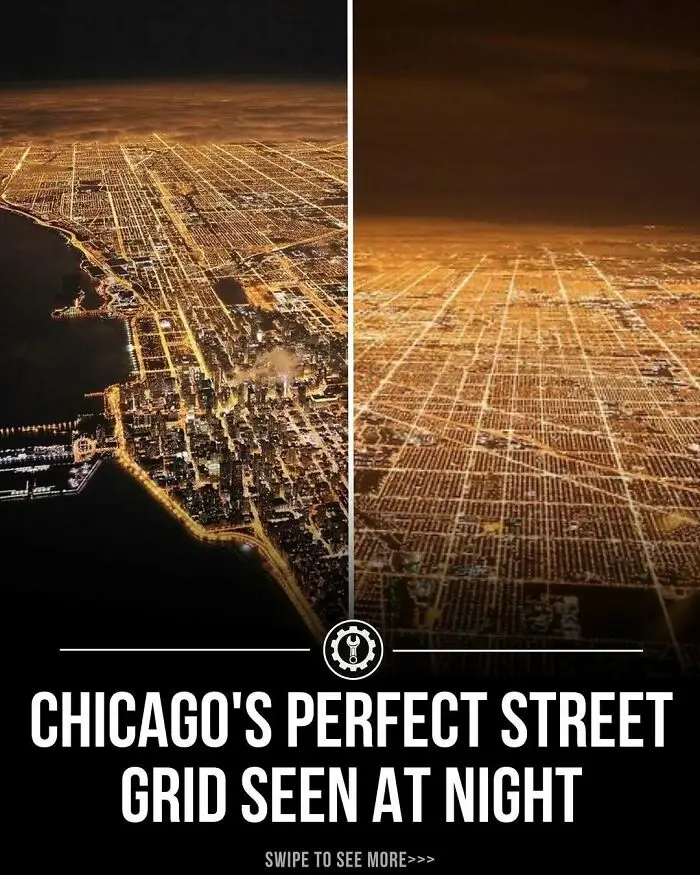
Chicago’s iconic street grid is one of the most organized urban layouts in the world. After the Great Chicago Fire of 1871, much of the city was rebuilt with a structured, uniform grid system designed to support rapid expansion and simplify navigation. Stretching for miles along Lake Michigan, the alignment of streets and avenues creates a near-mathematical pattern that becomes especially striking from the air at night. What looks almost digital is actually over a century of intentional urban planning — a city engineered for growth, efficiency, and clarity.
Report
26points
#45

Shrine of the Three Kings sits just behind the high altar of Cologne Cathedral and is the largest reliquary in the Western world. Built between 1180 and 1225 by the master goldsmith Nicholas of Verdun, it’s considered one of the greatest surviving masterpieces of Mosan art. What makes it extraordinary: 🏛 Designed like a basilica – Shaped as a triple sarcophagus (three connected tombs), resembling a miniature church. 🪵 Wooden core, golden skin – Constructed with a wooden structure covered in gilded silver and gold. 💎 Over 1,000 gemstones – Embedded with precious stones, ancient cameos, and intricate enamel work. 👑 74 sculpted figures – Prophets, apostles, and biblical scenes in astonishing detail. It was created to house the relics of the Magi (the Three Kings), which were brought from Milan to Cologne in 1164. Their arrival transformed Cologne into one of medieval Europe’s most important pilgrimage destinations. In fact, the shrine became so significant that the current Gothic cathedral was built largely to honor and protect it — almost like a massive stone reliquary built around a golden one. A masterpiece of faith, craftsmanship, and medieval engineering.
Report
24points
#46
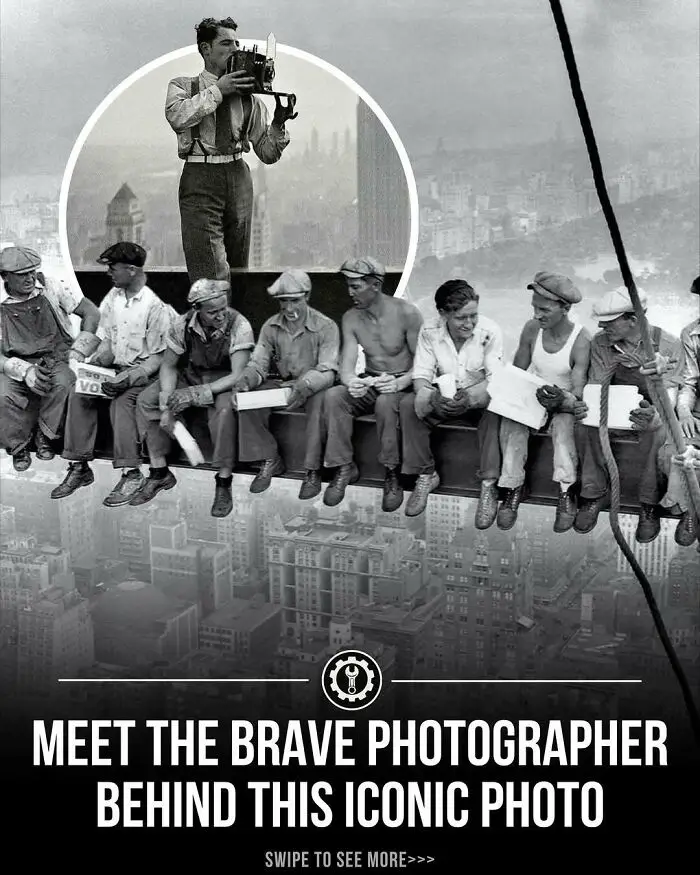
1932, construction workers building Rockefeller Center in New York were photographed sitting casually on a steel beam nearly 850 feet above Manhattan. The image became known as “Lunch Atop a Skyscraper,” one of the most recognizable photographs of the 20th century. While the workers became symbols of resilience during the Great Depression, the man capturing the moment was photographer Charles Clyde Ebbets. To take the shot, he positioned himself high above the city as well, balancing on the same unfinished structure while documenting the workers during a staged publicity photograph for the building’s construction. The photo captured more than a lunch break. It became a powerful symbol of ambition, risk, and the people who physically built the modern skyline.
Report
24points
#47
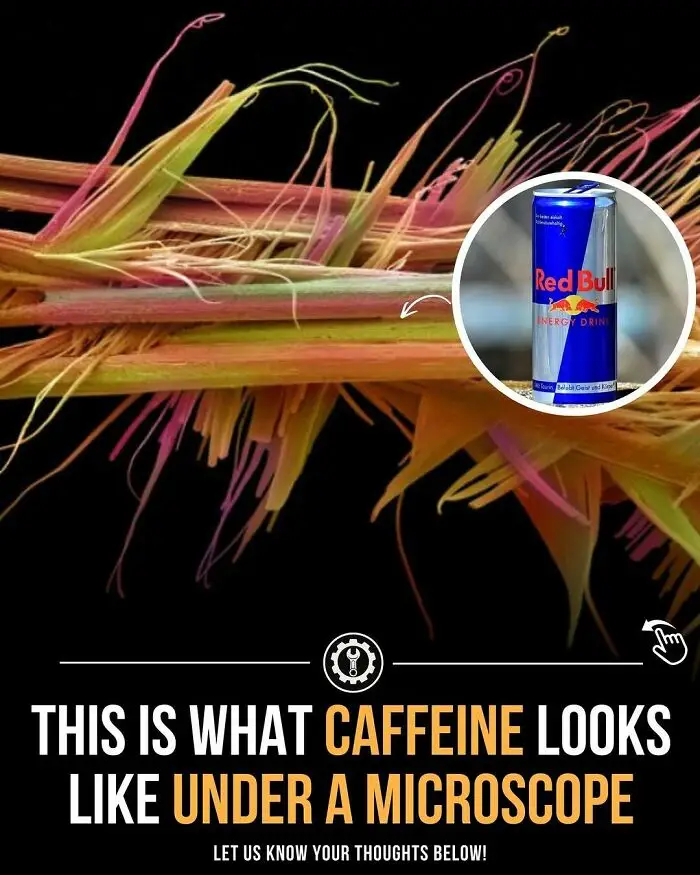
Under a microscope, caffeine doesn’t look anything like the clear liquid in your drink. When caffeine is extracted and viewed using polarized light microscopy, it forms thin crystalline structures that scatter light in striking ways. The crossed polarizing filters cause the crystals to refract light differently depending on their orientation, producing the vivid rainbow colors seen here. What you’re actually seeing is the internal structure of caffeine crystals interacting with polarized light — revealing patterns and textures that are completely invisible under normal lighting
Report
23points
#48
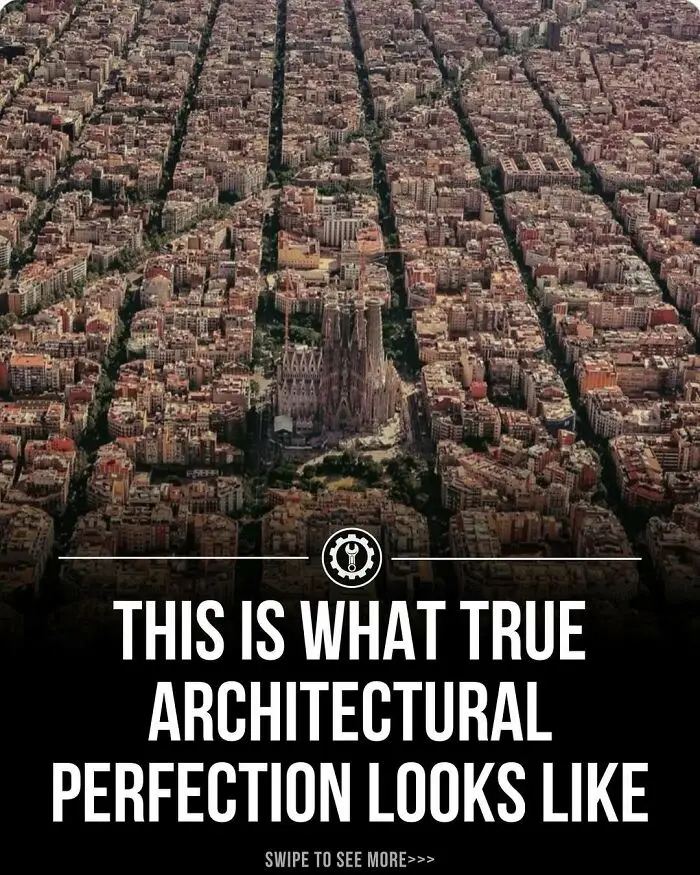
From above, it almost looks unreal. Captured by @boluddha This is Barcelona’s Eixample district — a 19th-century urban planning masterpiece designed by Ildefons Cerdà. Instead of narrow medieval streets, the city expanded using an octagonal grid system, where each block was chamfered at the corners to improve visibility, airflow, and traffic flow. The symmetry isn’t accidental. The spacing improves sunlight. The cut corners reduce congestion. Even landmarks like La Sagrada Família integrate seamlessly into the geometric layout. Urban planning at its finest. Architects understood the assignment.
Report
23points
#49

David Vetter was born in 1971 with Severe Combined Immunodeficiency (SCID), a rare genetic disorder that leaves the body without a functioning immune system. Even minor infections could be fatal. To protect him, doctors placed him inside sterile plastic isolation chambers just seconds after birth. Over time, his living space expanded into a specially designed, filtered plastic environment, including a mobile suit that allowed limited movement outside the chamber. NASA engineers helped develop parts of the containment system. In 1983, doctors attempted a bone marrow transplant using cells from his sister. Although it initially seemed promising, the transplant carried a dormant Epstein-Barr virus that triggered an aggressive lymphoma. David died in 1984 at age 12. His case brought global awareness to SCID and helped accelerate research into bone marrow transplants, gene therapy, and newborn screening programs. Today, SCID is routinely screened for in many countries, and survival rates are dramatically higher with early treatment. David’s life, though confined, helped reshape modern immunology.
Report
23points
#50
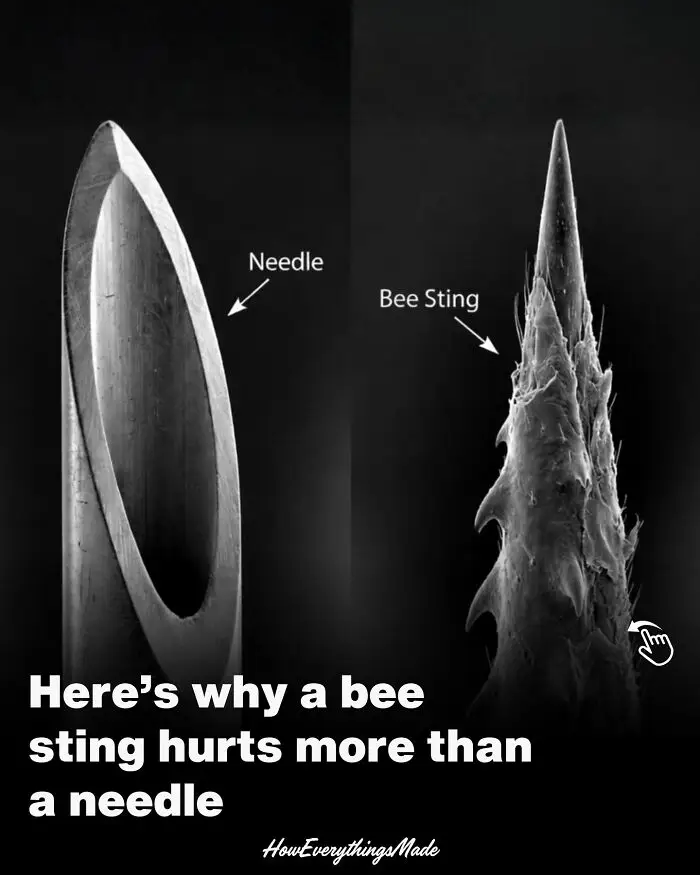
A bee sting hurts more than a needle because of both its structure and the venom it delivers.
Under magnification, a bee’s stinger is covered in backward-facing barbs that anchor into the skin. As the bee pulls away, these barbs can tear tissue and continue driving the stinger deeper, increasing pain.
At the same time, venom is injected containing compounds like melittin and phospholipase A₂. These directly activate pain receptors and trigger inflammation, which is what causes the burning sensation and swelling.
In contrast, medical needles are engineered to be smooth and sharply beveled, allowing them to pass through tissue with minimal damage, which is why injections are typically far less painful.
howeverythingsmade
Report23points
#51
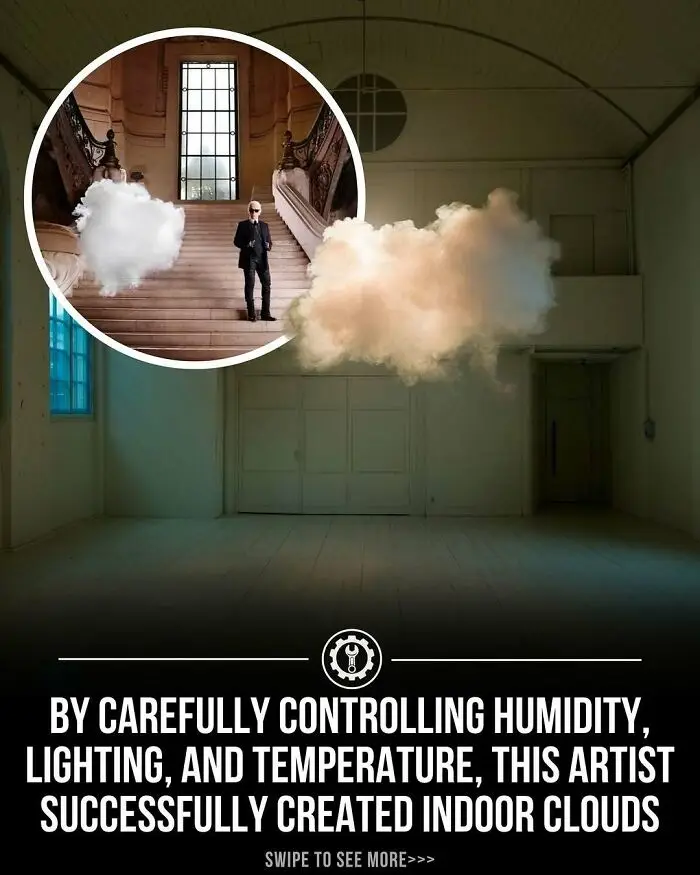
They say weather can’t be controlled — but Berndnaut Smilde turns it into sculpture. @berndnaut
Through his iconic “Nimbus” series, the Dutch artist creates perfectly formed clouds inside historic interiors — from grand churches to abandoned halls. By carefully calibrating humidity, temperature, and light, he releases a precise blend of smoke and vapor to shape a floating cloud that exists for only seconds before disappearing.
Nothing about it is random. Every cloud is engineered. Every photograph is timed. The installation vanishes almost instantly, leaving behind just one captured frame — a moment suspended between science and illusion.
The setting changes the meaning. In a cathedral, the cloud feels divine. In a palace, theatrical. In an empty room, almost haunting. The work reflects impermanence itself — something beautiful, controlled, and gone in an instant.
What remains isn’t the cloud. It’s the photograph.
Report
23points
#52

The chainsaw was originally invented for surgery—not for cutting trees. In the late 1700s, doctors developed a small hand-cranked device called an osteotome to assist with difficult childbirths. The tool used a chain with tiny teeth that rotated around a guide, allowing surgeons to carefully remove small sections of bone during procedures meant to widen the birth canal. These early chainsaws were much smaller than the modern machines used in forestry today. They were manually operated and designed specifically for medical use. Over time, similar chain-and-blade concepts were adapted for woodworking and logging. By the early 20th century, engineers developed motorized chainsaws powerful enough for cutting timber—eventually transforming the tool into the forestry equipment we recognize today. What started as a surgical instrument eventually became one of the most recognizable tools in the logging industry.
Report
22points
#53

From a distance, it doesn’t look like a building at all. It looks like a column of light rising out of lavender. Located in Chengdu’s Sino-French Agricultural Science and Technology Park, this church was designed by Shanghai Dachuan Architects as an exploration of light, atmosphere, and restraint. The entire structure is wrapped in layers of slender white aluminum rods that soften and filter daylight so evenly that hard shadows nearly disappear. Instead of solid walls, the façade acts like a veil — dissolving the boundary between architecture and landscape. Inspired by the lavender fields of Provence and the hazy softness of Impressionist painting, the design balances monumentality with transparency. As the sun shifts, the church glows, fades, and subtly changes tone, creating the illusion that it floats above the field rather than rests on it. It feels less like something built — and more like light carefully arranged into form.
Report
22points
#54

At first glance, it looks like a mysterious natural phenomenon — a forest in Japan growing in a perfectly shaped spiral. But the pattern is actually the result of centuries-old forestry techniques practiced in the Kitayama region near Kyoto, where workers carefully planted and maintained rows of Kitayama cedar trees. These trees are cultivated using a traditional method called daisugi, where cedars are pruned in a precise way that encourages straight, uniform trunks to grow upward from a single base. Over time, foresters arranged plantings and maintenance patterns that create striking geometric formations when viewed from above. The method dates back hundreds of years and was originally developed to produce high-quality cedar wood used in traditional Japanese architecture and tea houses. What looks like a natural spiral is actually a fascinating example of how human craftsmanship and nature can blend together to create something visually extraordinary.
Report
21points
#55

Researchers, including teams in Canada, are developing microscopic medical robots aimed at improving kidney stone treatment. These systems are not autonomous robots freely crawling through the body. Most are magnetically guided micro-devices or ultrasound-assisted tools designed to operate within the urinary tract, where they can help fragment kidney stones or improve precision during minimally invasive procedures. The technology is still largely experimental, with much of the work limited to laboratory and early animal studies. While the concept shows promise for reducing surgical trauma and recovery time, no fully autonomous, rice-sized robot has been approved for clinical use in humans. The real innovation isn’t sci-fi robotics — it’s the growing ability to control medical tools at the millimeter scale inside the human body.
Report
18points
#56

Starting in the late 1800s and continuing into 1930, the city carried out massive “regrade” projects to flatten steep hills that made development nearly impossible. The most famous was Denny Hill, which was gradually washed away using high-pressure water cannons in a process called hydraulic sluicing. Millions of cubic yards of earth were removed and reused to fill in nearby tidal flats, helping create new buildable land and expand areas like modern-day Belltown and the waterfront. At one point, a few property owners refused to sell, leaving behind strange, temporary “spite mounds” where houses stood isolated high above the surrounding terrain. The result wasn’t just new land. It was an entirely new version of Seattle — engineered from the ground up to support a modern city.
Report
17points
#57

It looks like something is missing… because it is. Photographer @ericpickersgill created a series called Removed, where he captures people in everyday moments — but with one key difference: their phones are gone. Instead of editing them out, Pickersgill physically removes the devices just before taking the photo. The result is striking. What normally feels like a casual, everyday scene suddenly feels distant, quiet, and disconnected. The idea came after he noticed a family sitting together in a café, each person absorbed in their own screen. That moment inspired a project that highlights something we rarely question anymore — how often we’re physically present, but mentally somewhere else. By removing the phones, the images don’t just change visually… they change emotionally. They reveal just how much our interactions have shifted in the age of constant connection
Report
17points
#58

They may look like party balloons, but this is actually one of the most important stages in how grapes develop. 🍇 During a phase called veraison, grapes begin ripening. The berries soften, sugars increase, and pigments start forming inside the skin. In red grape varieties, this is when they transition from green into shades of red, purple, and blue. Because each grape doesn’t ripen at exactly the same speed, a single cluster can briefly show multiple colors at once.
Report
15points
#59
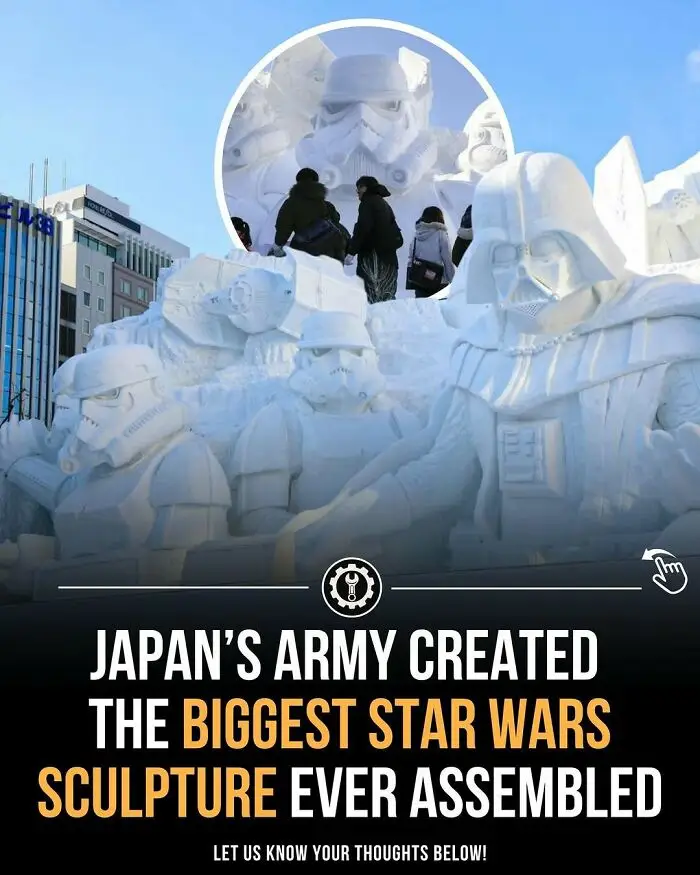
At the 2015 Sapporo Snow Festival, the 11th Brigade constructed a 15 meter tall, 23 meter wide scene using over 3,100 tonnes of snow. The build featured Darth Vader, stormtroopers, Vader’s TIE Advanced, and the Death Star towering behind them. The project was officially approved by Lucasfilm and timed ahead of The Force Awakens, turning it into both a global attraction and a massive promotional moment. What makes it even more interesting is that these builds double as real-world training for large scale construction in extreme winter conditions, something the military has been doing at the festival since 1955. Hard to believe something this detailed was made entirely from snow.
Report
15points
#60

Kawasaki unveiled a futuristic concept known as “CORLEO” — a four-legged, rideable robotic mobility platform designed for extreme terrain. Unlike traditional motorcycles, this machine uses articulated robotic legs instead of wheels, allowing it to step, climb, and stabilize itself over uneven landscapes like snow, rocks, and mountainsides. The concept combines Kawasaki’s motorcycle engineering with robotics and alternative energy research, including hydrogen power exploration. While production timelines haven’t been officially announced, the reveal highlights how major manufacturers are experimenting with legged robotics as a potential future for personal mobility in environments where wheels struggle. It’s less “horsepower” — and more actual robotic horse.
Report
14points
