
It’s almost always noble and useful to sit down and start learning about something new, but it’s also very easy to get overwhelmed by all the things one suddenly discovers they don’t know. Fortunately, there are quite a few ways cool facts can be made into bit-sized morsels of information.
So arm yourself for your next trivia night with the collection of interesting facts we’ve gathered from this Instagram page. Get comfortable as you read through, upvote your favorites and be sure to share your own thoughts in the comments section down below.
More info: Instagram
#21
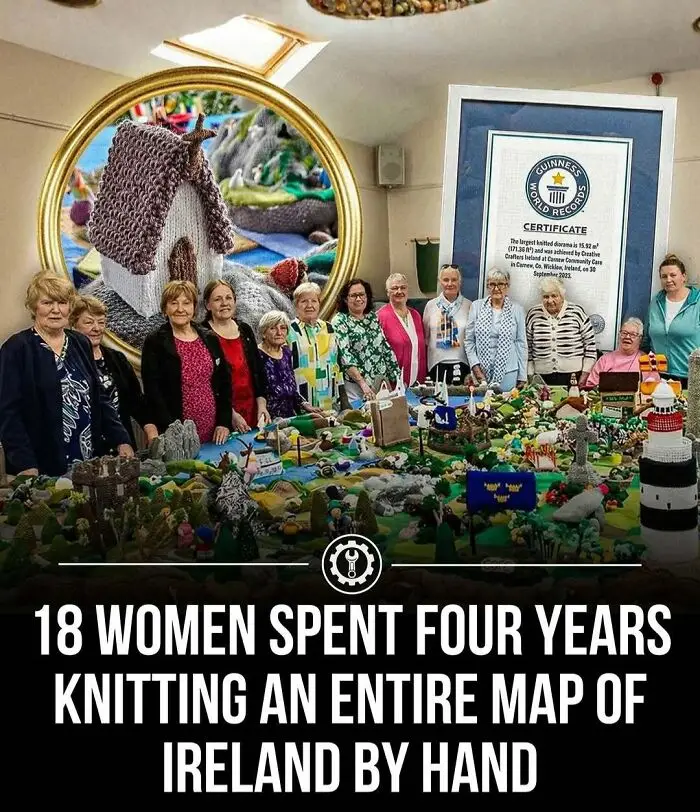
What began as a simple weekly knitting circle turned into a world-record masterpiece. 🌍🧶 In County Wicklow, Ireland, 18 women came together at Carnew Community Care with an idea to create something special — and over four years, that idea grew into a fully detailed, hand-knitted map of Ireland. From rolling green hills and stone castles to tiny sheep and local landmarks, every element was carefully stitched in wool. The finished piece measured 15.92 square metres (171 sq ft) and was officially recognised by Guinness World Records as the largest knitted diorama ever created. But beyond the title, the project represents something even bigger: patience, friendship, and the power of community craftsmanship. It’s proof that when creativity meets consistency, even yarn can make history
Report
45points
#22
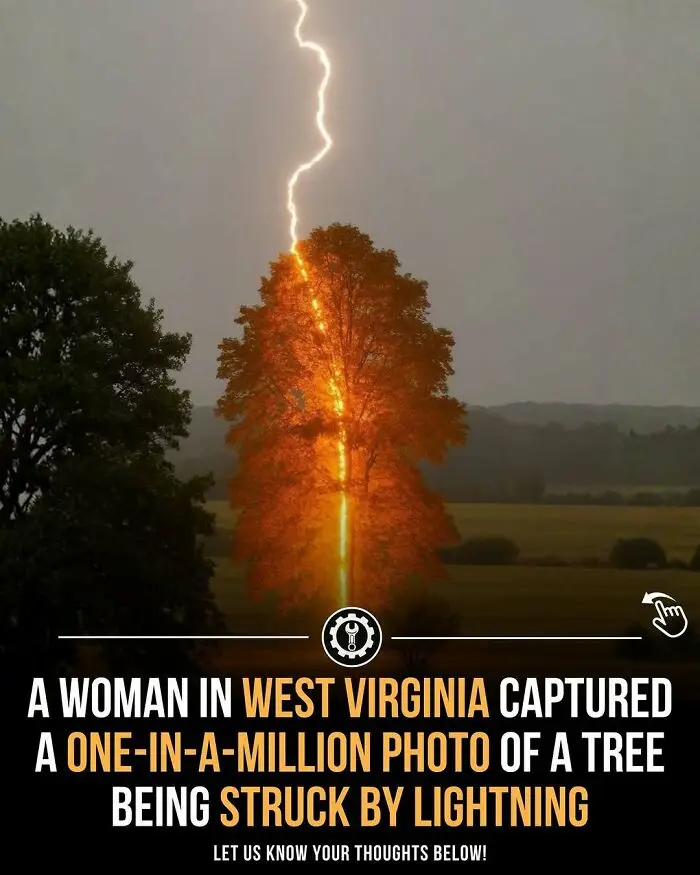
In a split second of perfect timing, West Virginia photographer Donnie Dania captured a lightning bolt striking a tree at the exact moment the camera shutter clicked. ⚡🌳 Lightning can reach temperatures hotter than the surface of the Sun, instantly superheating the air and releasing enormous energy as it travels to the ground. When it strikes a tree, the moisture inside the wood can rapidly vaporize, sometimes causing the trunk to explode or split apart.
Report
44points
#24
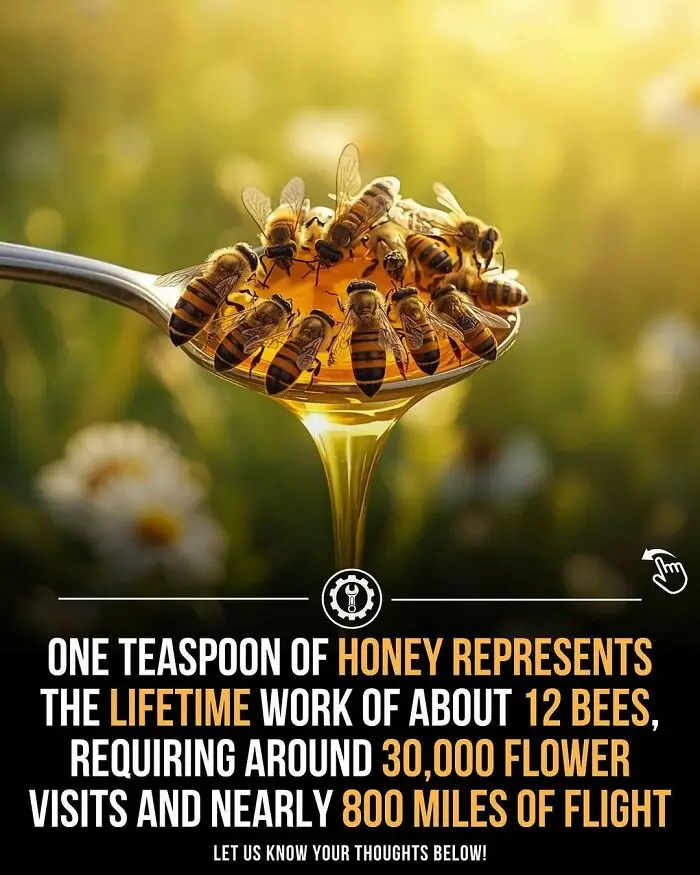
That teaspoon of honey is far more valuable than it looks. To produce just one teaspoon, about 12 honeybees will spend their entire lives collecting nectar—visiting roughly 30,000 flowers and flying close to 800 miles combined. Each trip brings back only a tiny drop, which is then transformed and stored inside the hive. Beyond honey production, bees are essential to global ecosystems. They pollinate around 75% of the world’s major crops, supporting everything from fruits and vegetables to nuts and seeds.
Report
38points
#25
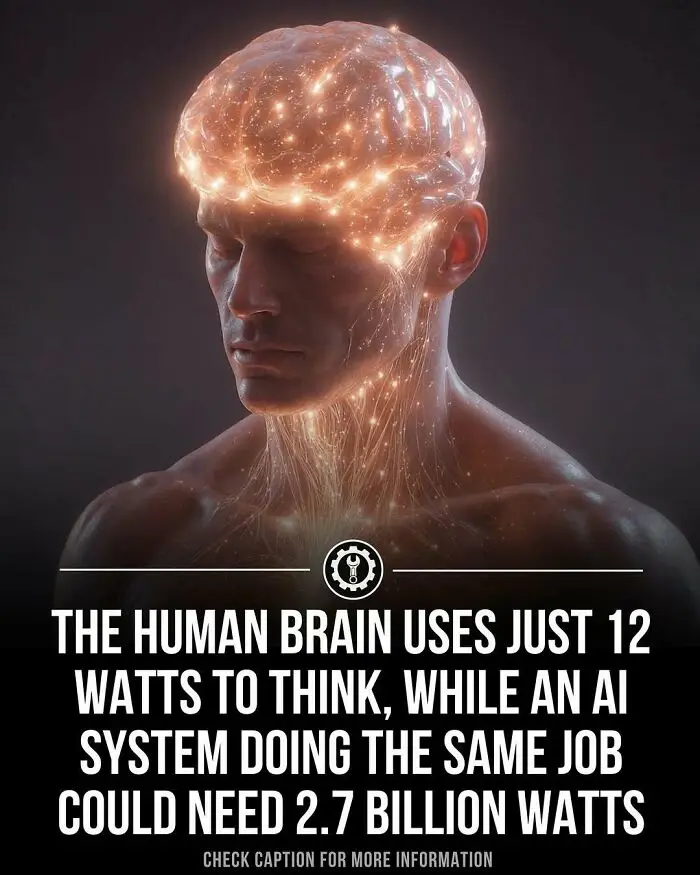
The human brain runs on roughly 12 watts of power — about the same energy as a small LED light bulb. Inside that tiny energy budget sits one of the most complex systems known to science: around 86 billion neurons constantly communicating through electrical and chemical signals. Through evolution, the brain developed a structure that is incredibly efficient at learning, adapting, and processing information. Modern artificial intelligence, by comparison, depends on vast infrastructure. Large AI models are trained and operated in enormous data centers filled with GPUs, networking hardware, and cooling systems that together can consume immense amounts of electricity. This contrast highlights something remarkable: despite the rapid progress of AI, biology still outperforms technology in energy efficiency. One emerging solution is neuromorphic computing — an approach to designing chips and AI systems that mimic the structure and signaling patterns of the human brain. If successful, future machines may combine the power of artificial intelligence with the efficiency of biological systems.
Report
35points
#26
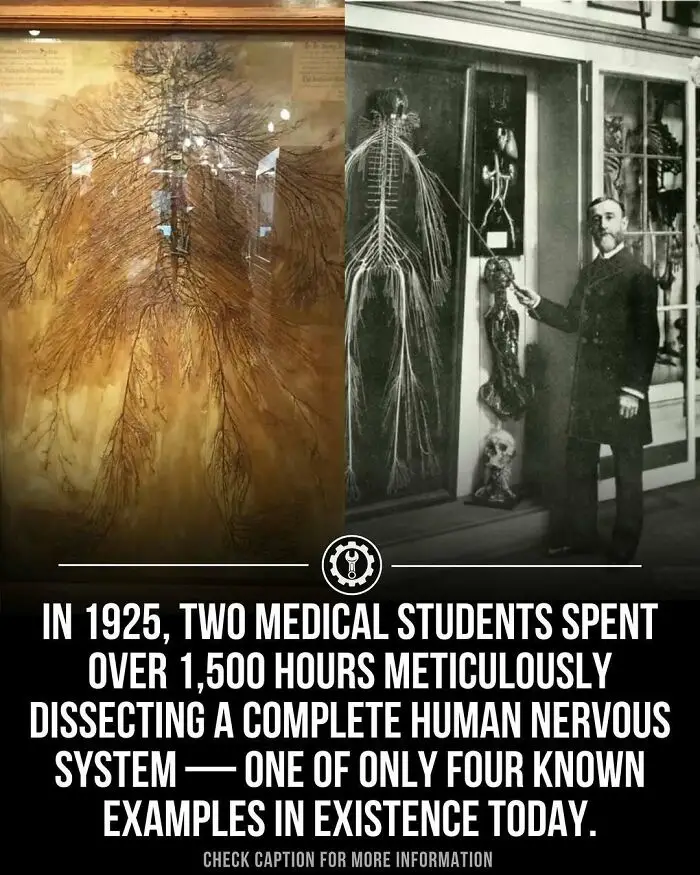
In 1925, Harvard medical student Charles B. Tower, under the guidance of anatomist Thomas Dwight, devoted more than 1,500 painstaking hours to dissecting and preserving an entire human nervous system — from the brain and spinal cord down to the finest peripheral nerves. The process required removing surrounding tissue with extreme precision while keeping the delicate, threadlike network of nerves completely intact, an almost unimaginable task given their fragility. The completed specimen was mounted as a teaching model and is now housed at Harvard Medical School’s Warren Anatomical Museum. Fully intact dissections of the entire human nervous system are exceptionally rare due to the immense skill and time required, with only a small number known to exist worldwide. Today, it remains one of the most visually striking anatomical preparations ever created, revealing the nervous system as a vast, branching network that once carried every thought, sensation, and movement of a living person.
Report
34points
#27
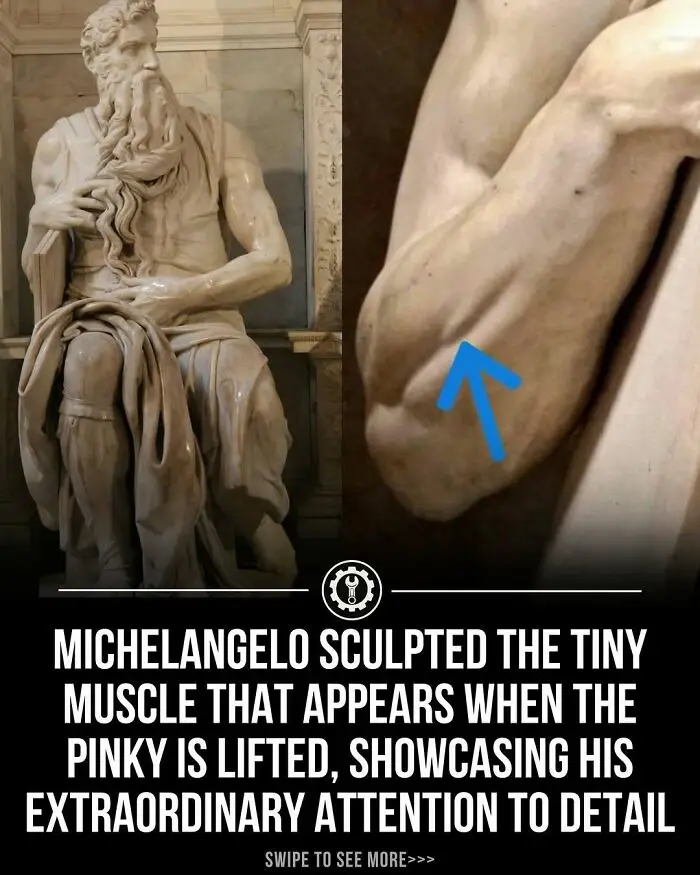
In Moses (1513–1515), he carved the subtle forearm muscle that activates when the pinky lifts — a detail so small most artists would ignore it entirely. That slight tension makes the statue feel alive. Not posed. Not frozen. Alive. It’s one of the clearest examples of how deeply Michelangelo studied human anatomy, even dissecting cadavers to understand how muscles actually move beneath the skin
Report
33points
#29
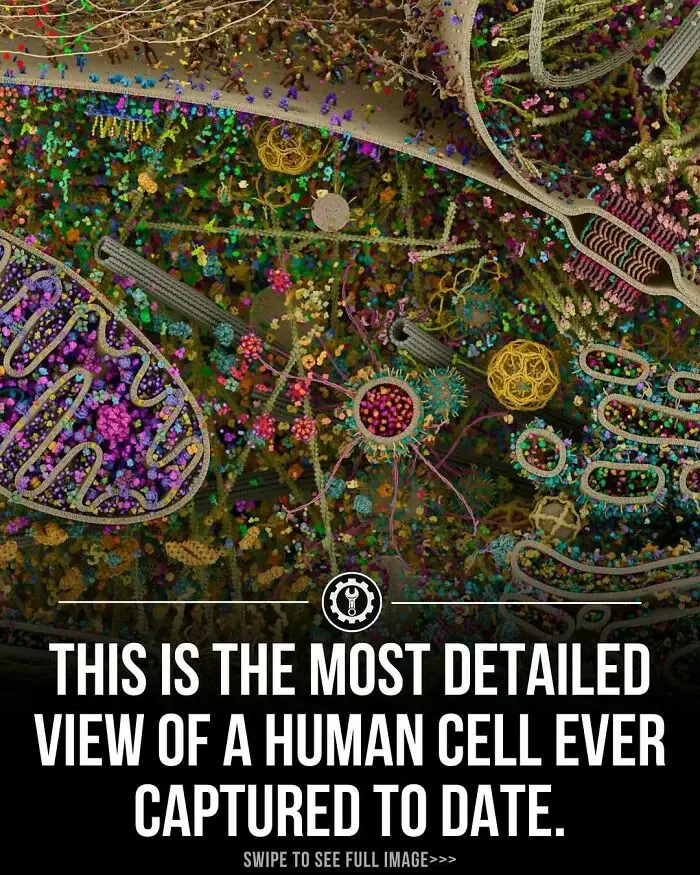
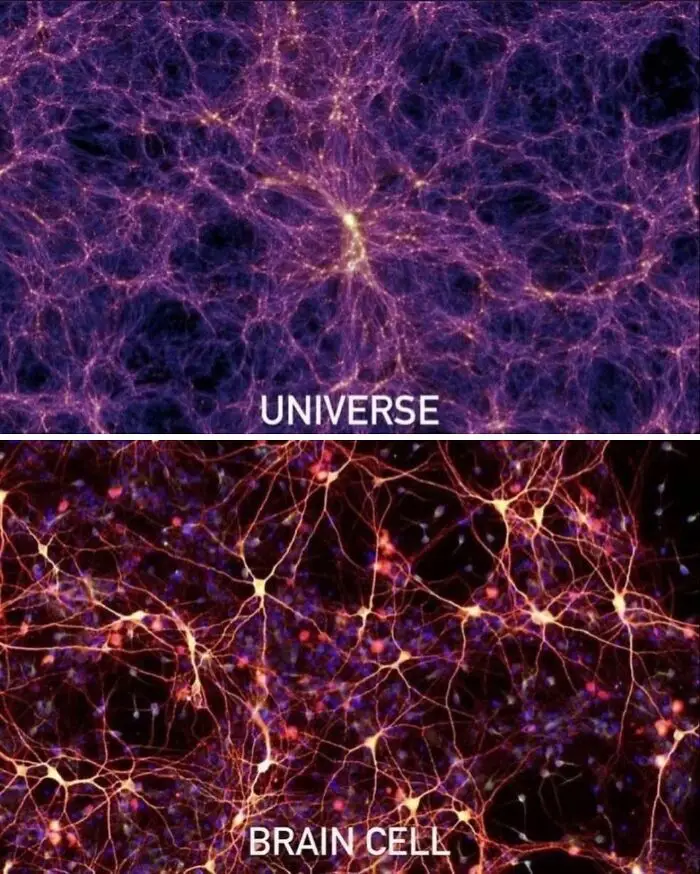
This is one of the most detailed molecular visualizations of a human cell ever created — built using real structural biology data. Scientists combined cryo-electron microscopy, X-ray crystallography, and molecular modeling to map thousands of proteins, membranes, organelles, and cytoskeletal structures at near-atomic resolution. Every colored structure represents real molecules packed inside a space just micrometers wide. What makes this groundbreaking isn’t just the beauty — it’s the scale. A single human cell contains billions of molecules constantly interacting, folding, signaling, and generating energy. Visualizations like this help researchers understand disease pathways, drug targets, and how cellular machinery actually functions in real time. This is what life looks like at the molecular level — chaotic, dense, and unbelievably complex
Report
32points
#30
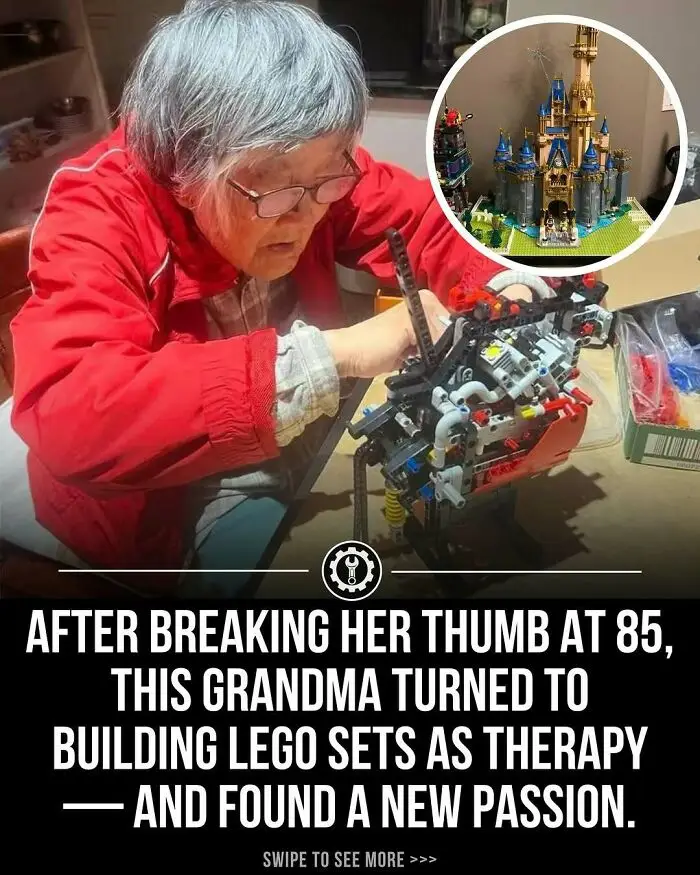
At 85 years old, she didn’t slow down — she leveled up. After breaking her thumb and moving from China to Canada, her grandson gifted her a LEGO set to help with hand mobility and keep her busy during recovery. What started as simple rehabilitation quickly became a serious hobby. The instructions were challenging at first. Her hands were stiff. The pieces were tiny. But with patience and repetition, she improved. In 2025 alone, she completed 15 sets — including massive builds like the LEGO Hogwarts Castle and advanced Technic models such as the Concorde plane. Her grandson says watching her progress has been incredibly rewarding — and every dollar spent on sets was worth it. It’s proof that it’s never too late to start something new — and sometimes healing leads to unexpected passions.
Report
31points
#31
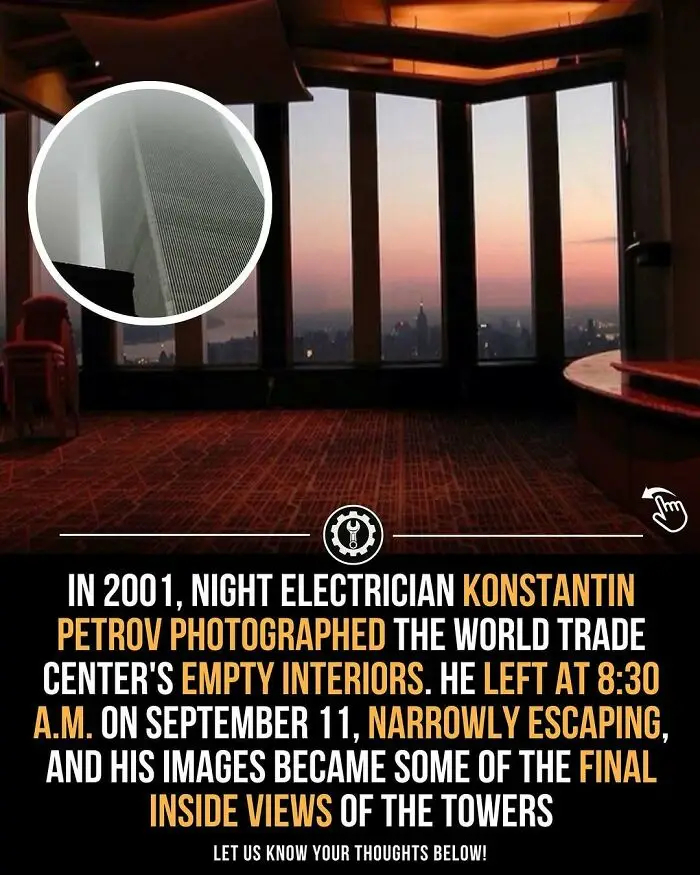
In the summer of 2001, Estonian immigrant Konstantin Petrov worked the night shift as an electrician at Windows on the World, the famous restaurant located at the top of the World Trade Center. During his quiet overnight hours, he began photographing the towers’ interiors — empty dining rooms, silent hallways, stairwells, and office spaces lit by the early morning sun. His photos captured everyday moments inside the buildings: neatly set tables waiting for guests, sweeping skyline views through the massive windows, and spaces that were normally filled with thousands of people during the day. On September 11, 2001, Petrov finished his overnight shift and left the World Trade Center parking garage at 8:30 a.m., just minutes before the first plane struck the North Tower. Years later, his photographs were rediscovered online, offering some of the final and most intimate interior views of the towers before their destruction. Today, they remain a haunting historical record of the quiet moments inside the World Trade Center just before history changed forever.
Report
31points
#32
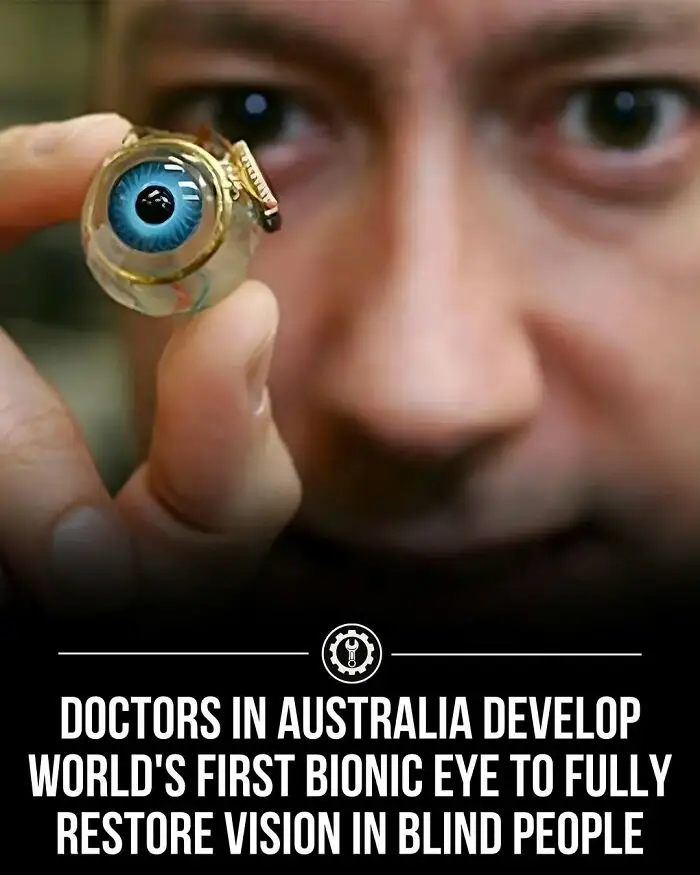
Australian researchers are developing a bionic eye designed to help restore vision for people who are blind. The technology works by bypassing damaged parts of the eye and directly stimulating the visual pathways, allowing users to perceive shapes, movement, and light. Rather than recreating natural eyesight, the system provides visual cues that help with navigation and spatial awareness. While still in development and clinical testing, bionic eye technology represents a major step toward assistive vision solutions for people with severe vision loss.
Report
31points
#33
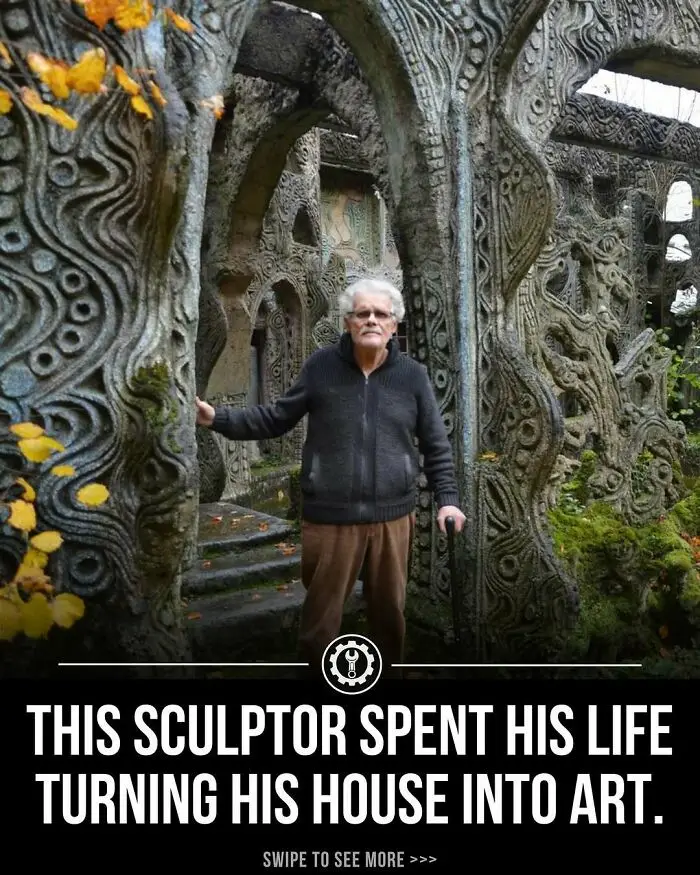
In the 1960s, French sculptor Jacques Lucas began transforming his own home into what would become Maison Sculptée. Instead of building separate sculptures, he carved directly into the stone façade and interior walls, slowly turning the structure itself into a continuous, living artwork. Over decades, the house evolved into a surreal maze of organic shapes, arches, and textured carvings. What started as a personal artistic vision eventually became widely recognized — even serving as the backdrop for Acne Studios’ Fall/Winter 2022 campaign. It’s a rare example of architecture and sculpture merging into one lifelong project
Report
30points
#34
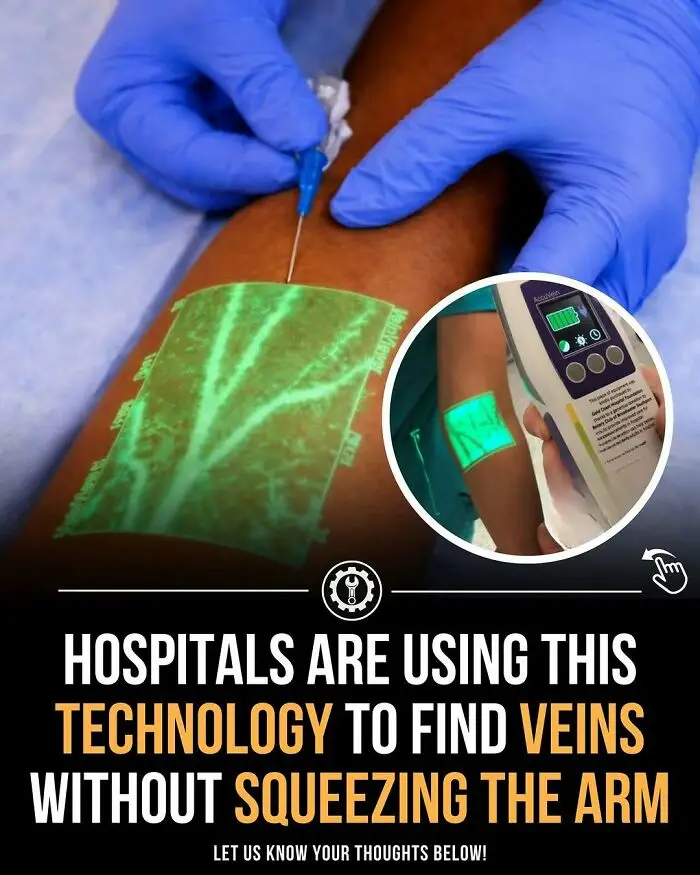
This technology uses near-infrared light to help healthcare professionals locate veins beneath the skin in real time. Devices like the AccuVein work by projecting near-infrared light onto the skin. Hemoglobin in the blood absorbs this light, while surrounding tissue reflects it—allowing a map of the veins to be processed and projected back onto the surface of the skin. This can make procedures like blood draws and IV insertions easier, especially for patients with hard-to-find veins, including children, elderly patients, and those with darker skin tones. While it improves visibility, clinicians still rely on proper technique and training—it’s a tool that supports accuracy, not a replacement for skill
Report
30points
#35
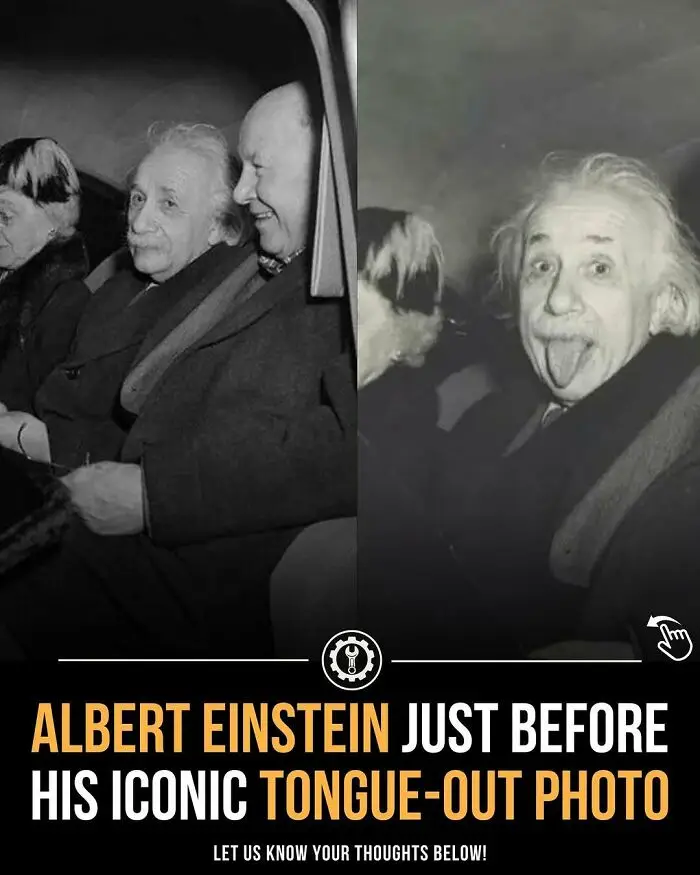
On March 14, 1951, Albert Einstein was leaving his 72nd birthday celebration at the Princeton Club after a long night of speeches and photos. As he sat in the back of a car, photographers kept asking for one more picture. That’s when photographer Arthur Sasse captured the moment Einstein suddenly stuck out his tongue. At the time, many newspapers refused to publish the image because it felt too informal for someone of his stature. But Einstein loved it. He even asked for copies, cropped the image to focus on his face, and used it as a personal greeting card he would send to friends. What started as a tired, spontaneous gesture became one of the most recognizable photos ever taken… and perfectly captured the personality behind the genius.
Report
30points
#36
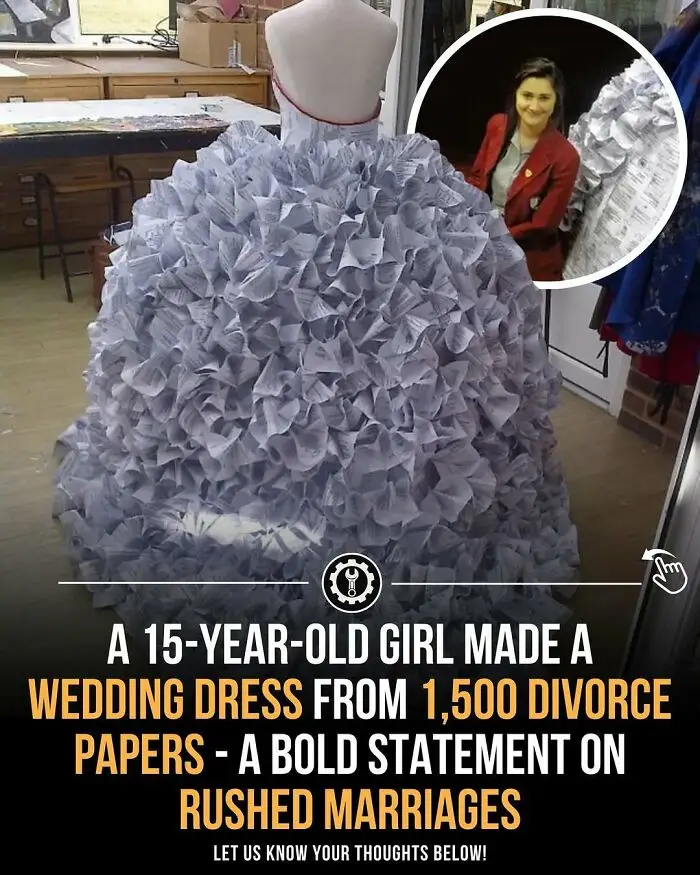
At just 15 years old, Demi Barnes created one of the most thought-provoking art projects her school had ever seen. Instead of designing a traditional wedding gown, she built a full dress using 1,500 real divorce papers. Each crumpled page represents a marriage that once began with promises but eventually ended in separation. Her goal wasn’t to mock marriage. It was to start a conversation about how many people focus on the fairytale wedding instead of the long-term commitment that follows. The result is a striking piece of wearable art that visually contrasts the symbol of a wedding dress with the reality that many marriages don’t last. Love it or hate it, the message definitely made people stop and think. What do you think about the idea behind it? #
Report
29points
#37
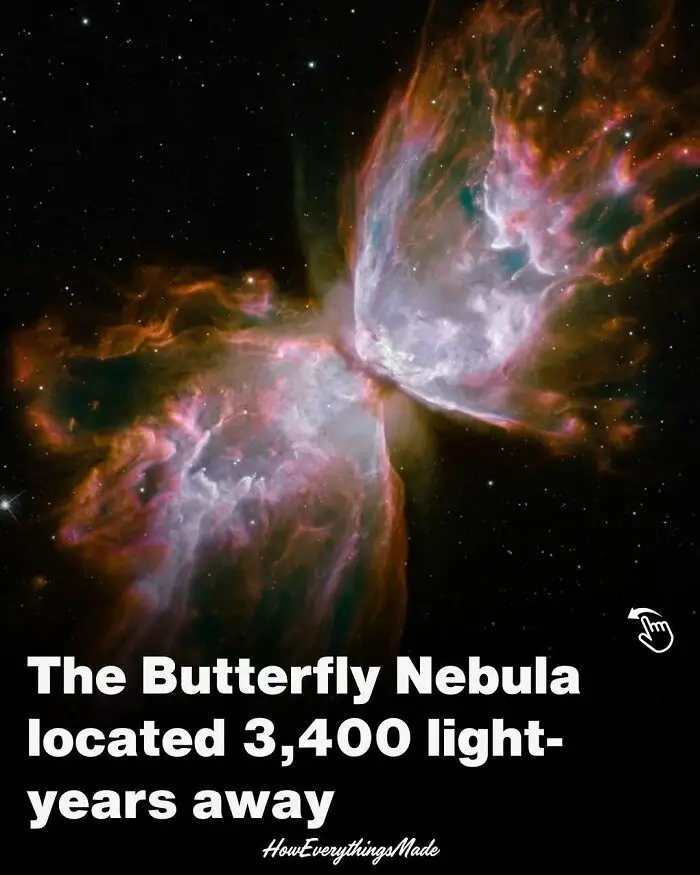
The Butterfly Nebula looks delicate… but it’s actually one of the most violent sights in space 🦋 Known as NGC 6302, this planetary nebula sits about 3,400 light-years away in the constellation Scorpius. It was formed when a dying star shed its outer layers, blasting gas outward at extreme speeds. That glowing “butterfly” shape comes from two massive lobes of gas expanding in opposite directions, while a dense ring of dust hides the incredibly hot central star—one of the hottest known, reaching temperatures over 200,000°C. What we’re seeing is ultraviolet radiation lighting up the expelled material, creating those vivid colors captured by telescopes like Hubble and the James Webb Space Telescope. This isn’t just a beautiful image—it’s a snapshot of how stars like our Sun will eventually end their lives.
Report
29points
#38
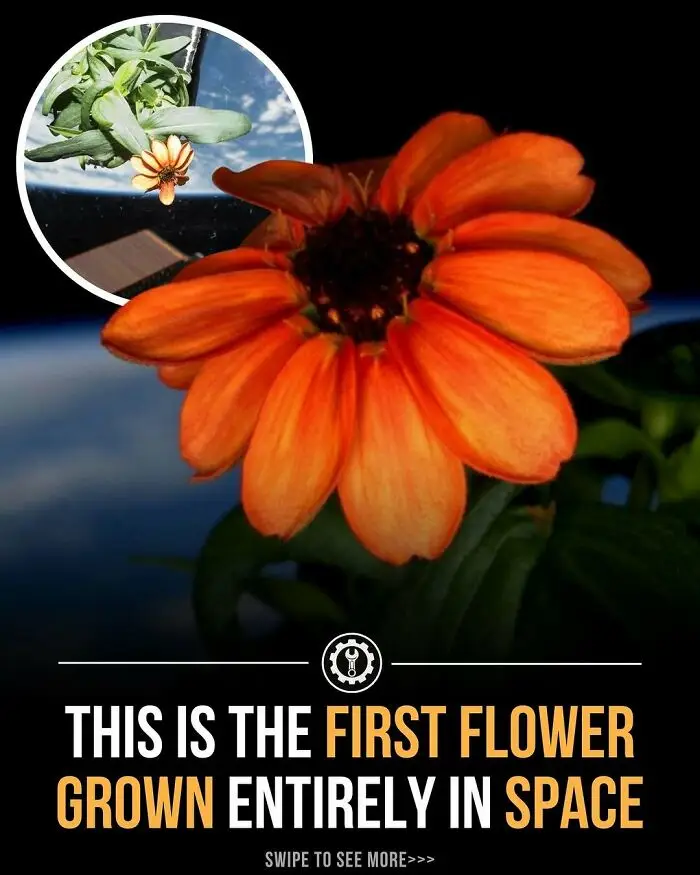
In January 2016, astronauts aboard the International Space Station successfully grew and bloomed the first flower ever cultivated in space: a Zinnia. The experiment was part of NASA’s Veggie (Vegetable Production System) project, designed to study how plants grow in microgravity. While astronauts had previously grown edible crops like lettuce, flowering plants are far more sensitive to environmental conditions such as humidity, airflow, and light cycles. During the experiment, the plants nearly failed due to excess moisture and mold. Astronaut Scott Kelly ultimately stepped in, adjusting the watering schedule himself rather than strictly following instructions from Earth. His decision helped stabilize the plants and led to the historic bloom. Growing flowers in space is more than just a milestone. Flowering plants represent a key step toward growing crops like tomatoes, peppers, and other fruiting plants during future long-duration missions to the Moon or Mars. Beyond the science, NASA researchers also found that tending plants and seeing living greenery significantly improved astronaut morale during long missions in the otherwise sterile environment of the station.
Report
29points
#39
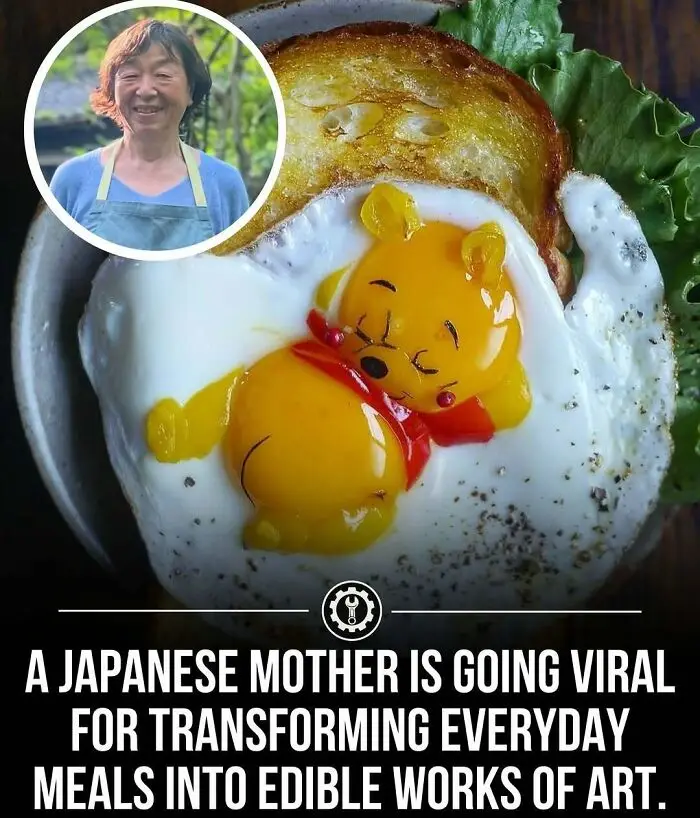
In Tokyo, home cook Etoni Mama is redefining what a simple lunch can look like. Through the Japanese tradition of kyaraben (character bento), she transforms everyday ingredients like egg yolk, seaweed, and fresh vegetables into expressive, miniature food art. What starts as an ordinary meal becomes a thoughtful surprise designed to brighten her children’s day. Kyaraben isn’t just about presentation — it’s about care, creativity, and turning routine moments into something memorable
Report
28points