
#1

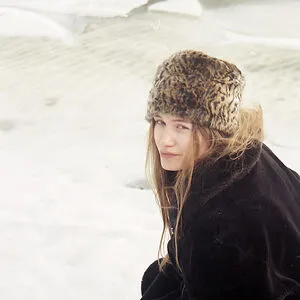
Beyond his massive musical legacy, Nelson is widely recognized for his distinct braided hair, his lifelong activism for family farmers through Farm Aid, and his advocacy for cannabis legalization. His quick wit and enduring vitality have made him a beloved cultural figure who transcends generations.
#2
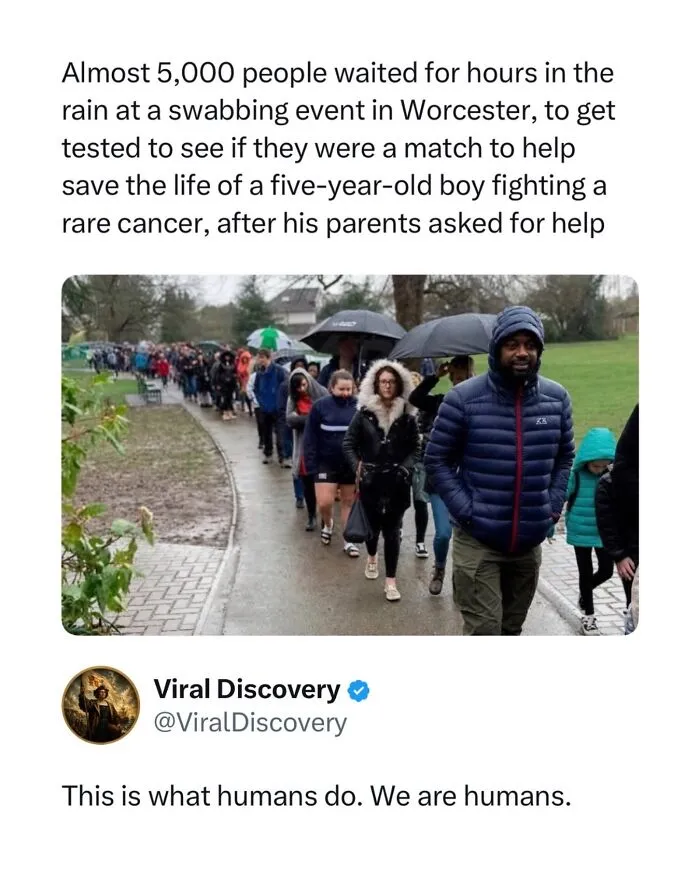
The two-day drive became DKMS UK’s largest donor registration event at the time. Oscar later received a stem cell transplant in May 2019 after a suitable donor was found.
Before cameras and recording devices, people still found ways to save information about their lives. In ancient Mesopotamia, communities used clay tablets to record goods, religious events, politics, and other important things. These records give us a detailed look at life thousands of years ago.
Writing soon became more than just a way to keep accounts. By the middle of the third millennium BCE, scribes used cuneiform to record literature, learning, religion, and government. People were already creating a record of their world, leaving details that still help us understand their lives today.
#3
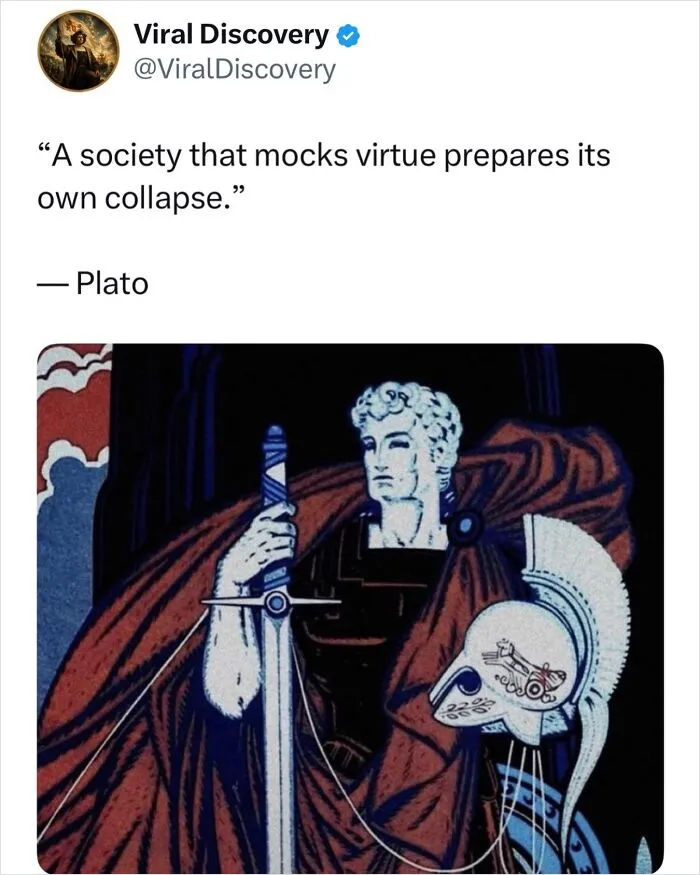
When a culture replaces respect for character with cynicism, treating integrity as a weakness or a joke, mutual trust rapidly evaporates. This internal decay invites widespread corruption and leaves the civilization vulnerable to collapse from within, as citizens prioritize selfish desires over the common good.
#4
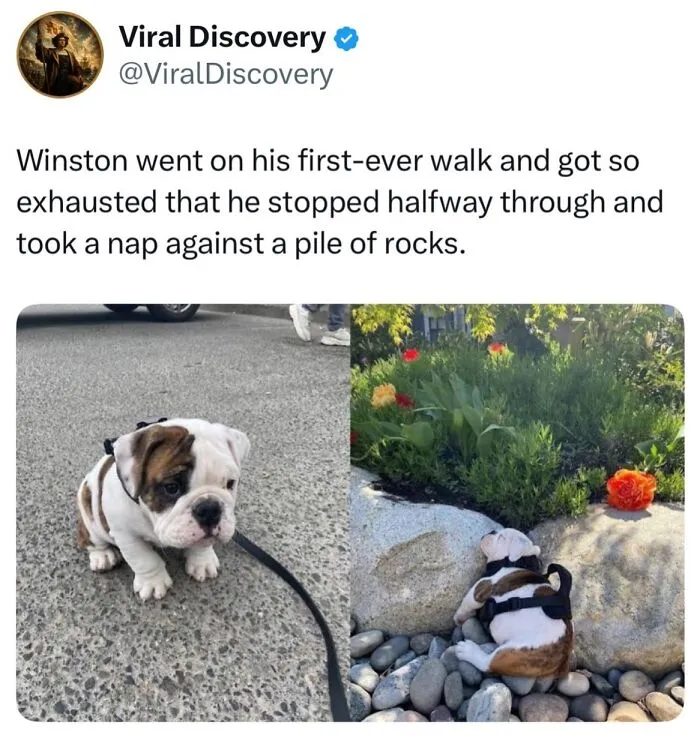
Some of the first known examples of writing appeared around 3200 BCE, when the Sumerians invented cuneiform in Mesopotamia, now Iraq. They used a reed stylus to press wedge-shaped marks into soft clay, turning everyday items into records that lasted long after their makers were gone.
In the beginning, people used these tablets mostly for practical reasons like counting goods and managing supplies. Over time, scribes found new ways to express language, so they could write down sentences, names, and ideas. What began as a simple way to track daily business slowly turned into a powerful way to save human knowledge.
#5
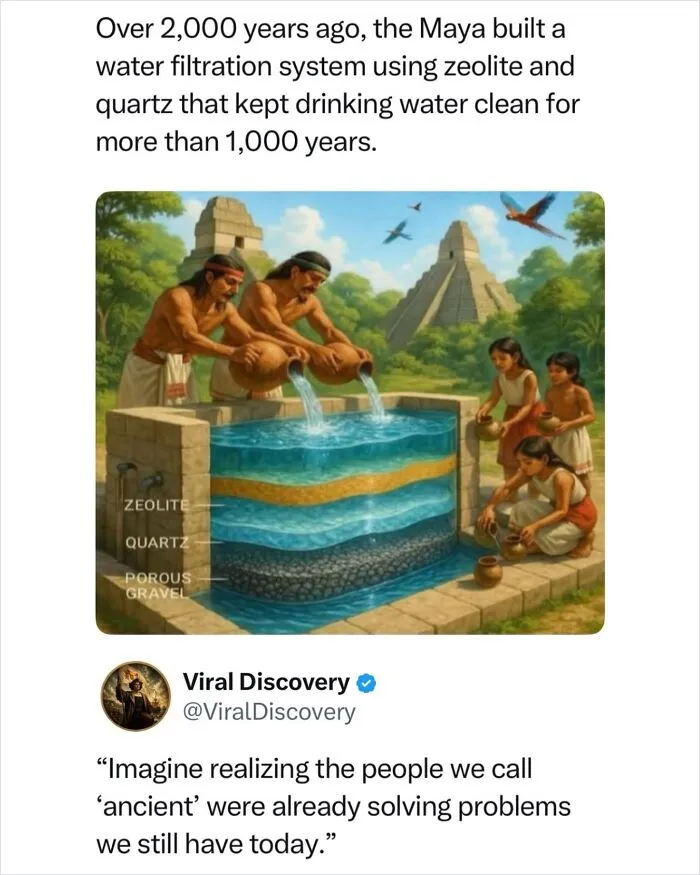
The zeolite acted like a natural molecular sieve, helping remove harmful microbes and other contaminants from the water. The materials were even transported roughly 30 km to Tikal, showing that this was a deliberate engineering solution, not an accident of nature.
#6
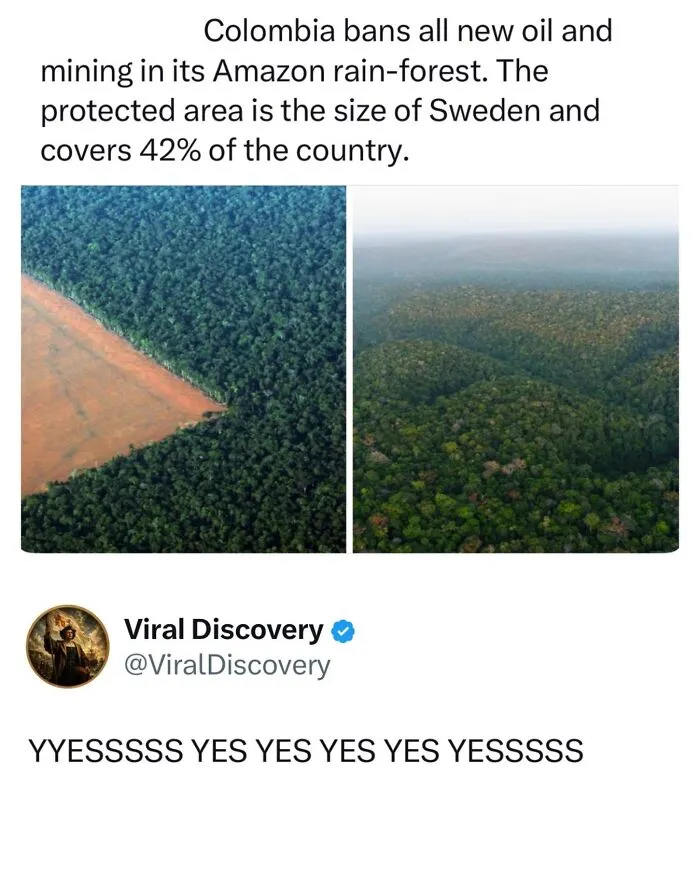
The significance cannot be overstated. The Amazon is frequently described as the lungs of the Earth — a carbon sink so vast that its destruction directly accelerates global warming at a scale that affects every country on the planet. While deforestation continues at devastating rates across the broader Amazon basin, Colombia’s decision to draw a legal line across nearly half its territory is the kind of policy shift that will be studied and referenced for decades.
Many years later, the Joseon Dynasty in Korea became known for its detailed record-keeping. Over its 472-year rule, the royal court kept track of political decisions, official events, and the lives of its rulers. Their records grew to 888 books in 1,894 volumes, offering a thorough account of the dynasty’s history.
Their careful record-keeping included more than just court events. Officials wrote down who compiled the annals, how long it took, and even when workers aired out the books to keep them safe. Even kings could not read these records freely, which helped historians stay independent when writing about royal decisions.
#7
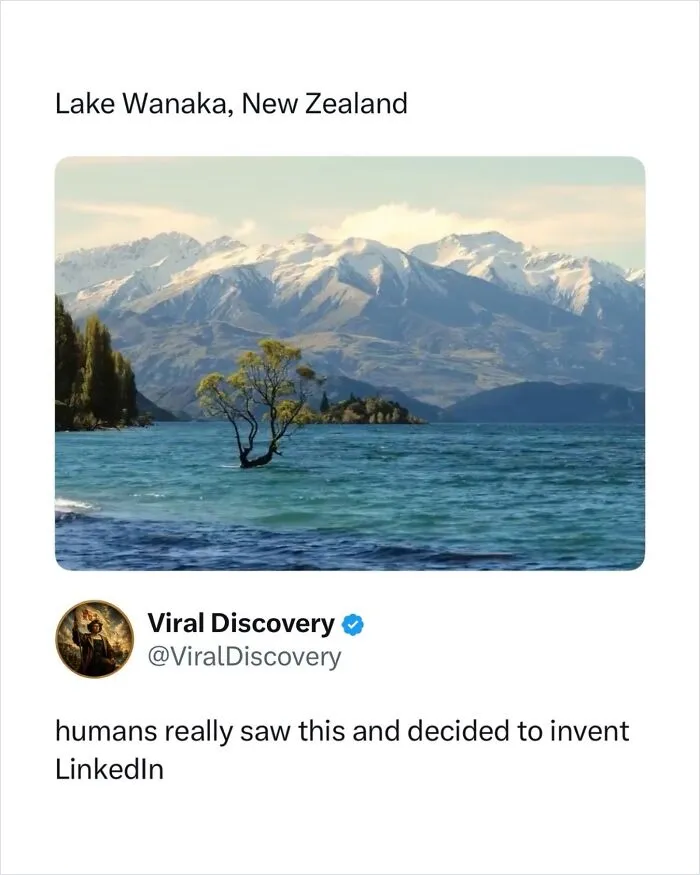
One of its most recognizable landmarks is the Wānaka Tree, a willow growing in the lake that began life as part of a fence decades ago before becoming a famous photography spot.
#8
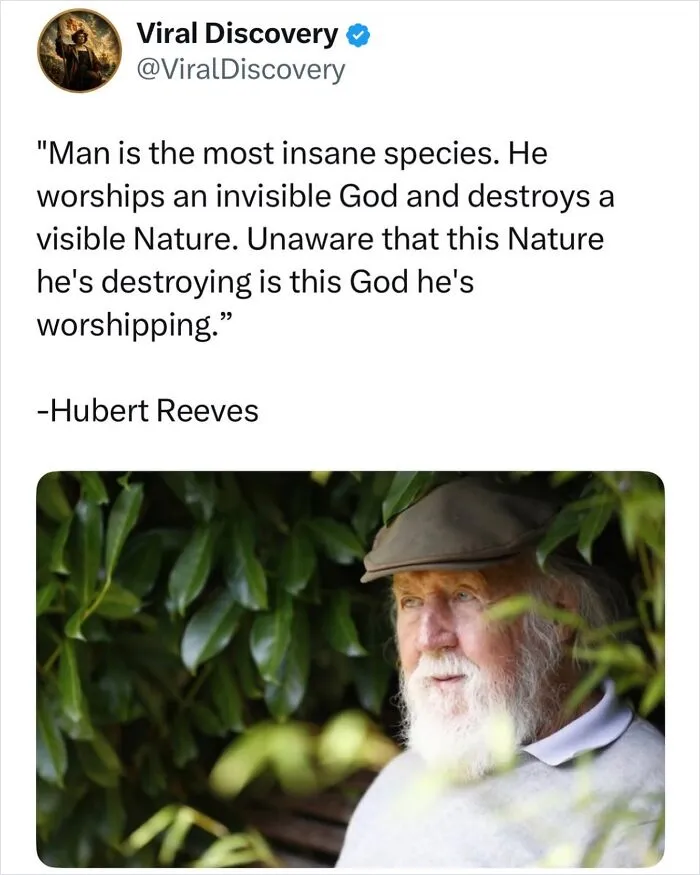
By separating spiritual devotion from physical reality, humanity actively poisons the air, water, and ecosystems that provide life. Ultimately, this perspective argues that nature itself is the true force deserving of our reverence, and destroying it is an act of self-sabotage that undermines the very essence of what many claim to worship.
#9
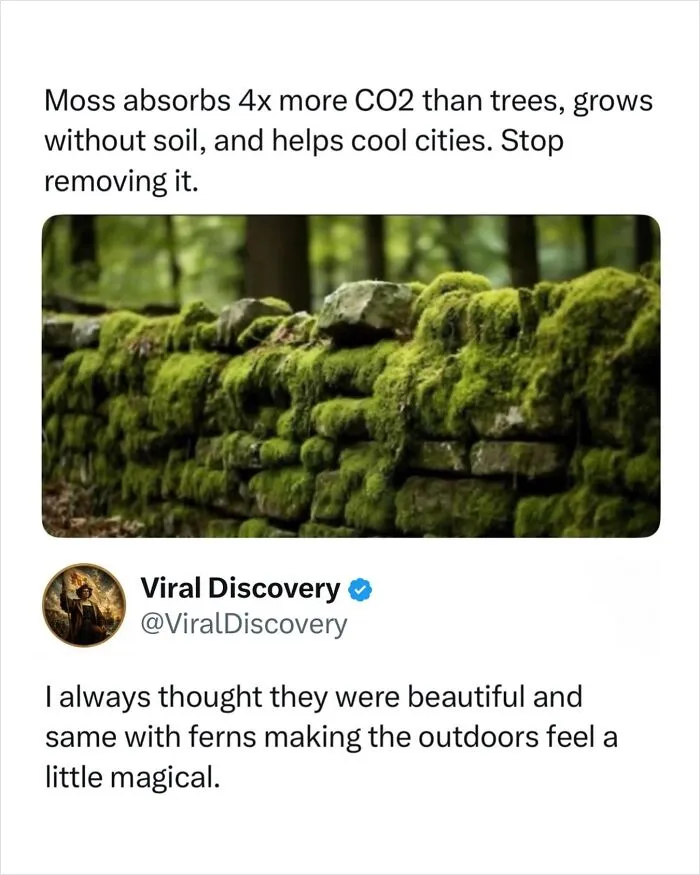
Beyond carbon absorption, mosses are remarkable for their ability to grow without soil, thriving on rocks, roofs, walls, and tree surfaces by absorbing water and nutrients directly from the air. This adaptability allows them to survive in harsh and urban environments where other plants struggle. In cities, moss can help reduce heat by providing evaporative cooling and shading, which contributes to lowering the urban heat island effect. Because of these benefits, moss is increasingly being explored in green infrastructure such as vertical gardens and biofilters, highlighting its value as a low-maintenance and environmentally useful organism.
For hundreds of years, people used paintings, drawings, and written descriptions to record what they saw. This changed in 1839, when photography was introduced to the public. Early methods like the daguerreotype let people capture detailed images of real people and places, giving them a new way to document the world.
Photography soon became more than just an artistic novelty. People could save images of faces, buildings, landscapes, and important moments without needing someone to draw or paint them. As technology improved, photos became easier to make and share, helping future generations see people and places from the past.
#10
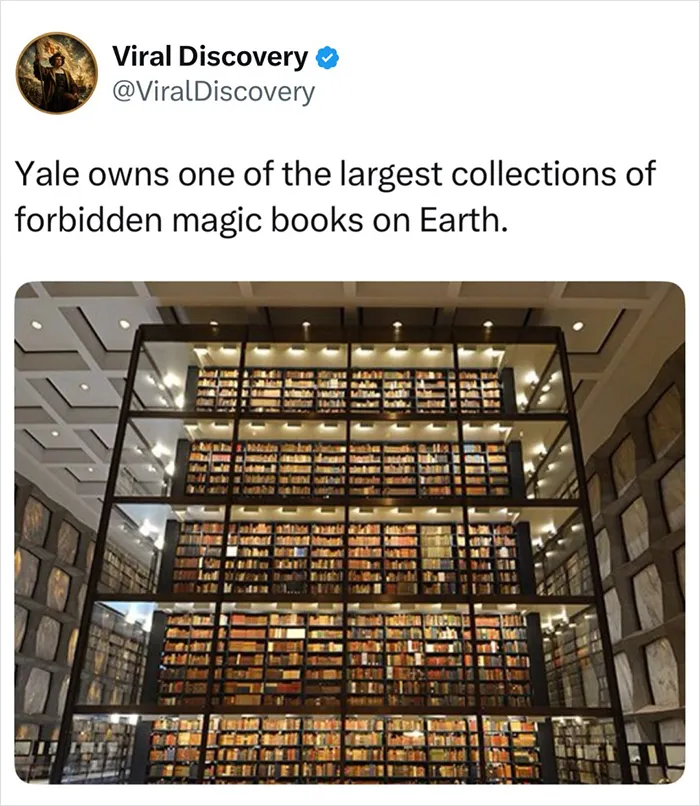
While internet memes dramatically hype up these archives as dark spellbooks, historians view them as priceless windows into early scientific imagination from a time when the boundaries between chemistry, medicine, and magic were blurred. The collection features heavily guarded historical treasures like the 20-foot-long Ripley Scroll, which utilizes intricate illustrations to cryptically map out the creation of the legendary Philosopher’s Stone. Rather than keeping them locked away in a secret occult sanctuary, Yale has actually digitized the vast majority of the collection, allowing the public to freely explore these formerly “forbidden” texts online.
#11
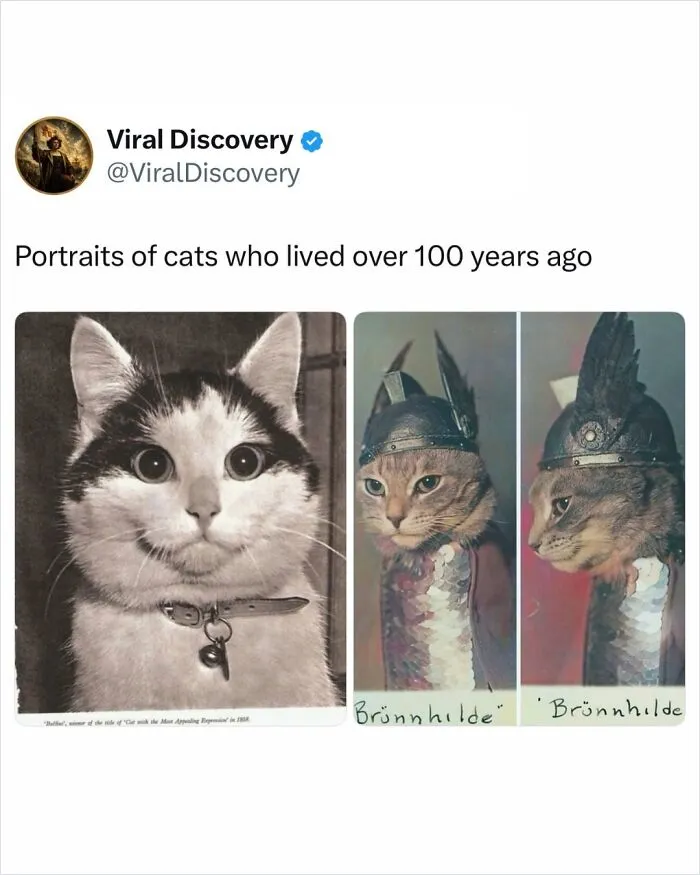
These portraits also document how long cats have occupied a familiar place within domestic life and popular culture. By the twentieth century they were appearing in newspapers, advertisements, competitions and elaborately staged novelty photographs, often given the same individual names and personalities that characterize pet culture today. Brünnhilde’s portraits, photographed by Adolph E. Weidhaas, are now preserved by the Library of Congress, nearly ninety years after they were made. Together with the older Victorian-era portraits that survive in photographic collections, they offer a small but unusually relatable record of everyday affection for animals across generations.
#12
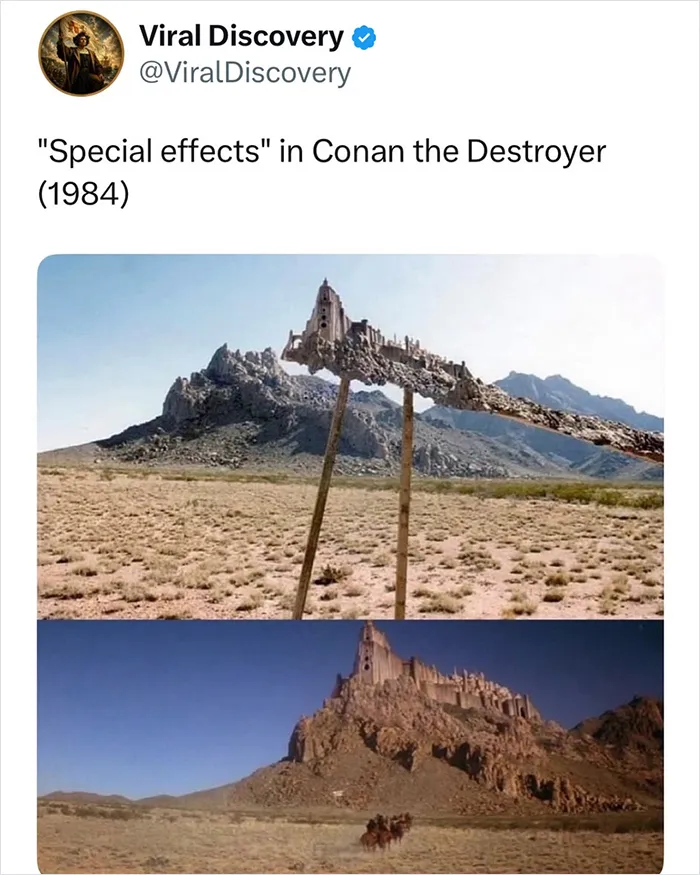
This entirely practical, in-camera method required exact lighting and precise physical alignment to merge the miniature seamlessly into the live-action environment. Because this fantasy movie was made long before digital visual effects became standard, these physical illusions gave the film a rich and tactile sense of reality that holds up remarkably well today.
Photography gave people a way to preserve what they saw, but what about the things they heard? In 1857, French inventor Édouard-Léon Scott de Martinville created the phonautograph, a device that traced sound waves onto paper. It could capture sounds visually, although it couldn't play them back.
That changed in 1877, when Thomas Edison introduced the phonograph, the first machine capable of recording and reproducing sound. His first recording featured him reciting the nursery rhyme "Mary Had a Little Lamb." For the first time, people could preserve actual voices and listen to them again, rather than relying on written accounts of what someone had said.
#13
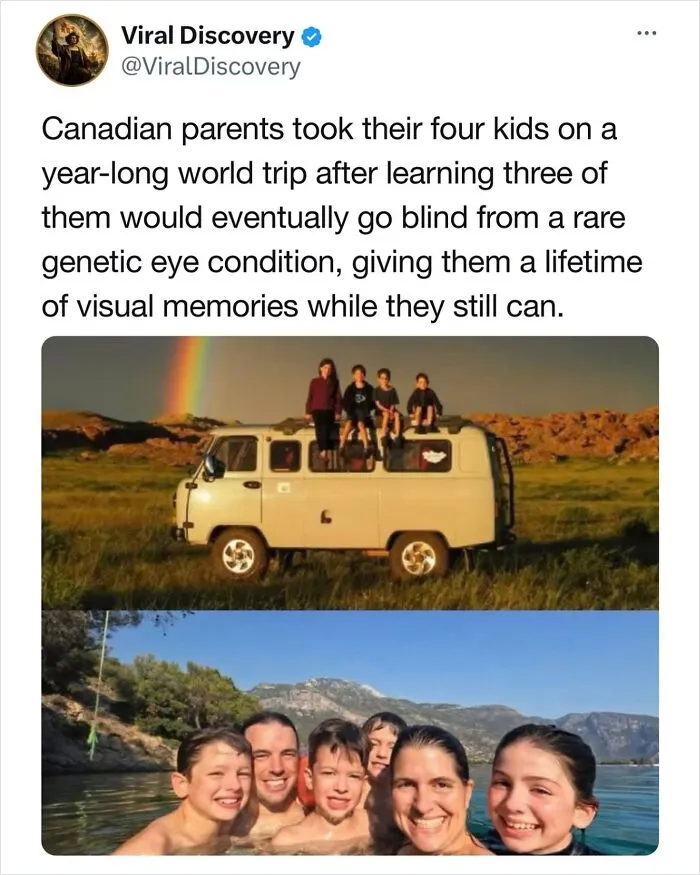
Their children Mia, Colin and Laurent were diagnosed with retinitis pigmentosa, a rare inherited condition that progressively damages the retina. Their brother Léo does not have the condition. The family traveled through countries across Africa, Asia and beyond, filling the kids’ “visual memory” with wildlife, landscapes and new cultures while their eyesight was still strong.
Their journey later became the National Geographic documentary Blink, which follows the family as they focus on experiencing as much of the world as possible instead of letting the diagnosis define their lives.
#14
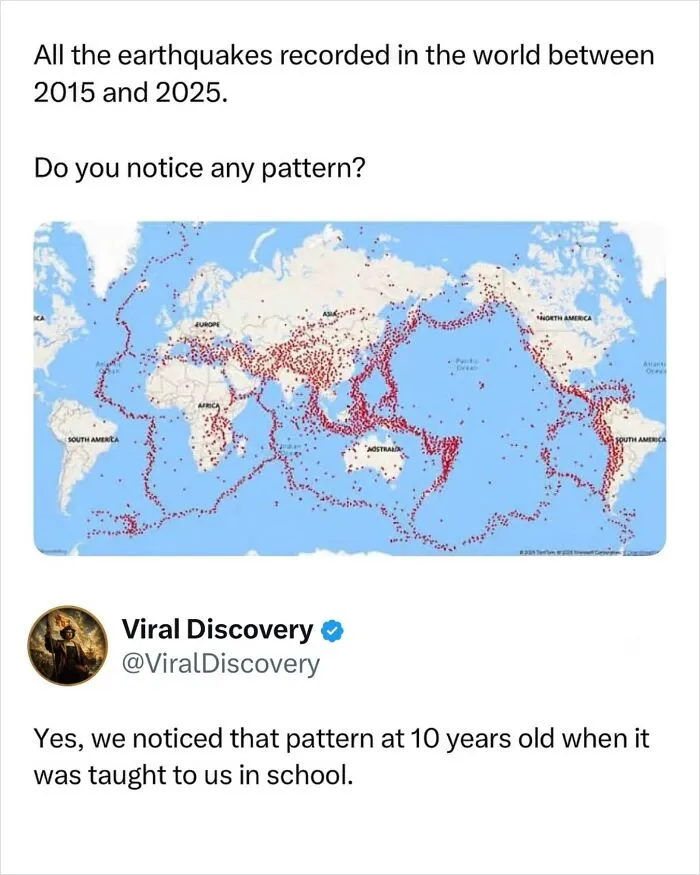
Earthquakes are not randomly scattered across the globe. Instead, they occur in distinct belts that closely follow the boundaries of Earth’s tectonic plates, where massive sections of the planet’s crust are constantly moving. As these plates collide, pull apart, or slide past one another, stress builds up over time until it is released as seismic energy, producing earthquakes.
This is why regions such as the Pacific Ring of Fire, the Mid-Atlantic Ridge, and the Himalayan mountain belt experience frequent seismic activity. The consistent clustering of earthquakes along these plate boundaries has been one of the strongest pieces of evidence supporting the theory of plate tectonics, making it a fundamental concept in geology that has been taught for generations.
#15
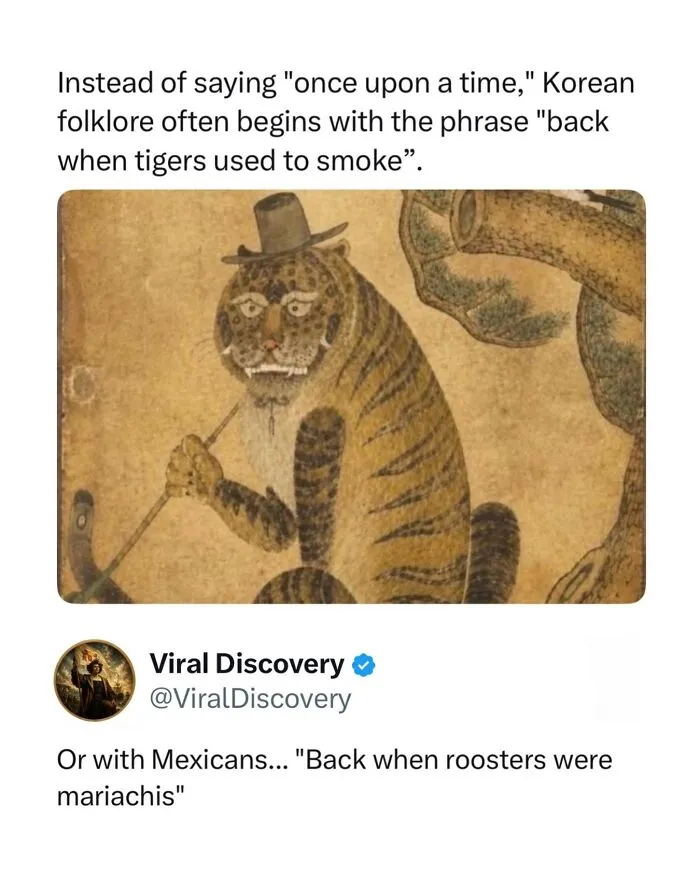
The inclusion of smoking pipes added another layer of social commentary. After tobacco became widespread in Korea during the 1600s, pipe smoking became associated with status, education, and leisure among men. By depicting a tiger leisurely smoking like an elderly nobleman, artists transformed a respected mountain predator into a pompous and somewhat ridiculous bureaucrat. These playful exaggerations reflected the spirit of minhwa, which emphasized symbolism, humor, and emotional expression over realism. As a result, many of these centuries-old tiger paintings still feel surprisingly modern and cartoon-like today.
Photography and sound recording let people save their experiences in new ways, but it was still hard to share them. This started to change with computer networks. In 1962, computer scientist J.C.R. Licklider pictured a worldwide network where people could get information and use programs from computers in different places.
By 1969, four computers were linked by ARPANET, a network that helped start the modern internet. Researchers could now share information over long distances, and email soon gave them a new way to talk. Over time, this technology became a global network where people can quickly share photos, recordings, documents, and discoveries.
#16
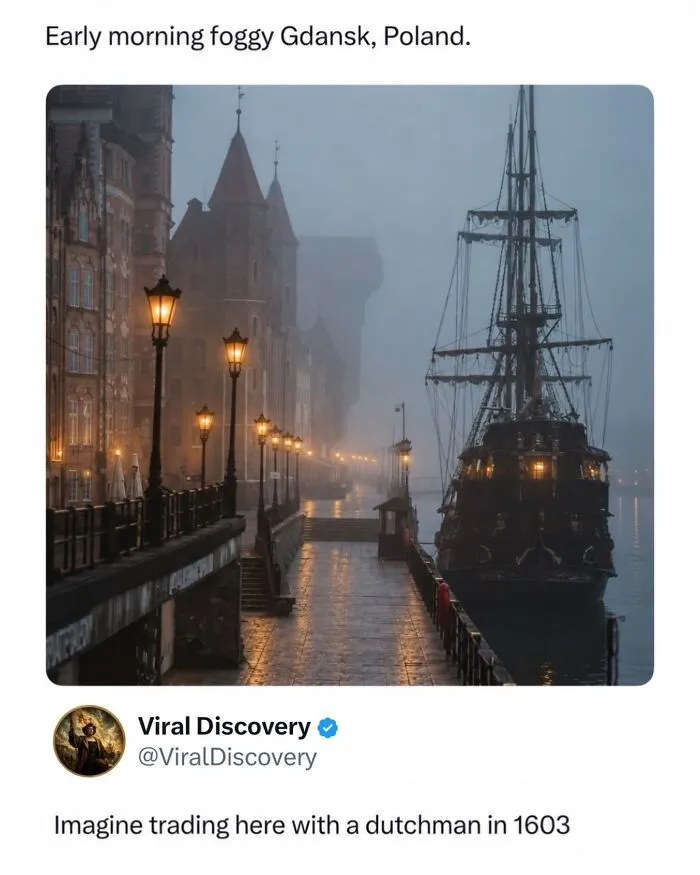
Early morning fog completely transforms Gdańsk, Poland, turning its historic waterfront into a scene that feels like it belongs hundreds of years in the past. The combination of old European architecture, glowing street lamps, wet cobblestones, a tall sailing ship and thick mist over the Motława River makes it surprisingly easy to imagine what this important port city might have felt like during the height of European maritime trade.
Gdańsk has centuries of history tied to shipping, merchants and international commerce. Its position on the Baltic Sea helped make the city an important trading center, connecting Poland and the wider Baltic region with merchants from across Europe. Ships carrying grain, timber and other valuable goods regularly moved through its harbor, while traders from different countries arrived to negotiate deals and build commercial relationships.
And that makes the comment about trading with a Dutchman in 1603 even better. Dutch merchants played a major role in Baltic trade during this period, with enormous quantities of grain and other commodities moving from the Baltic region toward the Netherlands and Western Europe. Gdańsk was one of the major ports involved in that commercial network.
Now imagine arriving before sunrise four centuries ago. The harbor covered in fog, wooden sailing ships sitting silently along the waterfront, merchants preparing their cargo, lanterns glowing through the mist and negotiations beginning before another ship departed across the Baltic.
Modern Gdańsk might have changed dramatically, but on mornings like this, the atmosphere makes centuries of history suddenly feel incredibly close.
Imagine pulling up here for a business meeting in 1603.
#17
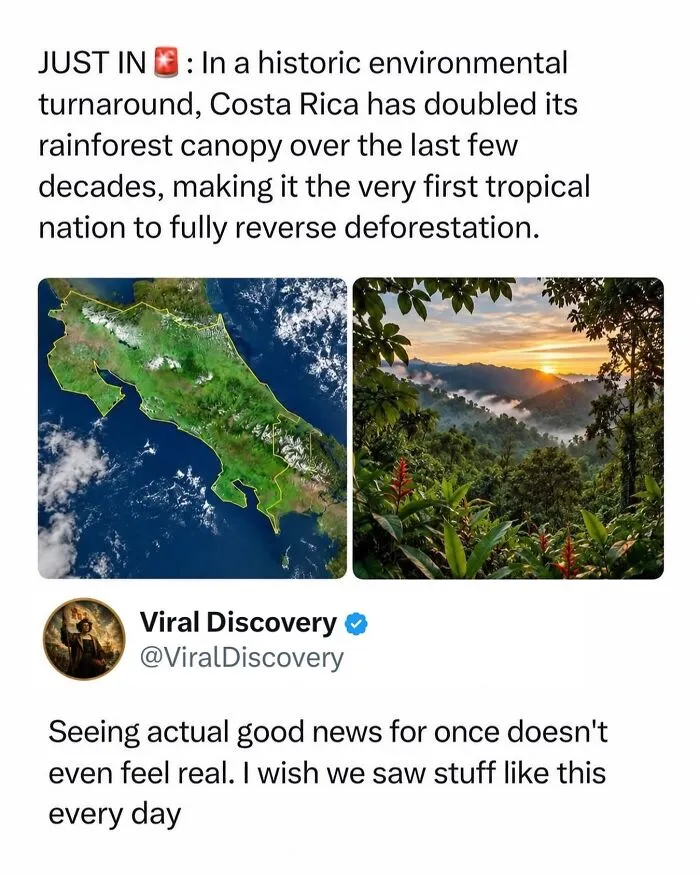
Costa Rica is one of the world’s most frequently cited examples of large-scale forest recovery. During much of the 20th century, the country lost enormous areas of forest as land was cleared for cattle ranching and agriculture. By the 1980s, forest cover had fallen dramatically from historical levels.
Then the trend changed.
Costa Rica expanded protected areas and introduced policies that gave landowners financial incentives to conserve and restore forests. Its Payment for Environmental Services program, launched in the 1990s, compensates participating landowners for environmental benefits associated with forests, including carbon storage, biodiversity protection and watershed conservation.
Today, forests cover more than half of Costa Rica’s territory, representing a major recovery from the country’s low point. Tourism also changed the economics of conservation. Rainforests, volcanoes and wildlife became valuable attractions, helping make intact ecosystems economically important rather than simply land waiting to be cleared.
Costa Rica is also extraordinarily biodiverse for its size, containing hundreds of thousands of documented species and ecosystems ranging from cloud forests to tropical beaches.
Turns out forests can make a comeback when protecting them becomes the plan.
#18

The photos show Han Junjia 26 years apart, first alongside a coal-fired steam locomotive and later beside a Fuxing high-speed train capable of reaching around 350 km/h. During that span, he reportedly retrained across multiple generations of locomotives as China built the world’s largest high-speed rail network.
Even though we have more information than ever, there is still much we haven't discovered. The ocean is a good example. Explorers have seen less than 0.001% of the deep ocean floor. Many underwater landscapes are still hidden from us, even after centuries of exploration and big advances in technology.
Scientists also believe there are many marine species we haven't found yet. Some estimates say there could be between 700,000 and one million marine species, and about two-thirds of them are still waiting to be discovered or described. Even after generations of studying our world, nature keeps showing us how much we still have to learn.
The more we learn about the world, the more we realize how many fascinating stories are still waiting to be discovered. And sometimes, all it takes is a closer look to see history in a whole new light.
Which of these discoveries surprised you the most? Leave your thoughts in the comments!
#19

#20