


Interestingly, not every major scientific breakthrough comes from years of carefully planned experiments. As Mental Floss explains, some important discoveries began with unexpected accidents that researchers decided to investigate rather than dismiss. Penicillin, for instance, was discovered after Alexander Fleming noticed that mold growing in a contaminated Petri dish had prevented nearby bacteria from developing.
Wilhelm Röntgen discovered X-rays after observing an unexplained glow during an experiment, which eventually led to a technology that transformed medical imaging. Other familiar inventions also have surprising beginnings, including microwave cooking, Post-it Notes, Teflon, and vulcanized rubber. These examples demonstrate that an unexpected result can sometimes reveal something far more useful than the original experiment was intended to produce.


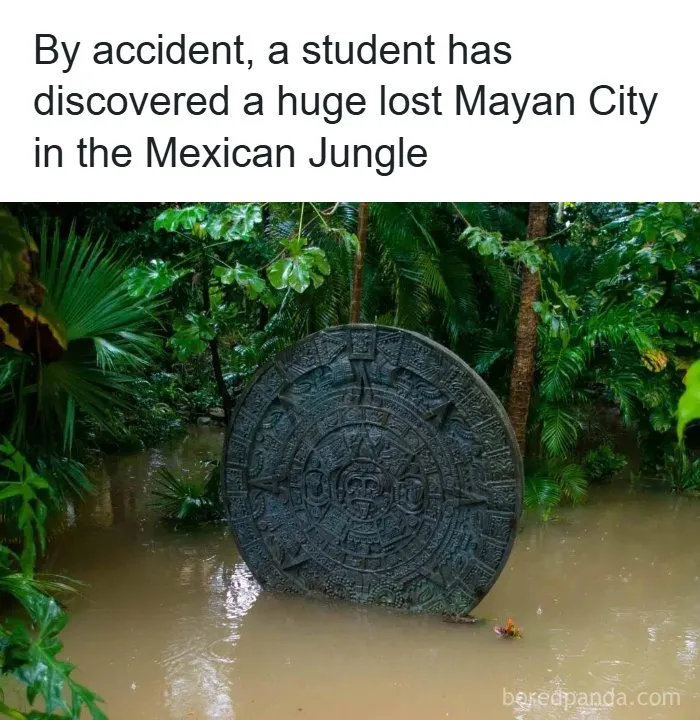
What makes these discoveries particularly interesting is that chance alone rarely explains their success. Someone still has to notice that something unusual has happened, question why it occurred, and investigate its potential. An unexpected observation might initially seem like a mistake, but closer examination can reveal an entirely new scientific possibility.
This is one of the reasons curiosity remains so important to scientific progress. Whether researchers are studying the human brain, examining unusual animal adaptations, exploring distant planets, or investigating an accidental chemical reaction, asking questions is often the first step toward understanding something new. And as these discoveries demonstrate, there is still plenty about the world that can surprise us, even in places we thought we already understood.
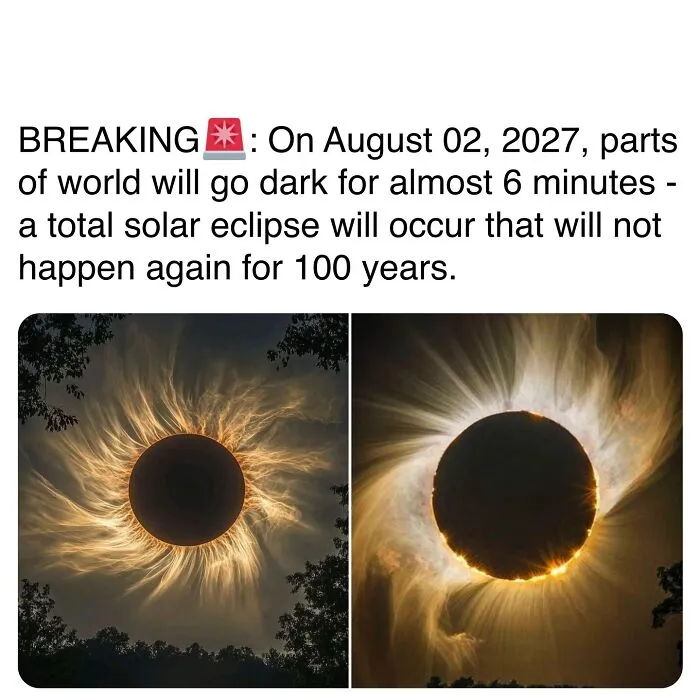


Perhaps the most exciting thing about science is that there is always something new to discover. What we consider common knowledge today may only be a small part of a much bigger picture, and discoveries that seem unbelievable now could eventually become part of everyday life. Sometimes, all it takes is one surprising fact to make us look at the world a little differently.
Which of these facts surprised you the most? If you could learn the explanation behind any everyday mystery, what would you want scientists to investigate? Share your thoughts and any fascinating facts you've come across in the comments!