





Science is often associated with laboratories, complicated experiments, and groundbreaking discoveries, but it is also present in the ordinary experiences people encounter every day. Understanding Science from the University of California, Berkeley, explains that simple observations can lead to fascinating questions about how the world works.
Changes in the color of the sky, familiar sounds that give us chills, or certain smells that suddenly bring back memories all have scientific explanations rooted in physics, chemistry, biology, and psychology. What makes these everyday occurrences interesting is that they encourage people to look beyond what they see on the surface and become curious about the processes behind them.



Developing this kind of curiosity does not require specialized knowledge or expensive equipment. Everyday activities, from preparing a meal to taking a walk outside, can become opportunities to observe patterns and understand how things work. Even the most familiar surroundings can reveal something unexpected when people pay closer attention.
Scientific thinking begins with asking questions, examining what happens, and remaining open to explanations that might challenge previous assumptions. This is also why learning about seemingly ordinary things can be so rewarding. The more people understand the processes happening around them, the more they realize that the world is filled with details they may have overlooked.



The human body is another excellent example of how much can happen without people realizing it. According to the BBC, even familiar experiences such as déjà vu reveal how complex the brain can be. This strange sensation, in which a completely new moment feels as though it has happened before, is generally understood as a memory-related illusion.
The brain produces a feeling of familiarity without retrieving an actual memory of the event. Optical illusions also demonstrate how our perception can be misleading. Rather than simply recording everything our eyes see, the brain actively interprets light, depth, movement, and surrounding details to construct an understanding of the world.



Memory is equally fascinating because it does not work like a camera that records every experience exactly as it happened. Instead, the brain processes information, connects new experiences with existing knowledge, and reconstructs memories when they are recalled.
Meanwhile, the autonomic nervous system manages essential functions such as breathing, digestion, heartbeat, blood pressure, and body temperature without requiring conscious attention. These processes continue whether someone is sleeping, working, or simply reading a book.
There is an extraordinary amount of activity happening beneath the surface, demonstrating that even the most familiar parts of human life can hold surprising scientific explanations.



Nature offers even more examples of abilities that seem almost impossible. NASA highlights how millions of years of evolution have allowed different species to develop remarkable adaptations.
Some animals can regenerate body parts, survive extreme environmental conditions, navigate across enormous distances, or camouflage themselves so effectively that they become almost invisible. These abilities are not simply unusual biological tricks; they are adaptations that help different organisms survive and reproduce.
Scientists have also learned that nature can offer valuable solutions to human problems. By studying features such as gecko feet, bird flight, and shark skin, researchers can develop new materials, technologies, medical applications, and even robots. This approach is known as biomimicry, which uses designs and processes found in nature as inspiration for innovation.


The mysteries of nature extend far beyond our planet, too. Astronomers have discovered thousands of planets orbiting stars outside our solar system, known as exoplanets. Some are enormous gas giants, while others are rocky worlds with characteristics that resemble planets closer to home.
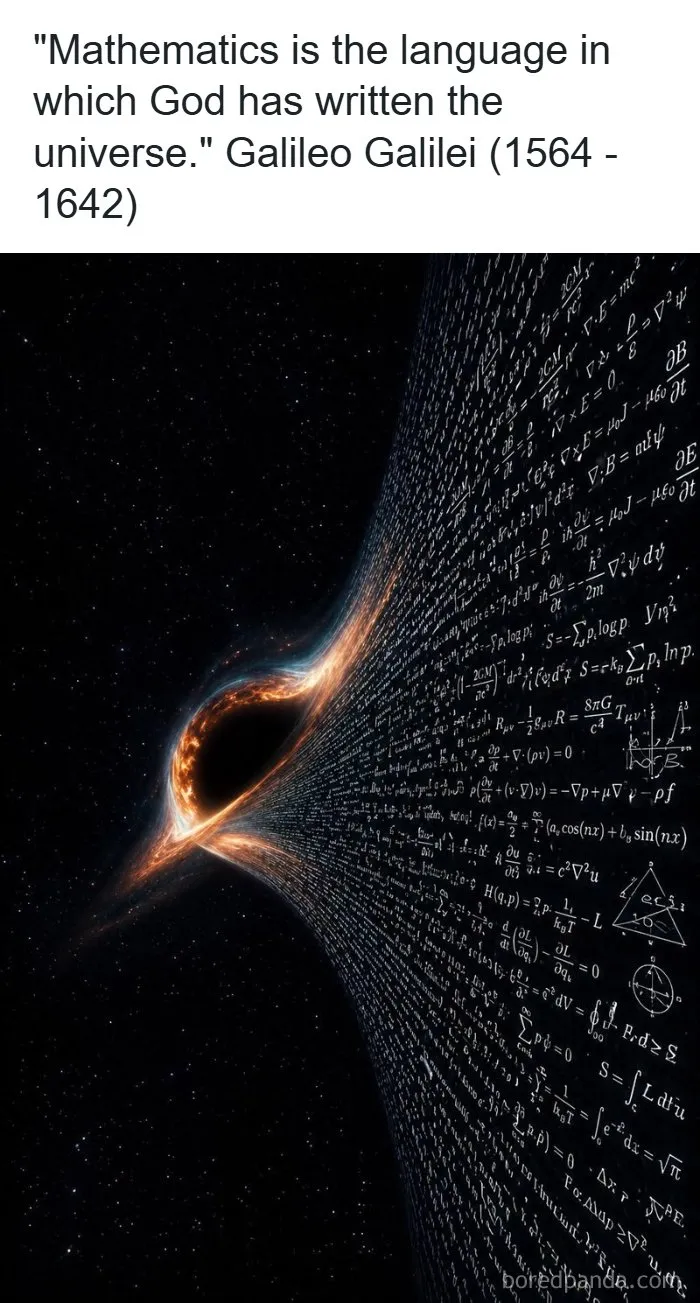
Black holes are another example of how unusual the universe can be. Their gravitational pull is so powerful that not even light can escape once it crosses their event horizon. Although scientists have made significant progress in studying these objects, many questions about their behavior remain unanswered.
Discoveries like these show how much there is still to learn about the universe and how new observations can continually expand our understanding of what is possible.