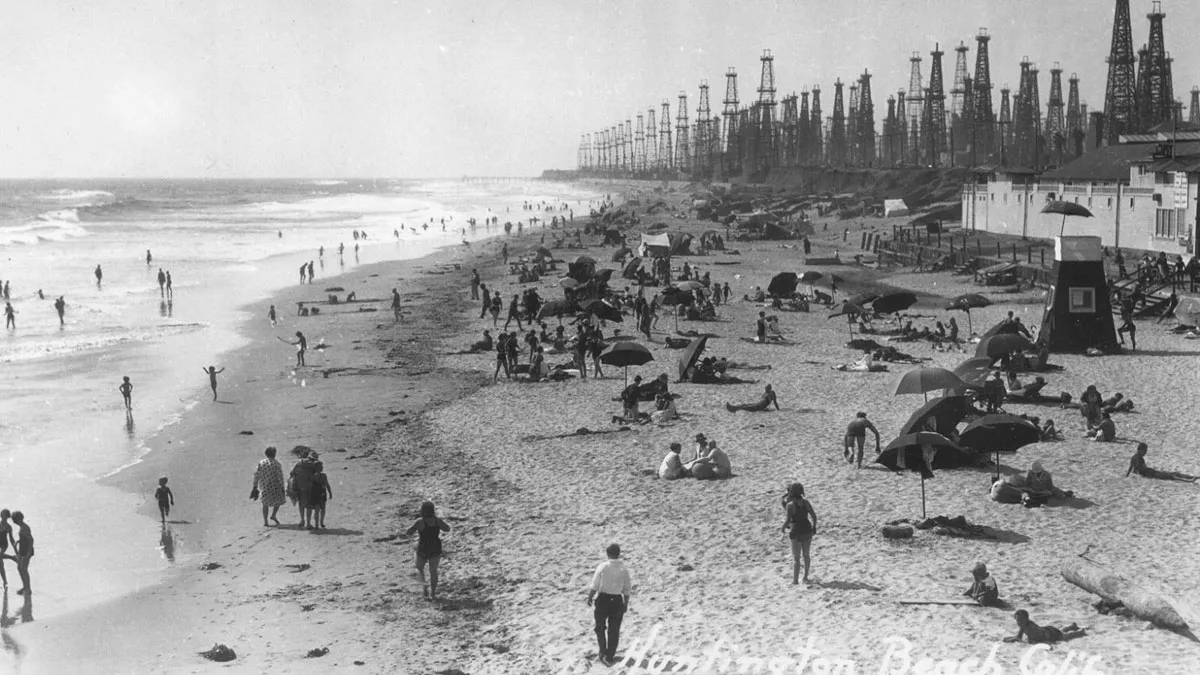



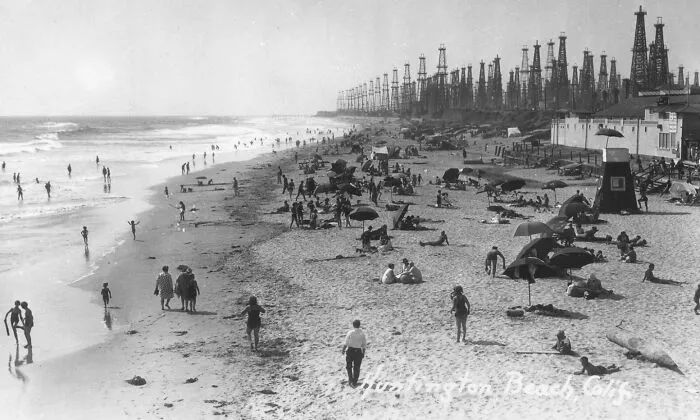
#21 Huntington Beach In California Used To Have A Bunch Of Oil Derricks On Top Of It
Of course, none of these traces necessarily tells one complete story. A photograph might capture a brief moment in its subject’s life. But it also forms part of the photographer’s story, the story of someone only incidentally captured in the frame, and our collective story, too. Then there are all the stories that explain how and why the photograph still exists in the present—kept, stored, passed on, digitized, archived. The same can be said of objects like Abraham Lincoln’s hat featured on this list. It can simultaneously act as an eerie trace of his last night, show us something about the fashion of the time, and speak to the craft of the person who designed and made it.
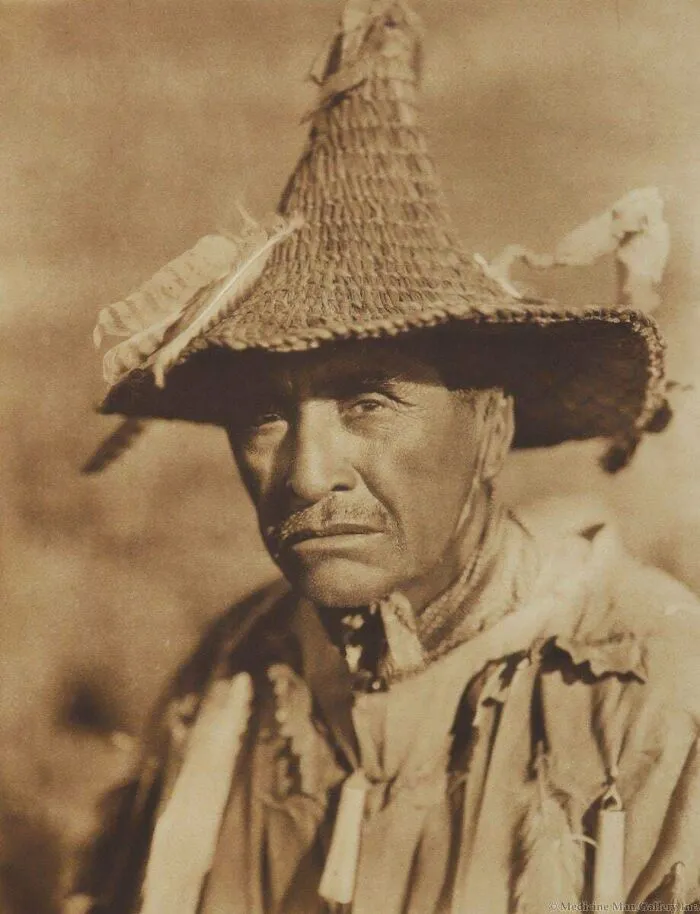
#22 A Very Small Picture Gallery Of Americans, From The Mid 1800s To Mid 1900s
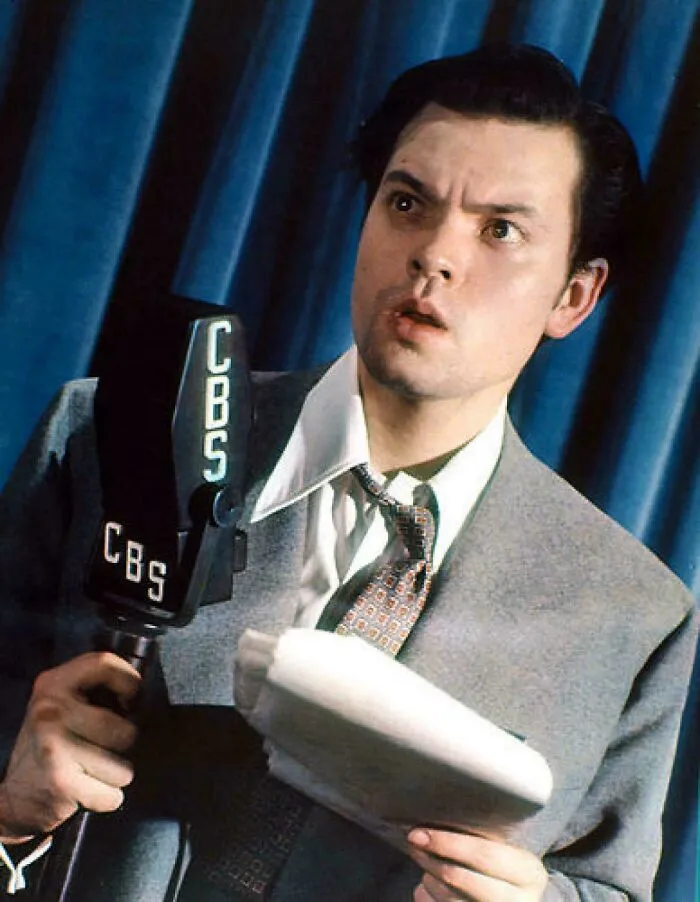
#24 A 23 Year Old Orson Welles In A Color Cbs Publicity Photo In New York, 1938
In other words, as Lubar and Kendrick argue, artifacts can “lead to many stories,” and their meanings can change depending on the context in which they are viewed and interpreted. This means that they can be “interpreted and reinterpreted, viewed and reviewed,” they explain.
And perhaps that’s part of this list’s appeal. These are objects that were made, kept, preserved, maybe passed down, and ultimately reproduced as images on our screens. And while they might be old, that doesn’t necessarily mean they’re done telling us things.
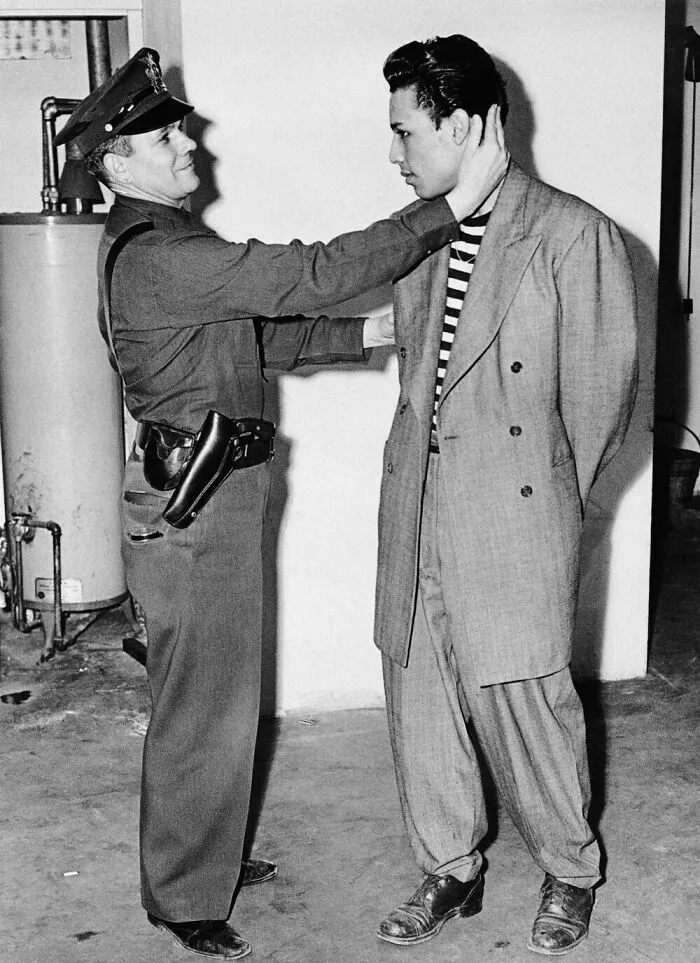
#29 Zoot Suit Riots
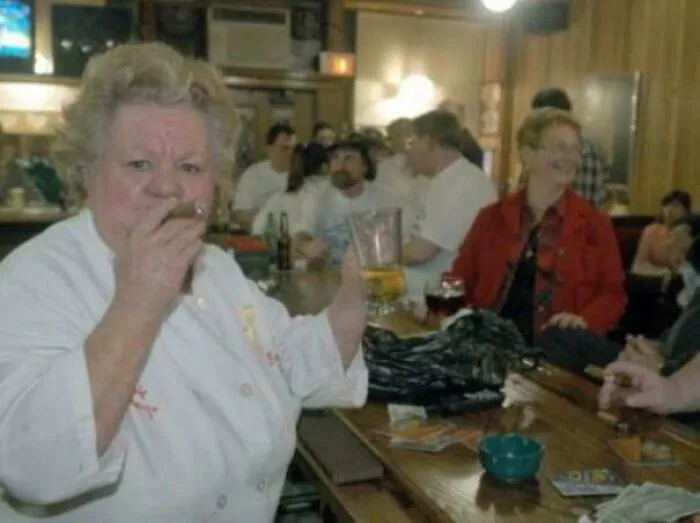
#30 Staten Island Chef Puffs A Cigar While Holding A Beer In March 2003, A Night Before The NYC Smoking Ban Went Into Effect
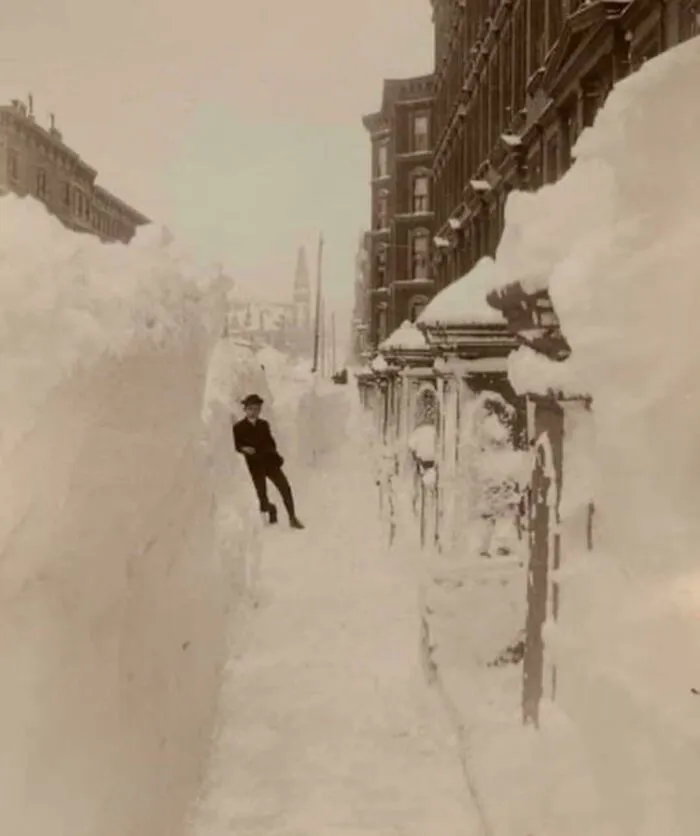
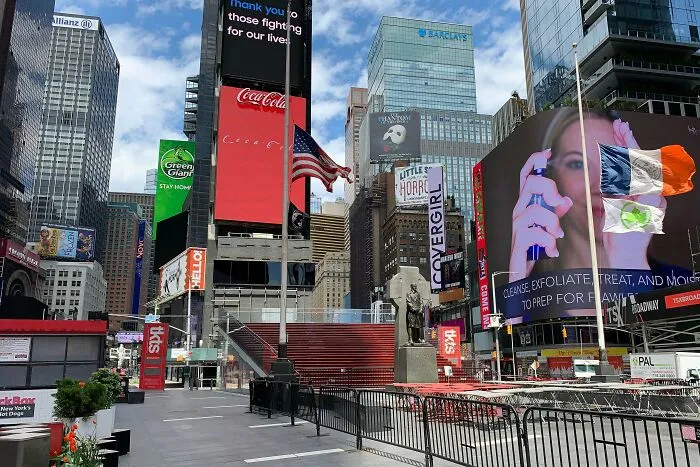
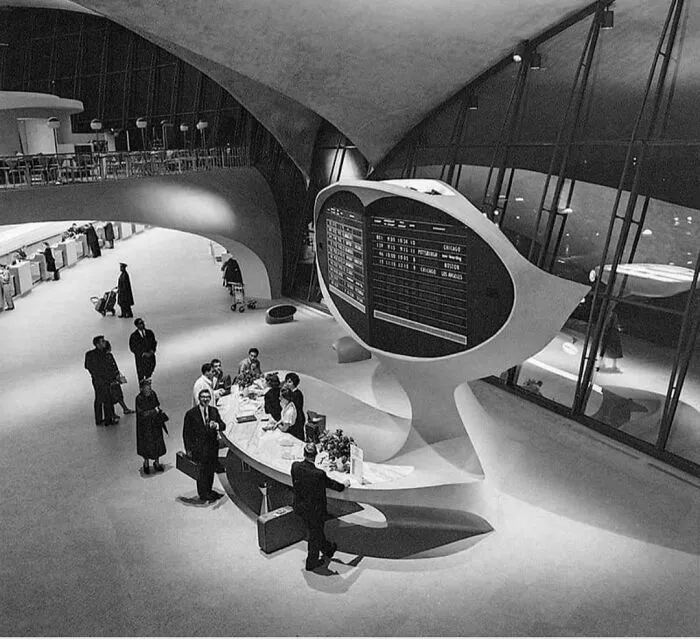
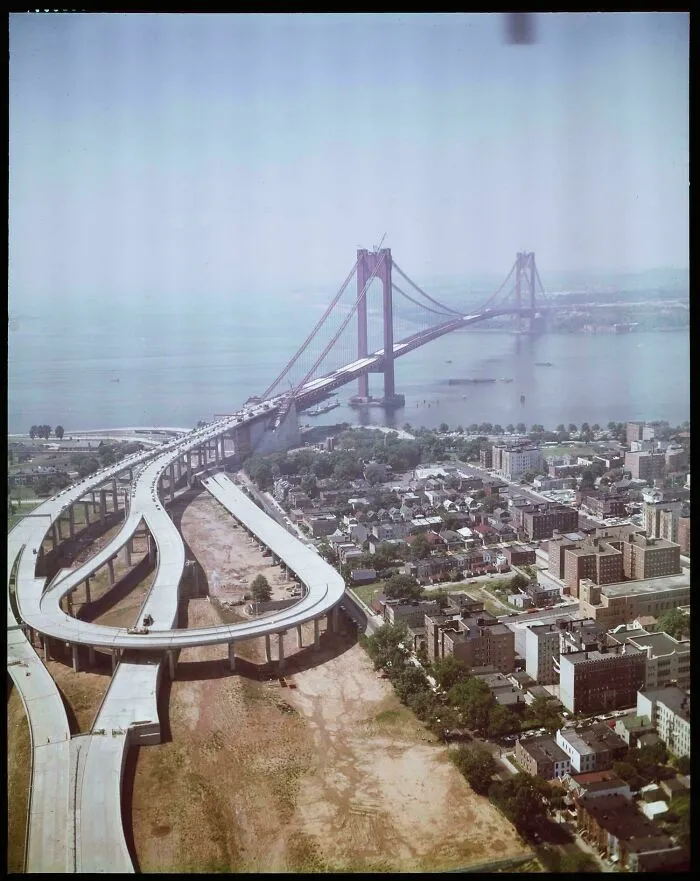
#33 Twa Terminal At Idlewild Airport Before The Name Was Changed To John F. Kennedy Airport C.1962

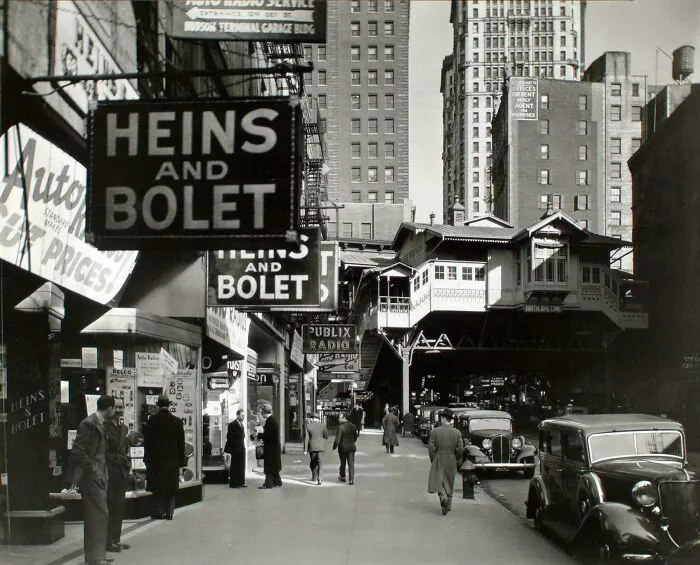
#36 Radio Row On The Lower West Side Of Manhattan, As Shot By Berenice Abbott In May Of 1936. This Entire Block Was Later Cleared For The Construction Of The World Trade Center
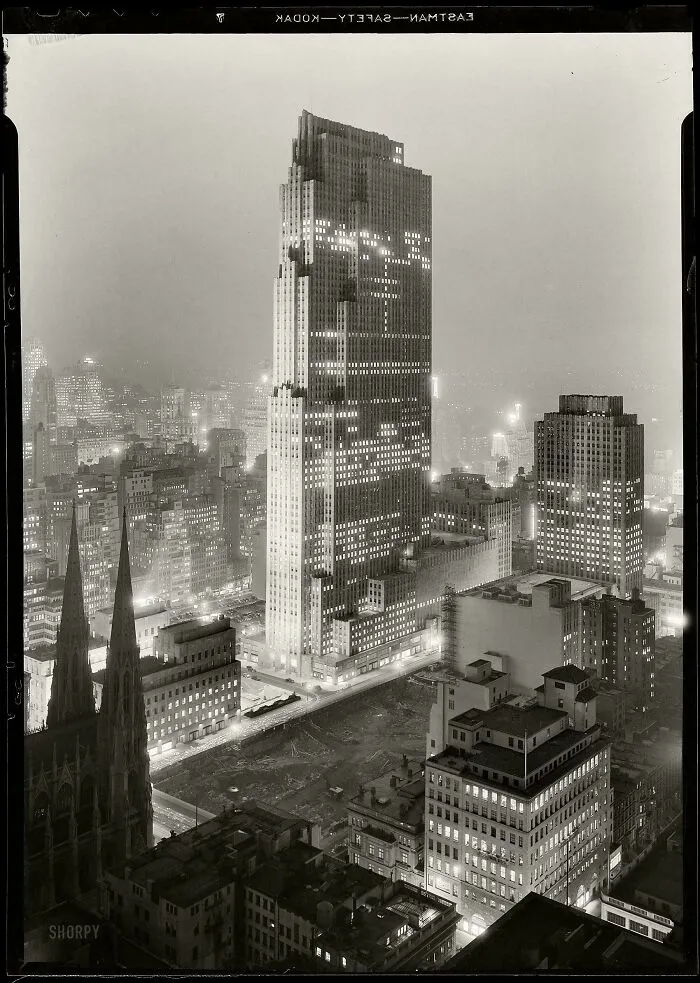
#37 December 5, 1933. Rockefeller Center And Rca Building From 515 Madison Avenue