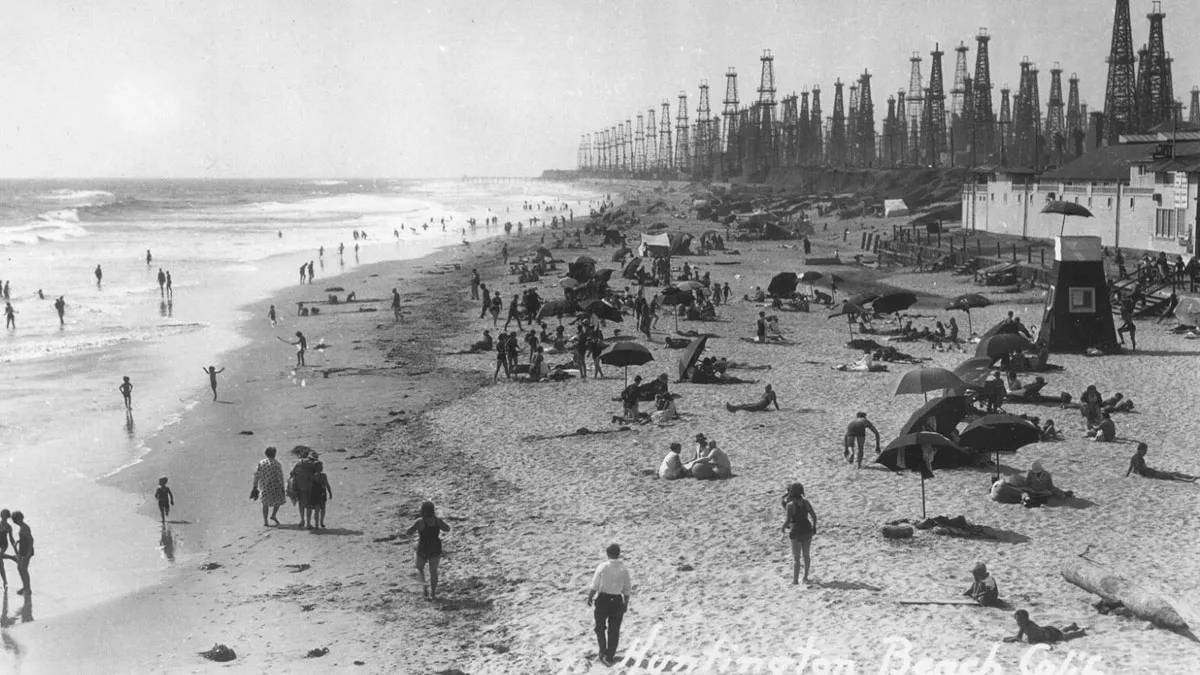



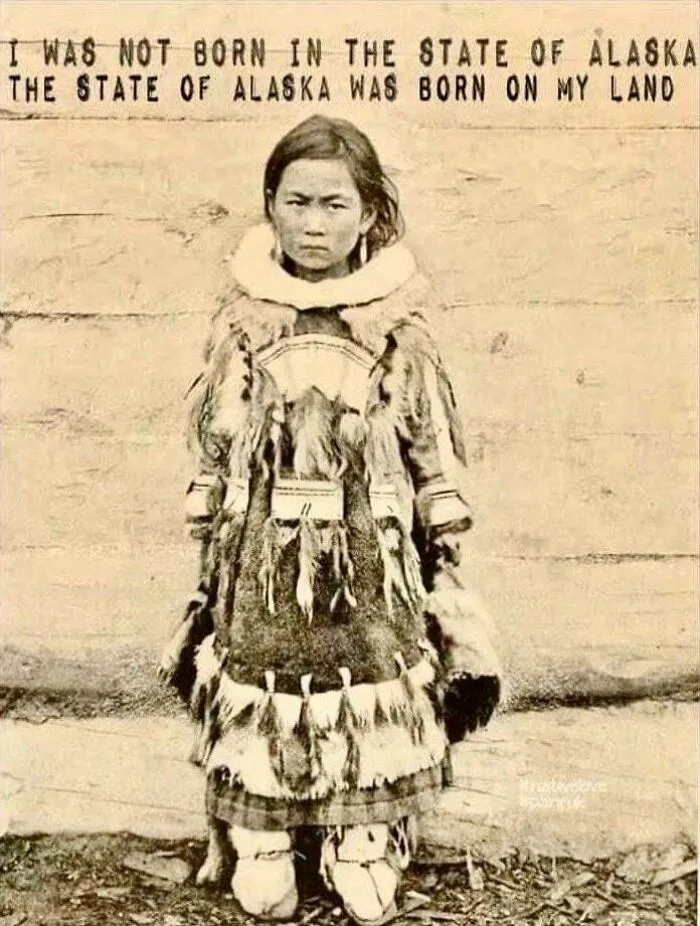
#1 A Small Picture Gallery Of Americans Taken From The Late 1800s Onward
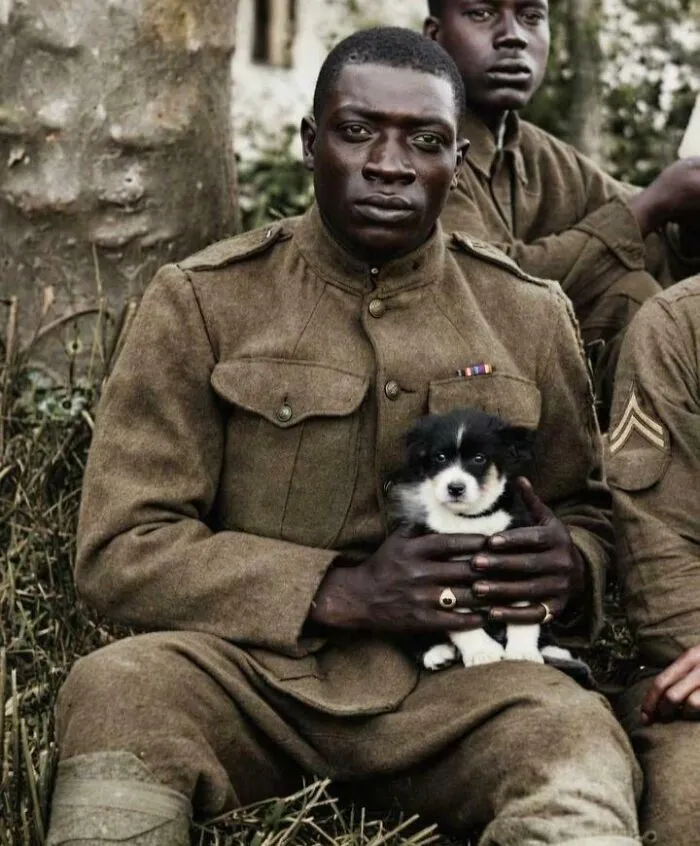
#2 A Member Of The Harlem Hellfighters (369th Infantry Regiment) Poses For The Camera While Holding A Puppy He Saved During WWI, 1918
These days, it can be easy to think of photographs simply as images. Because for the vast majority of us, that’s how we encounter them. Made up of a bunch of pixels, we mostly see them on screens, as digital files that can be copied, shared, and scrolled past in less than a second. And we take them—plenty of them—just as quickly, often forgetting about them soon after, and very rarely ever actually printing them.
But there was once a time—in fact, it was this way for much of photography’s history—when a photograph was understood to be a physical thing: something that could be held, displayed, put in an album, sent through the post, or tucked away someplace private. Sure, they captured a fleeting moment in time, but they became concrete, tangible things.
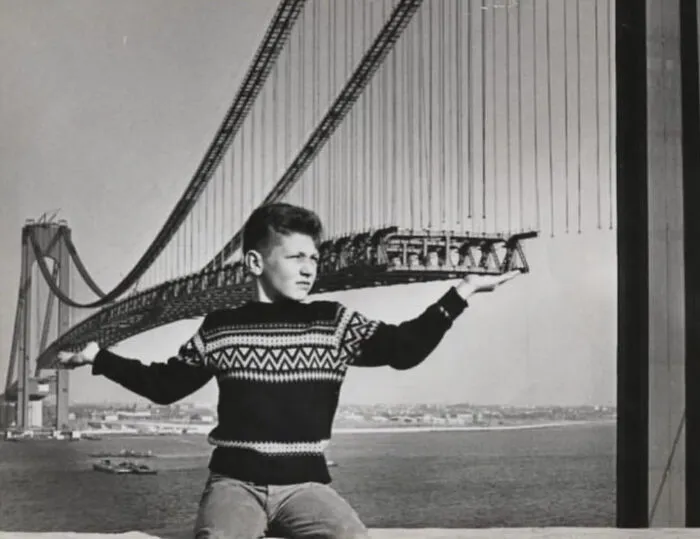
#8 Child Poses In Front Of The Verrazzano-Narrows Bridge During Its Construction, Cir. 1963
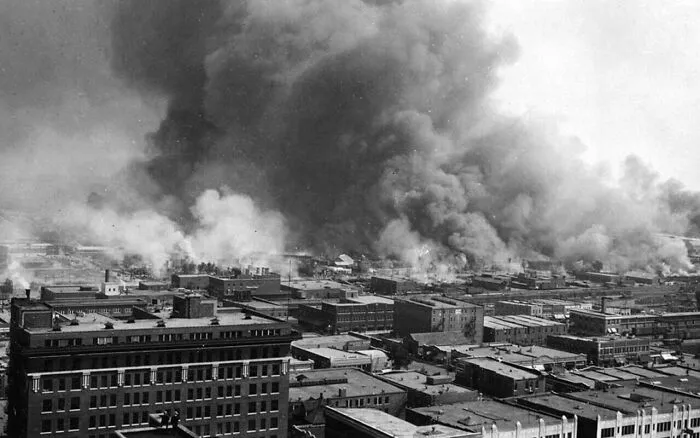
#9 Tulsa Race M******e
What’s particularly interesting about this is that it reminds us that historical photos are not simply images of the past but also objects from the past. They’re records or evidence of people, places, and events, but they’re also artifacts—things people made, owned, used, and passed on. And that means they can tell us something not only about what was captured in the frame, but about the people and world around it.
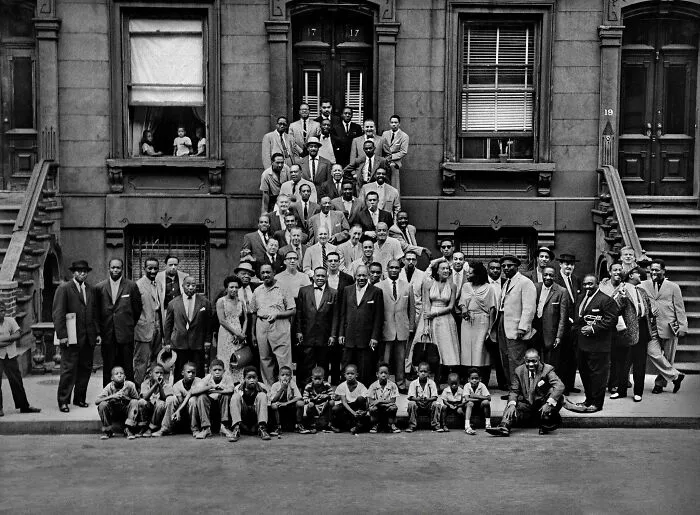
#10 Rip To Sonny Rollins, The Last Surviving Musician From Art Kane's Legendary 1958 Photograph "A Great Day In Harlem."
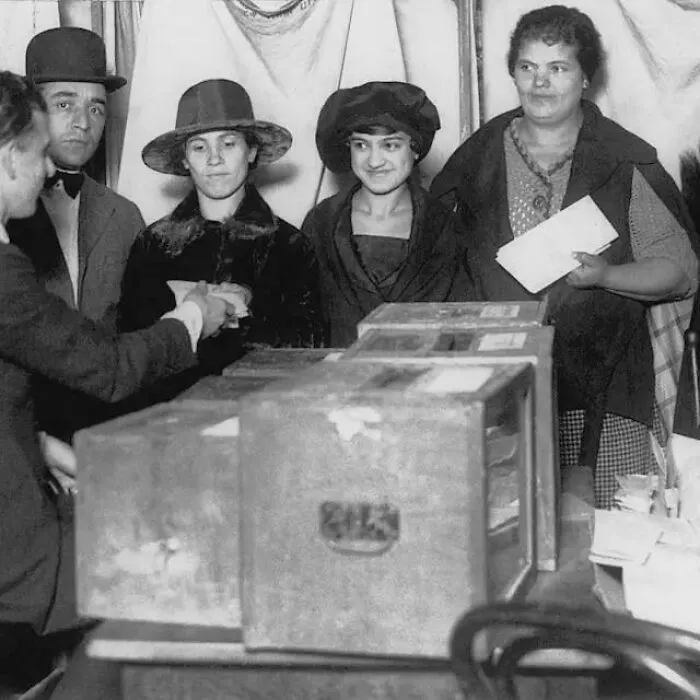
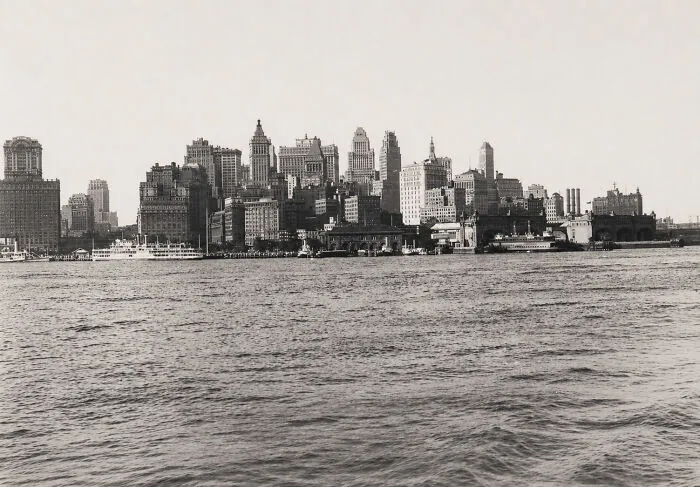
Writing for the Smithsonian, Steven Lubar and Kathleen Kendrick define artifacts as “the objects we make and use,” arguing that they can offer “another way of approaching the past.” Unlike textbooks, which tend to focus on major documents and events, artifacts can reveal another kind of history, helping us understand the people who made and used them, as well as the values, knowledge, and tastes of the societies around them. “Artifacts,” they say, “are the touchstones that bring memories and meanings to life. They make history real.”
#13 The Fold-Out Bed That George Washington Used In The Field During The Revolutionary War
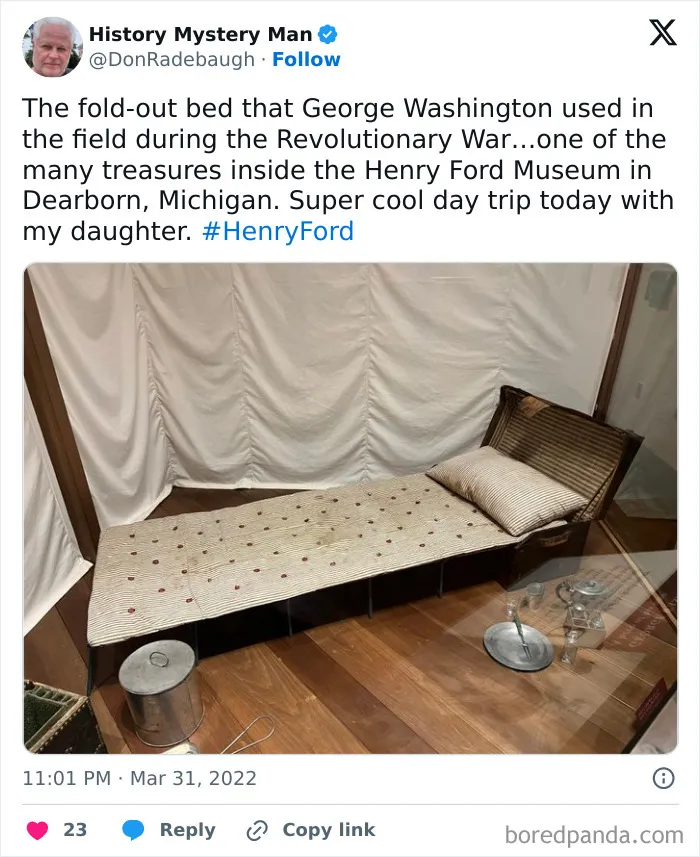
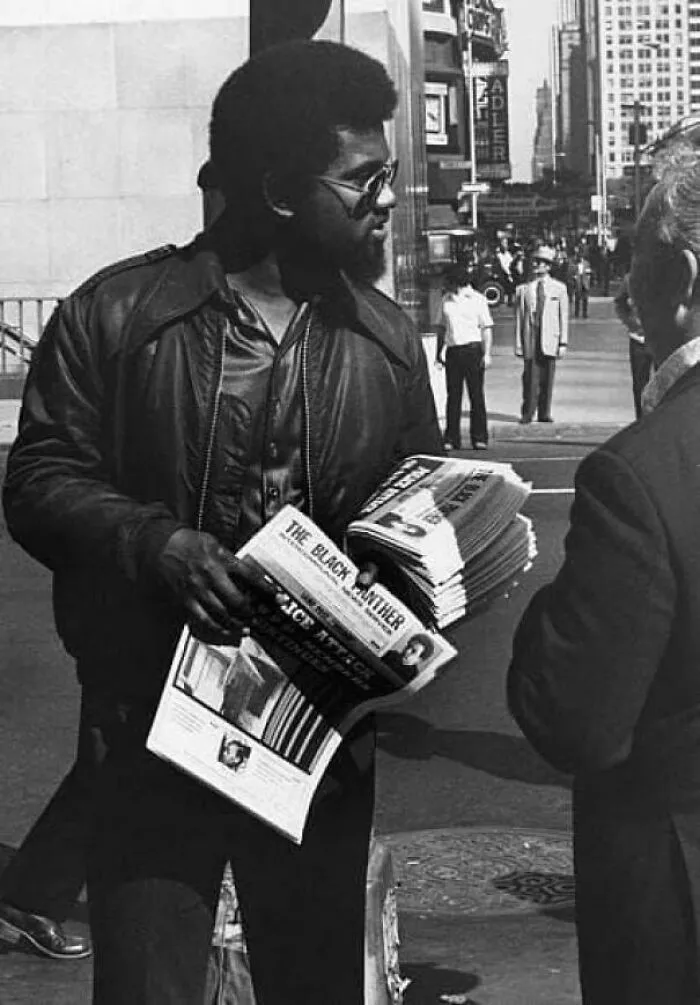
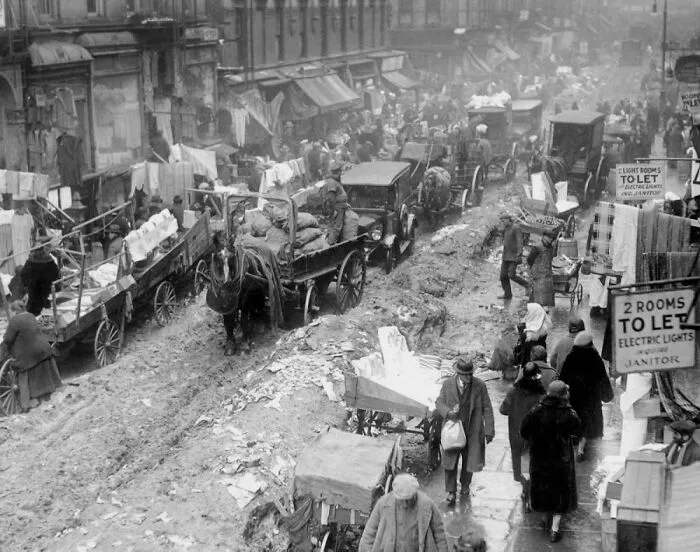
#15 1926. A Tough Route To Traverse Along Orchard Street, Lower East Side Manhattan
Part of what makes them such touchstones is that they can open up the world beyond themselves. Lubar and Kendrick explain that when we take the object as a point of departure, we open up the world “beyond the artifact” and “learn a different kind of history.” When artifacts are imagined in context—not in isolation but against a backdrop of people, places, and events—they “become passageways into history,” they write. Through them, “we can connect to a moment in time, a person's life, a set of values and beliefs.”
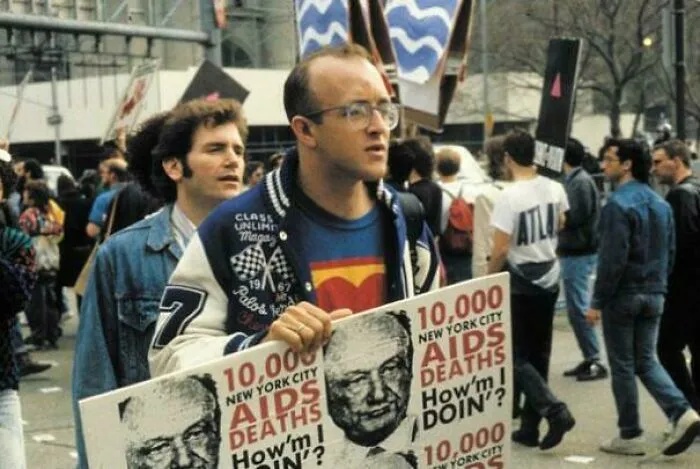
#16 Artist Keith Haring Attending An Act Up Protest At City Hall In March 1989. He Would Die The Following February From Aids-Related Complications
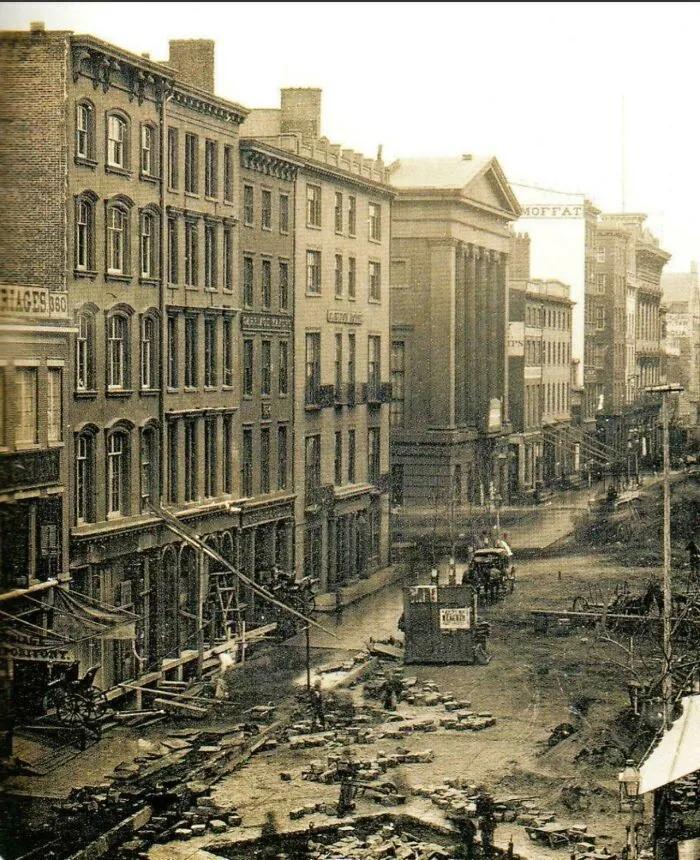
#17 This Is Believed To Be The Oldest Photograph Taken Of NYC. It Was Taken At Broadway Between Franklin And Leonard Streets, May 1850
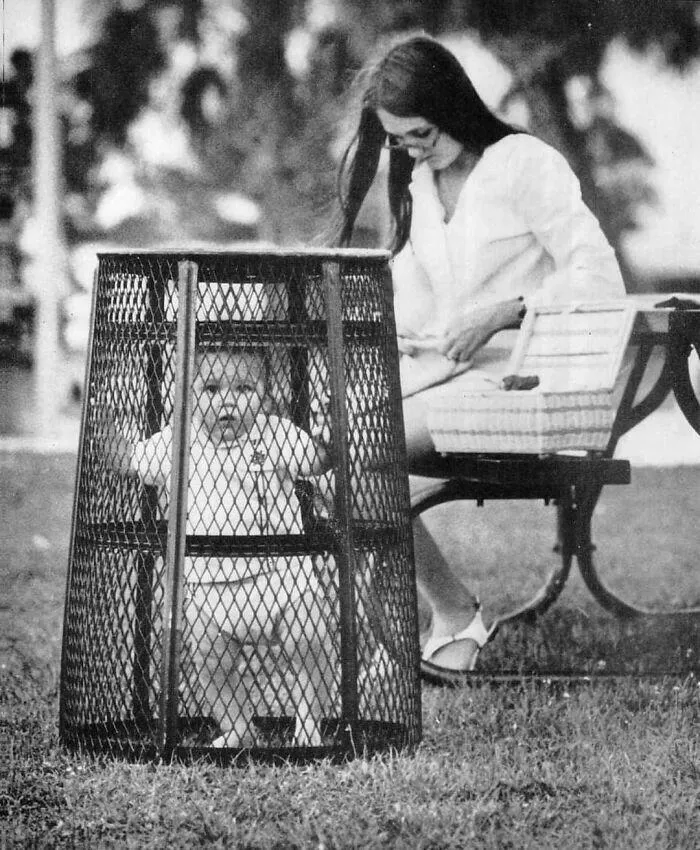
#18 1969. Mom Contains Her Baby In A Central Park's Trash Bin While She Catches Up On Her Crocheting
It’s an idea that extends naturally to both the photographs and the other material traces in this collection. A photograph might show us a person, building, or event, but the details surrounding the main subject can tell another story. Clothing, cars, shop signs, furniture, and architecture can reveal something about everyday life, technology, commerce, and changing tastes.
A menu, ticket stub, route map showing travel times, or old grammar test can likewise offer unexpected glimpses into everyday life—what people ate, how they traveled, what they learned, and how they spent their time.
#19 Greensboro M******e
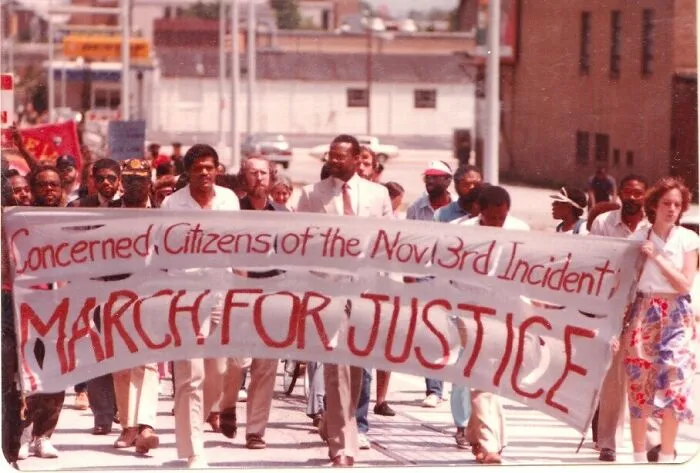
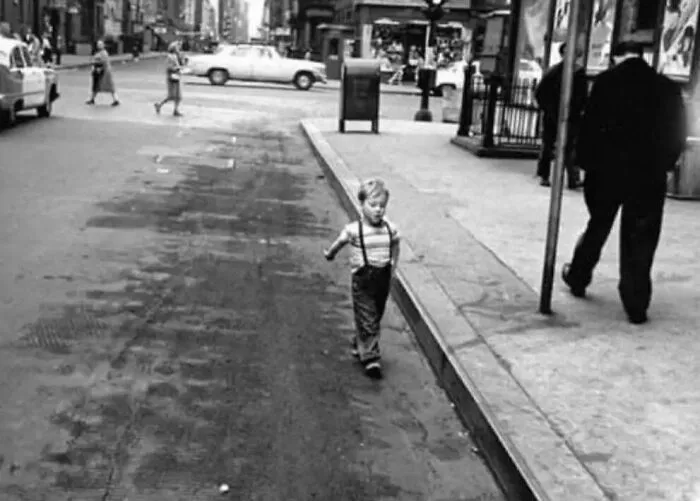
#20 1956. Hell’s Kitchen. A Little NYC Boy Named Willie Makes His Way In The Street